Why Pennsylvania Homeowners Are Ripping Out Bradford Pears This Summer
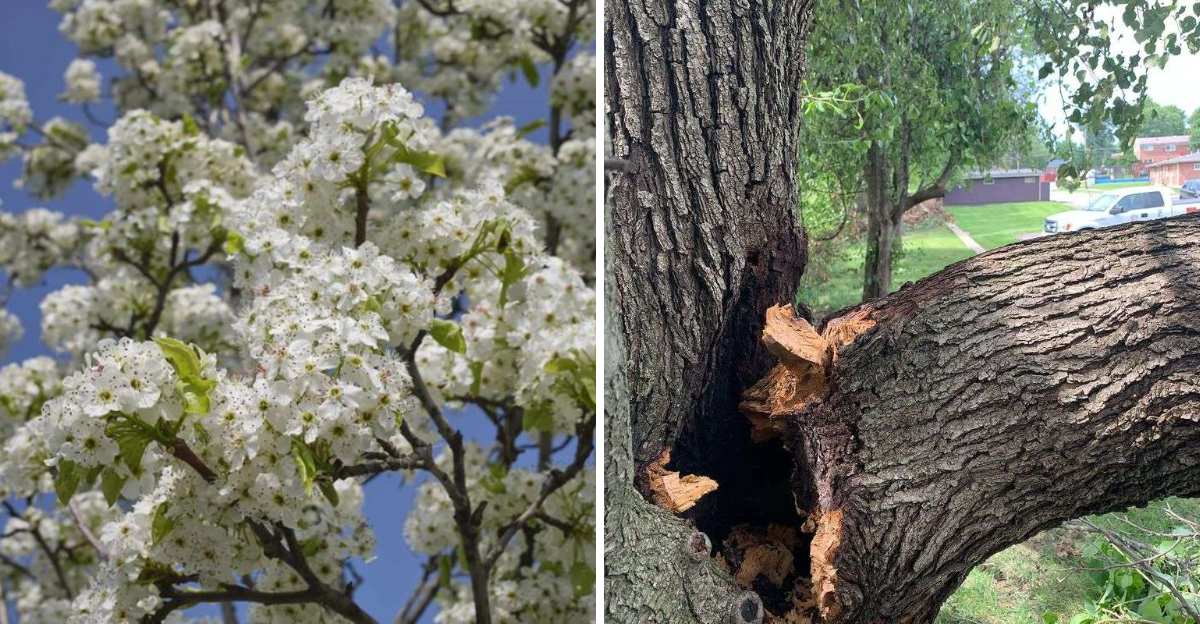
Bradford pears were once one of the most popular ornamental trees in Pennsylvania. Developers planted them everywhere, nurseries couldn’t keep them in stock, and homeowners loved the spring bloom display they put on every year.
For a while, they seemed like the perfect suburban tree. That reputation has completely collapsed.
And for very good reason. Bradford pears have turned out to be one of the most problematic ornamental trees ever widely planted in the eastern United States.
They’re structurally weak, splitting apart at the trunk as they age in ways that can cause serious damage to property and people. They smell notoriously bad when blooming, something politely left out of most early descriptions.
And perhaps most critically, they have become invasive, escaping into natural areas across Pennsylvania and crowding out native plants at a scale that took experts years to fully appreciate.
Pennsylvania homeowners are now pulling them out in significant numbers, and the movement is gaining real momentum this summer.
1. They Are Now Treated As Invasive In Pennsylvania
Bradford pear has a reputation problem in Pennsylvania, and it is only getting bigger. Bradford pear is a cultivar of Callery pear, and Callery pear is now officially recognized as an invasive species in the state.
That label carries real weight for homeowners who want to be responsible stewards of the land around them.
Pennsylvania’s Department of Agriculture and various conservation groups have flagged Callery pear as a plant that causes harm to natural ecosystems.
When a tree earns that classification, it means it has been shown to spread beyond where it was planted and push out plants that belong there. That is a serious concern, not just a technicality.
Many homeowners planted Bradford pears years ago because nurseries sold them as a clean, pretty, low-maintenance option. Back then, most people had no idea the tree would become such a problem.
Now that the information is out there, more residents feel a responsibility to act. Removing an invasive tree is not just about following rules. It is about protecting local ecosystems that native wildlife depends on.
Birds, pollinators, and small mammals rely on native plants for food and shelter. A Bradford pear does not offer the same ecological value as a native tree would in the same spot.
The invasive label is the single biggest reason Pennsylvania homeowners are pulling these trees out this summer.
Once people learn their tree is officially considered a problem species, keeping it starts to feel like the wrong choice. Replacing it with something native feels like the right one.
2. They Spread Beyond The Yard
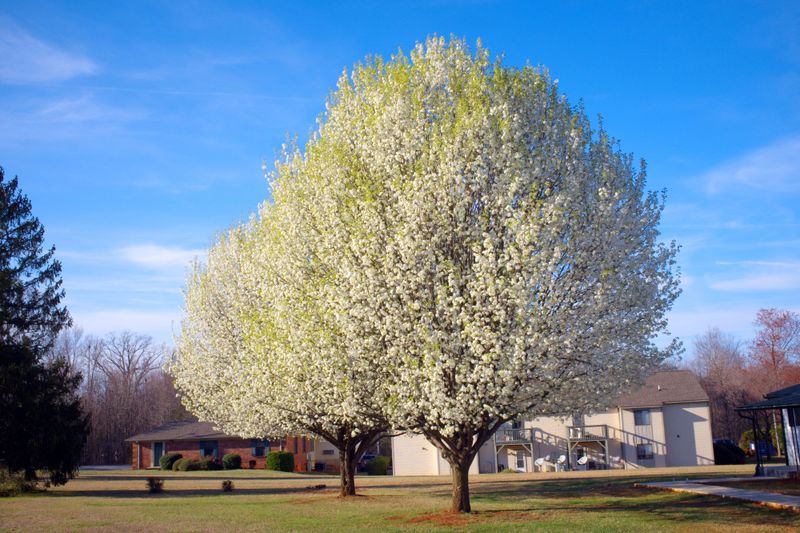
One of the sneakiest problems with Bradford pear trees is that they do not stay where you plant them. Birds love to eat the small fruits that these trees produce, and when birds fly off, the seeds go with them.
Those seeds can sprout just about anywhere, and that is exactly what is happening across Pennsylvania.
Wild Callery pear thickets have been spotted growing along roadsides, in open fields, at the edges of woodlands, and on unmaintained lots throughout the state. These thickets are dense, thorny, and incredibly difficult to manage once they get established.
Your Pennsylvania Garden Changes Every Week. Your Plan Should Too.
Gardening in Pennsylvania changes quickly throughout the season. Every Friday you’ll receive a simple weekly plan showing exactly what to plant, prune, fertilize, harvest, and protect so you never miss the right timing.
What started as one ornamental tree in a front yard can contribute to a spreading problem that affects acres of land nearby.
Here is something that surprises a lot of people: Bradford pear trees were originally sold as sterile because they cannot pollinate themselves. But when two different Callery pear varieties grow near each other, they cross-pollinate and produce fertile seeds.
With so many Bradford pears planted across neighborhoods, cross-pollination is happening constantly.
That means every tree you keep in your yard is potentially adding fuel to a much bigger fire. The spread is not theoretical.
It is already happening, and researchers and land managers in Pennsylvania are watching it closely.
Removing your Bradford pear will not fix the whole problem overnight, but it does reduce the number of fruit-producing trees contributing to the spread.
Every tree removed is one less source of seeds for birds to carry into natural areas. That makes a real difference over time, especially when neighbors start doing the same.
3. They Crowd Out Better Native Plants
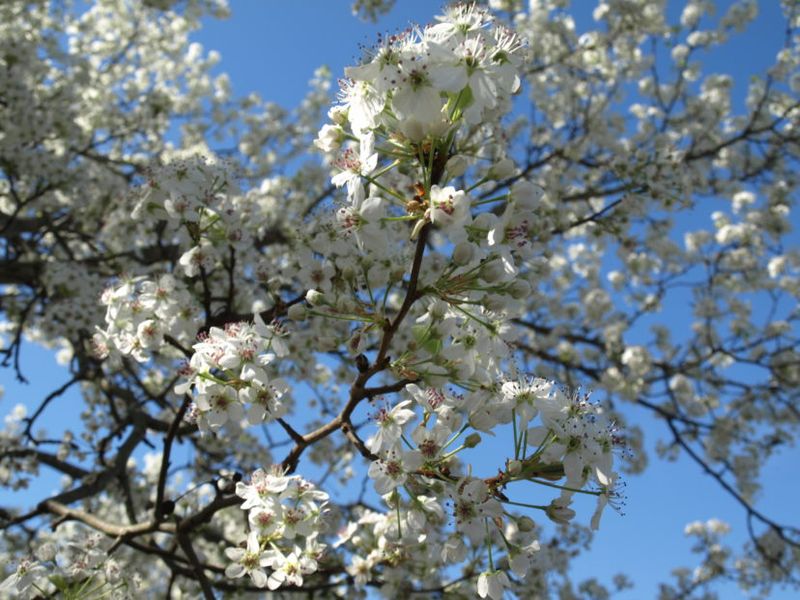
Imagine planting a garden full of native wildflowers and shrubs, only to watch them slowly get choked out by an aggressive invader. That is exactly what Callery pear does when it escapes into natural areas.
It forms dense thickets that block sunlight, take up soil nutrients, and leave little room for native plants to grow.
Native trees, shrubs, and wildflowers are the backbone of a healthy Pennsylvania ecosystem. They provide food and habitat for local wildlife in ways that non-native plants simply cannot match.
When Callery pear moves in and takes over, the result is a patch of land that looks green but offers very little value to birds, insects, or mammals that depend on native species.
For homeowners who are trying to create a more wildlife-friendly yard, keeping a Bradford pear sends mixed signals.
You might put up a bird feeder and plant native flowers on one side of the yard while the Bradford pear on the other side is contributing to the spread of an invasive thicket down the road.
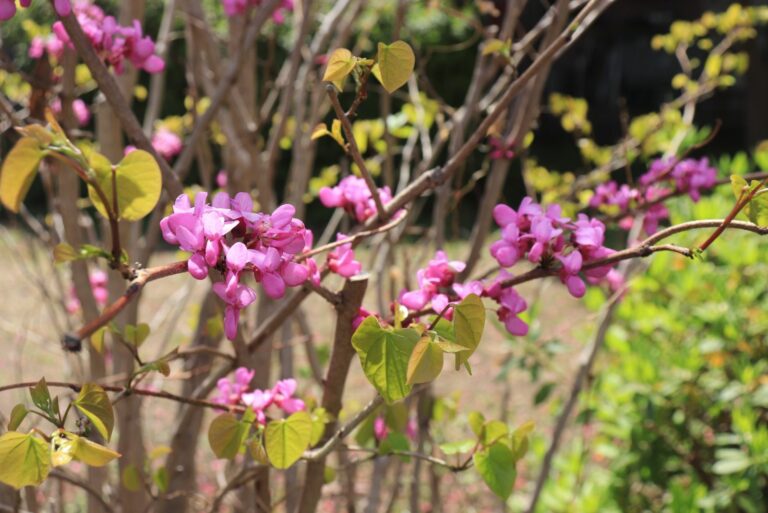
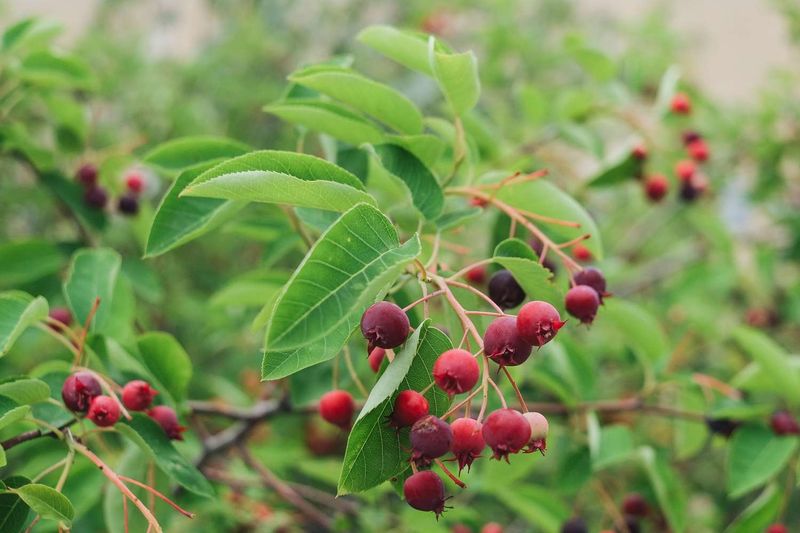
Removing a Bradford pear opens up real space and opportunity. That spot in your yard could support a native serviceberry, a redbud, or a flowering dogwood.
All three of those trees bloom beautifully in spring, offer food for birds and pollinators, and do not spread invasively into natural areas.
Swapping out a Bradford pear for a native tree is one of the most impactful things a Pennsylvania homeowner can do for local wildlife. The change might seem small in your own yard, but it adds up when whole neighborhoods make the shift together.
4. They Break Apart In Storms
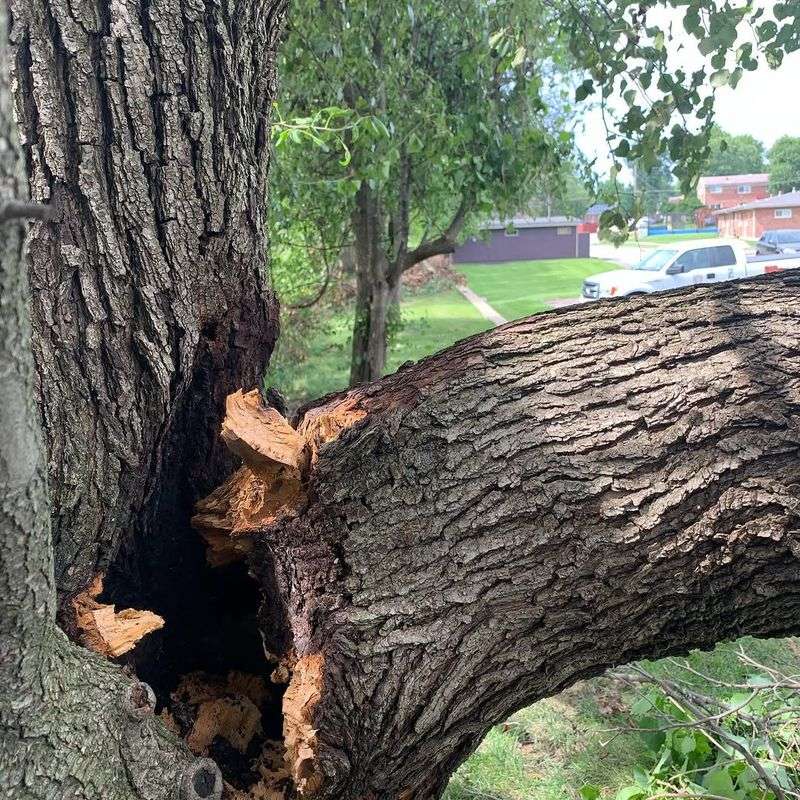
Bradford pear trees have a serious structural flaw that becomes more dangerous as they get older.
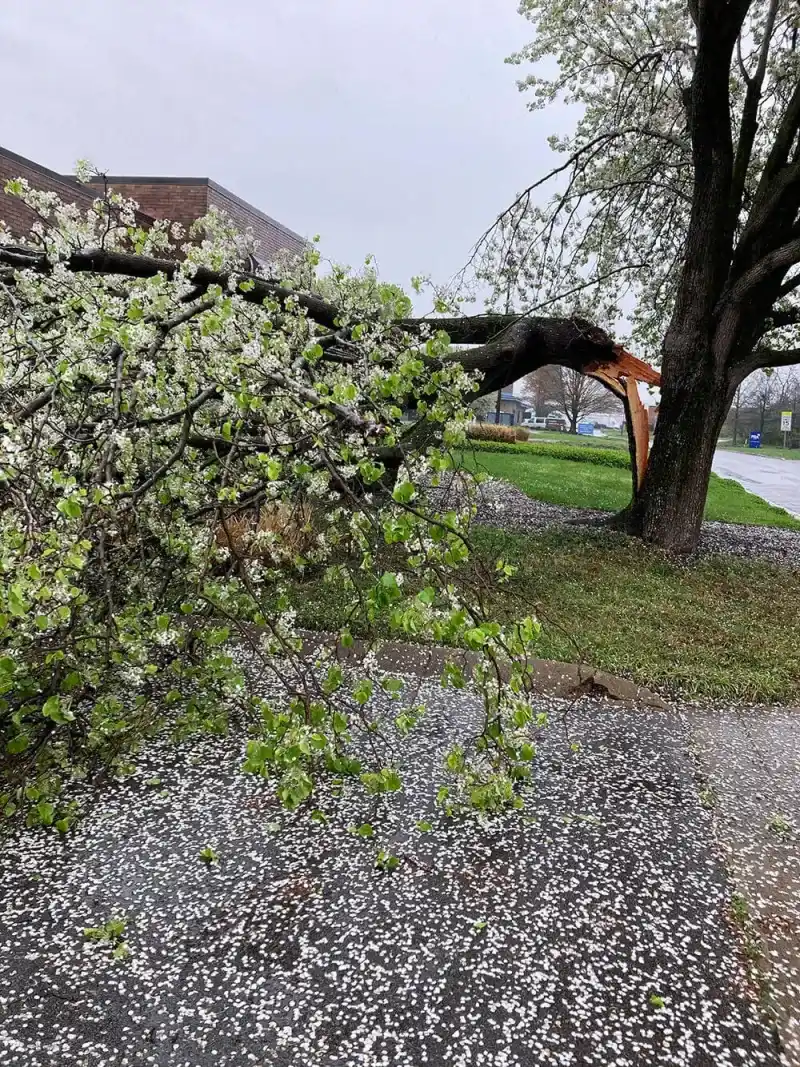
The branches tend to grow at very narrow angles from the trunk, which creates what tree experts call weak branch unions. Over time, especially on mature trees, those unions just cannot hold up under pressure.
Summer thunderstorms in Pennsylvania can bring strong winds, heavy rain, and sometimes hail. That combination is more than enough to split a Bradford pear right down the middle.
Homeowners who have had one of these trees for ten or more years know the anxiety that comes with watching a storm roll in. The older the tree, the higher the risk of losing a major limb or having the whole thing tear apart.
A fallen limb from a Bradford pear is not just an inconvenience. It can land on a car, crack a sidewalk, damage a roof, or block a driveway.
In worst-case scenarios, it can fall on a person. That kind of liability is something most homeowners would rather avoid entirely.
Tree service companies in Pennsylvania have been called to deal with Bradford pear damage after storms more times than they can count.
Many arborists will tell you outright that Bradford pears are among the most structurally unreliable trees commonly planted in residential yards. That is not a minor issue when the tree is growing near your house.
Proactive removal before a storm causes damage is almost always the smarter and cheaper option. Waiting for the tree to fail on its own terms means letting it choose the time and place of the damage, which rarely works out in the homeowner’s favor.
5. They Smell Bad When They Bloom
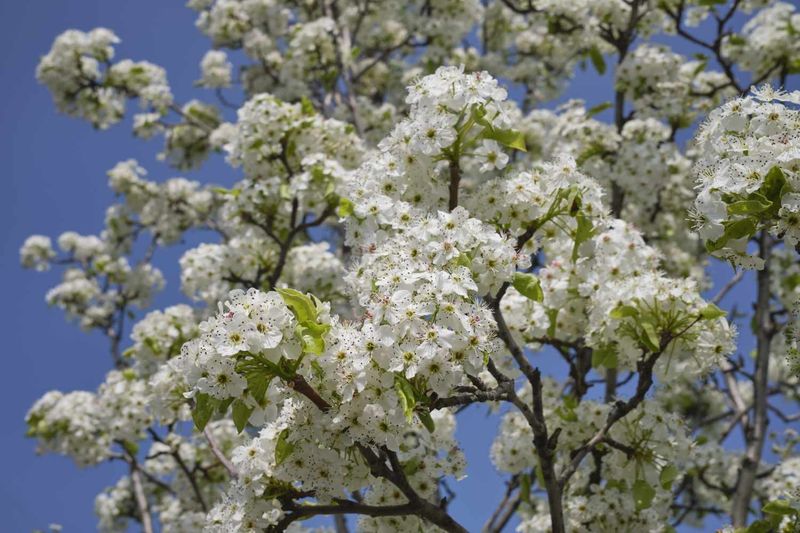
Every spring, Bradford pear trees put on a show. The white blossoms cover the tree so thickly that it almost looks like it is dusted with snow.
From across the street, it is genuinely pretty. But get a little closer, and the experience changes fast.
The flowers of a Bradford pear produce a smell that most people describe as fishy, musty, or just plain unpleasant. It is strong enough to drift through open windows on a warm spring day.
Neighbors who live near several of these trees often notice the odor before they even spot the blooms. It is not subtle, and it does not go away quickly since the bloom period can last a couple of weeks.
For years, many homeowners put up with the smell because the tree looked nice and came with no other obvious drawbacks.
But now that more people know about the invasive spread and the storm damage risk, the smell has become one more item on a growing list of reasons to say goodbye to the tree.
It is kind of like finding out a neighbor who always seemed fine is actually causing problems for the whole block. Suddenly, even the little annoyances feel more significant. The smell did not get worse, but the context around it did.
Plenty of native flowering trees bloom just as beautifully in spring without the offensive odor. Native serviceberry, redbud, and flowering dogwood all offer gorgeous spring color and a much more pleasant experience up close.
Swapping out the Bradford pear for one of these options means you get the beauty without the drawback.
6. Pennsylvania Is Encouraging Native Replacements
Removing a Bradford pear is easier to feel good about when you know something better is going in its place. Pennsylvania has made that part of the process simpler by actively promoting native tree replacement programs.
These programs give homeowners a clear path forward after removal, and in some cases, they offer native trees at low or no cost through participating events.
Callery pear, including the Bradford variety, is listed among priority invasive trees and shrubs targeted for removal under Pennsylvania’s invasive species efforts.
When a plant makes that list, it means state agencies and conservation groups are putting real resources into encouraging people to get rid of it. That kind of official backing makes homeowners feel more confident about their decision.
Native replacements recommended for Pennsylvania yards include serviceberry, native flowering dogwood, redbud, black cherry, and American plum. Each of these trees offers seasonal beauty, supports local wildlife, and fits naturally into the state’s ecosystems.
They are not consolation prizes. Many of them are genuinely stunning trees that outperform Bradford pear in almost every meaningful way.
Some county conservation districts and local native plant societies hold tree giveaway events specifically tied to invasive species removal efforts.
If you remove a Bradford pear, you may be able to pick up a free or heavily discounted native replacement. That makes the whole process feel like a win rather than just a loss.
Getting involved in a replacement program also connects you with neighbors and community members who share the same goals.
Building a neighborhood with more native trees is something everyone benefits from, and it starts with one homeowner making the swap.