Why Pennsylvania Ticks Get More Dangerous In Fall And How Gardeners Can Fight Back
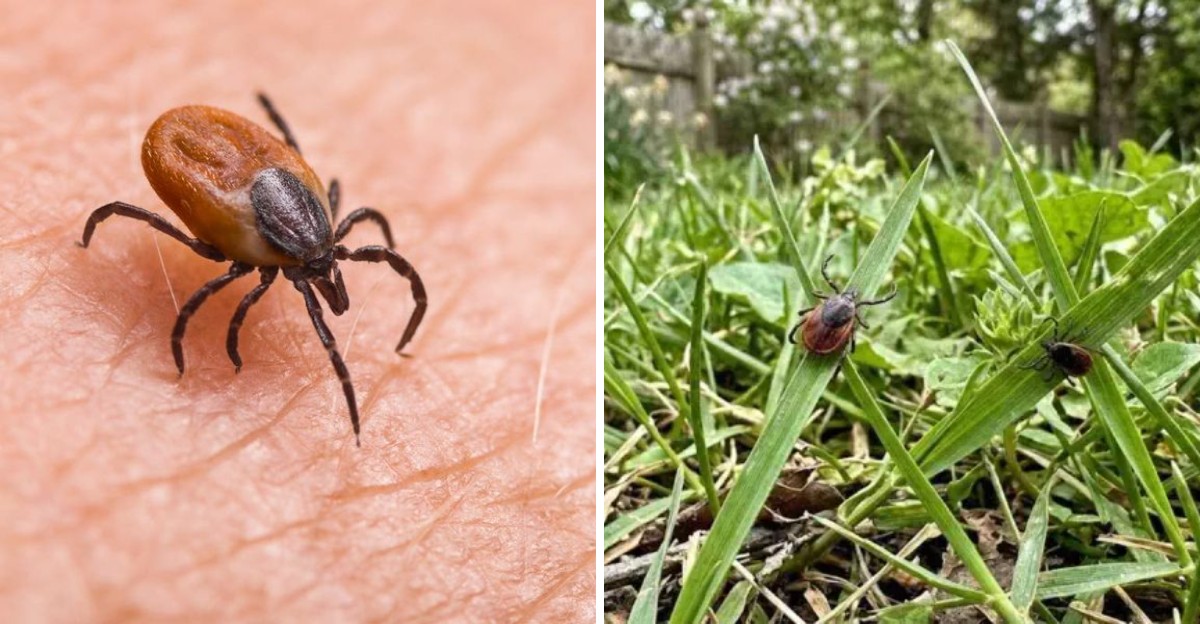
A tick on a fall leaf can look almost invisible, like a fleck of dirt clinging to the underside of a maple leaf a gardener just raked into a pile. Brush past it, and it’s already on your sleeve.
That quiet approach says something important about how these ticks operate. They don’t chase. They wait on low plants and leaf edges for something warm to walk by close enough to grab onto.
Many gardeners get the season backwards without realizing it. Ticks feel like a summer problem, something that fades once the weather cools and the leaves start dropping.
Blacklegged ticks don’t work that way. Fall brings adults back into activity, right when most people have already stopped checking for them.
A few habits can close that gap, covering the exact spots and moments where fall gardening puts a person back in tick range.
Get them right, and a fall cleanup stops being the thing that quietly brings a tick indoors unnoticed.
1. Adult Ticks Become Active Again In Fall
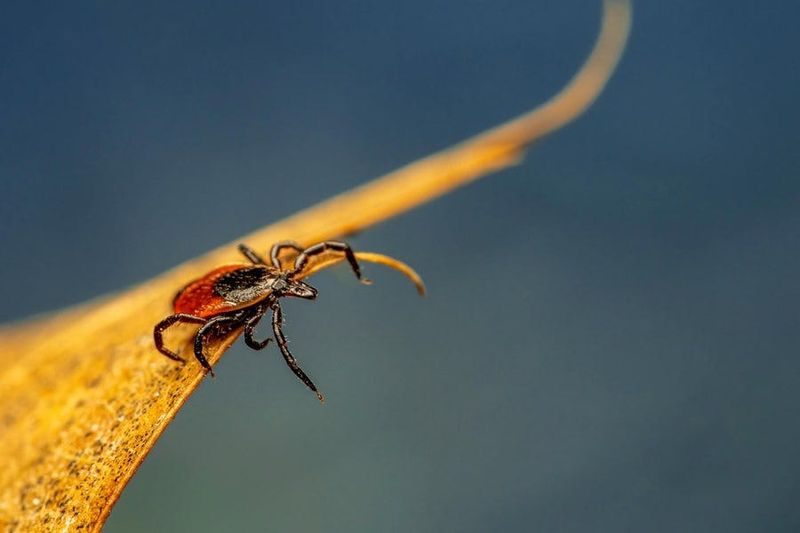
Plenty of gardeners assume tick trouble fades once summer ends. Fall actually brings a comeback nobody warned them about, and it catches a lot of people off guard right when they’ve relaxed their guard the most.
Penn State Extension notes that adult blacklegged ticks become active again after a summer lull, particularly during cooler months when most people have already mentally checked out of tick season entirely.
That timing lines up almost perfectly with peak fall yard work, which makes the overlap worse than it needs to be.
That means time spent weeding, mulching, or raking puts you right back in tick territory.
A mild afternoon in October or November feels completely harmless, yet adults are still questing on low plants and leaf edges, waiting for a person or pet to brush past close enough to latch on.
The seasonal mismatch is really the whole issue here. People associate ticks with warm, buggy summer days, not a crisp October morning spent cutting back perennials or bagging leaves.
That gap in awareness is exactly when exposure tends to happen, since caution drops off just as activity picks back up underground and in the leaf layer.
Nothing about fall yard work needs to stop because of this.
It just needs the same caution gardeners already bring to June and July, carried forward into a season that gets treated as safe by default even though the biology says otherwise.
Building that awareness into a fall routine, rather than assuming cooler weather handles the problem automatically, is really the first line of defense against a tick season most people think already ended weeks earlier.
2. Leaf Litter Provides Perfect Cover
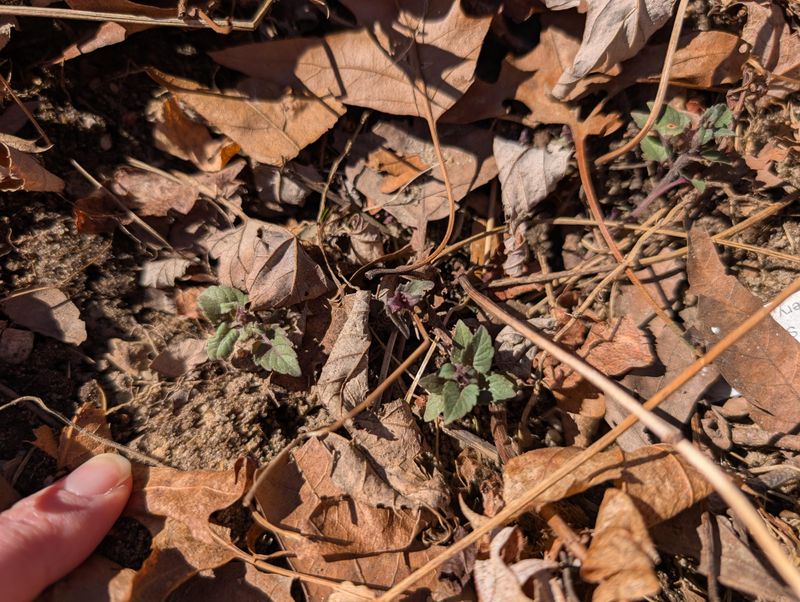
Think about where gardeners linger longest during a fall cleanup. Around shrubs, along flower beds, near wood edges, in damp piles of leaves waiting to be bagged up and hauled away.
Those exact spots give ticks shade, moisture, and shelter from drying sun and wind, which is precisely what a tick needs to survive through cooler weather rather than drying out and dying off before it finds a host.
Your Pennsylvania Garden Changes Every Week. Your Plan Should Too.
Gardening in Pennsylvania changes quickly throughout the season. Every Friday you’ll receive a simple weekly plan showing exactly what to plant, prune, fertilize, harvest, and protect so you never miss the right timing.
Leaf litter works like a cozy blanket, holding humidity close to the ground and buffering ticks from the temperature swings that come with a Pennsylvania fall.
Kneel down to pull spent annuals or gather up branches, and your sleeves, pants, and shoes move directly through the kind of hiding place ticks prefer most this time of year, often without a single visible warning sign.
It’s a strange irony worth sitting with for a moment. The very act of fall cleanup, meant to tidy up a yard before winter sets in, puts a gardener in closer contact with tick habitat than almost any other outdoor task all season.
Gloves help here more than people expect, since ticks often climb up from ground level before ever reaching skin.
A habit of shaking out clothing and checking sleeves before heading back inside after a session spent working through leaf piles catches a fair number of hitchhikers before they get any further.
None of this means avoiding leaf piles altogether. It just means treating them with the same care given to any other known tick habitat during the warmer months.
3. Disease Risk Rises With Adult Activity
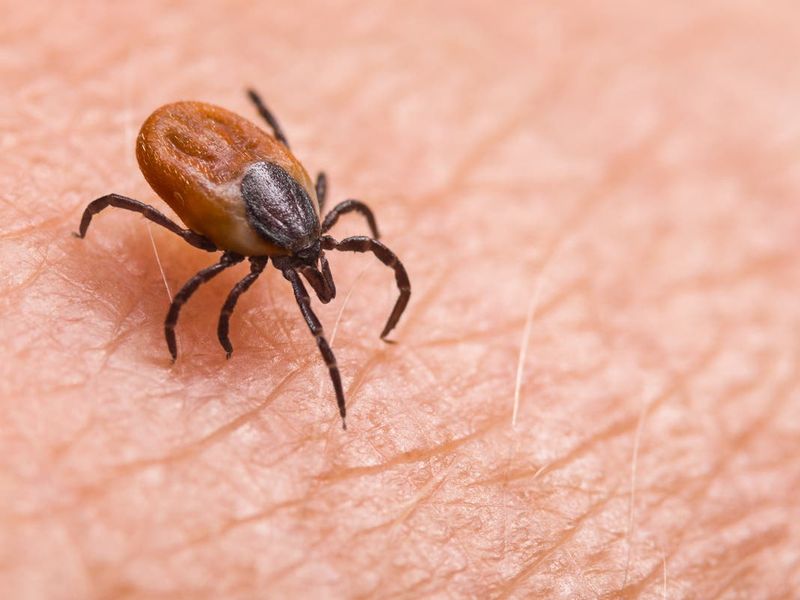
Here’s the part a lot of people miss entirely, and it changes how seriously fall tick exposure should actually be taken.
Adult blacklegged ticks found in fall are documented to carry Lyme disease and other tick-borne infections at higher rates than the nymph stage active earlier in the year.
That’s a meaningful distinction, not a minor footnote buried in an extension bulletin somewhere.
Adults are bigger and generally easier to spot than nymphs, which sounds like a built-in advantage working in a gardener’s favor. But the higher infection rate flips that equation around.
A missed adult in October carries more real health risk than a missed nymph might have back in June, even though the adult is the easier one to catch during a routine check.
Cooler weather compounds the problem in an odd, almost counterintuitive way.
It tends to make gardeners less alert rather than more, since most people mentally file ticks under spring and summer concerns rather than a crisp day spent cleaning tomato cages or cutting back faded perennial growth.
That mismatch between actual risk and perceived risk is exactly where trouble tends to slip through unnoticed.
A gardener who checks carefully in July but skips the same routine in October is working backwards from what the season actually calls for.
None of this calls for panic or giving up fall gardening altogether.
It calls for treating a fall garden session with the same tick awareness given to a July one, rather than assuming cooler air automatically means lower risk when the data says otherwise.
4. Tuck Pants Into Socks While Working
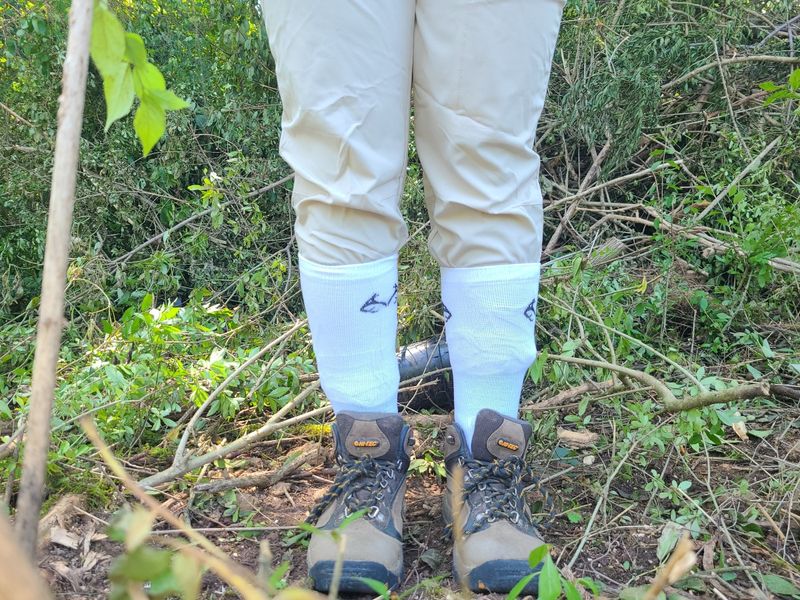
Sometimes the smartest defense looks a little old-fashioned, and this is one of those cases where a simple habit beats anything sold in a spray bottle.
Tucking pants into socks creates a straightforward physical barrier that makes it considerably harder for a tick to crawl unseen from shoes up toward bare skin while working outside in a fall garden bed.
Light-colored clothing helps too, making dark ticks easier to spot against fabric before they ever find a place to settle in and attach.
A dark tick on dark pants can go unnoticed for hours, while the same tick on khaki or white shows up almost immediately during a quick glance down.
Closed shoes beat sandals every time during fall cleanup, when leaf piles and mulch make direct skin contact with the ground far more likely than it would be walking across a mowed lawn in summer sandals.
Long sleeves add another layer of protection, and tucking shirts in where practical closes off one more gap a tick might use to reach skin unnoticed.
Smooth fabrics make a real difference too, since a crawling tick shows up more easily on smooth material than on something rough, textured, or heavily patterned.
None of this requires special gear or a trip to an outdoor supply store. It’s mostly about how existing clothes get worn during a fall gardening session, a five-second adjustment before heading outside that pays off well beyond what it costs in effort.
5. Check Thoroughly After Every Garden Session
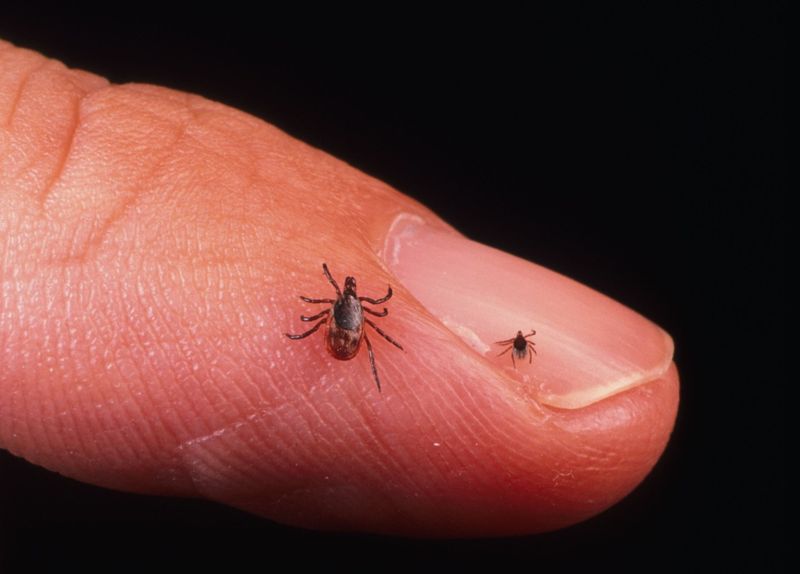
A quick glance in the mirror isn’t enough after fall yard work, even when the job only took twenty minutes and felt too short to matter much.
Ticks hide in warm, tight spots on the body, so a full check should happen every time after gardening, regardless of how short or long the session actually was.
Behind the knees, under the arms, around the waist, along the hairline, and behind the ears all deserve a careful look, ideally with a mirror or a second pair of eyes helping catch spots that are hard to see alone.
Showering soon after coming inside helps wash off any ticks that haven’t attached yet, giving one more chance to catch something before it becomes a bigger problem days later.
Warm water and a washcloth do more here than people generally expect from something so simple.
Clothes deserve attention too, not just skin.
Tossing them into a hot dryer for a short cycle removes ticks still clinging to fabric, which matters since a tick riding inside on a sleeve doesn’t stop being a risk just because you’re back indoors and the garden work is done for the day.
Building this into a routine, rather than treating it as optional or something reserved for a long day of yard work, is really what makes the difference over a full fall season spent gardening.
Consistency matters more than thoroughness on any single check.
6. Keep Grass And Brush Trimmed Back
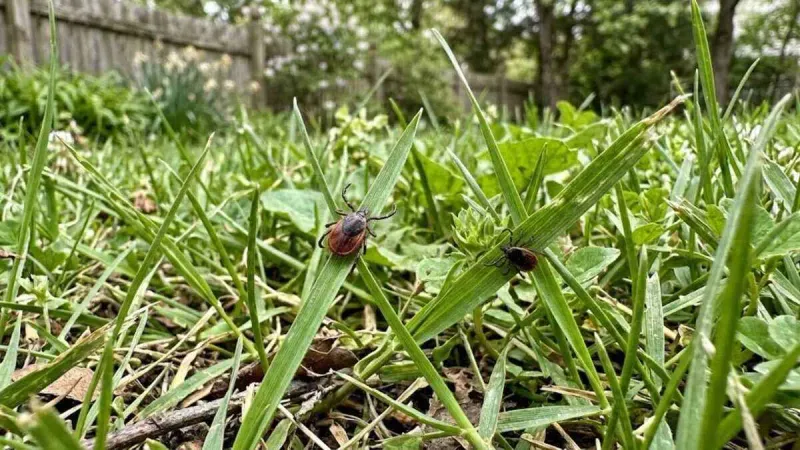
A yard can either invite ticks in or make life considerably harder for them, and the difference often comes down to maintenance habits most gardeners already have some version of in place.
Keeping grass cut, brush thinned, and garden edges clear reduces the damp, sheltered habitat ticks favor, particularly in the exact places where people actually work and walk most often throughout the week.
Paths, fence lines, stone walls, woodpiles, and the border between lawn and any nearby woods deserve the most attention here, since these transition zones tend to concentrate tick activity more than open, sunny lawn ever does.
Removing unnecessary debris, raking leaves out of play and work areas, and creating cleaner transitions between mowed and unmowed ground all reduce the number of protected spots ticks rely on to survive through cooler weather.
None of this needs to happen all at once in one exhausting weekend.
Small, consistent upkeep spread through fall does more good than one big overhaul crammed into a single November afternoon, especially around the beds, tools, and patio areas where people spend the most time outside during the season.
A well-maintained yard isn’t just tidier to look at from the street. It’s genuinely less hospitable to the ticks trying to use it as cover, and that difference compounds season after season as the habitat gets less and less favorable for them to establish in.
7. Treat Clothing For Extra Protection
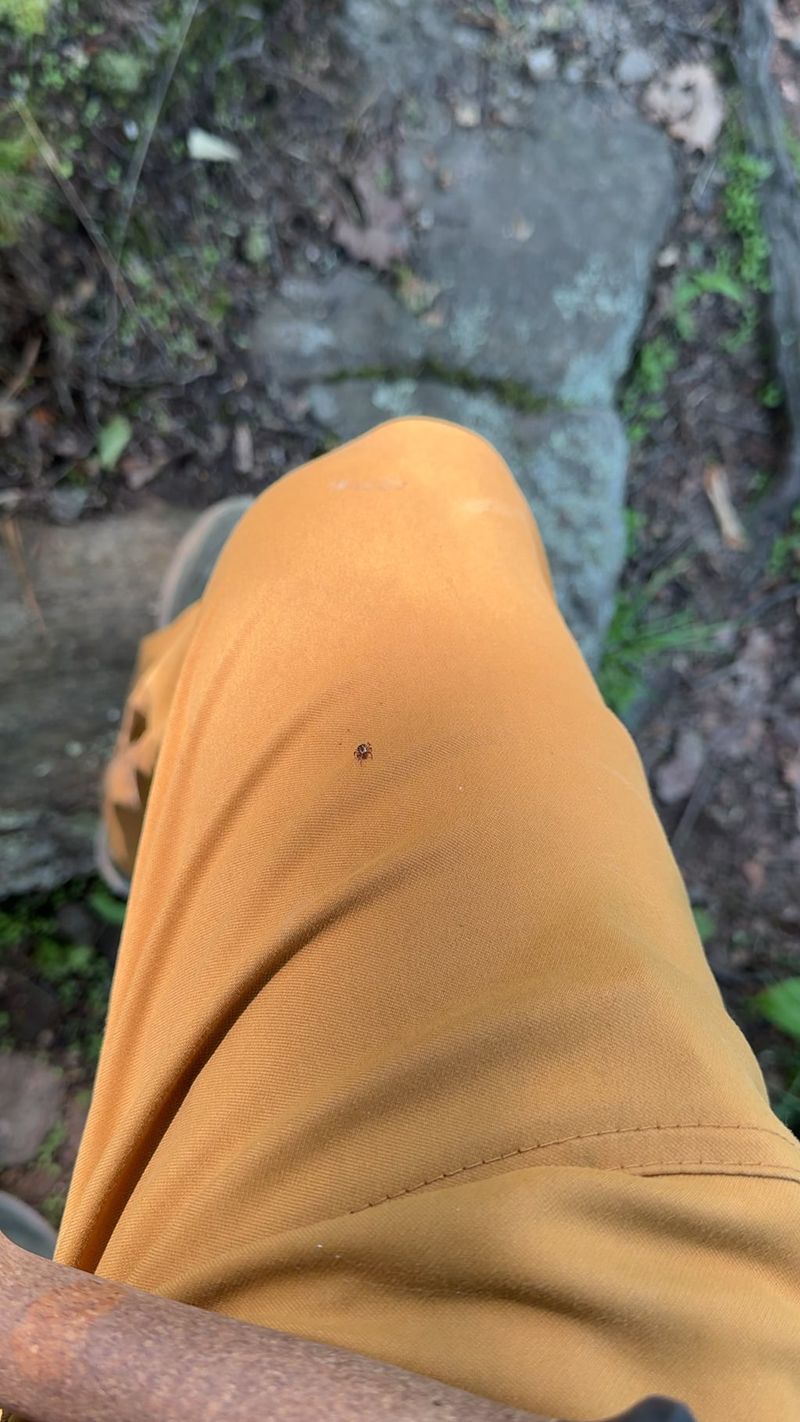
For anyone who spends real time outside through fall, clothing treatment adds one more layer of defense worth seriously considering alongside everything else on this list.
Penn State Extension documents permethrin-treated clothing as a useful option, since it can help repel ticks or stop them on contact, rather than relying on physical barriers like tucked pants and long sleeves alone.
Only products labeled specifically for clothing should be used here, following the directions on the label carefully from start to finish.
Permethrin should never go directly on skin, since it’s formulated and tested for fabric application only, and using it the wrong way defeats the safety testing behind the product entirely.
Treated socks, pants, and shoes are especially useful given how ticks operate in fall.
Most climb up from low plants, mulch, and leaf litter before ever reaching a spot on the body where they can actually attach, which means treated clothing intercepts them earlier in that process.
Combined with tucked pants, light-colored clothing, and a thorough check after every session, treated clothing rounds out a fall routine that lets yard work continue without treating every leaf pile as an unavoidable threat.
The goal isn’t avoiding the garden. It’s gardening smart through a season most people wrongly assume is already safe.