Meet The Culprit Eating Your Colorado Geraniums From The Inside Out
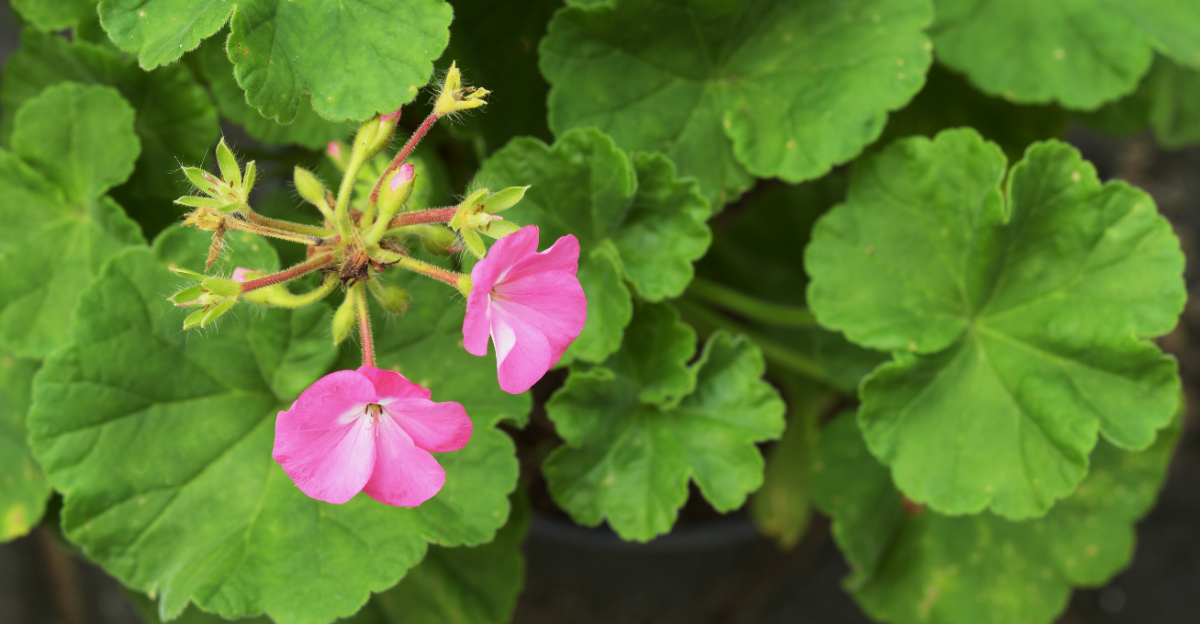
Your Colorado geraniums looked perfect last week. Full buds, healthy leaves, not a single warning sign. Then almost overnight, something changed. Buds turned brown and crumbly, petals never opened, and a few stems just stopped growing altogether.
Whatever is behind this, it is not obvious. Nothing about the plant looks disturbed or invaded, which makes the whole thing even harder to explain. Just buds that quietly fail, one after another, while the rest of the plant looks completely normal.
A plant that seems healthy should not be losing its blooms this fast. But something is getting inside those buds, doing its damage where you cannot see it, and slipping away before you ever catch it in the act.
If your Colorado geraniums have been disappointing you all season for no clear reason, keep reading. The answer is smaller, and sneakier, than you might expect.
The Culprit Behind The Damage Inside Every Bud
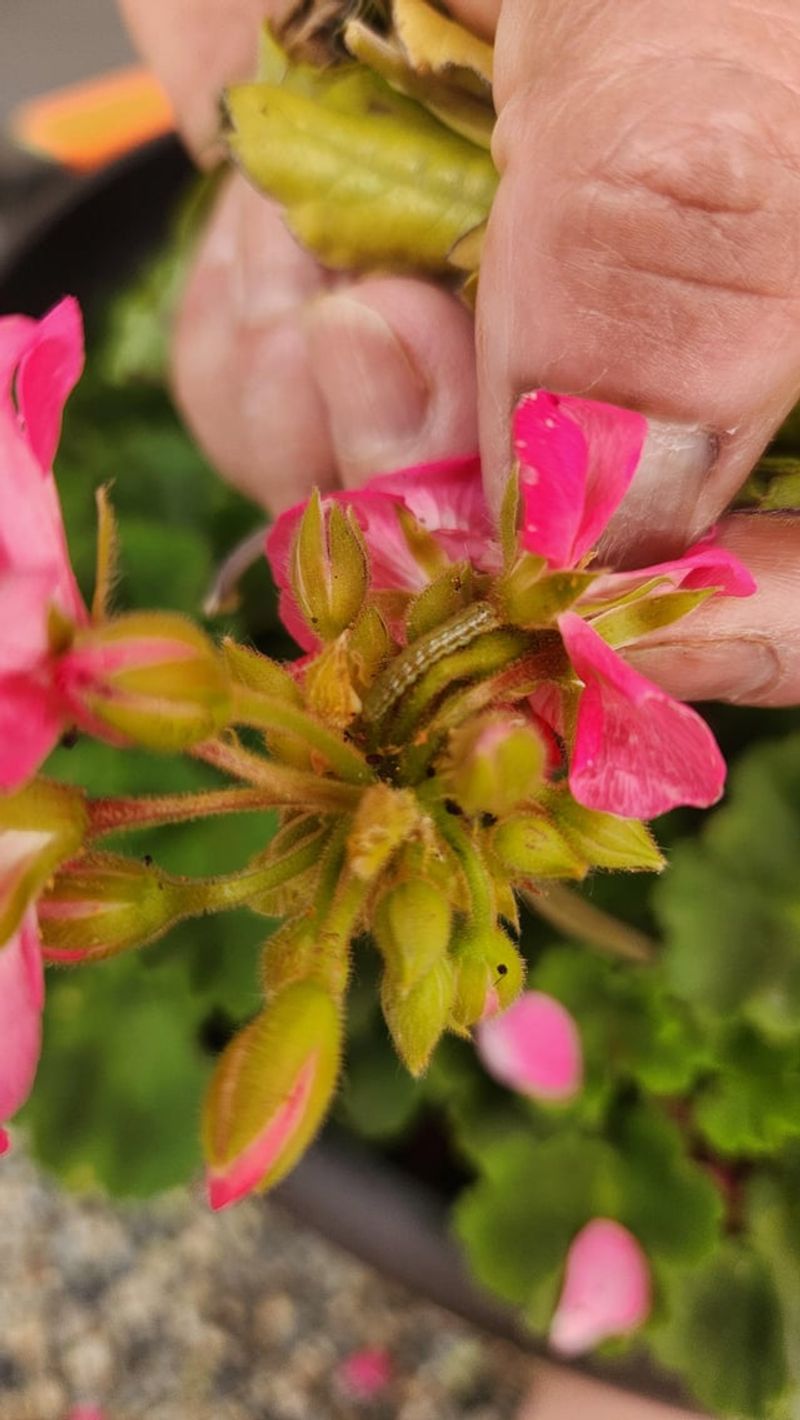
Your geranium buds look perfect on the outside, but something wicked lurks within. The tobacco budworm, known scientifically as Chloridea virescens, is the pest eating your Colorado geraniums from the inside out.
This caterpillar is a master of disguise. It hatches from a tiny egg laid directly on your flower buds, then immediately bores inside before you ever spot it.
Once inside, it feeds on the soft tissue of the developing bloom. By the time the bud should open, it is already hollow and ruined.
The caterpillar changes color as it grows, shifting from pale green to pink or reddish-brown. That color change helps it blend perfectly with the petals it is destroying.
Adult moths lay eggs at night, which makes it hard to catch them in the act. The female moth is attracted specifically to geraniums, petunias, and nicotiana plants.
Each female can lay hundreds of eggs across an entire season. That means one moth visit can trigger weeks of ongoing destruction throughout your garden.
In warmer parts of Colorado, the budworm can complete more than one generation before the season ends.
Frass, which is caterpillar droppings, is often your first real clue. Tiny dark pellets stuck to buds or leaves signal that something is actively feeding inside.
Understanding this pest’s life cycle is the first step toward winning the battle. Every control method you try becomes far more effective once you know what you’re up against.
Warmer, Low-Elevation Areas See The Most Budworm Pressure
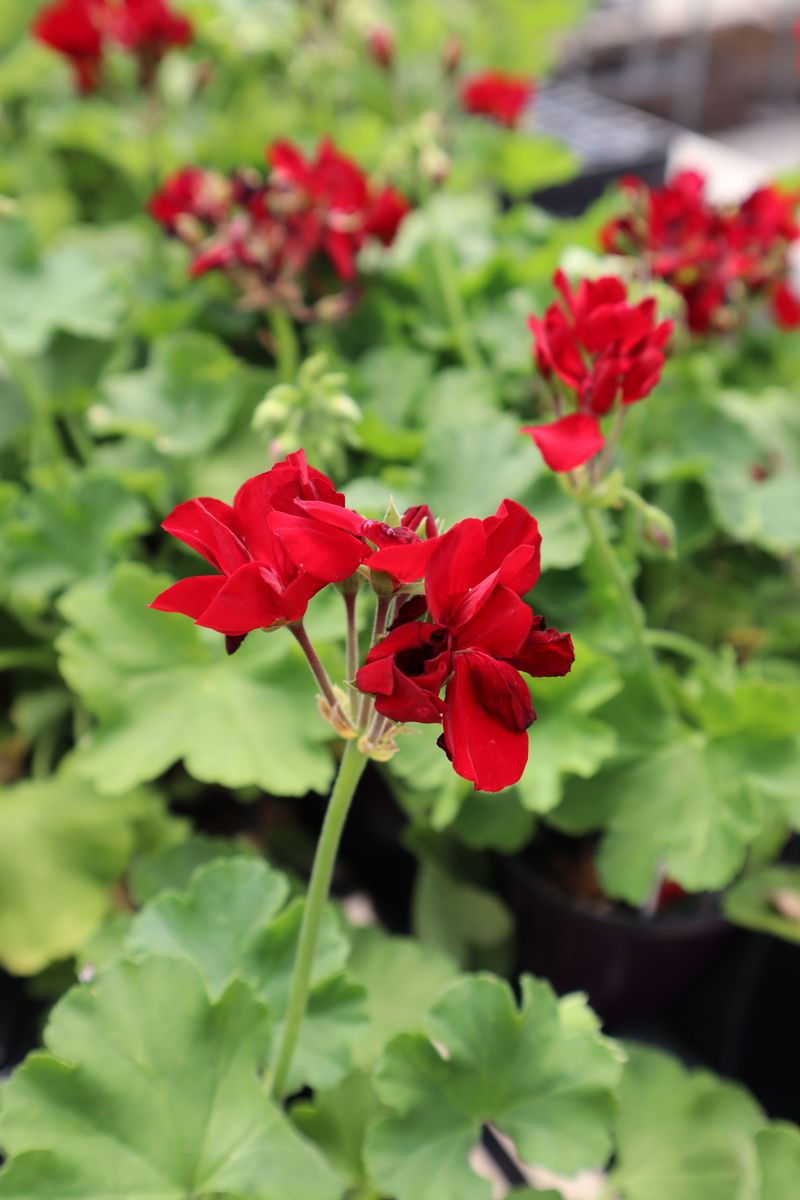
Not every corner of Colorado suffers equally from budworm pressure. Warmer, lower-elevation parts of the state tend to see the worst infestations, and gardeners there know this frustration well.
Warm, semi-arid valleys mimic the budworm’s preferred climate. Hot summers and mild springs let populations build earlier and stay active longer than in cooler regions.
Urban areas along the Front Range can create similar conditions. Concrete, pavement, and dense neighborhoods trap warmth, which may extend the budworm’s feeding season.
Gardeners in warmer suburban areas often report heavy geranium losses each summer, sometimes assuming their plants are diseased when budworms are actually the real cause.
Your Colorado Garden Changes Every Week. Your Plan Should Too.
Gardening in Colorado changes quickly throughout the season. Every Friday you’ll receive a simple weekly plan showing exactly what to plant, prune, fertilize, harvest, and protect so you never miss the right timing.
Elevation plays a role in budworm risk. Higher, cooler mountain towns tend to see less damage, since cooler nights slow the pest’s development.
Western Slope gardeners in warmer valley areas also report moderate pressure, likely due to microclimates that support at least one strong generation per season.
In many areas, infestations vary by neighborhood and elevation. South-facing slopes and lower-elevation yards tend to see more damage than shaded or higher spots.
If you garden in a warmer, lower-elevation area, plan ahead each spring. Local conditions can make all the difference in protecting your blooms before damage starts.
Spotting The Signs Before Your Blooms Are Gone
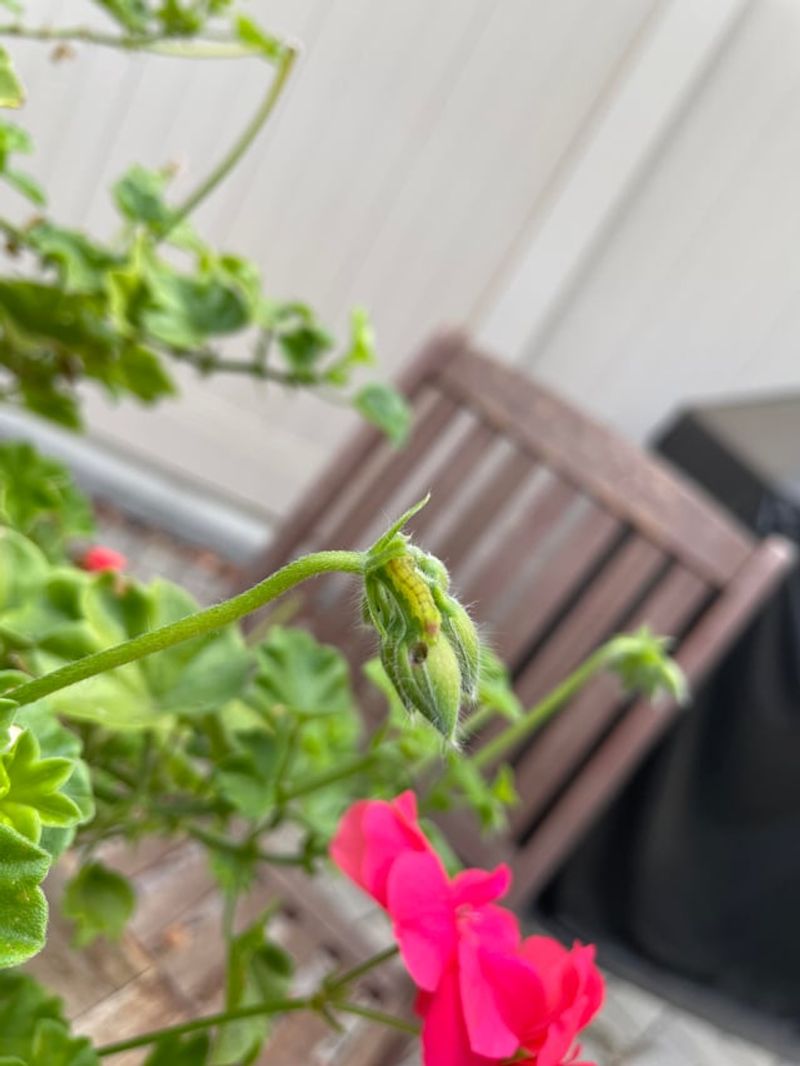
Catching budworm damage early can save an entire season of blooms. Most gardeners miss the signs until half their plant is already ruined, but you do not have to be one of them.
Start by looking at your buds, not your open flowers. Healthy buds are smooth and firm, while budworm-damaged ones look ragged, pocked, or simply fail to open at all.
Tiny entry holes on the side of a bud are a classic giveaway. The caterpillar drills a small, clean-edged hole when it first burrows inside the developing bloom.
Check for frass next. Those small, dark pellets clinging to petals or collecting in leaf crevices confirm active feeding is happening right now.
Pull a damaged bud apart carefully and look inside. A small caterpillar, anywhere from a pinhead to half an inch long, may still be feeding in the center.
Young caterpillars are nearly transparent and extremely hard to spot. Older ones turn reddish or brownish and become slightly easier to find against the pale petal tissue.
Check your plants every two to three days during June, July, and August. Budworm populations can surge quickly after a warm stretch of weather.
Look under leaves in the evening with a small flashlight. Moths lay eggs at dusk, and freshly laid eggs look like tiny white or pale yellow specks on leaf surfaces.
Early detection is your most powerful tool against this pest. A few minutes of inspection every few days can protect weeks of blooming potential.
Handpicking And Other Non-Chemical Fixes
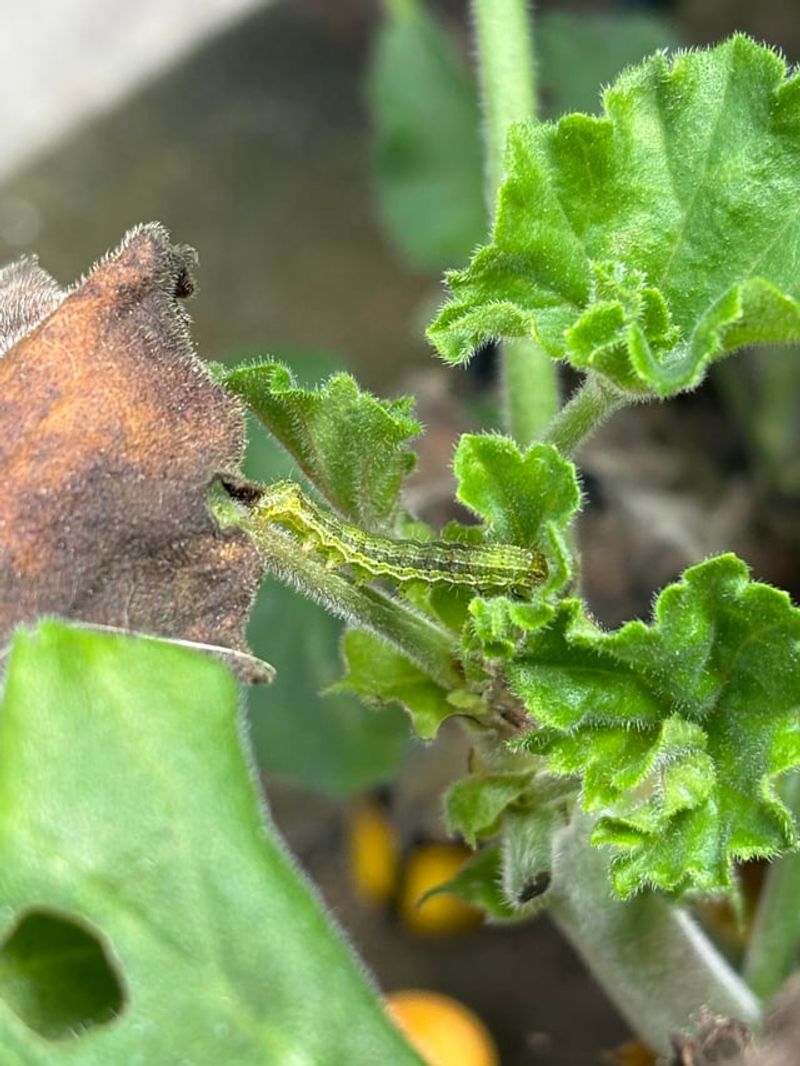
Sometimes the best solution is the simplest one. Handpicking budworm caterpillars off your geraniums is free, immediate, and surprisingly satisfying once you get the hang of it.
Go out at dusk or dawn when caterpillars are most active near the surface. Bring a flashlight and a container of soapy water to drop them into as you collect them.
Squeeze damaged buds between your fingers to crush any caterpillar hiding inside. It sounds harsh, but it works instantly and requires no products or equipment.
Bacillus thuringiensis, commonly called Bt, is a naturally occurring soil bacterium that targets caterpillars specifically. It is safe for bees, pets, birds, and humans, making it a top choice for organic gardeners.
Bt works best when applied to young caterpillars before they burrow deep inside buds. Spray it in the evening since sunlight breaks it down quickly, reducing its effectiveness.
Spinosad is another organic option derived from a naturally occurring soil organism. It provides slightly longer residual control than Bt and handles slightly older caterpillars more effectively.
Remove spent blooms and damaged buds from your plants regularly. Clearing out plant debris eliminates hiding spots and reduces the number of eggs that successfully hatch.
Encourage natural predators by planting native flowers nearby. Parasitic wasps and ground beetles both prey on budworm caterpillars and can make a real dent in local populations.
Non-chemical methods work best when combined and repeated consistently. Persistence matters more than any single tactic when managing budworms without synthetic sprays.
Timing Insecticides For Maximum Effect
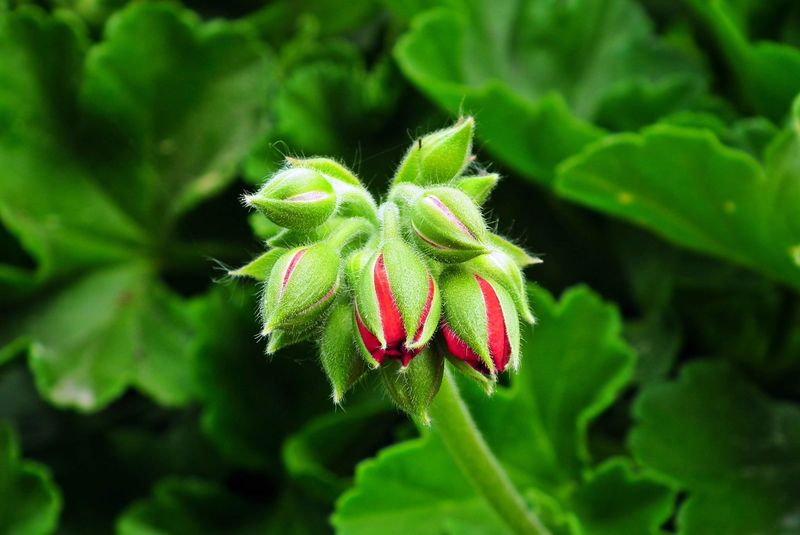
Spraying at the wrong time wastes product and lets budworms keep feeding. Timing is everything when it comes to using insecticides effectively against this pest.
The budworm’s life cycle creates a narrow window of vulnerability. Newly hatched caterpillars spend a few hours on the plant surface before burrowing into buds, and that window is your best shot.
Apply insecticides in the evening when moth activity peaks and eggs are freshest. Products applied at dusk have the best chance of contacting newly hatched larvae before they disappear inside a bud.
Spinosad and permethrin are two commonly recommended options for budworm control. Both are widely available at Colorado garden centers and hardware stores throughout the summer season.
Repeat applications every seven to ten days during peak infestation periods. A single spray rarely eliminates an entire generation because eggs hatch at different times over several weeks.
Always read the label before applying any product to your garden. Labels specify safe intervals between applications and list which plants the product is approved for treating.
Rotate between two different insecticide classes throughout the season. Using the same chemistry repeatedly can lead to resistance, making future applications far less effective over time.
Avoid spraying during the heat of the day when pollinators are most active. Early evening applications protect bees while still delivering effective control against the budworm population.
Smart timing turns an average spray into a powerful intervention. Match your application schedule to the pest’s biology, and your blooms stand a much better chance of surviving the season.
Ivy Geraniums And Other Resistant Varieties
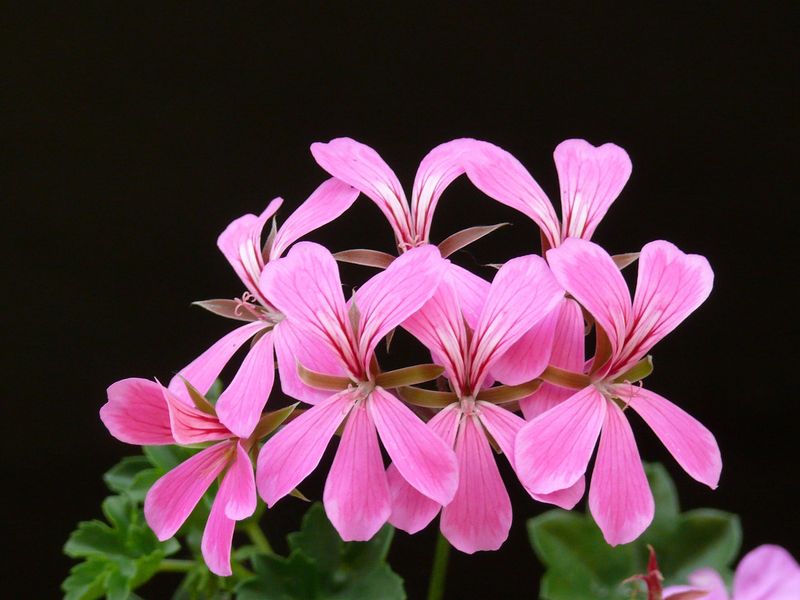
What if your geraniums could fight back on their own? Choosing resistant varieties is one of the smartest long-term moves any Colorado gardener can make against budworm pressure.
Ivy geraniums, the trailing types often grown in hanging baskets, show notably less budworm damage than upright zonal geraniums. Their waxy leaves and different flower structure make them far less appealing to egg-laying moths.
Pelargonium peltatum, the botanical name for ivy geranium, thrives in Colorado’s sunny, dry summers. Its cascading habit also makes inspections easier since you can see the entire plant without digging through dense foliage.
Zonal geraniums with double blooms tend to suffer more than single-flowered types. The extra layers of petals give caterpillars more material to hide inside, extending their feeding time significantly.
Scented geraniums offer another avenue of resistance. Strong-smelling foliage varieties like rose, lemon, or peppermint types appear to deter adult moths from choosing them as egg-laying sites.
Some newer hybrid geraniums bred for heat tolerance may also hold up better against pests. Ask your local nursery about varieties known to perform well in Colorado’s climate.
Mixing resistant and standard varieties throughout your beds creates a buffer effect. Budworm populations spread more slowly when they cannot move easily from plant to plant in a dense monoculture.
Choosing the right plant is not giving up; it is gardening smarter.