Why Potted Citrus Trees Don’t Survive Florida Storms (And How To Fix It)
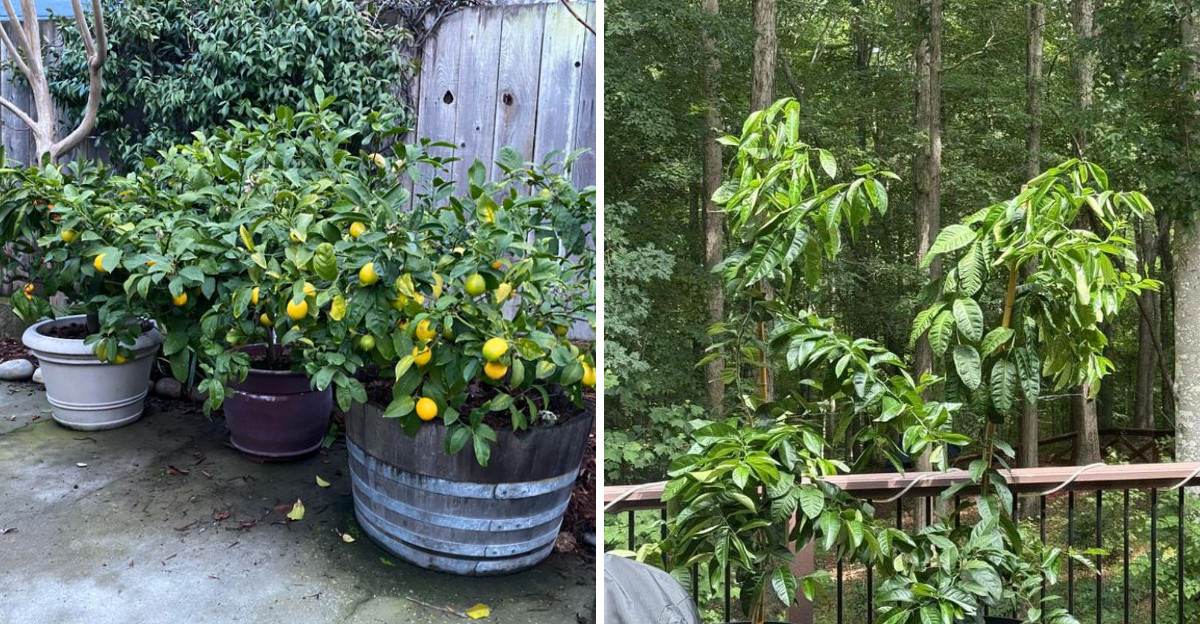
Storm season keeps taking out potted citrus trees across Florida, and most owners never see it coming until branches are already on the ground. A pot gives citrus almost nothing to hold onto in high wind.
No deep roots gripping soil, no natural anchor, just a container that tips the second gusts hit hard enough. Trees that looked perfectly stable the day before end up snapped, toppled, or stripped bare within one storm.
Some mistakes make it worse without owners realizing it. The wrong container.
The wrong spot in the yard. Soil that’s already saturated before the first strong gust arrives.
A short list of fixes changes the outcome completely, and none of them require moving your tree indoors or babysitting it through every forecast. Get ahead of the next storm with a few adjustments most citrus owners never think to make.
1. Move The Pot Before The Wind Does
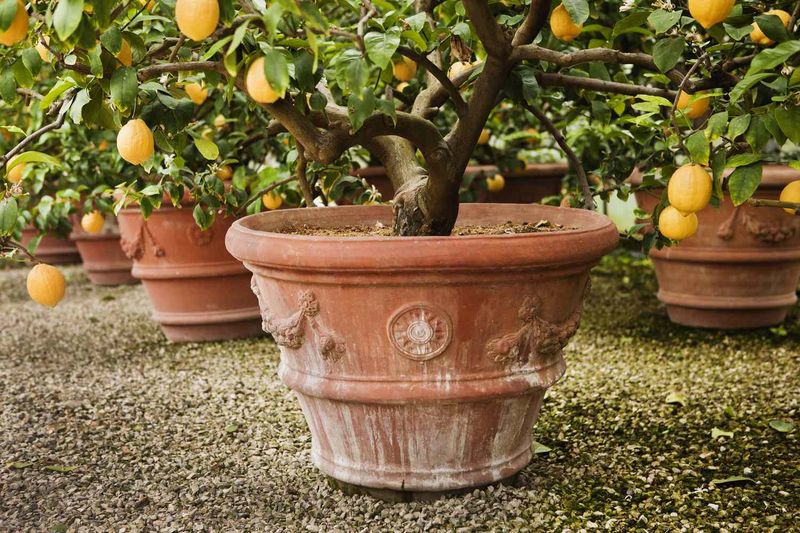
A Florida patio before the weather changes is the best time to act. Once sustained winds pick up, a container sitting in the open can tip sideways, skid across pavers, or lift off a deck edge entirely.
A pot that becomes airborne is a hazard to windows, fencing, and anyone nearby.
UF/IFAS extension guidance recommends moving potted plants into a garage or another enclosed, protected space before a tropical storm or hurricane arrives. That advice applies directly to container citrus.
A sheltered spot inside a garage removes the tree from direct wind exposure and keeps the container from rolling.
Very large pots require planning well before any forecast deteriorates. A container holding a mature citrus tree can weigh well over a hundred pounds when the potting mix is moist.
Attempting to drag or carry it alone once a storm warning is active is not a safe option.
Wheeled plant caddies can make routine repositioning easier, and having one already in place under a heavy pot means you can roll it to safety without lifting.
That kind of setup works best when it is arranged weeks before storm season rather than the morning a watch is issued.
Moving the container does not guarantee the tree escapes all stress. Roots may still shift, and foliage may still show wind effects.
Early relocation simply removes one of the most serious physical risks a potted citrus tree faces.
2. Tall Canopies Catch More Storm Wind
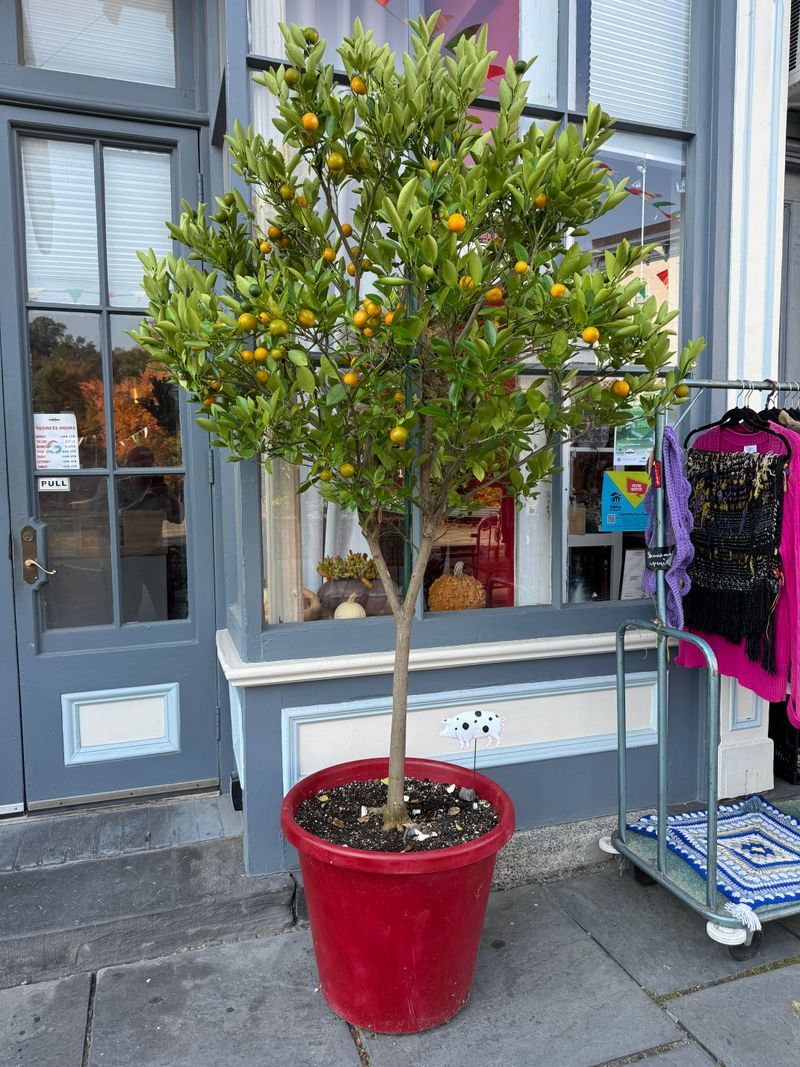
A top-heavy lemon tree sitting in a container creates a leverage problem that an in-ground tree simply does not have. Every leaf and branch presents surface area to moving air.
The wider and taller the canopy, the more force the wind can apply to the whole unit.
An established tree in the ground distributes that force through a root system that extends well beyond the trunk. A container limits the root volume to what fits inside the pot.
All the wind load that hits the canopy transfers down through the trunk and into a relatively small, movable base.
UF/IFAS notes that mature citrus generally needs only limited canopy pruning under normal growing conditions. Drastic last-minute trimming before a storm can remove healthy foliage and fruit without fixing the real issue.
Your Florida Garden Changes Every Week. Your Plan Should Too.
Gardening in Florida changes quickly throughout the season. Every Friday you’ll receive a simple weekly plan showing exactly what to plant, prune, fertilize, harvest, and protect so you never miss the right timing.
The bigger problem is usually an exposed container in a poor location in Florida.
Removing a few clearly damaged or crossing branches before storm season makes sense as part of routine care. That is different from aggressively cutting back a healthy canopy in hopes of reducing wind resistance on a pot that is still sitting outside.
The more effective approach centers on where the container is placed and whether it can be moved to a sheltered location. Canopy size matters, but placement and anchorage determine how much that canopy actually risks tipping the tree.
3. Lay Big Containers Down Before The Gusts
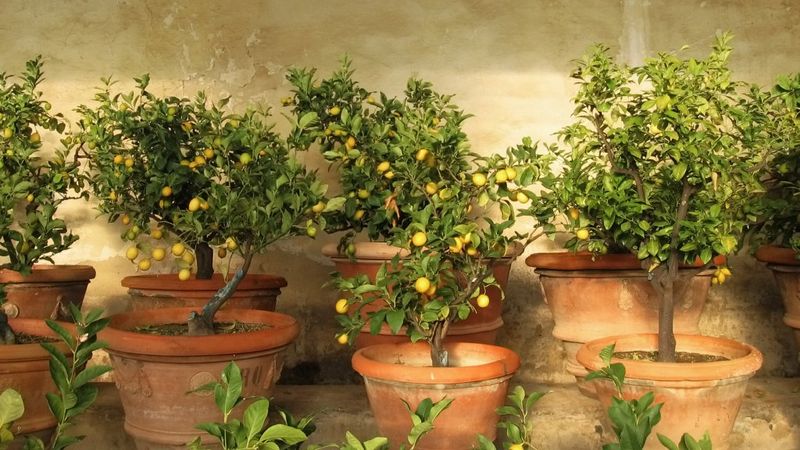
A container that cannot be lifted and carried into shelter still has an option that most gardeners overlook. Laying a large pot on its side in a protected spot dramatically reduces the upright profile that wind can push against.
UF/IFAS storm preparation guidance supports laying large potted plants down before a tropical storm or hurricane makes landfall. Lowering the container removes the tall silhouette that catches the most wind force.
A pot on its side in a sheltered corner of a garage or a covered carport presents far less resistance than an upright tree standing in the open.
Positioning matters when laying a container down. Placing it against a solid wall or in a corner adds extra stability.
The goal is to keep it from rolling or shifting once conditions worsen outside.
This technique is temporary storm preparation only. Citrus trees are not meant to grow on their sides, and the container should be returned to an upright position as soon as it is safe to do so after the storm passes.
Do not attempt to tip or reposition a very heavy container once Florida winds have already started. That kind of effort during active weather puts the gardener at real risk.
All of this work belongs in the calm days before any watch or warning is posted. Safety for the person handling the pot comes before any concern about the tree itself.
4. Heavy Rain Can Soak Roots For Too Long
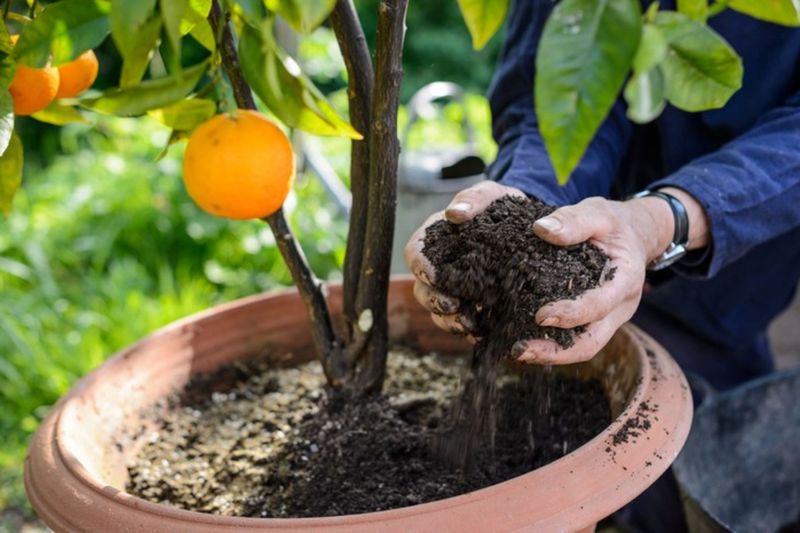
Rain pouring through a citrus canopy during a tropical event is more than a watering session. A container has a limited amount of growing medium.
Once it becomes fully saturated, excess water can only leave through the drainage holes.
Citrus roots need oxygen as well as moisture. Research from UF/IFAS and citrus extension programs consistently shows that prolonged waterlogging can injure citrus root systems.
The roots sit in an environment with very little available air when the potting mix stays saturated for an extended period.
One heavy rainfall does not automatically harm a healthy tree with adequate drainage. Duration matters.
A pot that drains freely after rain and begins to dry out within a reasonable time poses far less risk than one sitting in standing water for many hours or days.
Container design also plays a role. A pot with too few drainage holes, or holes that have become blocked, holds water far longer than one that drains freely.
The type of potting medium matters too. A dense, compacted mix drains much more slowly than a well-structured container medium designed for citrus or tropical plants.
Bringing a soaking-wet container indoors after a storm is worth doing only if the drainage situation is managed carefully. A saturated pot dripping onto a garage floor is a minor inconvenience.
A saturated root zone with no airflow is a more serious concern for the tree.
5. Clear Drainage Holes Before The Storm
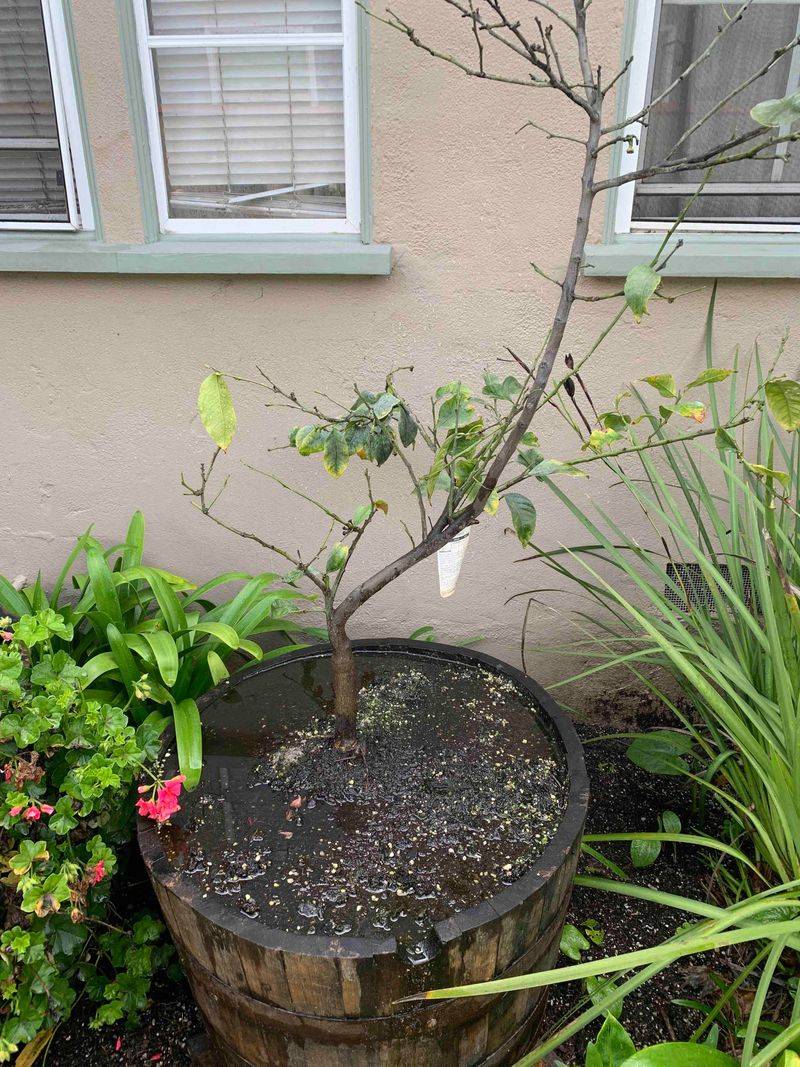
Water collecting beneath a pot after a storm often points to a problem that started before the first raindrop fell.
Drainage holes clogged with compacted roots, debris, or mineral buildup can turn a well-designed container into a basin that holds water far too long.
Checking drainage holes before storm season is a straightforward task. Flip the pot slightly, look at the bottom, and clear any obvious blockages.
Roots that have grown through the holes and packed tightly against the ground can also slow drainage significantly. Trimming those roots back is a reasonable pre-season step.
Saucers placed under containers are useful for protecting patio surfaces during routine watering, but they trap water during prolonged rain events.
Removing saucers before a storm allows water to drain freely rather than collecting and keeping the base of the pot submerged.
A well-structured potting mix designed for container citrus drains more efficiently than a dense or compacted medium.
UF/IFAS extension guidance on container citrus emphasizes the importance of a growing medium that allows good drainage and aeration around the roots.
Do not attempt to drill new holes into a planted container during dangerous conditions. Any modifications to improve drainage belong in the calm preparation window before a Florida storm arrives.
Checking and clearing what is already there takes only a few minutes and can make a meaningful difference in how quickly the root zone recovers after a prolonged rain event.
6. Give Potted Citrus A Real Windbreak
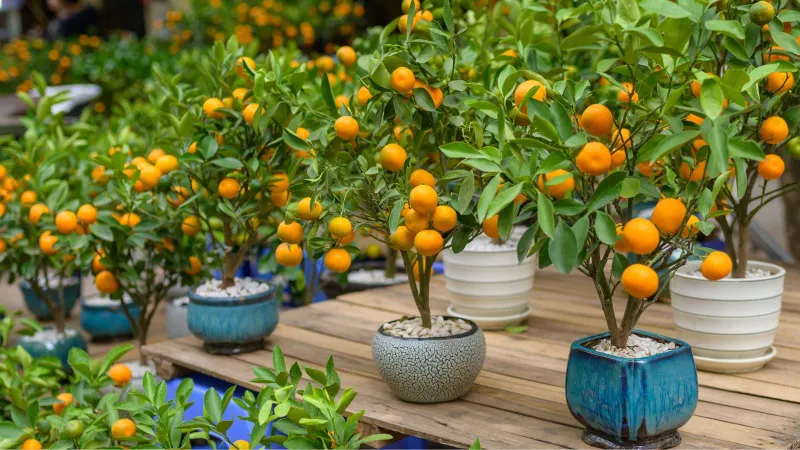
A sheltered corner beside a solid structure changes the wind environment around a container plant significantly. Place potted citrus near a solid wall, partially enclosed porch, or sturdy barrier.
These locations can reduce direct wind exposure on the canopy and container.
UF/IFAS guidance on storm preparation for landscape plants supports moving containers to protected locations near solid structures when full indoor shelter is not possible.
The key distinction is choosing a genuinely protected spot rather than simply moving the pot a few feet from its usual position.
Narrow passages between buildings or fences can actually accelerate wind rather than block it. Placing a container in one of those gaps can expose the tree to faster-moving air than it would face in the open.
A wide, enclosed space is safer than a tight channel.
Tropical systems are also known for shifting wind direction as they pass. A windbreak that works well on one side of a structure may become less effective once the storm’s center moves and the wind reverses.
No fixed position fully accounts for that kind of directional change.
Positioning near a solid wall reduces exposure and buys time, but it does not make an unsecured container invulnerable. A windbreak works best as one part of a broader plan that includes moving or laying down the container whenever possible.
7. Fruit Loaded Branches Need Extra Protection
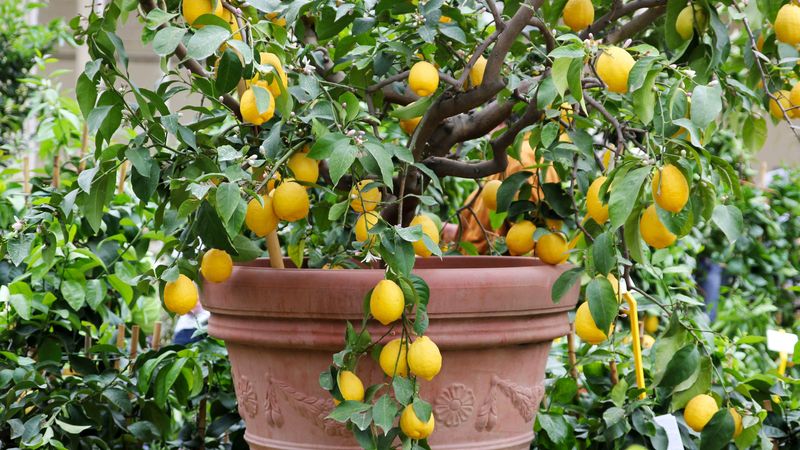
Branches carrying a heavy crop behave differently in moving air than bare or lightly loaded ones. Fruit adds weight at the ends of branches, and that extra load changes how the whole canopy responds to gusts.
UF/IFAS citrus extension materials note that heavy fruit loads can contribute to branch breakage under stress.
A container citrus tree heading into storm season in Florida with an unusually large crop deserves a closer look. Branches that already show signs of splitting, cracking, or weak attachment points are more likely to break under combined wind and fruit weight.
Addressing those issues before conditions worsen is a reasonable precaution.
Removing every piece of fruit from a healthy tree is not the automatic answer. Selectively taking off fruit from clearly stressed or overloaded branches, particularly those showing structural weakness, is a more measured approach supported by citrus care guidance.
Sound scaffold branches, meaning the main branches that form the tree’s structure, matter as much as fruit count.
A tree with well-spaced, healthy scaffold branches handles canopy stress more effectively than one with a crowded or unbalanced structure built up over several seasons.
Fruit weight is one factor among several. Wind exposure and container placement still carry more weight in determining how a potted citrus tree comes through a storm.
Addressing branch load is most useful when it is combined with the other preparation steps rather than treated as a standalone fix.
8. Check Roots And Branches After The Storm
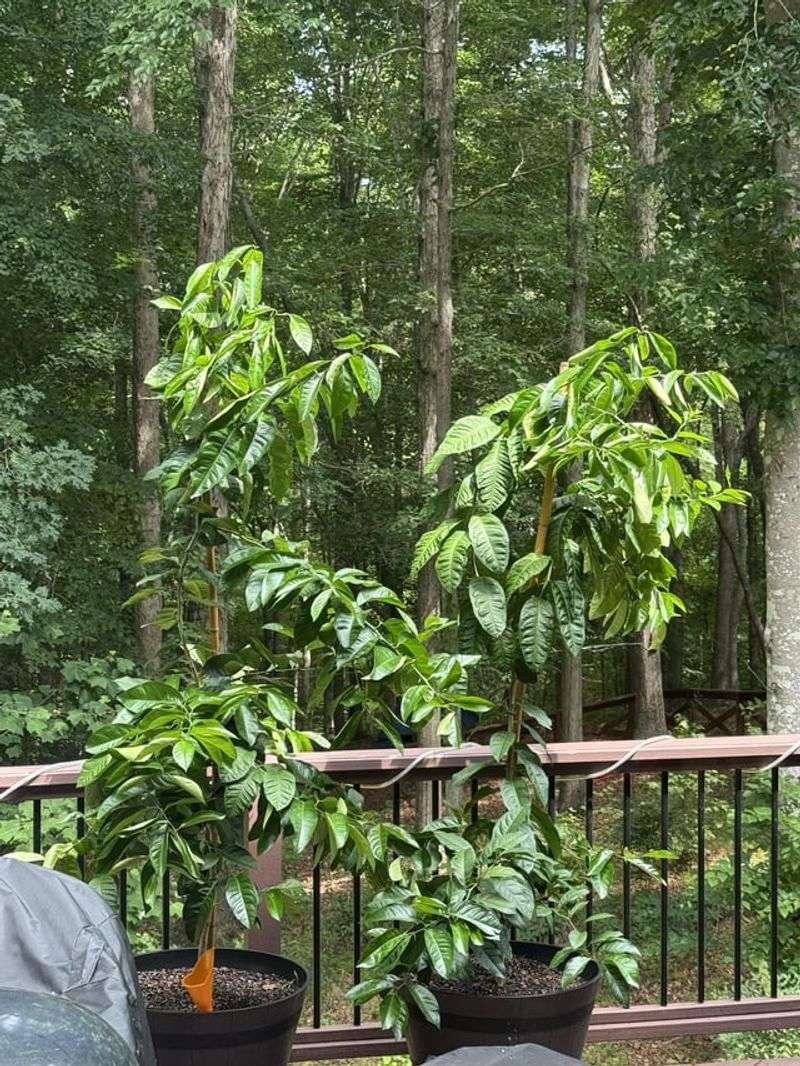
The first safe walk outside after a storm is not the moment for aggressive action. Before touching the tree, take a full look at the container, the growing medium, and the overall structure.
A pot that tipped or slid may have shifted the root ball inside, even if the tree is back upright.
Start with the container itself. Check for cracks, broken drainage holes, or a base that is sitting in pooled water.
A cracked pot may need to be replaced before the next rain event. A root ball that has shifted significantly may need gentle repositioning before the tree is expected to resume normal growth.
Broken branches should be assessed carefully. UF/IFAS citrus guidance recommends clean cuts on damaged wood using sterilized tools, removing only what is clearly broken or hanging.
Healthy growth that looks stressed but is still attached deserves time before any major pruning decisions are made.
Check the potting medium before reaching for the irrigation hose. A mix that is already saturated after days of rain does not need more water added on top.
Watering a container that has not had time to drain and breathe can extend the period of root stress rather than help recovery.
Hold off on fertilizing until the tree shows signs of active recovery. A Florida container citrus tree handles storms better when the pot, roots, canopy, and location are managed together as one system.
9. Build A Storm-Ready Routine Before Season Starts
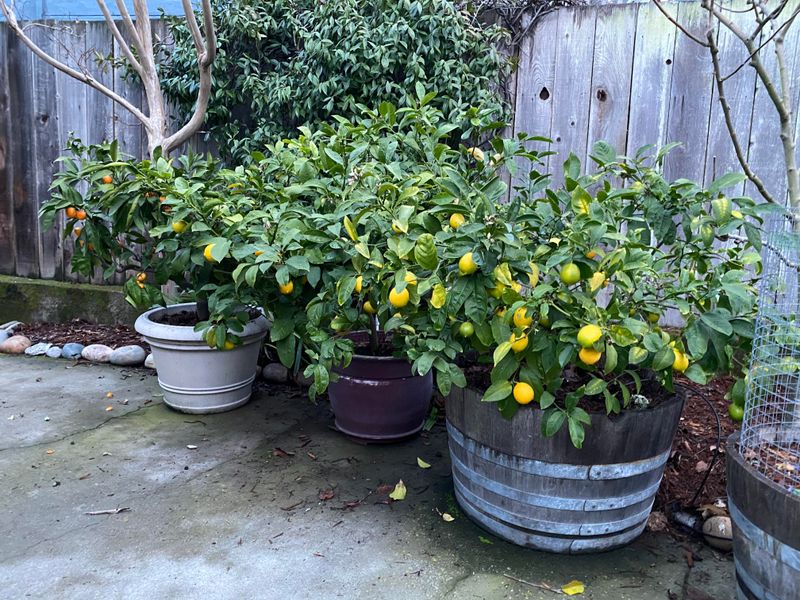
Scattered preparation the day before a storm warning is posted is far less effective than a routine built months in advance. Florida’s hurricane season runs from June through November.
Because forecasts can change quickly, preparation should happen well before a storm threat arrives.
Starting a container citrus review in late spring makes the whole process more manageable. Check pot condition, drainage, canopy structure, root health, and overall stability before the first named storm of the season forms.
Repairs, repotting, or structural pruning done in spring give the tree time to settle before any storm stress arrives.
Knowing in advance where each container will go during a storm saves critical time. Walk the property and identify the best sheltered spots.
Measure heavy pots and confirm whether a caddy or extra help will be needed to move them safely. That planning takes minutes in calm weather and is nearly impossible to do well under pressure.
Keeping records from one season to the next also helps. Note which pots tipped, which drainage holes clogged, and which trees showed the most stress.
Patterns repeat, and a gardener who tracks them can address weak points before they become urgent problems.
No preparation routine makes a container citrus tree fully immune to a major storm. A solid seasonal habit, built around the specific vulnerabilities of container growing, gives every tree a much better starting position when the forecast turns serious.