The Texas Weed That Keeps Coming Back No Matter How Many Times You Pull It
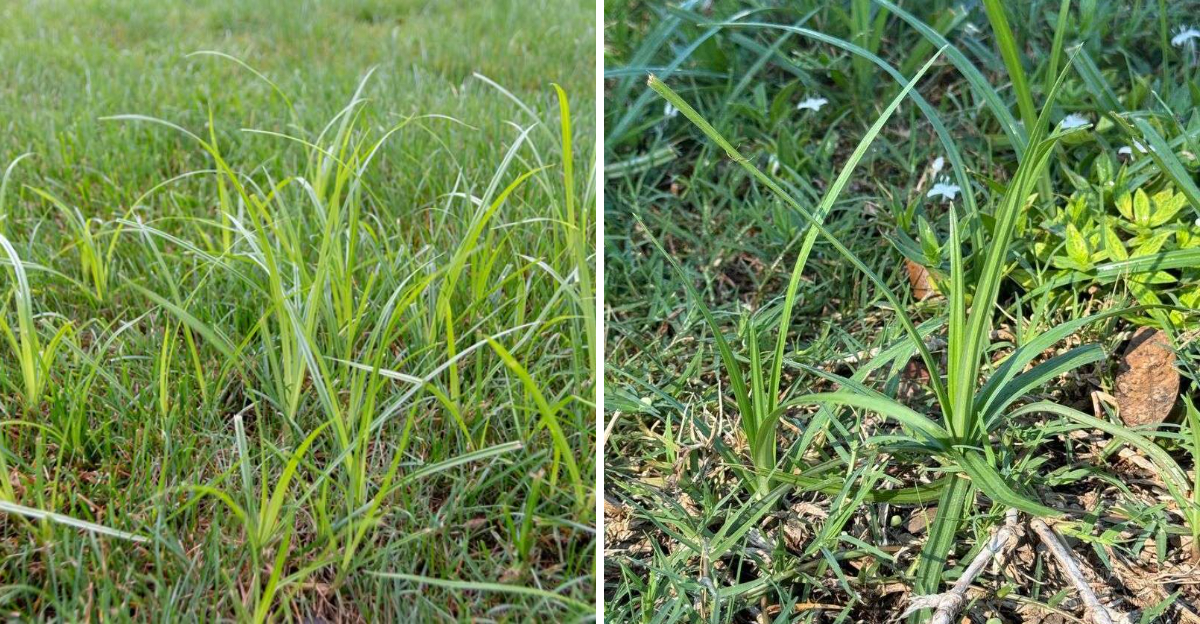
You pull it. It comes back. You pull it again, convinced you got the whole root this time. Two weeks later it’s standing there looking exactly as established as before, completely indifferent to everything you’ve thrown at it.
If this sounds familiar, you’re dealing with one of the most stubborn and strategically built weeds in the Texas landscape. And it has been winning this fight for a very long time.
The most persistent Texas weeds don’t survive repeated removal through luck. They survive through specific biological mechanisms that make conventional pulling far less effective than it should be.
Root systems that regenerate from fragments too small to notice. Seed banks that stay viable in Texas soil for years. Growth timing perfectly calibrated to exploit the gaps in most homeowners’ routines.
This weed uses all of it, and it uses the Texas heat and drought conditions as advantages rather than obstacles.
Nutsedge Keeps Returning From Underground Tubers
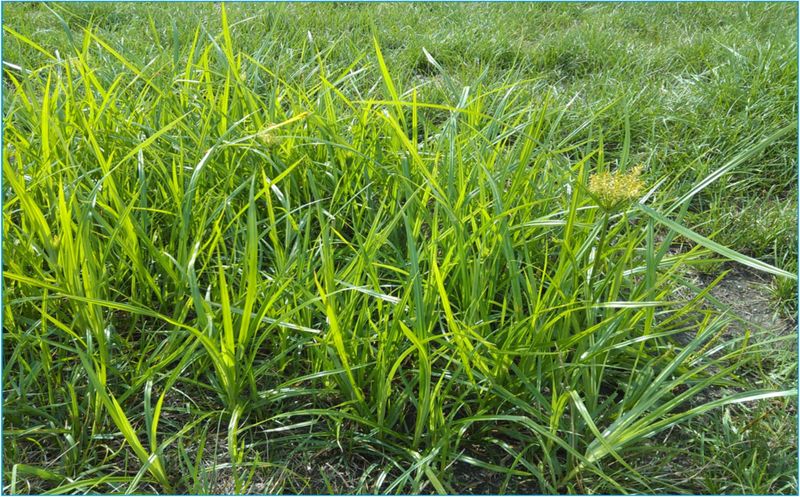
Pull a nutsedge plant out of the ground, and you might feel like you won. But underground, a whole network of tiny structures called tubers, also known as nutlets, is already waiting to send up fresh shoots.
These nutlets are the real secret behind nutsedge’s stubborn survival. Each one stores enough energy to push out a brand-new plant, even after the leaves above ground are completely removed.
A single nutsedge plant can produce hundreds of nutlets in just one growing season. That number is not an exaggeration.
Researchers have found that one plant left unchecked can create a surprisingly dense patch within just a few years. The nutlets can also stay dormant in the soil for years, waiting for the right conditions before sprouting again.
When you pull the green leaves, you are only removing the visible part of the problem. The tubers sit a few inches below the soil surface, snug and safe from hand-pulling efforts.
They are also surprisingly tough and can survive cold winters and dry spells. Many gardeners are shocked to discover that their pulling efforts actually spread nutlets around the soil, making things worse.
Disturbing the soil too aggressively can break the connecting rhizomes and scatter nutlets to new spots. The best early strategy is to remove young plants before they have had time to develop a big tuber network.
Acting fast when plants are small gives you a much better chance of stopping the spread before it gets out of control.
It Is Not Actually A Grass
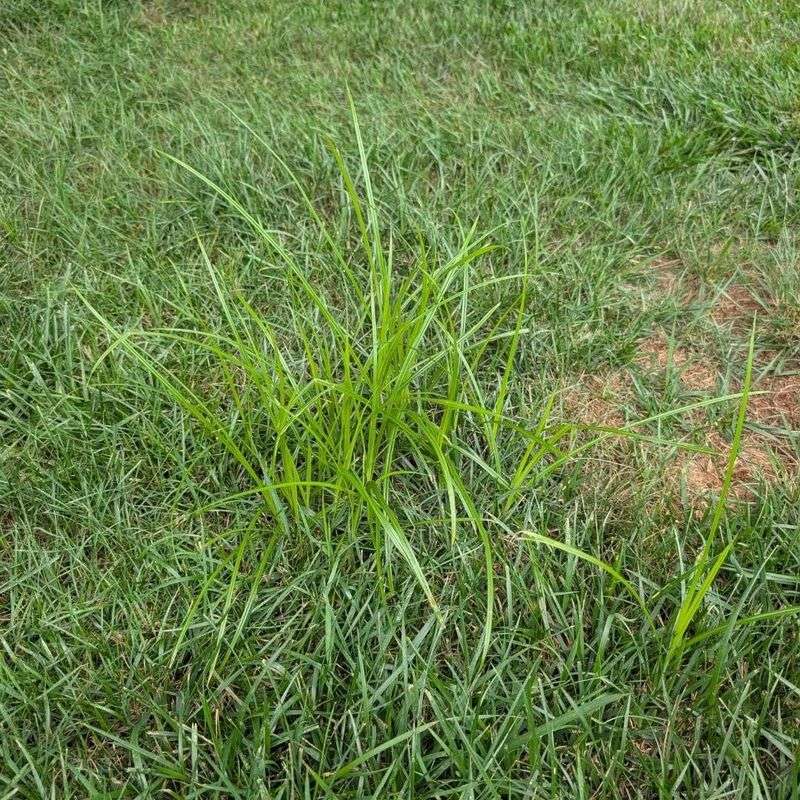
Most people see nutsedge and immediately think it is just a clump of fast-growing grass. Honestly, that is a pretty easy mistake to make.
The leaves are long, narrow, and green, which looks almost identical to regular lawn grass at first glance. But nutsedge is not a grass at all.
It belongs to the sedge family, a completely different group of plants with its own set of characteristics.
Here is a quick trick that gardeners use to tell them apart: pick up the stem and roll it between your fingers. Grass stems feel round and smooth.
Your Texas Garden Changes Every Week. Your Plan Should Too.
Gardening in Texas changes quickly throughout the season. Every Friday you’ll receive a simple weekly plan showing exactly what to plant, prune, fertilize, harvest, and protect so you never miss the right timing.
Sedge stems feel distinctly triangular, almost like a three-sided pencil. There is even a helpful saying that plant lovers use: “Sedges have edges, rushes are round, grasses have nodes from the top to the ground.”
Once you notice that triangular stem, you will never confuse nutsedge with regular grass again.
Why does this difference matter? Because nutsedge does not respond to the same products that control common lawn weeds or grassy weeds.
Standard broadleaf weed controls will not touch it. Many grass-targeting herbicides skip right past it too.
Using the wrong product wastes your time and money without doing anything useful. Nutsedge requires herbicides specifically labeled for sedge control.
Knowing exactly what you are dealing with helps you choose the right approach from the very beginning. Misidentifying nutsedge as grass is one of the most common reasons homeowners struggle to manage it.
Take a close look at the stem next time, and you will immediately know what you are up against.
Texas Summer Heat Helps It Thrive
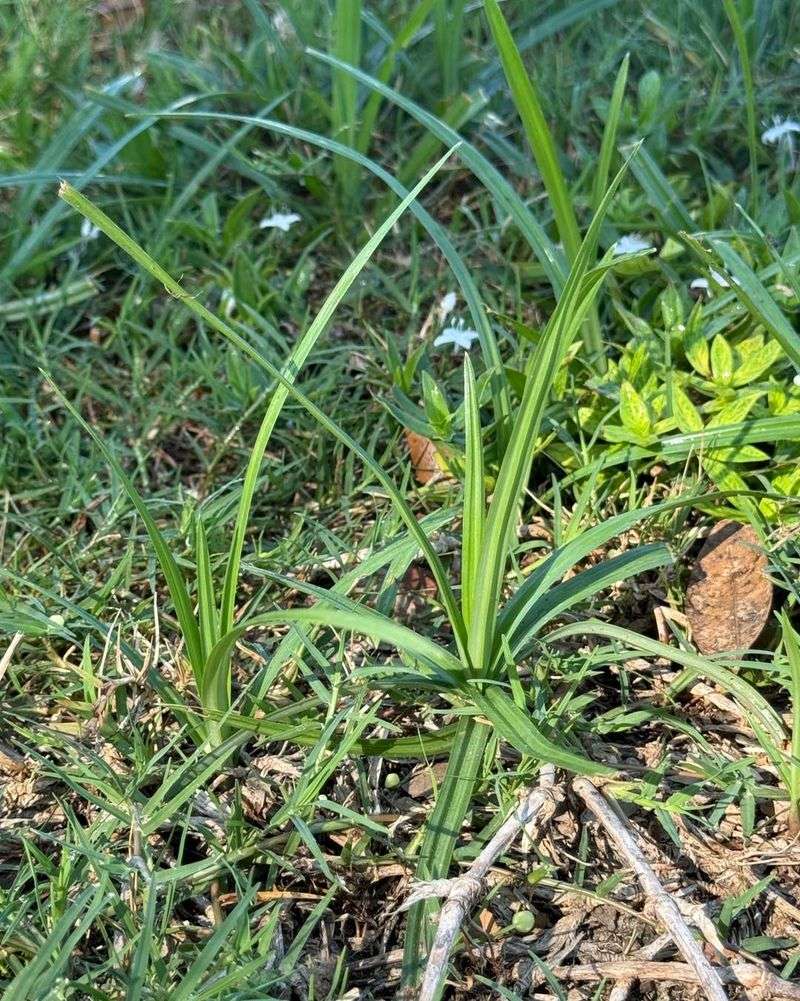
Nutsedge absolutely loves Texas summers. While many plants struggle under the blazing heat and long sunny days, nutsedge treats those conditions like a personal invitation to grow as fast as possible.
Warm soil temperatures signal the plant to push up new shoots quickly, and it can grow noticeably faster than the surrounding lawn grass during peak summer months.
Most cool-season weeds slow down or go dormant when temperatures climb. Nutsedge does the opposite.
It hits its peak growth period right when Texas homeowners are already battling heat, drought stress on their lawns, and the general chaos of summer yard care.
Irrigated lawns and garden beds are especially at risk because regular watering gives nutsedge exactly the moisture it needs to grow alongside the heat it already loves.
Yellow nutsedge, the most common type found in Texas, tends to appear most aggressively between late spring and early fall.
Purple nutsedge, another variety found across the state, is actually considered one of the most troublesome weeds in the entire world because of how well it handles heat and moisture together.
Both types can spread quickly across a lawn during a single Texas summer if left unchecked. Keeping your lawn grass healthy and thick during summer helps reduce the open spaces where nutsedge can easily take hold.
A dense, well-fed lawn is one of your best natural defenses. Mowing at the correct height for your grass type also helps shade the soil and make conditions a little less welcoming for nutsedge to get established.
Frequent Pulling Rarely Solves The Problem
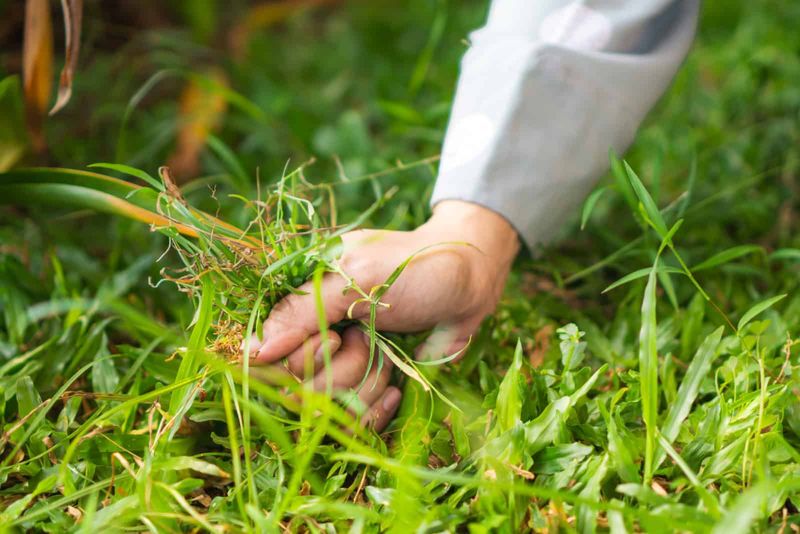
Many people assume that pulling weeds is always the right answer. For most common weeds, consistent hand-pulling does eventually work.
Nutsedge, though, laughs at that approach. Every time you grab the stem and yank, the leaves come out but the tubers stay right where they are, perfectly ready to sprout again within days. Frequent pulling can actually feel like a full-time job with almost no payoff.
Research from university extension programs has shown that pulling nutsedge can sometimes stimulate more tuber production. The plant responds to stress by putting extra energy into creating new nutlets underground.
So the more aggressively you pull, the more backup plants the nutsedge is quietly building beneath the surface. That is a frustrating cycle that catches a lot of well-meaning gardeners off guard.
Established patches with large underground networks almost always require more than just hand-pulling to manage effectively. Repeated control efforts over multiple seasons are usually needed.
Sedge-specific herbicides, applied at the right time and in the right conditions, tend to give much better results than pulling alone. Some products work by moving through the plant and into the tubers, which is what makes them more effective.
Timing also matters a lot. Treating nutsedge when plants are young and small, before the tuber network expands, gives any control method a better chance of working.
Waiting until patches are large and well-established makes management significantly harder. Patience and persistence are honestly your most important tools when dealing with a plant this determined to stick around.
Wet Soil Can Encourage Bigger Infestations
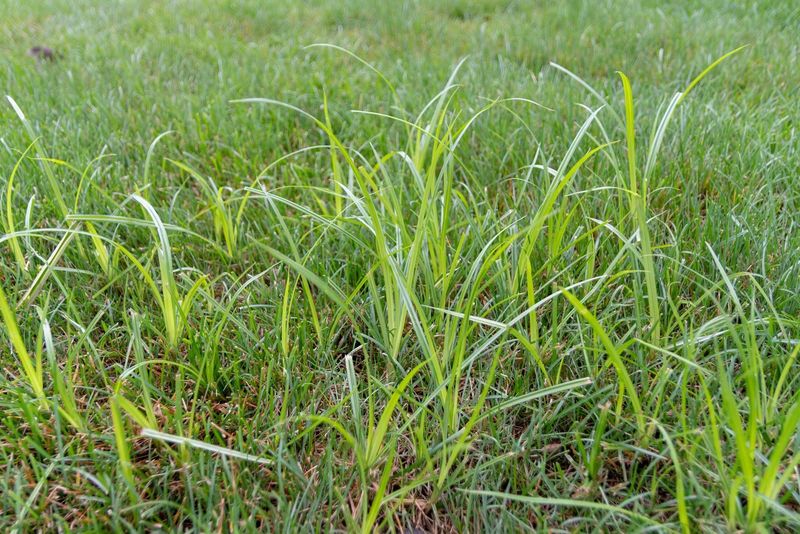
Nutsedge earned a reputation as a “water-loving” weed for good reason. While it can survive in a range of conditions, it absolutely thrives in areas where soil stays consistently moist.
Poorly drained spots in a yard, low-lying areas that collect rainwater, and garden beds that get watered too frequently are all prime real estate for nutsedge to move in and spread fast.
Overwatering is one of the sneakiest contributors to nutsedge problems in Texas. Homeowners trying to keep their lawns green during summer heat sometimes water more than the grass actually needs.
That extra moisture sits in the soil and creates perfect conditions for nutsedge to outcompete surrounding plants. Even a sprinkler head that runs a little too long in one spot can create a wet patch that nutsedge quickly claims as its own territory.
Improving drainage in problem areas can make a real difference over time. Simple fixes like adjusting sprinkler run times, fixing areas where water pools after rain, and adding organic matter to improve soil structure can all reduce the conditions nutsedge loves most.
Raised garden beds with well-draining soil mixes also tend to have fewer nutsedge problems than in-ground beds with heavy clay soil.
Avoiding unnecessary irrigation, especially in the evening when soil stays wet overnight, removes one of nutsedge’s biggest advantages.
Checking your irrigation system regularly for leaks or uneven coverage is a practical step that many homeowners overlook. Drier soil will not eliminate nutsedge entirely, but it does slow the plant down and reduces how quickly infestations can grow and spread.
Control The Underground System, Not Just The Leaves
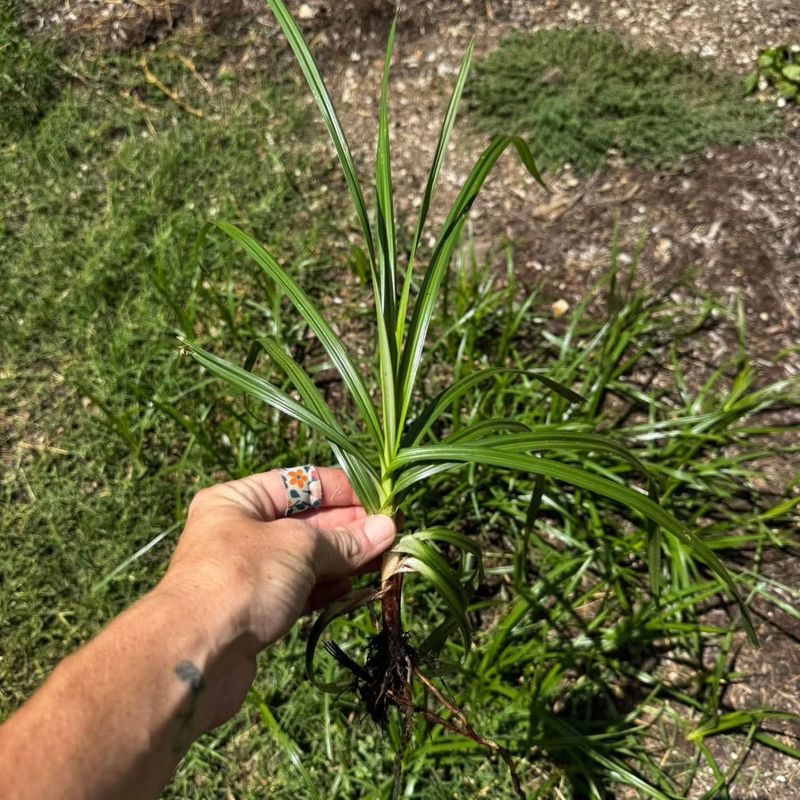
Winning against nutsedge means thinking below the surface, not just above it. The leaves you see are just the visible tip of a much bigger underground system.
Tubers and rhizomes connect plants together beneath the soil, feeding new growth and storing energy for future shoots. Any control strategy that only targets the leaves will always leave that underground system fully intact and ready to rebound.
Young nutsedge plants are the easiest to manage because they have not yet built a large tuber network. Catching plants early, ideally when they are just a few inches tall and have fewer than five or six leaves, gives you the best window for effective control.
At that stage, the tubers are smaller and fewer in number, which means the underground system is much easier to disrupt. Waiting too long allows the network to expand dramatically.
Sedge-specific herbicides containing active ingredients like halosulfuron or sulfentrazone are among the most effective options for managing established nutsedge.
These products are designed to move through the plant tissue and reach the underground tubers, not just burn off the leaves.
Always read the product label carefully and follow all directions, since timing and application method both affect how well the treatment works. Multiple applications spaced several weeks apart are often needed for heavily infested areas.
Combining herbicide treatment with better irrigation habits and improved soil drainage gives you the strongest overall approach.
Nutsedge is a persistent opponent, but a consistent, well-planned management strategy focused on the underground system will produce real results over time.