Why Praying Mantises Are Showing Up In More Georgia Yards This August
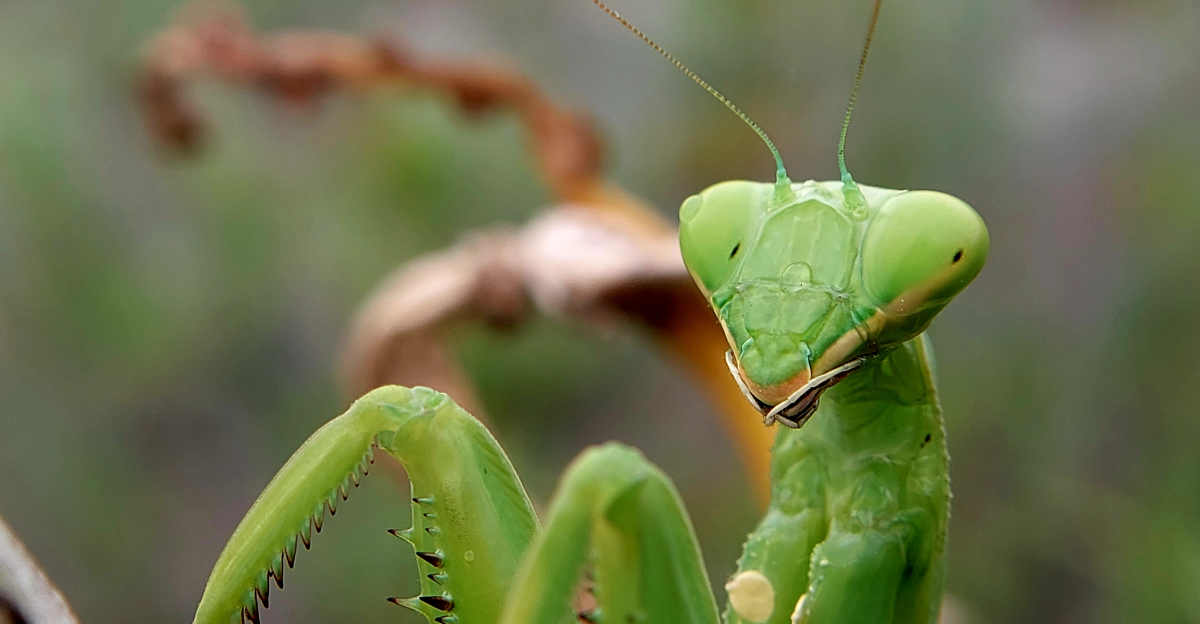
One morning your yard seems completely ordinary, then a praying mantis appears where you have never noticed one before. A few days later, another one turns up on a flower, fence, or porch screen.
Those sightings are rarely as random as they seem. Something in the season is encouraging these remarkable insects to become much easier to spot.
Late summer changes the landscape in ways that many homeowners never notice. The busiest weeks for insects also bring new activity from the hunters that depend on them.
That is exactly why praying mantises become more noticeable in Georgia during August. Their appearance is part of a seasonal pattern that repeats every year.
Take a closer look before the month slips away.
You may start noticing these fascinating hunters in places you walked past every day without a second glance.
1. Spring Egg Cases Produce Adults By August
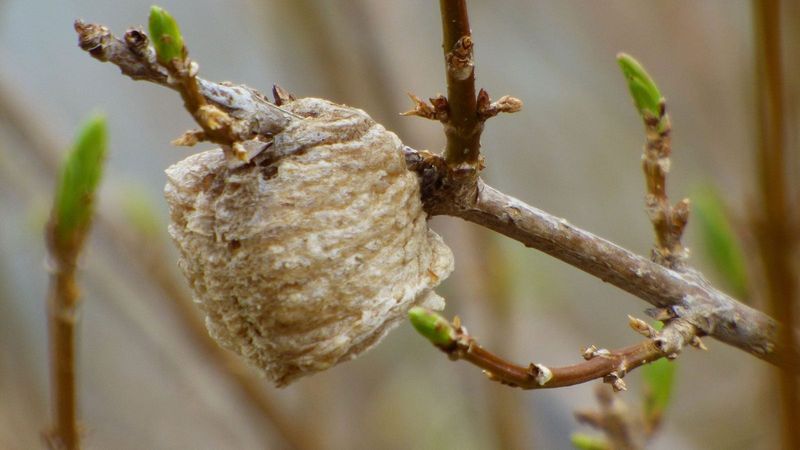
Back in spring, female praying mantises left behind their egg cases on twigs, fence posts, and garden stems. Those cases, called oothecae, held anywhere from a few dozen to over 200 tiny eggs each.
Hatching started in late spring, releasing miniature nymphs that looked just like small versions of adults.
From May through July, those nymphs were growing fast. They molted several times, shedding their outer shells as their bodies expanded.
Each molt brought them closer to full adult size. By August, most of that development is complete, and the adults you see now are the result of months of quiet growth.
Egg cases are surprisingly tough. Cold snaps, rain, and even light frost do not usually harm them.
Gardeners who find egg cases in winter sometimes move them indoors by accident, causing early hatching with no food available. Leaving them outside is generally the better choice.
Egg production varies by species, so not every case produces the same number of offspring. In Georgia, the Chinese mantis and Carolina mantis are two of the most commonly spotted species.
Both follow this same spring-to-summer development pattern, which is why August feels like a sudden mantis arrival even though the process started months earlier.
2. Late Summer Marks Their Most Visible Stage
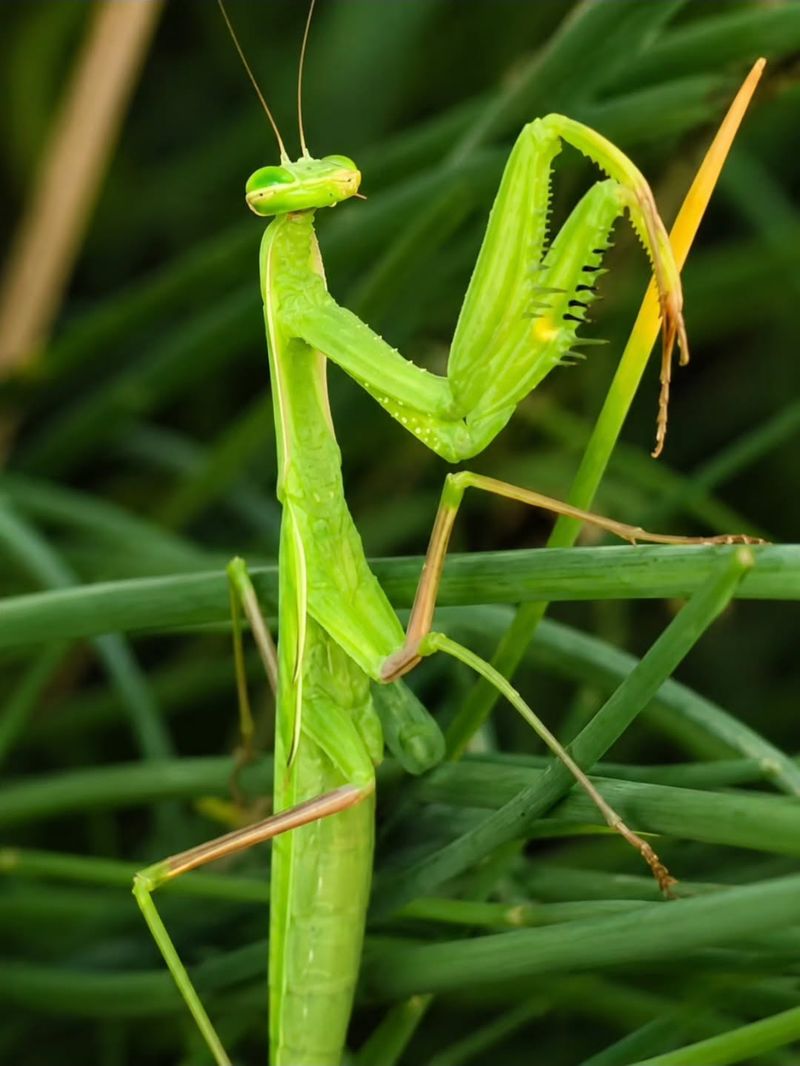
Praying mantises spend most of their lives hiding. As nymphs, they stay small, blend into leaves, and avoid drawing attention.
Most people never notice them during those early months because the insects are simply too tiny and too well-camouflaged to spot easily.
August changes that completely. Adults are now large enough to stand out.
A full-grown Chinese mantis can reach four inches long. That kind of size is hard to miss when it lands on your porch screen or climbs up your garden trellis.
Camouflage works differently at adult size. Nymphs could hide behind a single leaf.
Adults need more cover, and when that cover runs thin near the end of summer, they become much easier to see. Movement also gives them away.
Adults are more active, more mobile, and more likely to cross open spaces than younger mantises.
Light plays a role too. Mantises are sometimes drawn to porch lights at night because those lights attract moths and other flying insects.
Your Georgia Garden Changes Every Week. Your Plan Should Too.
Gardening in Georgia changes quickly throughout the season. Every Friday you’ll receive a simple weekly plan showing exactly what to plant, prune, fertilize, harvest, and protect so you never miss the right timing.
Homeowners who spot mantises near their outdoor lighting after dark are likely seeing adults on an active hunt. Late summer in Georgia brings long warm evenings, which extends the window of time mantises stay active and visible each day.
3. Mating Season Brings More Adults Into The Open
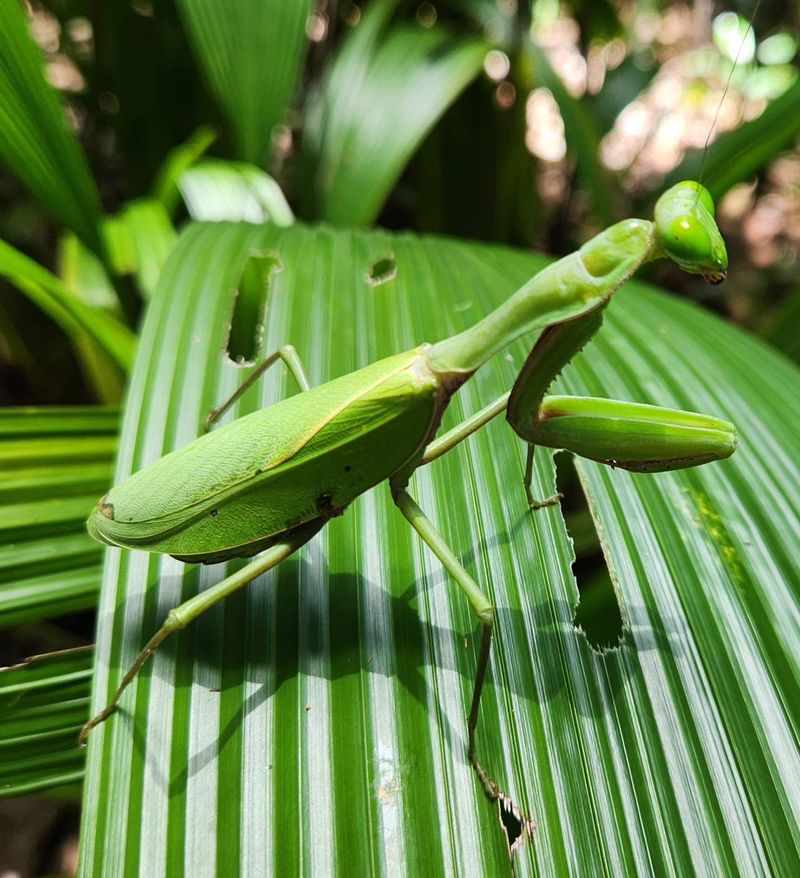
August is mating season for most mantis species in the southeastern United States. Adult males start searching for females, and that search requires movement.
A male mantis on a mission covers a lot of ground, crossing lawns, climbing fences, and wandering through flower beds.
Females tend to stay in one spot and wait, but males are constantly on the move. That restless behavior is exactly why so many people spot mantises crossing sidewalks or sitting on unexpected surfaces this time of year.
A mantis on your car hood or doorstep is likely a male looking for a mate.
Females also become more noticeable during this period. They eat more heavily before laying eggs, which means they spend more time in open areas where prey is available.
A female mantis sitting boldly on a sunflower or pepper plant is not being careless. She is fueling up for egg production.
After mating, females lay their egg cases in late summer and early fall. Each case is made from a foamy substance that hardens into a protective shell.
Gardeners who spot these tan, papery cases on stems and branches in September are seeing the result of the August mating activity.
4. Flying Insects Give Them Plenty To Eat
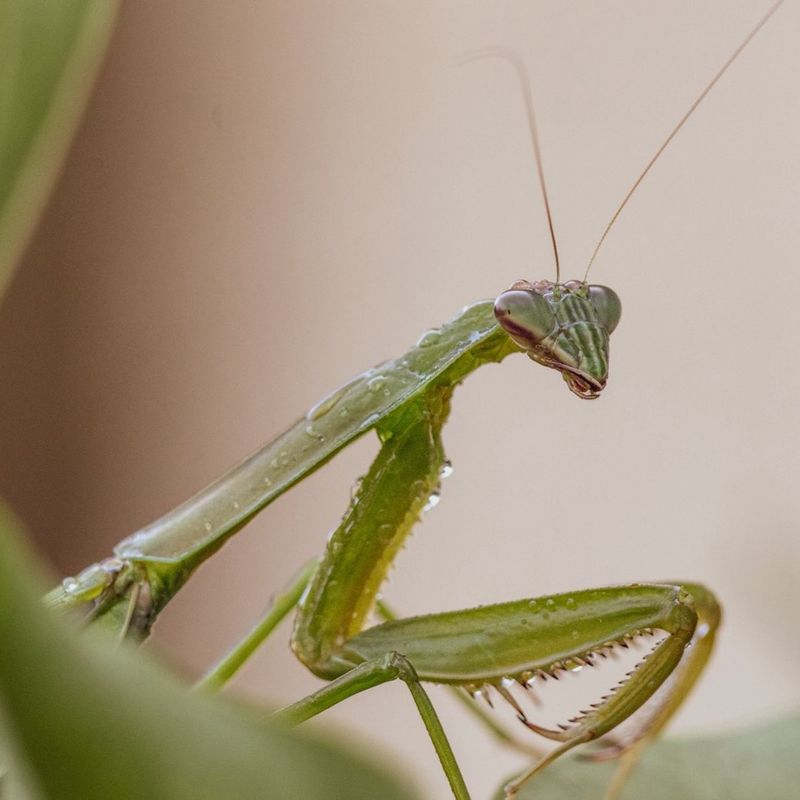
August is one of the busiest months for flying insects across the Southeast. Mosquitoes are at peak numbers.
Moths swarm porch lights. Grasshoppers jump through tall grass.
Beetles cruise through flower beds. For a praying mantis, this kind of abundance is ideal.
Mantises are ambush hunters. They pick a spot, stay still, and wait for prey to come within reach.
When food is plentiful, they do not need to travel far. Gardens loaded with flowering plants attract pollinators, and those pollinators attract mantises looking for a reliable food source.
Vegetable gardens are especially productive hunting grounds. Squash blossoms, bean plants, and tomato vines all draw insects in large numbers.
A mantis positioned near those plants has a steady stream of potential meals passing by throughout the day. Yards with diverse plantings tend to support more mantis activity than simple lawns.
Water features also help. Birdbaths and small garden ponds attract mosquitoes and other insects, which in turn attract mantises.
A yard that offers both food and cover is genuinely appealing to these hunters. Reducing pesticide use in your garden can support this balance, since broad-spectrum sprays reduce the prey population mantises depend on.
5. Warm Weather Keeps Them Active Longer
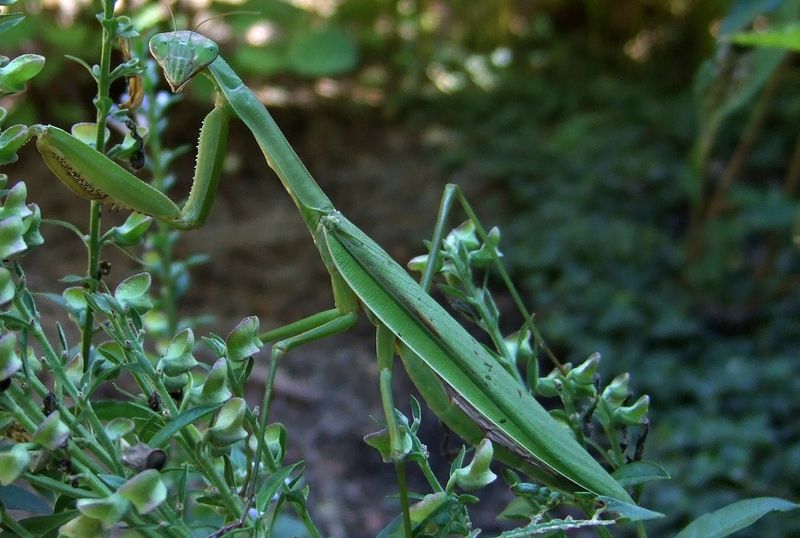
Praying mantises are cold-blooded, which means their body temperature follows the air around them. Warm weather speeds up their movement, digestion, and overall activity level.
Cool temperatures slow everything down. August in Georgia delivers exactly the kind of sustained heat that keeps mantises moving at full pace.
Nighttime temperatures matter too. When nights stay warm, mantises remain active after dark.
They hunt near lights, patrol garden plants, and stay alert for prey well into the evening. In cooler regions, this kind of nighttime activity fades earlier in the season.
Extended warmth also stretches the feeding window. A mantis in a warmer climate can spend more hours each day actively hunting compared to one in a northern state.
More feeding time means faster growth and better preparation for egg-laying. Southern yards benefit from this extended activity period in a way that northern gardens simply do not.
By October, temperatures drop enough to slow mantis activity noticeably. Adults become less mobile, eat less frequently, and eventually stop moving altogether as the season ends.
August sits right at the peak of that warm-weather window.
6. Young Mantises Have Reached Full Size
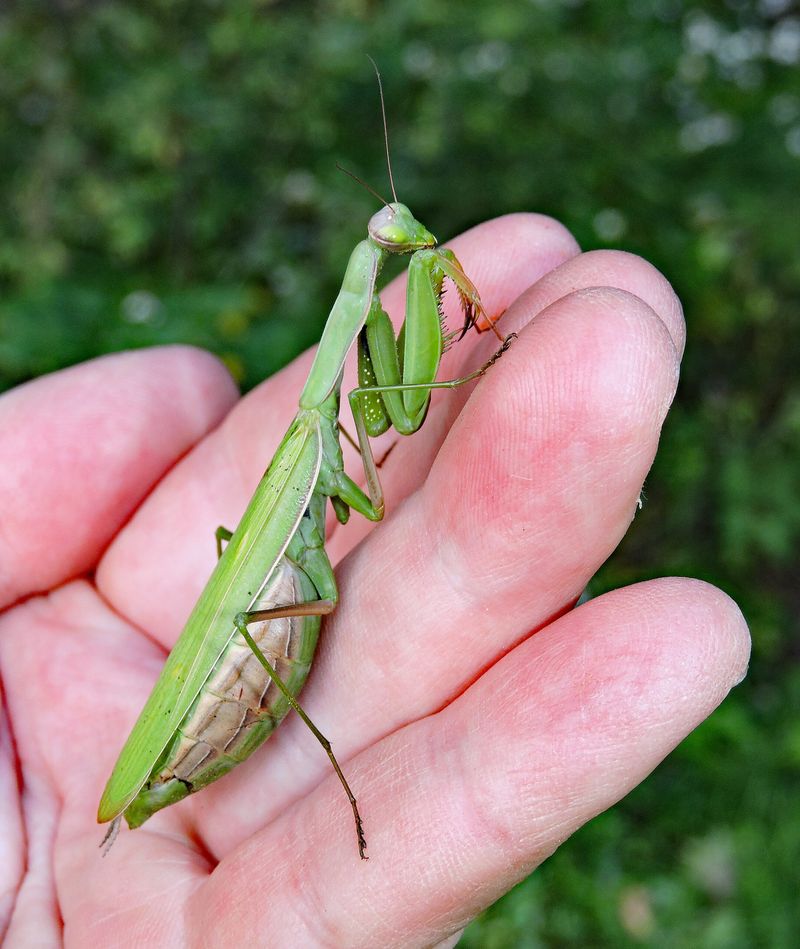
Reaching full adult size takes a praying mantis about four to six months from hatching. Nymphs that emerged in April or May are now fully grown adults by August.
That growth timeline lines up almost perfectly with the surge in mantis sightings that gardeners notice this time of year.
Size makes a real difference in visibility. A newly hatched mantis nymph is roughly the size of a grain of rice.
An adult Chinese mantis can grow to nearly four inches. Going from nearly invisible to undeniably large explains a lot of the sudden attention these insects get in late summer.
Full size also brings full hunting capability. Adult mantises can catch larger prey than nymphs can manage.
Grasshoppers, moths, and even small beetles become realistic targets. Bigger prey means the mantis spends more time in exposed areas where those insects are found, making adults easier to spot than their younger counterparts.
Wing development is another sign of maturity. Adult mantises have functional wings, though they do not use them constantly.
Males fly more often than females, particularly during mating season. Spotting a mantis in flight is unusual enough to surprise most people, but it does happen in August when adults are at peak mobility.
7. They Often Wander Into Yards From Nearby Vegetation
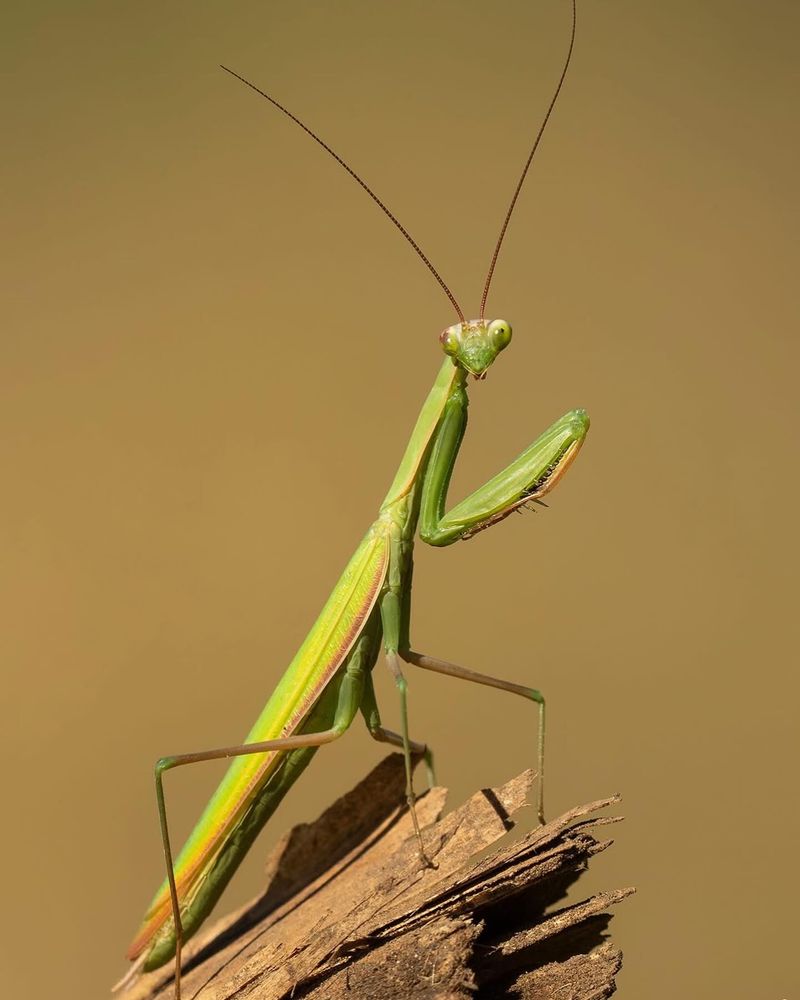
Praying mantises do not typically start their lives in the middle of a manicured lawn. Egg cases are usually laid on shrubs, tall grasses, and woody plants at the edges of open areas.
When nymphs hatch, they spread out through nearby vegetation and slowly work their way into surrounding spaces.
By August, adults have covered a lot of ground since hatching. Wooded edges, overgrown ditches, and brushy fence lines are common starting points.
As adults grow larger and food becomes competitive, they push outward into new territory, including residential yards and gardens.
Neighborhoods near wooded areas or open fields tend to see more mantis activity. Properties with natural borders, like hedgerows, native plant patches, or unmowed sections, often act as corridors that guide mantises toward cultivated garden spaces.
A yard with diverse plantings near a natural edge is a prime destination.
Encouraging mantises to stay is simpler than most people expect. Avoiding broad pesticide applications helps preserve both the mantis and its food supply.
Planting native shrubs along fence lines gives them shelter and hunting perches. Tall ornamental grasses near garden beds create ideal resting spots.
Mantises are not aggressive toward people and can be observed closely without concern.