Stop Pruning Your Georgia Spring Shrubs Right Now Or Lose Next Year’s Blooms
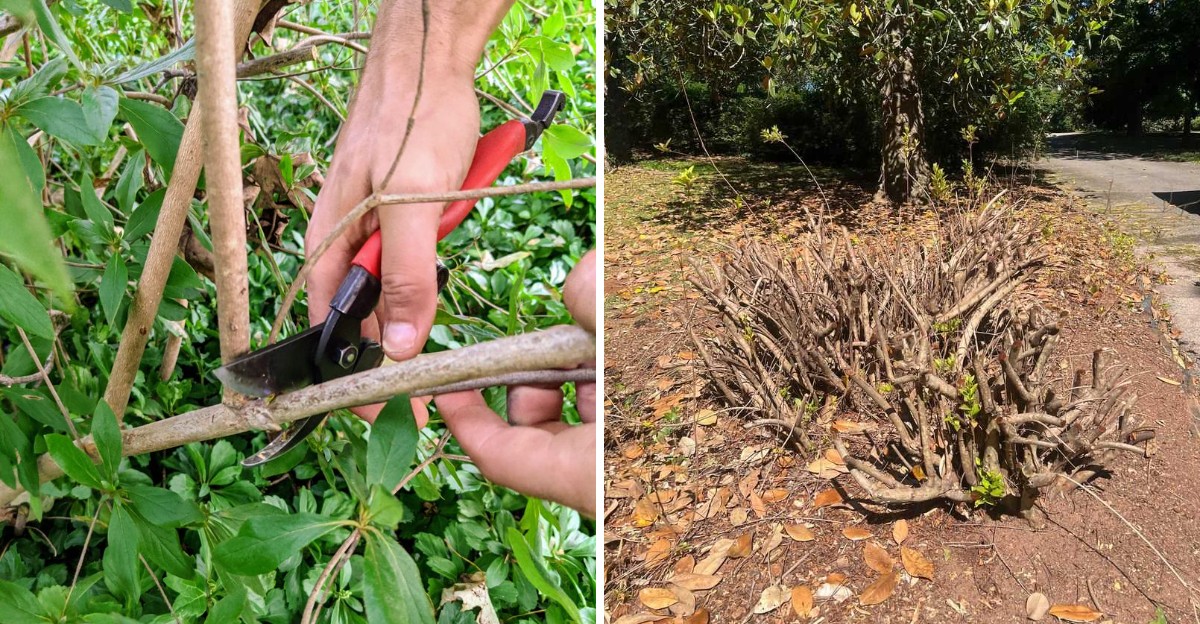
An overgrown azalea by the front steps can make fall feel like the right time for a trim.
With the weather cooler and the blooms long gone, cutting it back seems like a way to get ahead. The problem is that many spring shrubs have already set next year’s buds.
Those buds are tucked along the stems you would be removing, so a trim now can take many of them.
Plenty of homeowners in Georgia find out the hard way when their shrubs leaf out in April with hardly a flower in sight.
Azaleas are only one example. Several other common spring bloomers work the same way, even though they look nothing alike.
If a shrub on your property flowers in spring, put the pruners down until after it blooms.
1. Those Plump Tips On Azalea Branches Are Next Spring’s Flowers
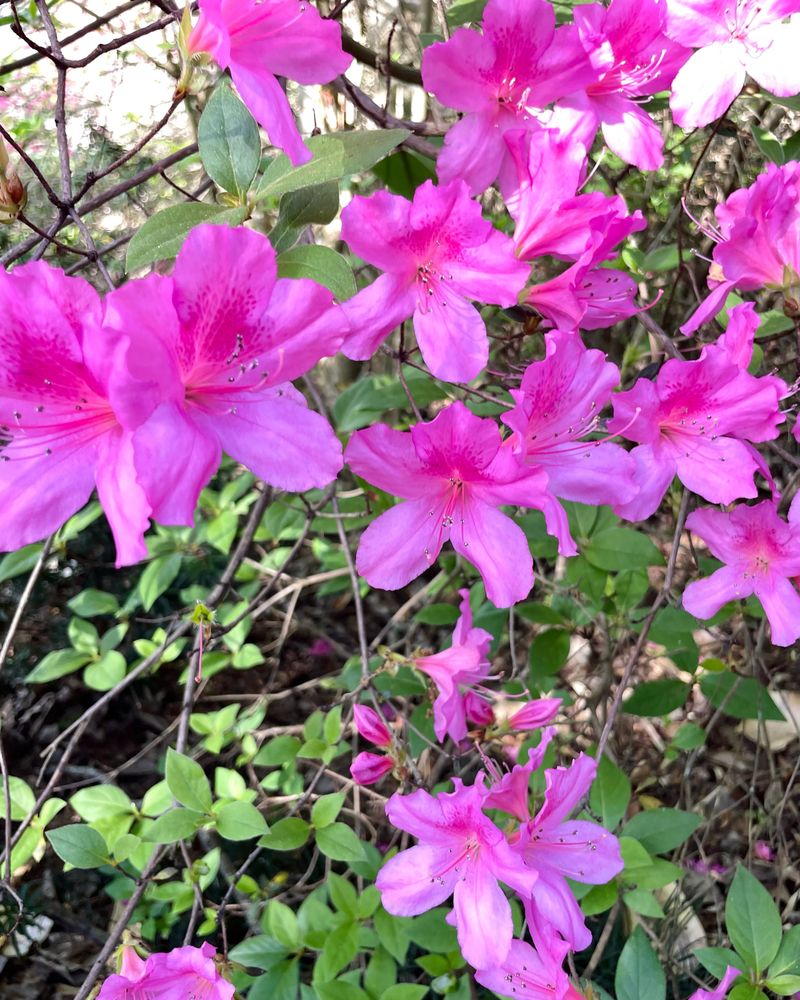
Look closely at an azalea right now, and you will spot something easy to miss. Right at the tip of each branch sits a fat, pointed bud wrapped in scales.
Those little swellings hold next spring’s flowers, already packed and waiting.
Leaf buds on azaleas tend to be smaller and slimmer, often tucked along the stem. Flower buds are rounder and chunkier, so once you compare the two, the difference gets easier to see.
Snipping off branch tips in fall or winter removes those flower buds along with them.
Across Georgia, evergreen azaleas are some of the most common shrubs in home landscapes. A shearing job in October can leave a hedge that looks neat but blooms poorly the next April.
Try this quick test before you cut anything this season.
Pick one branch and gently run your fingers down to the tip. If you feel a firm, plump bud, that branch is carrying flowers, and it is better left alone until after bloom.
Some shrubs may show fewer buds than others, depending on sun, water, and last year’s care. Shady spots and summer drought can both reduce how many buds form.
Still, most healthy azaleas will have plenty of fat tips by late fall, and protecting them is the easiest way to enjoy a strong spring show.
2. Buds Formed Over The Summer Well Ahead Of Bloom Time
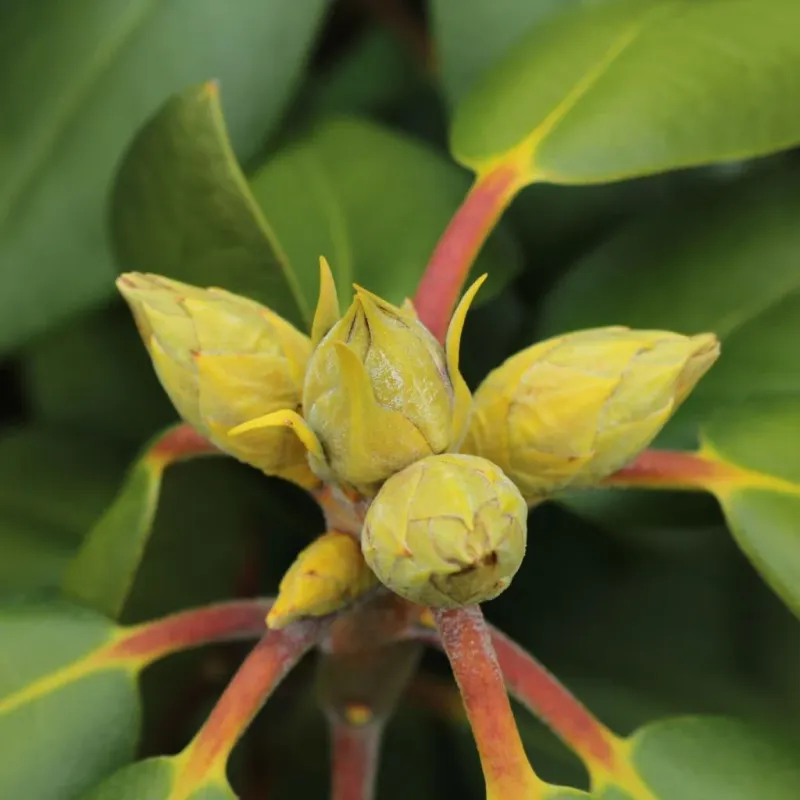
Spring flowers get started in the heat of summer, long before anyone thinks about them.
After azaleas finish blooming, they push out new green shoots through late spring. By around midsummer, many of those shoots begin forming flower buds at their tips.
Timing can vary by variety and by weather, but the pattern stays fairly steady.
Gardeners in Georgia often notice that azaleas look quiet from July through winter. Inside those branches, though, the plant is busy getting ready for its next display.
Once buds form, they rest through fall and winter, waiting for warmer days to open.
Here is why that matters for your yard. Any cut made after buds have set in summer will likely remove some flowers, even if the shrub looks like it needs a trim.
Your Georgia Garden Changes Every Week. Your Plan Should Too.
Gardening in Georgia changes quickly throughout the season. Every Friday you’ll receive a simple weekly plan showing exactly what to plant, prune, fertilize, harvest, and protect so you never miss the right timing.
Summer care also plays a part in how many buds you get. Deep watering during dry spells helps, since drought stress in July and August can mean fewer blooms the following spring.
A layer of mulch about two to three inches deep can help hold moisture in the soil around the roots.
Think of summer as bud season rather than trimming season. Give the plant water and patience then, and it can reward you with a fuller show when spring finally arrives.
3. Many Spring Blooming Shrubs Already Carry Next Year’s Flower Buds
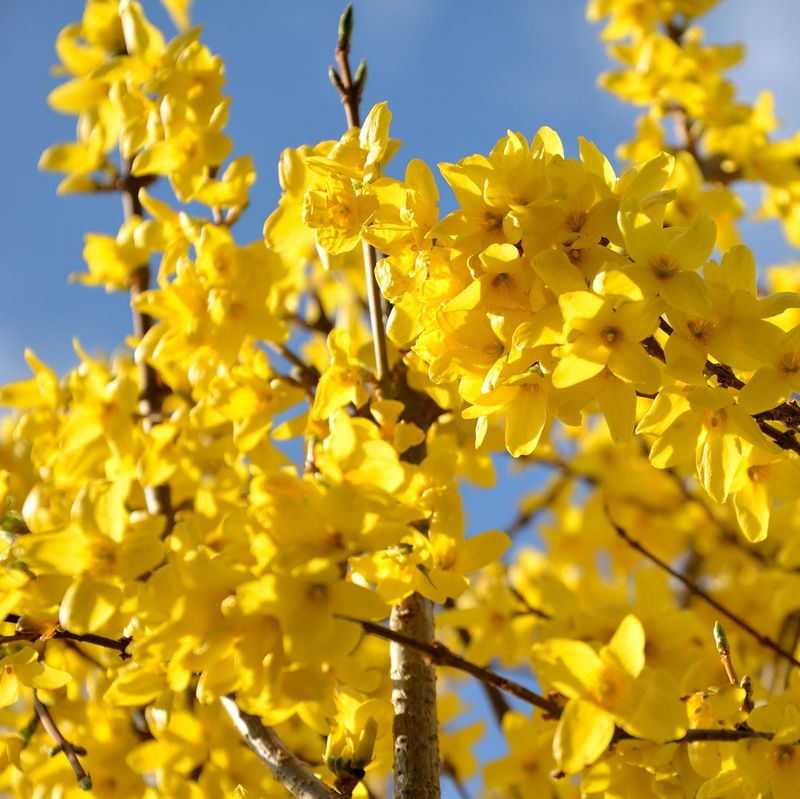
Azaleas are not the only shrubs playing this waiting game.
Forsythia, spirea, loropetalum, and quince all bloom on wood grown the year before. Gardeners call this blooming on old wood, and it shapes how each plant should be pruned.
Camellias follow a similar pattern, with fat, round buds easy to spot by late fall.
Walk through almost any older neighborhood in Georgia, and you will likely see several of these shrubs growing side by side. Each one may need its own care, but the timing rule is much the same for all of them.
Oakleaf and bigleaf hydrangeas often form buds on old stems as well, so heavy fall cuts can reduce their flowers too.
Not every shrub works this way, which is where things get tricky. Crape myrtles and many roses bloom on new growth, so late winter pruning is usually fine for them.
Keeping a simple list of your shrubs and their bloom times can save a lot of guessing.
If you are unsure what you have, snap a photo and ask your local county extension office. Staff there can often identify the plant and tell you when pruning makes sense for it.
Knowing which shrubs bloom on old wood helps you avoid cutting away flowers you have waited all year to see.
4. Late Cuts Can Spur Tender Growth Ahead Of Frost
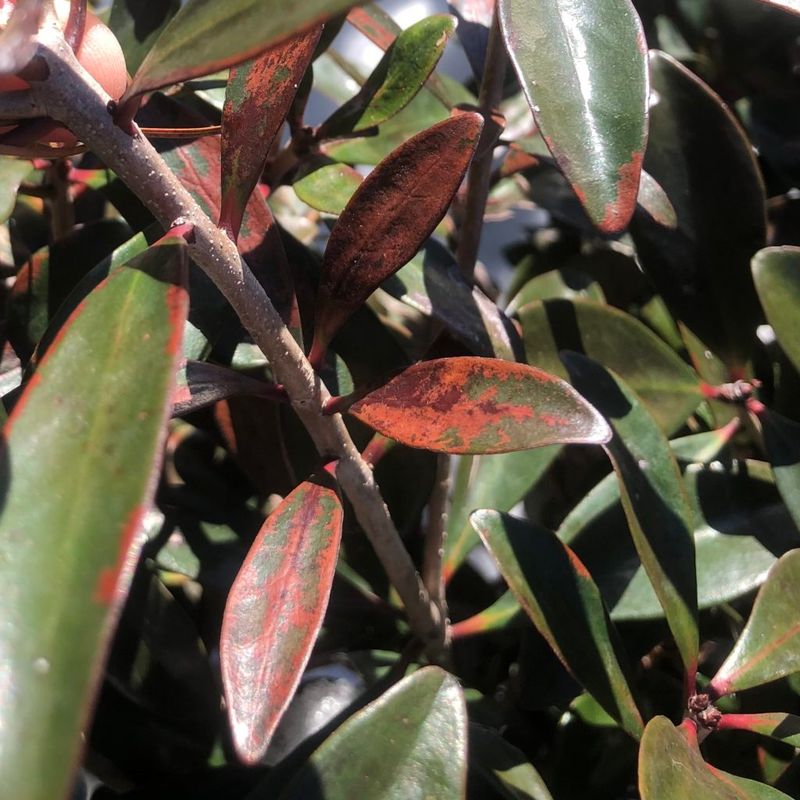
Pruning sends a wake-up call to a shrub, even when the calendar says it should be slowing down.
A cut in late summer or early fall can push the plant to grow new shoots. Those fresh shoots are soft and green, and they may not have time to harden before cold weather arrives.
An early freeze can then damage that tender growth, leaving brown, shriveled tips.
Weather in Georgia makes this a real concern, since warm spells in October are often followed by sudden cold snaps. First frost dates vary widely, from late October in the mountains to later in November near the coast.
Damaged shoots are not usually a serious problem for a healthy shrub.
Still, they can stress the plant and leave ugly spots you will want to clean up later. Repeated stress over several years may weaken older or struggling shrubs.
A good habit is to stop most pruning by midsummer for spring bloomers. That gives any new growth plenty of time to toughen up before winter.
Fertilizing late in the season can cause a similar flush of soft growth, so hold off on feeding after summer as well.
Letting shrubs slow down naturally in fall helps them head into winter in better shape and protects the buds they have already set.
5. Broken Or Diseased Wood Can Still Be Removed When Needed
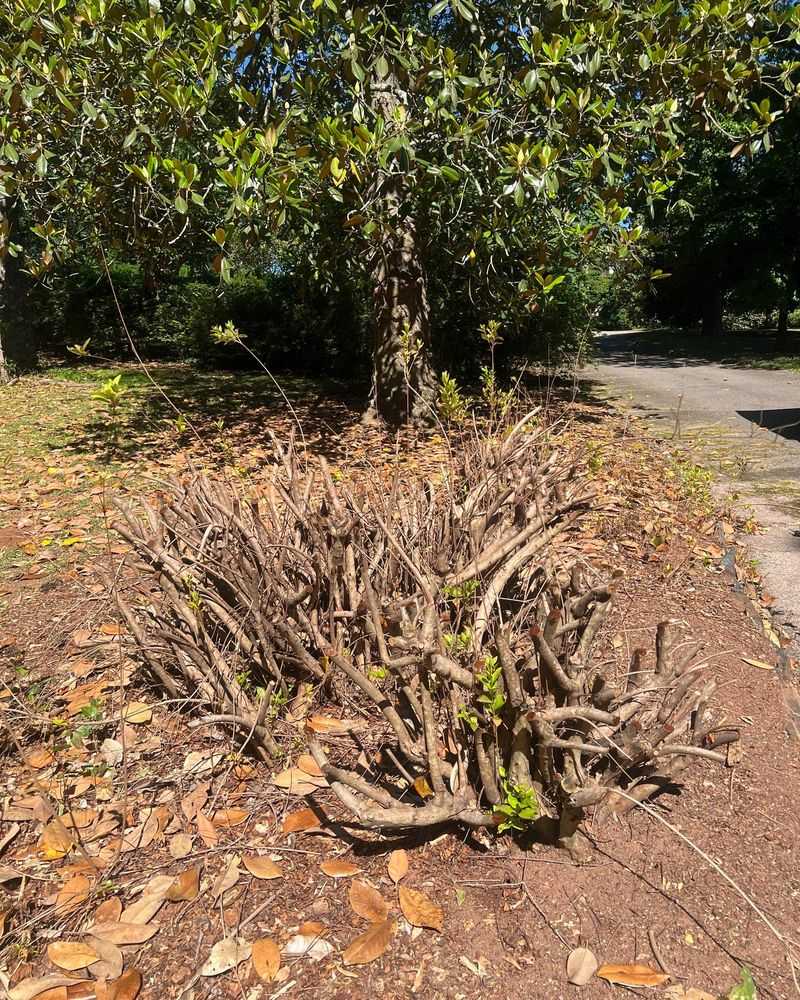
Rules about timing have one big exception, and it matters.
A branch snapped by a storm or split by a falling limb should come off whenever you notice it. Leaving torn wood in place can invite pests and decay.
Diseased stems fall into the same category, since spread can happen if they stay on the plant.
Signs to watch for include cankers, oozing spots, or sections where leaves have turned brown while the rest of the shrub stays green. Scratch the bark lightly, and if the tissue underneath is dry and brown instead of green, that part is likely no longer alive.
Cut back to healthy wood, just above a bud or side branch.
Clean, sharp bypass pruners make smoother cuts than dull ones. Wiping the blades with a household disinfectant between cuts can help reduce the chance of spreading disease to other plants.
Georgia gets its share of summer thunderstorms and the occasional ice storm up north, so storm cleanup is a common chore here.
Removing a few damaged stems will cost you only the buds on those stems. The rest of the shrub can still bloom normally, which is a fair trade for a healthier plant.
If a large portion of the shrub looks sick, a local extension agent can help figure out the cause.
6. Encore Azaleas Follow A Slightly Different Blooming Schedule
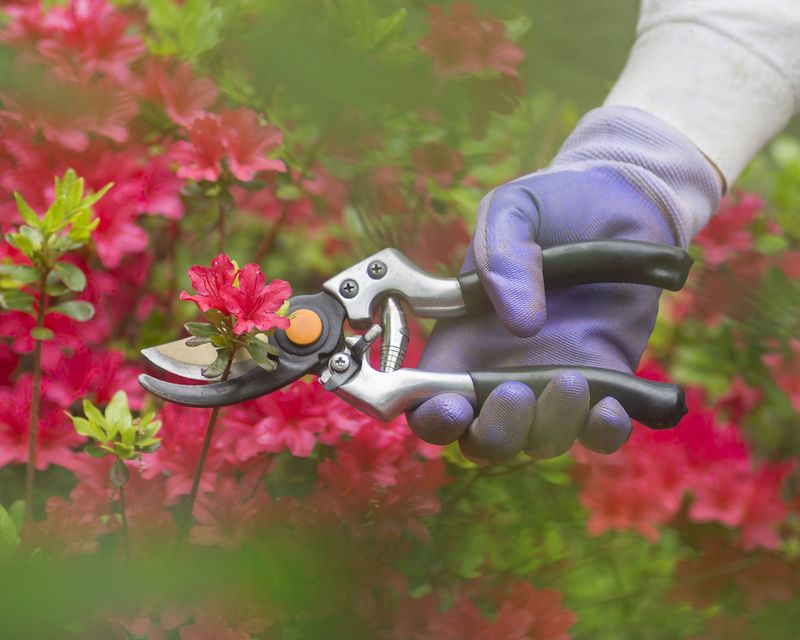
Flowers in October on an azalea might seem strange, but reblooming types make it happen.
Encore azaleas and similar rebloomers bloom in spring and then again later in the year. They set buds more than once, which changes how pruning affects them.
Still, they are not a free pass to trim anytime you like.
A good time to prune reblooming azaleas is right after the spring flush fades. That gives new shoots time to grow and set buds for the summer and fall show.
Cutting them in late summer can remove buds for the fall bloom and possibly next spring too.
Encore azaleas have become popular around Georgia because they stretch the color season well past April. Many gardeners like them for front beds and foundation plantings where extra blooms get noticed.
Their reblooming depends a lot on sunlight, so shrubs in deep shade may flower less often.
Most rebloomers do well with around four to six hours of sun, ideally with some afternoon shade in hotter areas. Steady moisture through summer also helps them produce later buds.
Check the plant tag if you still have it, since each series may behave a little differently. When in doubt, a light shaping right after spring bloom tends to be the safest choice for these shrubs.
7. Plan Major Pruning For Soon After Spring Flowers Fade
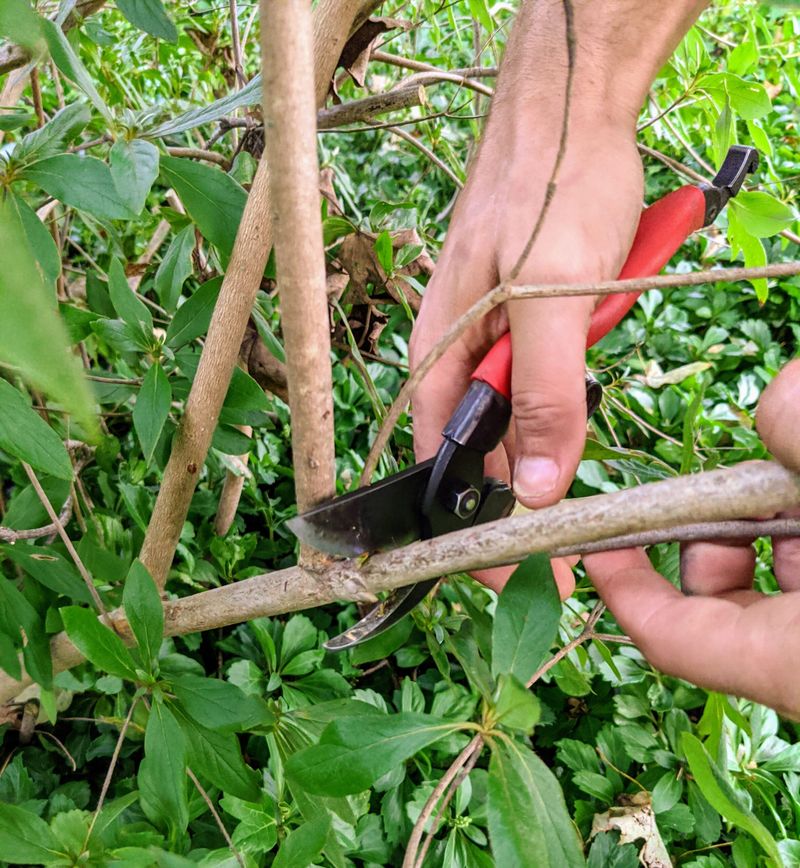
Mark your calendar for the weeks right after the last petals drop.
Pruning spring bloomers soon after flowering gives them the whole growing season to recover. New shoots then have time to grow and set buds before summer ends.
For most azaleas, a good window is within about three to four weeks after bloom.
In Georgia, that often falls sometime in April or May, depending on your area and the year’s weather. Gardens near Atlanta and farther south usually finish blooming earlier than those in the north Georgia mountains, so watch your own plants rather than the calendar.
Hand pruners give a more natural look than electric shears.
Try to reach into the shrub and cut individual stems back to a side branch. Doing it this way opens up the plant, lets light in, and helps avoid that boxy, overly sheared shape.
Overgrown shrubs can be reduced gradually by taking out a portion of the oldest stems each year.
Removing no more than about a third of the plant at once is a common guideline. Harsh cuts may still work on tough, older azaleas, but recovery can take a couple of seasons.
A little planning now can mean a cleaner shape and a much better spring show next year.