Why Raccoons Are Showing Up In More New York Backyards This Fall
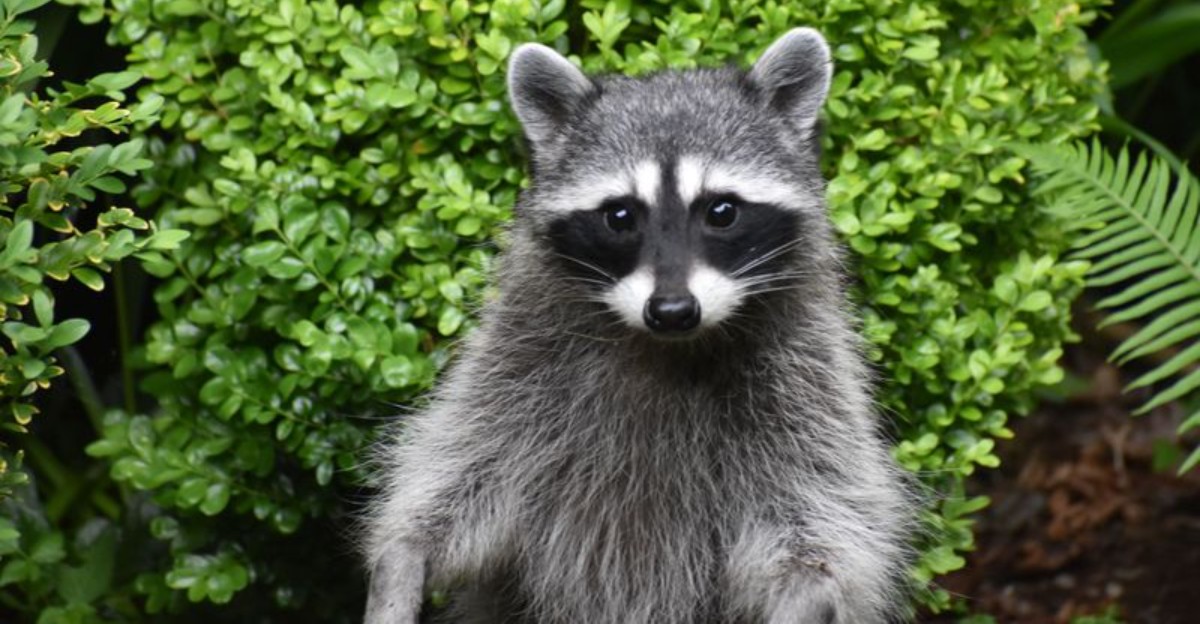
Something rattled your trash can last night, and it was not the wind. Across New York, masked bandits are strolling through backyards with surprising confidence this fall.
You might spot muddy paw prints on the deck, a tipped compost bin, or two glowing eyes by the shed. Cooler air and crunchy leaves signal a busy season for these clever critters.
Raccoons are not just being nosy, though. They have real reasons to visit, and many of those reasons sit right in our own yards.
Some are obvious, like an open garbage bin. Others might surprise you, like the tiny bugs hiding under your grass.
Knowing what draws them in can help you keep your home calm, clean, and safe. Let’s see your yard through the eyes of a hungry raccoon.
They’re Bulking Up Before Winter
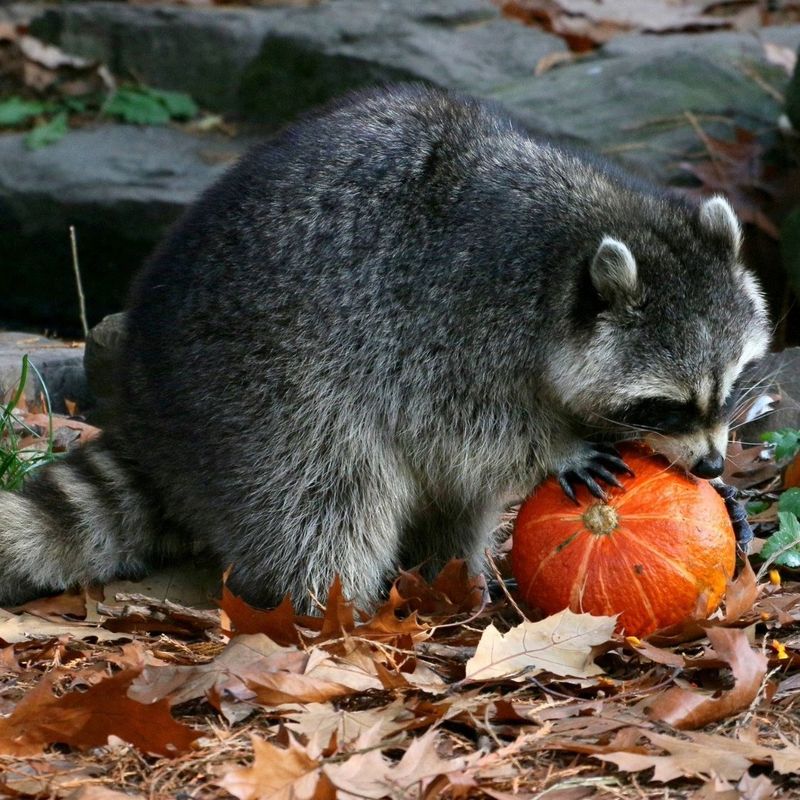
Picture a raccoon packing on pounds like a bear getting ready for a long nap. Fall is eating season, and these animals take the job seriously.
Raccoons can gain a lot of weight between September and November. Some add up to half their body weight in fat before the cold arrives.
Stored fat works like a battery for the colder months. It keeps them going when food gets scarce under snow and ice.
Unlike true hibernators, raccoons do not sleep straight through winter. They become less active during severe weather and may remain in their dens until conditions improve.
During torpor, their bodies slow down to save energy. They might stay tucked away for days, then wander out on milder nights.
Here in New York, winters can be long and harsh, so raccoons build up fat reserves in late summer and fall to help them through periods of scarce food.
More hunger means more searching, and more searching means more backyard visits. Your yard may simply be one stop on a nightly food tour.
Fun fact: a raccoon’s thick fall coat helps it stay warm too. Its fur becomes denser as days grow shorter and nights turn chilly.
So what can you do with this knowledge? Start by noticing when activity picks up, usually just after sunset.
Keep outdoor lights on a motion sensor near trash or sheds. A sudden glow can startle a curious visitor and send it looking elsewhere for dinner.
Remember, these hungry visitors are following instinct, not trying to be pests. Understanding their urge to feast is your first step toward smart, peaceful prevention.
Fallen Fruit And Nuts Are Easy Pickings
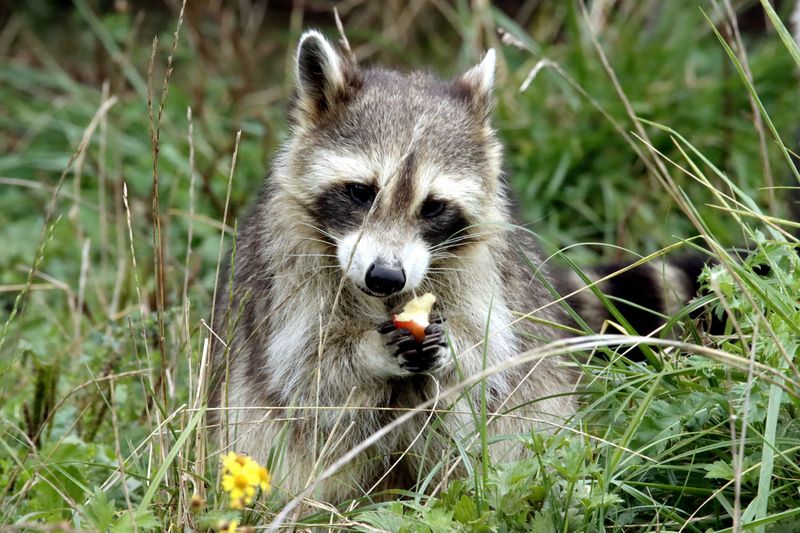
Ever wonder who keeps nibbling the apples under your tree? Odds are good it is a raccoon with a sweet tooth.
Raccoons are omnivores, so they eat both plants and animals. In fall, fruit and nuts become some of their favorite foods.
Fallen apples, wild grapes, and cherries are tasty treats for them. Acorns and beechnuts also give them plenty of filling calories.
Many yards have oak trees or old fruit trees. When ripe goodies drop, raccoons see a free snack bar waiting on the lawn.
Your New York Garden Changes Every Week. Your Plan Should Too.
Gardening in New York changes quickly throughout the season. Every Friday you’ll receive a simple weekly plan showing exactly what to plant, prune, fertilize, harvest, and protect so you never miss the right timing.
Garden crops can draw them in as well. Sweet corn, pumpkins, and late tomatoes are hard for a hungry raccoon to pass up.
Luckily, you can make your yard less tempting with a little effort. Pick up fallen fruit every day or two during harvest season.
A simple leaf rake works well for acorns and nuts. Toss them into a sealed bin rather than an open pile in the corner.
For fruit trees, try harvesting a bit early. Slightly underripe apples can finish ripening on your kitchen counter just fine.
Gardeners might cover late crops with sturdy netting at night. Some folks also add a small fence with a wobbly top that raccoons dislike climbing.
Did you know raccoons often dunk food in water? Scientists think they are feeling it with their sensitive paws, not washing it.
Clearing the ground beneath your trees removes an easy meal. Fewer free snacks usually mean fewer furry guests poking around after dark.
Unsecured Trash Cans Are Open Buffets
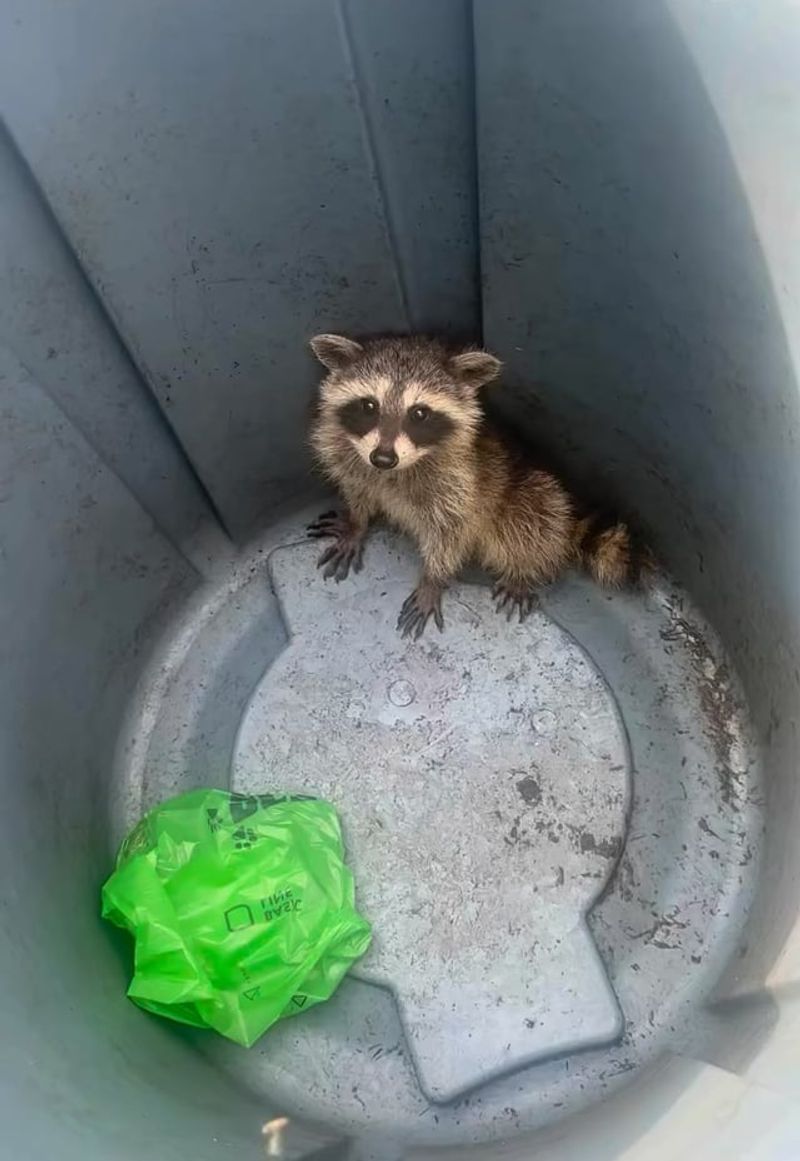
Nicknames like trash panda did not come from nowhere. Raccoons are famous for raiding garbage, and fall makes them even bolder.
To a raccoon, your trash can smells like a fancy restaurant. Leftover pizza, chicken bones, and fruit peels all send out a strong invitation.
Their front paws work almost like little hands. Raccoons can lift loose lids, twist latches, and even tip over lightweight bins.
Researchers have found that city raccoons can solve tricky puzzles. Some learn to open containers faster than you might expect.
In busy neighborhoods, trash is plentiful and easy to find. So a single unsecured can might attract the same raccoon night after night.
Thankfully, a few smart moves can close the buffet. Use sturdy cans with tight lids that lock or clamp shut.
Bungee cords stretched over the lid work as a budget fix. Strap the can to a fence post so it cannot be knocked over.
Store bins in a garage or locked shed when possible. Put trash out the morning of pickup rather than the night before.
Rinsing smelly containers before tossing them helps a lot. A quick spray of diluted vinegar inside the bin can also cut lingering odors.
Picking up spilled trash fast matters too. Leftover scraps teach raccoons that your yard is worth another visit.
Small habits like these really add up. Your curb will look cleaner, and your masked neighbor may move on to easier pickings.
Pet Food Left Outside Draws Them In
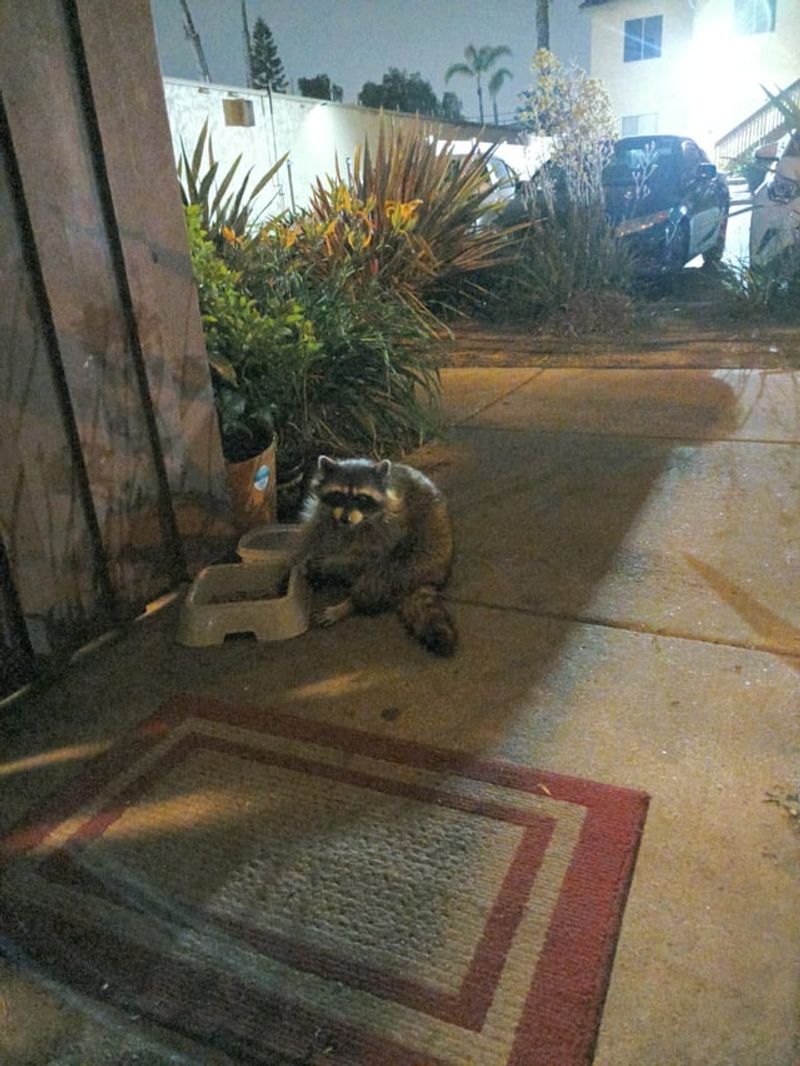
Your cat may not be the only one enjoying dinner on the porch. Raccoons love pet food, and they find it quickly.
Kibble is packed with protein and fat. For an animal trying to fatten up, a full bowl is like hitting the jackpot.
Raccoons have a sharp sense of smell. They can sniff out pet food from far away, especially on calm fall evenings.
Once they find an easy meal, they remember it. Many will return to the same porch at the same time each night.
Having raccoons near your pets is not a great idea. Squabbles over food can lead to scratches, bites, or spread of illness.
Thankfully, the fix is simple and costs nothing. Feed pets indoors, or bring bowls inside right after mealtime.
Store bags of pet food in sealed plastic or metal bins. Raccoons can chew or tear through paper bags in a garage.
If you care for outdoor cats, feed them in daylight only. Pick up leftovers before the sun goes down.
Water bowls can attract visitors too, though less often. Bringing them in at night keeps your porch even less inviting.
Many homeowners notice fewer visits within a week or two. Once the food is gone, raccoons usually shift their search elsewhere.
Quick tip: wipe up spilled kibble around feeding spots. Even a few crumbs can keep a curious nose coming back for more.
Bird Feeders Spill Seed On The Ground
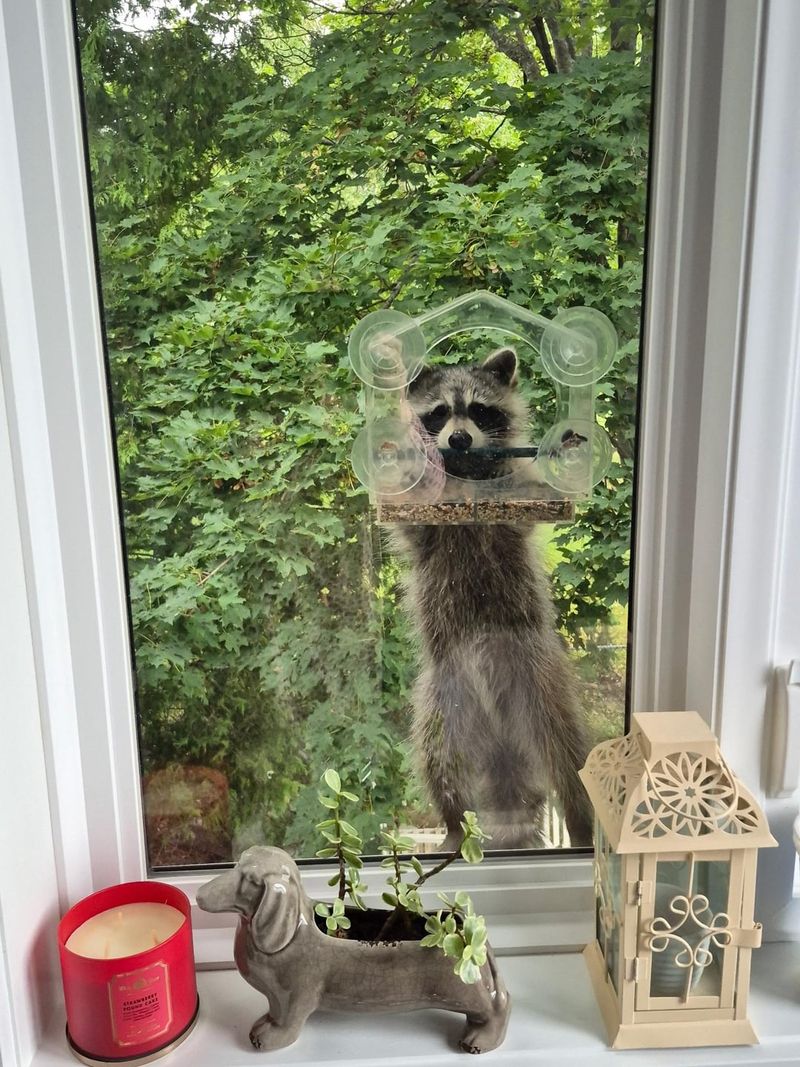
Feeding songbirds feels like a lovely fall hobby. Yet those cheerful feeders might be feeding someone you never invited.
Birds are messy eaters, flicking seeds in every direction. Soon a carpet of sunflower seeds and millet builds up below.
Raccoons happily snack on that spilled seed. It is rich in fat and easy to gather, perfect for pre-winter feasting.
Some bold raccoons even climb poles to raid feeders directly. They may tip or break feeders while reaching for the good stuff.
You do not need to give up bird watching, though. A few changes can keep both birds and your yard happy.
Place a tray under the feeder to catch falling seed. Sweep or rake the area every few days during busy months.
Choose no-mess seed blends with hulled sunflower hearts. Birds eat more of it, so less ends up scattered on the ground.
Mount feeders on a smooth metal pole with a baffle. Cone-shaped baffles make climbing tough for raccoons and squirrels alike.
Another easy trick is bringing feeders inside each night. Birds mostly eat during the day, while raccoons shop after dark.
Did you know raccoons can climb down trees headfirst? They rotate their back feet, which helps them reach high feeders.
With a tidy feeding area, you can still enjoy chickadees and cardinals. Your backyard simply stops looking like a nighttime snack stand.
Compost Piles Smell Like Dinner
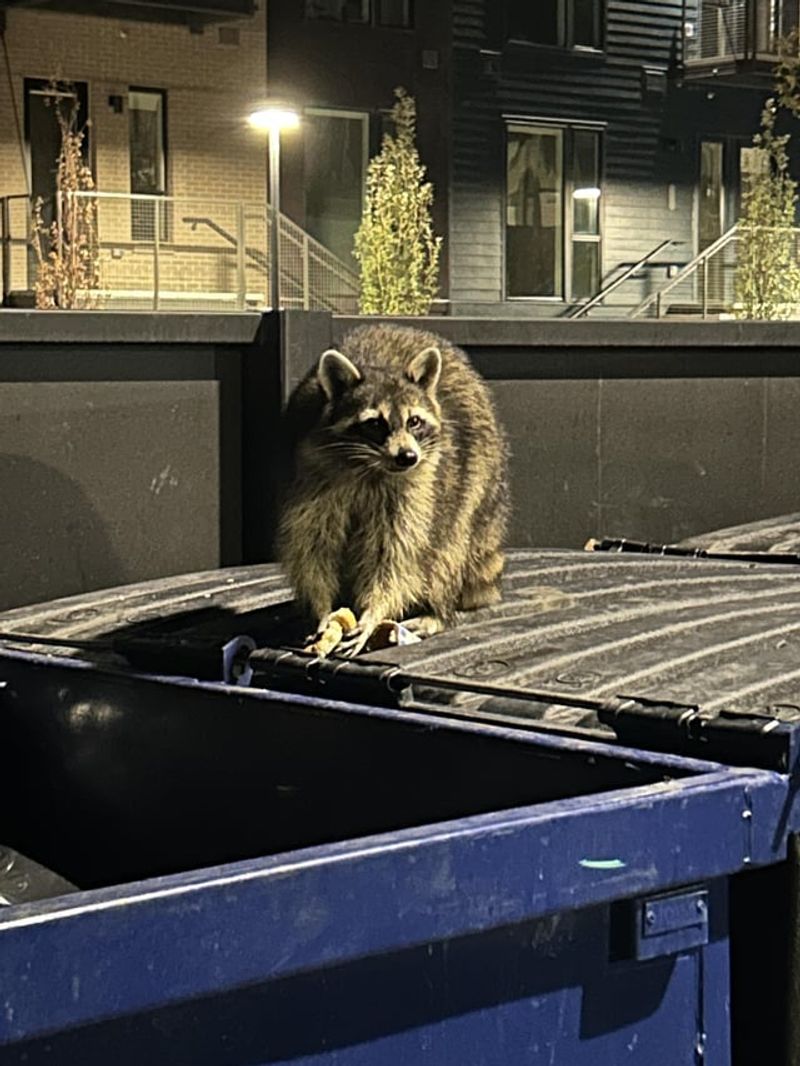
Gardeners treasure compost as black gold for their soil. Raccoons see it differently, more like a stinky but delicious takeout box.
Rotting food gives off strong smells that travel on the breeze. To a raccoon’s nose, those odors say a meal is nearby.
Open piles are especially easy targets. Raccoons dig in with their paws, scattering scraps across the yard.
Meat, dairy, and greasy leftovers make things worse. Those items smell strong and attract many kinds of wildlife.
Good news, though, you can keep composting without the drama. A few smart habits make your pile far less appealing.
Switch to a closed bin or tumbler with a secure lid. Heavy-duty plastic or metal designs hold up better against clever paws.
Keep meat, bones, oils, and dairy out of the bin entirely. Stick to fruit and veggie scraps, coffee grounds, and eggshells.
Bury fresh scraps under a layer of dry leaves. Fall gives New York gardeners plenty of free brown material for covering.
Turning the pile often helps it break down faster. Quicker breakdown means fewer tempting smells hanging in the air.
Some people place hardware cloth under open bins. The wire mesh stops raccoons from tunneling in from below.
Healthy compost should smell earthy, not sour or rotten. If your bin smells bad, add more dry leaves and mix things up.
Grubs In Your Lawn Are On The Menu
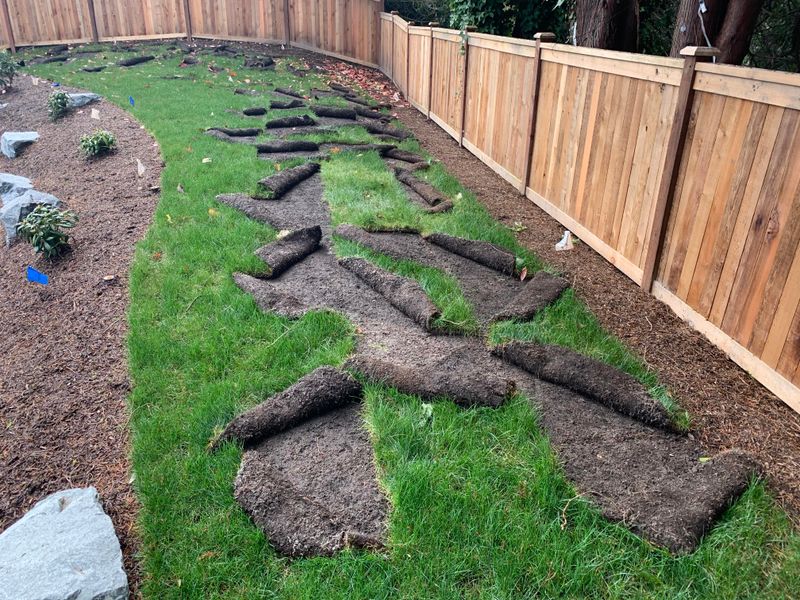
Waking up to a torn-up lawn can feel like a crime scene. Chunks of grass flipped over like pancakes are a classic raccoon clue.
Underneath many lawns live white, C-shaped beetle larvae called grubs. Raccoons find them tasty and packed with protein.
Using nimble paws and sharp claws, raccoons peel back sod to reach them. They can wreck a big patch in just one night.
Fall is prime grub season in New York. Larvae are fat and close to the surface, munching on grass roots before winter.
Here is a quick test for your yard. Cut a one-foot square of sod and peel it back gently.
Count the grubs you see in the soil. A high grub count may signal a problem, but treatment decisions should depend on the type of grub and whether your lawn is actually showing significant damage.
Beneficial nematodes are a natural option for many homeowners. These tiny worms attack grubs without harsh chemicals.
Milky spore targets Japanese beetle grubs, but it is not a general solution for every type of lawn grub. Identify the grub and confirm that treatment is warranted before applying it.
Watering less in late summer can help too. Beetles prefer laying eggs in soft, moist lawns.
Repair damaged spots by pressing sod back down and watering it. Grass roots often reattach if you act fast.
Fewer grubs means fewer reasons for raccoons to dig. Your lawn gets healthier, and your mornings get a lot less surprising.
Attics And Chimneys Look Like Cozy Winter Dens
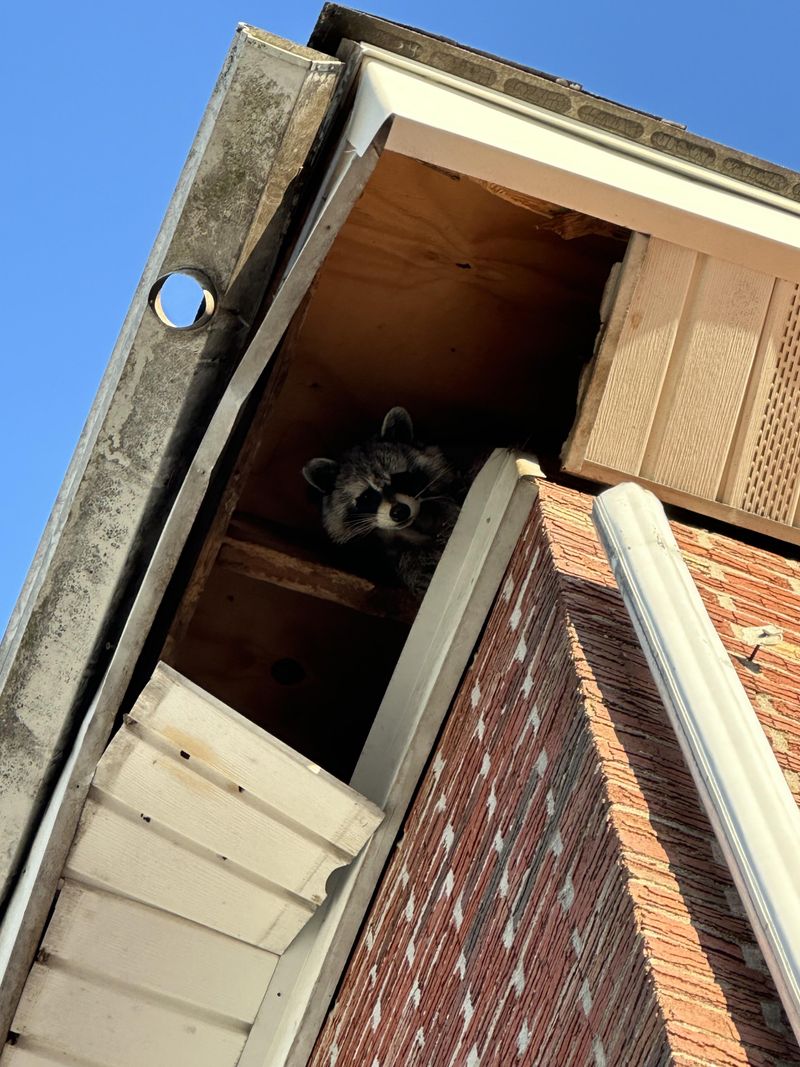
Strange thumps overhead at midnight are rarely ghosts. More often, a raccoon has found a warm room in your attic.
As nights grow cold, raccoons search for safe, dry dens. Attics and chimneys feel like hollow trees, their natural homes.
Insulation makes a soft, cozy bed for them. Chimneys offer tall, sheltered spaces away from wind and predators.
Mother raccoons may choose these spots to raise babies too. Litters are usually born in spring, but den hunting starts now.
Unfortunately, these guests can cause serious damage. They tear insulation, chew wires, and leave messy droppings behind.
Prevention beats removal every time. Walk around your home and look for loose shingles, gaps, or damaged vents.
Install a sturdy chimney cap with metal mesh. It keeps raccoons out while still letting smoke escape safely.
Trim tree branches so they sit at least eight feet from your roof. Raccoons use overhanging limbs like natural ladders.
Before sealing any hole, make sure nobody is inside. Loosely stuff the gap with newspaper and check if it gets pushed out.
If you hear babies or suspect a den, call a licensed wildlife pro. Many companies offer humane exclusion services.
A few repairs this fall can save big bills later. Your attic stays quiet, and your furry visitor finds a home elsewhere.
Decks And Sheds Offer Easy Shelter
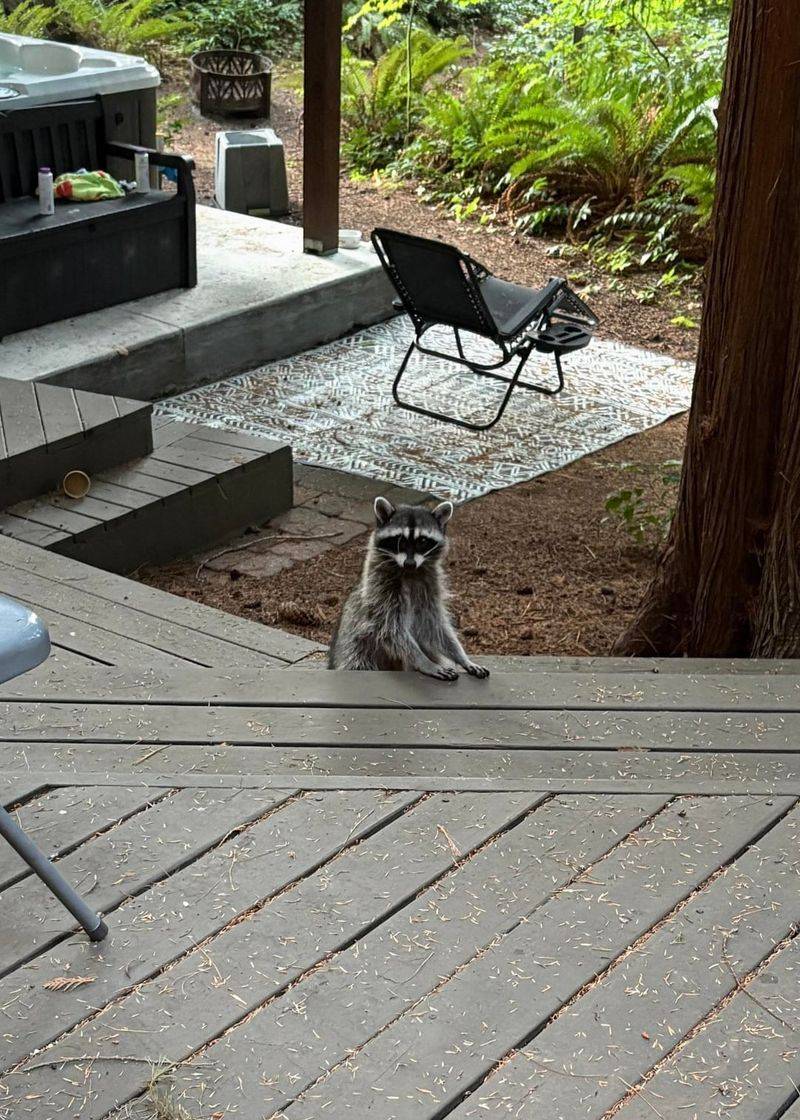
Low, dark, and dry, the space under your deck is basically a raccoon hotel. Sheds with gaps beneath them work just as well.
Raccoons are very adaptable animals. They gladly move into human-made spaces that block wind, rain, and snow.
Under a deck, they stay hidden from dogs and coyotes. A quiet shed corner gives them privacy and steady shelter.
Signs of a new tenant include fresh digging and flattened leaves. You may also notice a musty smell or tracks in the dirt.
So how do you close the doors? Hardware cloth is your best friend for this job.
Dig a trench about a foot deep around the deck edge. Bury galvanized mesh in an L shape that bends outward underground.
Raccoons that try to dig will hit the buried mesh. Most give up quickly and search for easier spots.
For sheds, patch holes and keep doors shut tight. Raise stored items off the floor so hiding spots disappear.
Clean up woodpiles and clutter near these structures too. Messy corners give raccoons extra cover on their way in.
Always check that no animal is inside before sealing. A light dusting of flour near the opening will show fresh tracks.
Doing this work in early fall is ideal. Raccoons are still choosing winter spots, so you can steer them away before they settle.
Rabies Risk Means Keeping Your Distance
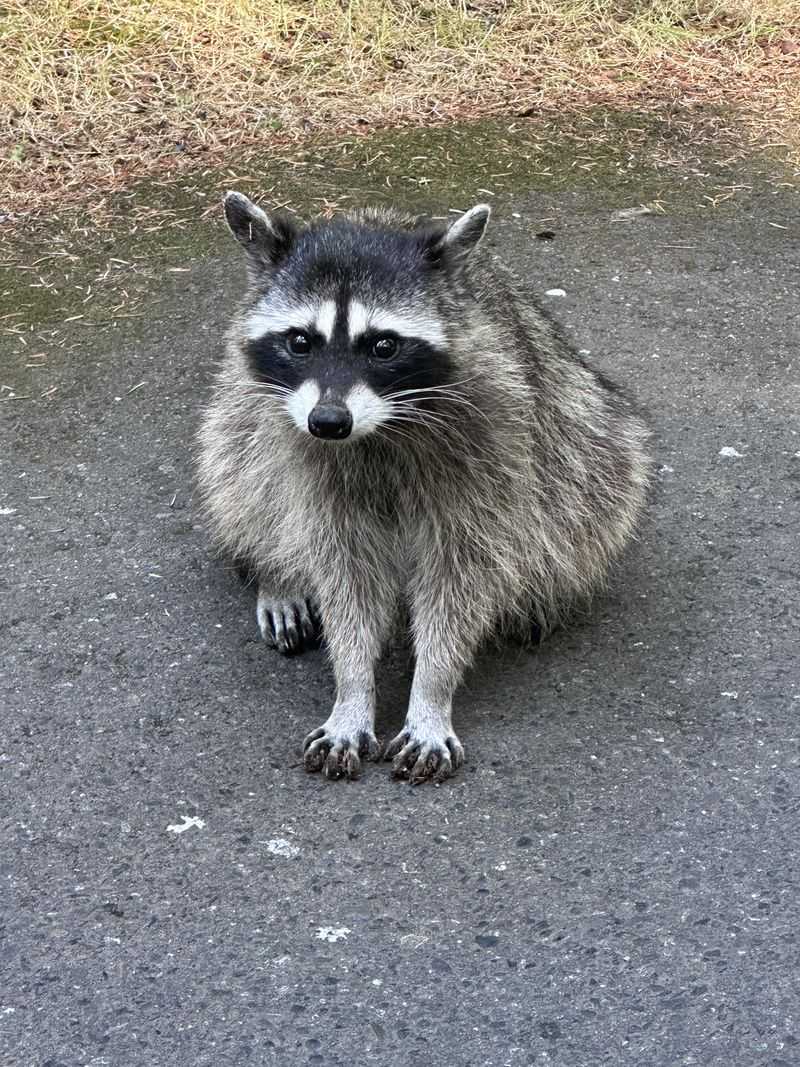
Cute faces can fool anyone, but raccoons are wild animals first. Respecting their space is the safest choice for your family.
Raccoons are a leading carrier of rabies in New York State. The virus spreads through bites or scratches from an infected animal.
Healthy raccoons usually avoid people. A sick one may act confused, unusually bold, or wobble on weak back legs.
Seeing a raccoon in daytime is not always a warning sign. Mothers sometimes forage by day, but strange behavior deserves caution.
Teach kids to look, not touch. Remind them to tell an adult right away if they see an animal acting oddly.
Keep dogs and cats up to date on rabies shots. New York law requires vaccines for pet dogs, cats, and ferrets.
Never try to feed or pet a raccoon, even a friendly one. Feeding makes them lose their natural fear of humans.
If someone gets bitten or scratched, wash the wound with soap and water. Then call a doctor and your local health department promptly.
Spot a raccoon behaving strangely? Contact animal control or a licensed wildlife rehabilitator instead of handling it yourself.
Wear gloves when cleaning up droppings too. Raccoon waste can carry roundworm eggs that are harmful to people.
A little caution goes a long way this season. Enjoy watching from your window, and let these masked neighbors keep their wild side.