What To Plant In New York Now For A Fall Harvest Before Frost Arrives
Your garden isn’t ready to call it quits just because summer is packing its bags. In fact, some of the best fall harvests are waiting for you right when the tomatoes start looking tired.
New York gardeners have one big advantage: there is still plenty of growing time in many areas, but the clock is ticking toward the first frost.
Fast-growing greens can fill a bed in weeks, while root crops quietly build flavor underground as temperatures cool. Some vegetables even become sweeter after a light frost, and turn chilly nights into an unexpected bonus.
So before you clear those empty garden beds and call it a season, take another look at what you can plant.
1. The Fast-Growing Arugula You Can Still Plant For Fall
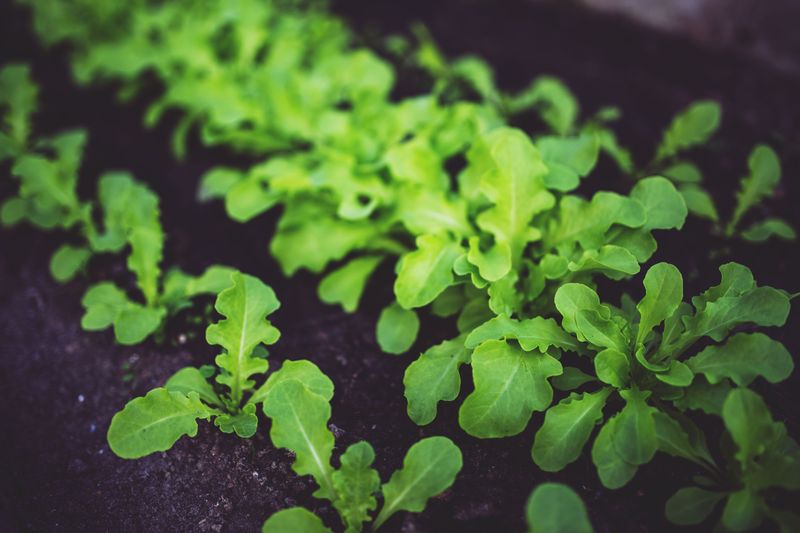
Nothing beats walking outside in October and cutting fresh arugula that was barely a seed a few weeks earlier.
Arugula is one of the quickest ways to squeeze another harvest out of a late-season garden. It grows rapidly and prefers the cooler conditions that arrive as summer fades.
That makes it especially useful for New York gardeners who discover an empty garden bed in August or early September.
The young leaves have a mild peppery bite, while larger leaves develop a stronger flavor that works beautifully in salads, sandwiches, and pasta.
Small sowings also make it easy to plant more than once when your local growing season allows.
Keep the soil consistently moist while the seeds germinate, particularly when late-summer conditions are still warm and dry. Harvesting a few outer leaves at a time can keep the plants producing longer.
Because arugula matures so quickly, it can be one of the most satisfying choices for gardeners who want fresh food before frost arrives.
2. Radishes Give You One Of The Quickest Fall Harvests
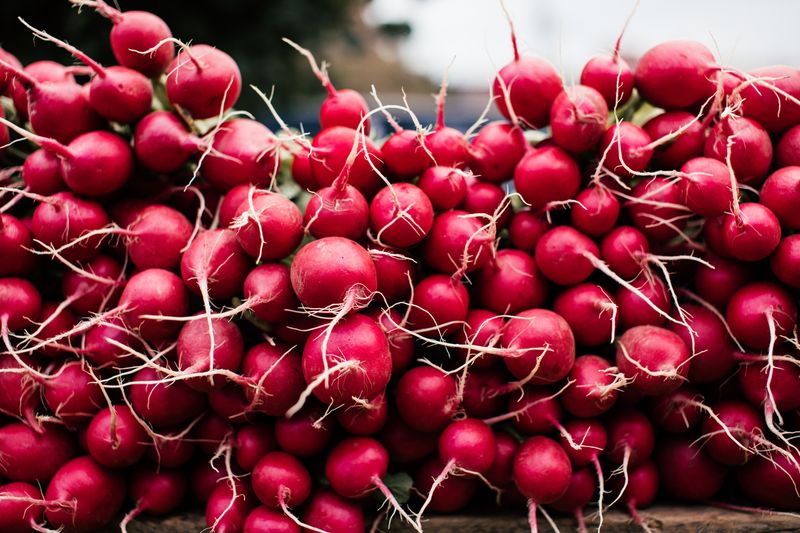
When the calendar is moving quickly, radishes are hard to beat.
Wide varieties mature in just a few weeks, making them a practical choice when frost is getting closer. They also appreciate cooler fall conditions and can develop a crisp texture without the stress of intense summer heat.
Sow them directly into loose soil and thin the seedlings early so the roots have room to expand. Water consistently while they establish, since uneven moisture can lead to poor root development.
You can choose traditional red salad radishes, longer daikon types, or colorful varieties for something different.
Successive sowings can keep the harvest coming instead of giving you everything at once.
Radishes also make excellent use of small spaces, so you do not need a huge garden to grow a worthwhile crop.
For gardeners who realize they have waited a little late to plant, radishes offer one of the best chances to squeeze a harvest into the remaining season.
3. Give Spinach A Late Summer Head Start
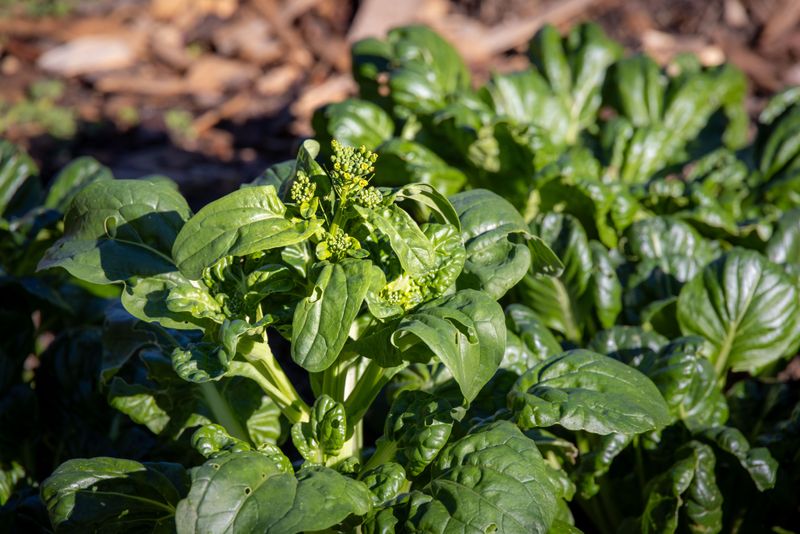
Spinach is made for the cooler side of the growing season. It handles light frost and often develops better flavor as temperatures fall.
Your New York Garden Changes Every Week. Your Plan Should Too.
Gardening in New York changes quickly throughout the season. Every Friday you’ll receive a simple weekly plan showing exactly what to plant, prune, fertilize, harvest, and protect so you never miss the right timing.
The biggest challenge is timing because spinach planted too late may not have enough time to establish before colder conditions arrive. Choose a variety suited to fall growing and check the maturity time before sowing.
A sunny location helps during the shorter days, while evenly moist soil encourages reliable germination.
Spinach can also be harvested gradually rather than all at once, allowing smaller leaves to remain in place while the plants continue growing.
A light frost can actually improve the flavor by encouraging the plant to build more sugars.
Gardeners who still have a suitable planting window can grow spinach into fall, while colder areas may already be past the ideal sowing date. A row cover can provide useful protection when an unusually cold night is approaching.
With enough time to establish, spinach can become one of the most dependable leafy crops in a fall garden.
4. Green Onions Can Keep The Fall Garden Productive
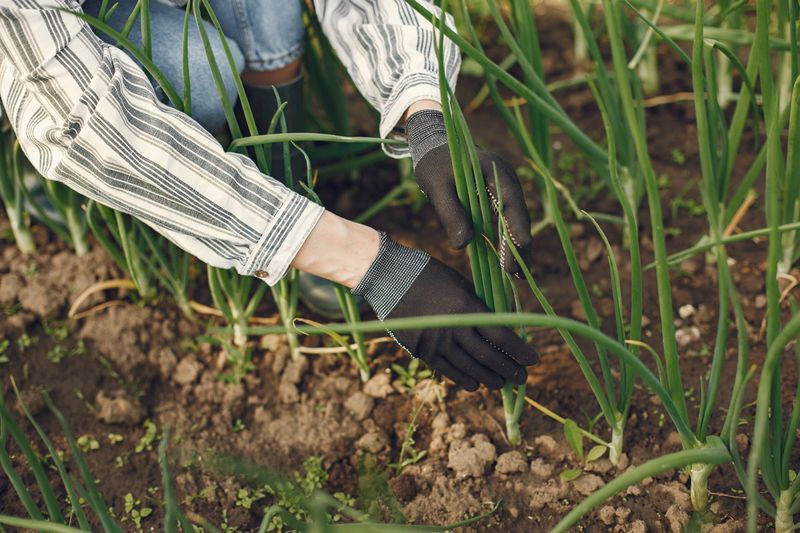
Green onions are a handy choice when you want something useful in the garden without waiting for a large bulb to develop.
Their mild flavor works in everything from salads and soups to stir-fries, making them one of those crops that rarely goes to waste.
For gardeners who still have a suitable local planting window, late-season green onions can make good use of an open spot after summer crops are cleared. Planting dates vary by location, so September timing is better suited to areas with a longer fall season.
Choose a variety intended for green onion production and check the seed packet for its expected maturity. Sow directly into loose, well-prepared soil and keep the planting evenly moist while the seedlings get established.
The plants can be harvested when they reach a useful size rather than waiting for large bulbs to form. That flexibility makes green onions especially appealing when the growing season is getting shorter.
Gardeners in milder parts of New York may have more time to work with, while colder areas should rely on their local frost date when deciding whether to plant.
With the right timing, a small patch of green onions can keep your kitchen supplied while the rest of the garden heads toward fall.
5. Mustard Greens Bring A Fast Kick To The Fall Garden
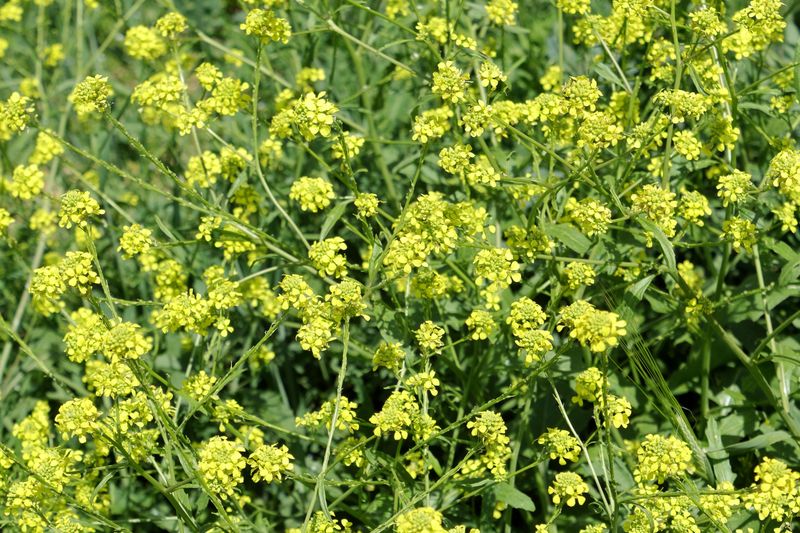
Mustard greens can be a smart choice for gardeners who still have a little growing time left in their local area. They prefer cooler conditions and can develop tender leaves as summer heat fades.
In parts of New York, early September can still offer enough time for a late planting, especially with a fast-growing variety.
Sow the seeds directly into prepared soil and keep the bed evenly moist while they establish.
Young leaves can be picked early for a milder flavor, while larger leaves bring a stronger bite to cooked dishes. A sunny spot will help the plants make the most of the shorter days ahead.
Mustard greens can grow quickly enough to make a late planting worthwhile when the timing and conditions cooperate. Choose a variety with a short maturity period and check the seed packet before planting.
Keep your local first frost date in mind too, because a crop that has enough time in one part of the state may not have enough time farther north.
With the right timing, mustard greens can turn an otherwise empty bed into another useful fall harvest.
6. Give Fall Lettuce A Second Chance Before Frost Arrives
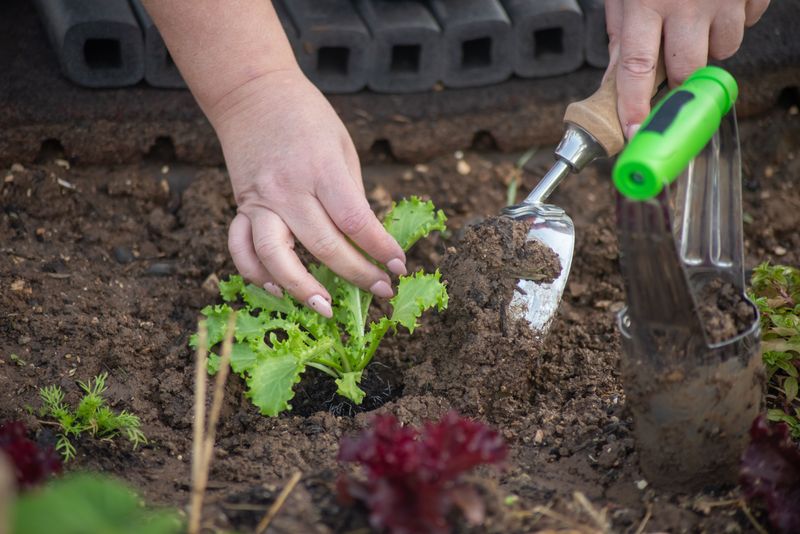
Late-season lettuce can turn an empty garden bed into a fresh salad supply surprisingly quickly.
Loose-leaf and Bibb varieties are especially useful for late-season planting because they mature relatively quickly and can be harvested a little at a time.
Cooler conditions also help reduce the bolting problems that can make summer lettuce frustrating.
If the soil is still unusually warm when you sow, temporary shade can help keep the seedbed from overheating. Once temperatures settle down, growth becomes easier, and the leaves tend to stay more tender.
Small, repeated plantings can give you a steadier harvest than putting all your seeds in at once. Harvest individual leaves when possible and allow the remaining plant to keep growing.
A row cover can provide extra protection when nighttime temperatures start approaching freezing.
Gardeners in warmer parts of New York may have enough time for several sowings, while colder areas should focus on faster varieties and earlier planting.
With a little planning, lettuce can give an otherwise tired garden bed a surprisingly productive second act.
7. Swiss Chard Keeps The Harvest Going As Days Get Shorter
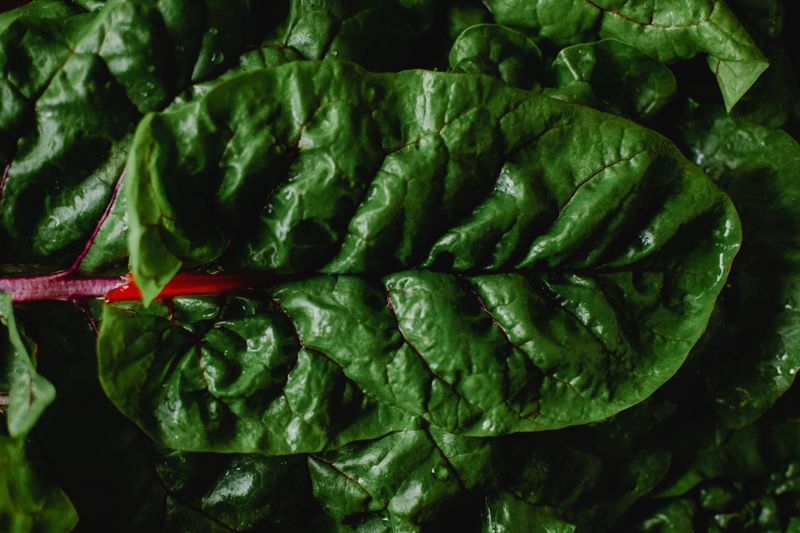
Swiss chard earns its place in a fall garden because it can keep producing leaves over an extended period.
The colorful stems also add a little life to garden beds as summer crops begin disappearing.
Pick the larger outer leaves and leave the center intact so the plant can continue producing.
Chard handles cool conditions well, although growth will slow as temperatures and daylight decrease. A little protection during colder stretches can help extend the harvest.
Unlike many vegetables that need to be harvested all at once, chard lets you take exactly what you need for a meal. That makes it especially handy for gardeners who cook in smaller quantities or want fresh greens available throughout the week.
Keeping the plants watered during dry periods is also important because cool weather does not eliminate their need for moisture.
For anyone looking for a vegetable that keeps giving without demanding constant replanting, Swiss chard is a strong fall choice.
8. Endive Brings A Crisp Fall Harvest To The Garden
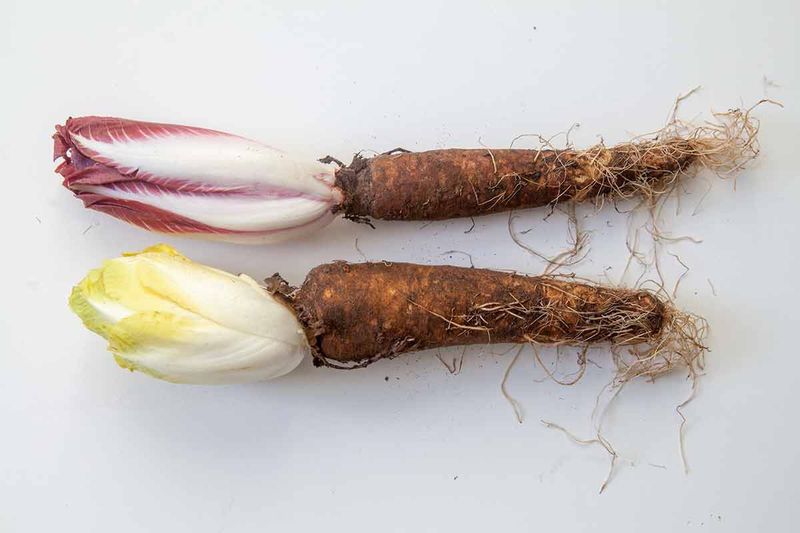
Endive can be a refreshing change when the summer garden starts winding down. The plant prefers cooler conditions, making fall a much better fit than the hottest part of summer.
Its crisp leaves have a slightly bitter flavor that works especially well in salads, sandwiches, and cooked dishes.
Timing depends heavily on where you garden in and how established the plants are.
Endive is generally planted earlier in the season, although gardeners in milder areas may be able to extend the planting window a little longer. Established transplants are therefore a better bet this late than starting from seed in many locations.
Give endive a sunny spot and keep the soil evenly moist while the plants settle in. Consistent moisture helps encourage tender, usable leaves as temperatures begin to drop.
Gardeners with enough growing time remaining can harvest the leaves gradually rather than waiting for one large harvest.
9. Simple Fall Plantings With Turnips That Keep The Harvest Moving
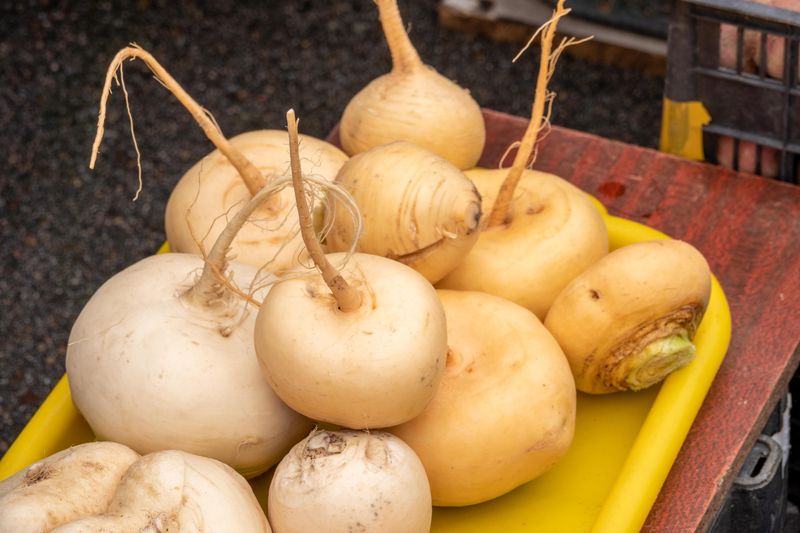
Turnips are another dependable choice when you want a root crop that does not require an especially long growing season. They grow relatively quickly compared with many larger root vegetables and appreciate the cooler conditions of fall.
The roots can be harvested young for a milder flavor or left longer when conditions allow. The greens are edible too, giving you another harvest from the same planting.
Keep the soil evenly moist and thin seedlings early so the roots have enough room to develop. Planting in succession can spread the harvest and prevent every root from reaching maturity at the same time.
Turnips also make good use of smaller garden spaces because they do not need the sprawling footprint of many summer vegetables. A sunny location and loose soil help the roots develop smoothly.
Gardeners should still work backward from their local frost date when deciding whether there is enough time to plant. A well-timed planting can give you something fresh to pull from the garden even after many summer crops have finished.