Why Rain Barrels Have Become A Virginia Backyard Staple And What Changed
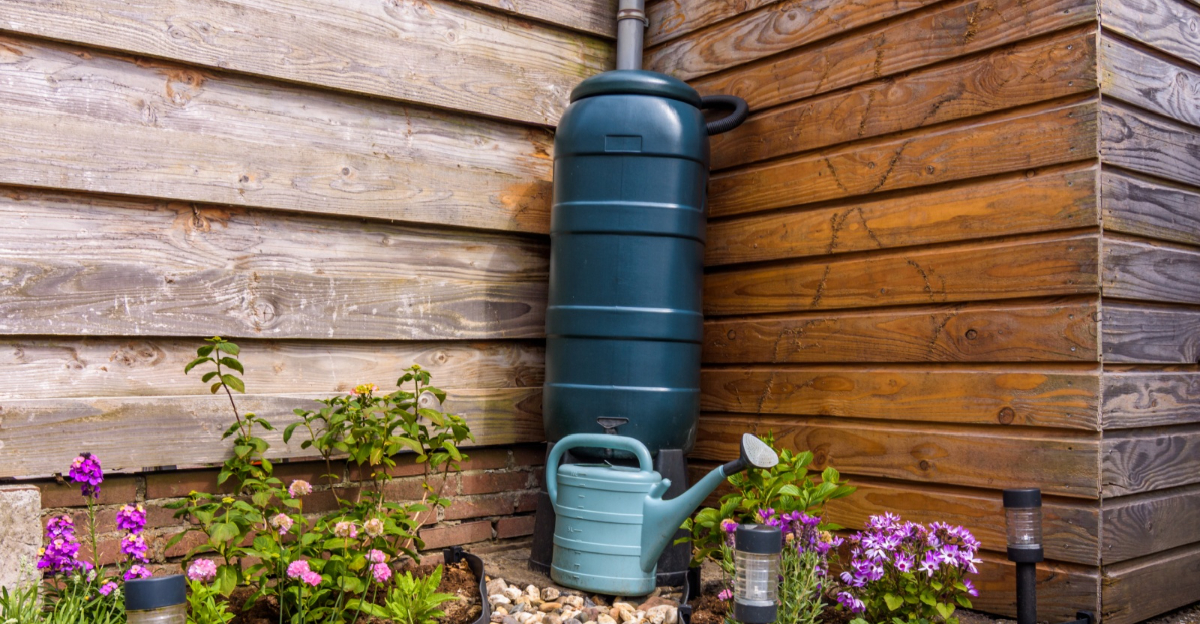
Rain barrel installation is the smartest move in any backyard. Virginia homeowners discovered this after a drought stripped their water options bare.
Rooftop runoff collection cuts your outdoor water bill significantly and fast. Positioned beneath a downspout, your barrel fills fast during any rainfall.
That stored water sustains your gardens and lawns through drought. Costs have dropped sharply as demand climbed across the region.
Basic systems sell for modest prices at most hardware stores. Installation requires no contractor and fits into a weekend. Several Virginia counties offer rebates that reduce your upfront cost.
Drought forecasts confirm that when dry summers hit the mid-Atlantic, impacts grow harder to manage. Conservation data shows suburban adoption accelerating faster than experts predicted.
You already have the roof, the downspout, and the rainfall. Every dry summer ahead will force a decision you have already put off long enough.
1. Summer Droughts Are Hitting Virginia More Severely And More Often
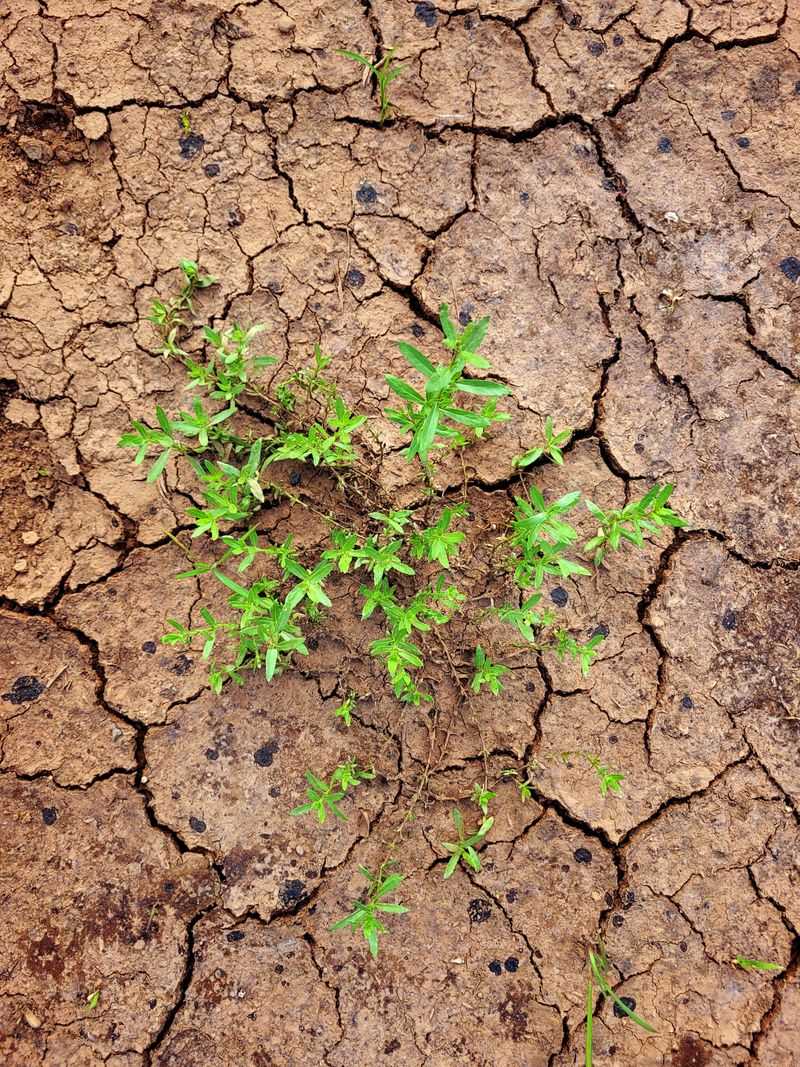
The ground cracks first. Then the garden starts to look desperate, and the hose feels like it is never enough. Virginia summers have grown noticeably hotter over the last two decades.
Scientists tracking regional climate data confirm that when drought conditions do arrive, they now tend to be more severe and harder to recover from.
Gardeners across the state felt this shift personally. One dry July can wipe out an entire tomato crop or turn a lush lawn into a crunchy brown mat.
Rain barrels became a direct response to this new reality. Homeowners realized they needed a backup water source that did not depend on rainfall happening at exactly the right moment.
A standard 55-gallon barrel can collect enough water from one good storm to keep a small garden going for several days. That buffer matters enormously when the next rain is two weeks away.
The drought pressure also changed how Virginians think about water. Instead of seeing rain as something that just happens, people started treating it as a resource worth capturing and storing.
Rain barrels represent a mindset shift as much as a practical tool. When dry spells hit harder each season, having a barrel full of water feels less like a hobby and more like genuine preparation for what Virginia summers have become.
2. Water Bills Have Risen Sharply Across The State
Nobody likes opening a water bill in August. That number at the bottom has a way of ruining an otherwise decent Monday morning.
Across Virginia, municipal water rates have climbed steadily since 2010. Some localities have seen increases of 30 percent or more over the past ten years.
Summer is when those bills spike hardest. Keeping a lawn green or a vegetable garden alive can double or even triple a household’s monthly water usage.
Rain barrels offer a straightforward way to cut that cost. Every gallon captured from a downspout is a gallon you are not paying the water company to deliver to your yard.
A barrel system used consistently through the growing season can save a household well over 1,000 gallons of treated municipal water, depending on rainfall frequency and garden size.
Your Virginia Garden Changes Every Week. Your Plan Should Too.
Gardening in Virginia changes quickly throughout the season. Every Friday you’ll receive a simple weekly plan showing exactly what to plant, prune, fertilize, harvest, and protect so you never miss the right timing.
Over several months, that adds up to real savings on the bill. The math clicked for a lot of Virginia households once they ran the numbers.
A barrel that costs around 80 dollars can offset a meaningful share of its cost within a single growing season, depending on your local water rate and how consistently you use it. Financial motivation is a powerful driver of behavior change.
When water rates keep climbing and summers keep getting longer, a rain barrel stops being an environmental statement and starts being plain common sense for anyone trying to manage household expenses wisely.
3. Watering Restrictions Are Now Common During Dry Months
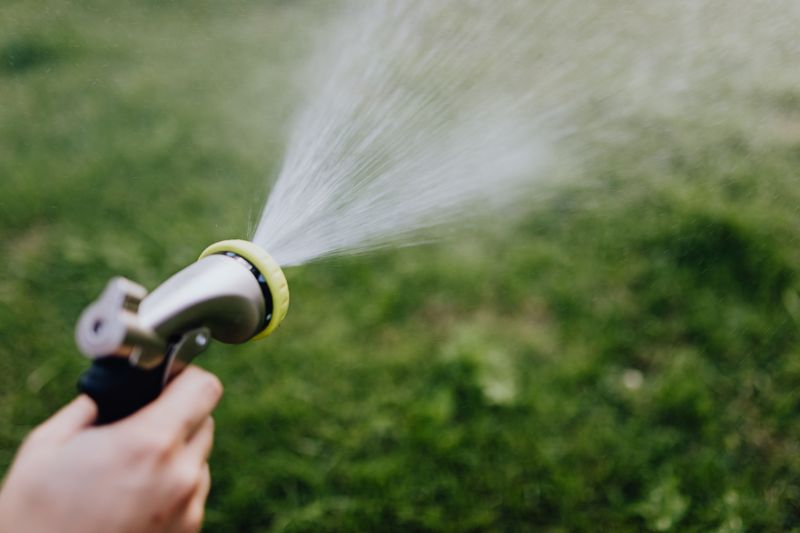
Picture pulling out the hose on a hot Wednesday afternoon, only to remember that watering is banned until Friday. That frustration is now a familiar summer experience for many Virginia homeowners.
Watering restrictions have become a seasonal norm across much of the state. Localities from Northern Virginia to the Shenandoah Valley issue outdoor watering bans when reservoir levels drop or drought conditions intensify.
These restrictions typically limit when and how often residents can water their lawns and gardens. Violating them can result in fines, which adds a financial sting to an already stressful situation.
Rain barrels sidestep this problem elegantly. Collected rainwater is considered private property in Virginia, and using it on your own garden does not fall under the same municipal restrictions as tap water.
That legal distinction matters enormously to gardeners who cannot afford to let their plants suffer through a two-week ban. A full barrel gives them a legal and guilt-free way to keep things growing.
Local water authorities have actually encouraged barrel use as a way to reduce demand during peak restriction periods.
Fewer people drawing from the municipal supply means the system handles drought stress more effectively.
When restrictions hit, barrel owners feel a quiet sense of relief that their neighbors might not share.
Having stored water ready to go is one of those small preparations that feels incredibly smart when the ban sign goes up on the street.
4. State Rebates Make Rain Barrels More Affordable
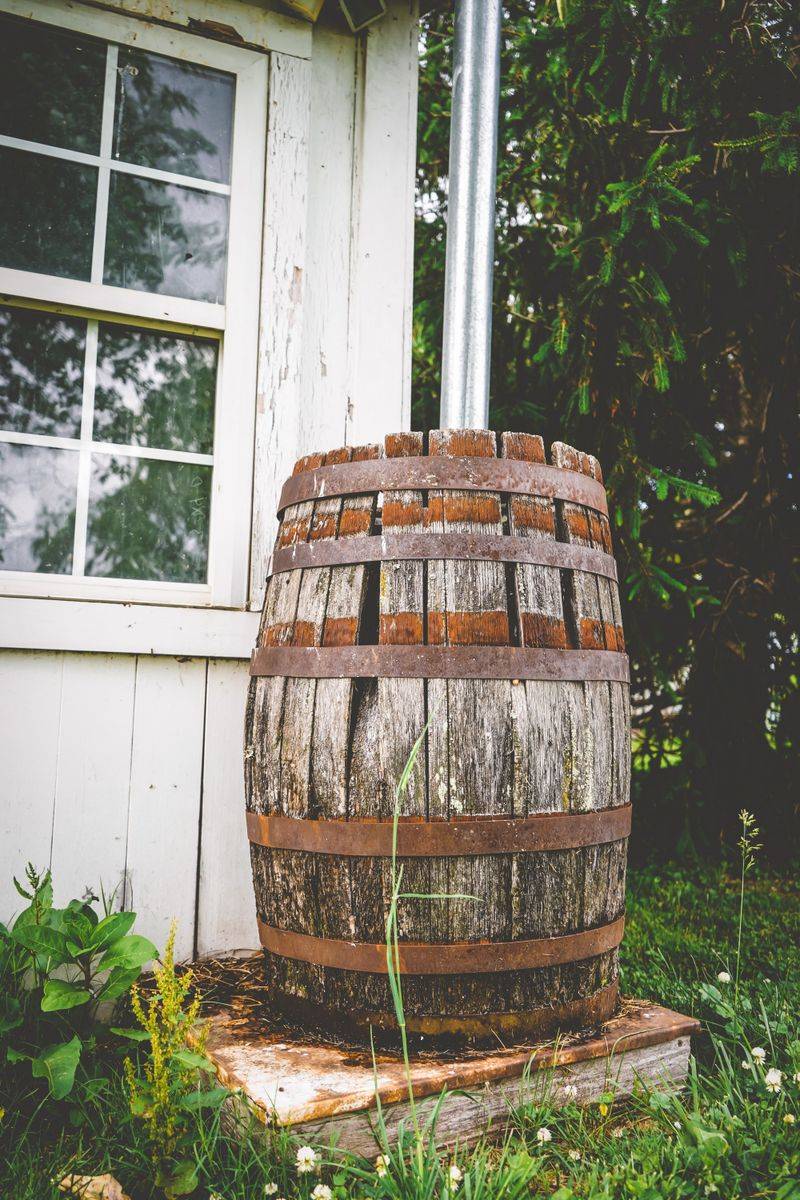
A government subsidy for a backyard water tool is not something most homeowners think to look for. In Virginia, it is a real program that thousands of residents have taken advantage of.
The Chesapeake Bay Restoration Fund and various state environmental programs have offered rebates and subsidies for rain barrel purchases. These incentives were designed to reduce stormwater runoff flowing into the bay watershed.
Depending on the locality and program, rebates can cover a significant portion of the barrel’s cost, with the statewide Virginia Lakes and Watersheds Association reimbursing up to $100 per barrel.
Some programs provide barrels directly at no charge through community distribution events. The financial barrier that once kept many homeowners on the sidelines essentially disappeared.
When a useful backyard tool becomes free or nearly free, adoption rates climb fast. State officials promoted these programs aggressively through extension offices, environmental groups, and local government websites.
The outreach made sure that even homeowners who had never considered a barrel heard about the opportunity.
Beyond the direct rebate, some programs offered installation guides and educational workshops alongside the barrel itself.
That extra support helped first-time users feel confident setting up their systems correctly. Available adoption data suggests the rebate strategy exceeded its initial targets.
When price becomes a non-issue, people discover that rain barrels are surprisingly easy to set up and genuinely satisfying to use. Virginia’s growing adoption numbers reflect exactly that.
5. Gardeners Want Chemical-Free Water For Vegetables And Native Plants
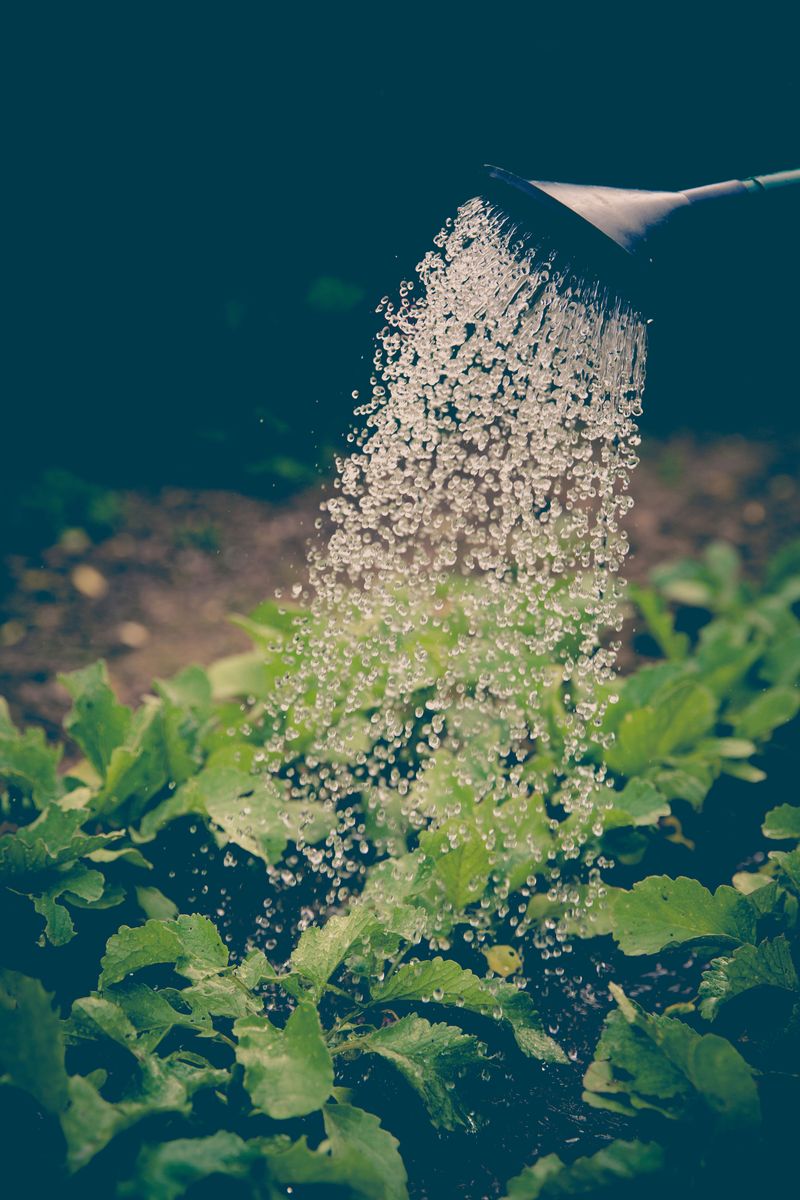
Tap water gets the job done, but it carries a passenger that serious gardeners would rather avoid.
Chlorine, added to municipal water for human health reasons, can affect sensitive plants and beneficial soil microorganisms over time. Rainwater is naturally soft and free of those additives.
Plants absorb it more readily, and the beneficial microorganisms living in healthy garden soil tend to thrive better when chlorine is not part of the equation. Native plant enthusiasts in particular have embraced rain barrels with enthusiasm.
Species like native ferns, wild columbine, and mountain laurel evolved alongside natural rainfall patterns and often respond better to collected rainwater than treated tap supplies.
Vegetable gardeners share this preference for obvious reasons. When you are growing food you plan to eat, reducing chemical inputs at every stage feels like the responsible choice.
Rainwater also tends to have a slightly lower pH than tap water, which many common garden vegetables prefer.
That subtle difference can improve nutrient absorption and produce noticeably healthier plants through the season.
The sensory difference is sometimes visible. Gardens watered consistently with collected rain often show deeper leaf color and stronger stem growth compared to those relying entirely on treated municipal sources.
For Virginia gardeners who have invested time and money into healthy soil ecosystems, rain barrels are not just convenient.
They are a way to protect the investment already made in soil health and give plants the water they are best adapted to absorb.
6. Urban Yard Flooding Is Prompting Smarter Water Management
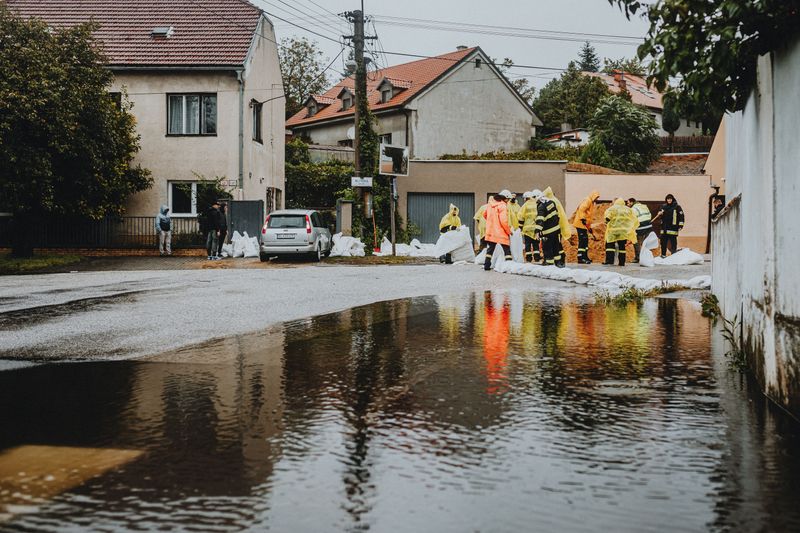
After a hard rain, some Virginia backyards turn into shallow ponds. The water has nowhere to go fast enough, and the lawn becomes a soggy mess that takes days to dry out.
Urban and suburban development has replaced absorbent soil with rooftops, driveways, and patios. When rain hits those hard surfaces, it rushes off quickly and overwhelms drainage systems.
Yard flooding is not just an annoyance. It can damage foundations, drown garden plants, erode topsoil, and send polluted runoff into local streams and the Chesapeake Bay watershed.
Rain barrels address flooding at the source by intercepting water before it becomes a problem. Connecting a barrel to a downspout captures a significant portion of roof runoff during each storm event.
A single downspout on a modest Virginia home can release over 600 gallons during a one-inch rainstorm. Diverting even part of that flow into a barrel reduces the volume hitting an already saturated yard.
Homeowners dealing with chronic flooding have discovered that barrels work best as part of a broader strategy.
Combining them with rain gardens, permeable pavers, or simple grading changes creates a much more effective system overall.
Managing stormwater at home used to feel like a problem only engineers could solve. Rain barrels gave everyday Virginia homeowners a tangible, affordable starting point.
That sense of control over a problem that once felt unsolvable has kept interest in backyard water management growing ever since.
7. Virginia Made Rainwater Collection Legal And Actively Encouraged
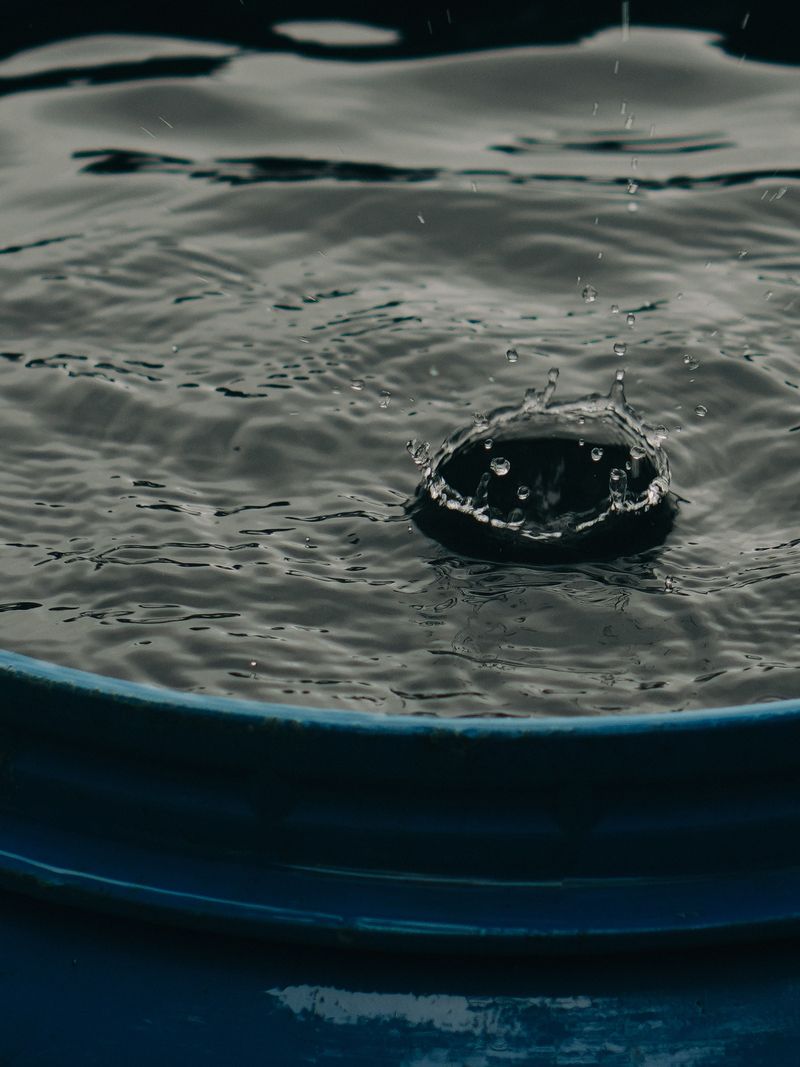
Not every state makes it easy to collect rain. For a long time, water rights laws in parts of the country actually prohibited homeowners from storing rooftop runoff on their own property.
Virginia took a different path. The state permits residential rainwater collection through rain barrels without regulation, and in recent years officials have moved from simply allowing it to actively promoting the practice statewide.
Larger or potable systems involve additional requirements, but for standard backyard barrels, there are no barriers.
State environmental agencies partnered with the Chesapeake Bay Program to spread the message that collecting rain is good for homeowners and good for the watershed.
That combination of legal clarity and official encouragement removed any hesitation residents might have felt.
Knowing something is not just legal but actually recommended by your state government carries real psychological weight.
People who might have held back out of uncertainty felt confident moving forward once the message was clear.
Virginia’s Department of Environmental Quality published guides on proper barrel setup, overflow management, and mosquito prevention. Those practical resources made adoption feel accessible rather than complicated.
The legal framework also opened the door for municipalities to run their own programs without worrying about conflicting state rules. Local governments could offer rebates and distribution events knowing they were aligned with state policy.
Clear laws and strong encouragement from state leaders turned rain barrels from a niche idea into a mainstream backyard practice.
Virginia’s approach shows how policy clarity can change everyday behavior, and the growing number of barrels dotting the state’s neighborhoods is proof that it worked.
8. Many Localities Now Offer Subsidized Barrel Programs
Some of the best deals on rain barrels never show up in a store. They come from a folding table in a church parking lot on a Saturday morning, run by your local government.
Localities across Virginia have launched subsidized barrel programs to put collection systems in as many yards as possible.
Arlington, Fairfax, Richmond, and dozens of other jurisdictions have hosted community distribution events where barrels sell for a fraction of retail cost.
These programs are typically funded through stormwater utility fees or environmental grants.
The goal is reducing runoff volume at the neighborhood level, one barrel at a time. Residents who show up to these events often walk away with more than just a barrel.
Many localities include educational materials, installation tips, and even brief workshops on connecting the barrel to a downspout correctly. The community aspect of these events matters in ways that are easy to overlook.
Neighbors meet each other while loading barrels into car trunks, share garden tips, and return home with both a tool and a new sense of shared purpose. Program administrators report that demand regularly outpaces supply at these events.
Pre-registration fills up quickly, which tells local officials that interest in rain barrels among Virginia homeowners remains strong and growing.
When your neighborhood hands you a solution for under twenty dollars, it is hard to say no.
These local programs have done more than anything else to make rain barrels a true Virginia backyard staple, and that momentum shows no sign of slowing down.