Why Rosemary Left On Pennsylvania Patios Rarely Survives The First Freeze
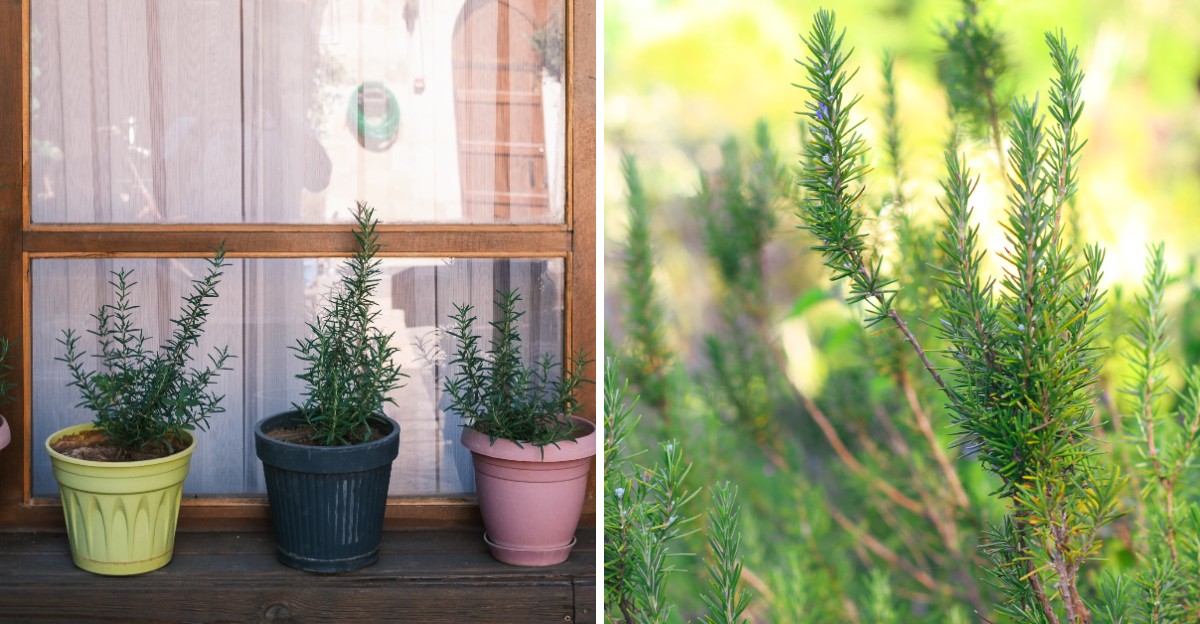
A potted herb on a cold patio can lose its fight with winter because its roots freeze long before the branches give up. The soil in a pot gets almost as cold as the night air.
I learned that the hard way one October in Pennsylvania. My fragrant pot looked fine at sunset, and by Thanksgiving it was a crunchy brown shrub that crumbled when I touched it.
This plant grows wild on sunny Mediterranean hillsides, where winters are mild and the ground drains fast. You can see why a soggy, frozen clay pot on a concrete slab feels like a very foreign place to it.
I believe most of us blame the cold alone. Is that the whole story, or is the pot quietly working against your favorite kitchen herb?
Those Rosemary Roots In A Clay Pot Feel Every Degree
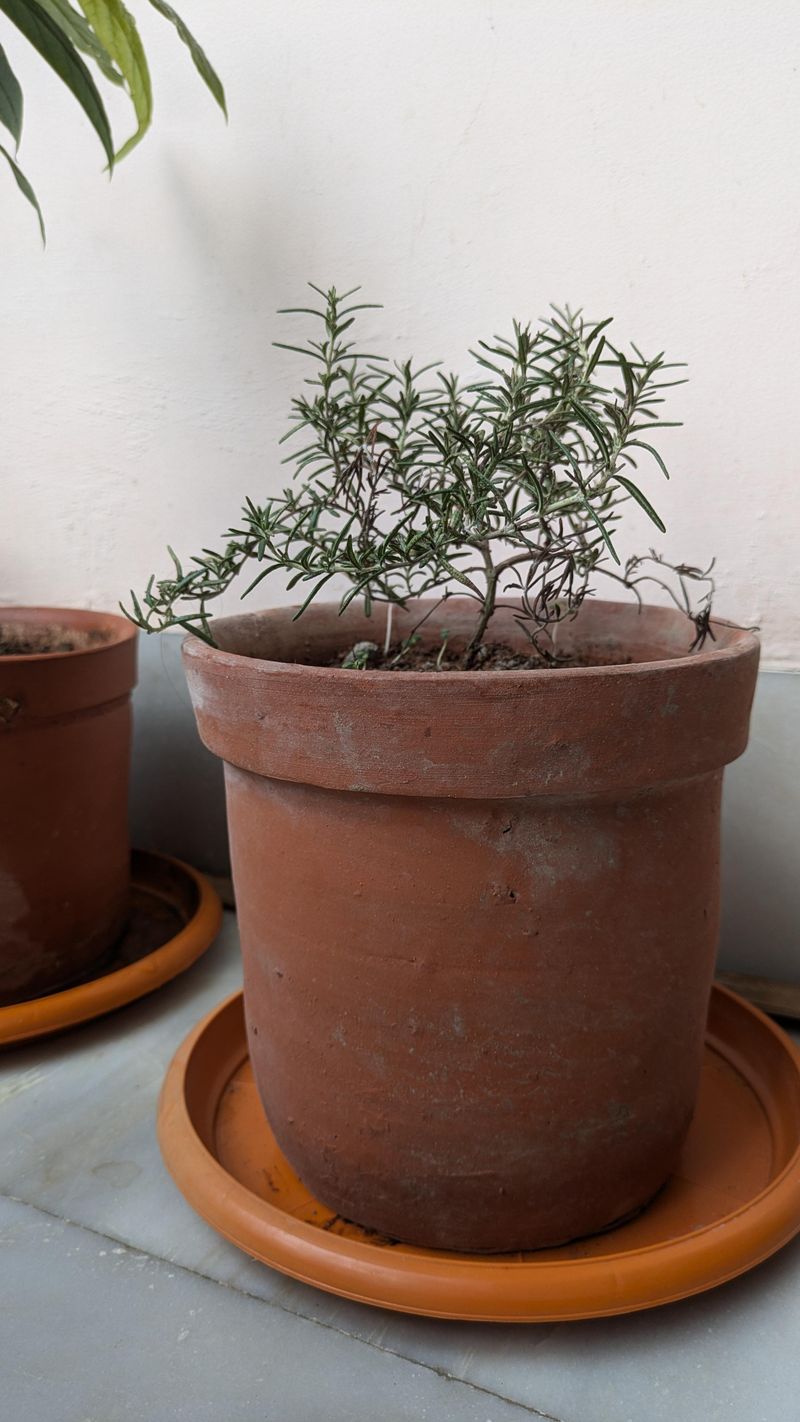
Garden soil works like a thick winter blanket. A few inches down, the ground stays warmer than the air, and roots stay buffered from sudden drops.
A pot offers almost none of that. Cold air surrounds the container on every side, so the root ball can freeze solid in a single hard night.
Rosemary branches can often handle a light frost, but its roots are much less cold tolerant than its leaves.
Patios add to the problem. Concrete and stone slabs chill quickly after sunset, and an exposed spot catches drying winter wind.
A plant that might limp through a mild night in the garden can lose its roots in a pot sitting in the open.
Here is a quick test I like. On a cold morning, push a finger into the potting mix. If it feels hard and icy, the roots are sitting in a frozen block and can’t move water up to the leaves.
So the first freeze rarely ends things because the needles are weak. The real trouble starts underground, inside a container that gives the roots nowhere to hide from the chill.
Most Rosemary Is Built For Zones 7 To 10, Not Pennsylvania Winters

Common rosemary, now called Salvia rosmarinus by botanists, is generally reliable as a perennial in USDA zones 7 through 10. Many varieties start struggling once temperatures slide toward 10 to 20 degrees Fahrenheit.
Pennsylvania mostly sits in zones 5b through 7b. The Philadelphia area and parts of the southeast reach zone 7, while much of the central and northern state lands in zone 6 or colder. Lows of zero or below are normal in many counties.
That gap matters a lot. A plant rated for 15 degrees has little chance in a backyard that drops to minus 5, even before you factor in a pot.
Varieties sometimes sold as tougher, such as Arp and Madeline Hill, may survive into zone 6 in the ground with a sheltered, well-drained spot. Results are mixed, and even these selections often fail in containers left outside.
My advice is simple. Look up your zone on the updated USDA map and treat rosemary as a tender herb unless you live in the warmest corner of the state. Planning for that reality saves a lot of heartbreak in November.
Your Pennsylvania Garden Changes Every Week. Your Plan Should Too.
Gardening in Pennsylvania changes quickly throughout the season. Every Friday you’ll receive a simple weekly plan showing exactly what to plant, prune, fertilize, harvest, and protect so you never miss the right timing.
Bring The Rosemary Pot Inside Before Nights Hit The Mid 20s
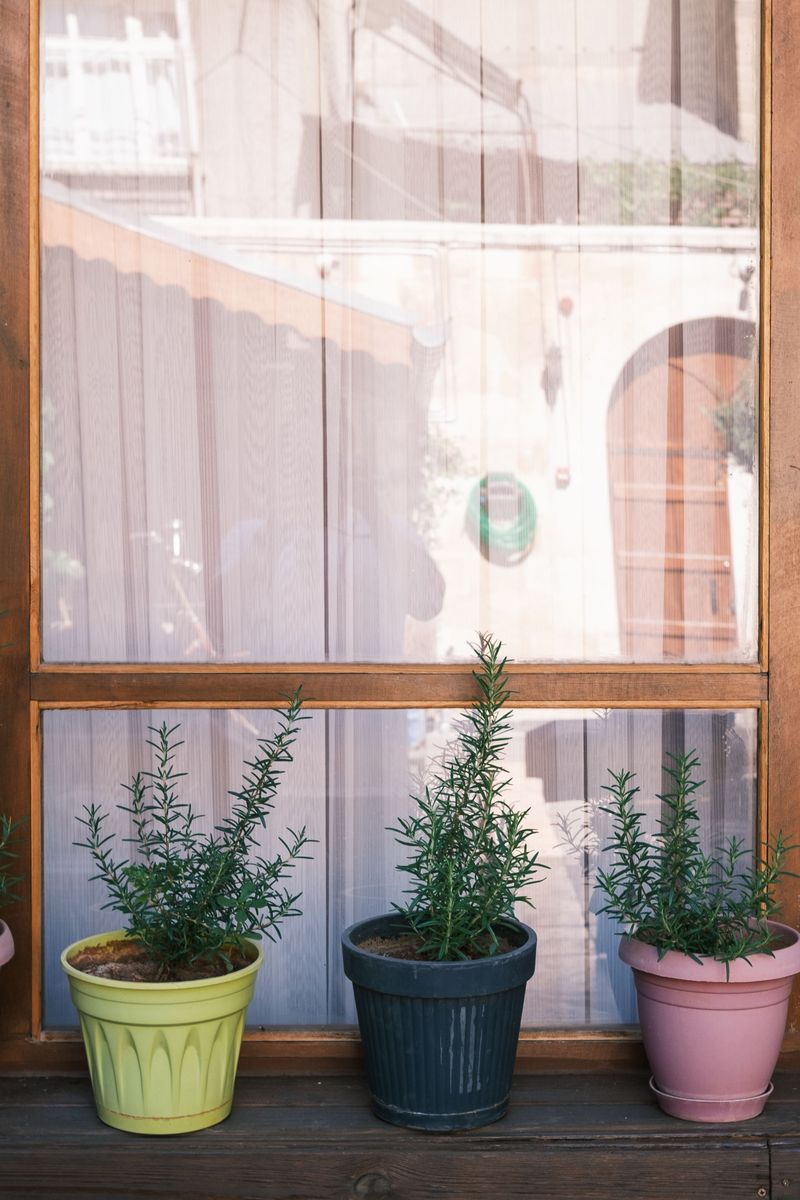
Timing is your best friend with this herb. Penn State Extension and other university sources suggest moving tender herbs indoors before hard freezes arrive, and for rosemary that means before nights fall into the mid 20s.
Across much of Pennsylvania, first frosts often show up from late September in the northern mountains to late October near Philadelphia and Pittsburgh.
Check the average first frost date for your own county, since the spread across the state is wide.
A sudden switch from a breezy patio to a heated room can shock the plant. I ease mine in over about a week, carrying it inside on cold nights and back out on mild days.
Before the final move, give the pot a good look. Rinse the foliage with a gentle spray of water and peek under the leaves for spider mites, aphids, or whiteflies hitching a ride.
Also pull away any fallen leaves sitting on the soil surface. Clean pots carry fewer surprises indoors, and a healthy plant handles the move far better than a stressed one.
Soggy Potting Mix Can Rot Rosemary Faster Than Frost
Funny enough, plenty of rosemary plants don’t freeze first. They drown. Cold, wet roots are a perfect setup for root rot, and this herb has very little patience for soggy soil.
On its native rocky slopes, water drains away almost as soon as it falls. Fall rain on a Pennsylvania patio does the opposite, filling pots that sit in saucers and keeping the mix wet for days while temperatures drop.
Cold soil also slows how much water the plant uses. So the moisture just lingers, and the roots turn brown and mushy instead of white and firm.
Watch for warning signs like yellowing lower needles, a sour smell from the pot, or a plant that wilts even though the soil feels damp. Those clues point to root trouble rather than thirst.
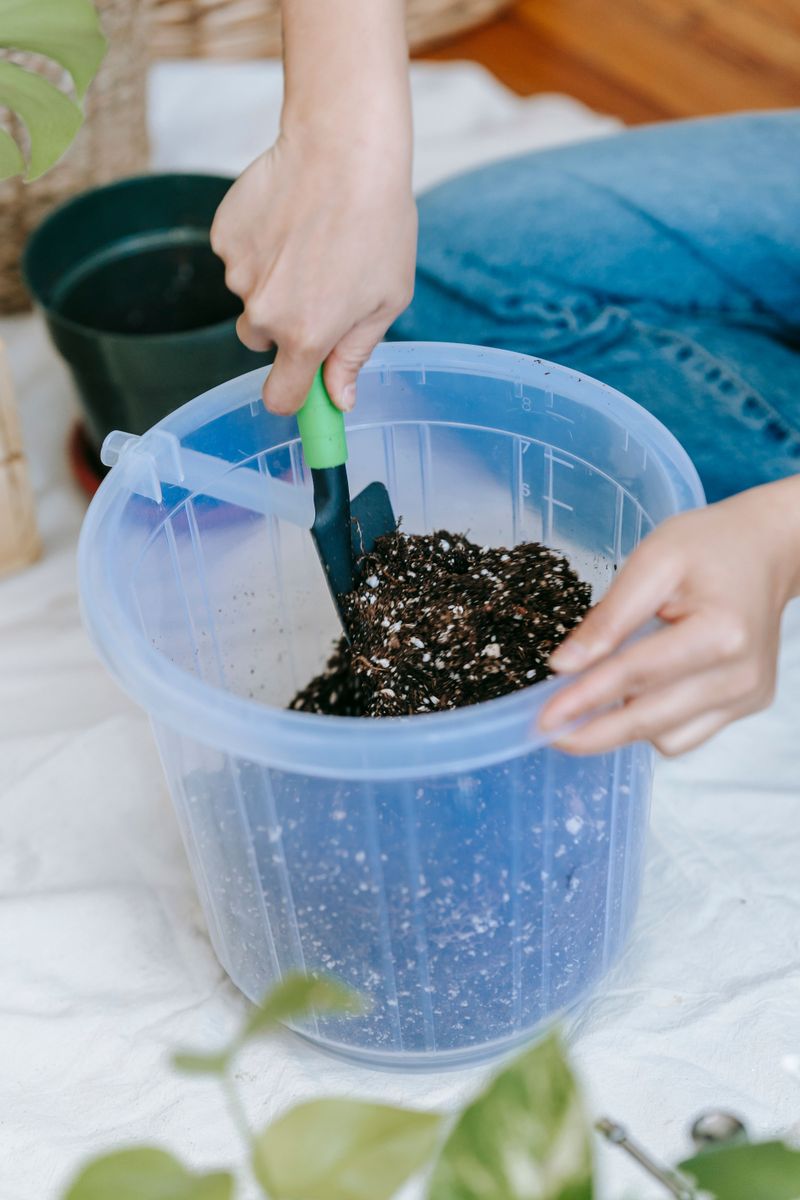
To help, use a gritty mix with added perlite or coarse sand, and pick a pot with large drainage holes.
Unglazed clay breathes better than plastic. Lift pots onto feet or empty saucers after rain, and your rosemary gets a much fairer shot at the season.
A Cool Sunny Window Suits Indoor Rosemary Best
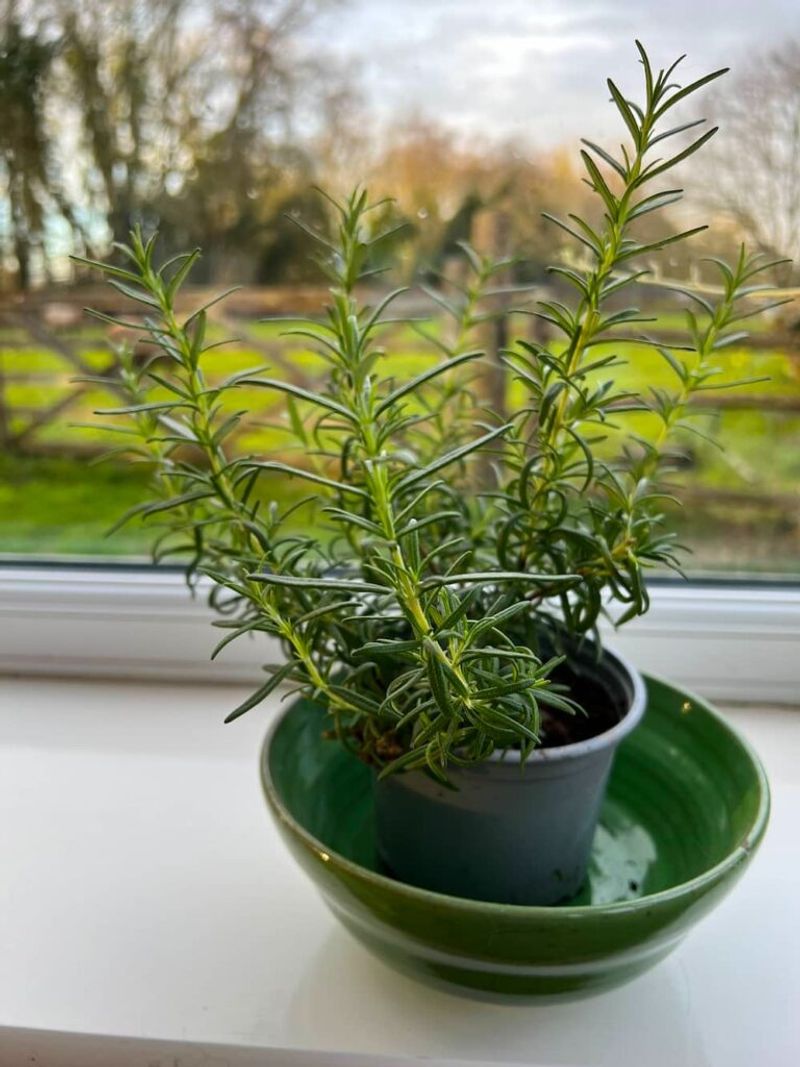
Rosemary wants winter quarters that feel a little like a chilly spring morning. Cool temperatures, roughly 40 to 65 degrees Fahrenheit, plus lots of bright light, make the plant much happier than a toasty living room.
An unheated sunroom, a bright enclosed porch that stays above freezing, or a south-facing window in a cooler room are all great choices. I keep mine near a drafty but sunny bedroom window, and it barely seems to notice winter.
Warm, dry air near radiators, wood stoves, or heating vents pulls moisture from the needles. Keep the pot several feet away from those spots.
Light is often the biggest hurdle. Pennsylvania winter days are short and frequently cloudy, so a window alone may not cut it.
A simple LED grow light hung about a foot above the plant can fill the gap. Running it 12 to 14 hours a day keeps growth compact and green instead of thin and pale.
A plain outlet timer makes that routine almost effortless, and your plant rewards you with fresh sprigs for winter roasts.
Watering Indoor Rosemary Takes A Light Touch
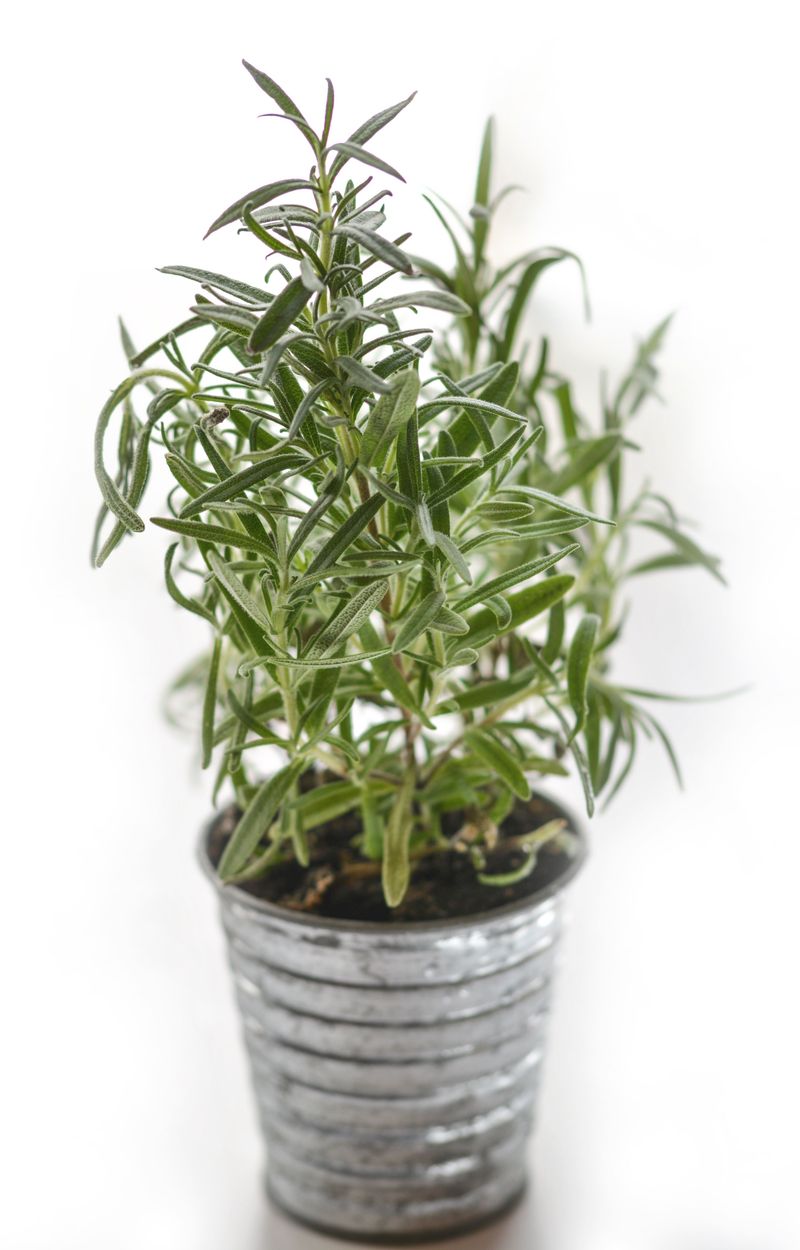
Indoor rosemary has a sneaky way of fooling people. Its leaves stay green and stiff for a while after the roots dry out, so trouble often shows up late.
The trick is balance. Let the top inch or two of soil dry, then water thoroughly until it drains out the bottom. Pour out any extra water in the saucer within a few minutes.
Too much water leads to rot, while a bone-dry pot can cause sudden browning that is hard to reverse.
Unlike many houseplants, rosemary doesn’t signal thirst by drooping, so checking with your finger matters more than watching the leaves.
In heated homes, that check might happen every week or so. In a cool porch, it could stretch longer. Lifting the pot helps too, since a dry pot feels noticeably lighter.
Dry indoor air adds stress, so grouping plants together or placing the pot on a tray of pebbles and water can bump up humidity a little.
Just keep the pot itself sitting above the water line, not in it. A few minutes of attention each week pays off all winter.
Powdery Mildew On Rosemary Loves Still Indoor Air
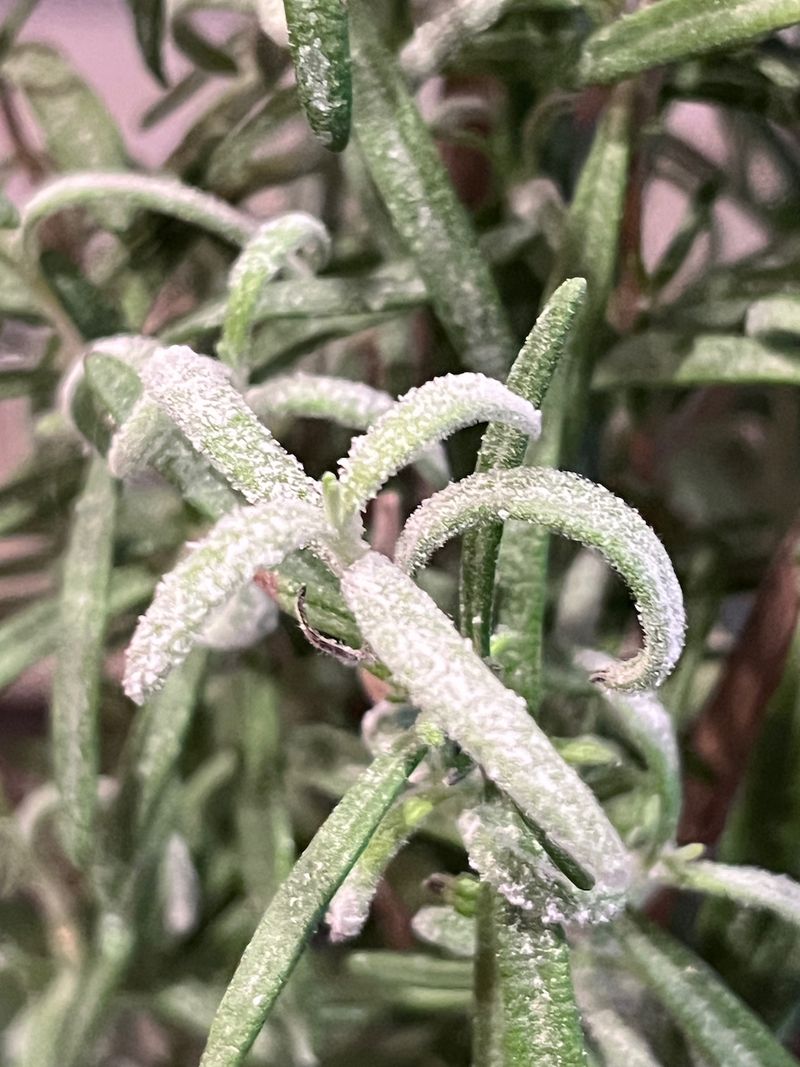
White dust on your rosemary needles is not flour from last week’s baking. More likely, it is powdery mildew, a common fungal problem for rosemary kept indoors through winter.
Crowded plants, stagnant air, and dim light create a cozy setup for the fungus. Spider mites also enjoy warm, dry rooms, leaving fine webbing and speckled needles behind.
Moving air helps a lot. A small fan on low for a few hours a day mimics the outdoor breeze rosemary is used to, and it lowers the chance of mildew taking hold. Spacing pots so their branches don’t touch also helps.
If you spot mildew, snip off the worst sprigs and toss them in the trash rather than the compost. Then improve light and airflow, and keep water off the foliage when you irrigate.
For mites, a firm rinse in the sink or shower every week or two knocks numbers down. Insecticidal soap labeled for herbs is another option if they persist.
Catching these issues early keeps a small nuisance from turning into a scraggly, struggling plant by February.
Rosemary Cuttings Make A Smart Backup Plan Before Frost

Insurance is a smart idea with tender herbs. Before frost, I snip a few four-inch tips from my patio rosemary and root them indoors as a backup.
Strip the leaves from the bottom half of each cutting, dip the end in rooting hormone if you have it, and tuck it into a moist mix of perlite and potting soil. Roots usually form in several weeks.
Small rooted cuttings are easy to fit on a sunny sill. They often adjust to indoor life better than a big plant that spent all summer outside.
Skip fertilizer through winter. The plant grows slowly in short days, and extra feeding mostly pushes weak, floppy shoots.
When spring arrives, wait until frost danger passes, usually by mid May in much of Pennsylvania, then harden plants off for a week before they return to the patio.
Gardeners determined to grow it in the ground can try Arp in the warmest, best-drained spot available.
For most of us, though, a rosemary that spends winter indoors is the herb that greets next summer with fresh, fragrant growth.