The Native Shrub Every Pennsylvania Nursery Can’t Keep In Stock
Three nurseries. One morning. Same answer every time.
Sold out.
That happens with a lot of plants in April, when everybody wants something and nothing has arrived yet. This one sells out repeatedly, all season, year after year.
Pennsylvania gardeners keep calling ahead and asking for it by name.
Here’s what earns that kind of demand. Most shrubs give you two good weeks and then spend ten months as background greenery.
This one contributes in all four seasons, including January, which almost nothing else in a foundation bed manages.
Bold flowers in summer. Fall color that competes with the trees. Peeling cinnamon bark once the leaves drop.
It also handles part shade, tolerates drought better than its relatives, and asks for very little once established.
One correction worth making up front, since the plant gets miscategorized constantly.
Curious what it is?
Meet The Oakleaf Hydrangea Everyone Wants
Across Pennsylvania, shoppers keep asking for one shrub by name, and garden centers run short before the weekend.
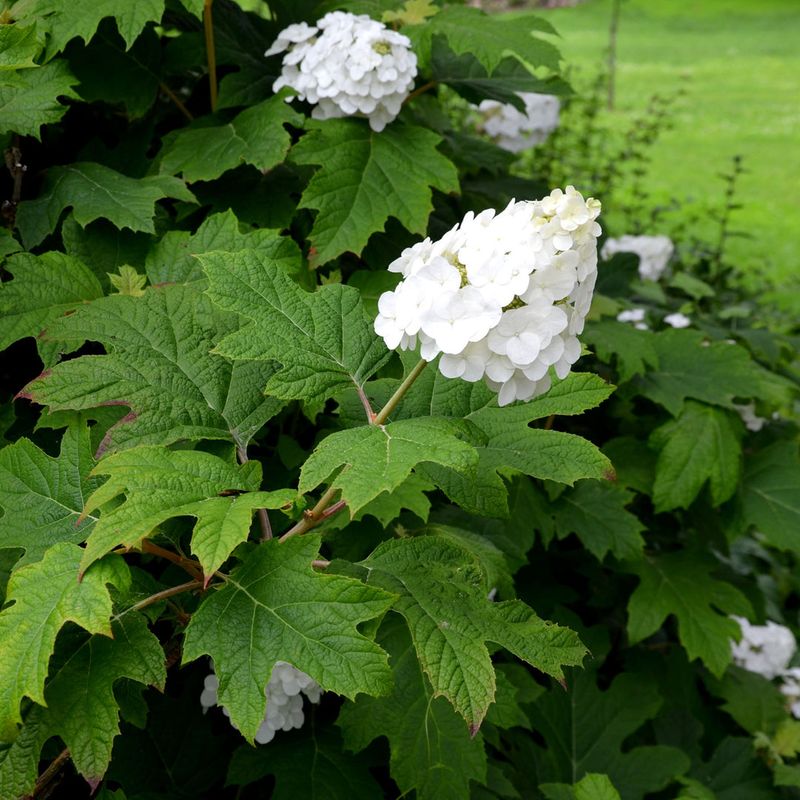
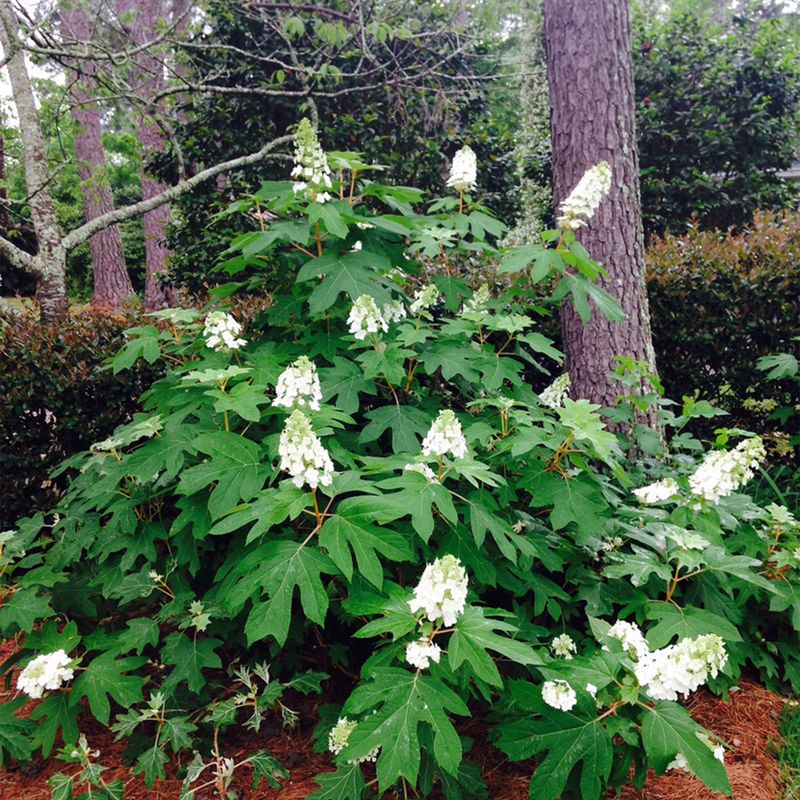
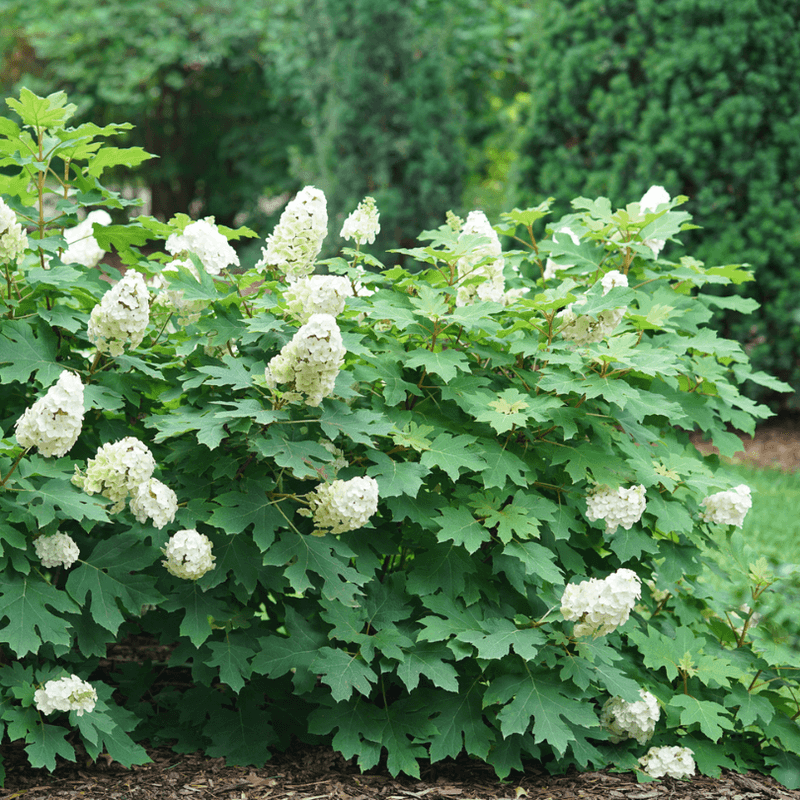
Oakleaf hydrangea, Hydrangea quercifolia, stands out immediately.
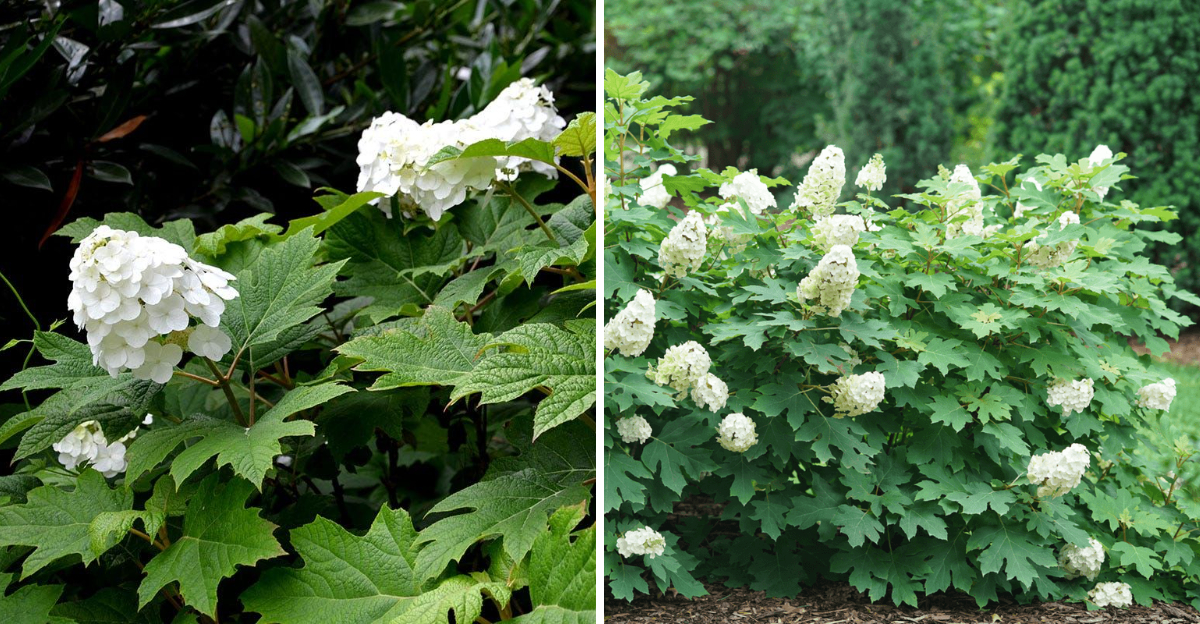
The leaves resemble red oak leaves, the flowers arrive in bold white clusters, and the overall shape reads full without looking unkempt.
One clarification matters here. This plant is not native to Pennsylvania.
Its natural range covers the southeastern United States, from North Carolina south into Florida and west toward Mississippi and Louisiana.
It performs well in Zone 5, which covers most of Pennsylvania, making it a regionally adapted North American native rather than a local one.
Part of the appeal comes from how dependable it is once sited well.
Homeowners want shrubs that look distinctive without demanding attention, and this one delivers with part-shade tolerance, sturdy foliage, summer blooms, strong fall color, and useful winter bark.
Nurseries understand that customers want more than a few spring weeks of interest.
One plant can anchor a foundation bed, soften a woodland edge, or fill a mixed border while pairing comfortably with ferns, hostas, and native perennials.
Planted properly, mulched lightly, and watered through the first season, it settles in and grows easier every year.
Colder pockets in northern Pennsylvania may see occasional bud damage in hard winters, which is worth knowing before planting in an exposed site.
Four Seasons Of Interest In One Shrub
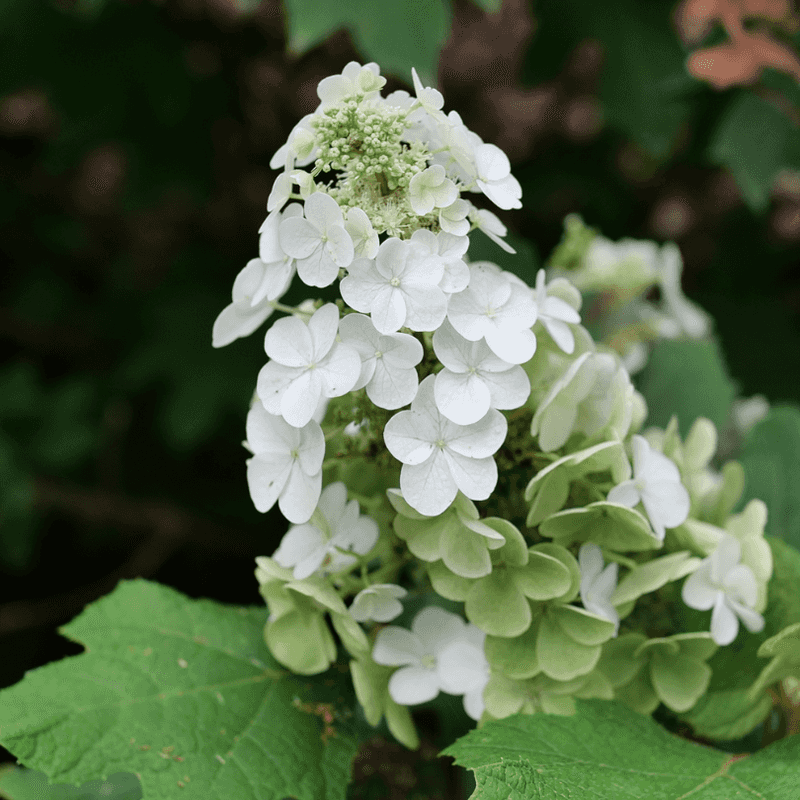
Some shrubs deliver one burst and then fade into the background for eleven months.
Oakleaf hydrangea keeps contributing considerably longer, which explains why buyers grab it as soon as trucks arrive.
Spring opens with large textured leaves unfolding with real presence.
Before any flowers appear, the plant already earns its space, since the leaf shape is bold and readable from a porch, sidewalk, or kitchen window.
Summer brings upright cone-shaped clusters of white blooms that age into soft pink and tan shades over several weeks.
Unlike bigleaf hydrangeas, flower color stays independent of soil pH, so nobody chases blue or pink through soil amendments.
Fall is where the plant genuinely turns heads.
Leaves shift through bronze, mahogany, burgundy, red, and purple tones, and a mature shrub often outperforms common landscape shrubs that stay plain until frost.
Your Pennsylvania Garden Changes Every Week. Your Plan Should Too.
Gardening in Pennsylvania changes quickly throughout the season. Every Friday you’ll receive a simple weekly plan showing exactly what to plant, prune, fertilize, harvest, and protect so you never miss the right timing.
Winter continues the sequence rather than ending it.
Older stems reveal peeling cinnamon-brown bark, and dried flower heads persist long enough to add texture on gray days.
Bloom timing runs earlier than panicle hydrangeas, generally late spring into early summer in Pennsylvania.
That spread means one purchase functions like several plants working across the calendar, which is unusual value in a single shrub.
Fall Color Rivals Any Native Tree
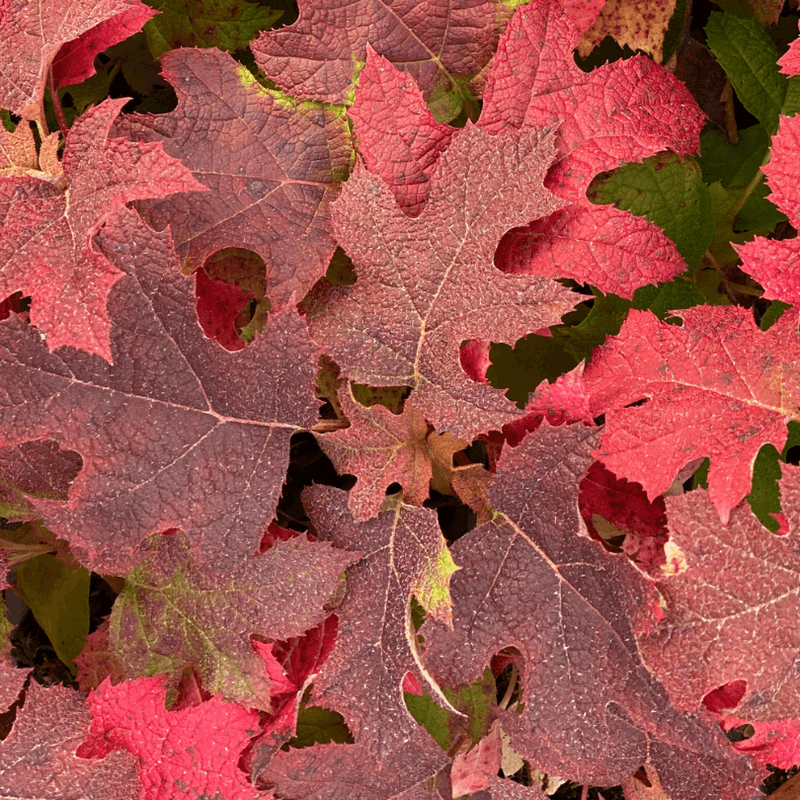
By late September, plenty of Pennsylvania shrubs look ready to finish for the year.
Oakleaf hydrangea does the opposite, developing color rich enough to stop people on a sidewalk.
The leaves are large, deeply lobed, and thick enough to hold that color well rather than dropping immediately.
Depending on weather, light, and the individual plant, fall shades range from wine red and burgundy through bronze, mahogany, plum, and deep purple.
Several tones frequently appear on the same shrub simultaneously.
That range explains much of the demand.
Many familiar foundation shrubs stay dull green, turn a tired yellow, or drop early without doing much, while oakleaf hydrangea carries a full autumn display at eye level.
Placed near a patio, front walk, or mailbox bed, that foliage becomes part of daily life rather than something hidden in a back corner.
Pairing it with ornamental grasses, fothergilla, or evergreen hollies strengthens the warm tones and keeps the composition balanced.
Light affects intensity. Morning sun or bright shade usually produces solid color in Pennsylvania, particularly on healthy plants not stressed by soggy soil.
Color holds later into fall than many shrubs, sometimes into November.
Plenty of people buy it for the flowers and end up appreciating fall most.
Peeling Bark Adds Winter Character
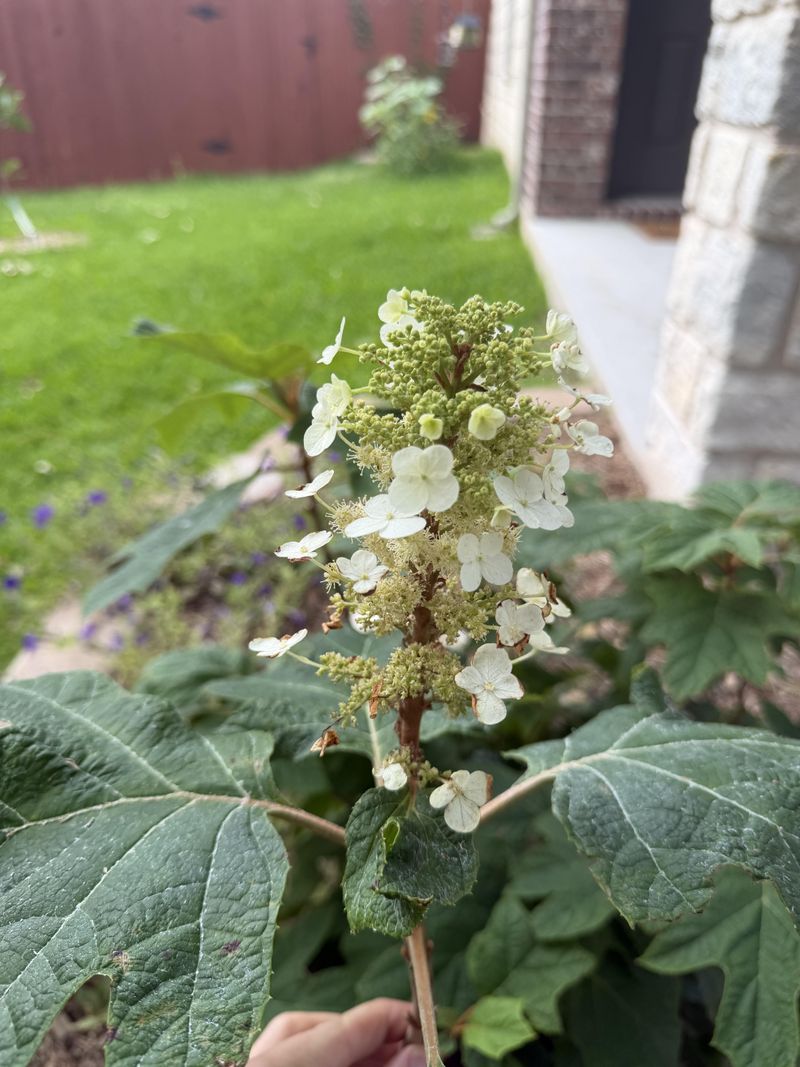
January flattens most gardens, especially once flowers finish and perennials collapse.
Oakleaf hydrangea keeps contributing, since older stems develop peeling bark in warm cinnamon-brown tones that read clearly on bare days.
That bark takes time, so patience applies.
Younger plants focus on roots and stems first, then with age the outer bark exfoliates in thin strips, creating texture that looks almost deliberate.
Expect several years before it becomes a real feature.
Winter interest matters more than most shoppers initially realize.
Pennsylvania landscapes spend months without bloom, so shrubs offering pattern, color, and structure earn extra value near entryways, decks, and windows where people pass daily.
Dried flower heads often persist into winter when heavy wind hasn’t removed them.
Left in place, they combine with bark and branching to add layers rather than leaving bare sticks.
Light snow makes the bark stand out further.
Against evergreens, stone walls, or dark mulch, those peeling stems create quiet appeal rather than anything showy.
Placement matters for this specific benefit, since bark visible from a window earns its keep and bark in a back corner does not.
Summer flowers make the initial sale, and winter bark tends to secure the long-term appreciation.
Sun Or Shade Both Work Well
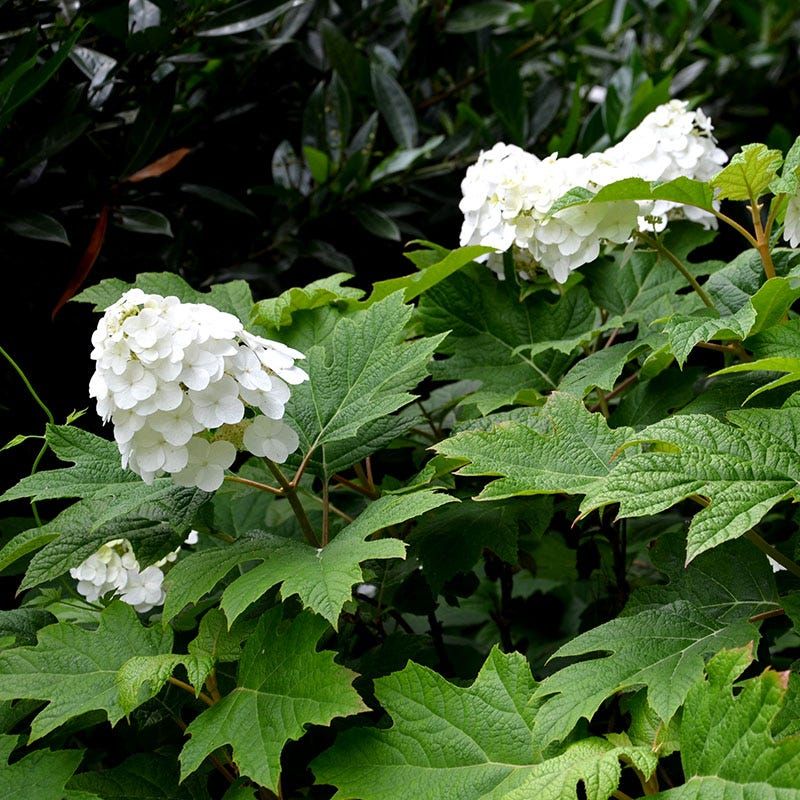
Wrong light turns a promising shrub into an ongoing disappointment, and oakleaf hydrangea offers genuine flexibility.
It handles more shade than most flowering shrubs while also growing well with substantial sun if soil holds moisture.
Part shade is generally the sweet spot.
Morning sun with afternoon shade supports good flowering, strong leaf color, and less stress during humid summer weather, particularly in warmer parts of the state.
Bright woodland edges suit it especially well.
Along a tree line, beside a porch, or on the east side of a house, the shrub keeps a full appearance while other hydrangeas stretch or scorch.
Full sun works in some Pennsylvania gardens, particularly where mulch conserves moisture and reflected heat isn’t a factor.
Deep heavy shade reduces flowering and thins the growth, so dark corners aren’t the right placement.
Gardeners hunting for one shrub to handle awkward in-between light frequently land here for good reason.
It bridges the gap between sun-loving border plants and true shade species without requiring perfect conditions.
Watch your site through a full day before planting and note how light actually moves across it.
Suckering habit is worth planning for too, since these shrubs spread gradually outward from the base over years.
Skip The Fertilizer And Fuss
Plenty of shrubs arrive with a list of chores, products, and hopeful expectations.
Oakleaf hydrangea is considerably calmer, which suits homeowners who want results without dedicating every Saturday.
Rich well-drained soil helps it establish, and heavy feeding is rarely necessary.
In most Pennsylvania gardens, compost plus a modest mulch ring supports steady growth without producing soft floppy stems.
Excess nitrogen actually works against you, pushing weak growth and sometimes reducing flowering.
Soil pH causes far less drama here than with bigleaf hydrangeas.
Flower color doesn’t shift with acidity, so attention goes toward drainage, organic matter, and consistent moisture instead of soil chemistry.
Routine care stays simple.
Water regularly through the first growing season, keep mulch a few inches off the stems, remove broken wood as needed, and resist cutting the plant back for getting wider than expected.
Pruning deserves specific attention. Shape lightly and time it soon after flowering, since next year’s buds form on old wood.
The frequent mistake involves treating it like a summer-blooming shrub that tolerates hard late-winter cuts, which trades flowers for a tidier outline.
Deer browse it in some areas, so protection may matter on young plants where pressure runs high.
Sensible basics accomplish more here than any shelf of products.
Drought Tolerance Beats Other Hydrangeas
Hot weeks make some hydrangeas wilt dramatically enough to look like a protest.
Oakleaf hydrangea generally handles dry spells better than bigleaf and several other common types once established, and that toughness matters through Pennsylvania summers.
Newly planted shrubs still need regular watering while roots extend into surrounding soil.
After the first season or two, many plants become noticeably steadier, particularly when sited in well-drained soil with organic matter and a mulch layer.
Thicker leaves and sturdier overall structure help it hold up through short dry periods.
That doesn’t make neglect acceptable, and it doesn’t mean bone-dry soil all season works.
The plant simply stays presentable longer than fussier relatives do.
Gardeners appreciate that resilience as weather swings become more common.
A heat stretch followed by skipped rain makes demanding shrubs look exhausted quickly, while this one usually maintains composure.
Deep watering beats frequent light sprinkling.
A slow soak at the root zone encourages stronger rooting, and mulch keeps conditions cooler and more consistent in sunny or windy sites.
Wet feet remain the actual risk. Oakleaf hydrangea tolerates dry conditions considerably better than saturated soil, so drainage deserves more attention than irrigation.
Beauty plus backbone explains the nursery demand reasonably well.