Why Rushing To Plant Spring Bulbs In October Can Mean A Weaker North Carolina Display
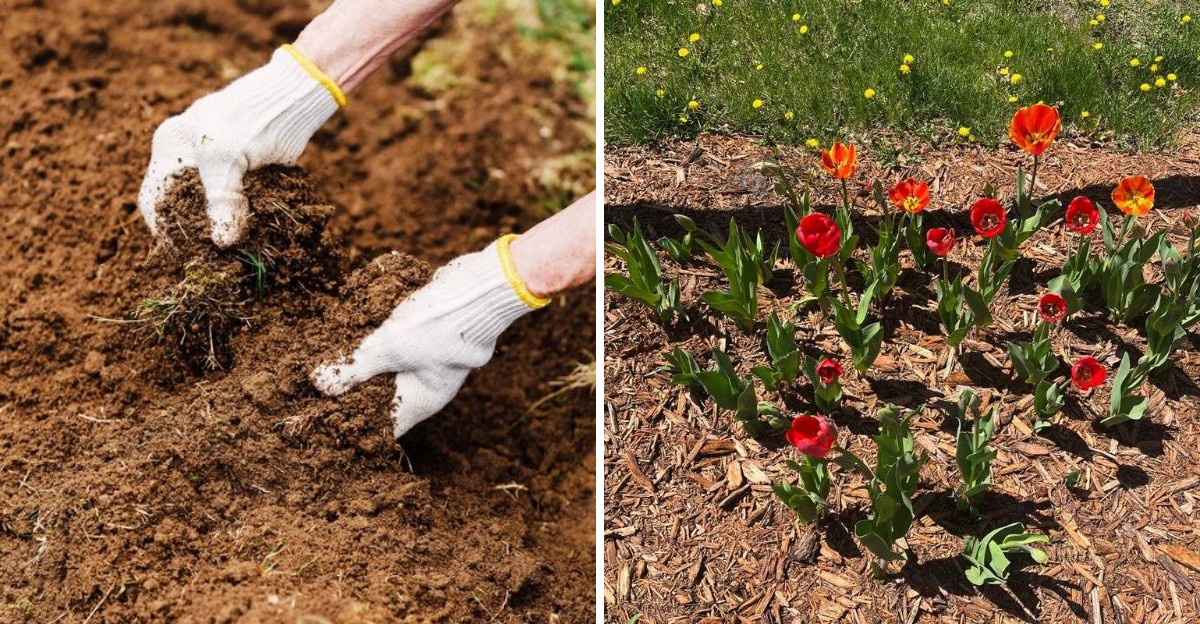
Planting spring bulbs the moment they show up at the garden center feels productive, but doing it too early in October can actually work against a strong spring display in North Carolina.
Bulbs planted while soil is still warm are more likely to rot and can even push up tender shoots before winter fully arrives, leaving them poorly timed once real cold sets in.
This early start can weaken the bulb’s stored energy before it’s actually needed for spring blooming.
Waiting until soil temperatures cool more consistently gives bulbs a better chance to settle in at the right pace for the season ahead. Understanding this timing helps North Carolina gardeners avoid an eager mistake that quietly limits next spring’s bloom.
1. Warm Soil Encourages Bulb Rot
Summer heat does not leave North Carolina soil the moment October begins. Even when the air feels crisp in the morning, the ground a few inches down can still hold plenty of warmth from those long, hot months.
That hidden heat is where trouble starts for spring bulbs. Soil is full of tiny fungi, and some of them love to attack bulbs.
Basal rot, which often hits tulips, spreads fastest in soil that is both warm and moist. A bulb tucked into those conditions may sit for weeks before it grows any roots, and during that waiting time it has very little defense.
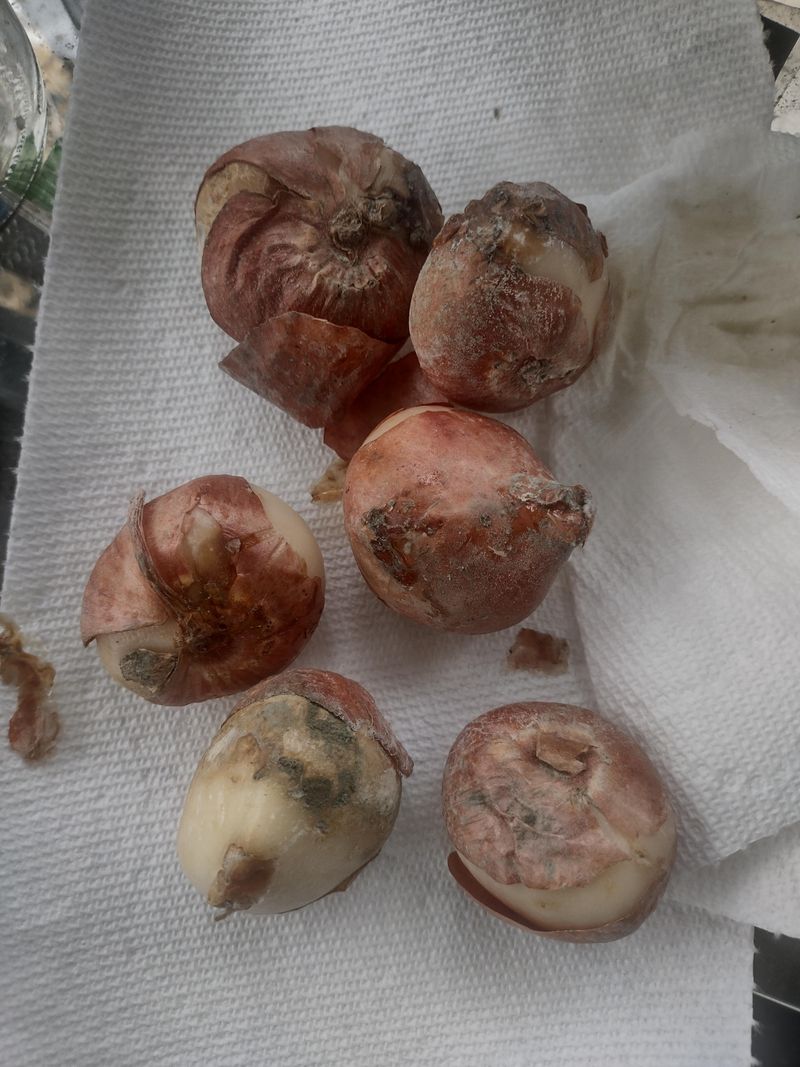
Soft spots, mold, and a mushy base are the signs that rot has taken hold. Once that happens, the bulb may send up a weak shoot or nothing at all come spring. You will not see the damage until March or April, which makes it extra frustrating.
Luckily, a few simple habits can protect your investment. Push a soil thermometer about four to six inches into the ground before you plant, and wait until the reading cools down.
Look over every bulb carefully, too, and plant only the ones that feel firm and heavy in your hand.
Toss any bulb that is soft, fuzzy with mold, or marked with dark sunken spots. One sick bulb can pass problems to its neighbors, so it is not worth the risk. Clean bulbs in cool soil give you a much better shot at a full, healthy bed.
Gardeners in the Piedmont and Coastal Plain need to watch closely, because October soil in those regions often stays warm far longer than calendars suggest.
2. Early Planting Can Trigger Fall Top Growth
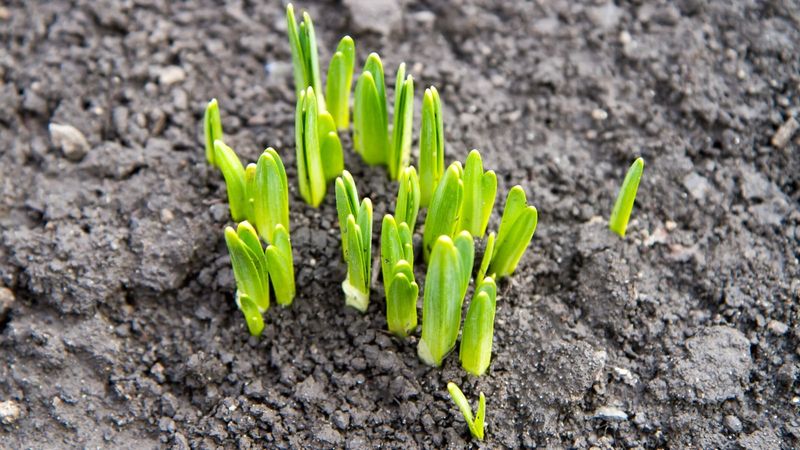
Imagine a bulb waking up too soon, like a kid getting dressed for school on a Saturday. When bulbs go into warm ground, some of them get confused and start pushing leaves above the soil before winter even arrives.
That early start sounds harmless, but it can cost you flowers later. New fall growth is soft and tender.
When a hard freeze rolls in, those young leaves can turn brown and mushy. The bulb then has to spend stored energy repairing damage instead of saving it for spring blooms.
A weakened bulb may still flower, but the blooms are often smaller, fewer, or sitting on shorter stems. Sometimes the flower bud itself gets harmed inside the bulb. It is a quiet loss that only shows up when your neighbors’ beds look fuller than yours.
Your North Carolina Garden Changes Every Week. Your Plan Should Too.
Gardening in North Carolina changes quickly throughout the season. Every Friday you’ll receive a simple weekly plan showing exactly what to plant, prune, fertilize, harvest, and protect so you never miss the right timing.
Not every bulb follows these rules, and that is good to know. Grape hyacinths naturally send up grassy leaves in fall, and they handle cold weather just fine. If you spot them in November, relax, because they are doing exactly what nature planned.
Tulips are a different story. They and many other spring bulbs are meant to stay tucked below ground until late winter, so cool soil at planting time helps keep them quiet and patient.
North Carolina weather makes this issue more common than you might think. A cool spell can trick you into planting, and then a week of 75 degree days follows right behind it. Waiting a bit longer helps your bulbs stay asleep until the right moment.
3. Wait For Cooler Soil Before Planting
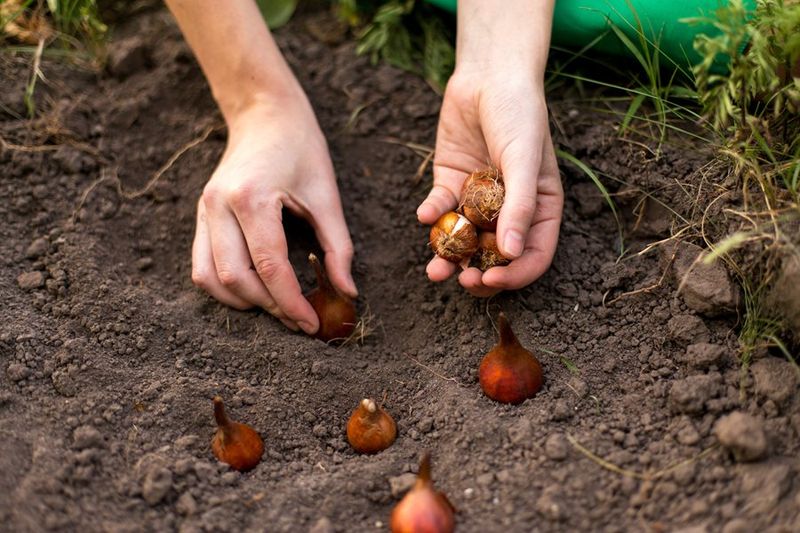
Sixty degrees is the magic number for many bulb growers. When soil temperatures drop to around 60°F or below, bulbs shift their focus underground. Instead of sending up shoots, they put their energy into building strong roots.
Those roots matter a lot. A healthy root system anchors the bulb, pulls in water, and helps it gather strength for a big spring show. Cooler soil also slows down the fungi that cause rot, so your bulbs face fewer threats while they settle in.
Timing across North Carolina changes a lot from one region to the next. In the Mountains, October is usually a fine month to plant.
The Piedmont tends to be ready from late October through November, while the Coastal Plain often waits until November and even into December. Every year brings its own weather, so treat those dates as a guide rather than a rule.
A warm autumn might push your planting back a couple of weeks, while an early chill could move it forward. Your soil thermometer is the most honest tool you own for this job.
Here is where many gardeners get tripped up. Lots of bulb packages, websites, and books are written for places like Ohio, Michigan, or New England. In those colder states, September or early October planting makes perfect sense.
North Carolina soil simply stays warm much longer into fall. Following northern advice here often means planting weeks too early, so trust local conditions over the label on the bag.
4. Tulips Benefit Most From Waiting
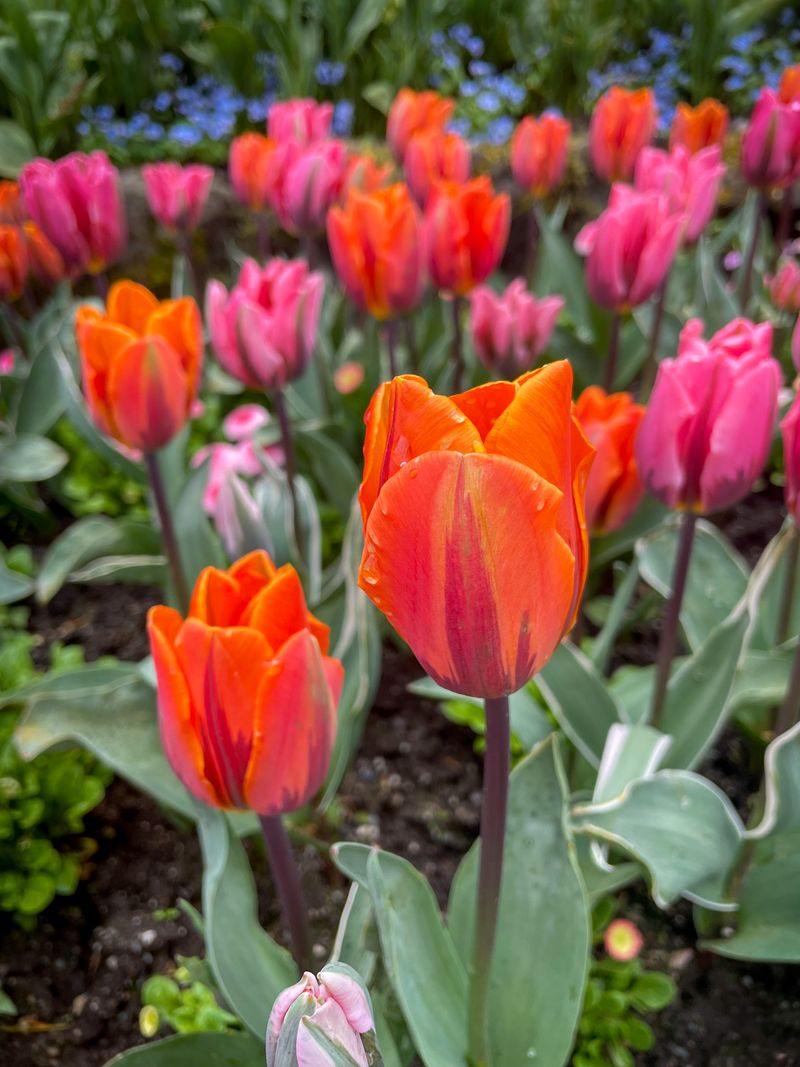
Of all the spring bulbs, tulips are the fussiest guests at the garden party. They are the most likely to rot in warm soil, and they also need a long stretch of cold to bloom well. Both of those facts point to one smart move: plant them later.
You might worry that late planting means too little cold time. In most of North Carolina, though, winter still gives November and December tulips plenty of chilly weeks underground.
The bulbs stay safe from warm-soil rot and still get the cold they crave. Aim for a depth of about 6 to 8 inches in soil that drains well. November or December works nicely across most of the state. Pointy end up, roots down, and cover them gently.
Things get trickier in the warmer parts of the Coastal Plain. Mild winters there may not provide enough natural chilling for tulips to bloom fully. The fix is easy, and it happens right in your kitchen.
Place the bulbs in paper bags and chill them in the refrigerator for about 10 to 12 weeks before planting. Keep them far away from apples, bananas, and other fruit.
Ripening fruit gives off ethylene gas, and that gas can damage the flower bud hidden inside each bulb.
Label the bags with the date so you know when they are ready. After chilling, plant them right away. Many eastern gardeners also treat tulips as one-season flowers and replant fresh bulbs each fall for the best color.
5. Daffodils Can Go In Earlier
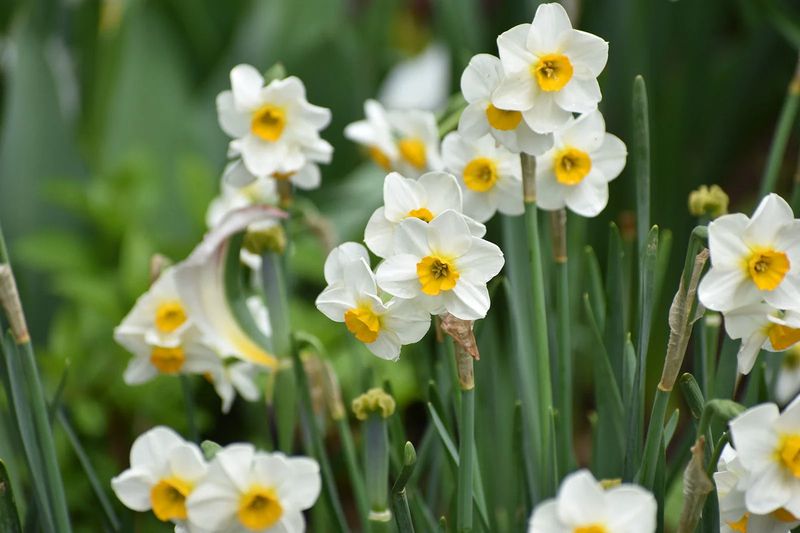
Drive past an old farmhouse in rural North Carolina in March, and you will likely see drifts of yellow daffodils still blooming decades after someone first planted them.
These cheerful flowers are tough, dependable, and a little different from tulips when it comes to timing.
Daffodils actually like a head start. They benefit from extra weeks to grow roots before winter settles in. They are also much less likely to rot in warm soil, so an earlier planting date carries far less risk.
For most of the state, October into November is a great window. Dig holes about 6 inches deep in soil that drains well, and set each bulb with the pointed tip facing up. If the ground feels dry, give the bed a good soaking after planting to help roots get moving.
Spring care is just as important as fall planting. After the flowers fade, leave the leaves in place for about six weeks. Those green leaves act like tiny solar panels, making food that refills the bulb for next year.
Resist the urge to braid, fold, or cut them early, even if they look a bit messy. Tuck other plants nearby to hide the fading foliage if it bothers you.
Daffodils naturalize reliably across North Carolina, meaning they come back and spread year after year. That is why many local gardeners plant them a little ahead of tulips. Get the daffodils in first, then save your tulip planting for cooler weeks.
6. Store Bulbs Properly While You Wait
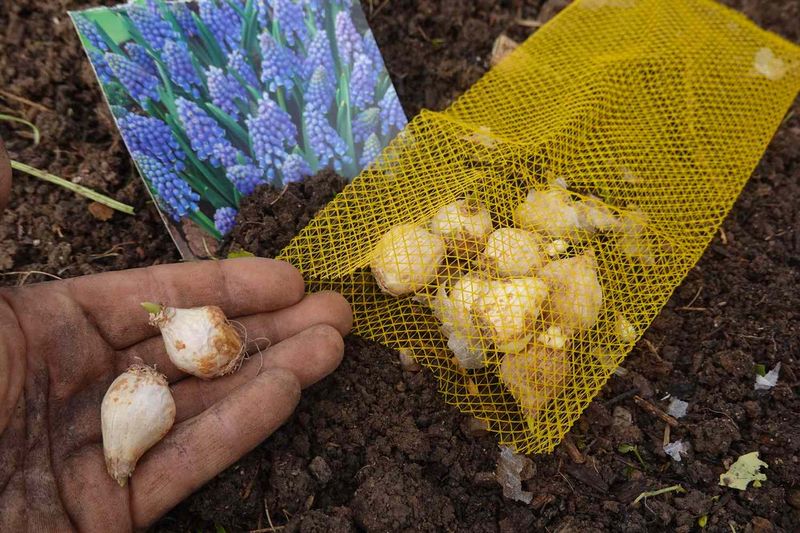
Buying bulbs early is smart, since the best colors and varieties sell out fast. The catch is that those bulbs may need to wait for weeks before your soil is ready. Where you keep them during that pause makes a real difference.
Bulbs are alive, even when they look like dry little onions. If they sit somewhere warm, they can sprout too soon. In damp or sealed spots, mold can creep in, and in very dry heat they may shrivel and lose energy.
Mesh bags or paper bags are your best friends here. Both let air move around the bulbs, which keeps moisture from building up. Plastic bags do the opposite and trap humidity, so skip them completely.
Pick a spot that is cool, dry, and shaded. A basement, a cool closet, or a garage that does not get hot often works well. Keep them out of direct sun, and make sure air can flow around the bags.
Every week or two, open the bags and take a quick look. Squeeze a few bulbs gently. Pull out any that feel soft or show mold so the problem does not spread to healthy ones.
Storage matters a lot in North Carolina because stores stock bulbs as early as late summer. Meanwhile, the soil may not cool enough for planting until November or later. Good storage keeps your bulbs fresh and ready for their big day in the ground.
7. Drainage Matters As Much As Timing

Perfect timing cannot save a bulb sitting in a puddle. You can plant on the ideal day, at the ideal depth, and still end up with empty spots if water never drains away. Where you plant matters just as much as when.
Cold, soggy soil through winter is a recipe for rot. Bulbs need moisture, but they also need air around their roots. In soil that stays wet for days, they turn soft and break down, while bulbs in well-drained ground stay firm and healthy.
Start by watching your yard after a heavy rain. Spots where water pools for hours are poor choices for bulbs. Pick a sunny area where rainwater soaks in or runs off quickly.
Heavy soil needs some help. Work a few inches of compost across the whole planting area, not just into single holes. Improving only the hole can create a little bowl that collects water around the bulb.
If your yard is especially soggy, raised beds are a great solution. They lift bulbs above the wet zone and warm up nicely in spring. After planting, water once if the soil is dry, then let the rain handle most of the work.
North Carolina gardeners know red clay well, especially in the Piedmont. Clay holds water like a sponge, and winter rains can keep beds wet for days at a time. Better drainage turns that tough ground into a place where bulbs can truly thrive.
8. Don’t Wait Too Long Either
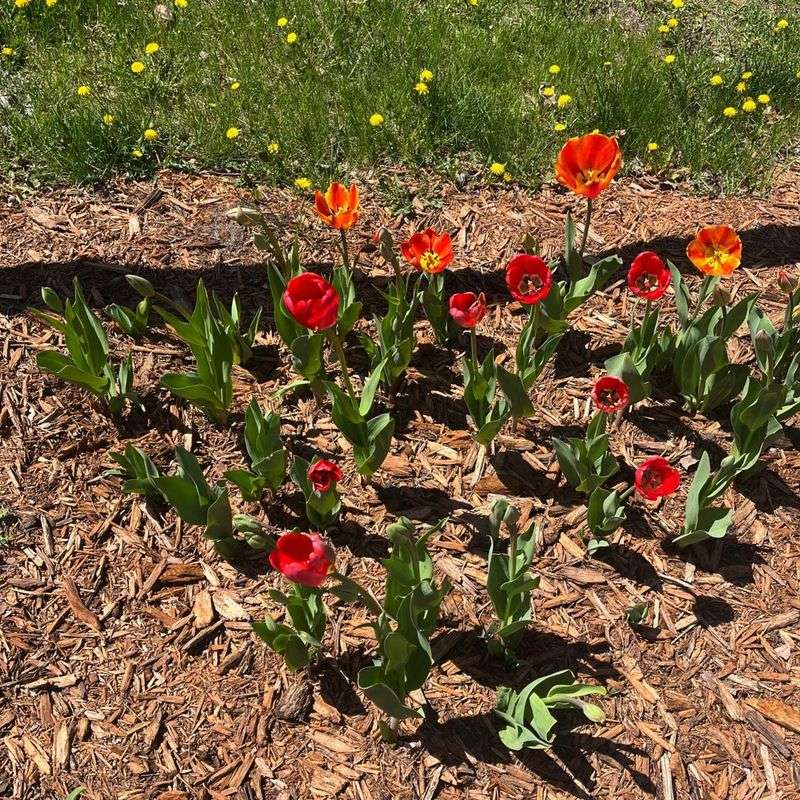
Patience pays off, but only up to a point. After all this talk about waiting, it is fair to wonder if you can simply hold bulbs until whenever you feel like planting. Sadly, bulbs have their own clock, and it keeps ticking.
Bulbs left in storage too long slowly dry out and use up their stored energy. A bulb that feels light and papery has less fuel for spring. Even if it grows, the show will likely be smaller.
Very late planting brings its own challenge. Bulbs that go in during late winter have less time to build roots before warm weather arrives. That can lead to shorter stems, smaller flowers, and a display that feels a little underwhelming.
For most of North Carolina, try to finish planting by December. Mark it on your calendar so the job does not slip away during busy holiday weeks. Once the bulbs are in, water the bed to settle the soil and help roots get started.
Found a forgotten bag in the garage in January? Plant those bulbs as soon as you can instead of saving them for spring. They have a much better chance in the ground than sitting on a shelf.
North Carolina gives gardeners a nice break here. The ground rarely freezes solid, so late planting is usually possible. Still, bulbs perform their best when planted within the recommended window, so aim for that sweet spot and enjoy a beautiful spring.