Why So Many Spiders Are Showing Up On North Carolina Porches This October
Your porch did not suddenly become a spider hotel. October is simply when you notice them. Many spiders reach full size by now, and the large orb weavers are at their most visible.
Their webs are bigger, and they stretch across doorways and corners. Fall is also mating season, so males wander more, which puts them in your path. Porch lights add to it.
They draw insects at night, and spiders know a good hunting spot when they see one. Cooler nights push a few indoors, but most stay outside. The great majority are harmless to people and are useful hunters of pests.
Understanding what they are doing can turn alarm into curiosity, and help you decide which ones deserve a closer look.
1. Many Spiders Are Fully Grown By Fall
All summer long, a tiny spider has been quietly eating and growing just a few feet from your front door. Now it is the size of a quarter, and suddenly you notice it everywhere. That is the magic of fall.
Most spiders that hatch in spring spend the warm months catching insects and molting, which means shedding their outer skin so they can grow bigger.
Every few weeks they get a little larger. By September and October, many species have reached their full adult size, and their webs have grown right along with them.
Orb weavers are the best example. These spiders build the classic wheel-shaped webs you see in storybooks, and adult females can spin webs more than two feet across.
A web that big is hard to miss when it stretches between your porch posts or across a garden path.
Here is the funny part. Most of these spiders were probably living near your porch since late spring. You just did not spot them because they were small, and their webs were tiny and tucked away. Fall simply puts them on center stage.
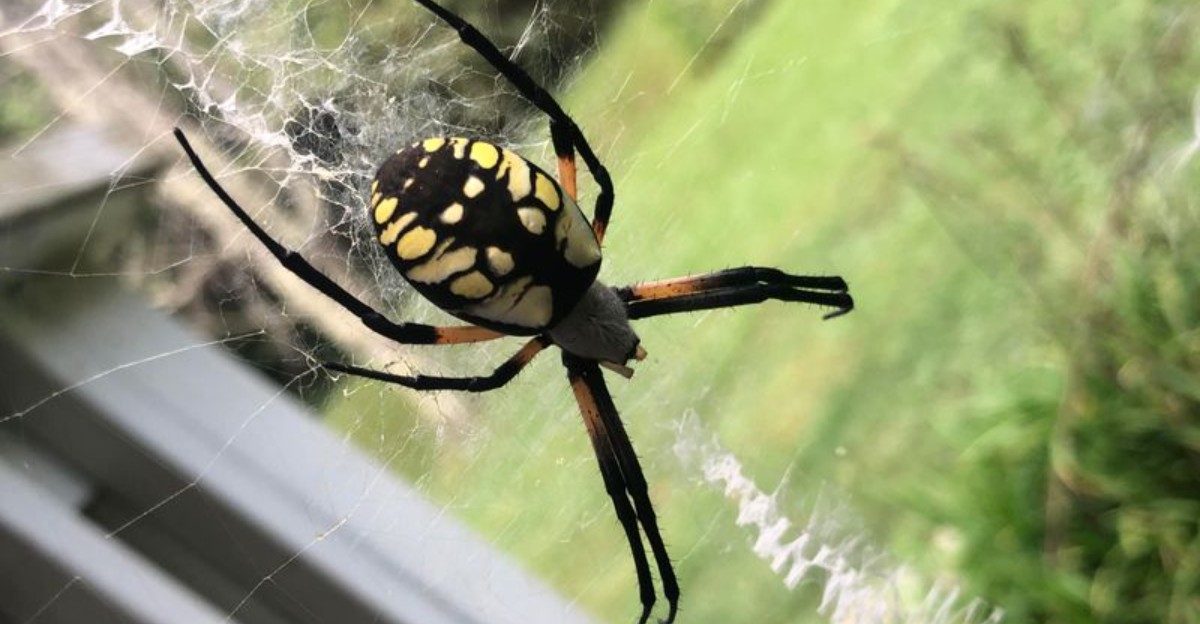
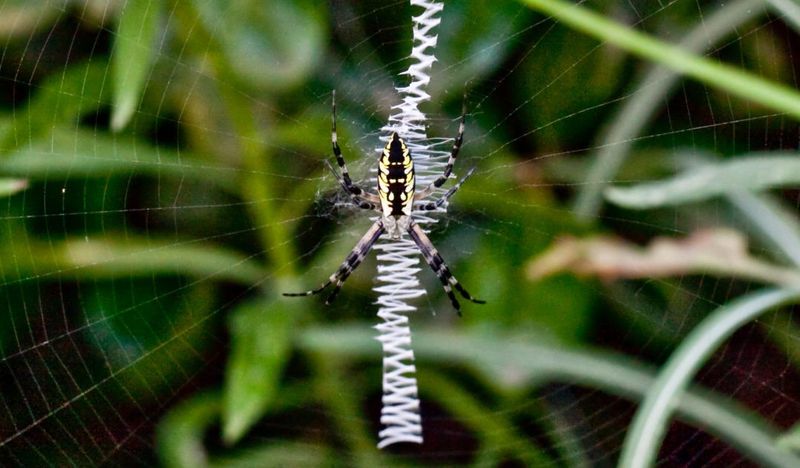
In North Carolina, two orb weavers steal the show this time of year. The yellow garden spider, with its bold black and yellow body, often adds a thick zigzag pattern to the middle of its web.
The spotted orb weaver is rounder and browner, and it usually builds at dusk and hides during the day.
If one has set up shop in a busy doorway, gently move the web with a broom to a nearby shrub. Otherwise, enjoy the view, because these big beauties only stick around until the first hard frosts arrive.
2. Joro Spiders Have Joined The Fall Lineup
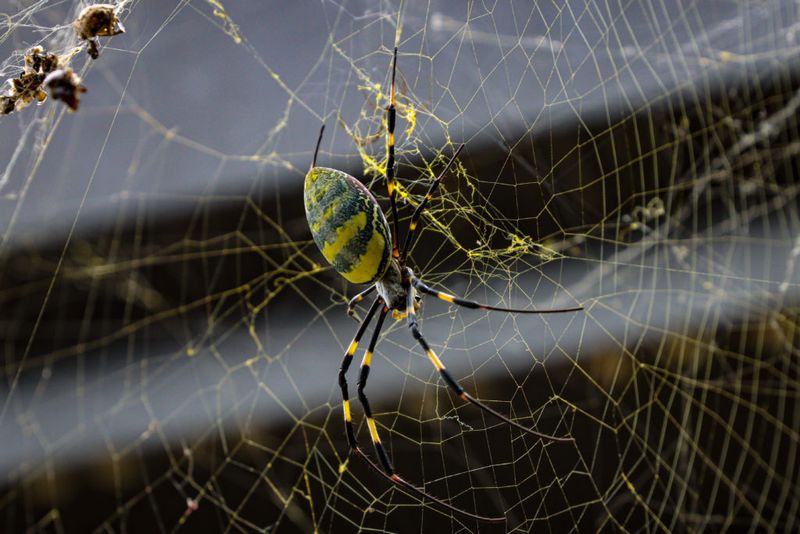
Some newcomers arrive quietly, but Joro spiders made a bold entrance. With bright yellow stripes, blue-black bands, and red patches underneath, the females look almost like living jewelry.
Neighbors across the state have been snapping photos and sharing them online for good reason. Known to scientists as Trichonephila clavata, Joro spiders come from East Asia.
Experts believe they first reached Georgia around 2013, likely riding along in shipping containers. Since then, they have spread steadily, and North Carolina now has plenty of them.
Your North Carolina Garden Changes Every Week. Your Plan Should Too.
Gardening in North Carolina changes quickly throughout the season. Every Friday you’ll receive a simple weekly plan showing exactly what to plant, prune, fertilize, harvest, and protect so you never miss the right timing.
Their webs are a big part of the attention. Joro spiders weave large, layered webs with a golden shine when sunlight hits the silk.
They often build high up, on porch ceilings, under eaves, along power lines, and between trees, sometimes stacking webs together in impressive clusters.
Late summer and fall bring the most sightings. That is when females reach full size, often three inches or more counting their legs, and their webs become hard to overlook. Males are much smaller and brown, so most people never notice them.
So should you worry? Not really. Joro spiders are not considered dangerous to people, and they are quite shy.
Bites are rare and usually happen only if one is pressed against skin, with effects similar to a bee sting or less.
Sightings are most common in the western and central parts of North Carolina, including the Piedmont and foothills, where these spiders have become well established.
If one builds a web where you walk, a broom works fine. Many homeowners simply let them be and enjoy watching these flashy visitors until cold weather ends their season.
3. Porch Lights Attract Their Food
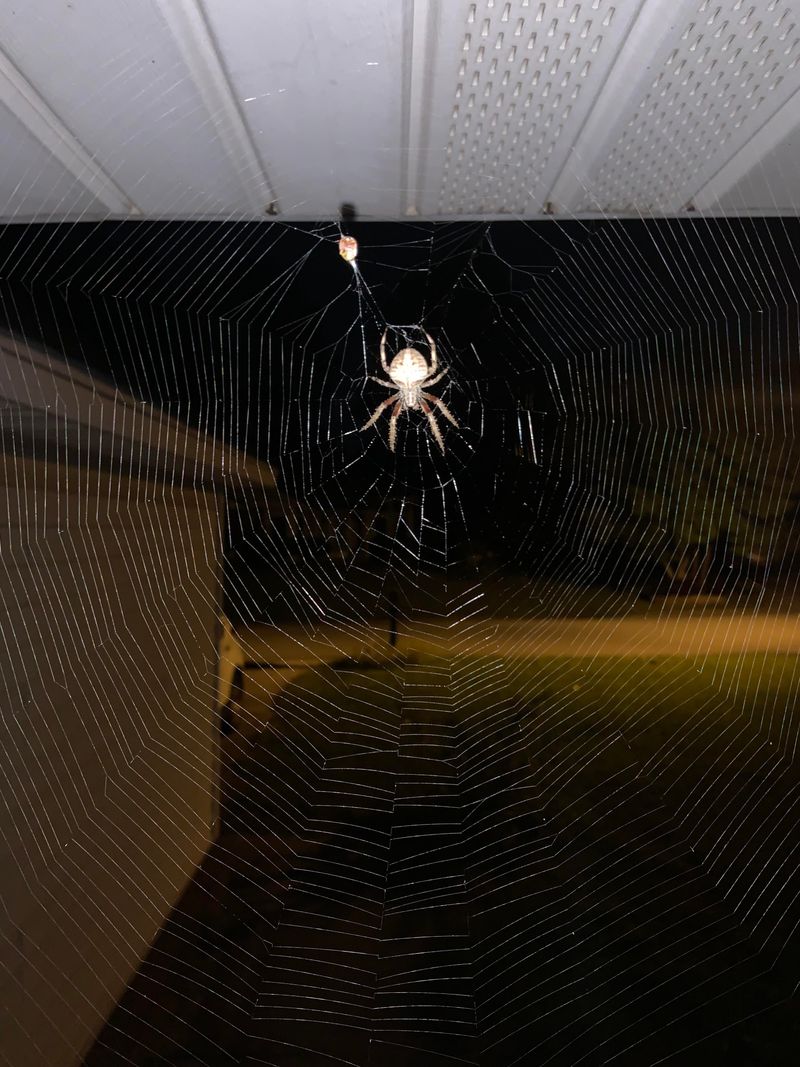
Think of your porch light as a twenty-four-hour diner, and spiders as regular customers who know exactly where the food is. Once you see it that way, those webs near the light fixture start to make perfect sense.
Bright outdoor lights pull in moths, flies, gnats, beetles, and all kinds of flying insects after dark. Bugs circle the glow over and over, and many end up bumping into nearby walls and ceilings. Spiders are smart hunters, so they build webs right in that busy flight path.
The result is a steady meal every single night. A spider that picks a good spot near a light can catch far more food than one hiding in a quiet bush. No wonder your door frame and light fixture seem to collect webs so quickly.
The good news is that a few easy changes can cut down on the buffet. Yellow bug lights and warm-colored LED bulbs attract fewer insects because many bugs are drawn most strongly to bright white and bluish light.
Swapping one bulb can make a real difference in a week or two. You can also turn porch lights off when nobody needs them.
If you want light for safety, a motion-activated fixture is a great choice. It switches on only when someone walks up, so insects have less reason to gather, and spiders have less reason to stay.
All of this matters in North Carolina because fall nights often stay mild well into October.
Insects remain active much longer than they would in colder states, which keeps spiders happily fed by your door. Smarter lighting is a simple step that keeps both groups moving along.
4. Morning Dew Makes Webs Easy To See
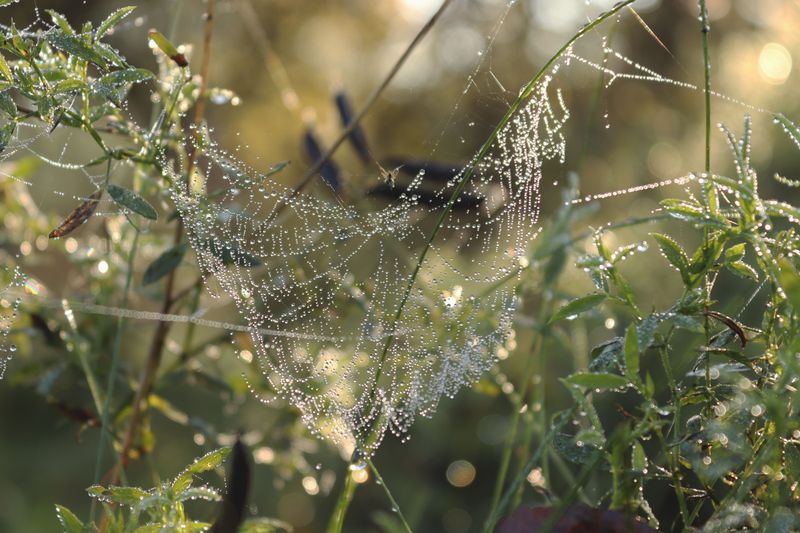
Overnight, your yard seems to transform into a fairy tale. Webs shimmer on the railings, stretch across the shrubs, and cover the lawn like tiny lace doilies. Did a spider army move in while you slept?
Not quite. Most of those webs were already there, and the real star is the weather. On cool fall mornings, moisture in the air settles onto surfaces as dew, and spider silk catches those little droplets beautifully.
Each strand of a web becomes a string of tiny beads. When the early sun hits them, they sparkle and glow, making every thread easy to spot. In summer, the same webs were thin and nearly invisible, especially in the middle of a hot, dry afternoon.
Grass webs are a good example. Small spiders, such as sheet weavers and funnel weavers, spin flat or funnel-shaped webs low in the lawn. You rarely notice them until a dewy morning turns your whole yard into a glittering patchwork.
Expect the effect to fade as the day warms up. Once the dew dries, the webs seem to vanish again, even though they are still hanging right where they were.
Many people think spiders come and go each day, but it is really the light and moisture playing tricks. October in North Carolina is perfect for this show.
Cool, clear nights followed by calm mornings create heavy dew in the mountains, Piedmont, and coastal plain alike. Grab your phone early one morning and take a few photos.
Dewy webs make stunning pictures, and they are a great way to get kids curious about nature.
5. Male Spiders Are Wandering To Find Mates
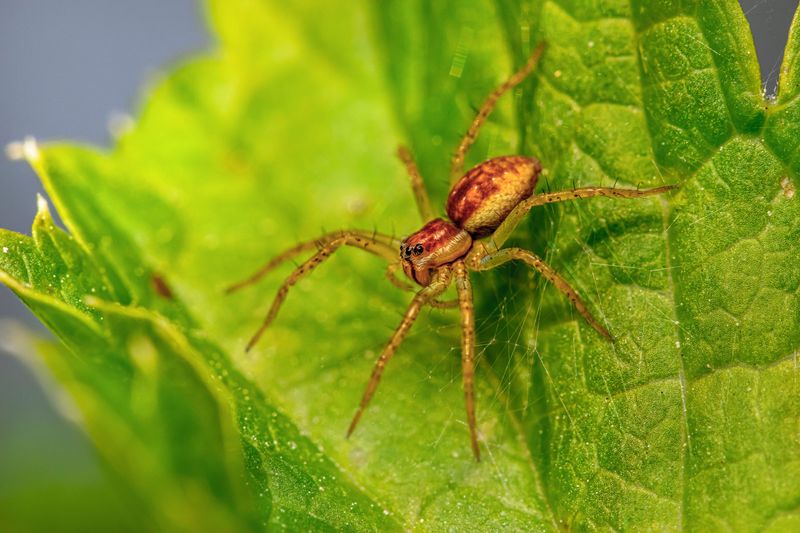
Romance is in the air, and for spiders, that means hitting the road. A spider strolling across your porch floor in October might just be looking for love.
During late summer and fall, many male spiders reach adulthood and leave their usual webs or hiding spots.
Their goal is simple: find a female. Since females often stay put in one place, males do most of the traveling, sometimes covering surprising distances for their size.
All that wandering brings them right into human spaces. Males walk across decks, climb porch steps, slip under doors, and sometimes end up in garages, basements, or even living rooms. Wolf spiders, grass spiders, and house spiders are some of the usual suspects.
Spotting one inside can feel startling, but there is usually no reason to panic. Most of these travelers are harmless to people and are not looking to stay. Many will find their way back outside on their own within a day or two.
Want to help one along? Try the classic cup trick. Gently place a cup over the spider, slide a stiff piece of paper underneath, and carry it outside to a garden bed or shrub. It takes less than a minute and keeps everyone calm.
North Carolina homeowners notice this every fall, and many mistakenly think a spider problem is starting. In reality, it is just a short seasonal parade. Keeping door sweeps tight and closing gaps under doors can reduce indoor visits.
Within a few weeks, the wandering usually slows down as the weather turns colder.
6. Cooler Weather Sends Some Spiders Seeking Shelter
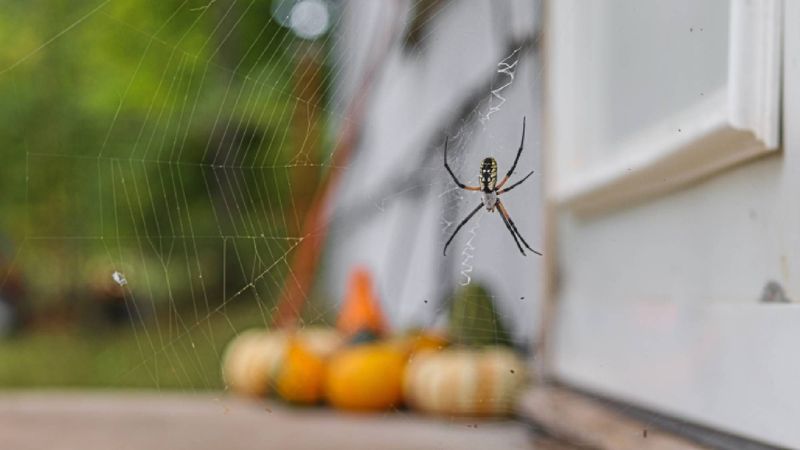
Nobody likes a chilly night without a warm spot, and spiders feel the same way. Once October temperatures start dipping after sunset, many small creatures go looking for cover.
Spiders are not alone in this search. The insects they eat also hunt for protected spaces, so spiders follow the food. Porches, eaves, door frames, window corners, and tiny gaps in siding all offer handy shelter from wind, rain, and cold air.
Your porch may look especially inviting. It has a roof, walls that block the breeze, and often plenty of hiding places. Stacked flowerpots, cardboard boxes, old furniture, and firewood piles are like cozy apartments for spiders.
A little regular upkeep goes a long way. Sweep away webs once or twice a week with a long-handled broom, paying attention to ceiling corners and light fixtures. Over time, spiders often decide your porch is too much trouble and move elsewhere.
Next, look for openings. Seal cracks around doors and windows with caulk, add weatherstripping where you feel drafts, and repair any torn screens. These steps also help with heating bills, so the payoff is double.
Finally, cut down on clutter near entryways. Move firewood at least several feet from the house, store boxes off the porch, and give pots and decorations some space. Fewer hiding spots means fewer spiders setting up camp.
Fall in North Carolina is a mix of cool nights and mild, pleasant days. That pattern keeps spiders active while still pushing them toward warm shelter. A tidy, well-sealed porch is your best defense all season.
7. Most Porch Spiders Are Harmless And Helpful
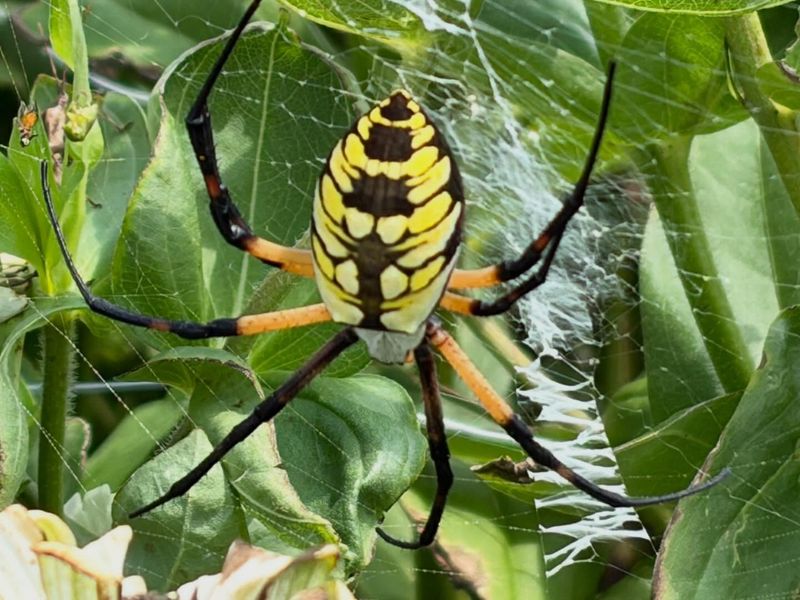
Hiring a pest control crew that works nights, weekends, and holidays for free sounds like a dream. Guess what? You probably already have one, and it has eight legs. Nearly all spiders found on North Carolina porches are harmless to people.
Orb weavers, wolf spiders, jumping spiders, and grass spiders rarely bite, and when they do, it is usually mild. Meanwhile, they gobble up mosquitoes, flies, moths, gnats, and other pests that bother you and your garden.
A single spider can catch dozens of insects in a week. Multiply that across your yard, and you have a hardworking team keeping bug numbers down. Gardeners especially benefit, since spiders snack on many insects that chew on plants.
Of course, a few species deserve respect. Black widows and brown recluses can cause serious bites, though brown recluses are uncommon in most of the state.
Black widows prefer dark, quiet spots like woodpiles, sheds, water meter boxes, and under outdoor furniture, not big open webs on your porch.
Smart habits keep you safe. Wear gloves when reaching into woodpiles, storage bins, sheds, and dark corners. Shake out shoes and gardening gear left outside.
If you think a black widow bit you, seek medical care right away, especially if you notice strong pain or muscle cramps. Whenever possible, leave helpful spiders in the garden to do their thing.
Knowing which ones are harmless helps North Carolina homeowners skip unnecessary pesticide sprays, which can also harm bees, butterflies, and birds. Treat your porch spiders like tiny neighbors, and they will return the favor all season long.