Why Georgia’s State Bird Keeps Throwing Fall Leaves Around Your Yard
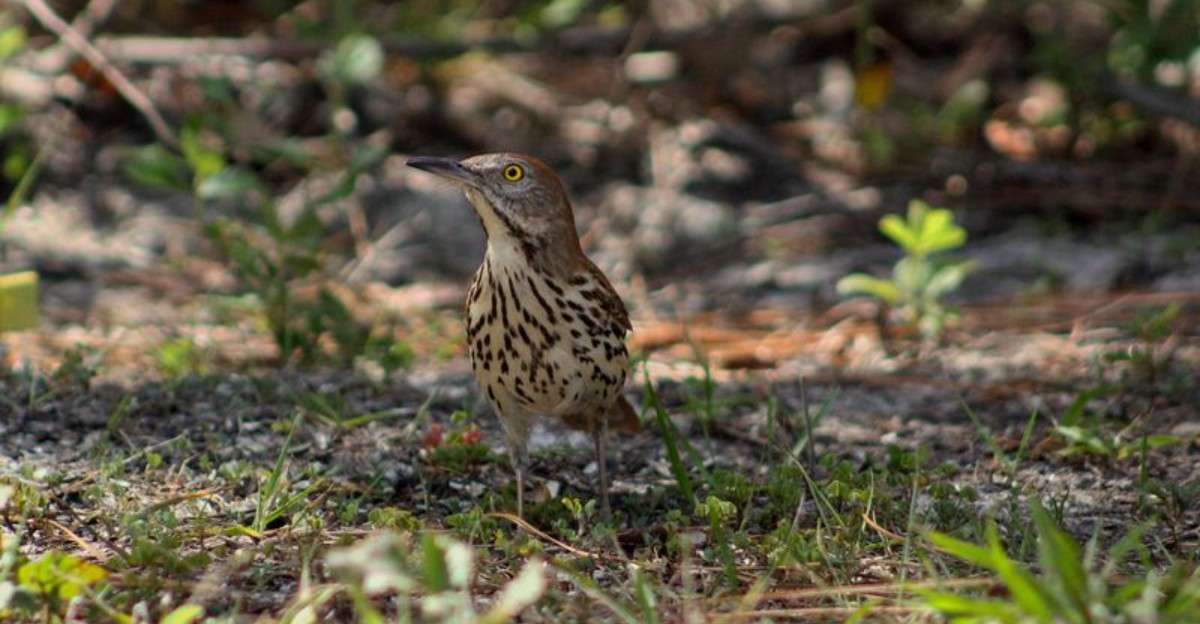
Fall leaves scattered across your flower beds might not be the wind’s doing, especially when a brown bird keeps hopping through the same spot.
Georgia’s state bird, the brown thrasher, has a habit of tossing leaves aside while searching for food. Its long bill helps it investigate the ground beneath fallen foliage.
What looks like messy behavior is actually part of its normal feeding routine.
Brown thrashers search through leaf litter for insects and other small creatures hiding underneath. You may hear the rustling before you spot the bird itself.
Leaving some fallen leaves beneath shrubs can provide useful foraging habitat for these backyard visitors.
Instead of clearing every corner, consider keeping a few natural areas undisturbed. That scattered foliage can support the food sources brown thrashers rely on during fall.
1. Brown Thrashers Spend Much Of Their Time On The Ground
Look low if you want to find a brown thrasher. Unlike birds that stay high in the treetops, thrashers do most of their feeding right at ground level.
You will usually see them walking or hopping under hedges, along fence lines, and near the edges of garden beds.
Their sturdy legs suit this lifestyle well. They can move quickly across leaves and soil, then dart back into cover if something startles them.
Here in Georgia, thrashers stay year-round, so your yard may host the same kind of bird in every season.
In spring, males often sing from a high perch, which is the time people notice them most. Once breeding season ends, they tend to get quieter and spend even more of their day in the brush.
That shift can make it seem like the birds have left in fall. In reality, they are often still nearby, working the ground under thick plants where they are hard to spot.
A good trick is to watch the shady edges of your yard in the early morning. Birds are often active then, and a thrasher may step out briefly before slipping back under a bush.
Patience helps a lot, since these birds are shy and do not like open lawns for long.
2. Tossing Leaves Helps Them Uncover Hidden Food
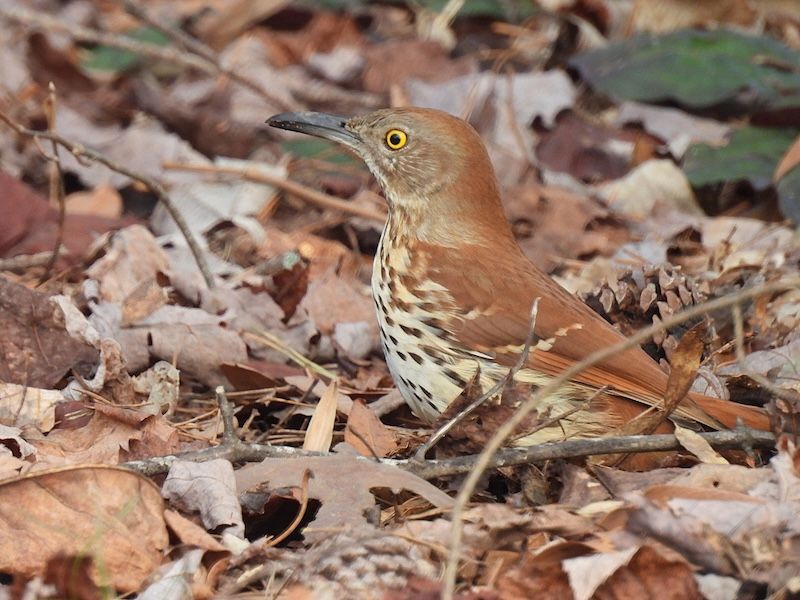
Flying leaves are a sign of a bird at work, not a bird making trouble. A thrasher sweeps its bill from side to side through the leaf layer, tossing pieces out of the way.
Under those leaves is a world of small food that stays out of sight from above.
By flipping the cover aside, the bird exposes insects, larvae, and other critters that were resting or feeding in the damp layer. Some thrashers also dig a little into loose soil after the leaves are moved.
Autumn is a busy feeding time in Georgia, as birds build up energy before cooler weather sets in.
Fallen leaves pile up quickly in many yards, and that fresh layer gives thrashers plenty of places to search. You may notice small cleared patches under shrubs where a bird has been feeding.
Your Georgia Garden Changes Every Week. Your Plan Should Too.
Gardening in Georgia changes quickly throughout the season. Every Friday you’ll receive a simple weekly plan showing exactly what to plant, prune, fertilize, harvest, and protect so you never miss the right timing.
Thrashers are not limited to bugs, though. They also eat berries, seeds, and nuts, and plant foods can make up a larger part of their diet in fall and winter.
So when a thrasher scatters leaves across your mulch or walkway, it is simply looking for a meal.
A quick sweep with a broom fixes the mess, and the bird gets fed along the way.
3. Their Long Bills Are Built For Raking Through Leaf Litter
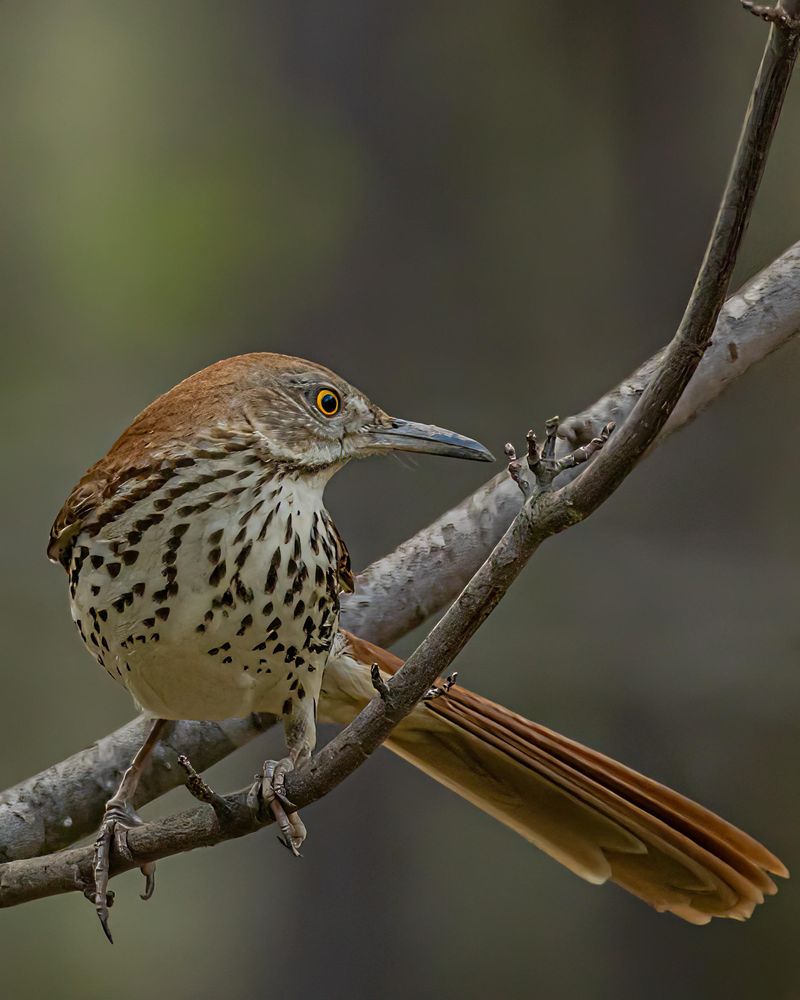
Picture a garden rake attached to a bird’s face. That is close to how a brown thrasher’s bill works on the ground.
The bill is long and slightly curved downward, which makes it handy for sweeping and probing.
Instead of pecking straight down like a sparrow, a thrasher swipes sideways through leaves. Each swipe moves debris and reveals what is hiding below.
That curved shape also helps the bird poke into soft soil and cracks where insects may be tucked away.
Watch closely, and you may see a thrasher swipe, pause, and stare at the cleared spot. The pause gives it time to spot movement before it grabs a beetle or grub.
Other birds in Georgia forage in leaves too, including towhees, which often scratch backward with both feet.
Thrashers mainly use their bills for this job, so the motion looks different. Learning that difference can help you tell the two birds apart from a distance.
Their bill also handles berries and small seeds well, which helps when insects are harder to find later in the year.
A quiet window seat and a pair of binoculars are all you need to enjoy this skill up close. Try watching the bill movements for a minute or two during your morning coffee.
4. Beetles Spiders And Other Invertebrates Hide Under The Leaves
Lift a handful of damp leaves, and you will likely find a busy little neighborhood. Beetles, spiders, pill bugs, millipedes, and caterpillars often shelter in that layer.
Leaf litter holds moisture and offers cover, which makes it a comfortable home for small creatures.
Some feed on rotting leaves, while others hunt the plant eaters. Earthworms may also come close to the surface where leaves meet soil.
Brown thrashers eat many of these animals, especially beetles and other insects.
In Georgia, warm spells in fall and even in winter can keep some invertebrates moving around. Activity changes with temperature and rain, so the food supply under leaves can rise and fall from week to week.
That is one reason a thrasher may revisit the same shrub bed many times.
Gardeners sometimes worry that leaves attract only pests. While a few plant pests may overwinter there, the leaf layer also shelters helpful hunters like ground beetles and spiders.
Heavy use of insecticides can reduce these food sources for birds. If you treat a problem, try to target only the plants involved rather than spraying broad areas.
Checking with your local county Extension office can help you choose methods that fit your situation.
5. Dense Shrubs Give Thrashers Cover While They Forage
Open lawns feel risky to a thrasher. Hawks, house cats, and other predators can spot a bird quickly in wide, bare spaces.
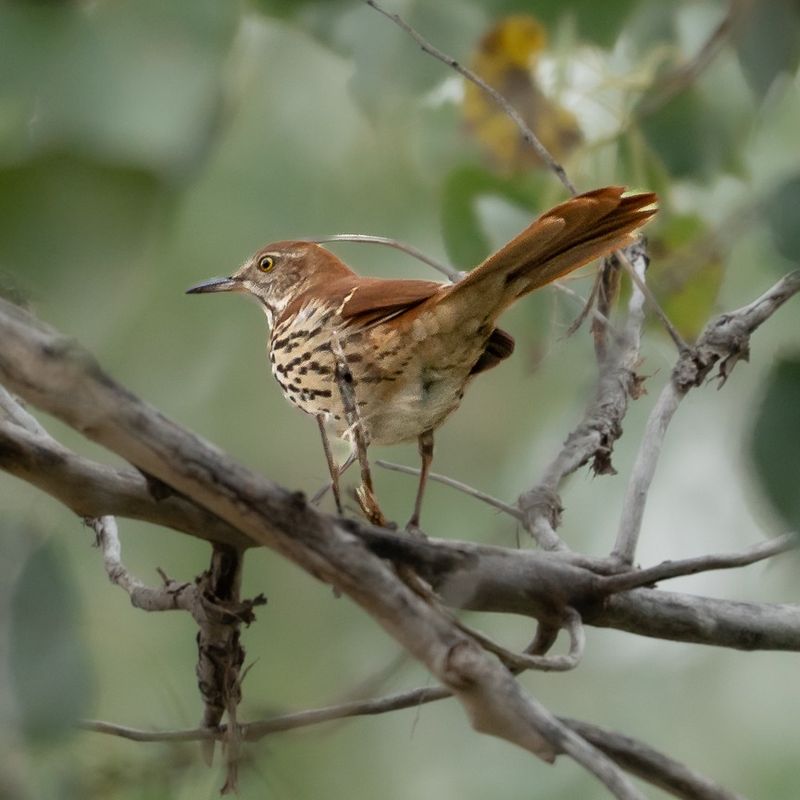
Thick shrubs solve that problem by offering a safe place to feed close to cover.
Thrashers often stay under or right beside dense plants while they rake through leaves. If danger appears, they can duck into branches in a moment.
Tangled thickets, hedgerows, and brushy edges are classic thrasher habitat.
Native shrubs can do double duty in a Georgia yard. Plants like American beautyberry, yaupon holly, and wax myrtle may provide both shelter and berries, depending on the plant and growing conditions.
Leaves that collect beneath these shrubs create a natural feeding zone.
You do not need a wild jungle to help. Even a small cluster of shrubs in a corner can give thrashers a reason to visit.
Choose plants suited to your area, since conditions differ between the mountains, Piedmont, and coastal plain. Your local nursery or Extension office can suggest options that match your soil and sunlight.
Try to avoid shearing every shrub into a tight shape, as looser growth near the ground usually offers better cover for birds.
6. Leaving Some Leaf Litter Gives Them More Places To Search
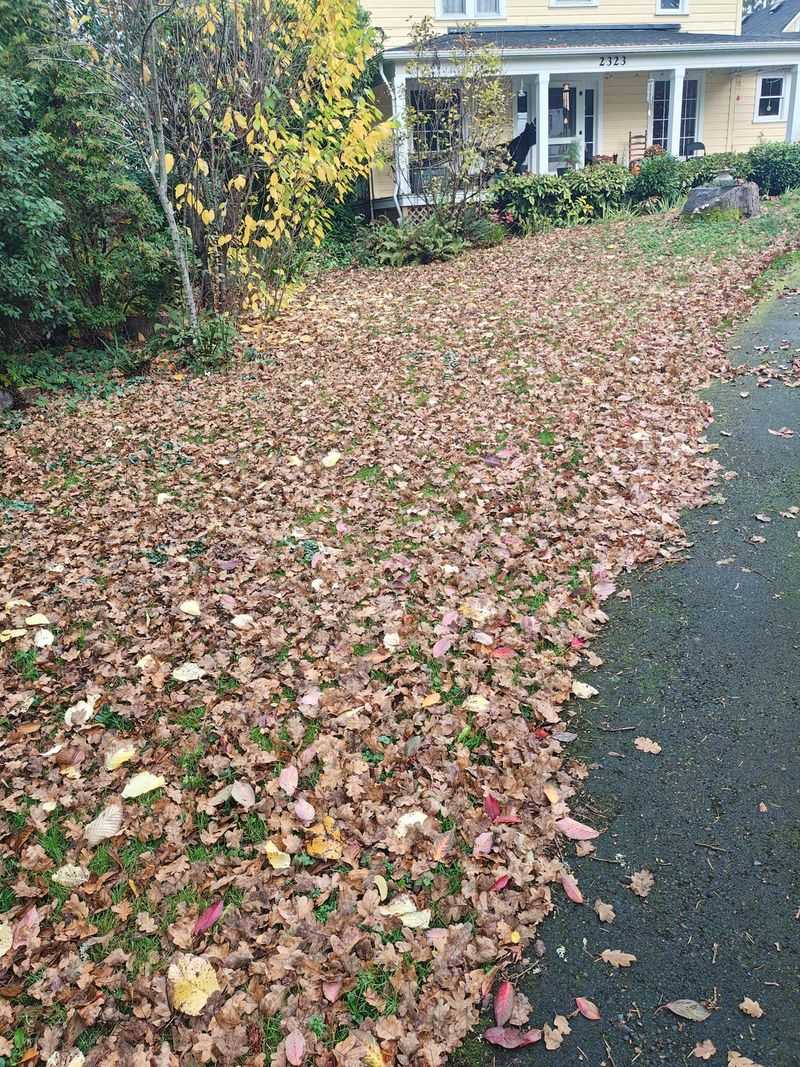
Raking every last leaf is not the only option. You can keep a tidy yard and still leave room for thrashers to feed.
One simple approach is to rake leaves off the lawn and move them into shrub beds.
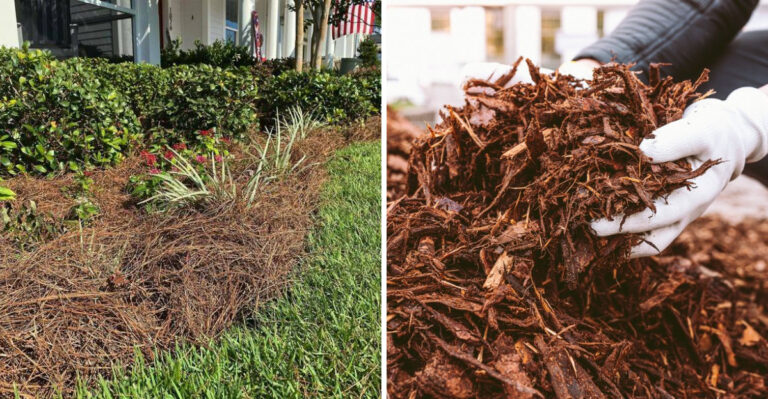
Thick mats of leaves can smother grass, so clearing the lawn still makes sense. Under shrubs and around trees, a loose layer can act like mulch and provide foraging spots.
Shredding leaves with a mower can help them break down faster in beds.
Across Georgia, leaves fall at different times, and the timing can shift from year to year. That means you may need to adjust your cleanup a few times through late fall.
Keep leaves pulled back slightly from house foundations and walkways. Damp piles against siding or on paths can cause slips and other problems.
You can also keep a small brush pile in a back corner if space allows.
Results vary from yard to yard, and leaving leaves does not promise a thrasher visit. Still, more natural cover and food can make your space more inviting to ground-feeding birds.
Check any local HOA or city rules before changing your yard routine.
7. Listen For Rustling Leaves Before Looking For The Bird
Your ears may find a thrasher before your eyes do. In fall, a loud, steady rustle under a bush is often the first clue.
Squirrels make noise in leaves too, so it helps to listen closely to the rhythm.
Thrashers tend to create quick, sweeping bursts of sound, followed by short pauses. Squirrels usually make more scattered noise and often hop into view sooner.
Once you hear rustling, stay still and scan the base of nearby shrubs.
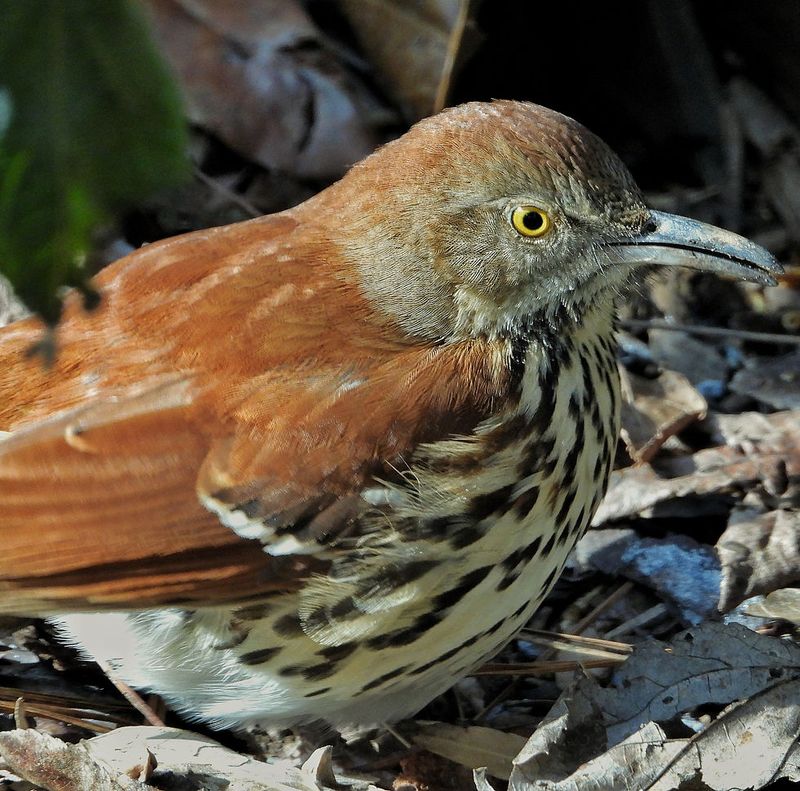
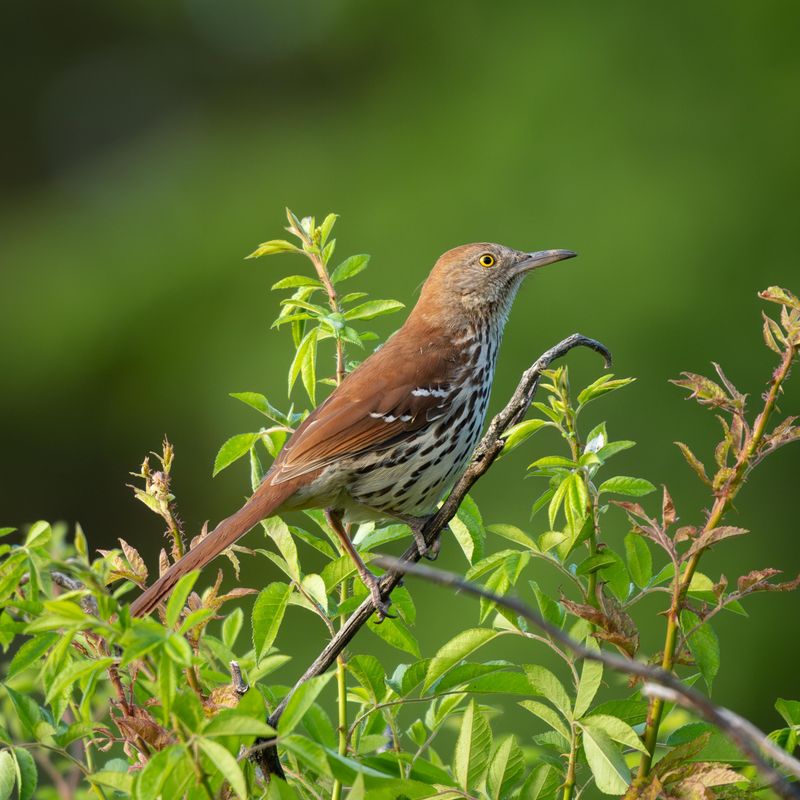
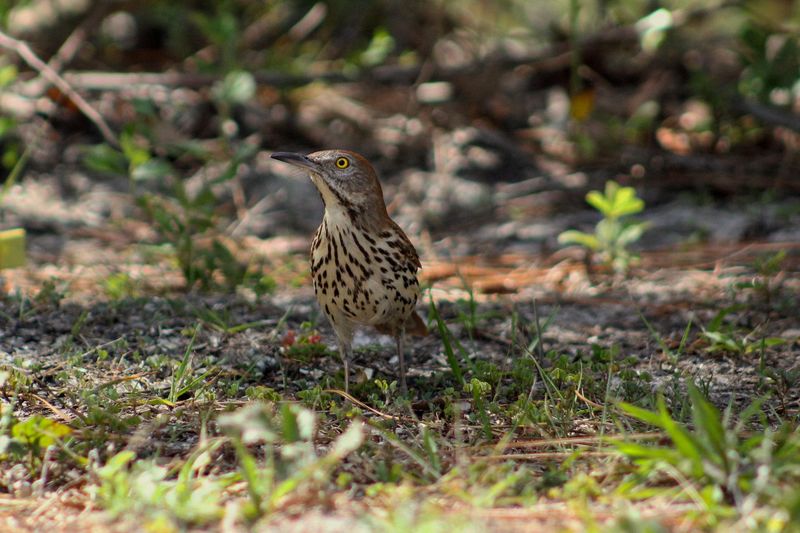
Look for a long tail, a warm reddish-brown back, and a streaked chest. A bright yellow eye can stand out if the bird turns toward you.
Thrashers also make a sharp smacking call note when they feel alarmed.
Birders around Georgia often use sound to track shy species in thick cover. Free apps and online bird call libraries can help you learn the thrasher’s calls and its long, repeating spring song.
Move slowly if you want a closer look, since quick steps may send the bird deeper into the brush.
Sitting near a window or on a porch works well. Over time, you may learn which corners of your yard your local thrasher likes best, and the leaf tossing will feel more like a welcome visit than a mess.