What Remnants Of A Pacific Tropical Storm Can Do To A California Garden
Autumn in California usually means dry weather, which makes a sudden tropical downpour all the more surprising.
Moisture drifting north from the eastern Pacific can arrive with little warning, sometimes in places that rarely see rain that time of year.
Months of sun leave soil in a state that handles sudden water poorly, and the hours and days after the rain bring challenges of their own.
Coastal yards, inland valleys, and desert gardens may each experience a very different storm, yet certain problems appear again and again.
Most of them can be eased with simple steps taken before and soon after the clouds roll through.
A little readiness turns an unusual fall storm into a manageable event rather than a garden setback.
1. Sudden Heavy Rain Overwhelms Dry Soil
Water poured onto a dry clay pot beads up and rolls right off, and garden soil after a long California summer behaves much the same way. Months of heat and sun bake the surface into a hard crust.
Tropical storm remnants can drop plenty of rain in a short time. The National Weather Service notes that these downpours often arrive in intense bursts, and hard, compacted ground simply can’t absorb water that fast.
Instead of sinking toward the roots, much of the water sheets across the surface toward the lowest spot.
Clay soils, common across much of California, struggle most, since their tiny particles pack tightly and let water in slowly.
Some dry soils even repel water at first, a trait known as water repellency, so a garden can look soaked on top while staying dry a few inches down.
Several steps help the ground take in more rain. A layer of mulch about two to four inches deep over bare soil softens the impact of raindrops and slows water down, while compost added over time builds soil that absorbs water like a sponge.
In fire-prone areas, wood mulch belongs beyond the first five feet of the house.
After the storm, a trowel pushed into the soil shows how deep moisture actually traveled. Deep-rooted plants may still need water, since a rainy day doesn’t always mean a watered garden.
2. Runoff Erodes Slopes And Beds
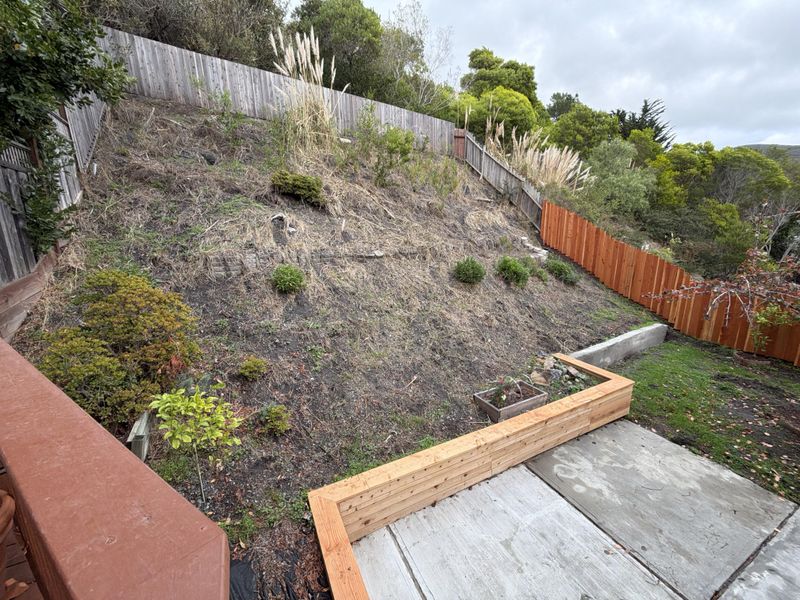
Tiny grooves in the dirt often offer the first clue. After a heavy storm, little channels may snake down a hillside bed, with mulch piled at the bottom like a beach after high tide, and those grooves can deepen into gullies by the next storm.
Erosion happens when moving water picks up soil and carries it away. Fast runoff from hard, dry ground has plenty of power, and bare slopes, freshly dug beds, and burned areas face the highest risk.
UC ANR points out that topsoil, the richest layer for plant growth, usually goes first.
Washouts can expose roots, bury low plants under mud, and undermine paths and retaining walls. Soil leaving the yard can also clog storm drains and muddy local creeks.
Covering bare ground makes the first defense. Mulch on slopes, or jute netting and straw wattles on steeper spots, holds soil in place, with wattles, long straw tubes laid across a slope, slowing water like small speed bumps.
Your California Garden Changes Every Week. Your Plan Should Too.
Gardening in California changes quickly throughout the season. Every Friday you’ll receive a simple weekly plan showing exactly what to plant, prune, fertilize, harvest, and protect so you never miss the right timing.
Deep-rooted groundcovers and native shrubs give soil a living net that grips year after year.
Guiding water helps as well. Shallow swales, rock-lined channels, and downspout extensions keep runoff from rushing straight down a bed.
After the storm, raking washed mulch back into place and gently covering exposed roots with soil restores the bed. Areas near recent wildfire burn scars deserve extra caution, since debris flows can follow intense rain.
3. Flooded Roots Lose Oxygen
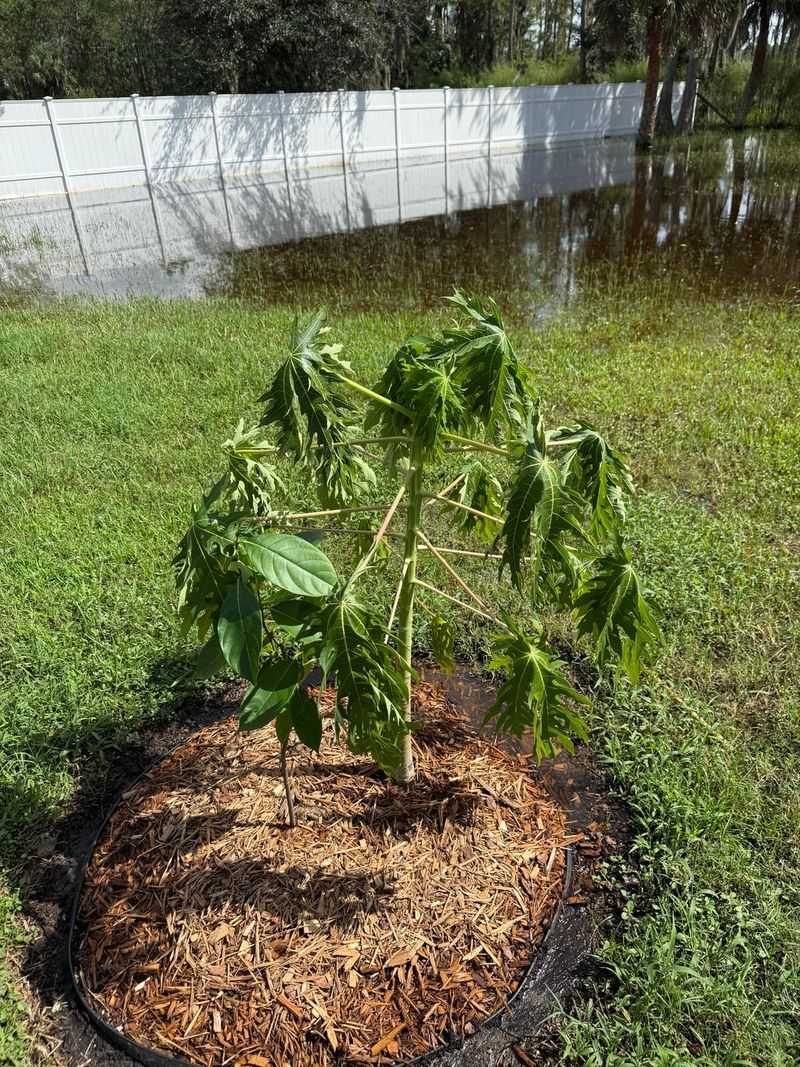
Air matters underground as much as above it. Leaves get credit for most of a plant’s air exchange, yet roots take in oxygen from tiny air pockets in the soil, and filling those pockets with water for too long leaves roots struggling.
Low spots in a yard, heavy clay beds, and containers without good drainage collect water fast during a tropical downpour. UC ANR explains that many plants can handle a short soak, while trouble grows when soil stays saturated for days.
Damaged roots can’t pull up water or nutrients, so a plant may wilt even while standing in a puddle.
Yellowing leaves, sudden wilting, and a sour smell from the soil all signal trouble. Wet, low-oxygen conditions also favor root rot organisms such as Phytophthora.
Citrus, avocado, lavender, rosemary, and many drought-tolerant natives are especially sensitive to soggy conditions.
Helping water drain away quickly makes a real difference. Clearing blocked drain holes in pots and tipping containers lets extra water escape, and a shallow trench can lead standing water away from trees when it’s safe to dig.
Staying off wet soil matters too, since walking on it squeezes out even more air.
Watering waits until the top few inches dry out, and automatic sprinklers deserve a pause until then. For the long run, sensitive species do best on raised beds or small mounds, and improving drainage now spares plenty of trouble during future storms.
4. High Humidity Fuels Fungal Disease
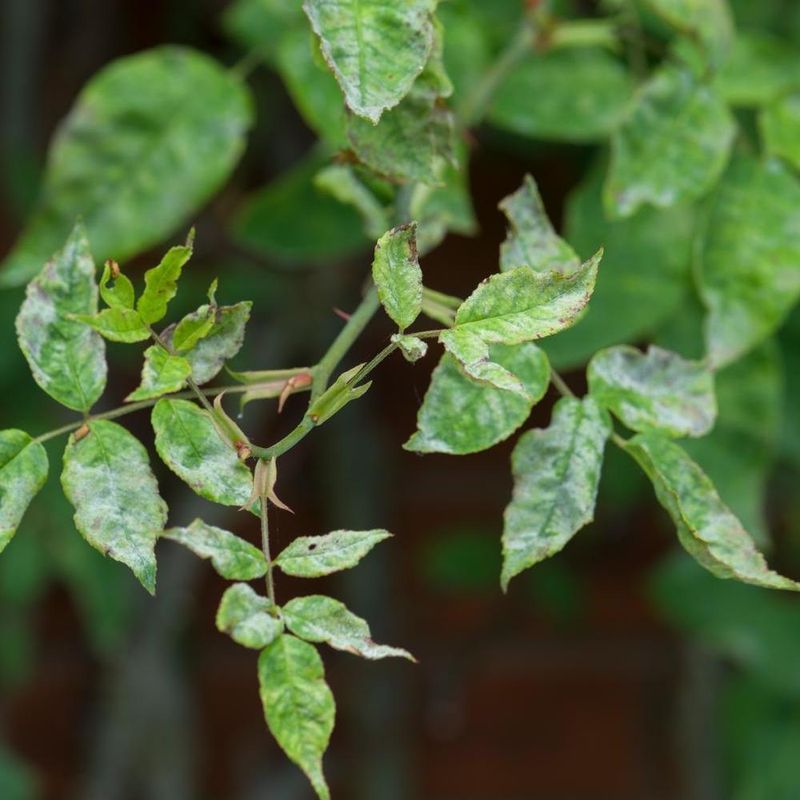
Sticky, muggy air after a tropical storm can feel more like Florida than Fresno, and plants notice it too. Warm temperatures combined with wet leaves create ideal conditions for fungus.
Most fungal spores need moisture on a leaf surface to sprout and spread. California gardens usually dodge many leaf diseases thanks to dry summers, yet tropical moisture changes that for a while.
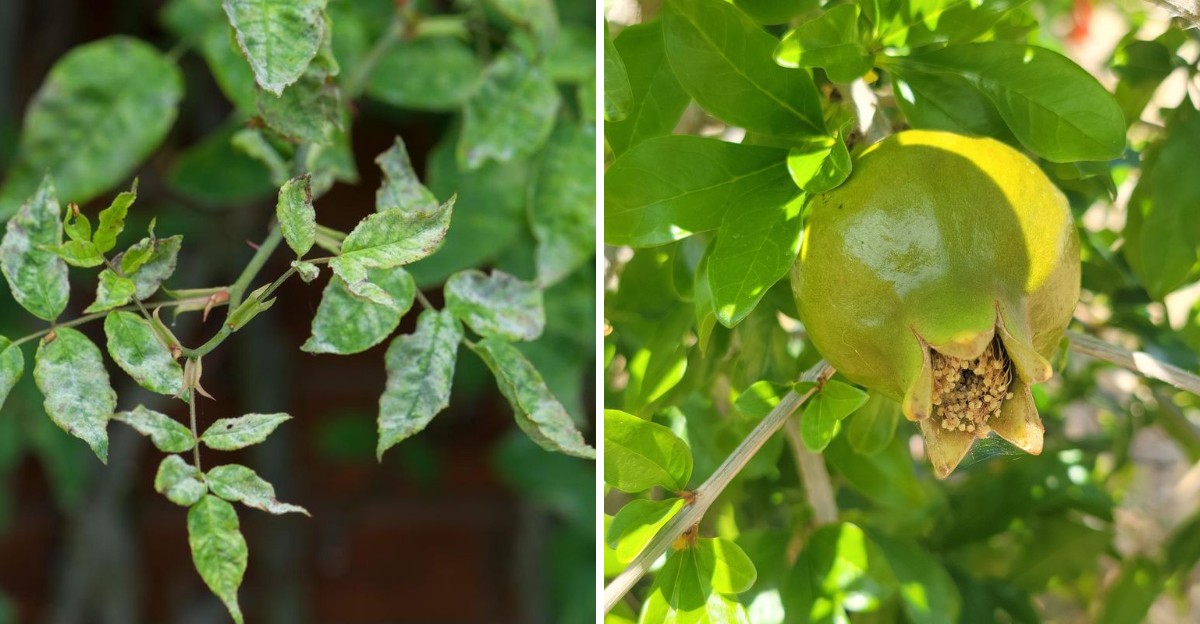
UC ANR lists rust, black spot on roses, leaf spots, and fruit rots among the problems that can flare up after warm, wet spells, while powdery mildew favors the humid air that lingers afterward.
Crowded plants suffer most, since leaves stay damp longer when air can’t move. Fruit resting on wet soil can rot quickly as well.
Pruning for airflow ranks among the best defenses. Thinning dense growth lets breezes pass through and dry the leaves, and picking up fallen leaves and fruit removes spores that could carry into the next season.
Diseased material belongs in the green waste bin rather than the compost pile, unless the compost heats up thoroughly.
Watering at the base of plants rather than over the leaves, ideally in the morning, keeps foliage drier. Tools used on infected plants benefit from a wipe with household disinfectant before moving on.
Over the following week or two, a close look for spots, fuzzy growth, or powdery patches pays off. Removing infected leaves early keeps a small problem from spreading, and disease-resistant varieties make future seasons easier.
5. Gusty Winds Snap Branches
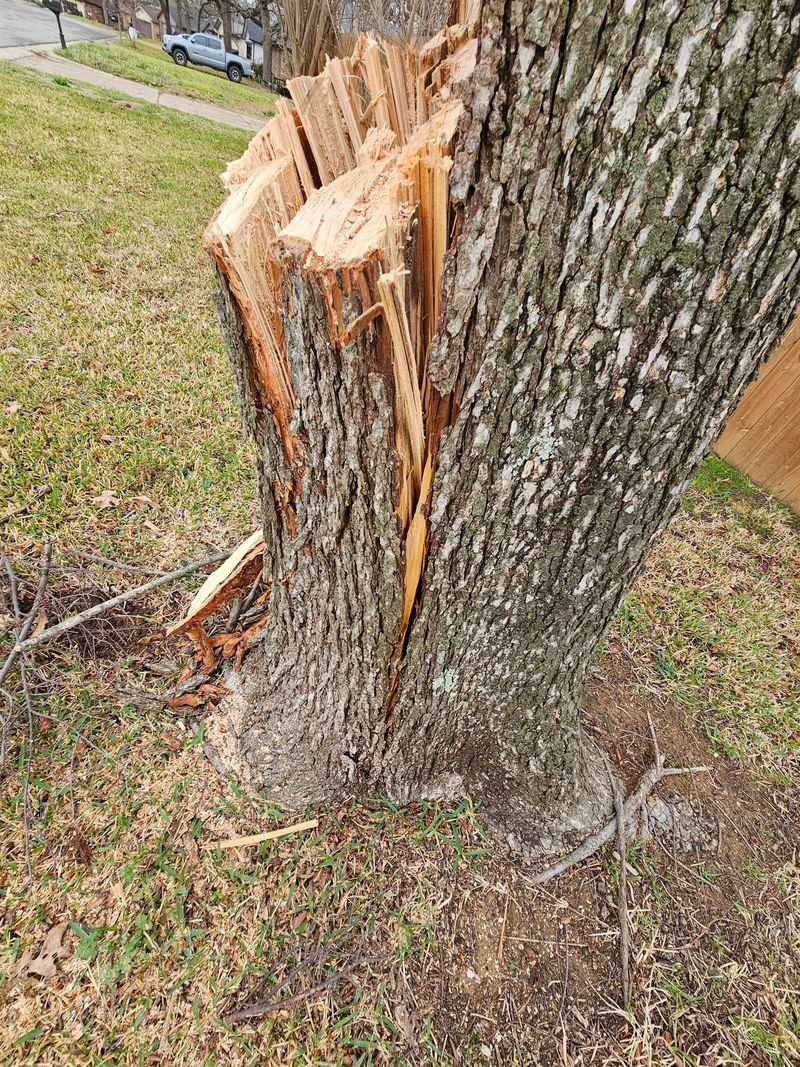
A loud crack in the middle of the night usually means a branch somewhere in the yard has given way. Tropical storm remnants often bring thunderstorms, and the National Weather Service warns these can produce sudden, strong gusts.
Wet leaves add weight, and soggy soil loosens the grip roots hold on the ground, making trees and tall shrubs easier to topple or tear. Fast-growing trees, branches with narrow crotches, and limbs already weakened by drought or pests tend to break first.
Heavy fruit loads can add even more strain.
Safety comes first after any windstorm. Hanging limbs deserve a wide berth, downed power lines call for distance and an immediate call to the utility, and large trees or branches near the house belong with a certified arborist.
Smaller damage often stays within reach of a homeowner. Broken branches can be pruned back to a healthy side branch or to the collar, the slightly swollen ring where a branch meets the trunk.
UC ANR advises clean cuts without wound paint, since trees seal wounds on their own, and topping is best avoided because it produces weak regrowth. Wiping pruning tools with household disinfectant between trees limits disease spread.
Young trees that tilted benefit from re-staking with loose ties that let the trunk sway slightly, and vegetable cages and trellises deserve a check too.
Before the next storm season, removing weak limbs ahead of time can prevent a great deal of damage.
6. Mud And Debris Clog Drains
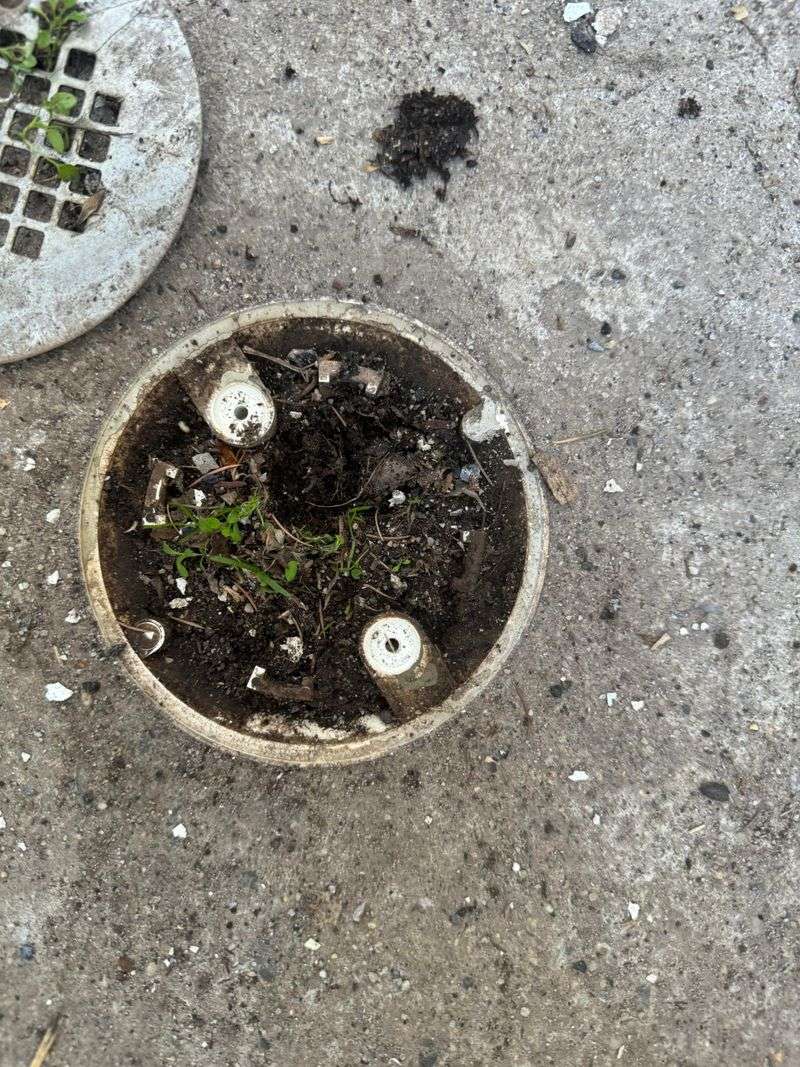
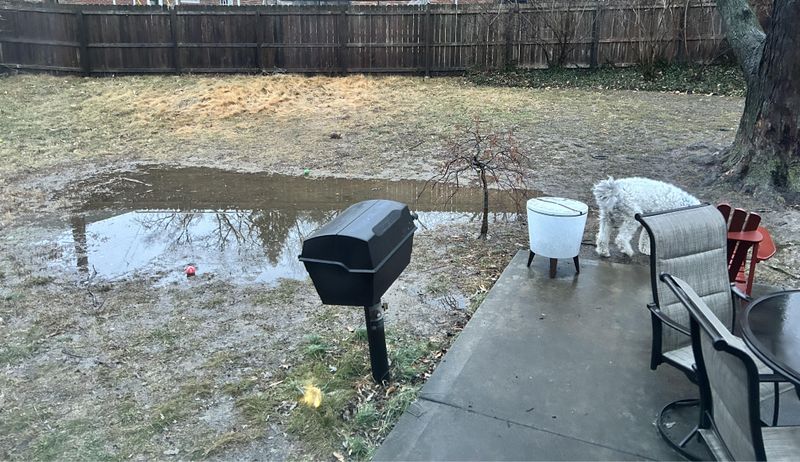
A muddy pond spreading across the patio and inching toward the back door often traces back to a single cause, a drain hidden beneath a mat of leaves and silt.
Heavy tropical rain picks up everything loose in its path. Soil, bark mulch, dry leaves, and small twigs all wash toward drains, gutters, and downspouts, and in fall, many California yards are carpeted with debris from a long dry season.
Once a drain plugs, water backs up, puddles grow, and ponding can soak foundations or waterlog nearby plants.
Gutters overflow the same way. Water spilling over the edge pounds the soil below, digging holes and splashing mud onto walls and plants, while downspouts clogged at the bottom can dump water right against the house.
Cleaning gutters and yard drains before the rainy season, and again after any big storm, prevents most trouble. Gloves and a small trowel help scoop out debris, and a garden hose can flush lines once the grate is clear.
Splash blocks or extensions send downspout water at least a few feet from the house and away from sensitive plants.
Keeping mulch from piling around drain openings helps, along with heavier mulches such as wood chips on slopes.
Community storm drains matter too. Raking leaves away from curbside inlets lets street water flow and keeps trash out of creeks and the ocean, though standing in the street to clear drains during heavy rain or traffic is best avoided.
7. Fruit Splits After A Dry Spell Then Rain
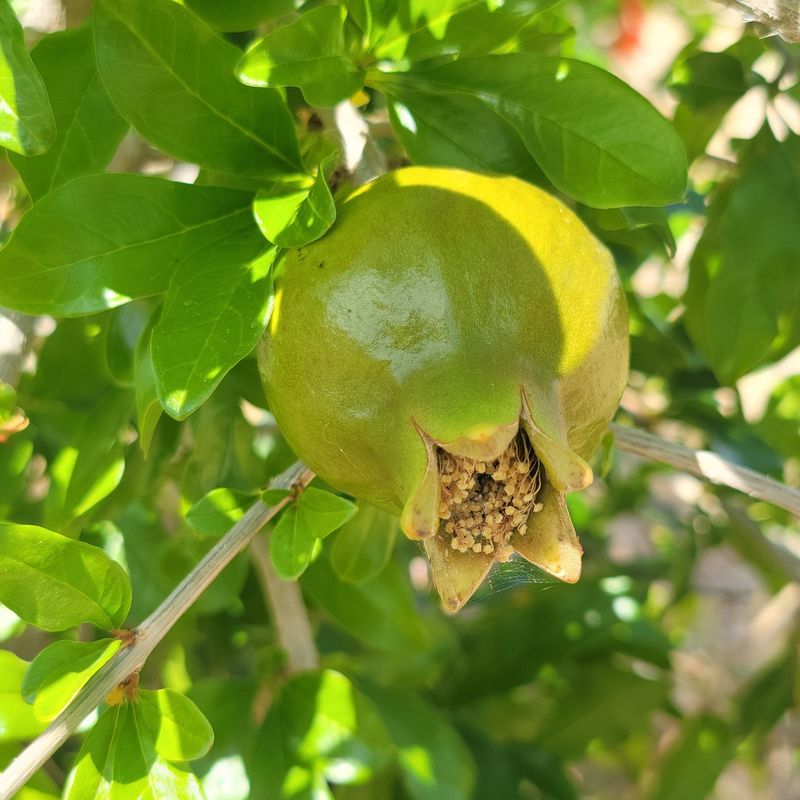
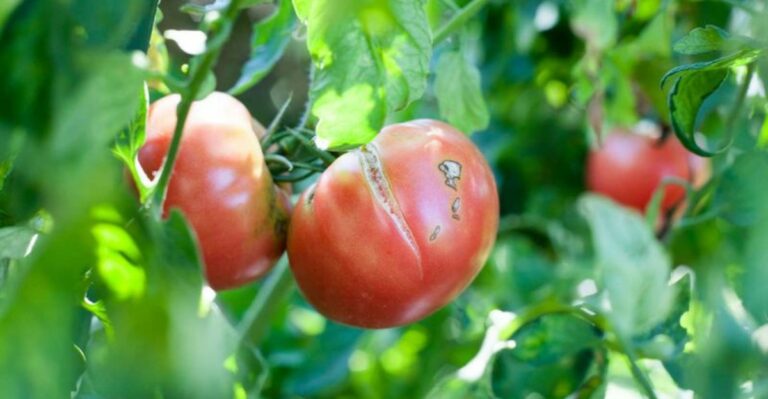
Tomatoes that looked flawless one day can show deep cracks running down their sides the next. Sudden rain after a long dry stretch is a classic recipe for split fruit.
Plants running a little thirsty absorb water quickly once rain arrives, and the inside of the fruit swells faster than the skin can stretch, so the skin bursts. UC ANR describes this cracking in tomatoes, pomegranates, cherries, figs, and citrus.
Pomegranates ripening in fall face particular risk, since tropical storm remnants often arrive right around harvest time.
Cracked fruit isn’t ruined, though it doesn’t keep long. Openings let in fungi, bacteria, and fruit flies, so split fruit is best eaten or cooked soon after picking, with any moldy or sour portions cut away.
Badly split or souring fruit belongs in the green waste bin, since it draws yellowjackets and rats.
The forecast offers useful lead time. When tropical moisture heads toward the area, picking fruit that’s ripe or nearly ripe protects much of the crop.
Tomatoes picked at the first blush of color finish ripening indoors on the counter. Pomegranates, by contrast, should be close to full color before harvest, since they don’t keep ripening once picked.
Steady watering offers the best long-term defense. Deep, regular irrigation and a good layer of mulch keep soil moisture even, so plants are less likely to gulp water suddenly.
Some tomato varieties are bred to resist cracking, making them a smart choice for future seasons.