Why Some California Cities Ban Plants Their Neighboring Cities Still Allow
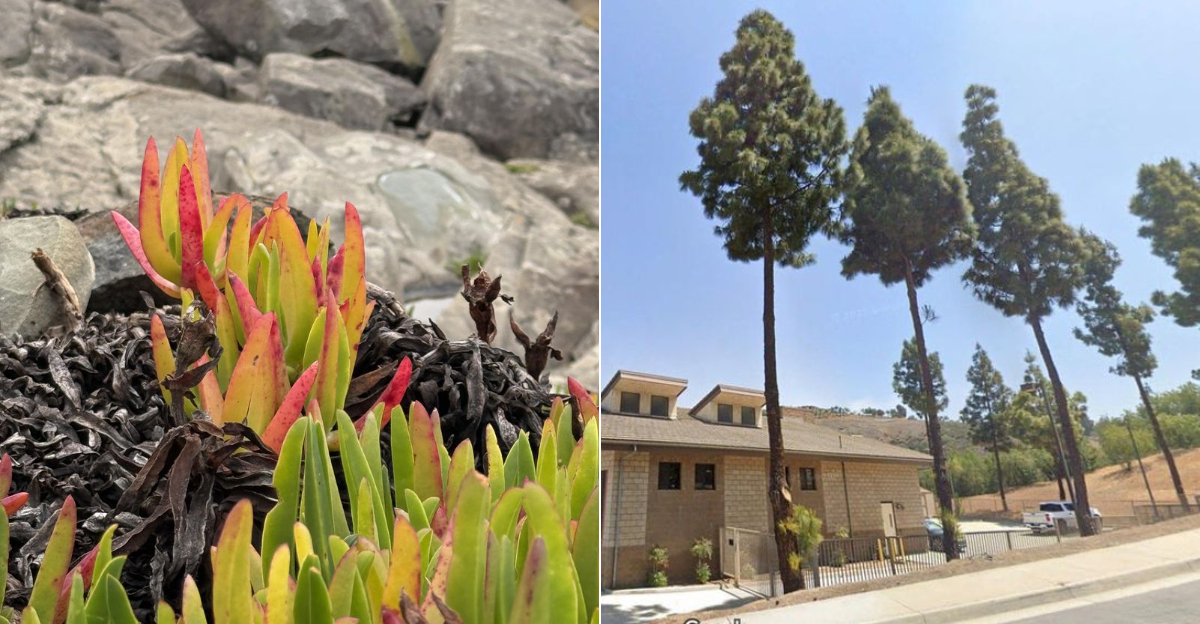
Cross a city line in California, and the landscaping rules can suddenly change with almost no warning.
A plant that is perfectly acceptable in one neighborhood may raise eyebrows just a few miles away, leaving gardeners wondering how the same shrub, tree, or groundcover can get such different treatment.
Local rules often reflect priorities that are specific to a community, which means nearby cities do not always agree on what belongs in a yard.
Climate, fire concerns, water use, invasive growth, and neighborhood standards can all shape those decisions in different ways.
The result can feel surprisingly inconsistent. One nursery may happily sell a plant that another city would rather not see planted at all. Nothing spices up a garden plan quite like municipal fine print.
Understanding those differences matters most when you are adding something new, replacing old landscaping, or moving between nearby communities.
California may share one state border, but local plant rules can tell a very different story once you zoom in.
Fire Rules Can Change From City To City
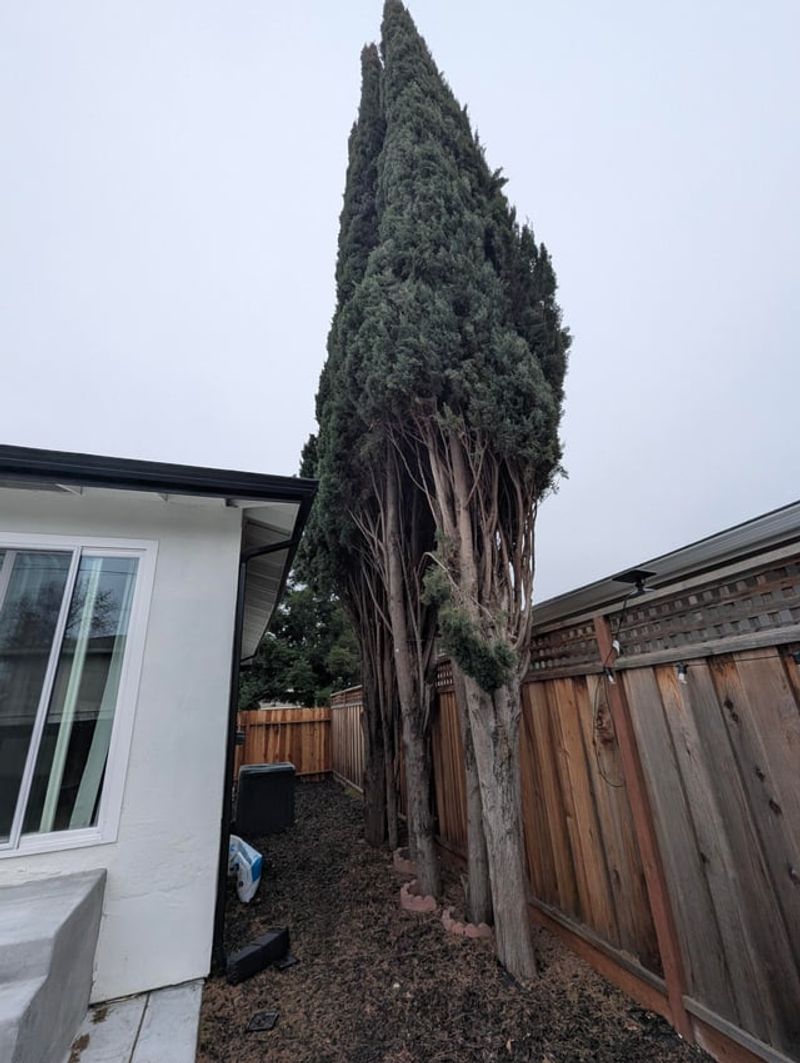
Fire safety is serious business in California, and not every city handles it the same way. Some cities sit in areas that state fire maps label as high-risk zones. Others sit just outside those boundaries and face far fewer restrictions.
When a city is classified as a High Fire Hazard Severity Zone, local officials often step in with strict rules about what plants are allowed near homes. Highly flammable plants like ornamental grasses and certain shrubs may be banned outright.
A neighboring city with lower fire risk might welcome those same plants without a second thought.
Cities also update their fire codes at different times. One city may have adopted new rules after a recent wildfire, while a nearby town has not yet revised its guidelines. That lag in updates creates real differences between neighbors.
Local fire departments sometimes work with city councils to create specific plant lists. These lists tell residents which plants are safe and which ones are not allowed near structures.
Your city may have one of these lists posted online through the fire department’s website.
Before planting anything new, check with your local fire department or city planning office. A quick phone call can prevent a lot of trouble.
Rules that seem unfair often exist because of real events that happened nearby, and knowing that backstory helps everything make a lot more sense.
One Town May Ban A Plant The Next Town Allows
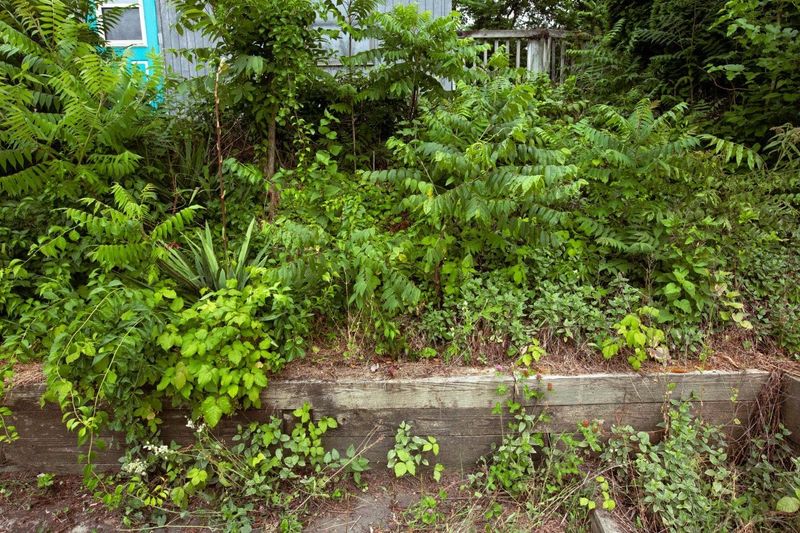
It can feel really confusing when you drive five minutes and suddenly the rules change completely.
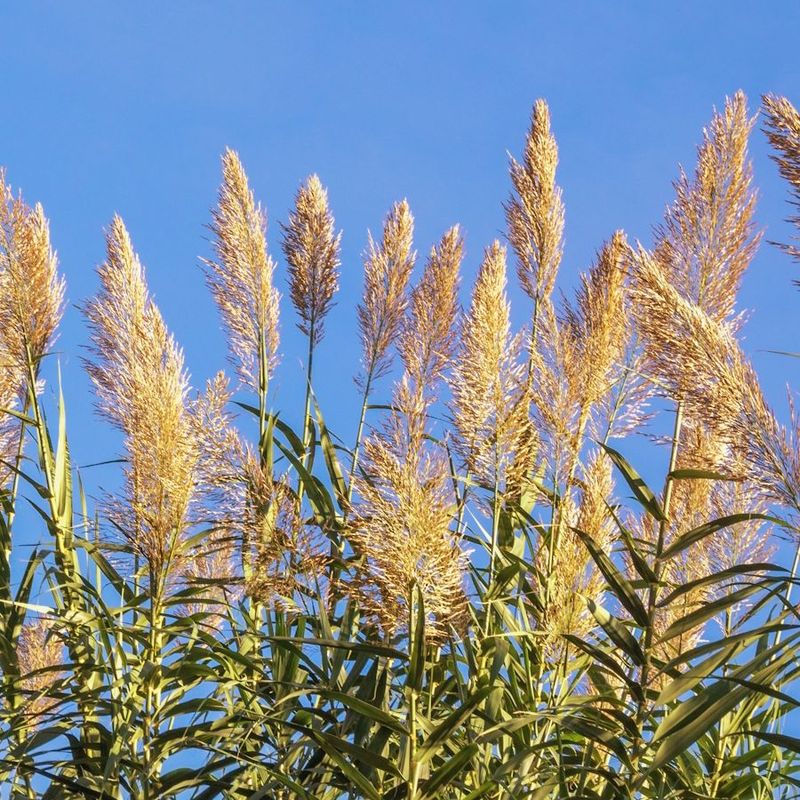
One town might allow pampas grass in front yards while the town right next door has banned it entirely. Both cities may even share the same zip code.
Local governments have the power to make their own plant ordinances. These are official rules written into city law.
Because each city council votes on its own set of rules, what is legal in one place may not be legal somewhere else.
A big reason for this is that cities respond to different local problems. If one town had a bad experience with a specific plant spreading into parks or clogging storm drains, they may have banned it quickly.
Your California Garden Changes Every Week. Your Plan Should Too.
Gardening in California changes quickly throughout the season. Every Friday you’ll receive a simple weekly plan showing exactly what to plant, prune, fertilize, harvest, and protect so you never miss the right timing.
A neighboring California city that did not have that problem may not have acted yet.
Sometimes the difference comes down to when a rule was written. Older ordinances may not reflect current environmental concerns.
Newer city codes often include updates based on recent research about invasive species or water use.
Homeowners sometimes get caught off guard when they move from one city to another. They assume the rules are the same everywhere.
Always look up your new city’s specific plant guidelines before bringing anything from your old yard. A plant that thrived legally at your last home might not be welcome at your new one.
Invasive Plants Are Not Treated The Same Everywhere
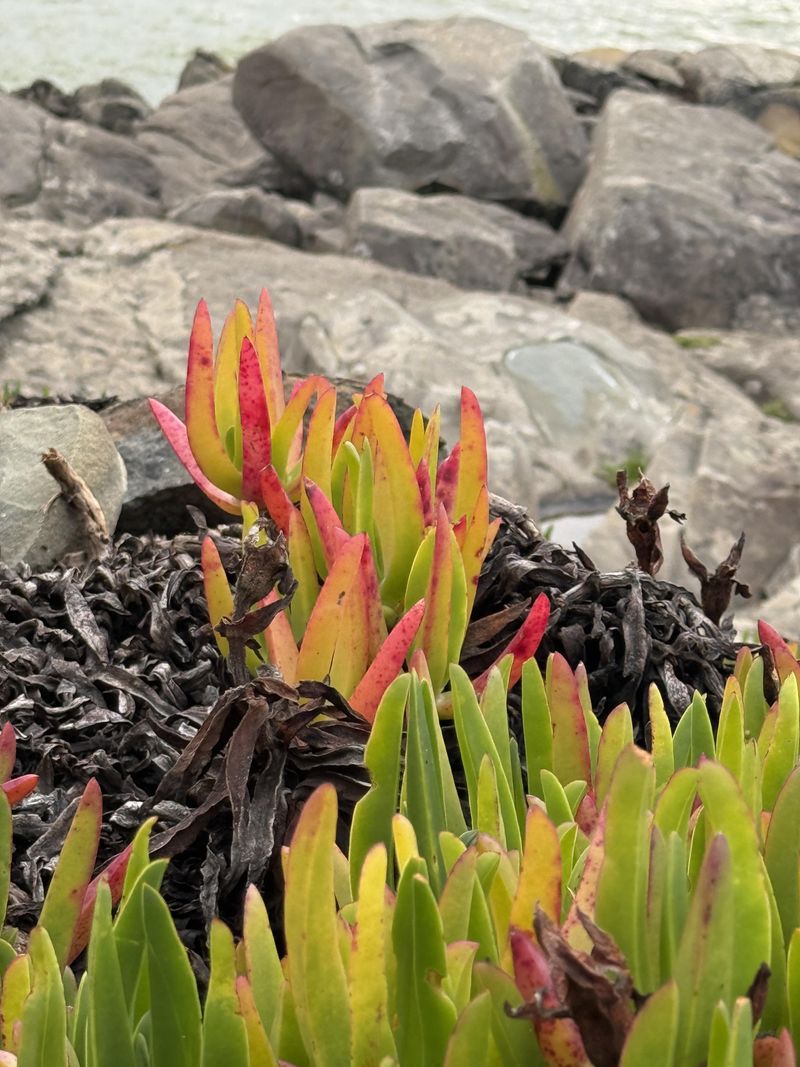
Some plants spread so fast and so aggressively that they crowd out native species. These are called invasive plants, and they can cause serious damage to local ecosystems. But not every city treats them the same way.
The state does maintain a list of invasive plants through agencies like the California Invasive Plant Council. However, cities are not always required to follow that list.
Some cities adopt stricter rules, while others stick only to what the state requires.
English ivy is a good example. Some cities have banned it because it spreads quickly and can damage trees and fences.
Just a few miles away, another city might still allow it to be sold and planted freely. Both cities may be aware of the problem, but only one has taken action so far.
Local ecosystems also play a role. A plant that causes problems near a creek or wetland may be restricted in cities close to those areas.
Cities further from sensitive habitats may not feel the same urgency to act.
Gardeners who care about the environment should research each plant before buying it. Just because a nursery sells something does not mean it is safe for your specific area.
Checking with your local parks department or a native plant society can give you a clearer picture of which plants are welcome and which ones cause trouble in your neighborhood.
Some Rules Only Apply In High Fire-Risk Areas
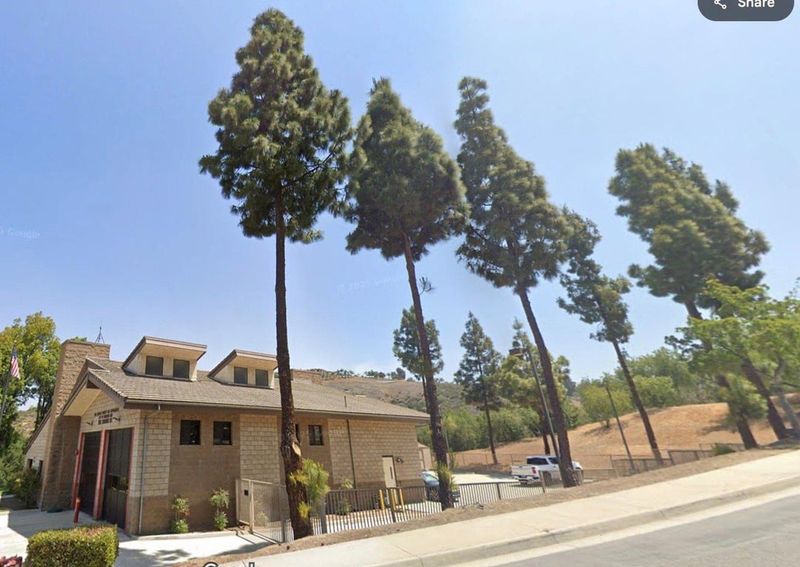
Not all of a city faces the same level of fire danger. Within a single city, certain neighborhoods may be labeled as high fire-risk while others are not.
That means plant rules can actually differ from one street to the next within the same city limits.
State law requires that properties in Very High Fire Hazard Severity Zones follow specific defensible space rules.
These rules include keeping plants trimmed, removing dry brush, and avoiding certain flammable species close to buildings.
However, homes just outside those zones are not always held to the same standard.
Juniper bushes are a well-known example. They are extremely flammable and have been linked to rapid fire spread.
Some high-risk zones have banned them near structures. In lower-risk parts of the same city, junipers may still be planted freely.
Homeowners sometimes do not realize they live in a designated fire zone until they receive a notice or try to get a permit.
It is worth checking your property’s fire hazard designation through your city or county’s online mapping tools. Many cities offer these tools for free.
Knowing your fire zone status before you landscape can save you time and money. Planting something that later needs to be removed is frustrating and expensive.
A little research upfront goes a long way toward making sure your yard stays both beautiful and compliant with local safety rules.
Local Water Rules Can Affect What You Plant
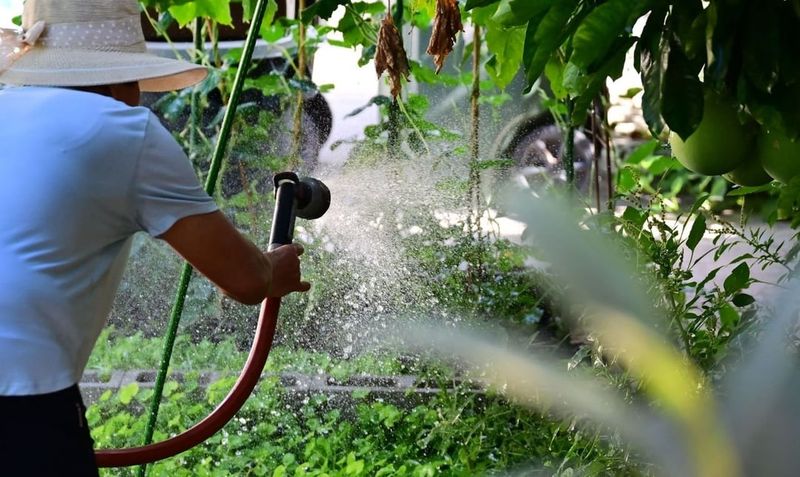
Water is one of the most valuable resources in the western United States, and California cities manage it very differently.
Some cities have adopted strict water conservation rules that directly affect what plants you are allowed to grow. Others have much looser policies.
During drought conditions, certain cities ban water-thirsty plants like turf grass in new landscaping projects. They may require homeowners to replace lawns with drought-tolerant plants.
A city just down the road might not have those rules yet, even during the same drought.
Local water districts set their own policies, and those policies do not always match up with neighboring districts.
If two cities get their water from different sources or have different storage levels, their rules can look very different from each other.
Some water districts offer rebates to homeowners who remove grass and replace it with native or drought-resistant plants. Others offer no such programs.
That difference in incentives shapes what people choose to plant, even when no formal ban exists.
Tropical plants that need a lot of water, like certain palm varieties or hibiscus, may be discouraged or even restricted in cities with tight water budgets. Checking with your local water district before landscaping is always a smart move.
Their websites often include plant guides and approved plant lists that can help you make choices that are both beautiful and water-wise.
HOA Rules Can Be Tougher Than City Rules
Even when a city allows a certain plant, your homeowners association might not. HOAs are private organizations that govern neighborhoods through their own set of rules, called CC&Rs.
These rules can be stricter than anything the city requires. An HOA might ban certain plants because they look messy, grow too tall, or drop leaves that clog gutters. Some HOAs have approved plant lists that residents must follow.
If your chosen plant is not on that list, you may need to apply for special permission before planting it.
HOA rules vary widely from one community to the next. A neighborhood in one part of town might allow cacti and succulents while another HOA in the same city bans them for aesthetic reasons.
These differences can surprise new homeowners who assumed all HOAs operate the same way.
Violating HOA plant rules can lead to fines or even legal action. Some HOAs have been known to take residents to court over landscaping disputes.
That may sound extreme, but it does happen, especially in communities with active enforcement boards.
Reading your HOA’s CC&Rs before you plant anything new is one of the smartest things you can do as a homeowner. If the rules are unclear, ask your HOA board directly.
Getting written approval before you plant protects you from disputes later and keeps your yard looking great without any unwanted surprises from your neighbors or the board.
A Nursery Can Sell Plants You Still Cannot Use Everywhere
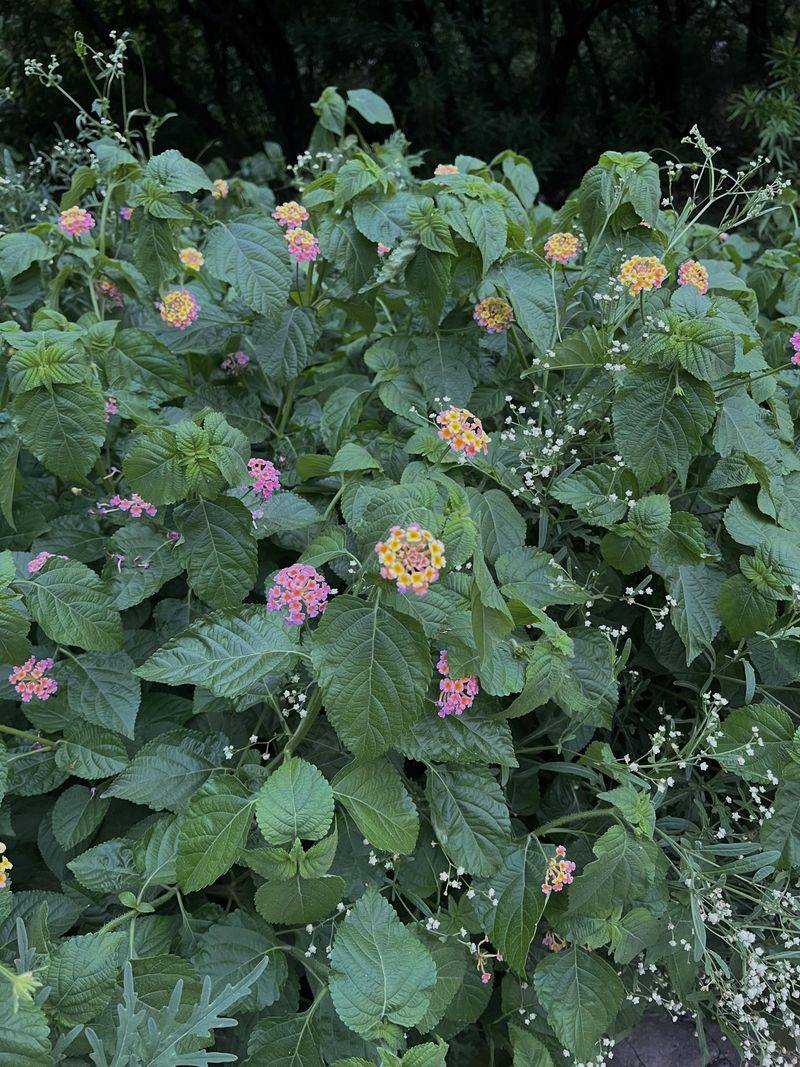
Walking through a nursery can make you think that everything on the shelves is fair game for your yard. That is not always true.
Nurseries operate under different rules than cities do, and they are allowed to sell plants that may be restricted where you live.
A nursery gets its license from the state and follows state-level agricultural rules. Those rules focus mainly on pest control and plant disease, not local landscaping ordinances.
So a nursery can legally sell a plant that your city has banned from residential use.
Fountain grass is a good example of this gap. It is sold at many nurseries across the state, but several cities have restricted it because it spreads easily into wild areas and burns quickly in fires.
A shopper who does not know the local rules might buy it and plant it without realizing the problem.
Some nurseries do post signs or include tags warning customers about local restrictions. But that is not required by law, so many nurseries do not bother.
The responsibility often falls on the homeowner to know what is and is not allowed.
A quick search of your city’s website before heading to the nursery can save you a lot of trouble. Many cities post banned or restricted plant lists online.
Some even offer free resources to help you find beautiful alternatives that are fully allowed in your neighborhood and safe for the local environment.
County Rules Can Add Even More Confusion
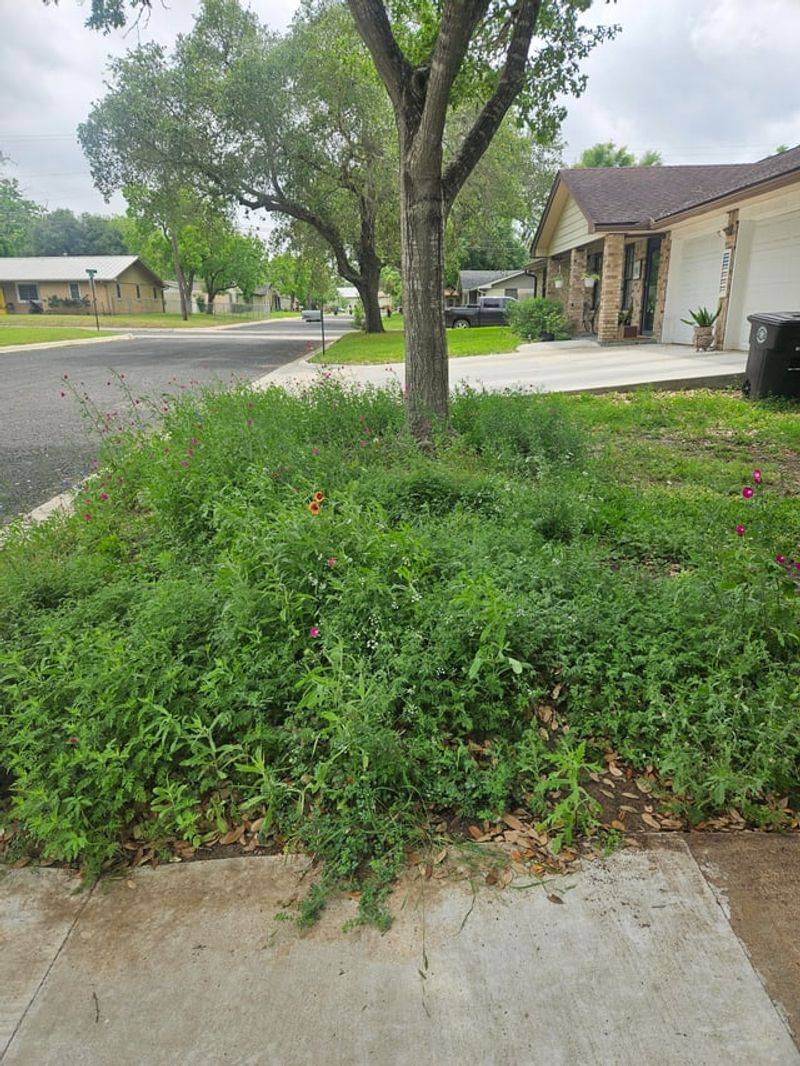
On top of city rules and HOA guidelines, county governments also have their own set of regulations.
If you live in an unincorporated area, meaning an area not inside any city limits, county rules apply to you instead of city rules. That adds another layer of complexity.
Counties often manage larger land areas that include open spaces, farms, and rural properties. Their plant rules tend to focus on agricultural concerns, weed control, and habitat protection.
A plant that is perfectly fine in a city neighborhood might be banned in a rural county zone because of its effect on farmland or native wildlife.
Stinkwort, for example, is a plant that many counties actively try to control because it spreads rapidly into grazing land and reduces its value for livestock. A city homeowner may never hear about this plant, but a rural resident in the same county could face fines for letting it grow unchecked.
California county rules and city rules do not always align. Sometimes they overlap, and sometimes they contradict each other.
When that happens, the stricter rule usually wins. Homeowners near city-county boundary lines can find themselves in a particularly tricky spot.
The best way to sort through all of this is to contact both your city’s planning department and your county’s agricultural commissioner’s office. Both offices can tell you exactly what rules apply to your property.
Taking that extra step makes sure your yard stays legal, safe, and free from any unexpected fines or removal orders.