The Native Plant Virginia Gardeners Often Misjudge Until They See It Bloom
A quiet plant grows near you that most people misjudge completely. Its name sounds like trouble before you ever spot its bloom. Everyone assumes it deserves removal, but very few people know why.
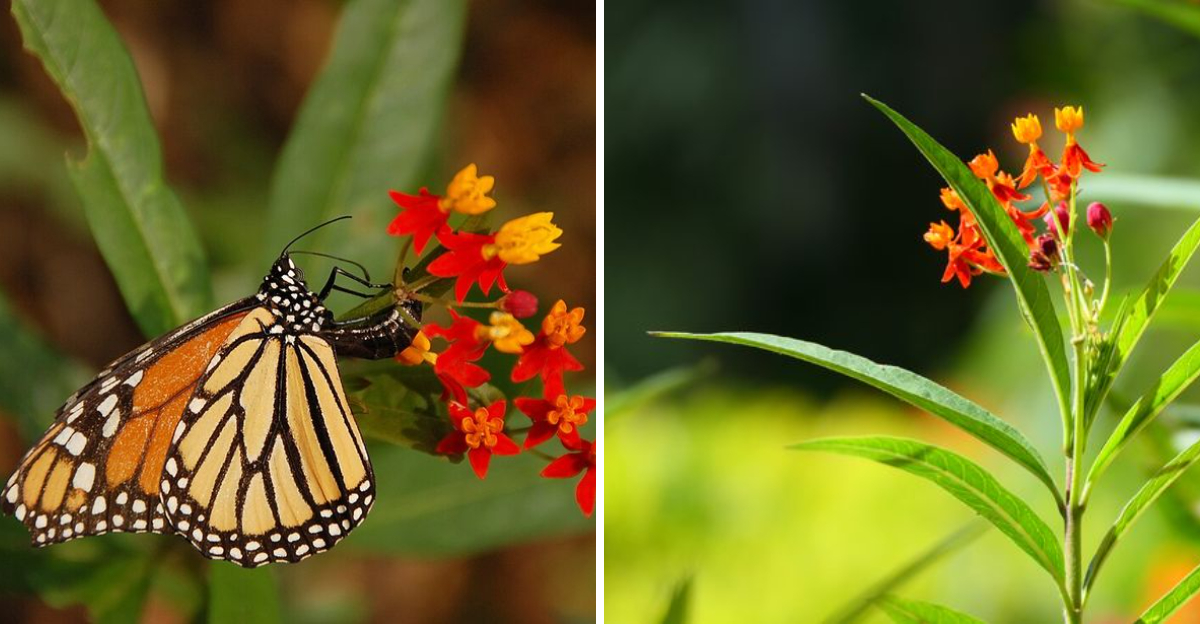
Virginia roadsides once bloomed heavy with clusters you barely noticed. This beloved butterfly depends entirely upon this single plant to thrive. Without it, that entire migration weakens badly within a single season.
Pink and purple blossoms cluster together, releasing a surprisingly sweet scent you notice instantly. Gardeners across Virginia overlook this quiet powerhouse constantly, and you might too.
Bees swarm it, moths court it, beetles depend on it too, quietly. Pods open later, scattering silky seeds across open fields you pass daily.
Your instinct to remove it might be quietly costing you real beauty. Curiosity beats assumption every single time you take a closer look. What you discover next will change how you see every roadside forever.
Why Milkweed Has Such A Bad Reputation
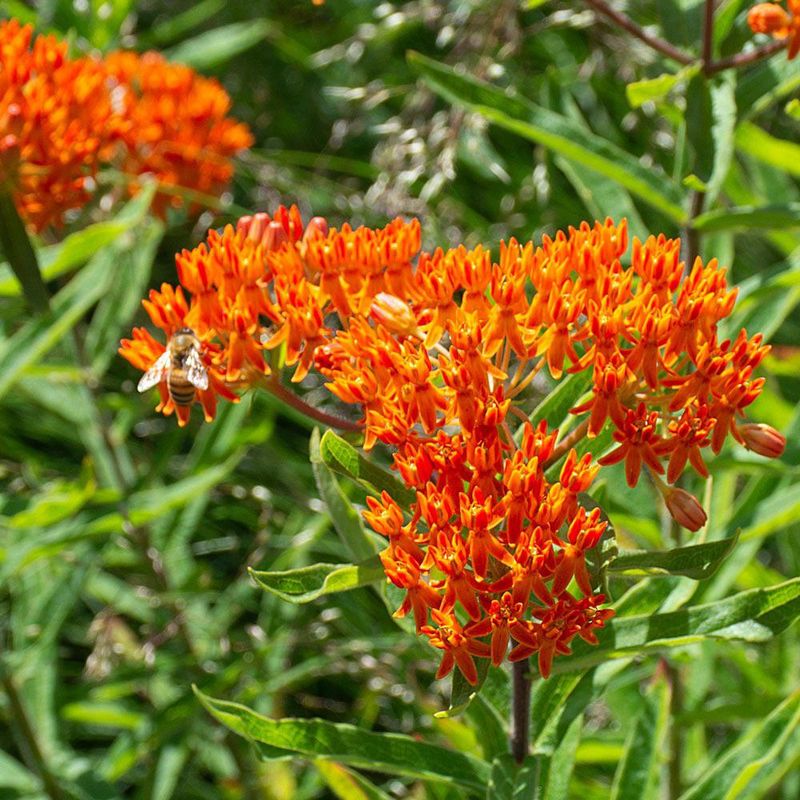
The name alone sends most gardeners running in the other direction. “Weed” is right there in the title, and that one word has done decades of damage to this plant’s image.
Milkweed got its name from the thick, white, sticky sap that oozes out when a stem is broken. That milky liquid made early settlers suspicious, and the suspicion never really went away.
For generations, farmers treated it like a nuisance crop invading their fields. Suburban homeowners followed that same logic without ever questioning it.
The plant also spreads through fluffy white seeds that float on the wind. Neighbors watching those seeds drift over a fence tend to panic, picturing an unstoppable takeover of their tidy lawns.
Add in its thick, almost rubbery leaves and its habit of growing in rough, disturbed soil, and you get a plant that looks a little scrappy. Scrappy does not sell well in neighborhoods where everyone is chasing a manicured look.
But here is the twist: milkweed is not invasive, not toxic to humans in normal garden contact, and not remotely aggressive in a well-maintained space. The bad reputation was built on misunderstanding, not evidence.
Across the region, this misunderstood native plant is finally getting a second look. Gardeners who do their homework are realizing the plant they dismissed is actually one of the most valuable species they could grow.
Knowing the history of that bad reputation is the first step toward changing your mind about it.
What This Plant Actually Looks Like In Bloom
Forget everything you pictured when you heard the word milkweed. The reality is far more striking than most people expect.
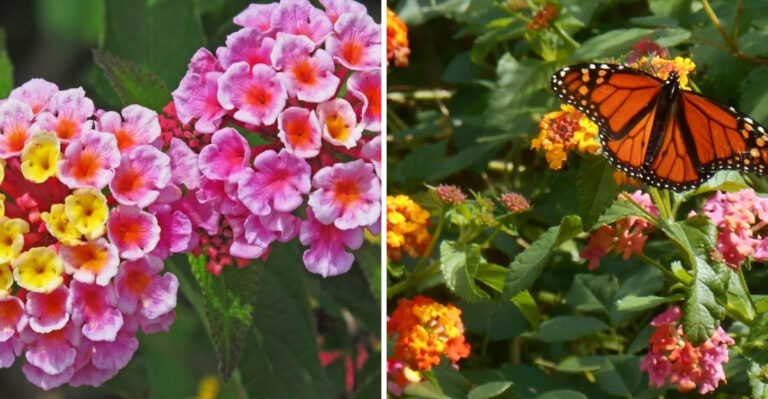
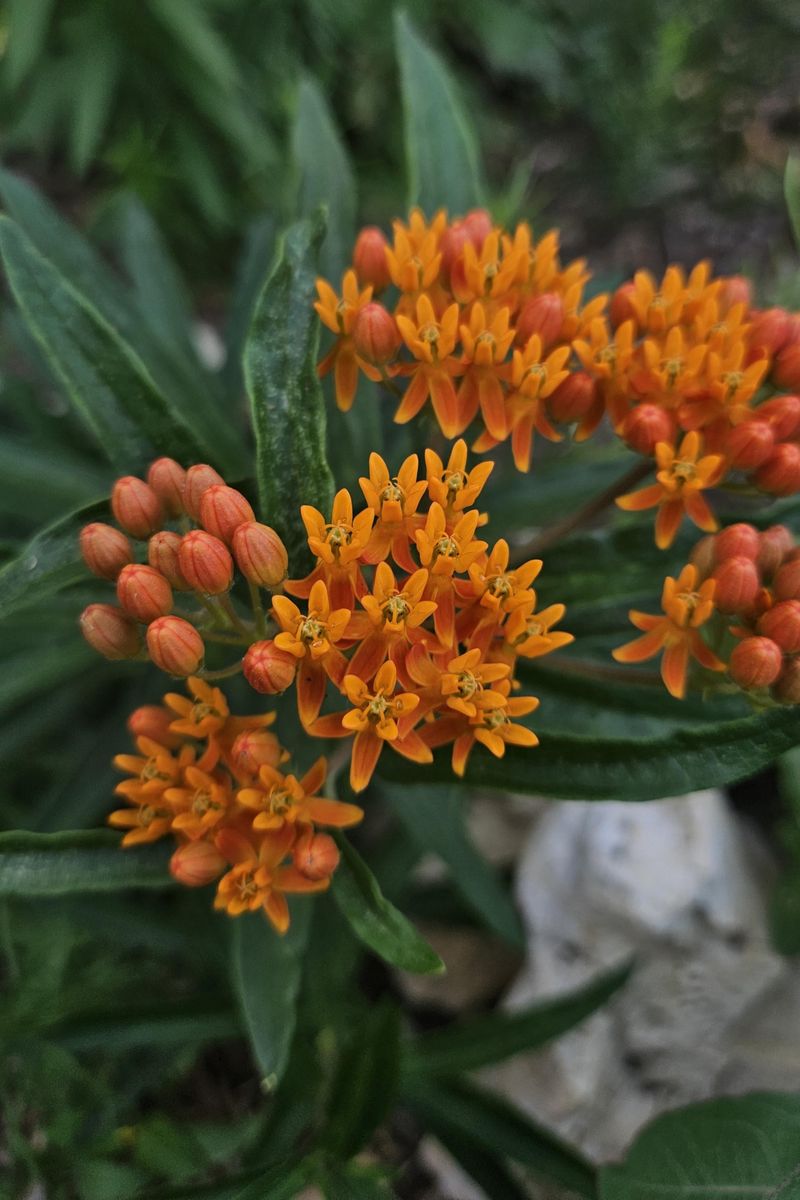
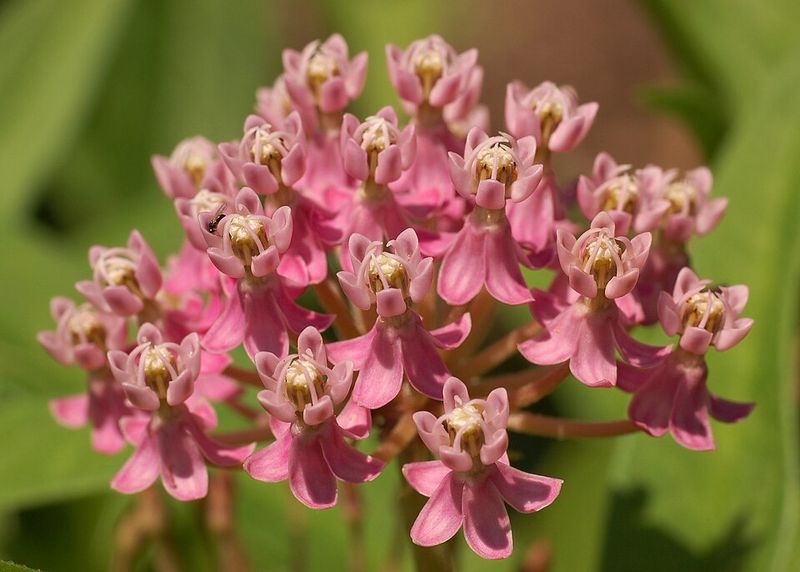
Common milkweed blooms in late June through August, which is prime summer viewing time. The flowers appear in rounded clusters called umbels, packed tightly with small, star-shaped blooms in shades of dusty pink, soft purple, and mauve.
Each individual flower has a complex, almost architectural shape. There are five reflexed petals that curve backward and a raised central crown that looks like a tiny crown jewel sitting on top.
Your Virginia Garden Changes Every Week. Your Plan Should Too.
Gardening in Virginia changes quickly throughout the season. Every Friday you’ll receive a simple weekly plan showing exactly what to plant, prune, fertilize, harvest, and protect so you never miss the right timing.
The fragrance is another surprise entirely. Milkweed flowers smell sweet and slightly spicy, almost like a mix of vanilla and lilac, and the scent carries surprisingly far on a warm afternoon.
The plant itself typically grows three to five feet tall with broad, oval leaves that feel thick and substantial. Stems are sturdy and upright, giving the plant a strong, upright presence in a garden bed.
After flowering, milkweed produces those iconic seed pods that look like small, bumpy green footballs. By fall, the pods split open and release hundreds of seeds attached to silky white fibers that catch the breeze.
This native plant is, in full bloom, one of the most visually interesting plants in any summer garden. Seeing it in person for the first time tends to permanently change people’s opinions.
Monarch Butterflies Depend Entirely On This Species
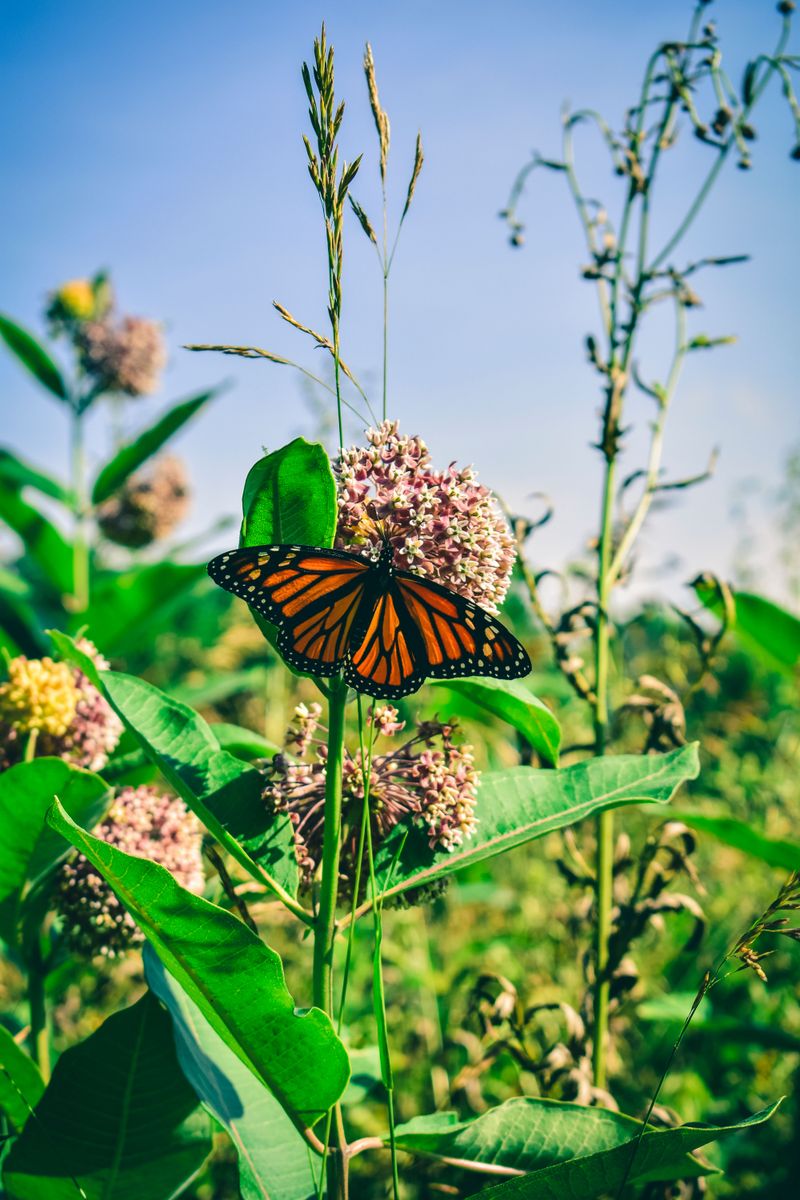
Monarch butterflies rely entirely on milkweed to complete their life cycle, a relationship well documented by researchers.
Monarch butterflies lay their eggs exclusively on milkweed plants. The leaves are the only food source monarch caterpillars can eat, making the plant irreplaceable in the monarch life cycle.
When monarch populations began declining sharply over the past few decades, researchers traced a major cause back to milkweed loss.
Herbicide use in agriculture and suburban lawn culture significantly reduced milkweed habitat across North America.
A single milkweed plant in your yard can host multiple generations of monarchs through a single summer. Females scout gardens carefully, and a healthy milkweed patch sends a clear signal that this yard is worth visiting.
Beyond monarchs, milkweed supports a wide range of other insect species, including bees, beetles, wasps, and moths. Bees, beetles, wasps, and moths all rely on the flowers for nectar or the plant for shelter and reproduction.
Watching a monarch caterpillar munch through milkweed leaves is one of the most satisfying experiences a gardener can have. Those bold yellow, black, and white stripes are unmistakable, and knowing your plant made that possible feels genuinely rewarding.
Planting milkweed is one of the most direct conservation actions a homeowner can take. For the monarch butterfly, it is the only plant that matters in the entire world.
Common Myths About Toxicity And Invasiveness
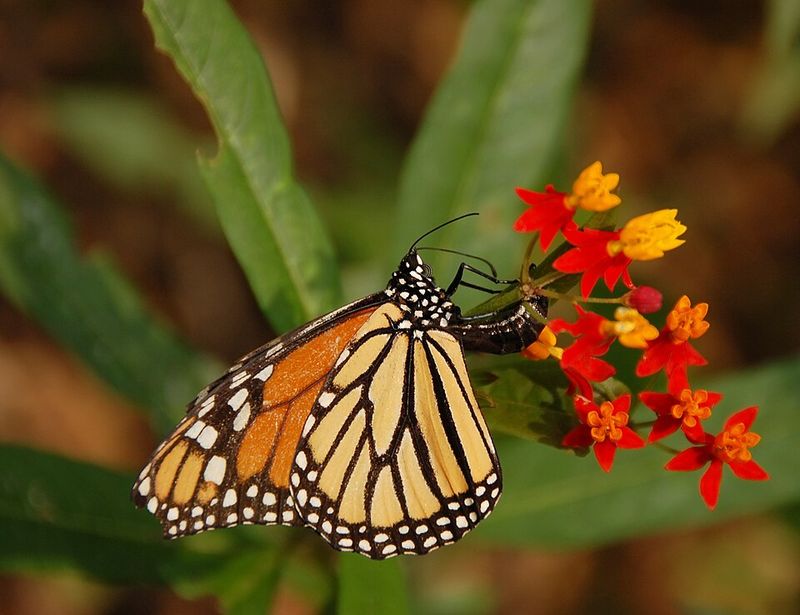
Two myths keep more people away from milkweed than any other concern. The first is that it is dangerously toxic, and the second is that it will take over your entire yard.
Milkweed does contain compounds called cardiac glycosides, which are harmful if large amounts are consumed. But casual garden contact, touching leaves, brushing against stems, is completely safe for adults and older children.
Pets are a different consideration, and cats or dogs that chew on plants should be kept away from milkweed as a precaution. That said, the plant tastes bitter enough that most animals naturally avoid it on their own.
The invasiveness myth is trickier because it has a grain of truth inside it. Common milkweed does spread through underground rhizomes, and it can slowly expand a patch over several years.
However, it is not aggressive in the way that invasive non-native plants are. A simple garden border or annual root pruning keeps it contained without much effort at all.
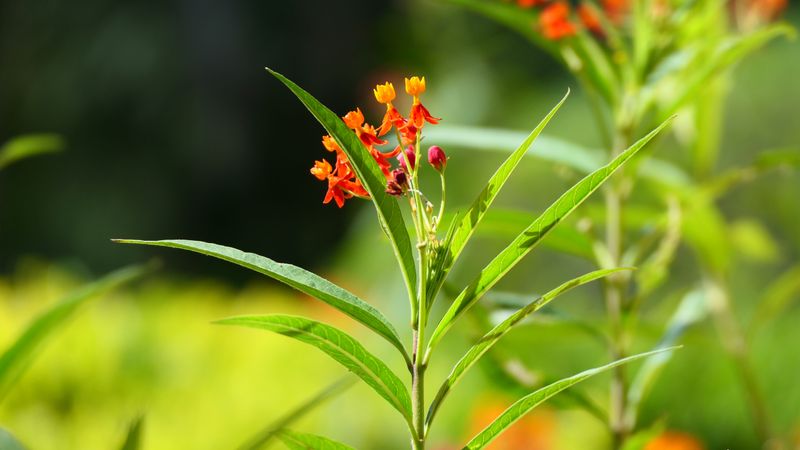
Swamp milkweed, a related native species, spreads even less aggressively and works well in smaller garden spaces. Butterfly weed, another milkweed relative, stays mostly in a tidy clump and rarely spreads far.
Most gardeners who plant milkweed report that managing it is far easier than they expected. It turns out to be a reasonable, well-behaved garden citizen once you understand how it actually grows.
Growing Milkweed Successfully In A Virginia Garden
Growing milkweed is honestly easier than most people expect. The plant evolved to thrive in tough conditions, and it brings that same toughness to a garden setting.
Full sun is the most important requirement. Milkweed needs at least six hours of direct sunlight per day to bloom well and support caterpillars effectively.
Soil quality matters less than you might think. Common milkweed actually prefers lean, well-drained soil and struggles in overly rich or constantly wet conditions.
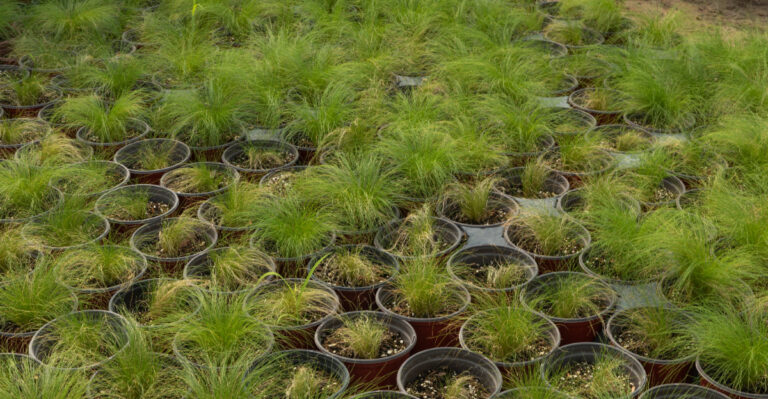
Start with transplants from a local native plant nursery rather than seeds if you want results in the first season. Seeds need a cold stratification period and can take two years to bloom, which tests most gardeners’ patience.
Water new transplants regularly for the first few weeks until roots establish. After that, milkweed is remarkably drought-tolerant and rarely needs supplemental watering in a typical mid-Atlantic summer.
Do not cut the plant back too early in fall. Native bees and other beneficial insects may be sheltering in the stems and seed pods through late autumn.
Wait until late March or early April to trim old growth, giving overwintering insects time to emerge safely. New shoots will appear from the base and roots shortly after, often surprising gardeners with how quickly the plant bounces back.
The Virginia native plant nobody trusts rewards patient gardeners with years of low-maintenance beauty and wildlife activity that no imported ornamental can match.
Changing Neighbors’ Minds About This Native Plant
Planting milkweed sometimes feels like a social experiment. Neighbors notice, ask questions, and occasionally make their opinions known before the first flower even opens.
The best strategy is to lead with the monarch butterfly story. Almost everyone loves monarchs, and connecting this unfamiliar plant to that beloved insect shifts the conversation immediately.
Show them photos of milkweed in full bloom before they see the seedling stage. A picture of those pink flower clusters covered in butterflies is worth more than any scientific explanation you could offer.
Keep the area around your milkweed tidy. Mulched beds, defined borders, and companion plants like coneflower or black-eyed Susan signal intentional gardening rather than neglect.
Invite skeptical neighbors to visit when the monarchs show up. Watching a butterfly land and lay eggs in real time tends to be more convincing than any explanation.
Offer to share seeds or divisions in the fall. People who grow something themselves tend to feel ownership and pride rather than suspicion.
Local garden clubs, native plant societies, and extension offices across the region offer resources for educating communities about native plantings. Connecting your effort to a larger movement gives neighbors context and reassurance.
This native plant rewards patient gardeners with years of low-maintenance beauty and wildlife activity that few ornamental plants can offer.
Give it one full season, let the butterflies do the talking, and watch opinions in your neighborhood quietly shift for good.