This California County Has A Surprisingly Long List Of Banned Plants
A plant can be perfectly legal at one nursery and restricted just a county away. That patchwork surprises plenty of California homeowners, especially when familiar ornamentals end up on local prohibited lists.
In one coastal county, officials have taken an unusually broad approach to plants that threaten agriculture, waterways, and native habitat. Some spread aggressively after escaping yards.
Others create problems through seed, roots, or fragments that travel farther than expected. The result is a list long enough to catch even experienced gardeners off guard.
Buying, planting, or moving the wrong species can create more than a maintenance headache once local rules come into play. Before adding something new to a landscape, it is worth checking what the county actually allows.
A beautiful plant at the garden center can become a very different story once it crosses the property line.
1. This County’s Plant Rules Are Stricter Than Most People Expect
Most counties have a few landscaping rules, but Ventura County goes further than many people expect. A detailed list of restricted and prohibited plants applies to specific zones and land types across the county.
It covers everything from ornamental trees to shrubs widely sold at local nurseries.
The rules come from a mix of fire safety codes, environmental policies, and state guidelines. Ventura County worked with fire departments, land managers, and conservation groups to build this list.
The main goals are reducing fire risk and protecting native plant communities that support local wildlife.
Some of the plants listed are ones that gardeners have used for decades without question. That surprises many homeowners when they first hear about the restrictions.
Being sold at a garden center does not mean a plant is safe to grow in every part of the county.
Properties in high fire hazard zones, near wildland areas, or within certain watershed boundaries face tight restrictions. Homeowners in those areas should check the current list before adding anything new.
The county also updates its list regularly as new research becomes available.
Plant regulation is becoming more common across the western states as fire threats grow. Longer fire seasons have pushed local governments to take meaningful action.
Knowing the rules ahead of time can save homeowners from costly mistakes and run-ins with code enforcement.
2. Why Some Popular Garden Favorites Made The List
A lot of homeowners are shocked to find out that plants they have grown for years are now restricted. Some beloved garden staples cause serious problems when they spread beyond garden borders.
They crowd out native plants and create dry, flammable conditions that raise fire risk.
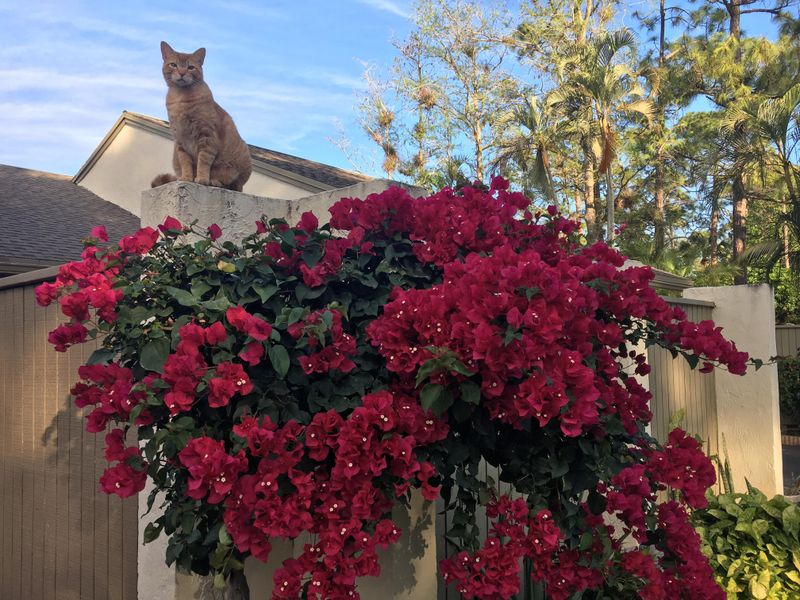
One plant that surprises many people is bougainvillea, which shows up on several county restricted lists. It is colorful, fast-growing, and easy to find at any nursery in the region.
But in fire-prone areas, its dry papery bracts and woody stems make it a real fire hazard.
Known for its dramatic feathery plumes, pampas grass has long been a landscape favorite. But once it escapes garden borders, it takes over large areas and becomes very hard to manage.
Your California Garden Changes Every Week. Your Plan Should Too.
Gardening in California changes quickly throughout the season. Every Friday you’ll receive a simple weekly plan showing exactly what to plant, prune, fertilize, harvest, and protect so you never miss the right timing.
Several counties have added it to restricted lists in recent years.
Many of these plants were introduced without fully understanding their long-term impact. Decades ago, ornamental plants were chosen mainly for looks and ease of growth.
Fire safety and ecological impact were not always part of the conversation.
Today, Ventura County factors in both fire safety and ecological impact when evaluating plants. The result is a restricted list that reflects real science and real consequences.
Even if a plant looks completely harmless, its behavior in the wild or during fire season tells a very different story.
3. Flammable Shrubs Getting The Biggest Red Flag
Not all plants burn the same way, and fire experts pay close attention to that difference. Some shrubs and trees contain oils, resins, or dry woody material that causes them to ignite quickly.
Those are the plants that appear most often on Ventura County’s restricted list.
Frequently flagged for their high oil content, acacia trees grow fast in dry conditions. Once established near a home or along a hillside, they add significant fuel to a moving fire.
Several acacia species are now restricted in fire hazard zones across the county.
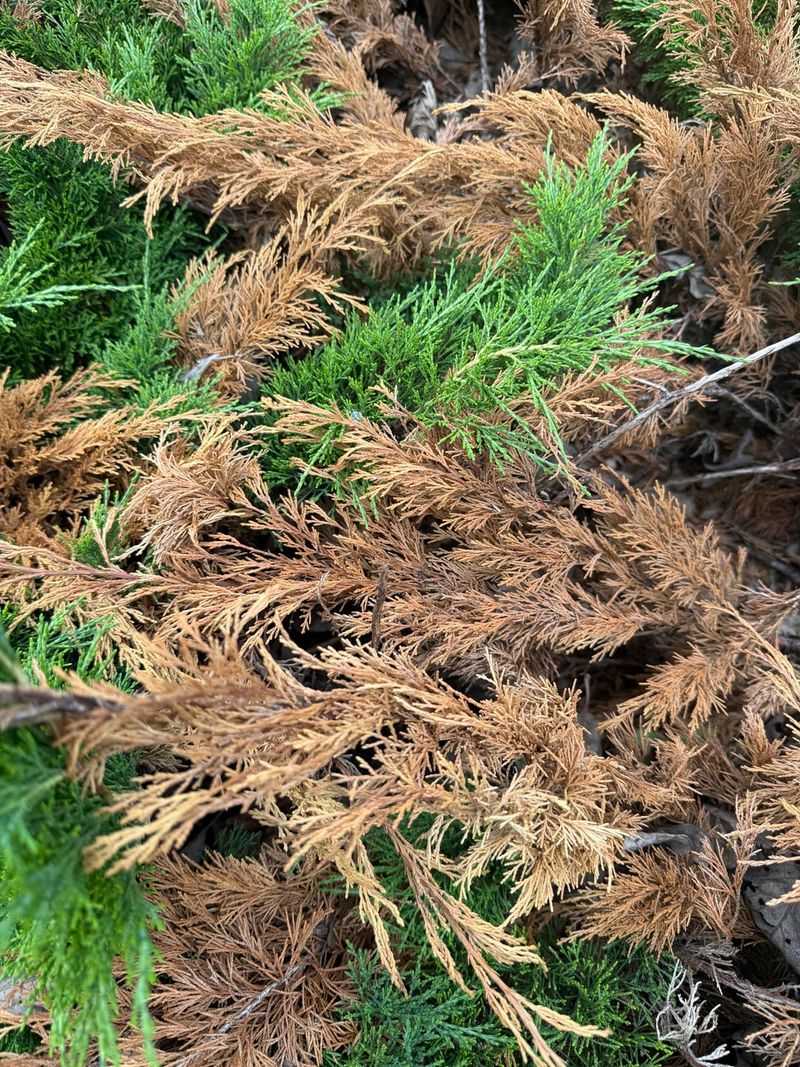
Dense juniper hedges are another major concern for fire safety officials. They trap dry debris and withered material inside, creating pockets of fuel that are hard to see.
In hot, dry weather, a spark near a juniper can spread rapidly to nearby structures.
Introduced to California generations ago, eucalyptus trees are among the most controversial plants on any fire list. Their oils are highly flammable, they shed bark and leaves constantly, and they grow very tall and fast.
Large stands near residential areas are considered a major fire hazard.
Even rosemary, beloved by cooks and gardeners alike, made the restricted list in some fire zones. Its woody, oil-rich stems burn easily in dry conditions.
Replacing it with fire-resistant alternatives near structures is something local fire officials strongly recommend.
4. Invasive Plants Bringing Their Own Set Of Problems
Fire risk is not the only reason a plant ends up on Ventura County’s restricted list. Some plants are restricted because of how aggressively they spread and the harm they cause to local ecosystems.
Once these species establish themselves, removing them is a long, costly process.
Originally planted in gardens for its soft, flowing appearance, fountain grass has spread widely across Southern California hillsides and open spaces. Native plants struggle to compete with it, and its dry stalks add significant fuel to wildfires.
Several counties now include it on restricted plant lists.
Another problem plant making the list is yellow starthistle, which spreads rapidly in disturbed areas. It forms thick stands along roadsides that are extremely hard to manage once established.
Wildlife tends to avoid it, which leaves native habitat areas degraded over time.
Often found along stream banks and shaded areas, cape ivy climbs over native shrubs and trees. It blocks sunlight from reaching plants below and can replace entire sections of natural habitat.
Ventura County waterways have been significantly affected by this fast-spreading species.
The tricky part is that many invasive plants look completely harmless or even attractive. They are sold in nurseries, featured in landscape designs, and planted across the region.
The problem only shows up once they start spreading beyond garden borders into wild spaces nearby.
5. Where These Restrictions Actually Apply
One thing that confuses many residents is that Ventura County’s plant restrictions do not apply to every property the same way. Rules vary depending on which zone a property falls into, and they can change significantly based on location.
Knowing your property’s zone is the first step before any landscaping.
High Fire Hazard Severity Zones carry the strictest rules. These include hillside communities, areas near wildland open spaces, and neighborhoods with limited emergency vehicle access.
Properties in these zones must follow both state and county plant restrictions.
Unincorporated areas of the county also follow their own set of guidelines. These are lands outside city limits that are managed directly by county government.
Rules in unincorporated areas can differ from those inside city boundaries, so checking with the county directly is always a smart move.
Riparian zones, which are areas along rivers and streams, have specific restrictions aimed at protecting water quality and native habitat. Planting invasive species near waterways can cause long-term damage to local ecosystems.
Several plants on the restricted list are specifically flagged for these sensitive areas.
Homeowners can check their fire zone status through the county’s official website or by contacting the local fire department. Taking that simple step before buying plants can prevent a lot of trouble.
A quick lookup can make a real difference in the landscaping choices you end up making.
6. Why Fire Zones Change What You Can Plant
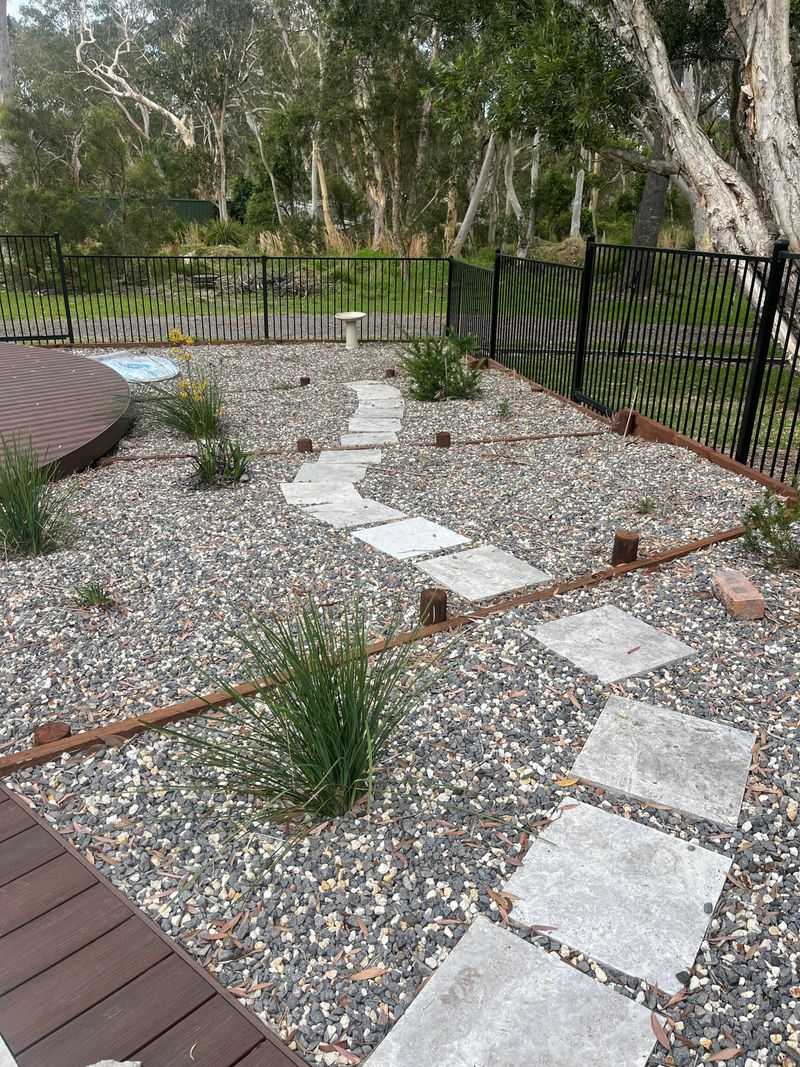
Living in a fire zone changes quite a bit about how you approach landscaping. California uses a Fire Hazard Severity Zone system that places properties into three categories: moderate, high, and very high.
Each level comes with different expectations for vegetation management and plant selection.
In very high fire hazard zones, the rules are the most restrictive. Homeowners in these areas are required to maintain defensible space around structures, which includes removing or replacing flammable plants.
Adding new restricted species in these zones can lead to fines or mandatory removal orders.
The defensible space requirement typically extends 100 feet around a home. Within the first 30 feet, the goal is low-fuel, fire-resistant plants spaced well apart.
Beyond that, the focus shifts to reducing the overall density of all vegetation on the property.
Many plants that are fine in other areas become problematic in fire zones because of their proximity to structures. Spacing, moisture retention, and oil content all factor into whether a plant is appropriate.
That is why the restricted list is so specific about which plants are allowed and where.
Fire agencies in Ventura County conduct regular inspections, especially before and during fire season. Violations found during those inspections must be corrected within a set timeframe.
Keeping your landscaping compliant protects not just your property but the safety of the entire neighborhood around you.
7. Nursery Favorites That May Not Pass The Test
Garden centers across the region are filled with plants that look beautiful and sell well. But some of those options may not be legal to plant on certain Ventura County properties.
The gap between what is sold and what is actually allowed has surprised many homeowners.
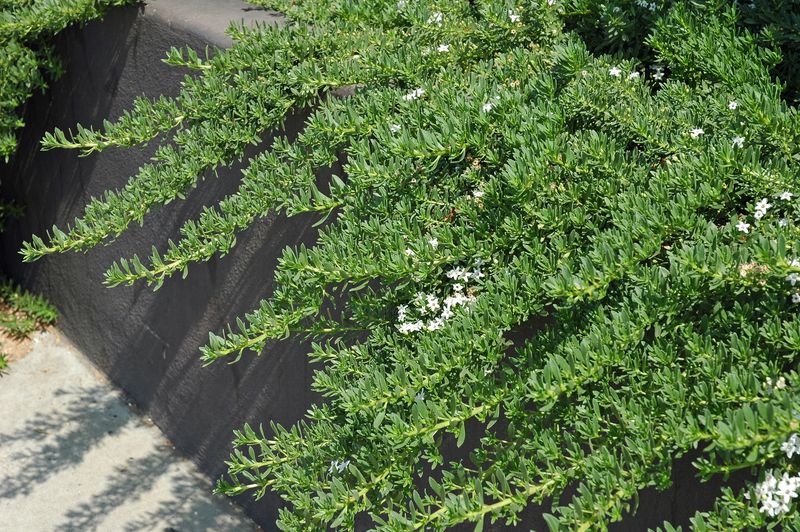
For years, myoporum was a landscaping staple used for ground cover and slope stabilization. Some species are invasive and have been added to restricted lists in several areas.
Many homeowners still have it growing in their yards without knowing it is flagged.
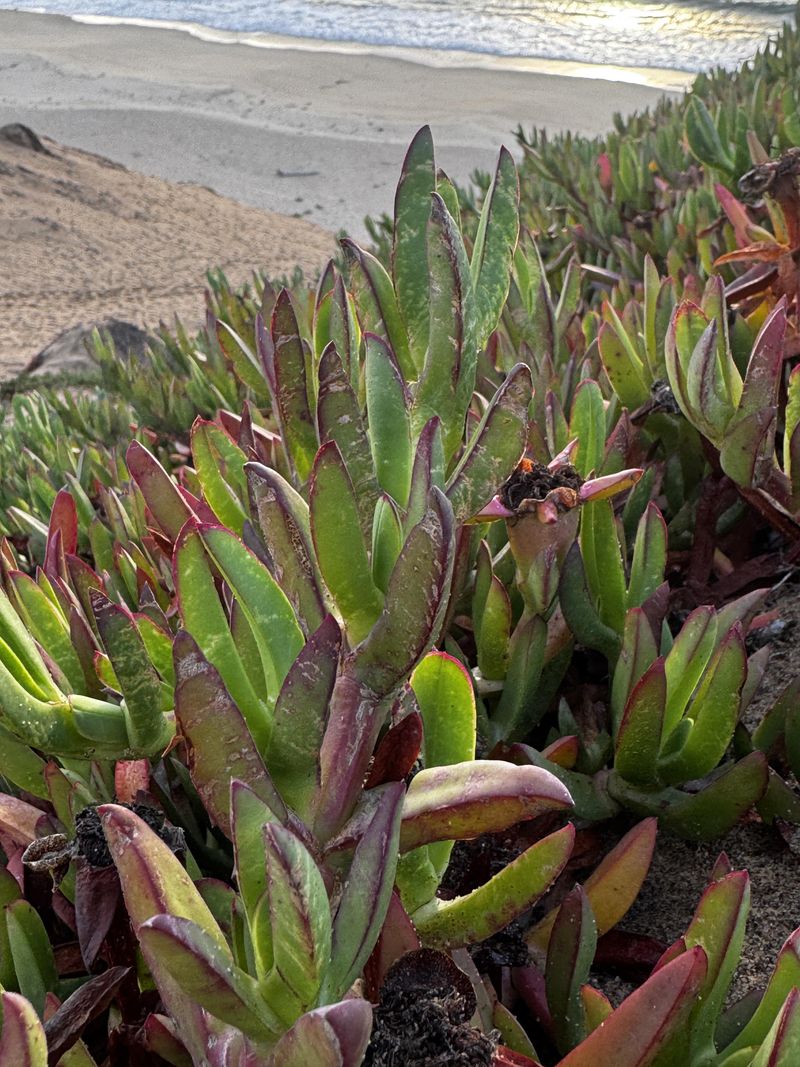
Widely used for decades, ice plant was promoted as a great ground cover for slopes. It establishes quickly and looks lush, which made it popular across the region.
However, it crowds out native plants, is difficult to remove, and is not as fire-resistant as once believed.
Inexpensive and easy to grow, periwinkle spreads aggressively in moist areas. It can quickly take over native plant zones near waterways and shaded slopes.
Several land management agencies now include it on their lists of plants to avoid planting near natural areas.
The lesson here is straightforward: always check before you buy. A plant being available at a nursery does not guarantee it is permitted in your specific zone.
Taking a few minutes to verify with county guidelines before heading to the store can save both time and money.
8. What Happens If A Banned Plant Is Already Growing
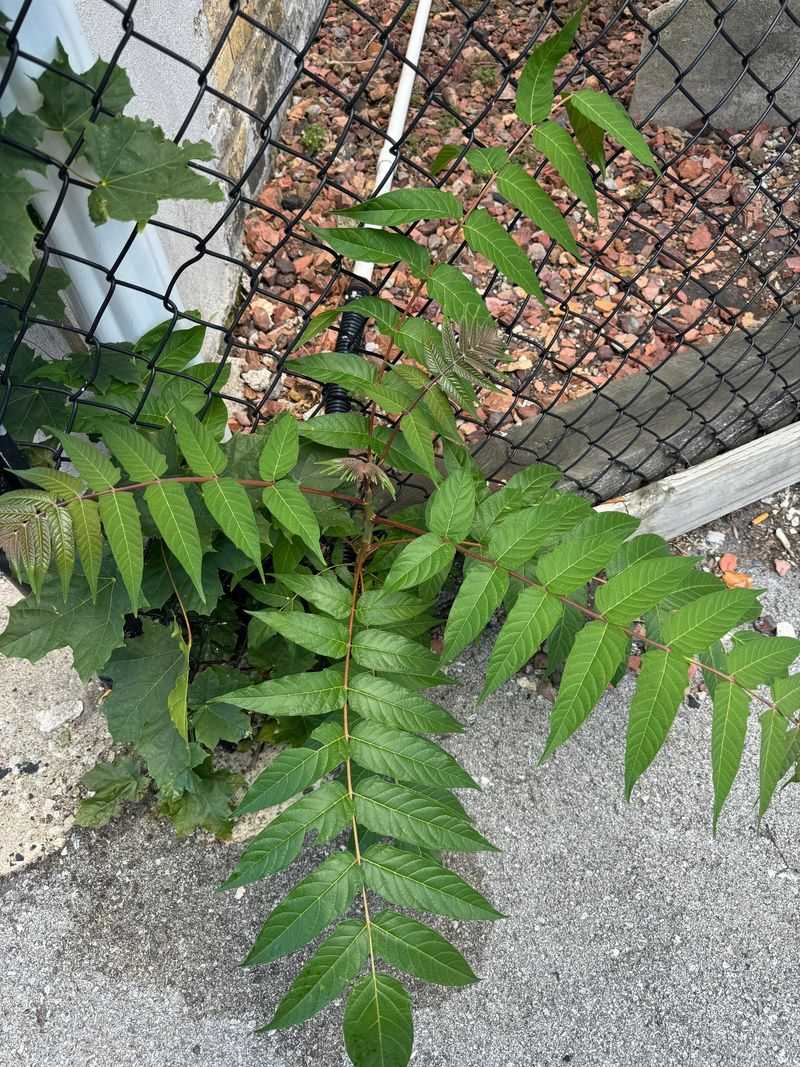
Many homeowners discover they already have a restricted plant in their yard after learning about the county’s rules. That can feel stressful, but there is usually a clear process for dealing with it.
Ventura County does not always require the immediate removal of every restricted plant on a property.
Enforcement typically focuses on new plantings rather than plants that have been in the ground for years. However, if a property is in a high fire hazard zone, existing flammable or invasive plants may still need attention during inspections.
The timeline for removal depends on plant type and its location on the property.
Fire clearance inspections happen on a regular schedule throughout the county. During these visits, fire officials may flag specific plants that pose an immediate risk to nearby structures.
Homeowners then receive a notice and a set period of time to bring the property into compliance.
If a restricted plant is large or deeply rooted, professional removal may be needed. Some species require specialized treatment to prevent regrowth after removal.
County extension offices and local conservation groups sometimes offer guidance or resources to help homeowners through the process.
Acting early is always the better approach. If you suspect a restricted plant is growing on your property, reaching out to the county’s fire or planning department shows good faith.
Starting that conversation early gives you more flexibility in how and when you handle the situation.
9. Safer Replacements That Still Look Good
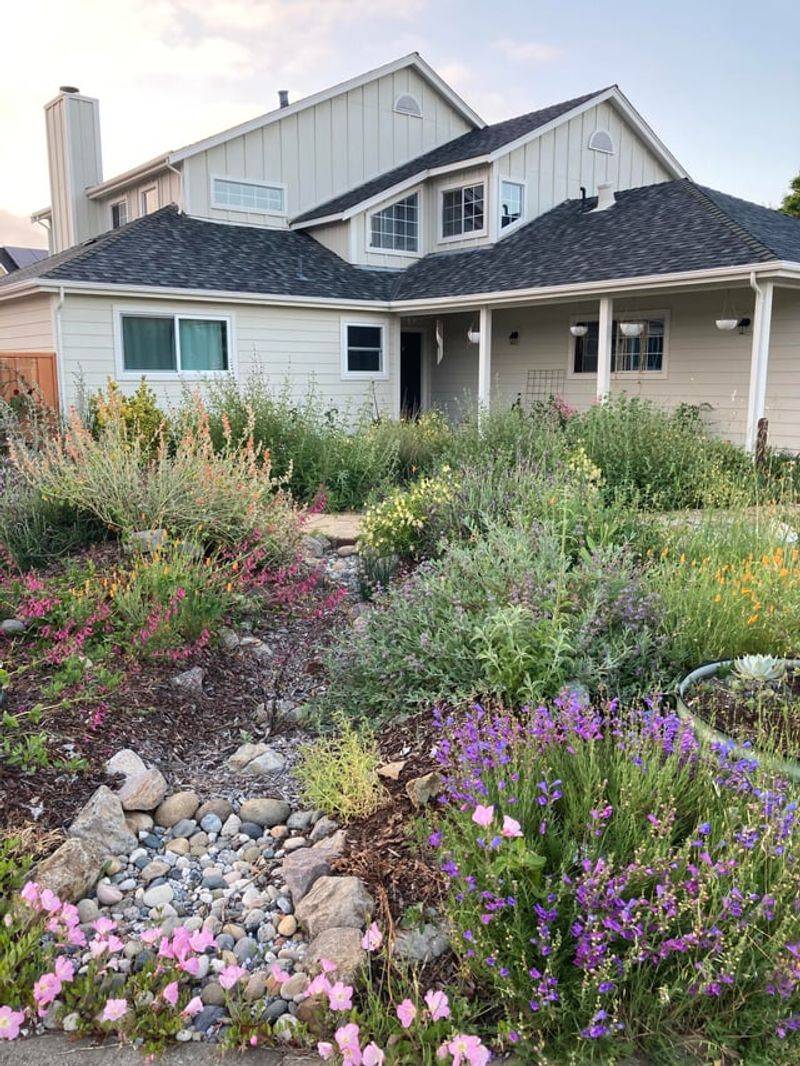
Switching out restricted plants does not mean settling for a bland landscape. There are plenty of native and fire-resistant options that look great year-round and need less water and maintenance.
Knowing what to look for makes the whole transition much easier.
Often called California holly, toyon is a native shrub that produces bright red berries in winter. It is drought-tolerant, fire-resistant, and well-suited to the dry hillsides found throughout the county.
Many landscapers now recommend it as a top replacement for flammable ornamental shrubs.
Two sage species worth planting are black sage and white sage, both ecologically valuable and beautiful. They provide food and habitat for native pollinators while adding texture and fragrance to the landscape.
Their low water needs make them a practical choice for any fire zone in the county.
Commonly called wild lilac, ceanothus is a native plant that checks every box for a fire-safe yard. It grows quickly, produces clusters of blue or purple flowers, and provides excellent erosion control on slopes.
Once established, it handles dry summers with very little irrigation needed.
Working with a nursery that specializes in native plants can make the switch much easier. Staff at those shops know the county’s rules and can point you toward compliant, visually appealing options.
A well-chosen native garden can look just as beautiful as any traditional landscape design.