Why Some California Fruit Trees Need Summer Thinning More Than Fertilizer
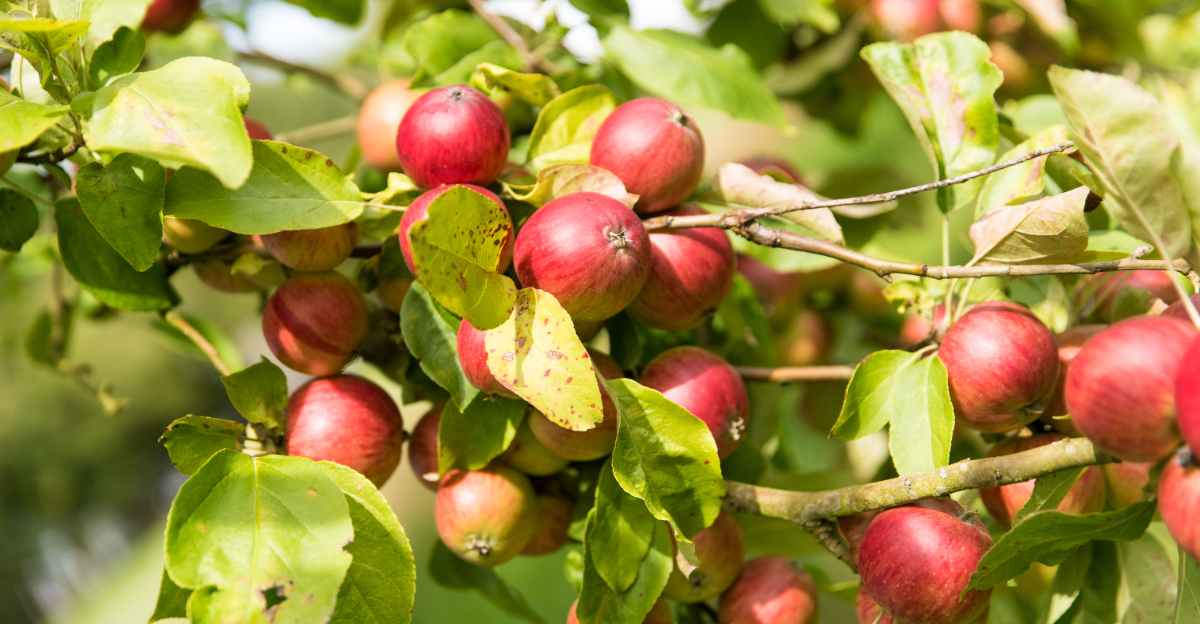
More fertilizer sounds like the obvious answer when a fruit tree looks overworked. But in many California yards, the real issue is not a hungry tree.
It is a tree carrying more fruit than it can handle. That overload can leave branches strained, fruit smaller, and the whole harvest less impressive.
Summer thinning may not feel as exciting as feeding, but it can be the move that changes everything. The hard part is convincing yourself to remove fruit you worked all season to grow.
Still, a tree can only split its energy so many ways before quality takes the hit. Before you reach for fertilizer, look at what the tree is already trying to support.
A lighter load now can lead to a stronger, healthier harvest later.
1. Too Much Fruit Weakens The Whole Tree
A fruit tree has only so much energy to give. When it sets hundreds of fruits at once, it has to spread that energy across every single one of them.
The result is a tree that looks impressive from a distance but is actually struggling under its own weight.
Think of it like a student trying to do ten projects at the same time. Nothing gets done really well.
The same thing happens to a tree carrying too much fruit. It cannot ripen everything properly, and the whole crop suffers for it.
In the warm growing zones across California, trees often set more fruit than they can handle.
The mild winters encourage heavy flowering, and a good pollination season can leave branches absolutely packed with young fruit. Without thinning, the tree burns through its stored energy fast.
That energy depletion does not just hurt this year’s crop. It weakens the tree going into fall and winter.
A tired tree is more likely to get sick, attract pests, and struggle to bloom well the following spring.
Thinning removes that extra burden early. When you pull off the excess fruit in early summer, the tree can breathe.
It redirects all its sugars and nutrients into fewer fruits, and those fruits grow bigger, sweeter, and more flavorful. Fertilizer cannot do that. Only thinning gives the tree room to perform at its best.
2. Fertilizer Won’t Fix An Overloaded Branch
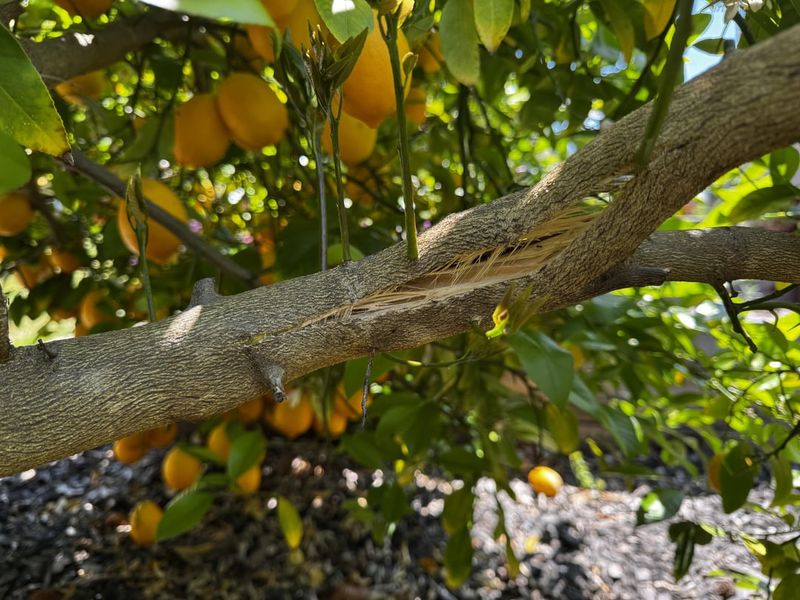
It is a common mistake. A grower sees small, weak fruit and reaches for a bag of fertilizer. The thinking makes sense on the surface. Feed the tree more, and the fruit will grow more.
But that logic breaks down when the real problem is overcrowding, not nutrition. Fertilizer adds nutrients to the soil. It helps roots grow and supports leaf production.
But it cannot tell a branch how to divide its energy among fifty crowded fruits. That math simply does not work in the tree’s favor.
Adding nitrogen to an overloaded tree can actually push more leafy growth instead of better fruit. The tree gets bushier, shadier, and even more stressed.
Some research from university extension programs in California has shown that excess nitrogen on overloaded trees can delay ripening and reduce fruit quality.
Your California Garden Changes Every Week. Your Plan Should Too.
Gardening in California changes quickly throughout the season. Every Friday you’ll receive a simple weekly plan showing exactly what to plant, prune, fertilize, harvest, and protect so you never miss the right timing.
The branch itself is also at risk. A branch loaded with too much weight can crack or split, leaving a wound that invites disease and insects. No fertilizer can prevent that kind of structural damage.
Thinning is the only real fix. Once you remove the excess fruit, the branch is lighter and the tree’s energy is focused.
Then, if you feel the soil truly needs a nutrient boost, a light feeding after thinning can support the remaining fruit. But thinning must always come first. It solves the actual problem that fertilizer simply cannot touch.
3. Thinning Helps Fruit Size Up Better
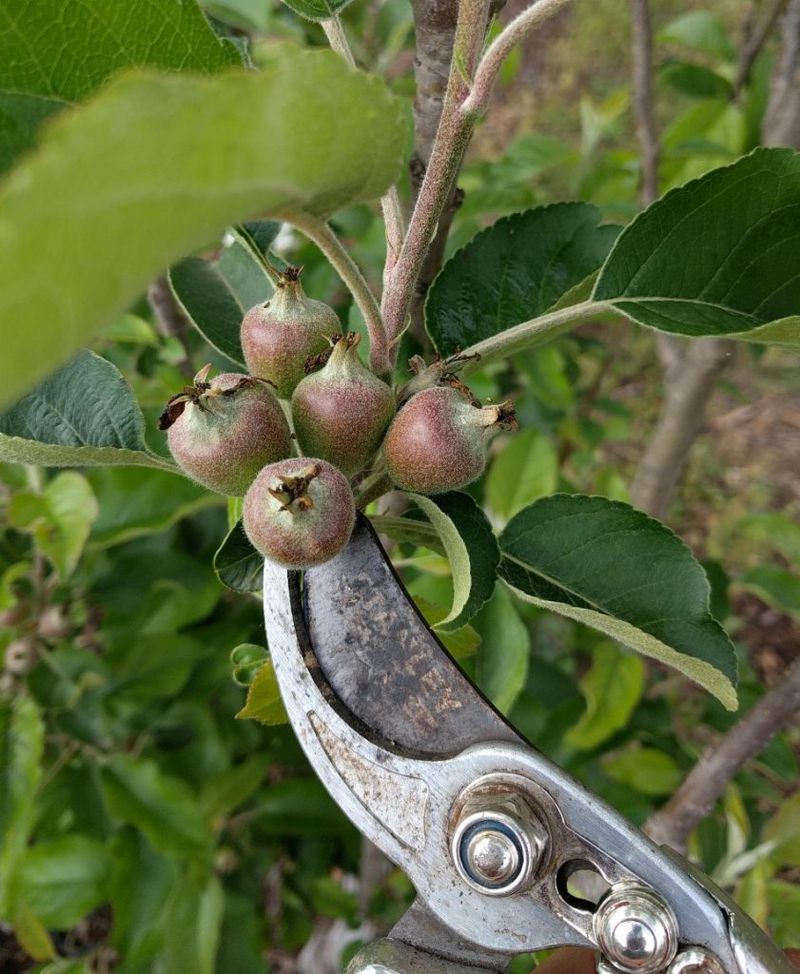
Size matters when it comes to fruit. A big, heavy peach or plum is not just more satisfying to eat.
It also means the tree did its job well, converting sunlight and water into something truly worth picking. Thinning is the most direct path to getting fruit that actually sizes up the way it should.
When fewer fruits compete for the same resources, each one gets a bigger share. More sugar flows in.
More water fills the cells. The fruit expands faster and reaches a size that small, crowded fruits never could.
Growers across the Central Valley and the warmer inland areas see this difference clearly every season.
The timing of thinning matters a lot. Most fruit trees go through what is called the June drop, a natural period when the tree sheds some of its own excess fruit.
But in many cases, that natural drop is not enough. You need to step in and remove more by hand.
For most stone fruits, thinning should happen when the fruit is about the size of a marble or a dime.
At that stage, the fruit is small enough to remove easily and early enough for the remaining fruits to benefit for the full growing season.
Waiting too long reduces the benefit. The earlier you thin, the more time the remaining fruit has to grow.
A few minutes of thinning early in summer can double the size of your final harvest. That is a trade worth making every single time.
4. Crowded Fruit Stays Small And Bland
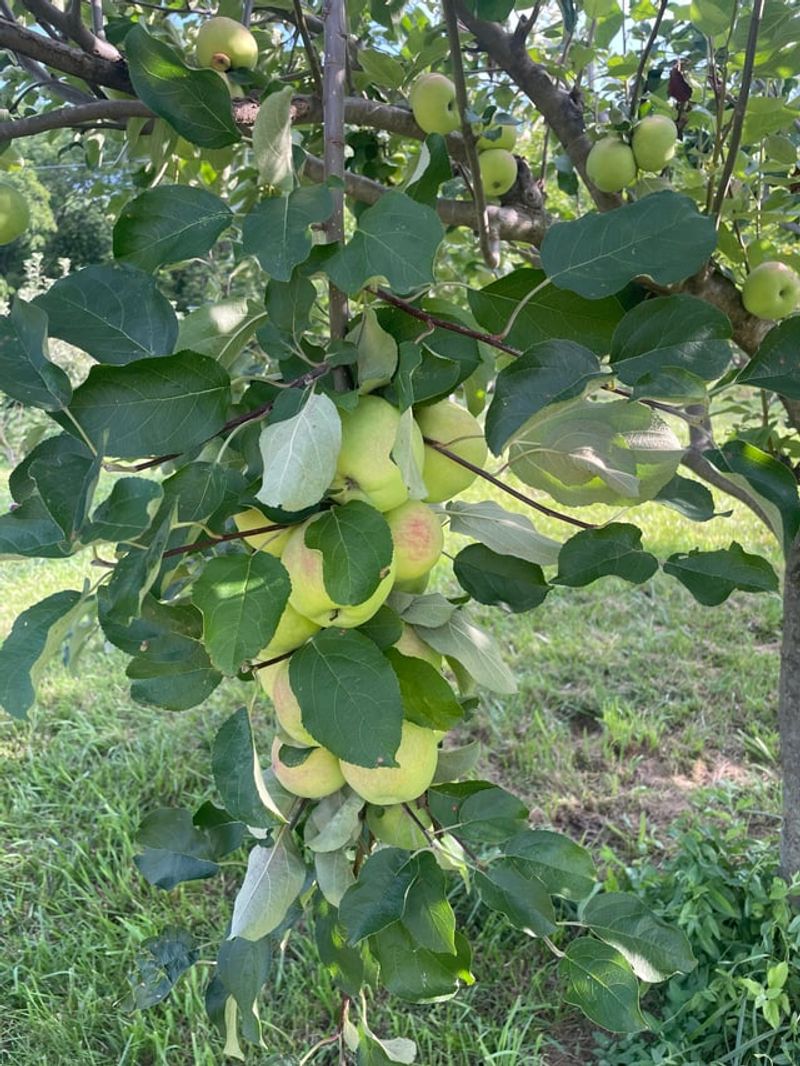
Have you ever picked fruit from your tree and been disappointed by how little flavor it had? The fruit looked okay from the outside, but one bite told a different story.
Chances are, that tree was overcrowded and never had a real chance to develop sweetness.
Flavor in fruit comes from sugars, and sugars come from photosynthesis. When a tree has too many fruits, each one gets a smaller slice of those sugars.
The result is fruit that is watery, pale, and bland. It never reaches its full potential because the tree simply ran out of resources to share.
Crowded fruits also block sunlight from each other. Sunlight is what drives sugar production in the final weeks of ripening.
When fruits are jammed together on a branch, the ones on the inside get shaded out. They ripen unevenly, and some never develop proper color or sweetness at all.
In the hotter inland regions, this problem is especially common with varieties that set heavy crops naturally.
Growers who skip thinning often end up with bushels of small, flavorless fruit that nobody wants to eat or sell.
Spacing fruits properly during thinning, usually about four to six inches apart depending on the variety, gives each one room to grow and catch sunlight.
The difference in flavor between a thinned crop and an unthinned one is not subtle. It is dramatic, and anyone who has tasted both knows exactly what that means.
5. Peaches Need Space Before They Swell
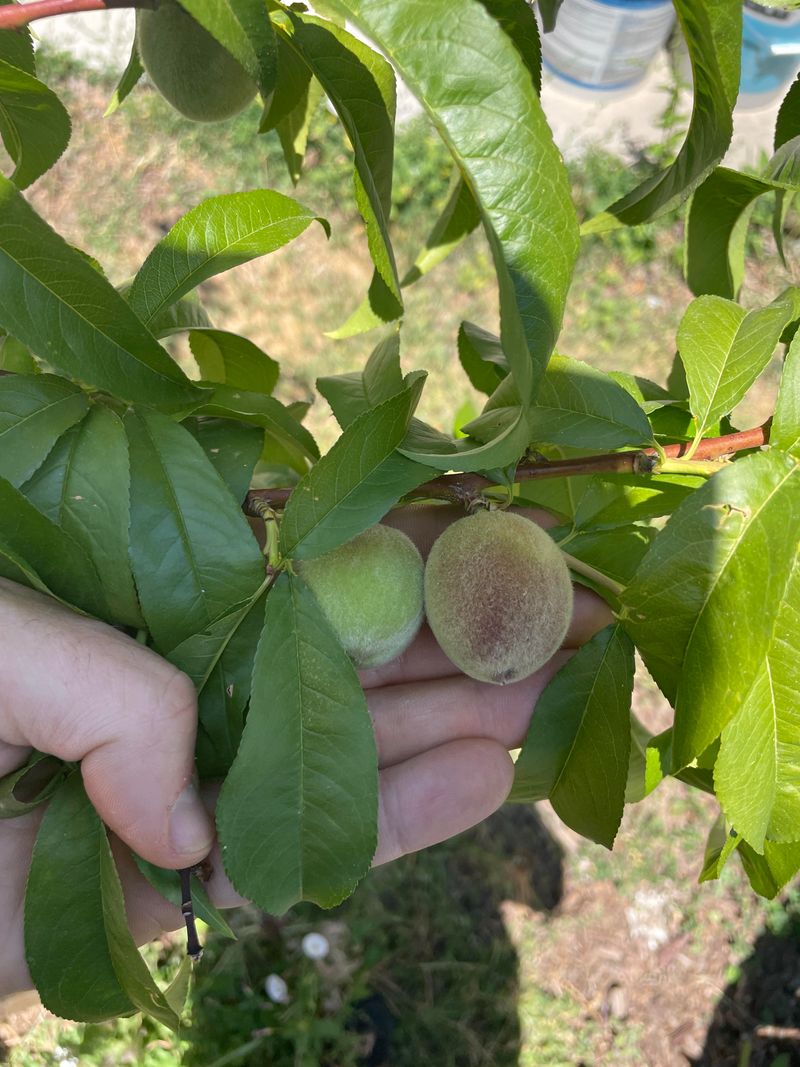
Peaches are one of the most rewarding fruits you can grow in California. A perfectly ripe peach, warm from the sun, is hard to beat.
But getting that perfect peach takes some work, and one of the most important steps is thinning early in the season.
Peach trees are heavy setters. They often produce far more young fruits than they can ever ripen properly.
Left alone, a peach tree will hold onto all of them, spreading its energy thin and producing a large number of small, disappointing fruits.
The key is to thin peaches when they are still small, around the size of a large marble. At that point, they are easy to snap off by hand without damaging the branch or the remaining fruits.
Aim for about six inches of space between each peach on the branch.
In the warmer growing regions of our state, peach trees start developing fruit quickly once temperatures rise. That means the thinning window opens and closes faster than in cooler northern regions.
Checking trees every few days in late spring helps you catch the right moment.
After thinning, you will notice the remaining peaches start to swell noticeably within a couple of weeks. The color deepens, the skin stretches, and the sugar content climbs.
That transformation does not happen by accident. It happens because the tree finally has enough energy focused on fewer fruits. Thinning is what makes a great peach possible.
6. Plums Can Overload Branches Fast
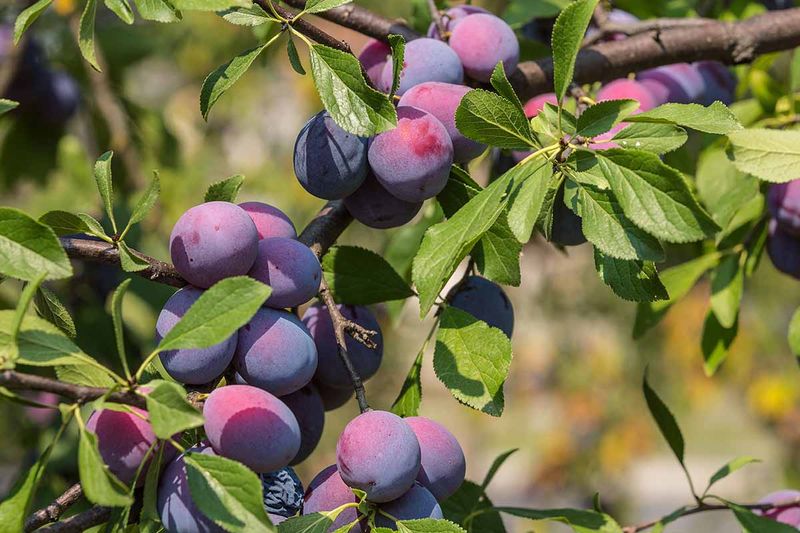
Plum trees have a reputation for being generous, sometimes a little too generous. In a good year, a single branch can hold so many young plums that it bows under the weight before the fruit is even close to ripe.
That kind of overloading is a sign that thinning is overdue. Unlike peaches, plums tend to grow in tight clusters. Several fruits will often develop from the same bud, pressing against each other as they grow.
That crowding prevents airflow, traps moisture, and creates the perfect conditions for fungal issues like brown rot, which is already a common problem in many parts of California.
Thinning plums means breaking up those clusters and leaving only one or two fruits per cluster. It feels wasteful at first.
Pulling off perfectly healthy-looking young fruit goes against every gardening instinct. But the payoff is worth it every time.
Japanese plum varieties, which are widely grown in the warmer valleys of California, are especially prone to overloading. European types are a bit more restrained but still benefit from thinning in heavy-set years.
Checking the tree in late spring and removing excess fruit before it gets too large makes the job much easier.
Branches that are not thinned in time can split under the load, leaving the tree damaged and vulnerable.
A few minutes of thinning per branch in early summer protects the whole tree and gives you plums that are actually worth eating when harvest time arrives.
7. Apples Benefit From Fewer, Better Fruits
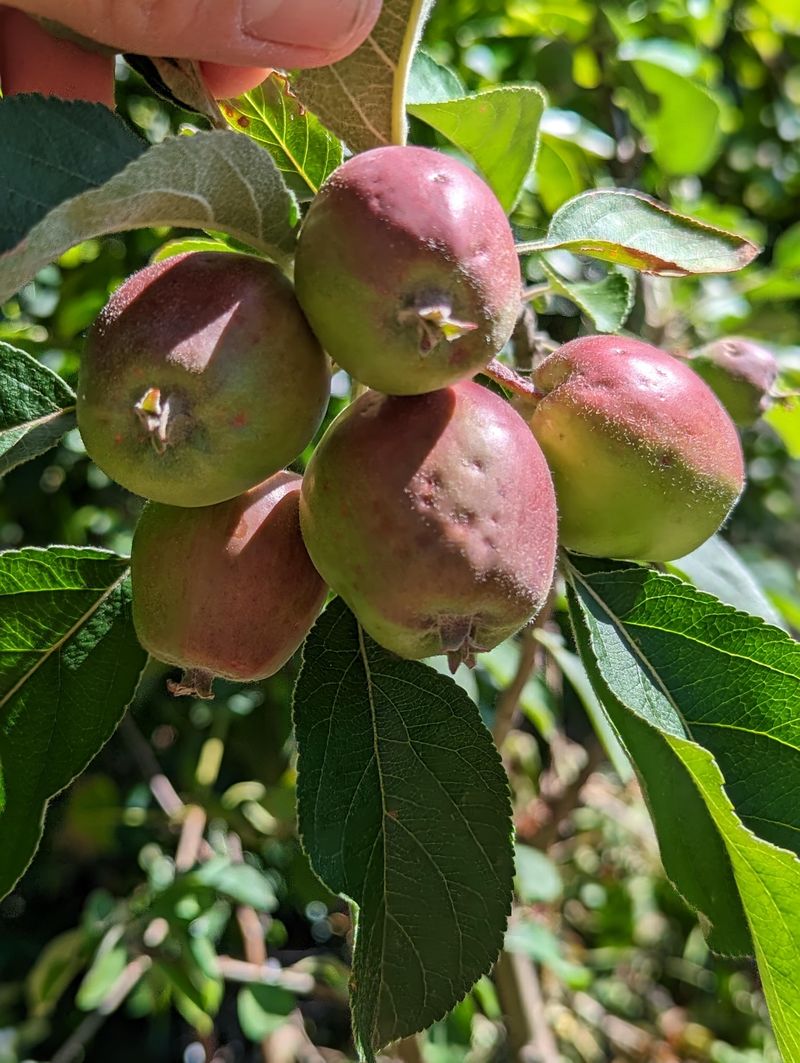
Apples are a bit different from stone fruits, but they face the same basic problem when overcrowded.
A tree loaded with too many apples will produce a lot of fruit that is small, mealy, and low in sugar. Thinning changes that outcome completely.
Most apple varieties naturally drop some fruit in early summer, a process called June drop. But that natural thinning is rarely enough.
You usually need to follow up by hand, removing extra fruits so that each cluster holds just one or two apples with several inches of space between them.
In cooler apple-growing regions like the higher elevations of the Sierra Nevada foothills or the coastal ranges, the growing season is shorter. That makes proper thinning even more critical.
Every week counts, and a tree carrying too many apples will waste precious time trying to ripen fruit it simply cannot handle.
Thinned apples develop better cell structure. They hold more juice, develop richer color, and store longer after picking.
For home growers who want to keep apples through fall and into winter, that improved storage quality is a real advantage worth planning for.
There is also a biennial bearing problem to consider. Apple trees that are not thinned often go into a pattern of heavy crops one year followed by almost nothing the next.
Consistent thinning breaks that cycle and keeps the tree producing well every single year. It is one of the smartest long-term investments a home grower can make.
8. Pears Need Thinning Before Branches Bend
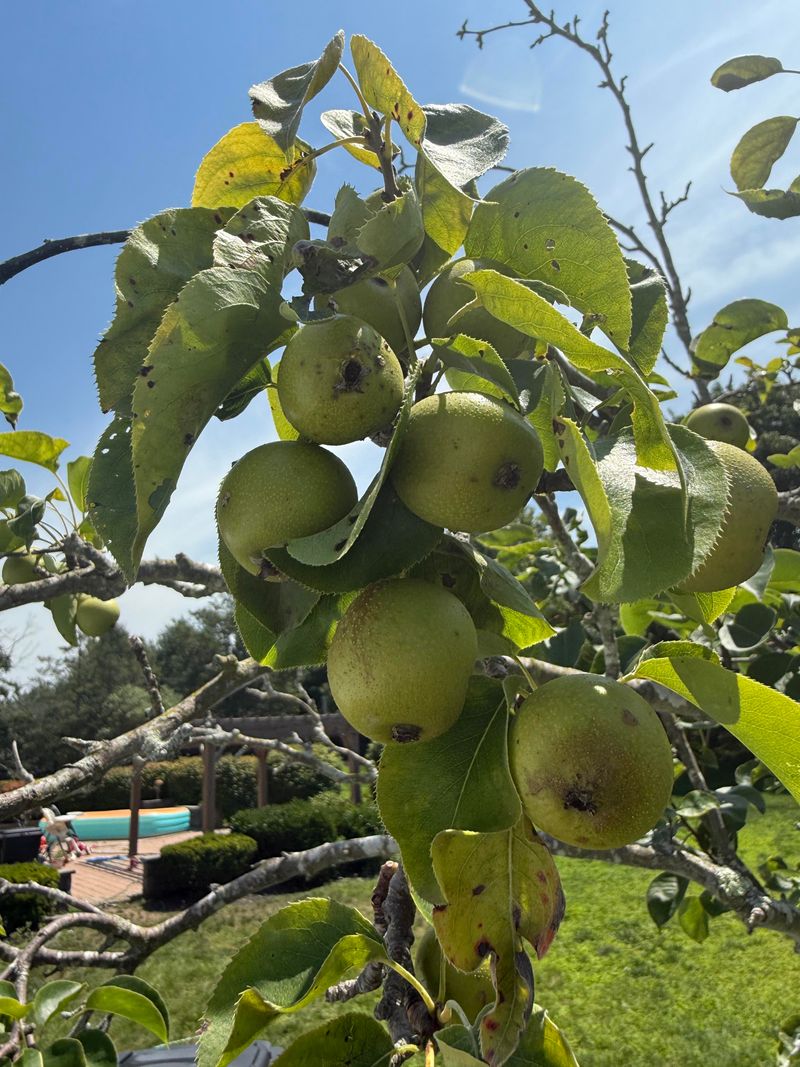
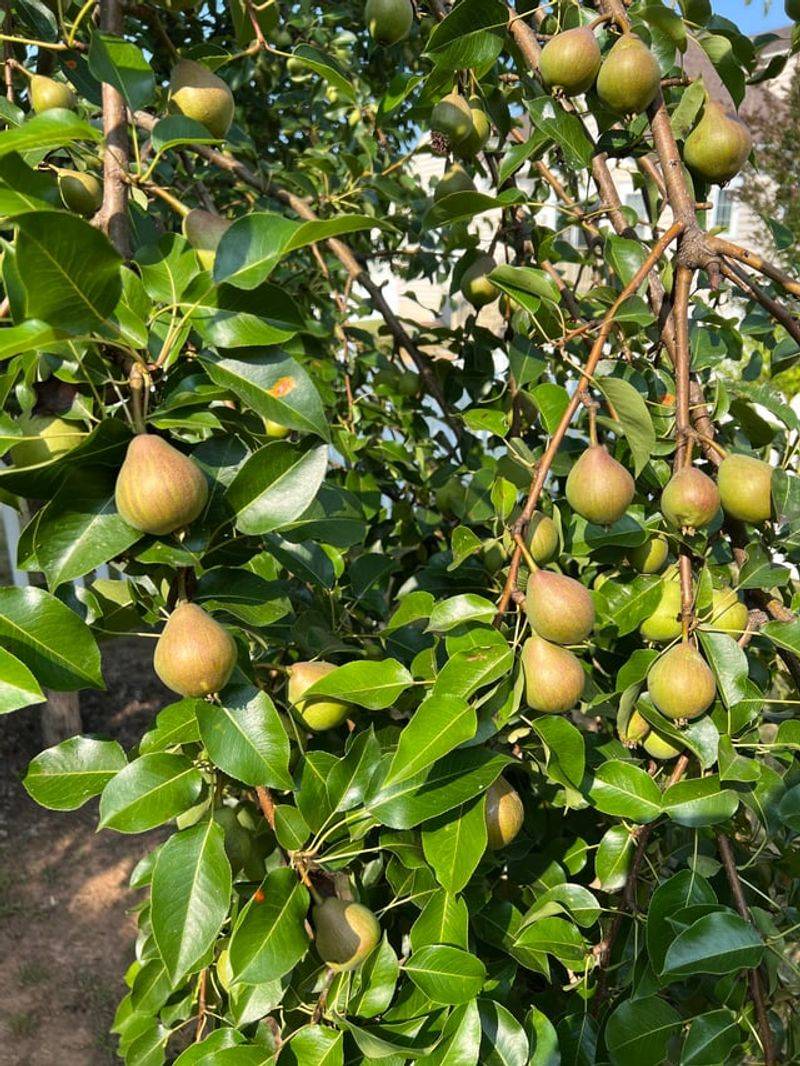
Pears are deceptively heavy. A cluster of young pears might look small and harmless in late spring, but by midsummer those fruits can weigh down a branch to the breaking point.
Getting ahead of that weight is why thinning pears early matters so much.
Bartlett and other popular varieties grown across the warmer valleys are especially prone to heavy fruit set.
A single branch can easily hold a dozen or more young pears, all competing for the same nutrients and all adding to the growing load on that branch.
Thin pears when they are about the size of a large grape, usually in late May or early June depending on your location. Leave one pear per cluster and space clusters at least four to six inches apart.
That spacing gives each fruit room to grow without pressing against its neighbors.
Pears that grow in contact with each other often develop soft spots or skin blemishes where they touch. Those blemished areas are entry points for rot and insects.
Proper spacing through early thinning prevents most of that damage before it starts.
One more reason to thin pears early is root stress. A tree supporting an enormous fruit load draws heavily on its root system for water and nutrients.
In the dry summer conditions common across much of California, that added demand can stress the tree significantly.
Thinning reduces that demand and keeps the tree healthier through the long, hot growing season ahead.
9. Remove Damaged Fruit First
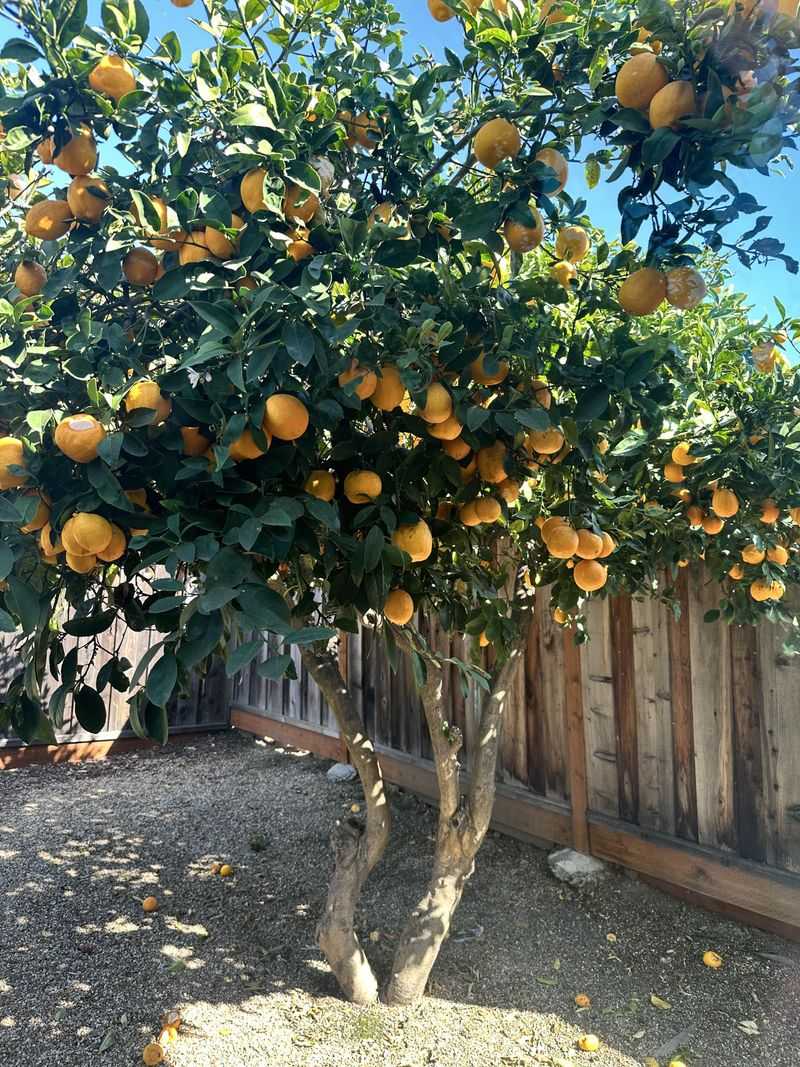
When you start thinning, always begin with the bad ones. Any fruit that shows signs of damage, disease, insect activity, or unusual shape should come off first.
Removing problem fruit is not just about thinning. It is about protecting everything that stays on the tree.
Damaged fruit is a magnet for trouble. A single piece of fruit with a small crack or soft spot can harbor fungal spores, bacteria, or insect eggs.
Left on the branch, it spreads problems to the healthy fruits around it. Taking it off early stops that chain reaction before it starts.
Look for fruit that is misshapen, discolored, or has any kind of puncture or bruise. Fruit that is noticeably smaller than its neighbors often has a developmental problem and will not catch up no matter how long it stays on the tree.
Remove those early and do not second-guess it.
In the warmer, more humid pockets of California, fungal pressure during summer can be intense.
Oriental fruit moth and codling moth are also active across many growing regions, and they target developing fruit.
Removing affected fruits quickly reduces the pest population for the rest of the season.
After removing damaged fruit, continue thinning the healthy ones to proper spacing. You will likely find that once the bad fruits are gone, the remaining fruit is already better spaced than you expected.
Starting with damage removal makes the whole thinning process faster, smarter, and more effective for your entire harvest.