9 Native North Carolina Plants That Bring Fireflies Back To Your Yard This Summer
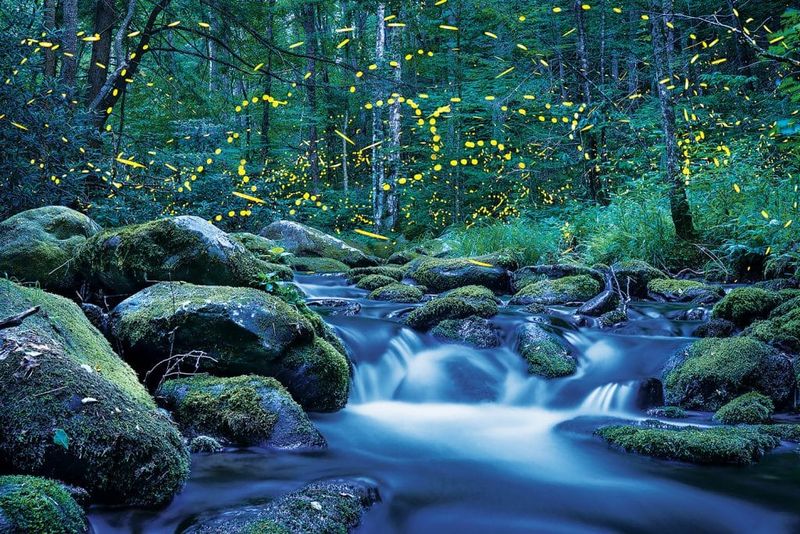
You step onto the back porch after a muggy June day, the last thunderstorm still dripping off the gutter, and the yard is dark. Too dark. The blinking green lights you remember from childhood summers just are not there anymore. Fireflies are fading across North Carolina, and a big reason is the tidy, sprayed, over-mowed yards we keep.
But the fix is simpler than you think, and it grows right out of our own red clay and sandy soil. Plant a few natives, ease off the mower, and those living lanterns come back.
1. Little Bluestem
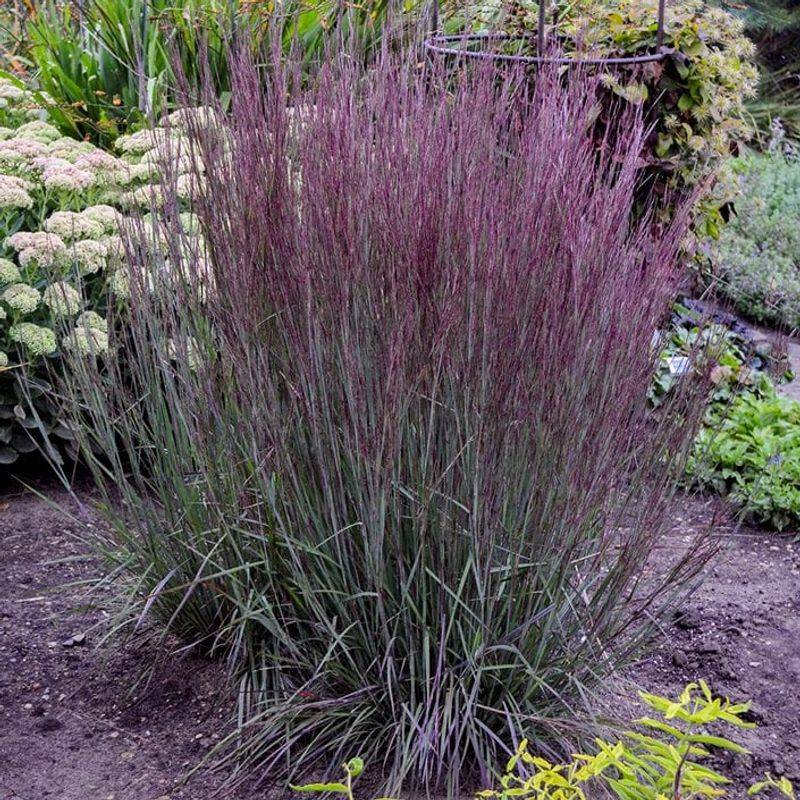
Fireflies do not spend their whole lives glowing in the air. They start as larvae crawling through the soil and leaf litter, hunting slugs and snails, and they need cover to survive. Little bluestem (Schizachyrium scoparium) gives them exactly that.
Here is where it gets interesting. This clumping native grass grows two to three feet tall, then turns copper and rust in fall, holding its shape all winter. That standing growth shades the ground and keeps the soil moist and cool, which is where firefly larvae hide out for up to two years before they ever light up.
Plant it in full sun, spacing clumps about 18 inches apart, in spring after your last frost. It genuinely thrives in Piedmont red clay and sandy Coastal Plain soil alike, and once established it shrugs off our droughty August stretches without a drop from the hose.
The trick with little bluestem is patience. Do not cut it back in fall. Leave the clumps standing through winter so the larvae underneath stay protected, then trim to a few inches in late February. NC State Extension recommends leaving native grasses uncut over winter for exactly this reason.
By your second summer, you may notice the low, slow blinks near the base of these grasses at dusk. That is the payoff, glowing right where you planted it.
2. Joe Pye Weed
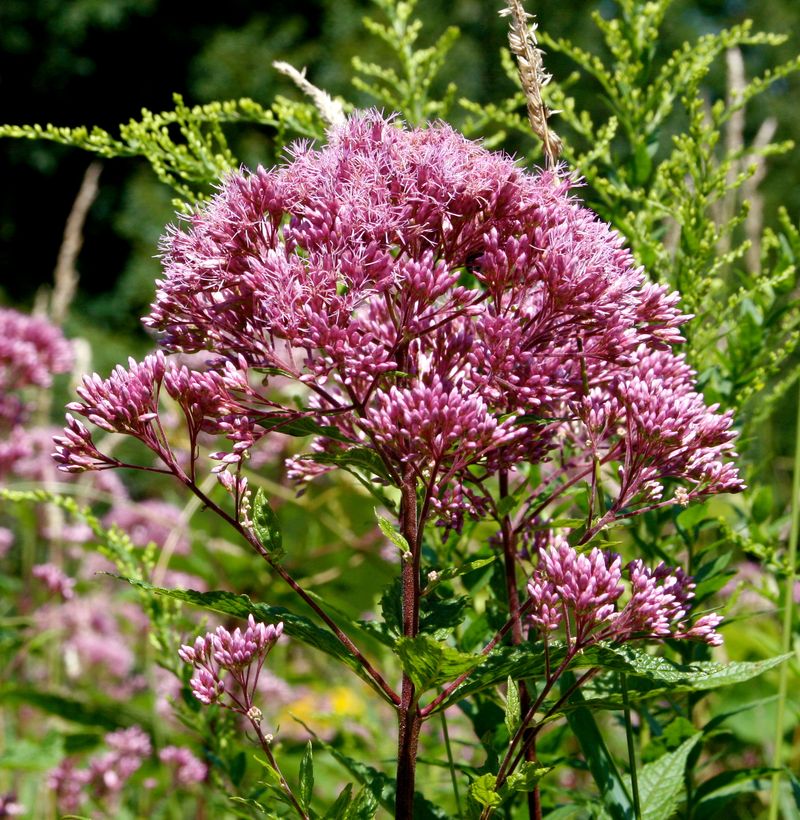
Tall, pink, and buzzing with life, Joe Pye weed (Eutrochium fistulosum) looks like something you would drive past on a country roadside in August. And you probably have. This native giant reaches five to seven feet and crowns itself with dusty mauve flower clusters that pull in butterflies, bees, and yes, the conditions fireflies love.
The connection is not the flower itself. It is the damp, shady base and the moisture Joe Pye weed craves. Fireflies need humidity and unbaked soil, and a stand of this plant creates a cool, moist microclimate at ground level, the kind of spot larvae settle into.
Give it a low, wet corner of the yard, the place where water pools after one of our afternoon storms. Space plants three feet apart and set them out in spring. It loves the mucky edges most gardeners write off as useless.
One honest note. This is not a plant for a tight formal bed. It wants room and it wants water, so plant it where a rain garden or a soggy fence line already sits.
Your North Carolina Garden Changes Every Week. Your Plan Should Too.
Gardening in North Carolina changes quickly throughout the season. Every Friday you’ll receive a simple weekly plan showing exactly what to plant, prune, fertilize, harvest, and protect so you never miss the right timing.
Come late summer, when monarchs are moving south through North Carolina, you will have butterflies by day and blinking fireflies at that same damp edge by night.
3. Common Milkweed
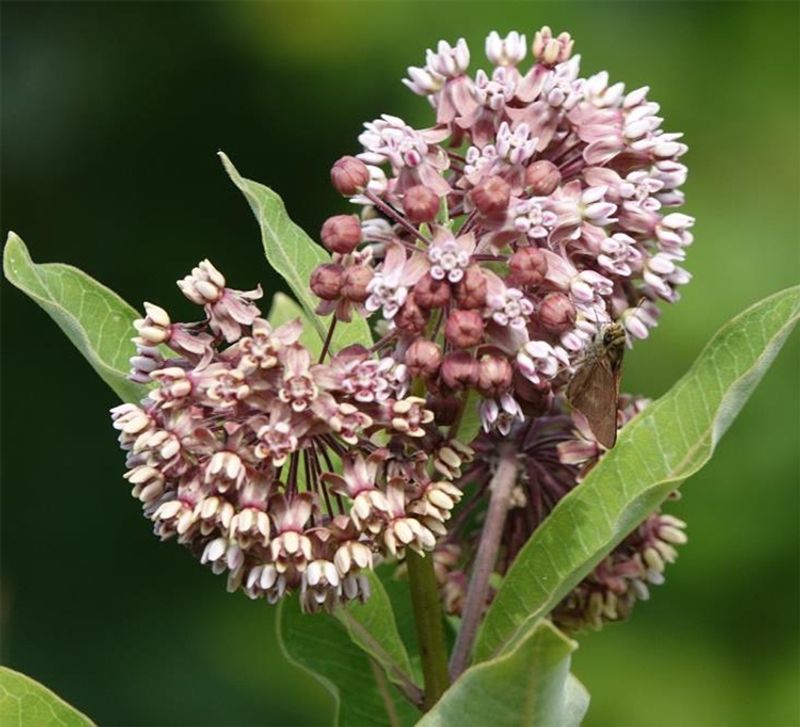
Everybody talks about milkweed for monarchs, and rightly so. But common milkweed (Asclepias syriaca) pulls a second shift for fireflies, and almost nobody mentions it.
Milkweed’s broad leaves and dense stands create shade at the soil line. That shade traps moisture and gives firefly larvae the damp, dim ground cover they need to hunt and hide. A patch of milkweed is basically a firefly nursery hiding in plain sight.
Plant it in full sun to part shade, spacing plants about two feet apart, in spring or fall. It spreads by underground roots, so pick a spot where it can wander a little, like a back border or a patch along the fence. It handles clay and sand, and it asks for almost nothing once it takes hold.
Here is the part that trips people up. Aphids will show up orange and clustered on the stems. Do not reach for the spray. Insecticides are one of the biggest reasons firefly numbers have dropped, so let the ladybugs handle it or just blast the aphids off with the hose.
You get monarch caterpillars in fall, fireflies in summer, and a yard that hums with life. Not a bad return on a plant most folks call a weed.
4. Switchgrass
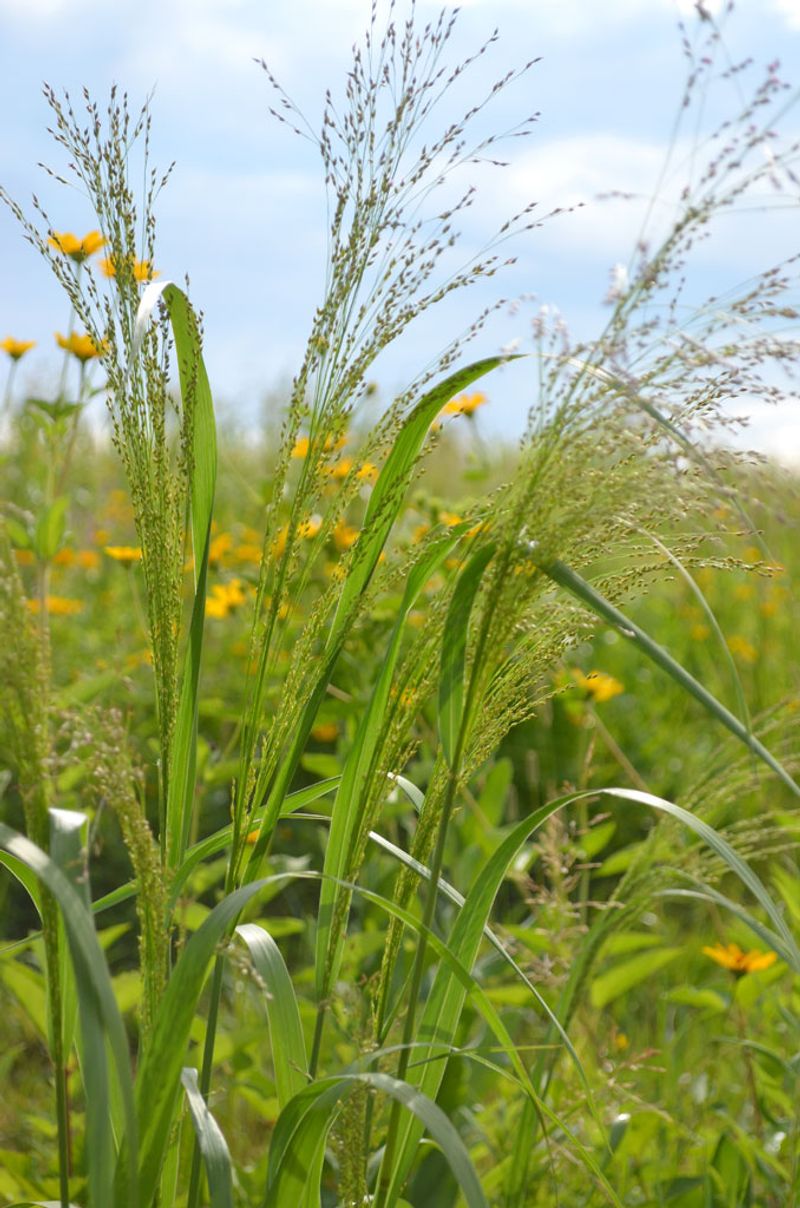
Picture a screen of soft green blades swaying along your back fence, catching the last light of a July evening. Switchgrass (Panicum virgatum) does that, and it does something quieter too. It builds firefly habitat while it grows.
Standing three to six feet tall, switchgrass forms dense clumps that hold humidity near the ground and offer safe passage for larvae moving through the soil. Adult fireflies also perch and signal from tall vertical stems, and this grass gives them a stage.
Set clumps out in spring, spacing them about three feet apart in full sun. It tolerates our heavy Piedmont clay and the wetter spots of the Coastal Plain, and its deep roots make it tough through both drought and the soggy aftermath of a hurricane season storm.
The one thing to remember is restraint. Resist the urge to mow or clear it in fall. Leave the growth standing all winter as shelter, then cut it back to about six inches in late winter before new shoots push up.
Plant a run of switchgrass and you get privacy, movement, and a soft glow rising off it at dusk. It genuinely earns its keep three ways at once.
5. Eastern Red Cedar
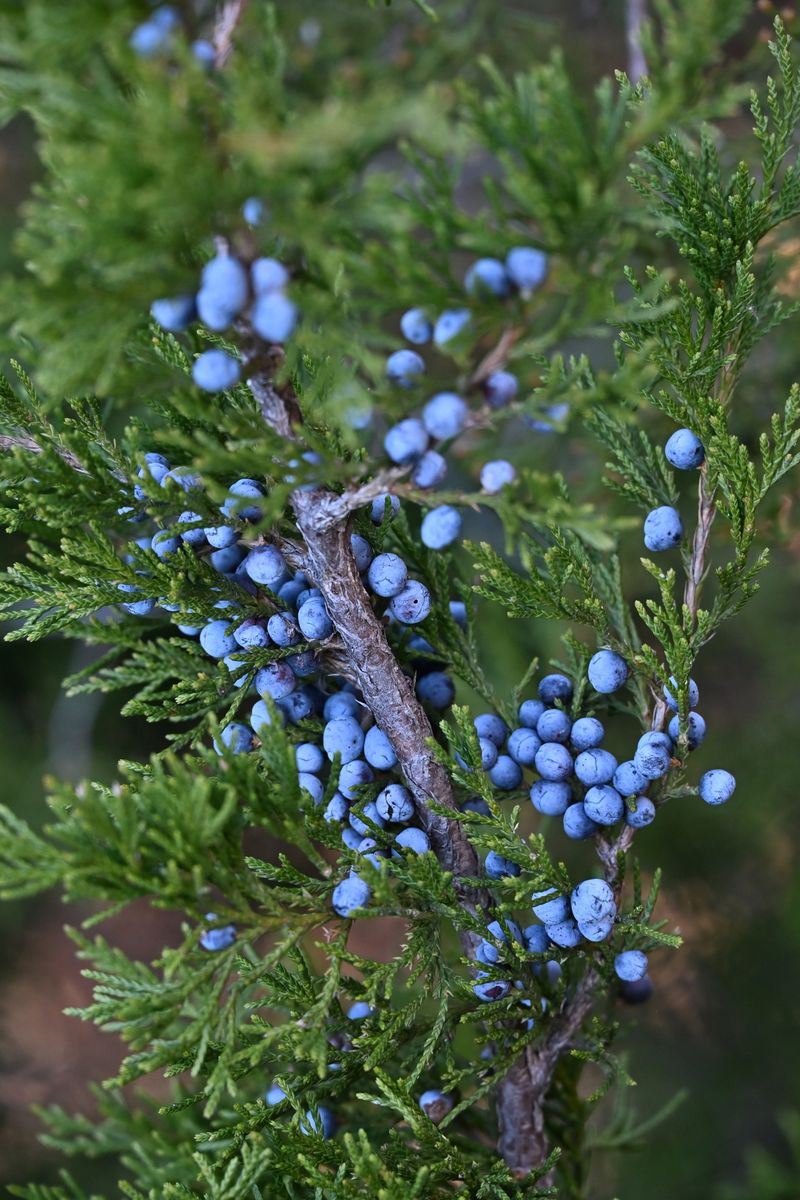
Trees make firefly habitat too, and the eastern red cedar (Juniperus virginiana) is one of the best you can plant in North Carolina. You have seen it growing wild along old fence lines and fields all over the state.
Fireflies rely on darkness and undisturbed cover, and a cedar delivers both. Its dense evergreen branches cast deep shade, cooling and shading the leaf litter below where larvae overwinter. It also blocks harsh light spilling from a streetlamp or a neighbor’s floodlight, and light pollution genuinely disrupts the flashing signals fireflies use to find mates.
Plant a young cedar in fall or early spring, giving it at least 15 to 20 feet of room, since a mature tree can reach 40 feet tall. It grows happily in poor, rocky, or clay soil across the Piedmont and Sandhills, and it barely needs watering once rooted.
A word of caution. Cedar is a host for cedar-apple rust, so do not plant it right next to apple or crabapple trees.
Over the years, the shaded, undisturbed ground beneath a cedar becomes some of the richest firefly cover on your whole property, and it does the work while you sleep.
6. Wild Bergamot
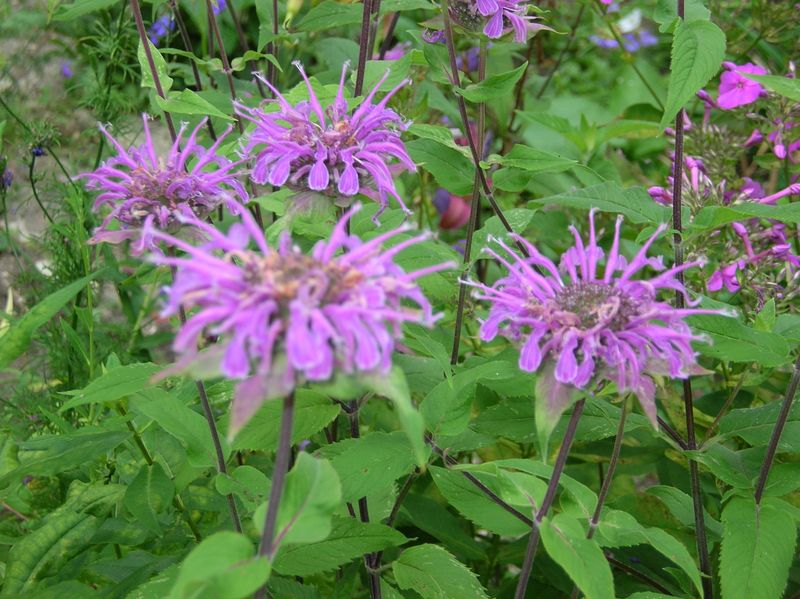
Fragrant, lavender, and a little wild-looking, bergamot (Monarda fistulosa) smells like a mix of mint and oregano when you brush past it. Pollinators adore it, and it plays a supporting role in bringing fireflies home.
The value here is layered plant structure. A patch of wild bergamot grows two to four feet tall and forms a thick, leafy cover that shades the soil and holds evening humidity, the damp low zone firefly larvae need to thrive.
Tuck it into a sunny to partly shaded spot, spacing plants about 18 inches apart, and set it out in spring. It handles the clay soils of the Piedmont well and comes back reliably each year with almost no fuss.
Here is a fair warning. Bergamot can get powdery mildew in our humid summers, showing up as a dusty white film on the leaves. Give it good air flow and do not crowd it, and it will mostly shrug that off.
What you build is a soft, undisturbed understory that stays cool and moist after dark. Skip the mower and the spray in that patch, and the fireflies will treat it like home base by midsummer.
7. Winterberry Holly
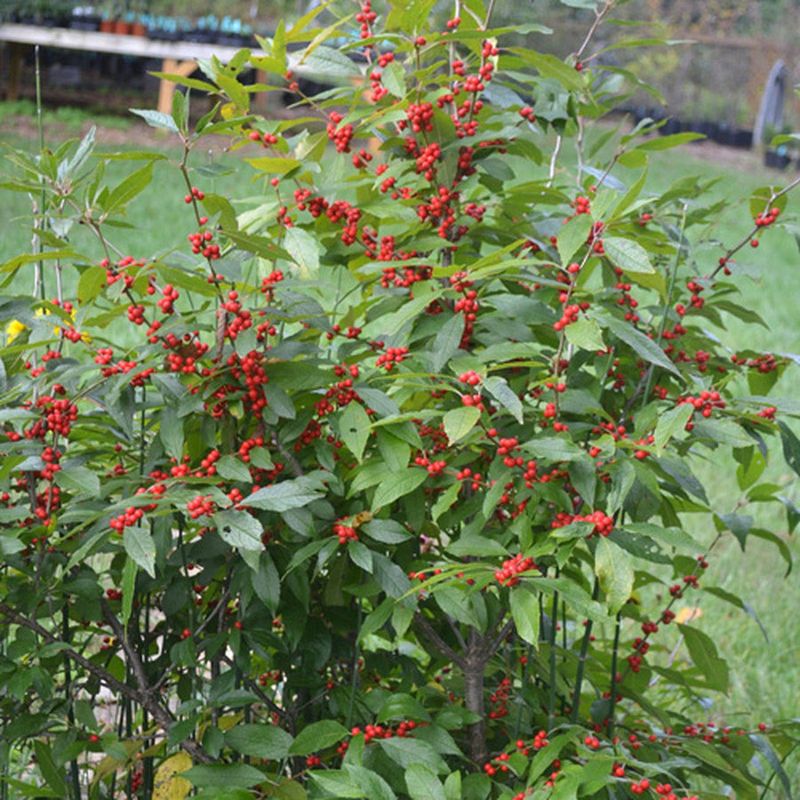
Bare branches loaded with bright red berries against a gray January sky, that is winterberry holly (Ilex verticillata) earning its name. This native shrub loses its leaves in fall, but its real gift to fireflies happens down low, near the wet ground it loves.
Winterberry naturally grows in swampy, boggy spots, and it thrives in the damp, poorly drained corners most shrubs hate. That moisture is the whole point. Firefly larvae need consistently wet soil, and a winterberry thicket keeps a patch of ground reliably humid and shaded.
Plant shrubs about five feet apart in spring or fall in a low, moist area with full sun to part shade. You will need one male plant for every three to five female plants to get berries, so ask the nursery which is which.
It grows three to twelve feet tall depending on the variety, and it handles the acidic soils common across North Carolina without complaint.
The berries feed birds deep into winter, and the shaded wet ground beneath does quiet work for fireflies all summer. One shrub, two seasons of payoff, and a soggy corner finally put to good use.
8. Cinnamon Fern
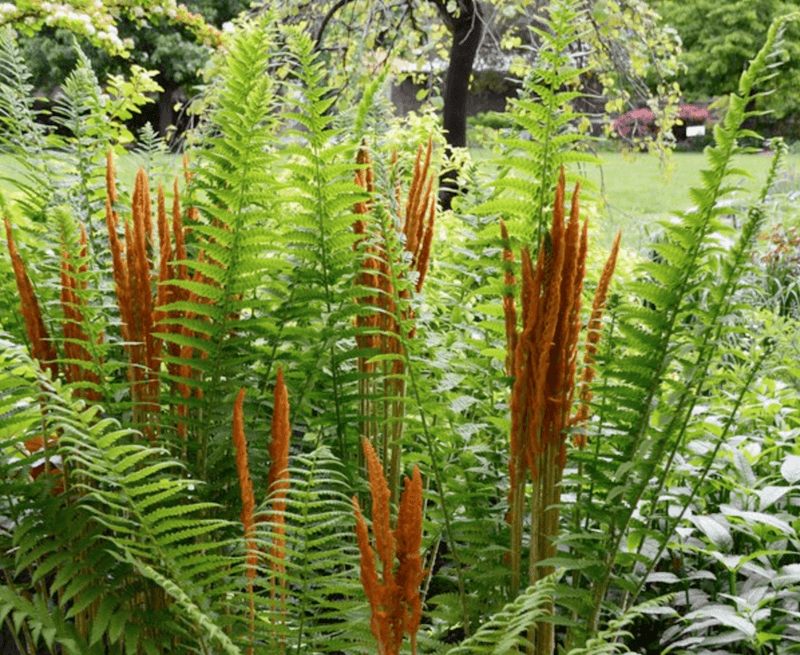
Deep in the shade where grass gives up and moss takes over, ferns come into their own. Cinnamon fern (Osmundastrum cinnamomeum) is a North Carolina native that turns a dark, damp problem area into prime firefly ground.
Fireflies begin life in moist soil and leaf litter, and ferns create the perfect canopy over that layer. A stand of cinnamon fern grows three to five feet tall, shading the ground so completely that the soil stays cool and wet even through a hot Coastal Plain afternoon.
Plant it in full to part shade in rich, moist, acidic soil, spacing crowns about two to three feet apart. It loves the mucky edges of a creek, a downspout, or a shady north-facing bed, and it spreads slowly into a lush colony over time.
What sets ferns apart from everything else on this list is that they do their firefly work in the shade, not the sun. So that gloomy spot under the oaks where nothing else grows finally has a job.
By the second season you will have a knee-high sea of green fronds, and on warm nights, the slow blink of fireflies drifting just above the leaf litter below.
9. Goldenrod
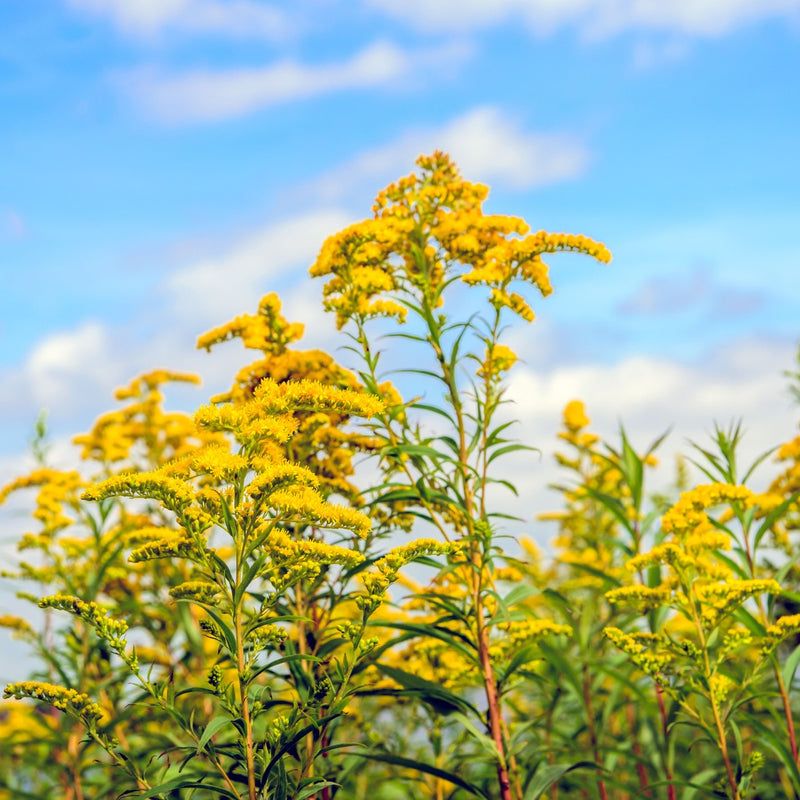
Blamed for hay fever it does not cause, goldenrod (Solidago) gets a bad rap it never earned. The real culprit is ragweed blooming at the same time. Goldenrod, meanwhile, is one of the hardest-working native plants for wildlife in the state, fireflies included.
Late in the season, when much of the yard is winding down, goldenrod throws up plumes of gold that feed migrating pollinators. Down at ground level, its dense clumps and standing stems hold moisture and give firefly larvae shelter through fall and into their long overwintering stretch.
Plant it in full sun, spacing clumps about two feet apart, in spring or fall. It grows almost anywhere in North Carolina, from Piedmont clay to sandy Sandhills soil, and it asks for nothing once it settles in. Choose a clumping type like wreath goldenrod if you want to keep it from roaming.
Do not deadhead or cut it down in fall. Leave the stems standing over winter as habitat, then trim in late winter. Leaving stems and leaf litter is exactly what NC State Extension suggests for supporting overwintering insects.
Plant goldenrod and you close out the season with a blaze of gold by day and, in the seasons that follow, more of those green sparks at dusk. That is a yard coming back to life.