Why Some California Native Plants Look Dormant In Winter And Whether They Need Water
A few native trees in our foothills drop their leaves in July, long before any frost arrives. By winter, those bare branches can look so lifeless that worried gardeners reach for the hose or even a saw.
California summers are long and dry, so many local plants learned to rest instead of fighting the heat. Plenty of them pull back underground after blooming, then wait quietly beneath the soil for steady rain and warmth.
I have to admit that my first leafless native shrub nearly fooled me into ripping it out. You might notice the same panic creeping in when a favorite plant turns brown and stays that way.
Knowing which plants are resting and which ones are thirsty can save you plenty of water and worry. So how can a California gardener tell a sleeping plant from a struggling one before spring arrives?
1. Bare Buckeye Branches Are Resting After An Early Summer Leaf Drop
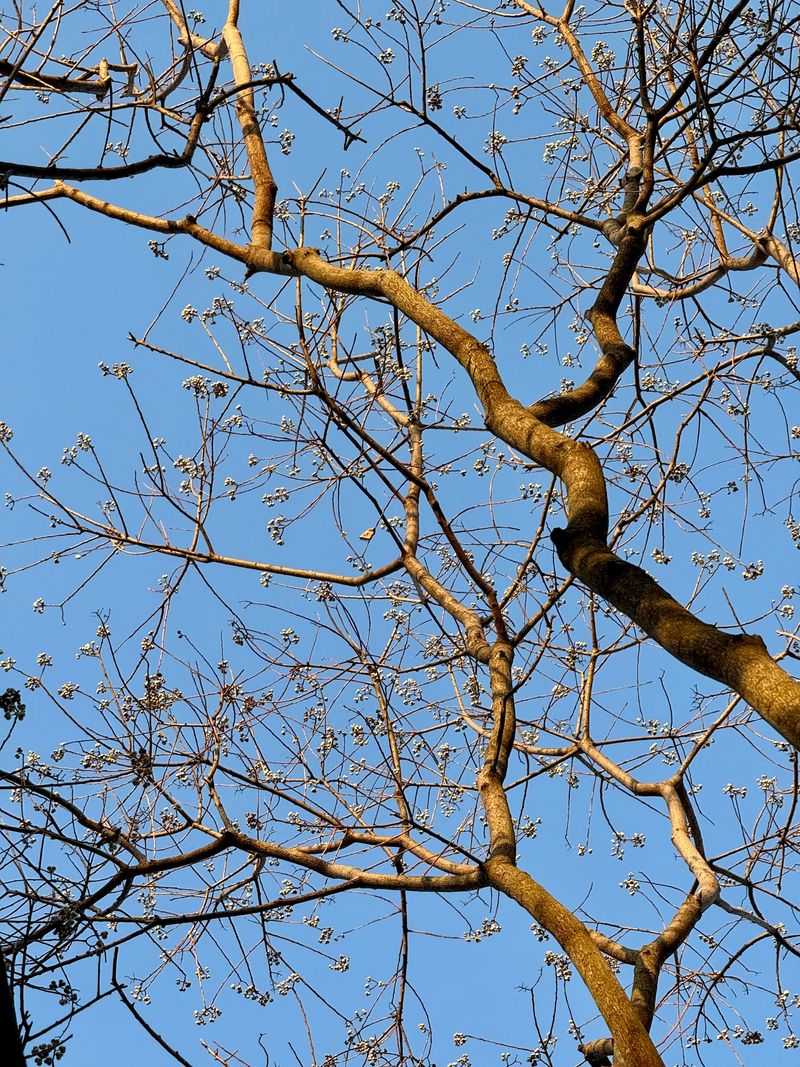
Bare branches in December can be a buckeye’s way of showing off its smart survival plan. Aesculus californica often drops its leaves by midsummer, so winter just continues a rest that began months earlier.
I love how the silvery bark and dangling pear-shaped fruits stand out against a gray winter sky. Those big seeds often split open and sprout on the ground once the rainy season soaks the soil.
Summer dormancy lets the tree skip the hottest, driest months without losing precious water through its leaves. Fresh green leaves usually appear in late winter or early spring, well before many other trees wake up.
Established buckeyes rarely need extra water in winter because seasonal rain normally reaches their deep, wide roots. During a very dry winter, one slow soak each month can help a mature tree stay strong.
Summer watering is another matter, since extra moisture in hot soil can invite root rot problems. Personally, I let my buckeye stay thirsty from June through fall and simply trust its natural rhythm.
One caution matters for families, because buckeye seeds and leaves are toxic when eaten by people or pets. The spring flowers can also harm honeybees, though many native bees visit them without any trouble.
So when your buckeye looks bare in winter, admire the sculptural branches and let the rain handle things. Those fragrant flower spikes in late spring will reward your patience with plenty of happy buzzing visitors.
2. Western Redbud Stands Bare Before Its Magenta Spring Show
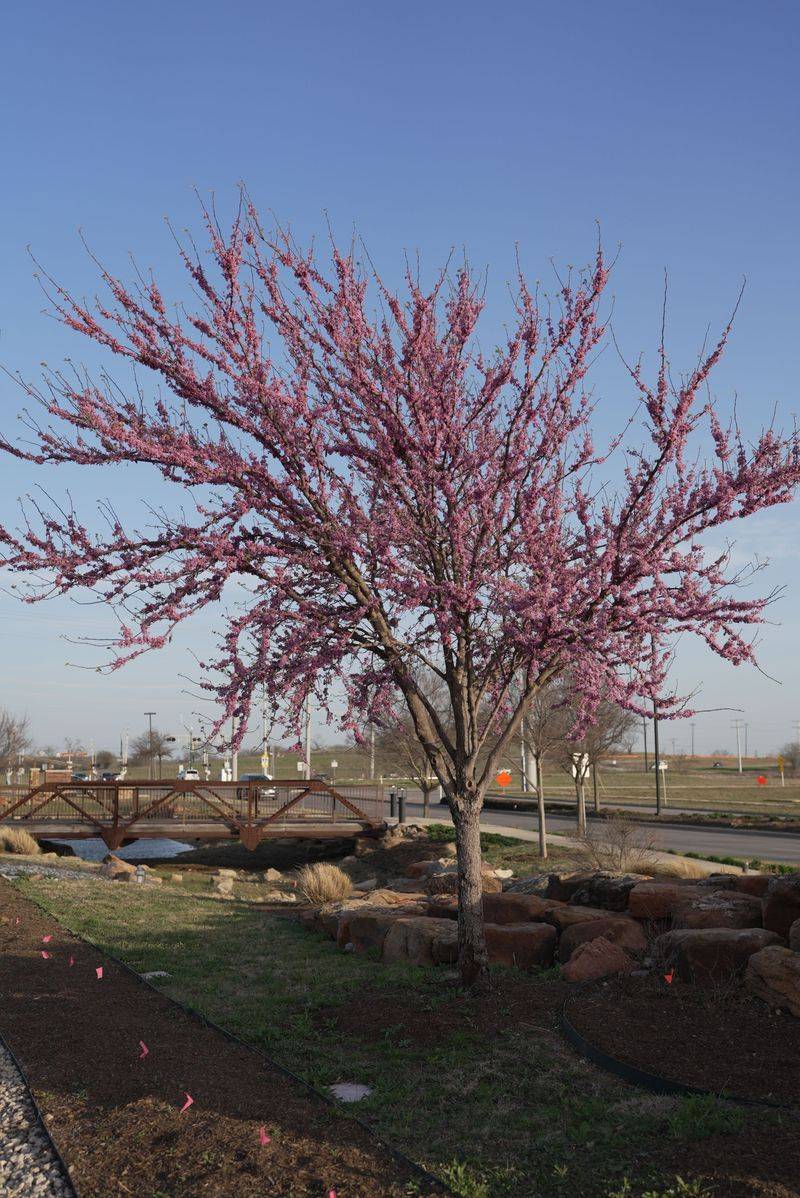
Magenta buds popping from naked twigs make western redbud one of the most surprising sights in late winter. Cercis occidentalis drops its heart-shaped leaves in fall, leaving flat brownish seed pods rattling on bare branches.
I can’t imagine a better reminder that leafless does not mean finished, at least in a native garden. Bloom usually arrives between February and April, depending on your elevation and how cold your winter runs.
Redbuds actually need some winter chill to flower well, so cold nights work in their favor. Gardeners in mild coastal areas sometimes see fewer blossoms than folks living in the foothills or inland valleys.
Once established, this tough shrub handles drought well and usually gets by on winter rain alone. Heavy, soggy clay can be a problem, so make sure extra water drains away from the base.
Young redbuds in their first two years deserve a deep drink whenever winter brings several dry weeks. Push a finger or trowel a few inches into the soil, and water only when it feels dry.
Personally, I save any light shaping for right after bloom, so I do not snip off flower buds. Those little buds line the branches all winter, and they are easy to miss if you rush.
Native bees and hummingbirds both visit the flowers, so your patience feeds more than just your eyes. Fresh green leaves follow the bloom, turning the bare winter skeleton into a rounded, cheerful shrub again.
3. Western Sycamore Trees Rest With Pale Bare Branches
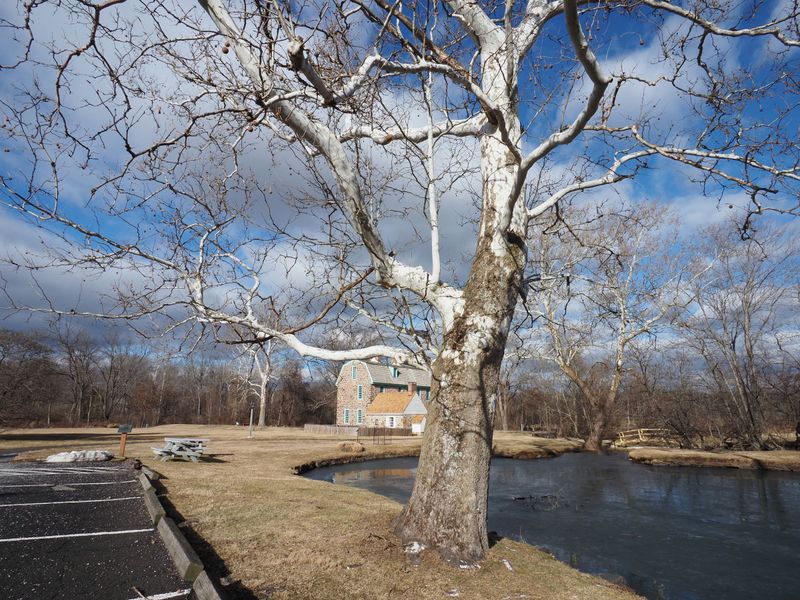
Ghostly white branches and patchy bark make a western sycamore look like a sculpture once its leaves fall. Platanus racemosa naturally grows along streams, where its roots reach steady underground moisture for most of the year.
I love how the spiky seed balls dangle on long stems, swaying like ornaments through the cold months. Goldfinches and other small birds sometimes pick at those fuzzy balls, so enjoy them while they last.
Winter dormancy helps this big tree save energy, then fresh maple-like leaves appear as days warm up. Because it comes from creek banks, a sycamore planted in a dry yard needs more water than most natives.
During a wet winter, rain usually covers its needs, and you can put the hose away for weeks. When storms skip your area for a month or more, a long, slow soak around the drip line helps.
University of California experts warn that skipping water during dry winters can stress trees in summer-dry regions. That stress may not show right away, but it often appears later as thin leaves or dropped branches.
You might notice brown, curled leaves on sycamores in spring, which often points to a fungal disease called anthracnose. Cool, wet weather triggers it, and healthy trees usually push out a second flush of leaves afterward.
Give this tree plenty of room, since mature sycamores can grow taller than fifty feet with a broad crown. Planted in the right spot, it rewards you with summer shade and a striking winter silhouette.
4. California Wild Rose Sheds Leaves And Keeps Its Red Hips
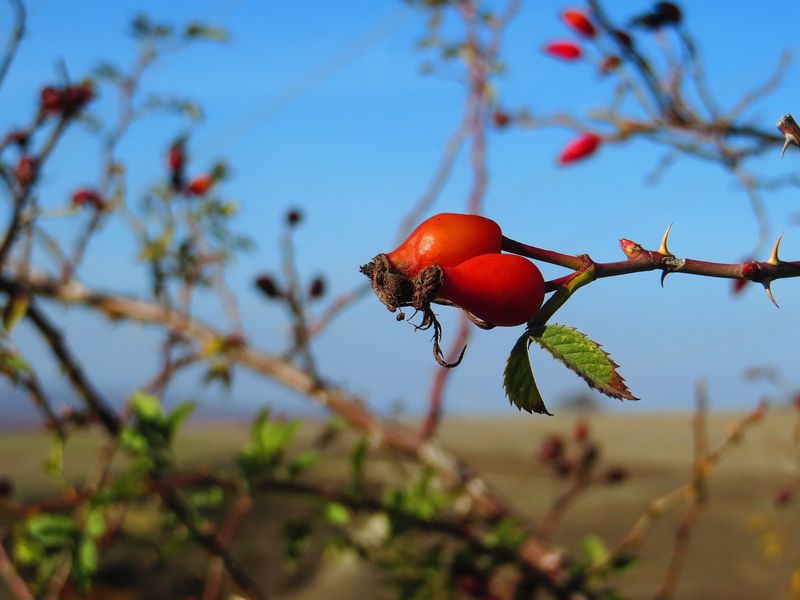
Thorny canes covered in bright red hips can look surprisingly festive after a wild rose drops every leaf. Rosa californica is winter-deciduous, so those bare stems in January are perfectly normal for this tough native.
I like how birds treat those hips like a winter snack bar, picking them off one by one. Leaving the hips in place gives hungry wildlife food during the leanest part of the year.
In nature, this rose often grows near streams and in moist spots, where it spreads by underground runners. That habit makes it great for slopes and hedgerows, though it can wander farther than you planned.
Established plants usually handle winter on rainfall alone, especially in heavier garden soil that holds moisture longer. If your winter turns dry, a deep soak every few weeks keeps the roots comfortable until spring.
Compared with many drought-loving natives, this rose tolerates more summer water, so it fits garden beds nicely. Still, soggy roots in cold weather can lead to trouble, so avoid watering soil that already feels wet.
Winter is a handy time to remove old, woody canes, because you can finally see the plant’s shape. Wear thick gloves, since those prickles hide easily once you start reaching deep into the thicket.
Pink, spicy-scented flowers return in spring and often keep coming into summer, drawing plenty of native bees. A leafless rose in winter is simply resting, and the new growth will prove it soon enough.
5. Showy Milkweed Vanishes Underground Until Spring
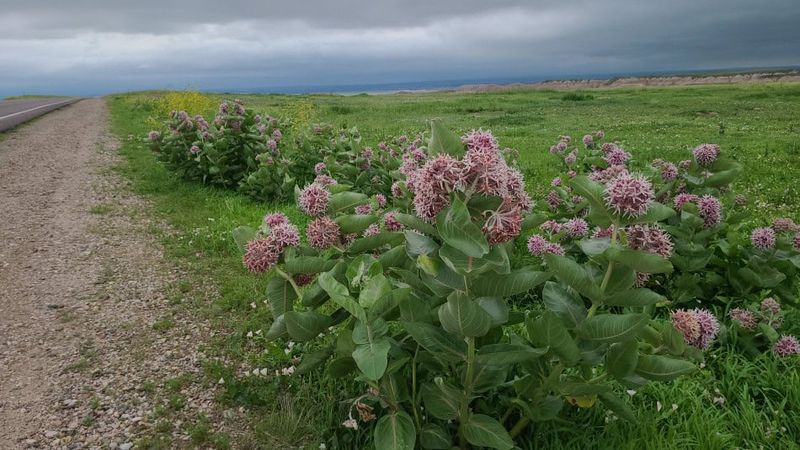
An empty patch of dirt in winter might actually be hiding one of the best monarch plants around. Showy milkweed, Asclepias speciosa, pulls back to its roots each fall and leaves almost nothing above ground.
Last year I nearly planted a salvia right on top of my sleeping milkweed patch by accident. Marking the spot with a small stake in fall saves you from that kind of surprise later.
Cutting back the old stems after they turn brown is fine, and it keeps the bed looking tidy. Native milkweed naturally goes dormant here, unlike tropical milkweed, which stays green and may spread monarch parasites.
Dormant roots need very little water in winter, and soggy soil can actually cause them to rot. Normal seasonal rain is usually plenty, so skip the sprinkler unless the ground stays dry for weeks.
New shoots typically pop up in spring as soil warms, often a bit later than most gardeners expect. Patience pays off, because one healthy clump can spread by underground runners into a nice little colony.
Those fuzzy gray-green leaves feed monarch caterpillars, while the pink starry flowers attract many kinds of bees. Keep in mind that milky milkweed sap is toxic, so wash your hands after handling the stems.
Once spring growth arrives, regular water during the first summer helps young plants settle in really well. Until then, treat that bare patch as a promise, and let the winter rain do the work.
6. Native Leopard Lily Bulbs Sleep Beneath The Winter Soil
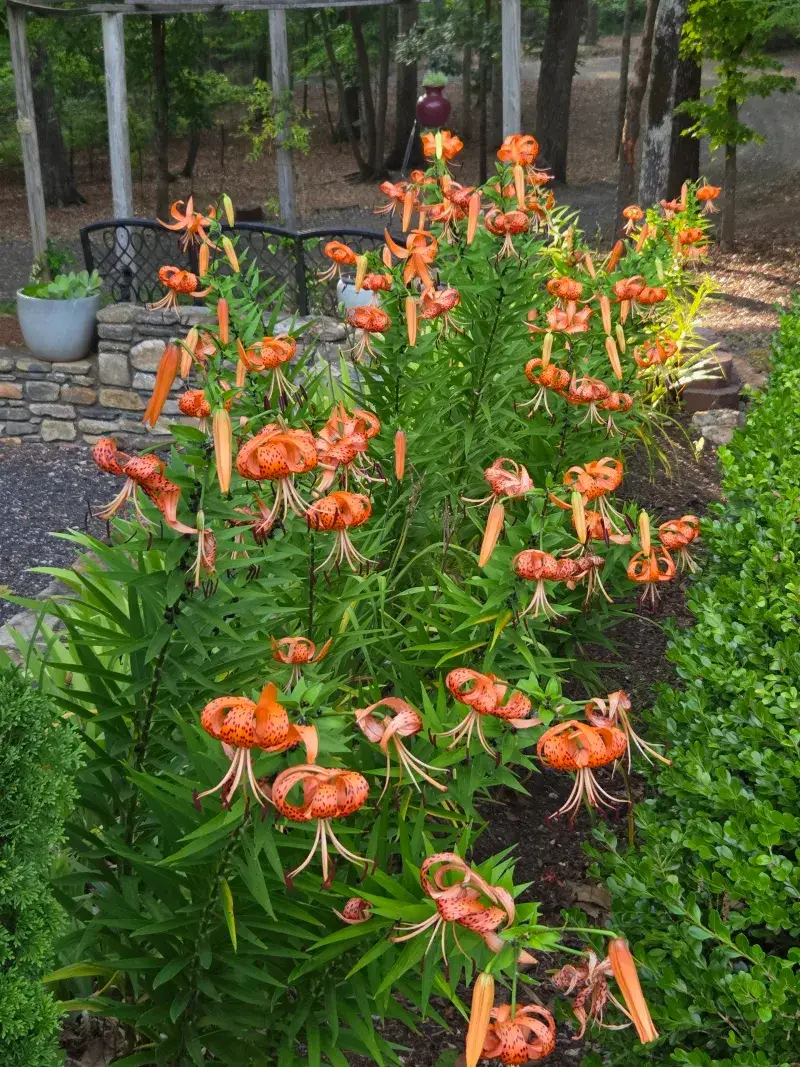
Leopard lily bulbs spend winter tucked underground, looking like nothing more than a bare spot in the shade. Lilium pardalinum and Lilium parvum both vanish after summer, then return with tall stems once the weather warms.
These lilies naturally grow near streams and seeps, so they enjoy more moisture than many other native plants. Even so, the bulbs want soil that drains well, because standing water can cause them to rot.
Winter rain usually provides all the moisture a dormant bulb needs, so extra watering is rarely helpful. Save the hose for spring and early summer, when stems are growing fast and buds are forming.
Gophers find lily bulbs delicious, which explains why some gardeners plant them inside sturdy underground wire baskets. Personally, I consider those baskets essential, since one hungry gopher can empty a whole patch quickly.
Mark each planting spot clearly, because you will not see a single leaf until spring finally arrives. A thin layer of leaf mulch on top keeps the soil cool and mimics the forest floor.
Summer brings the payoff, with bright nodding orange flowers covered in dark spots and curled-back petals. Hummingbirds and large butterflies such as tiger swallowtails visit them, which makes the long wait feel very worthwhile.
Deer sometimes nibble the stems, so a fence or a protected spot can help a lot. After bloom, let the foliage turn yellow on its own, since those fading leaves feed next year’s bulb.
7. Scratch A Shrub Stem To Find Green Living Tissue
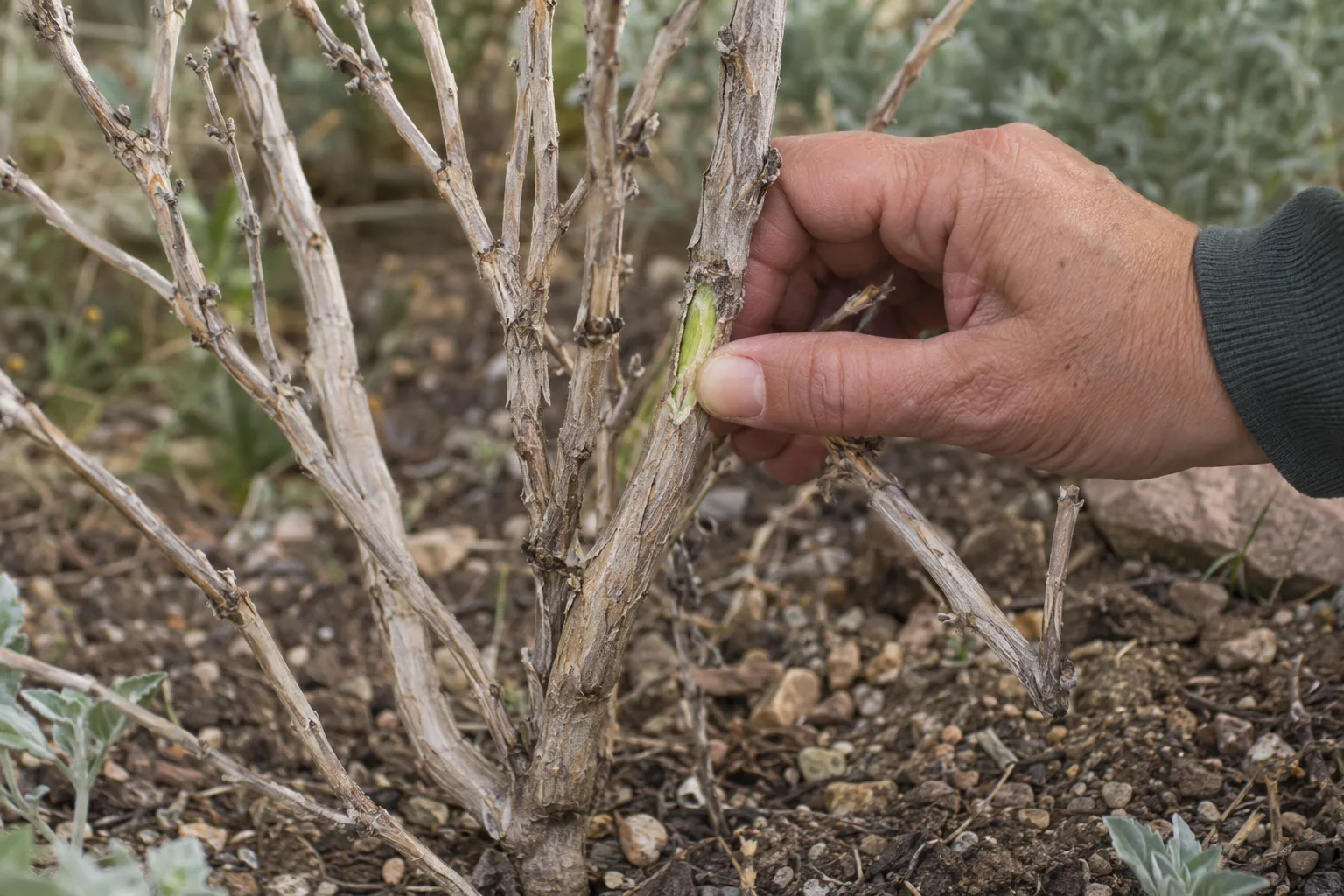
A tiny scratch with your thumbnail can settle the big question of whether a plant is resting or gone. Gently scrape a small spot on a stem, and look for moist green tissue just under the bark.
Bright green and slightly damp usually means the plant is alive and simply waiting for its big moment. Dry brown tissue that snaps easily suggests that particular branch has stopped growing and may need trimming later.
I like to test a few spots, starting near the tips and working down toward the base. Tips often look rough after winter, while lower stems still hold plenty of living tissue inside them.
Flexibility offers another clue, since healthy dormant twigs usually bend a little bit before they finally break. Plump buds along the stems are encouraging too, especially on deciduous shrubs and small trees like redbud.
For perennials that vanish underground, the scratch test will not work, so check the roots instead. Dig carefully at the edge of the clump, and look for firm, light-colored roots rather than mushy ones.
Patience matters most here, because many natives wake up later than nursery plants from other regions. My own rule is waiting until late spring before making any final calls about a bare plant.
Overwatering a plant that only seems sick can often do far more harm than leaving it alone. So grab your thumbnail before the hose, and let that little green flash guide your next move.
8. Established Manzanita And Ceanothus Shrubs Drink Winter Rain
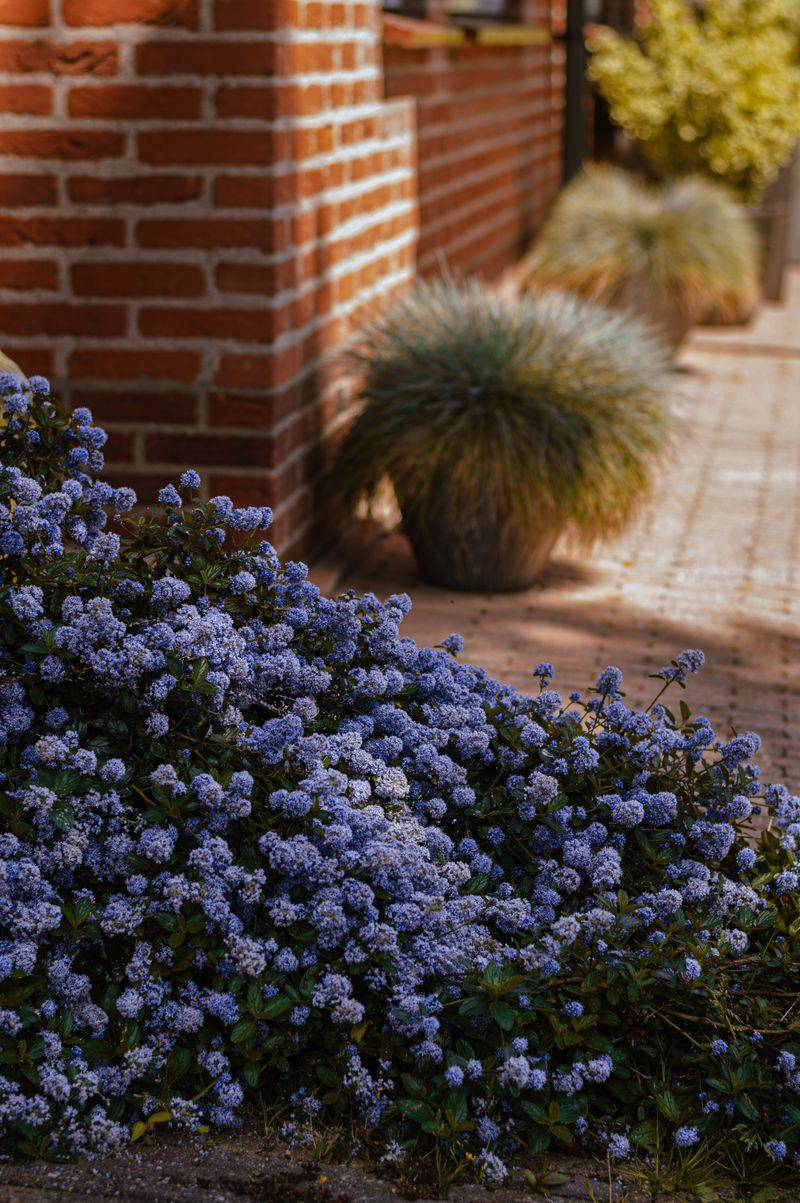
Mature manzanitas and ceanothus have roots built to grab winter rain, then coast through months of summer dryness. Once a native has lived in your yard for two or three years, normal rainfall usually covers its winter needs.
I believe this is the easiest part of native gardening, because the sky does most of the work. Turning off the irrigation system during rainy months saves water and protects roots from staying soggy too long.
Dry winters happen often in California, and a month or more without rain can stress even tough shrubs. In those stretches, one deep watering can mimic a good storm and refill the soil around the roots.
Check the soil a few inches down before you water, using a trowel or a simple moisture meter. If it feels moist, hold off, but if it crumbles dry, give the area a long, slow soak.
Early morning is the best time to water, since cooler air reduces evaporation and helps leaves dry quickly. Damp foliage sitting overnight can invite fungal problems, especially on evergreen shrubs with thick, dense branches.
Interestingly, winter is when many evergreen natives do their real growing, while summer is their quiet season. That flip surprises gardeners raised on lawns, but it matches the rhythm of a Mediterranean climate perfectly.
Summer water is the bigger risk for many established natives, since warm wet soil encourages root rot. Lean on the rain when it shows up, and step in only when the weather forgets its job.