Native Florida Shrubs That Create Natural Screening Without Constant Pruning
A hedge that demands constant attention stops being a garden feature and starts being a chore. Florida homeowners who have spent summers wrestling overgrown shrubs back into shape know how quickly that relationship sours.
The heat alone makes regular pruning something to dread. Most traditional hedge plants were never bred with Florida’s aggressive growing conditions in mind.
Native shrubs operate differently. They grew up in this climate, adapted to the soil, the rainfall, and the humidity over generations.
Many have a natural density that does the work a screen is supposed to do without requiring a standing appointment with the clippers. The options are more attractive than most people expect.
Native screening done right adds privacy, supports local wildlife, and holds its shape with far less intervention than the alternatives.
1. Use Marlberry For A Tall Native Privacy Hedge
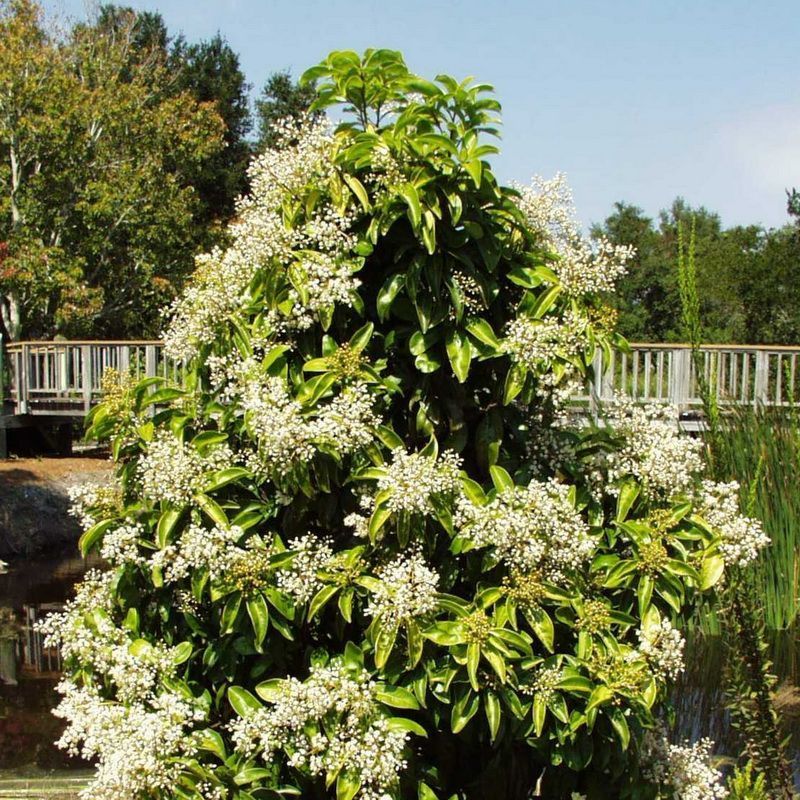
A tall screen does not have to look formal to work well. Marlberry, known botanically as Ardisia escallonioides, is a native shrub or small tree that can grow into a dense, leafy privacy screen when given the right conditions.
Its dark, glossy foliage stays on the plant year-round, which makes it a reliable choice for gardeners who want consistent coverage.
This plant is better suited to warmer regions of the state, including central and south Florida. Cold sensitivity is a real factor to consider.
In northern areas or during unusual freezes, marlberry may suffer significant damage. Gardeners in those zones should think carefully before relying on it as a primary hedge plant.
Marlberry works best in partially shaded to full sun locations with well-drained soil. It can handle a range of conditions once established, but it tends to perform better with some protection from harsh afternoon sun, especially in exposed sites.
Giving it enough room to spread is important because crowding it will limit its natural form.
Do not plant marlberry expecting a tight, clipped boxwood-style hedge. Its strength is as an informal, layered screen with a relaxed, natural appearance.
Small white flowers and dark berries add seasonal interest and provide food for birds, which is a bonus for wildlife-friendly yards.
Light shaping once or twice a year can help keep it tidy, but heavy frequent pruning is not necessary when it is planted in a spot that matches its mature size.
Check the expected height at your local native plant nursery before planting.
2. Plant Dahoon Holly For A Natural Evergreen Screen
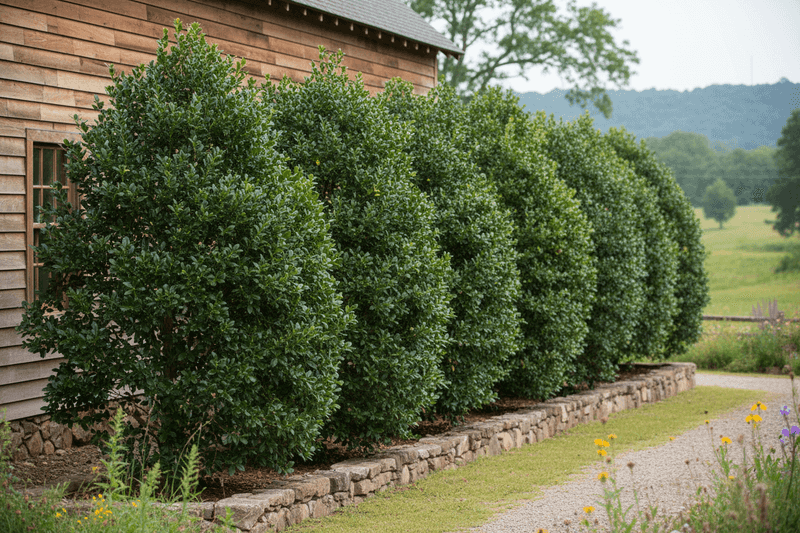
Evergreen structure matters in a hedge, and dahoon holly delivers that quality in a way that also supports local wildlife.
Botanically known as Ilex cassine, this native holly is a reliable plant for gardeners who want year-round greenery along a property line or garden border.
Its dense foliage and attractive red berries make it a standout choice for natural screens.
One honest note worth sharing early: dahoon holly often grows more like a small tree than a low, compact shrub. It can reach heights that surprise gardeners who expect it to stay tidy and low.
Your Florida Garden Changes Every Week. Your Plan Should Too.
Gardening in Florida changes quickly throughout the season. Every Friday you’ll receive a simple weekly plan showing exactly what to plant, prune, fertilize, harvest, and protect so you never miss the right timing.
This makes it better suited as a tall natural screen than a formal clipped hedge. Giving it plenty of vertical and horizontal room is the key to letting it perform well.
Moisture is an important part of matching this plant to the right site. Dahoon holly naturally grows near wetlands, stream edges, and low-lying areas in the wild.
It handles moist to wet soils better than many other native shrubs, which makes it a smart pick for yards with poor drainage or spots that stay damp after rain. Dry, sandy upland soils are usually not the best fit.
For wildlife value, few native plants compete with this holly. Birds are drawn to the berries through the cooler months, and the dense branching offers shelter.
Female plants produce berries, but a male plant nearby is often needed for good fruit production, so check with your nursery before buying.
Light pruning to shape the lower canopy is fine, but heavy trimming will reduce its natural beauty and berry production.
3. Try Necklace Pod For A Loose Coastal Screen
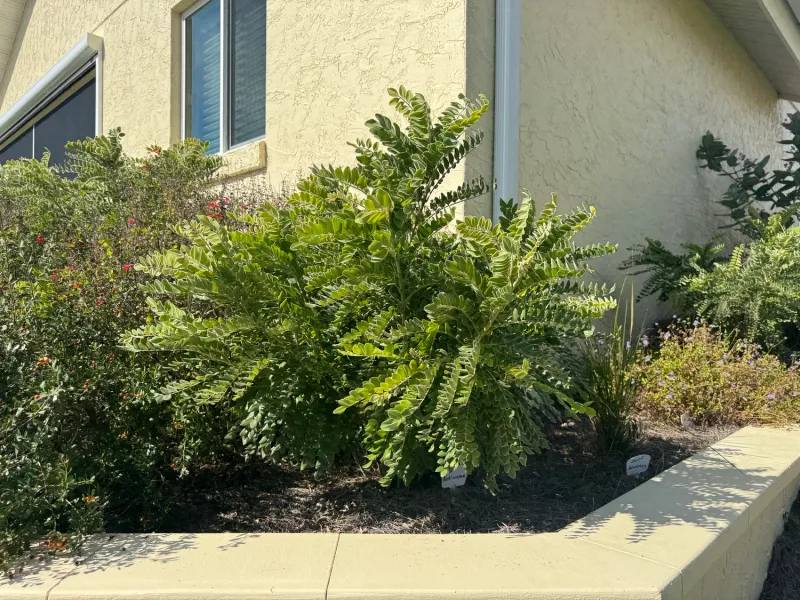
Coastal gardens need shrubs that fit the climate, and necklace pod is one of the few natives that actually thrives close to the salt air and sandy soils near the shore.
Botanically called Sophora tomentosa, this shrub puts on a striking show with its bright yellow flowers on tall spikes, which appear through much of the warm season.
The silvery-green foliage adds a soft texture that contrasts nicely with darker plants nearby.
Necklace pod is best suited to the warmer coastal and southern parts of the state. It is not a reliable choice for colder inland sites or northern areas where freezing temperatures are more common.
Gardeners in those zones should look at other options on this list rather than pushing this plant beyond its comfort zone.
In the right setting, necklace pod forms a mounding, informal shrub that can work as a loose flowering border or relaxed coastal screen.
It handles sandy, well-drained soils and salt exposure better than many other native shrubs, which is exactly what coastal gardeners need.
Full sun is where it performs best, and it tends to look sparse and uneven in shady spots.
Keep in mind that the seeds of necklace pod are considered toxic, so households with young children or pets may want to factor that into their planting decisions. Also, this is not the shrub for a tightly clipped, formal look.
Its natural growth habit is loose and arching, which suits relaxed coastal landscapes beautifully. Light shaping after flowering can help maintain a neater appearance without stripping away its natural character.
Check regional availability at a native plant nursery before purchasing.
4. Use Firebush For A Flowering Native Screen
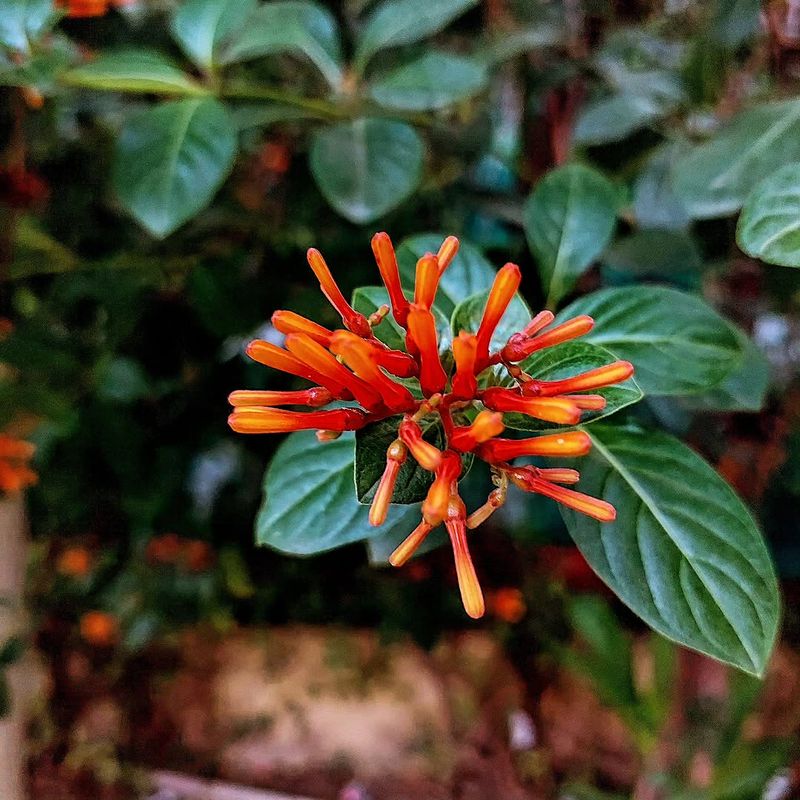
A flowering screen can still feel natural, and firebush proves that point better than almost any other native shrub in this state. Botanically known as Hamelia patens, it produces clusters of tubular orange-red flowers over a long season.
That makes it one of the most visually rewarding choices for a wildlife-friendly screen. Hummingbirds and butterflies are regularly attracted to the blooms, adding movement and life to the garden.
Firebush behaves differently depending on where you plant it. In central and south Florida, it often grows into a large, multi-stemmed shrub that can fill in a hedge line impressively.
In northern areas of the state, it may behave more like a perennial, going dormant after a hard freeze and resprouting in spring. That regional difference is worth knowing before you count on it for year-round screening in cooler zones.
Full sun brings out the best in firebush. It can tolerate some light shade, but flower production and density tend to drop noticeably in shadier spots.
Well-drained soil is preferred, though established plants can handle short periods of dryness once they are settled in. Avoid soggy or consistently waterlogged sites.
For screening use, give firebush enough space to spread naturally. Cutting it back hard too often reduces flowering and can make the plant look ragged.
Light shaping once a year, usually in late winter before new growth begins, is generally enough to keep it full and tidy.
In warmer parts of the state, this shrub can grow quite large, so confirming the expected mature size before planting helps avoid surprises later on.
5. Plant Buttonbush Where The Soil Stays Moist
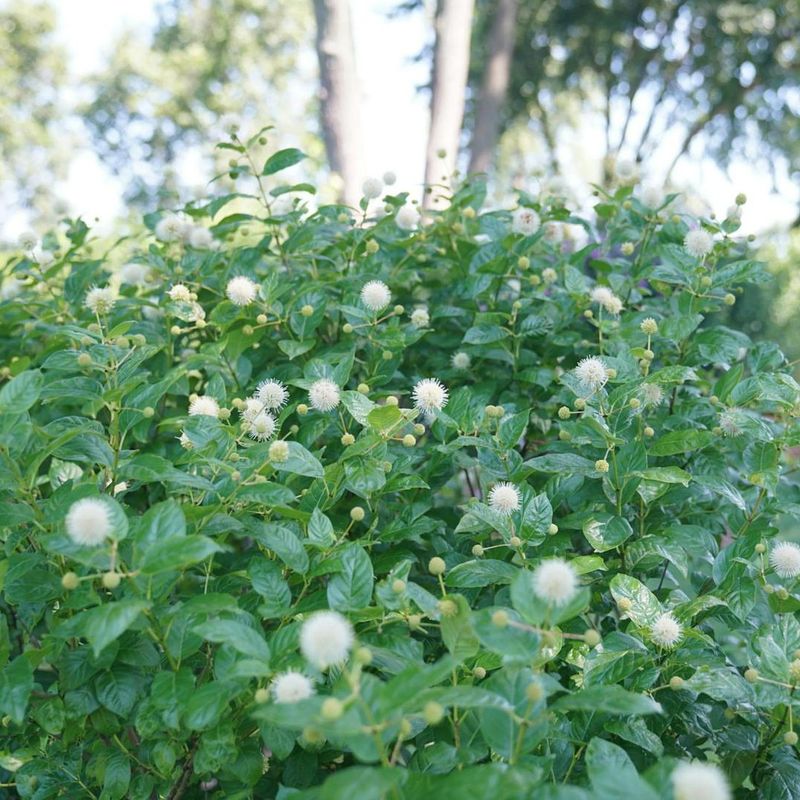
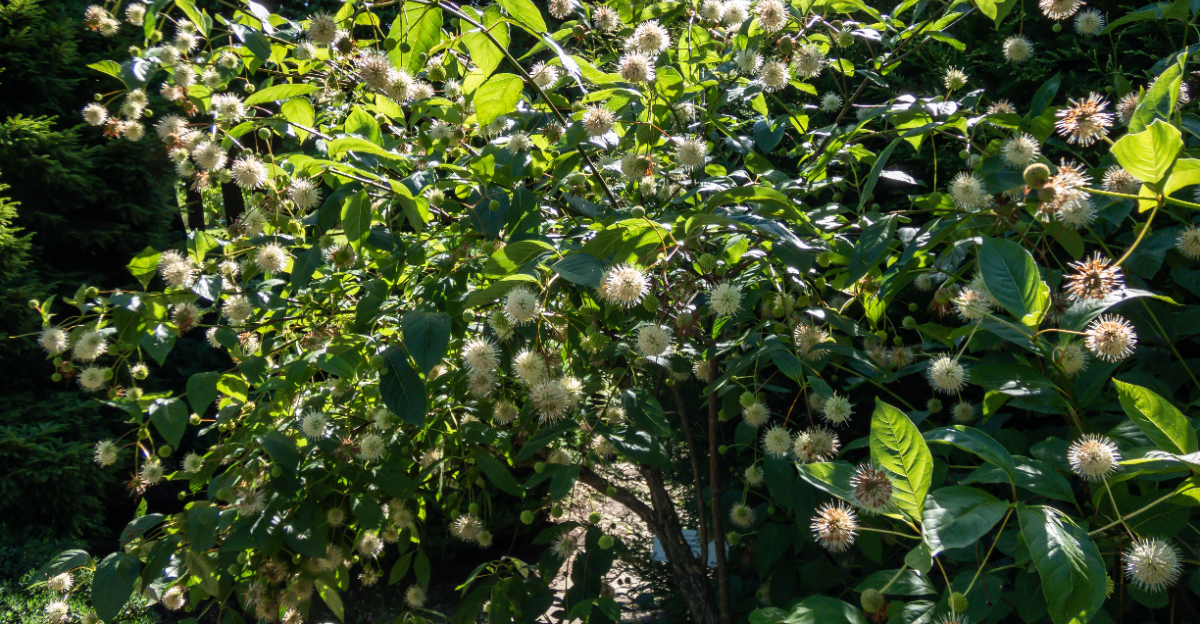
Wet soil calls for a different native choice, and buttonbush is one of the most reliable options for those challenging spots in the yard. Botanically called Cephalanthus occidentalis, this native shrub thrives along pond edges, in swales, and in rain gardens.
It also works along fence lines where the ground stays consistently moist. Most shrubs struggle in those conditions, but buttonbush genuinely performs well there.
The flowers are one of its most distinctive features. Round, white, globe-shaped blooms appear in summer and have a quirky, almost architectural quality that makes them stand out in the landscape.
Pollinators are strongly attracted to them, and the plant also provides habitat and food value for various wildlife species. For gardeners who care about supporting local ecosystems, buttonbush is a meaningful addition.
Be clear-eyed about where this shrub belongs. Dry, sandy upland soils are not the right fit.
Planting buttonbush in well-drained or drought-prone spots will lead to poor performance and a struggling plant. Matching it to genuinely moist or wet soil is the most important step in getting good results.
Once it is in the right place, it requires very little intervention to stay full and healthy.
As a hedge plant, buttonbush works best in informal, naturalistic settings where a loose, somewhat open form is acceptable.
It may not create the tight wall of greenery some gardeners picture, but along a wet fence line or at the edge of a retention area, it fills in well over time.
Light pruning in late winter can help manage its shape without disrupting the upcoming bloom season. Native plant nurseries that specialize in wetland species are the best source for healthy plants.
6. Try Walter’s Viburnum For Shady Screening
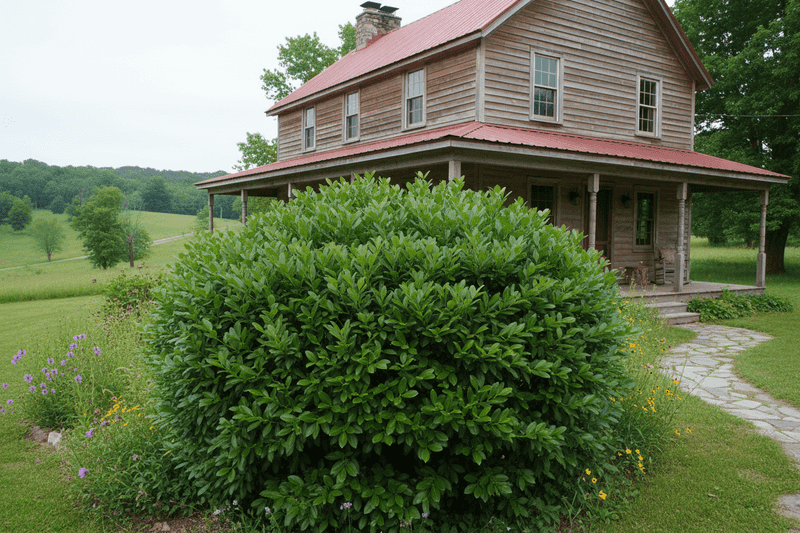
Shade changes the hedge plan completely, and not every shrub on a native plant list can handle lower-light conditions gracefully. Walter’s viburnum, botanically known as Viburnum obovatum, is a Florida native.
It can help create a softer, more layered screen where dense sun-loving hedge shrubs simply will not fit.
It has small, dark green leaves and a naturally dense branching habit that lends itself well to screening.
It produces clusters of small white flowers in late winter or early spring, which adds a seasonal highlight to an otherwise green backdrop.
Birds and other wildlife find value in the plant as well, both for cover and for the small fruits that follow the flowers.
Moisture and regional conditions matter with this shrub. It tends to prefer moist, well-drained soils and does not love prolonged drought once established, though it is more adaptable than some other native options.
It can handle partial shade to full sun in many landscapes. Its usefulness in shaded screening situations is what sets it apart from most of the other plants on this list.
Keep expectations realistic. This is not a plant that will create an overnight wall of privacy.
It fills in steadily over time and looks best when allowed to grow in a relaxed, natural form rather than being sheared into a formal shape. Light pruning after flowering can help with density and shape without removing the following season’s blooms.
Always confirm the botanical name and regional suitability when purchasing from a nursery.
7. Choose Inkberry For A Low Native Screen
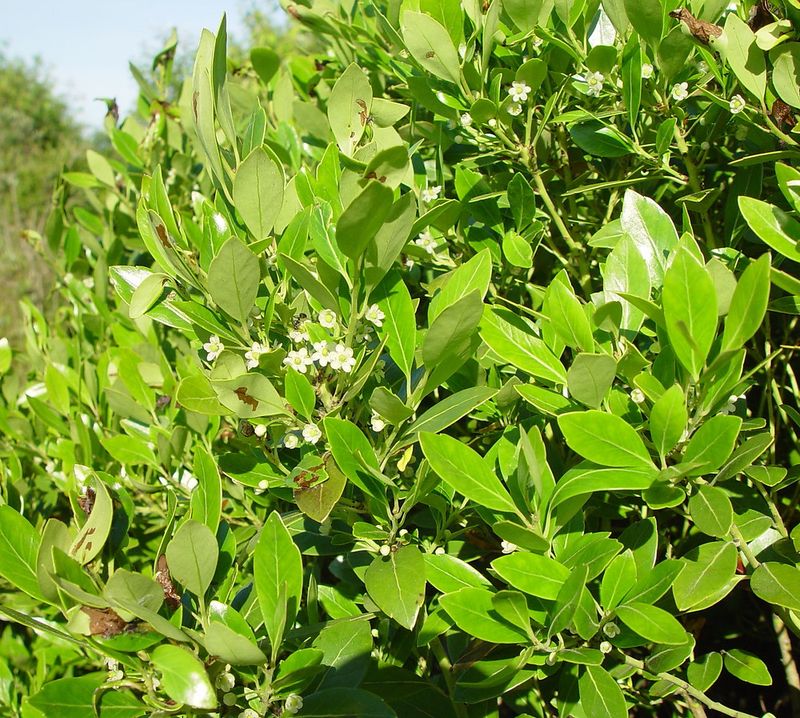
A low hedge needs the right plant from the start. Ilex glabra, often called gallberry or inkberry, is one of the most dependable natives for that role when conditions are right.
Because the name inkberry is used for more than one plant, confirming the botanical name before buying is genuinely important. This native holly has small, dark berries and a naturally compact, spreading habit.
Ilex glabra works best in moist, acidic soils, which is a key point that separates it from many other hedge choices. Low-lying areas, rain gardens, pond edges, and spots with naturally damp, organic-rich soil are where it tends to perform at its best.
Dry, sandy, alkaline soils will likely lead to disappointing results, so matching this plant to the right site is more important than any other care step.
As a hedge plant, inkberry suits informal, low-to-medium-height borders rather than tall privacy walls. It spreads gradually through suckers, which can help it fill in a hedge line over time without much help from the gardener.
That spreading habit is an asset in naturalistic landscapes, though it may require occasional management in tighter garden spaces. The dark berries are eaten by birds through the cooler months, adding real wildlife value to the planting.
Light pruning in late winter can help keep the shape tidy and encourage dense new growth in spring. Heavy shearing is not necessary and can actually reduce its natural fullness.
Sun to partial shade works well for most planting sites, though full sun with consistent moisture tends to produce the densest growth. Ask your local native plant nursery about cultivars that may suit your specific yard conditions.