Why Some Peace Lily Leaves Turn Black Instead of the Usual Brown in Florida Homes
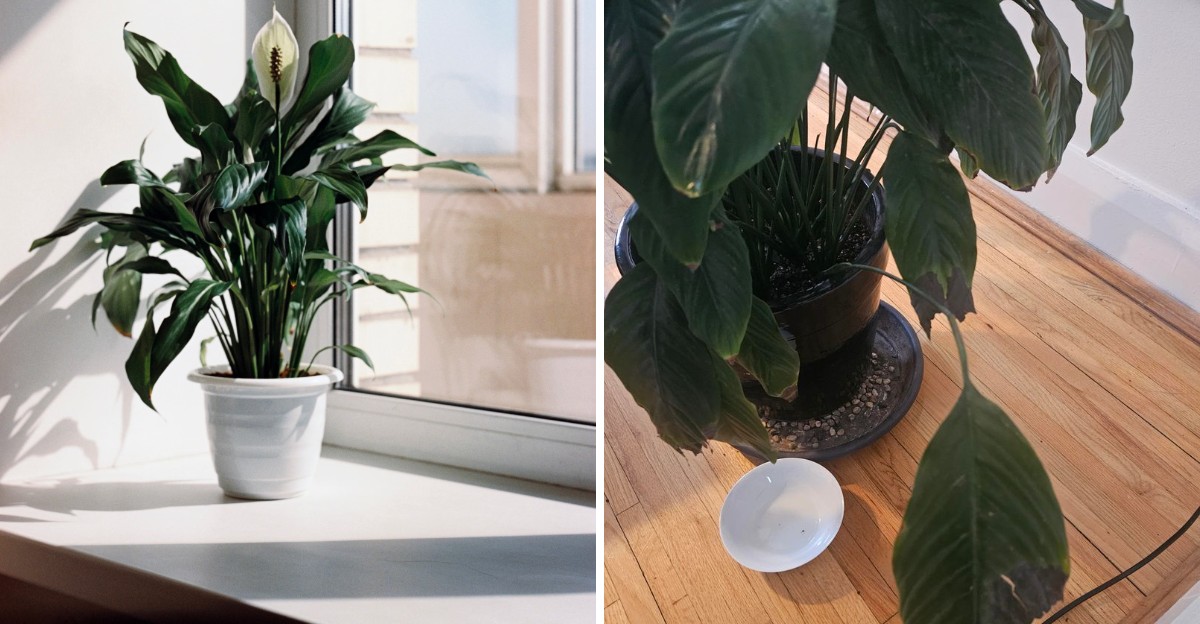
A healthy houseplant leaf can turn inky black in just a few days after one chilly blast of air. That shocked me the first time I saw it on a plant that looked perfect the week before.
Brown leaf tips are common and usually mild. Black patches tell a different story, and they often feel soft, wet, or mushy to the touch.
I like to think of black as the plant raising its voice instead of whispering.
You might expect a warm Florida home to be a safe spot for a tropical plant. Yet air conditioning vents, cold tap water, soggy pots, and bright windows can all set the stage for trouble.
Humidity in the Sunshine State also invites leaf diseases to move in fast.
Once your plant starts shouting, it pays to listen closely. The color, texture, and spot pattern of those dark leaves hold more clues than most people realize.
That Inky Black Peace Lily Leaf Is Sending a Stronger Signal Than Brown
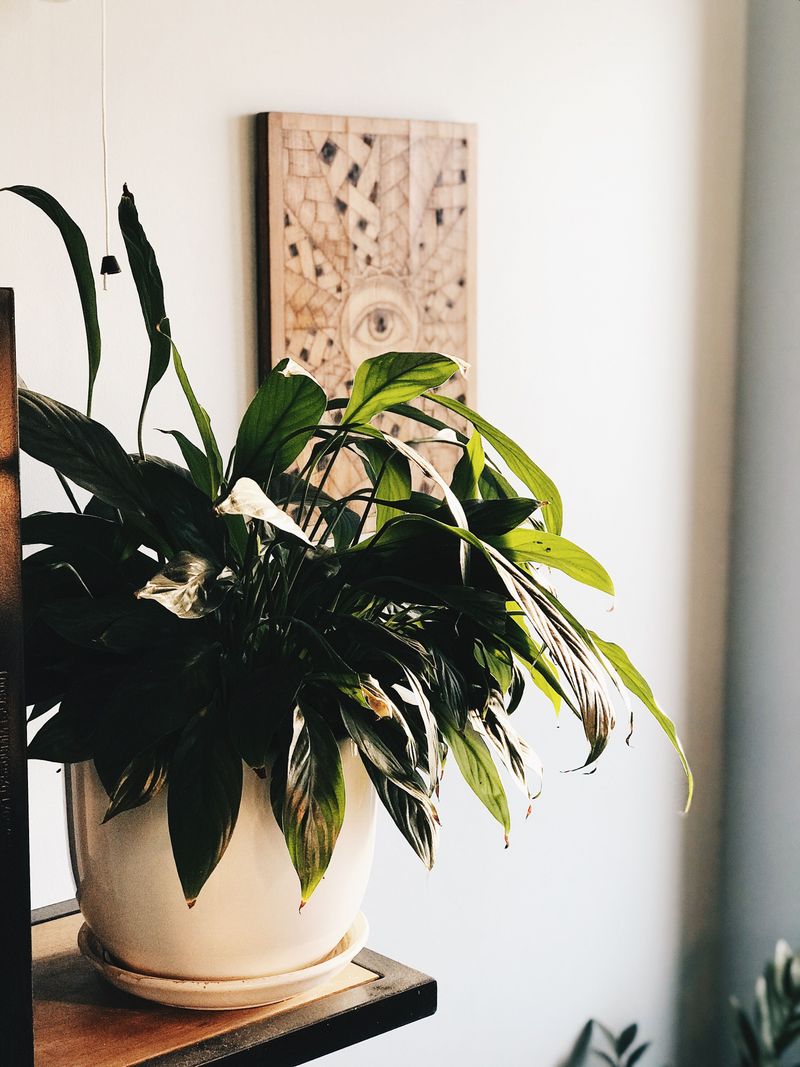
Run your fingers over the damaged leaf before you do anything else. That simple touch test tells you more than color alone.
Brown damage on a peace lily is usually dry and crispy. It often shows up on tips and edges after underwatering, low humidity, or salt buildup.
Annoying, sure, but rarely urgent.
Black damage tends to feel soft, wet, or slimy. That texture points to cells that broke down from cold injury, soggy roots, or a disease that loves moisture.
In other words, black is often a sign that something in the plant’s surroundings changed quickly.
There is one exception worth knowing. Brown tips from fluoride or fertilizer salts can slowly darken to a dry, crispy black over time.
So a black tip that snaps like paper is a different problem than a black patch that squishes.
I keep a quick checklist in my head. Is it soft or crispy?
Is it on the tips, in spots, or spreading from the base? Is it on old leaves or new ones?
Answering those three questions narrows the cause fast. The next sections walk through each suspect, starting with the two that show up most often in Florida homes.
Air Conditioning Vents Can Give Your Peace Lily a Cold Shock
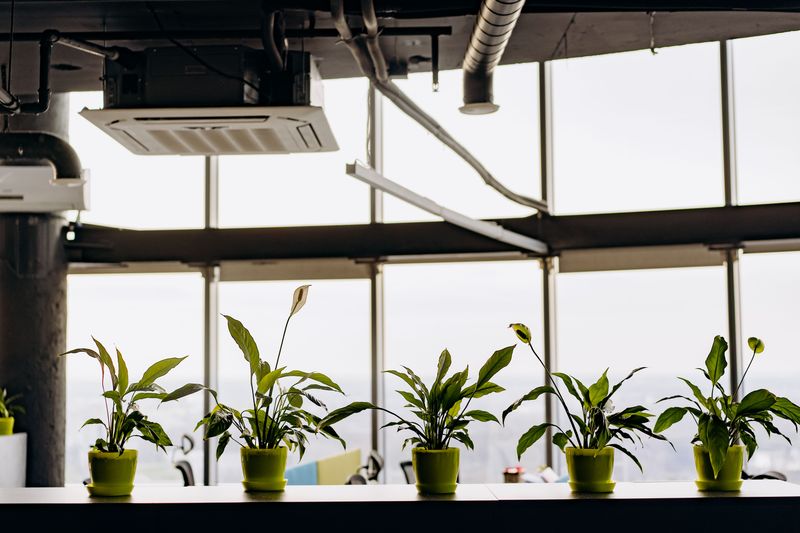
Florida folks crank the AC for months at a time, and peace lilies notice. These tropical plants grow best in warm rooms, roughly 65 to 85 degrees during the day.
Temperatures below about 50 degrees can injure the leaves. Cold damage often starts as dark, water-soaked areas that turn black and limp within a few days.
A plant parked right under a vent can feel a steady stream of chilly air that is much colder than the room thermostat suggests.
Other sneaky cold spots include drafty sliding doors, windows during a winter cold front, and car rides home from the store on a cool January morning. Northern and Central Florida get real freezes some winters, so porches and lanais are risky places to leave this plant overnight.
Cold tap water can add stress too. I let my watering can sit out so the water reaches room temperature first.
Here is my fix list. Move the pot at least a few feet from vents and doors.
Trim away fully blackened leaves at the base with clean scissors. Then give the plant steady warmth and patience, since new leaves will grow from the center if the roots stayed healthy.
Soggy Peace Lily Roots Turn Brown Mush Into Black Leaves
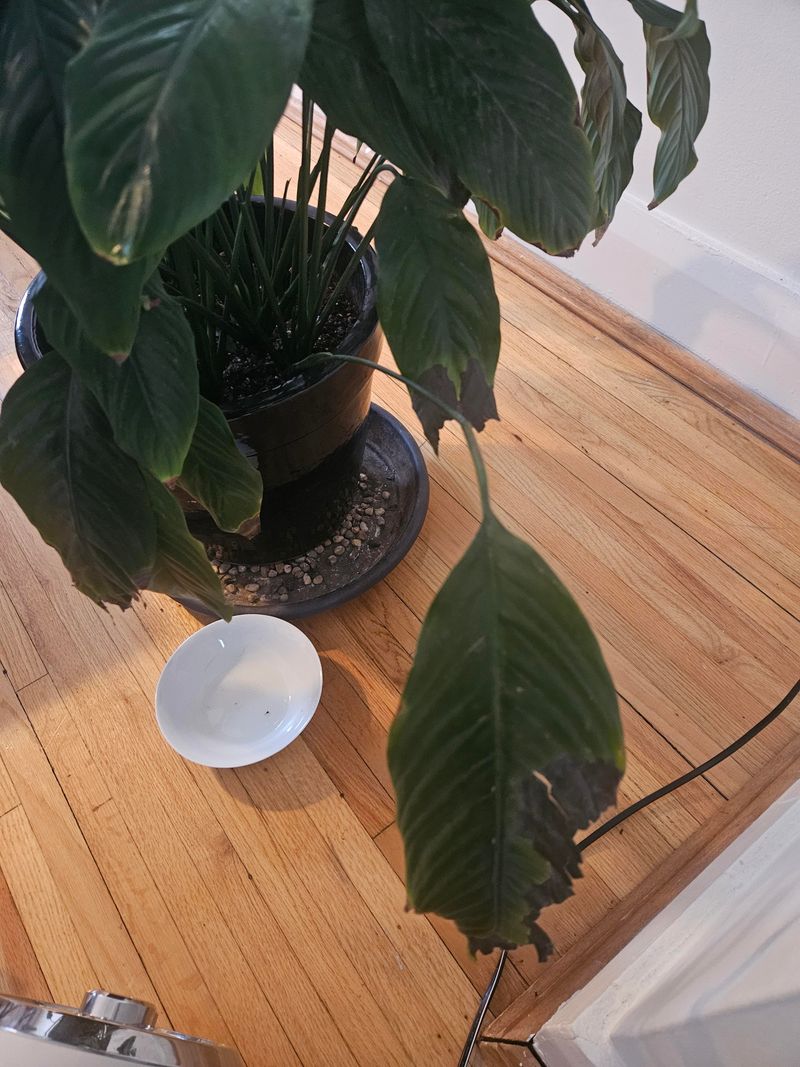
Love can drown a plant. I learned that the hard way with a peace lily I watered every few days just because it sat on my kitchen counter looking thirsty.
When soil stays wet, roots run short on oxygen. Fungi and water molds such as Pythium and Phytophthora can move in and cause root rot.
Damaged roots cannot carry water up to the leaves, so the plant wilts even though the pot is soaked.
The leaves then yellow, darken, and sometimes turn black near the base of the stems. Stems may feel soft.
A sour, swampy smell from the pot is a big clue.
Slide the plant out of its container and look. Healthy roots are white or light tan and firm.
Rotting roots are dark brown or black and peel apart when you pinch them.
Cut away the mushy roots with clean shears. Repot into fresh, well-draining potting mix in a container with drainage holes.
Going forward, water when the top inch of soil feels dry, and empty the saucer so roots never sit in standing water.
That brief droop before watering is fine. A peace lily bounces back quickly from mild thirst but struggles to recover from rot.
Black Spots on Peace Lily Leaves Can Mean a Fungus Moved In
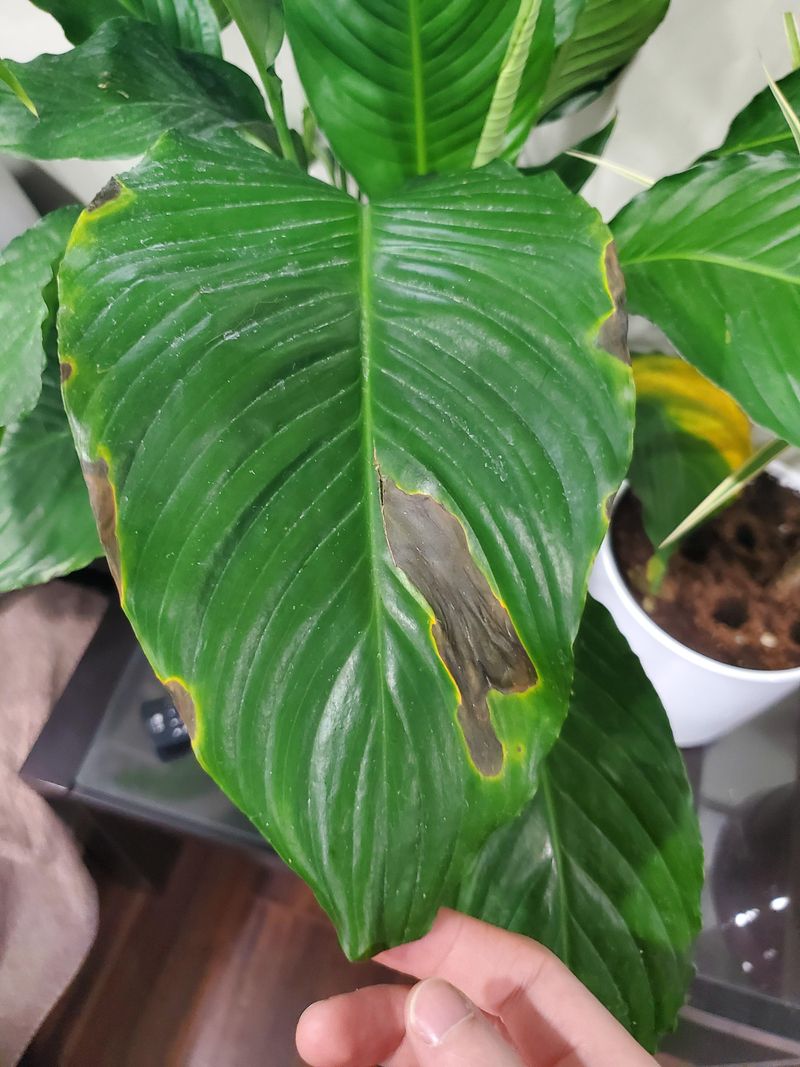
Humidity is a gift and a curse for indoor plants in Florida. Peace lilies enjoy moist air, but so do several leaf-spotting fungi.
Plant disease experts list Cercospora, Myrothecium, and Phyllosticta among the culprits behind dark spots on Spathiphyllum. Myrothecium is known for spots that show tiny black and white fungal structures, often near wounds or leaf edges.
Phytophthora can cause a fast blight with large, dark, water-soaked areas that spread quickly.
Unlike cold damage, fungal trouble usually starts as separate spots instead of an even blackening. The spots may grow, join together, and sometimes carry a yellow ring around the edge.
My first move is cleanup. I snip off badly spotted leaves and toss them in the trash, not the compost pile.
Then I water at the soil line so the foliage stays dry.
Better airflow helps a lot. Give the plant some space from its neighbors, and run a ceiling fan on low if the room feels stuffy.
If spots keep spreading, a fungicide labeled for houseplants can help. Your local UF/IFAS Extension office can also help you identify the exact disease from a sample, which saves guessing.
A Sunny Florida Window Can Scorch Peace Lily Leaves Dark
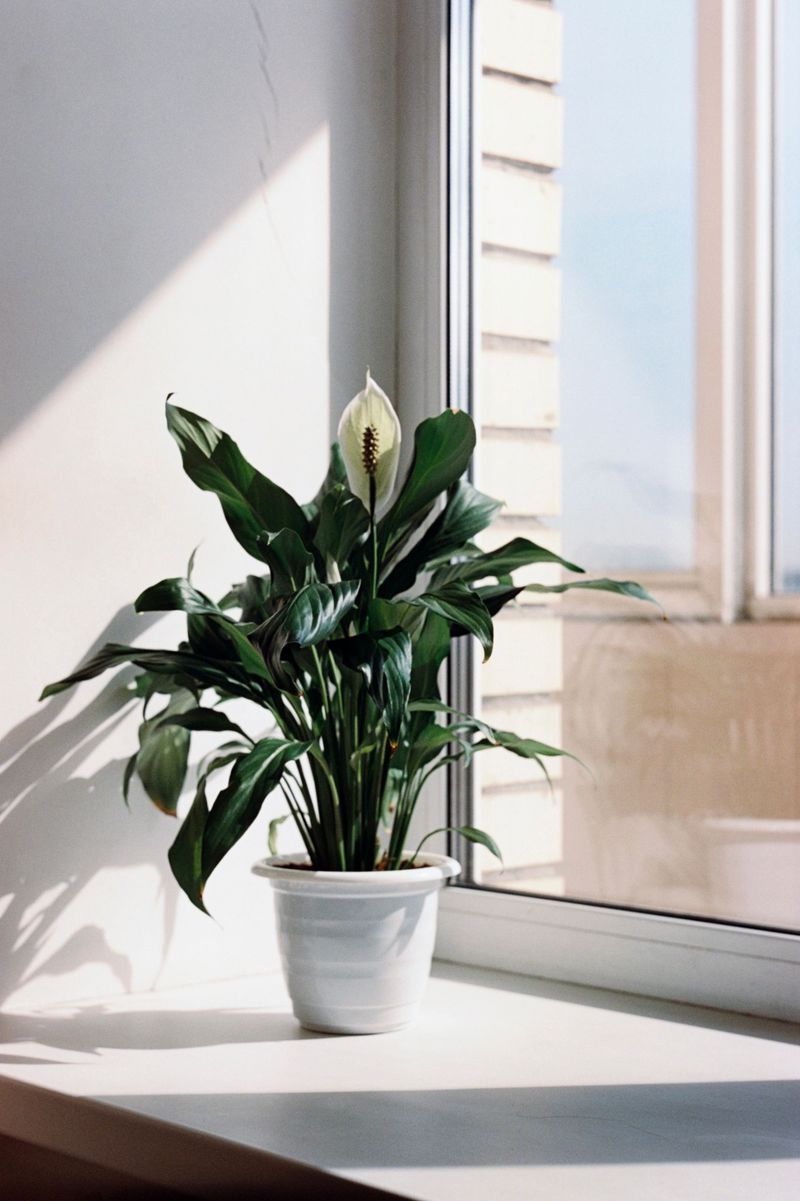
Florida sunshine is famous for a reason. Even filtered through window glass, those midday rays can be too much for a plant that evolved on shady rainforest floors in the American tropics.
UF/IFAS Extension notes that peace lilies prefer low to medium indirect light and that direct sun can burn the foliage. Sunburn usually shows up as faded, bleached, or yellowish patches first.
Severe or repeated exposure can turn those areas dark brown to nearly black and paper-dry.
Sunscorch has a telltale pattern. The damage appears on the leaves or leaf sections facing the glass, while leaves in shade stay green.
Moving the pot is the easy fix. An east-facing window with gentle morning light works well, or a spot a few feet back from a south or west window.
Sheer curtains are another simple trick I use in summer.
Scorched tissue will not turn green again, so trim off the ugliest leaves once new growth starts. Watch for the opposite problem too.
A plant that stops blooming may want a little more brightness, just not a direct sunbath.
Crispy Black Peace Lily Leaf Tips Often Trace Back to Salts and Fluoride
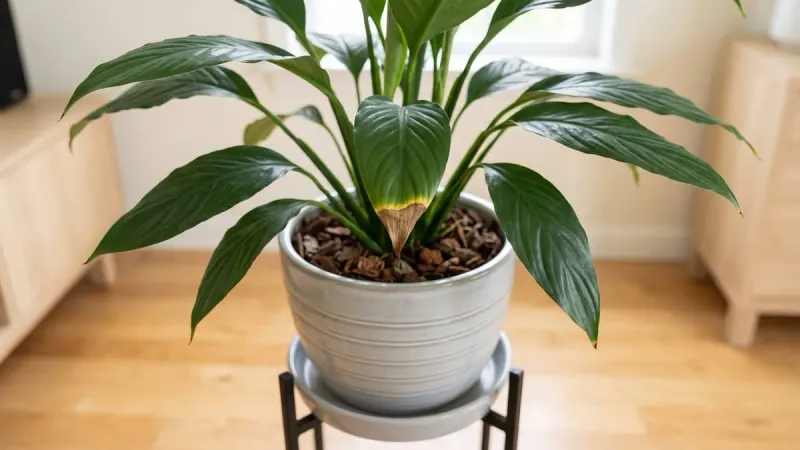
Feeding a plant feels kind. Too much of it, though, piles up mineral salts in the soil that pull moisture away from the roots.
Fertilizer burn shows up as brown tips and edges that can darken to black over time. A white crust on the soil or around the pot rim is a giveaway.
Peace lilies are light feeders, so a diluted houseplant fertilizer every month or two during the growing season is usually plenty.
Fluoride is another possible factor. Many Florida communities add it to tap water, and some plants in the same family as peace lilies are sensitive to it.
Damage tends to be slow and starts at the tips.
The fix is called leaching, and it is easy. Take the pot to the sink or shower and let plain water run through the soil for a few minutes until it pours out the bottom.
That flushes extra salts away.
Repeat every few months. If tips keep darkening, try rainwater or filtered water for a while.
Trim crispy tips with clean scissors, following the natural leaf shape so the plant still looks tidy.
Mealybugs and Sooty Mold Can Leave Black Smudges on Peace Lilies
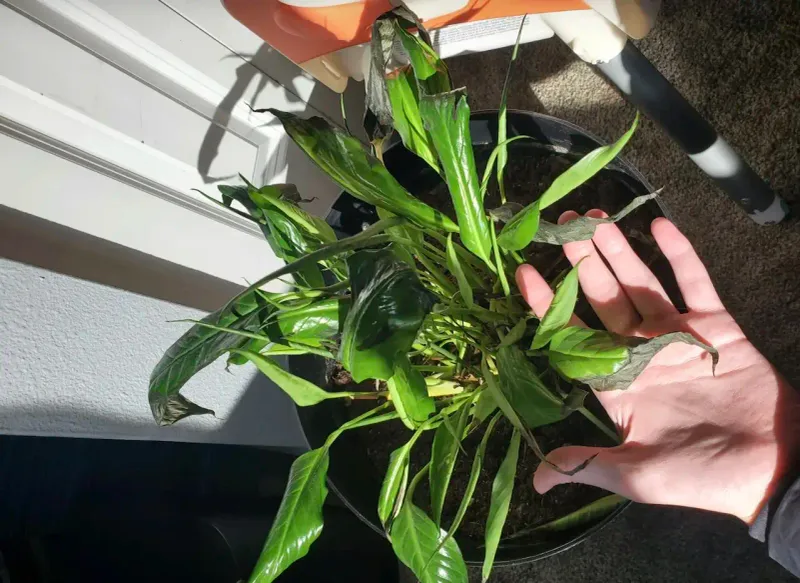
Sometimes the black on a leaf is not the leaf at all. It is a dusty film growing on top of it.
Sap-feeding pests like mealybugs, aphids, and scale insects release a sticky liquid called honeydew. A fungus known as sooty mold grows on that sugary coating and looks like black soot smeared across the leaf.
Wipe it with a damp cloth, and green tissue usually appears underneath.
That wipe test is my favorite quick check. If the black rubs off, hunt for bugs.
Mealybugs look like tiny tufts of white cotton tucked into leaf joints and along the undersides. Spider mites are another common pest, causing speckled, faded leaves and fine webbing, especially in dry air-conditioned rooms.
Start with a strong rinse in the shower to knock pests loose. Dab mealybugs with a cotton swab dipped in insecticidal soap.
Insecticidal soap or horticultural oil labeled for houseplants can handle bigger infestations.
Repeat treatments weekly for a few weeks, since eggs hatch later. Once the bugs are gone, the honeydew stops, and the sooty mold gradually fades or wipes away for good.
Older Peace Lily Leaves Fade Naturally, So Trim and Keep Care Steady
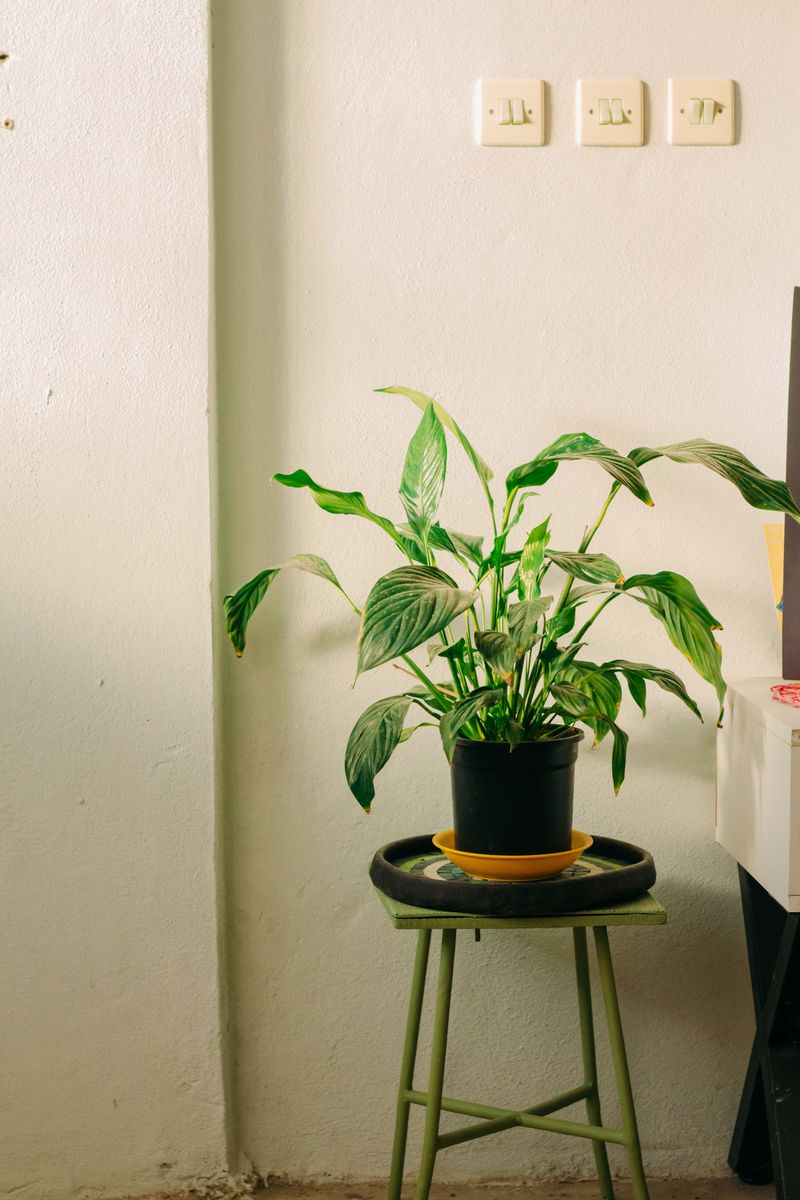
Not every dark leaf is an emergency. Peace lilies replace their oldest outer leaves as fresh ones unfurl from the center, and those aging leaves often yellow, brown, or darken before they fall.
One or two old leaves fading near the bottom now and then is normal. Several new leaves turning black at once is not, and that points back to cold, rot, disease, or pests.
Cut retired leaves at the base of the stem with clean scissors. Wiping the blades with a household disinfectant between plants keeps diseases from hitching a ride.
For long-term health, I stick to a simple routine. Use a pot with drainage holes and a loose, peat or coir based mix.
Water when the top inch dries out. Keep the plant in bright, indirect light and away from vents, doors, and freezing porches.
Florida’s natural humidity often keeps these plants happy indoors, but heavy AC can dry the air. Grouping plants together helps.
One last tip matters for families. Peace lilies contain calcium oxalate crystals that irritate the mouth, so keep them away from curious pets and young kids.
With steady care, those glossy green leaves and white blooms will reward you for years.