The Mosquito-Repelling Herbs Florida Gardeners Are Planting Right Now
Florida mosquito season does not take August off. The heat and humidity this month keep populations running at full capacity.
Everyone in the yard is just trying to enjoy what little outdoor time the evenings allow. Sprays work.
Temporarily. Candles work.
In a very small radius. Neither changes what is bringing mosquitoes to the porch in the first place.
Certain herbs produce compounds that mosquitoes find genuinely hostile. Planted near outdoor living spaces, they add a passive layer of deterrence that works without a schedule or a product to restock.
No herb eliminates mosquitoes entirely. That claim belongs on the fiction shelf.
But a porch surrounded by the right ones is a measurably less comfortable destination for a pest that has plenty of other options.
1. Lemongrass Packs Citrusy Oils Into A Towering Summer Clump
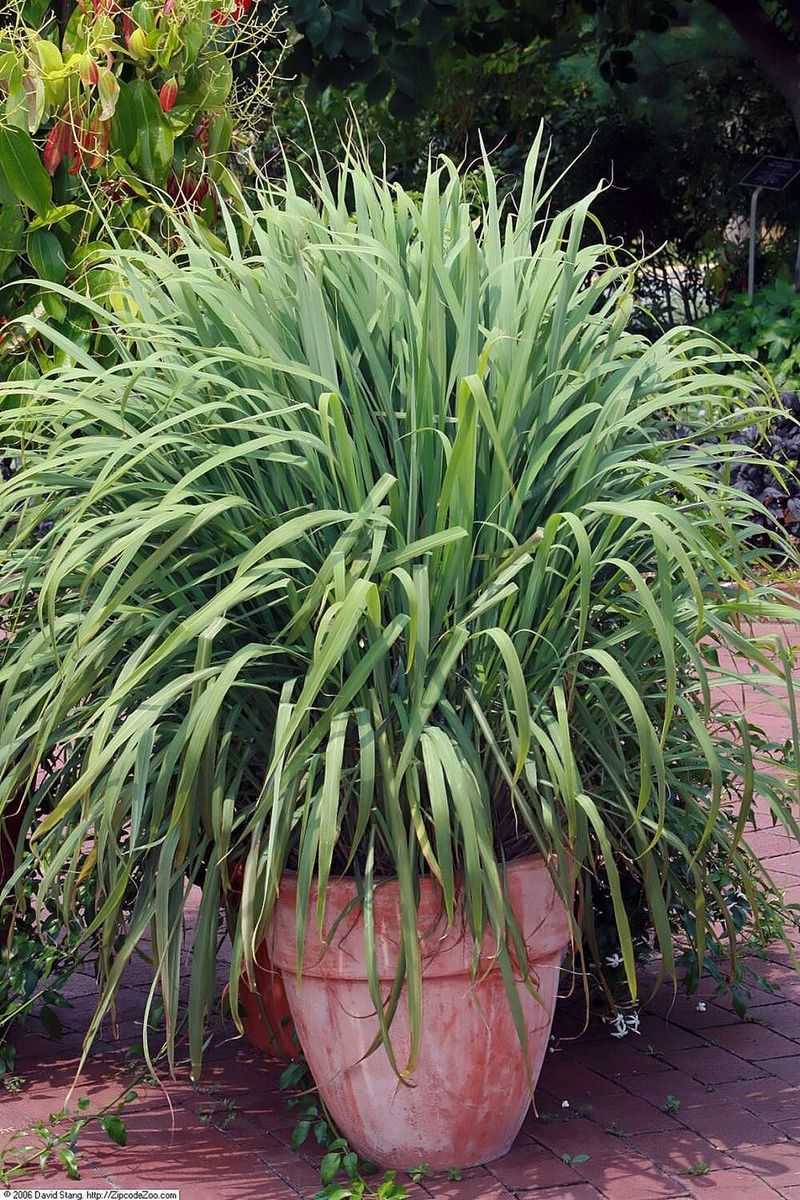
Culinary lemongrass, known botanically as Cymbopogon citratus, is a different plant from citronella grass, which is Cymbopogon nardus. Both belong to the same genus and share a lemony aroma, but they are not the same species.
Mixing them up is one of the most common errors in garden writing, so the distinction matters.
In warm-season conditions, C. citratus grows into an impressive clump that can reach four to six feet tall and equally wide. It thrives in full sun with consistent moisture and rich, well-drained soil.
August heat suits it well, and it rarely struggles in summer as long as it receives regular watering.
The aromatic compounds in lemongrass oil, particularly citral, have attracted attention from mosquito researchers. Some studies have shown repellent activity in formulated products containing concentrated lemongrass oil.
The living clump in your Florida yard, however, releases only a mild ambient scent that has not been shown to create any protective zone around a seating area.
If you are working with limited space or want to prevent spreading, a large container works well for lemongrass. Use a pot at least 18 inches wide and keep the soil consistently moist.
Harvest outer stalks for cooking, which adds a practical bonus to an already impressive ornamental plant this summer.
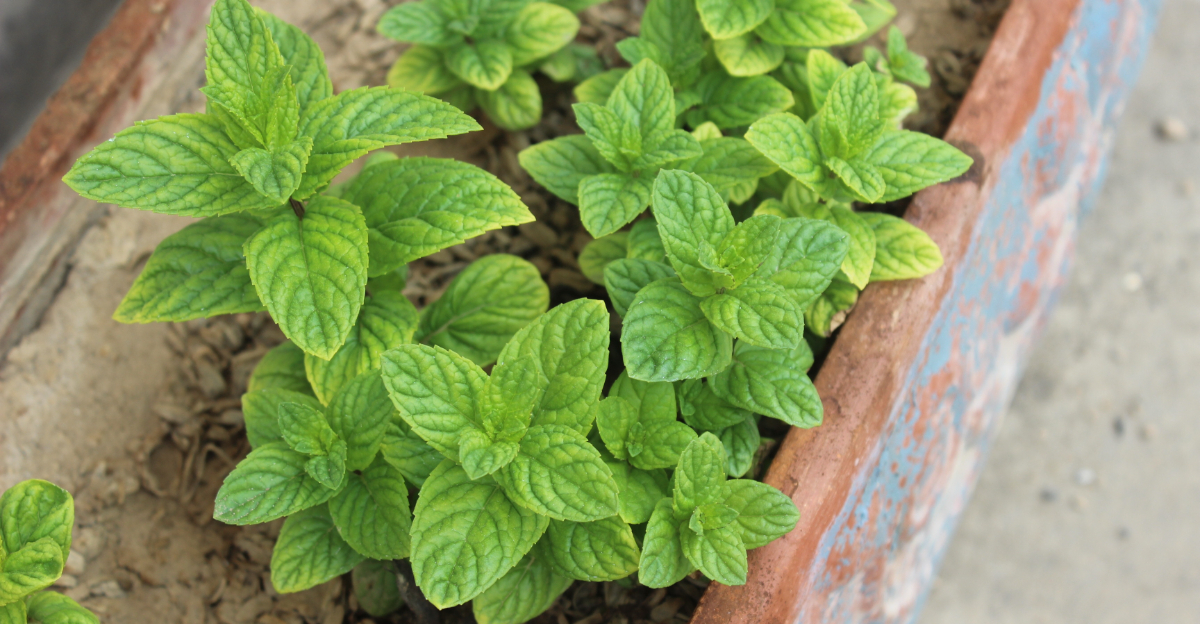
2. Spearmint Brings Its Aromatic Punch To A Patio Pot
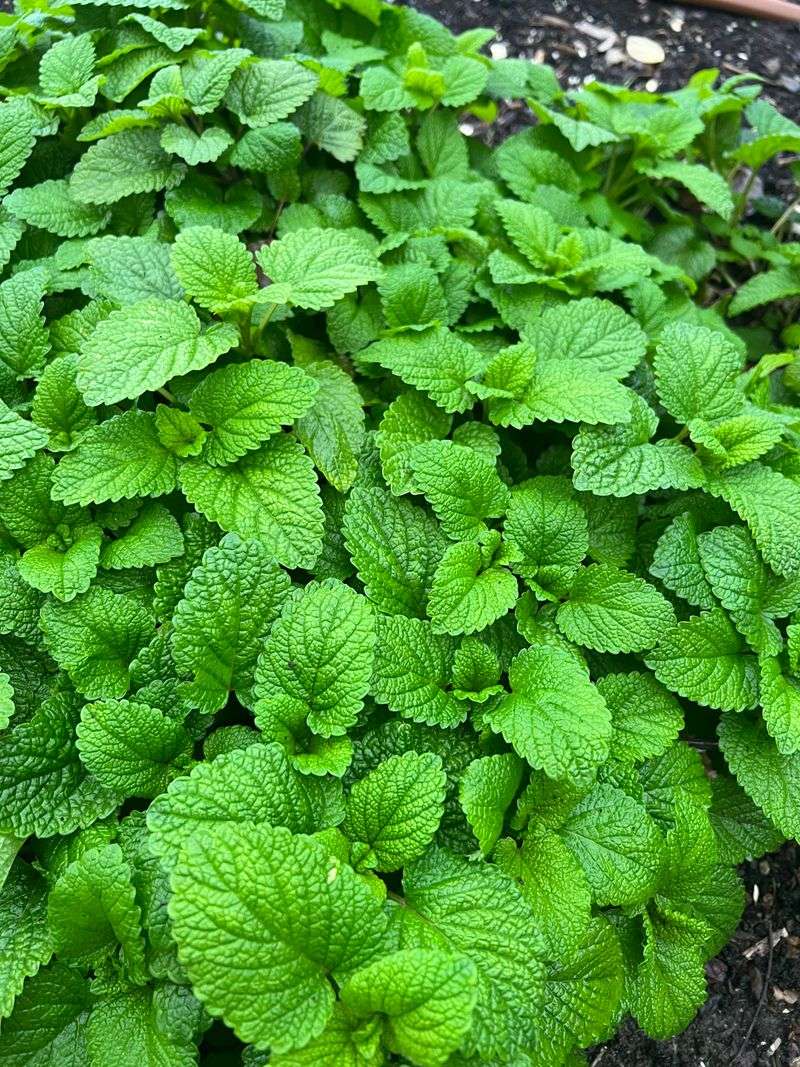
Few herbs are as enthusiastic about spreading as spearmint, Mentha spicata. Left in a garden bed, it can take over a surprising amount of ground in a single season.
That is exactly why most experienced Florida gardeners keep it in a container, and August is a fine time to do it.
Spearmint prefers partial to full sun and consistent moisture. During peak summer heat, a little afternoon shade can prevent leaf scorch, especially in containers that warm up quickly.
Keep the soil evenly moist and feed lightly through the growing season to maintain a full, productive plant.
Research into mint and mosquitoes has mostly focused on peppermint, Mentha piperita, and its primary compound menthol, rather than on spearmint specifically. Spearmint contains carvone as its dominant aromatic compound, giving it a sweeter, less sharp profile.
Your Florida Garden Changes Every Week. Your Plan Should Too.
Gardening in Florida changes quickly throughout the season. Every Friday you’ll receive a simple weekly plan showing exactly what to plant, prune, fertilize, harvest, and protect so you never miss the right timing.
Some studies on mint-derived oils have shown repellent activity in controlled settings. However, those findings involve concentrated extracts, not a potted plant sitting beside your chair.
A patio pot of spearmint will not keep mosquitoes away from your seating area. What it will do is provide fresh leaves for drinks, cooking, and desserts all summer long.
Harvest regularly by snipping stems just above a leaf pair to keep the plant bushy and productive through the season.
3. Basil Loves August Heat While Loading Up On Fragrant Leaves
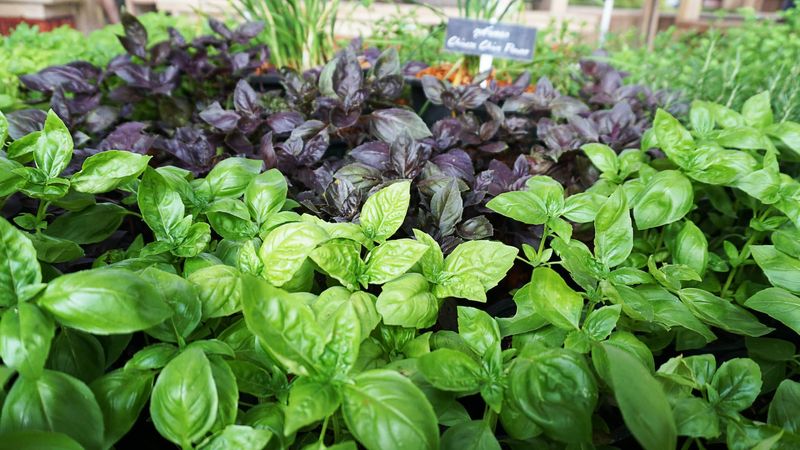
Of all the herbs on this list, basil may be the most genuinely happy in August conditions. Heat, humidity, and long sunny days in Florida are exactly what this plant was built for.
While Mediterranean herbs struggle in wet summer soil, basil is often easier to establish during the hottest months of the year.
Sweet basil, Ocimum basilicum, is the most common culinary type, but the genus includes dozens of species and cultivars with varying aromatic profiles.
Some, like Thai basil or lemon basil, contain different concentrations of compounds such as linalool, eugenol, and estragole.
Researchers studying basil oils and mosquitoes have found that results vary significantly by species or cultivar. For that reason, broad claims about basil as a mosquito repellent are difficult to support.
Disease-resistant cultivars like Eleonora or Rutgers Devotion DMR can handle summer humidity better than older heirloom varieties. Pinch off flower buds as soon as they appear to keep leaf production going.
Regular harvesting also encourages the plant to branch out and stay bushy.
Basil oil has shown some repellent activity in laboratory studies, but crushing leaves around a patio is not a dependable protection strategy.
Grow it for the kitchen, enjoy the fragrance, and treat any mosquito research findings as an interesting bonus rather than a gardening solution.
4. Rosemary Claims The Dry Corner Summer Rain Usually Ruins
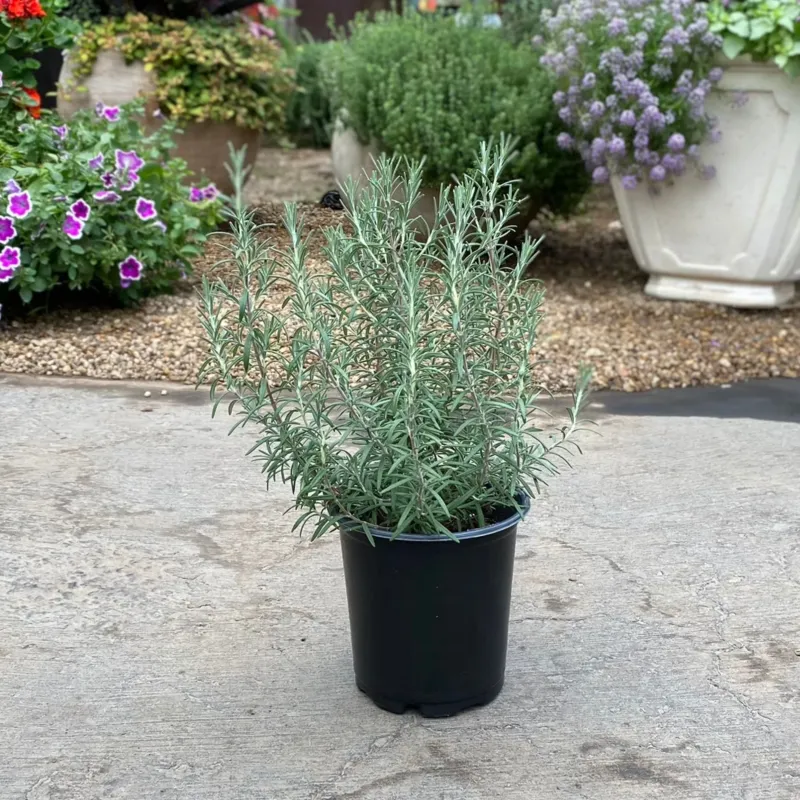
Sharp drainage is everything with rosemary. Salvia rosmarinus was reclassified from Rosmarinus officinalis in recent years.
This Mediterranean native evolved in rocky, fast-draining soils with dry summers. That background creates a direct conflict with the frequent, heavy rains that arrive in August across much of the region.
Saturated roots are a bigger threat to rosemary than summer heat. A plant sitting in poorly drained soil after repeated afternoon thunderstorms can develop root rot quickly, even in otherwise favorable temperatures.
Raised beds with gritty soil or pots placed under eaves or a covered patio can make a real difference in keeping roots healthy.
Full sun is non-negotiable for rosemary. Plants that receive less than six hours of direct light tend to grow loosely and become more vulnerable to fungal problems in humid air.
Good airflow around the plant also helps reduce moisture-related stress during the wet season.
Rosemary oil has been studied for mosquito-repellent properties, with some research showing activity against certain mosquito species in controlled settings. Those findings involve extracted oil at specific concentrations, not a living shrub in a garden bed.
A rosemary hedge does not create a mosquito-free zone around a Florida property. Grow it for cooking and fragrance, choose a well-drained spot, and manage summer moisture carefully for the best results.
5. Thyme Keeps Its Potent Scent In The Fastest-Draining Pots
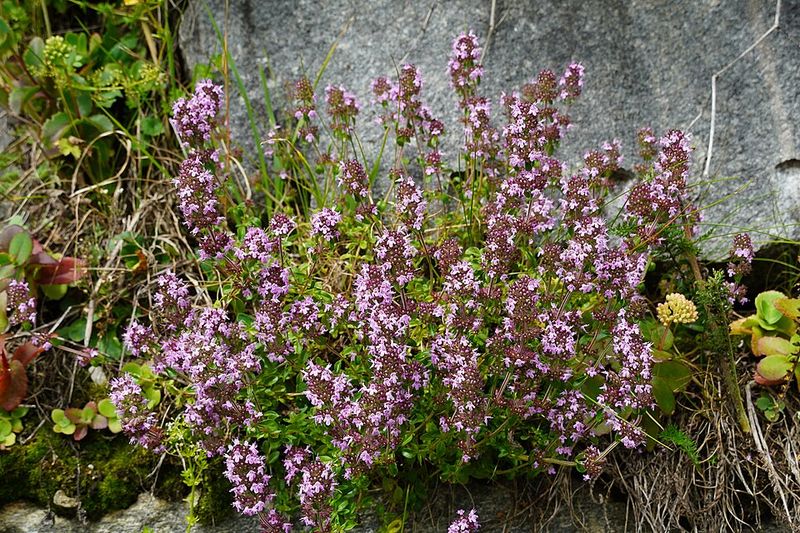
Common thyme, Thymus vulgaris, is a compact Mediterranean herb that packs a remarkable amount of aromatic punch into very small leaves. Its dominant compound, thymol, has been widely studied in food science and antimicrobial research.
It has also attracted attention from researchers studying plant-derived mosquito repellents. Some studies have examined thymol and thyme-derived extracts for repellent activity, with promising results in controlled laboratory conditions.
Those findings apply to concentrated materials, not to the mild scent released by a living pot of thyme on a patio. A small container of thyme will not reduce the number of mosquitoes in your outdoor space.
The bigger practical challenge in August is drainage. Thyme roots are extremely sensitive to excess moisture, and frequent summer rain can push even a healthy plant past its limits quickly.
A container filled with a gritty, fast-draining mix, such as potting soil blended with perlite or coarse sand, gives thyme the best chance of surviving the wet season.
Place the pot in the brightest spot available and avoid overhead watering when possible. August establishment can be difficult in hot, wet locations, so starting with a healthy transplant rather than seeds is the smarter approach.
Harvest lightly to encourage new growth, and use the clippings in the kitchen while the plant settles in.
6. Marjoram Adds A Softer Herb With Mosquito-Repellent Oils
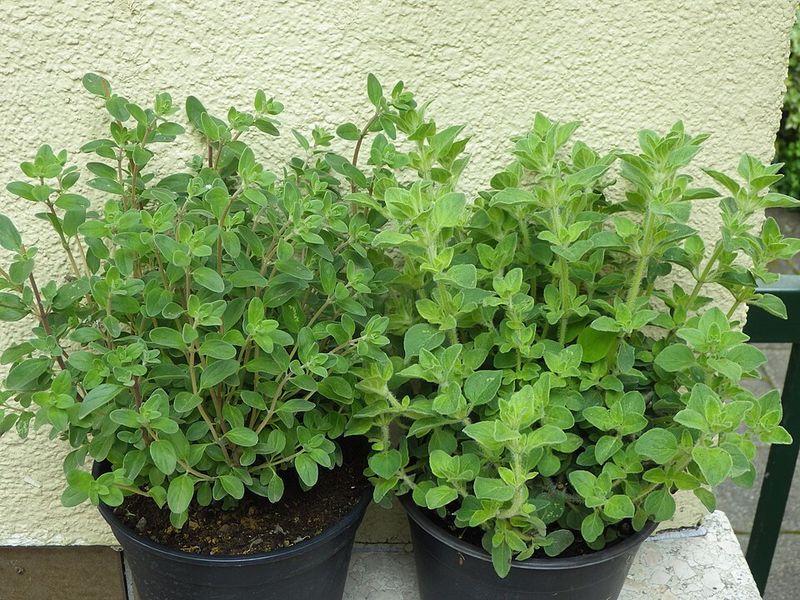
Sweet marjoram, Origanum majorana, is often overshadowed by its bolder cousin oregano. However, its gentler, slightly floral aroma makes it a pleasant addition to any herb collection.
Compared to the other plants on this list, the mosquito-repellent evidence for marjoram is thinner, and that is worth being upfront about.
Some research on marjoram essential oil has shown mild repellent activity in laboratory settings. However, the evidence base is smaller than that for lemongrass or thyme.
The living plant has not been shown to provide measurable protection from bites in a garden bed or container. The gap between essential-oil research and garden reality is particularly wide here.
Marjoram prefers full sun and excellent drainage, much like rosemary and thyme. Summer humidity can encourage fungal problems, especially in dense plantings with limited airflow.
In areas with heavy August rainfall, container growing with a fast-draining mix is a safer approach than planting directly in garden soil.
Whether August planting makes sense depends on your local conditions. In areas with intense summer heat and frequent rain, waiting until early fall may give marjoram a better start.
If you do plant now, choose a sheltered spot with morning sun and some afternoon relief from direct heat. Use the leaves fresh or dried in Mediterranean dishes, and enjoy the fragrance as a pleasant garden bonus rather than a pest control strategy.
7. Oregano Handles The Heat When Its Roots Stay Out Of Wet Soil
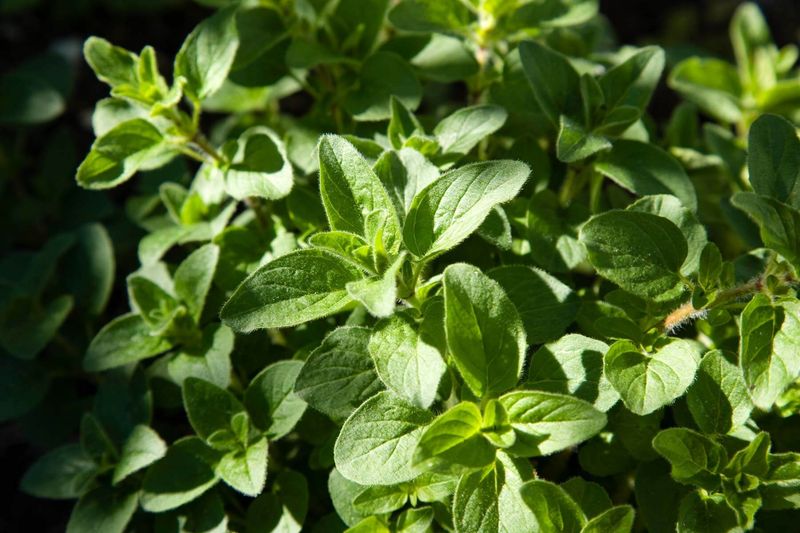
Culinary oregano sold at most garden centers is typically Greek oregano, Origanum vulgare subsp. hirtum, which is more pungent and better suited to cooking than the milder common oregano, Origanum vulgare.
The distinction matters when discussing mosquito research, because findings from one oregano species or extract do not automatically apply to another.
Some studies have examined oregano oil, particularly its compound carvacrol, for repellent activity against mosquitoes. Results in controlled settings have been interesting, but the research involves concentrated extracts rather than living plants.
A pot of oregano on a patio contributes fragrance and culinary value, not a proven barrier against biting insects.
Saturated soil is the primary threat to oregano in summer. Like rosemary and thyme, it evolved in dry, rocky Mediterranean landscapes and does not tolerate wet feet.
Repeated afternoon thunderstorms can create serious root problems in poorly drained garden beds. Container growing with a gritty mix gives you much more control over moisture levels during the rainy season.
Mexican oregano, Lippia graveolens, is a separate species entirely and is not interchangeable with European culinary oregano in either kitchen use or mosquito research. Choose your plant intentionally.
Give it full sun, excellent drainage, and light harvesting throughout the season. The reward is a productive, aromatic herb that earns its place in the garden on flavor alone.
8. Holy Basil Powers Through Steamy Weather With Spicy Foliage
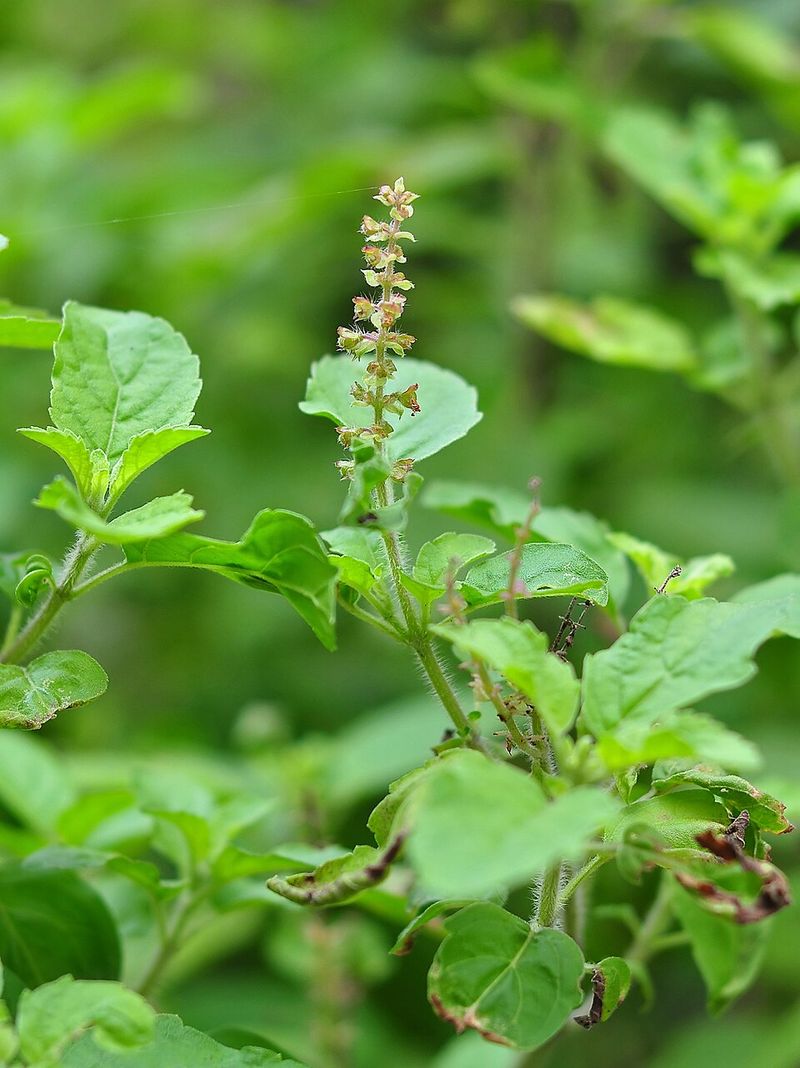
Holy basil is called tulsi in South Asian traditions, where it has been cultivated for thousands of years. Its spicy, clove-like fragrance immediately sets it apart from sweet basil.
Its accepted botanical name is Ocimum tenuiflorum, sometimes listed as Ocimum sanctum, and it thrives in exactly the kind of hot, steamy conditions that August delivers.
The plant grows into a branching, semi-woody shrub that can reach two to three feet tall in a single warm season. It produces small flowers in dense spikes that attract Florida pollinators, and regular pinching keeps the foliage lush and productive.
Full sun and consistent moisture support the best growth, though holy basil handles brief dry spells better than many other herbs.
Mosquito researchers have studied holy basil extracts and essential oils with some promising results in controlled settings. Eugenol is one of its key aromatic compounds and has shown repellent activity in certain studies.
As with every other herb on this list, those findings involve extracted materials rather than the living plant. A garden clump does not function as a protective barrier against mosquito bites.
Growing these eight herbs is genuinely rewarding for their fragrance, their culinary uses, and the fascinating chemistry they produce. None of them, however, replace proven mosquito prevention.
Eliminating standing water, using EPA-registered repellents, and wearing protective clothing remain the most reliable tools for keeping bites at bay this summer.