Why Some Pennsylvania Gardeners Are Putting Rocks Near Heat-Loving Plants
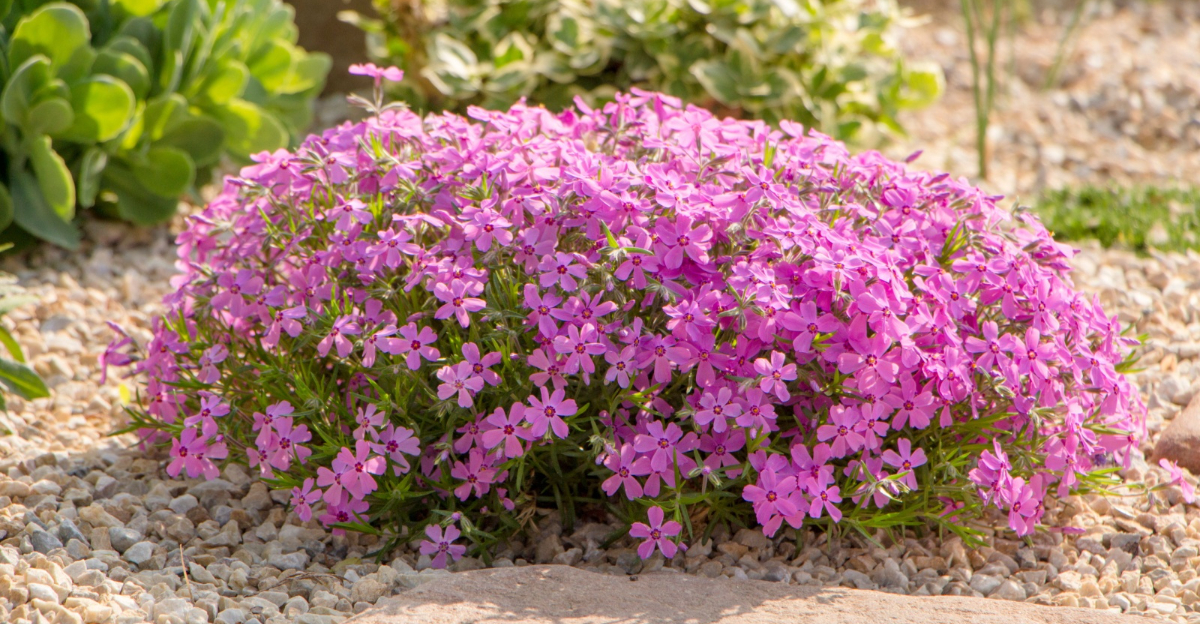
Rocks in a garden bed usually get one of two reactions. Either someone thinks they look great, or someone assumes they just never got around to cleaning up the yard.
Fair enough. But here is the thing: a few well-placed stones can actually do some quiet, useful work in a Pennsylvania garden, and most people have no idea.
Pennsylvania springs are famously cool and soggy, and a lot of heat-loving plants spend the first few weeks of the season just sitting there, waiting for the soil to warm up enough to care.
Rocks absorb sunlight during the day and release that warmth slowly, creating cozy little microclimates right where your plants need them most.
It sounds almost too simple to be worth trying. Spoiler: it kind of works, and Pennsylvania gardeners are catching on.
1. Rocks Can Help Create A Warmer Spot
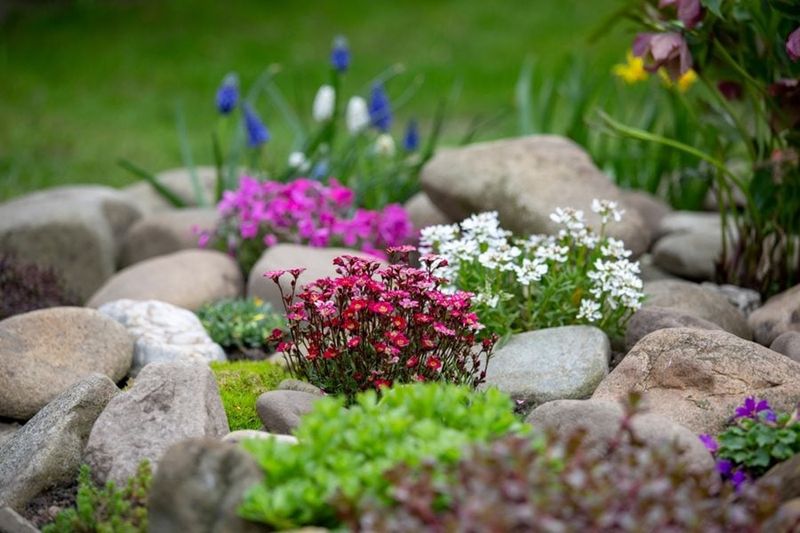
Warm stone has a way of changing the feel of a garden corner. When the sun hits a rock for several hours, the surface absorbs heat and slowly releases it back into the surrounding air and soil.
In a Pennsylvania garden, where spring nights can drop into the low forties even in May, that stored warmth can make a noticeable difference for plants that prefer consistently warm conditions.
Rocks placed on the south or west side of a plant tend to catch the most sunlight during the day. As temperatures drop in the evening, the stone continues to radiate heat outward, keeping the soil nearby a few degrees warmer than it would be otherwise.
This effect is modest, but in a marginal growing situation, even a small temperature difference can help a heat-loving plant get established more quickly.
The size and color of the rock also matters. Darker stones absorb more solar energy than lighter ones.
Larger flat rocks hold heat longer than small pebbles. Pennsylvania gardeners with sunny south-facing beds or sloped garden areas often find that well-placed rocks can create a noticeably warmer microclimate around certain plants.
That effect can be especially helpful in early spring or during cool stretches in late summer, when nighttime temperatures start to dip again.
2. Heat-Loving Plants May Grow Better There
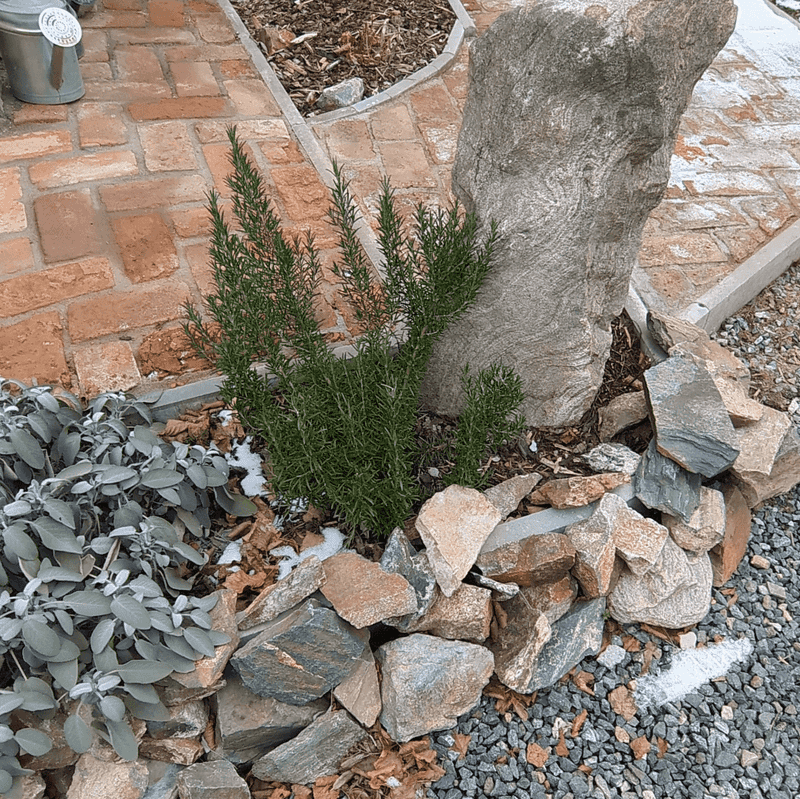
Basil, rosemary, thyme, lavender, and similar plants did not originate in cool, rainy climates. Many of them come from the Mediterranean region, where summers are long, dry, and intensely sunny.
When these plants are grown in Pennsylvania, they can struggle if the soil stays too cool or too wet for extended periods, especially during the early weeks after planting.
Placing rocks nearby can help bridge that gap. The warmer soil temperatures near stone can encourage root development in plants that prefer a dry, heated root zone.
Some gardeners in Pennsylvania notice that herbs planted near rocks green up faster in spring and seem to establish more quickly compared to plants grown in open soil without any stone nearby.
That said, the benefit is not universal. A plant that already sits in a hot, dry location may not need additional warmth from rocks.
Your Pennsylvania Garden Changes Every Week. Your Plan Should Too.
Gardening in Pennsylvania changes quickly throughout the season. Every Friday you’ll receive a simple weekly plan showing exactly what to plant, prune, fertilize, harvest, and protect so you never miss the right timing.
The strategy tends to work best in spots that get good sunlight but where the soil remains slightly cooler than ideal, such as a raised bed with dense clay soil or a garden area that gets morning shade.
Paying attention to how a specific plant responds over one full growing season is the most reliable way to judge whether rocks are helping in a particular Pennsylvania garden setting.
3. Rocky Soil Often Dries Faster After Rain
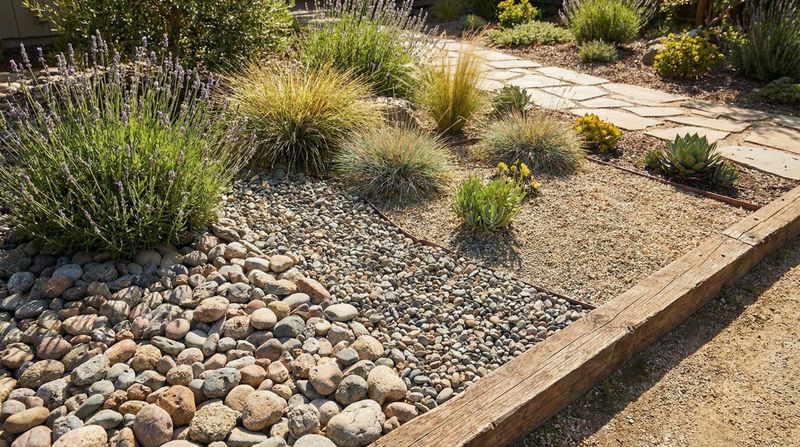
After a rainstorm, most Pennsylvania garden beds hold moisture for quite a while. Heavy clay soils, which are common across many parts of the state, can stay soggy for days.
For plants that prefer dry, well-drained conditions, that lingering moisture around the roots can lead to stress, root rot, or poor overall growth.
Rocky or gravelly soil around a plant changes how water moves through the ground. The spaces between rocks allow water to drain away more quickly rather than pooling near the root zone.
The surface of the rocks also dries out faster than bare soil, which reduces the amount of moisture that stays near the crown of the plant where rot is most likely to develop.
Gardeners in Pennsylvania who grow rosemary, lavender, or other dry-garden plants near stone mulch or in rocky raised beds often find that these areas dry out noticeably faster after heavy rain.
This can be a real advantage during wet Pennsylvania springs or during rainy stretches in summer.
However, in spots that are already very dry or sandy, adding rocks may push the soil conditions past what even drought-tolerant plants can handle comfortably.
Checking soil moisture regularly, especially during the first season, helps gardeners figure out whether the drainage effect is working in their favor.
4. Good Drainage Matters Along With Warmth
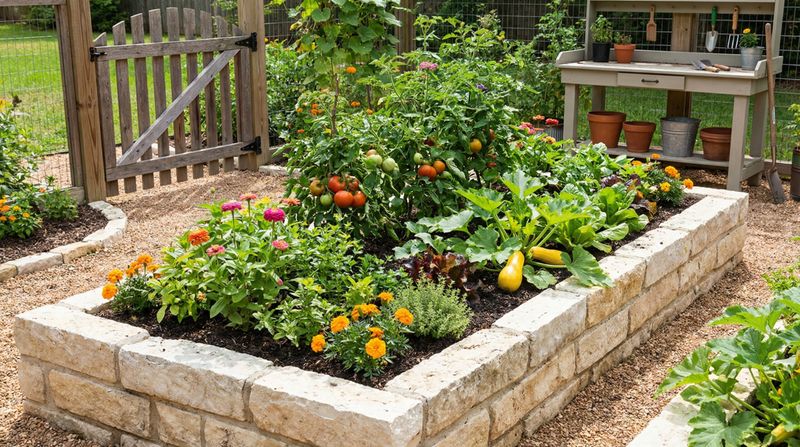
Warmth alone is not enough for many heat-loving plants. Drainage plays an equally important role, and the two factors often work together when rocks are part of the picture.
A plant that sits in warm but waterlogged soil is under just as much stress as one planted in cold, wet ground. The combination of warmth and good drainage is what many Mediterranean-origin herbs and dry-garden plants genuinely need.
In Pennsylvania, achieving that balance can be tricky. The state receives a decent amount of rainfall throughout the growing season, and many native soils tend to hold water.
Raised beds filled with amended, well-draining soil are one solution, but adding rocks to the planting area can enhance drainage further, especially when the rocks are placed in a way that keeps the crown of the plant slightly elevated and exposed to air movement.
Gardeners who combine rocky planting areas with raised beds or berms often report better results with plants like lavender, which can struggle with root moisture even in otherwise suitable spots.
The key is making sure that both warmth and drainage are addressed together rather than focusing on just one.
A warm spot that still holds water after rain is not going to give heat-loving plants the conditions they need to thrive through a full Pennsylvania growing season.
5. Herbs And Other Dry-Garden Plants Fit Best
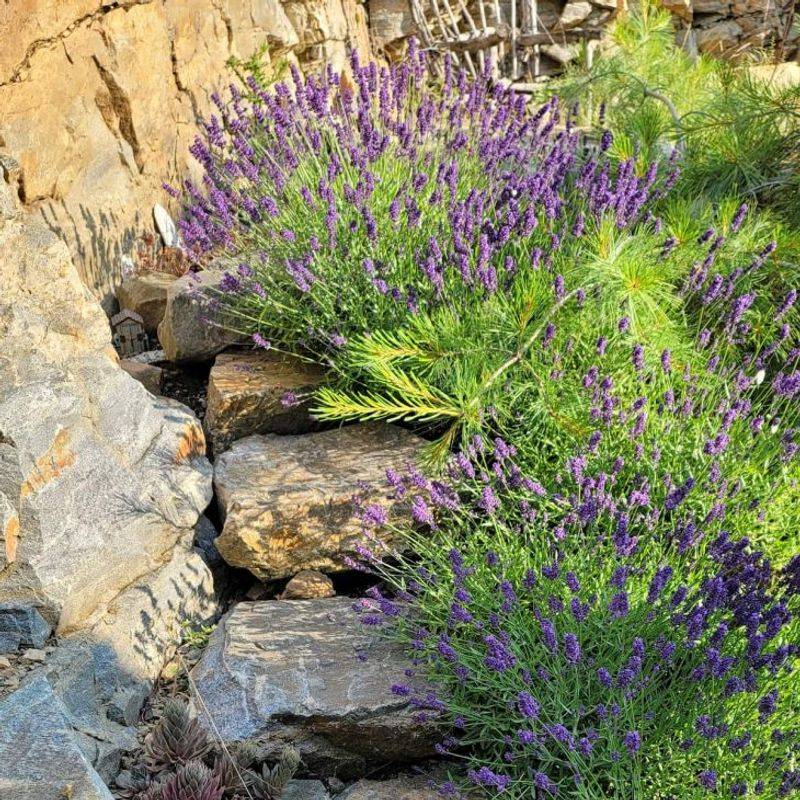
Not every plant benefits from the extra heat and faster drying that rocks provide. The plants that tend to respond most positively are those with a natural preference for lean, dry, well-drained soil and plenty of sun.
Culinary herbs like thyme, oregano, rosemary, and sage fit that description well, as do ornamental plants like lavender, sedum, and certain native wildflowers that evolved in rocky or dry habitats.
Many Pennsylvania gardeners grow these herbs near patios, along sunny south-facing borders, or in raised beds where the growing conditions already lean toward warm and dry.
Adding rocks to those spaces reinforces the conditions these plants prefer rather than fighting against the local climate.
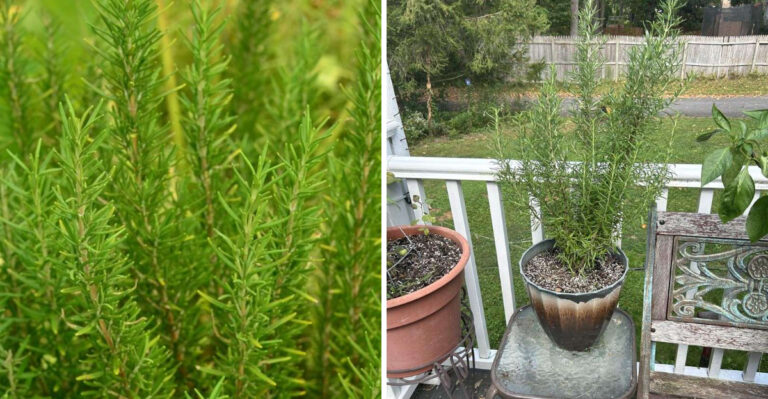
Rosemary, for example, tends to appreciate the combination of reflected heat from nearby stone and the faster soil drying that comes with a rocky growing surface.
Plants that prefer rich, moist soil, such as hydrangeas, hostas, or most vegetable crops, are generally not good candidates for rocky, heat-intensive planting spots. Matching the right plants to the right conditions is the most important step.
When a Pennsylvania gardener pairs naturally dry-tolerant plants with a rocky, sun-warmed bed, the results can be noticeably better than growing the same plants in a standard garden border with regular soil and no stone nearby.
6. Extra Heat Can Help In Cooler Weather
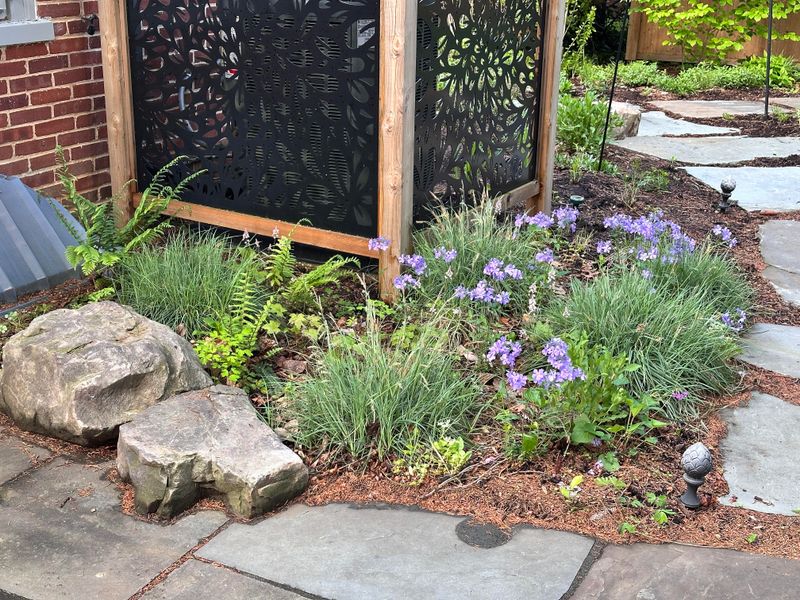
Spring in Pennsylvania can be unpredictable. Temperatures swing from warm afternoons to cold nights well into May, and some years bring late frosts that catch gardeners off guard.
For heat-loving plants set out early in the season, those cold nights can slow growth or cause stress, particularly for plants that were recently transplanted and have not yet had time to establish their root systems.
Rocks placed around or near these plants can offer a small but meaningful buffer during those cool stretches. During the day, the stones soak up solar energy.
After sunset, they release that energy slowly, helping to keep the immediate planting area slightly warmer than the open ground nearby. The effect is most noticeable on clear, calm nights when temperatures drop quickly after dark.
Fall brings a similar situation. As Pennsylvania moves into September and October, nighttime temperatures can fall faster than expected, cutting short the growing season for heat-loving plants that still have several weeks of potential growth ahead.
Rocks may help extend that window slightly by keeping root zone temperatures more stable during the transition.
Gardeners who grow basil or rosemary in containers or beds near stone walls sometimes notice that those plants hold on a bit longer into fall compared to plants grown in more exposed, open garden areas without any thermal mass nearby.
7. Some Plants Can Struggle Near Hot Rocks
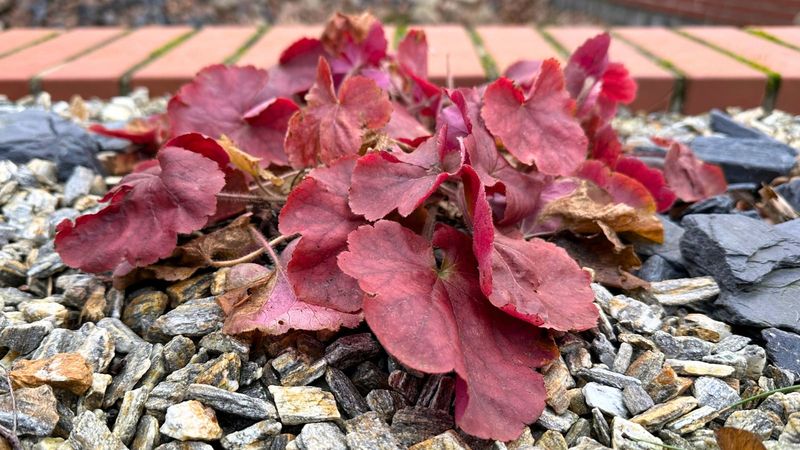
Not every plant placed near rocks will respond well. In the height of a Pennsylvania summer, when temperatures climb into the nineties and the sun beats down for hours, dark rocks can become extremely hot to the touch.
The soil immediately surrounding those rocks can heat up well beyond what most plants find comfortable, and moisture can evaporate so quickly that even drought-tolerant plants may show signs of stress.
Shallow-rooted plants and young seedlings are particularly vulnerable in these situations. If the soil dries out faster than the plant can absorb water, the roots may struggle even if the plant looks fine above ground.
Some plants that seem to be doing well in early summer near hot rocks may begin to show leaf scorch or wilting during prolonged heat waves in July and August.
The risk is highest with smaller rocks that heat up quickly and in locations with full, unrelenting sun all day.
Gardeners can reduce this risk by choosing lighter-colored stones that reflect more heat than they absorb, by watering more frequently during heat waves, or by reconsidering whether a particular plant is truly suited to a hot, rocky spot.
Monitoring plants closely through the warmest weeks of summer is the best way to catch problems early before they become more serious in a Pennsylvania garden setting.
8. Plant Choice Still Matters Most
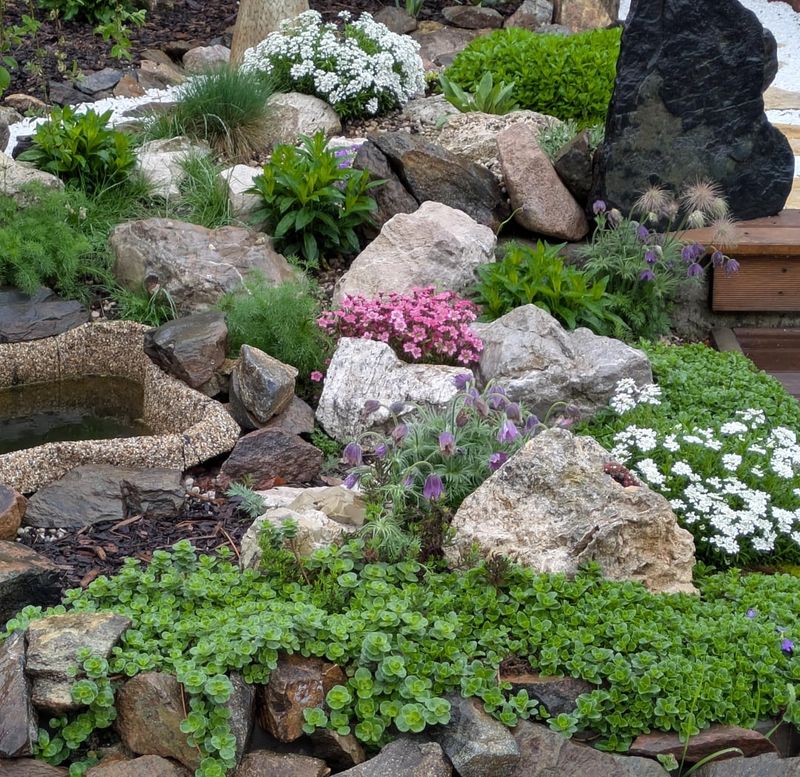
Rocks can support a better growing environment, but they are not a substitute for choosing the right plant in the first place.
A plant that is poorly suited to Pennsylvania’s climate, rainfall patterns, or soil type is unlikely to thrive simply because a few stones were placed nearby.
The foundation of any successful garden strategy starts with understanding what a plant actually needs and whether the local conditions can reasonably provide it.
Growing conditions vary considerably across Pennsylvania. The southeastern corner of the state tends to be warmer and drier than the northern or mountainous regions.
A planting strategy that works well in a sunny Lancaster County herb garden may not produce the same results in a shadier, cooler yard in the Pocono foothills.
Soil type, slope, rainfall, and the amount of direct sunlight all influence how much difference rocks will actually make in any given spot.
Before adding rocks to a garden bed with the goal of improving conditions for heat-loving plants, it helps to spend a season observing how the area behaves.
Notice how quickly the soil dries after rain, how long the sun hits the spot each day, and whether the plants already growing nearby seem happy or stressed.
That kind of careful observation leads to better decisions than any single technique on its own, and it is what experienced Pennsylvania gardeners tend to rely on most.