Why Some Pennsylvania Yards Attract Twice The Deer Once Frost Hits
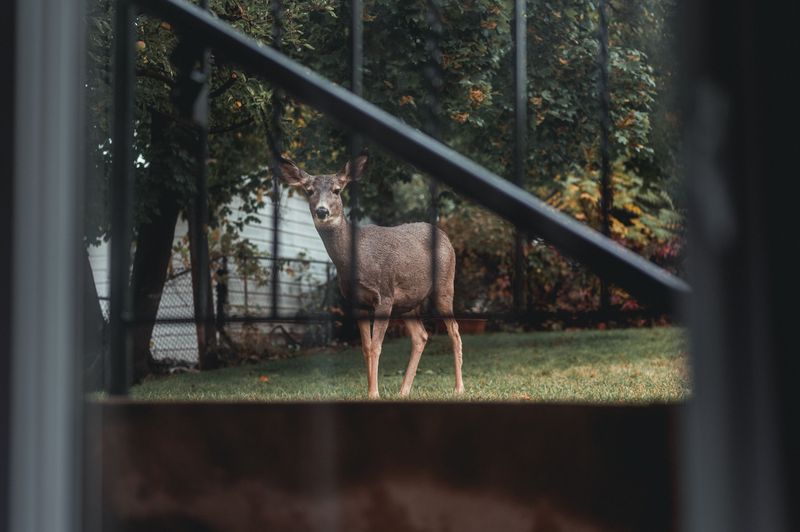
Two yards sit side by side on the same Pennsylvania street. One barely sees a deer all fall. The other has a small herd wandering through almost every night. That difference usually isn’t luck.
Once frost arrives, the menu out in the woods and fields starts shrinking fast. Tender wild greens fade, many plants go dormant, and in some years, acorns are hard to find.
At the same time, deer are moving more as breeding season kicks into gear. Hungry and on the go, they start looking for easy meals closer to homes.
Certain yards check every box. The plants, the food left out, or even the way the lawn is cared for can make them stand out from the rest of the neighborhood.
Knowing what draws deer in after frost can help you make your yard far less appealing this season.
1. Natural Food Starts Disappearing
One cold night can change everything for a hungry deer. When that first hard frost settles over Pennsylvania fields, many soft green plants wilt and turn brown by morning.
Clover, wild greens, and tender leaves that deer munched all summer are suddenly gone.
Deer do not stop eating just because the weather turns. They need lots of food to stay warm and strong as winter gets closer. So they start searching for anything green that is still around.
Your yard might be the answer they are looking for. Lawns that get watered, flower beds with fresh mulch, and neatly kept shrubs often stay green longer than wild plants. To a deer, a well-cared-for yard looks like a grocery store that never closes.
Here is a fun fact. A grown white-tailed deer can eat around 5 to 10 pounds of plant material every day. That adds up fast when a small group visits your property each night.
So what can you do? Start by walking around your yard and spotting the plants that still look fresh after frost.
Those are the ones most likely to get nibbled. You can protect them with netting, small fences, or deer repellent sprays.
Planting deer-resistant choices also helps a lot. Plants like lavender, ornamental grasses, and daffodils are not on most deer menus. Strong smells and fuzzy leaves tend to turn them away.
Timing matters too. Put protection in place before the first frost, not after the damage starts.
Once deer learn your yard has food, they will keep coming back. Breaking that habit early is much easier than fixing it later in the season.
2. Evergreen Shrubs Become A Winter Buffet
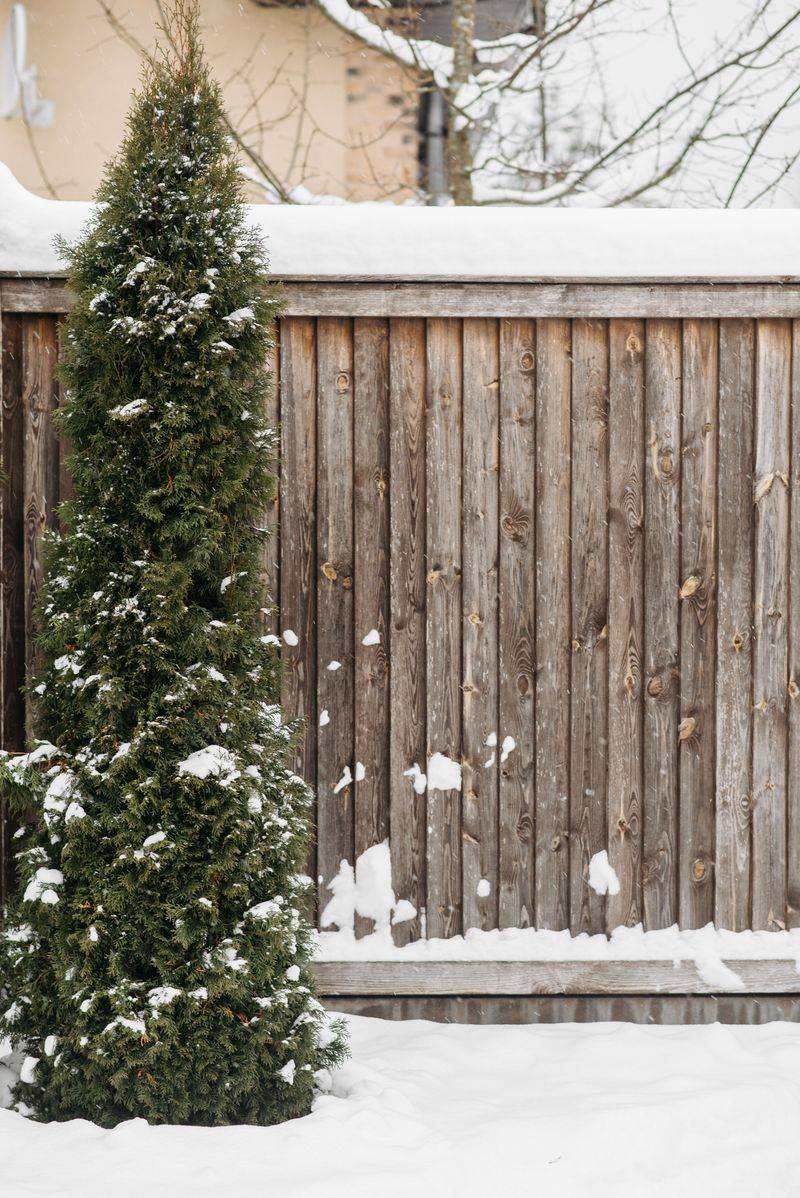
Ask any Pennsylvania gardener about arborvitae, and you might hear a groan. Those tall, tidy green shrubs look great along a fence line. Sadly, deer think they look delicious too.
Once fall leaves drop, most of the landscape turns brown and gray. Evergreens like arborvitae, yews, and rhododendrons keep their color all winter long. For a deer, that bright green means one thing: dinner.
Yards packed with these plants become reliable feeding spots. Deer will return night after night, often eating the shrubs up to the height they can reach.
Your Pennsylvania Garden Changes Every Week. Your Plan Should Too.
Gardening in Pennsylvania changes quickly throughout the season. Every Friday you’ll receive a simple weekly plan showing exactly what to plant, prune, fertilize, harvest, and protect so you never miss the right timing.
That is why you sometimes see arborvitae that look bare on the bottom and full on top. People call it a browse line.
Yews deserve a special warning. They are toxic to many animals, including pets and people, yet deer can eat them with fewer problems. So do not count on yews to protect themselves.
Luckily, you have options. Wrapping shrubs in burlap or deer netting for the winter works well. It may not look fancy, but it saves your plants. You can remove the wraps in spring once fresh food returns to the woods.
Repellent sprays can help too. Many use smells like rotten eggs or garlic that deer dislike. Switch brands every few weeks so deer do not get used to one scent.
If you are planning new landscaping, think about deer-resistant evergreens. Boxwood, spruce, and junipers are much less popular with deer.
Mixing these into your yard means you still get green color in winter without setting out a free buffet for the neighborhood herd.
3. Acorns And Fallen Fruit Draw Them In
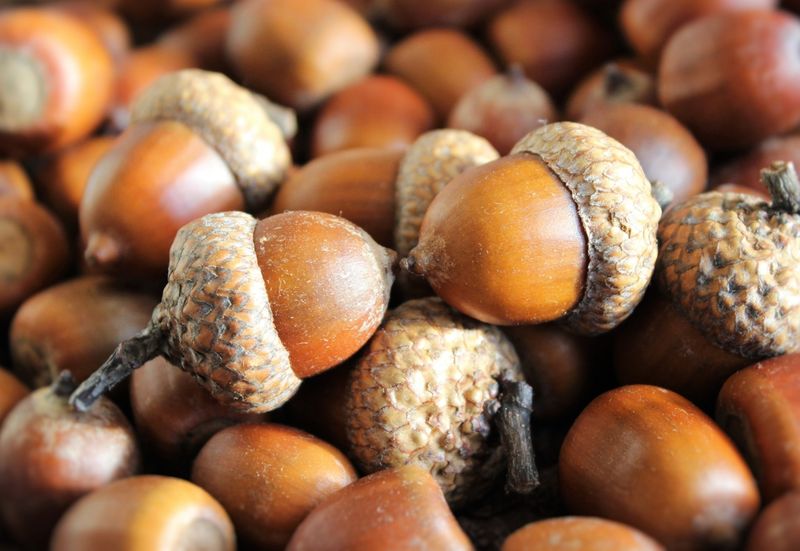
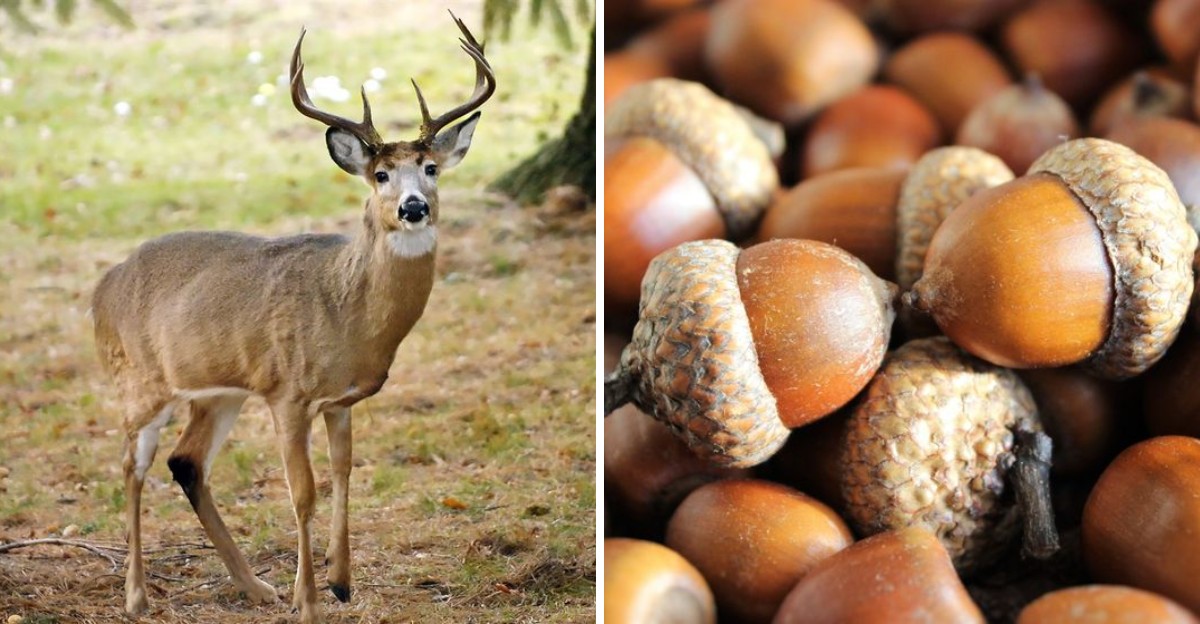
Crunch, crunch, crunch. That sound under your feet in October might be acorns, and deer love them. In Pennsylvania, oak trees are everywhere, and their nuts are one of the most important fall foods for wildlife.
Acorns are packed with fat and energy. Deer eat as many as they can to build up body reserves before winter. Think of it like filling a gas tank before a long road trip.
Some years bring a huge acorn crop, often called a mast year. During those seasons, oak trees drop so many nuts that the ground looks covered. If you have big oaks in your yard, deer may visit steadily from early fall into winter.
Fruit trees work the same way. Apples, pears, and persimmons that fall to the ground are sweet treats deer cannot resist.
A single apple tree can pull deer in from far away. They have a strong sense of smell and can find fallen fruit easily.
Want fewer deer visits? Rake up acorns and fallen fruit often, especially in the evening before deer come out. A leaf blower or a nut gatherer tool makes the job quicker. You can add fruit to a compost bin with a secure lid.
Picking fruit off the trees before it drops helps too. You get to enjoy the harvest, and deer get less of it.
On the other hand, some families enjoy watching deer from the window. If that sounds like you, just keep those fallen nuts away from your garden beds so the visitors stay in one spot.
4. Bird Feeders And Garden Leftovers Are Easy Meals
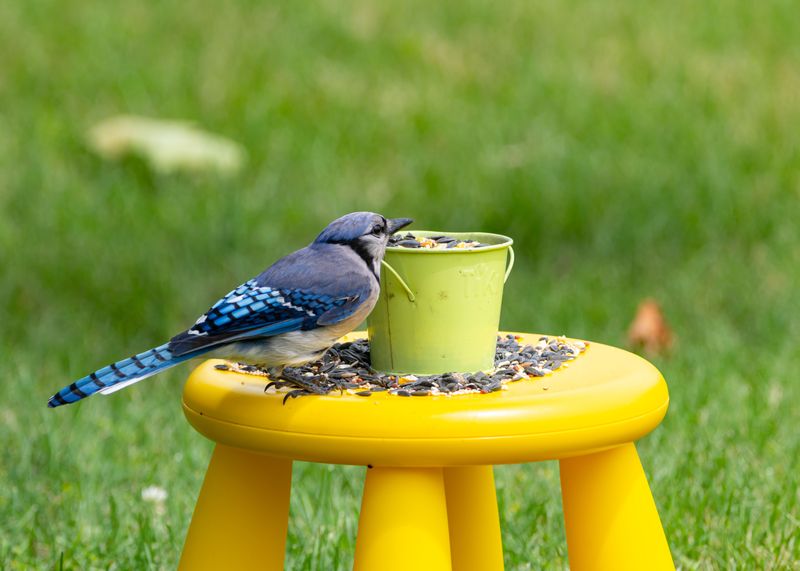
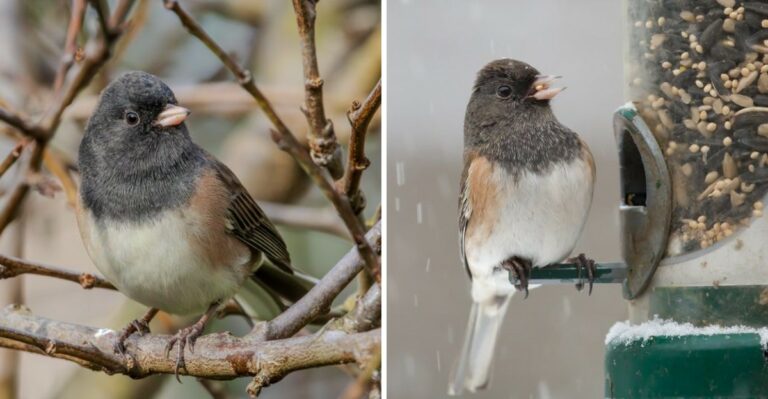
Your bird feeder might be feeding more than birds. Many Pennsylvania homeowners are surprised to spot a deer standing right under the feeder, licking up seeds from the ground. It happens more often than you might think.
Birds are messy eaters. They toss seeds around and drop plenty onto the grass below. Corn, sunflower seeds, and millet are all foods deer enjoy. As wild food gets harder to find, that pile of spilled seed looks like an easy snack.
Gardens can send the same message. Leftover kale and cabbage are tough plants that stay green even after frost.
Pumpkins and squash left in the patch or on the porch also catch a deer’s attention. Some people even find bite marks on their Halloween jack-o-lanterns! The good news is that small changes make a big difference. Try these simple steps:
First, place a tray under your feeder to catch fallen seeds. You can also choose seed blends without corn, since corn is a deer favorite. Hanging feeders higher and away from open areas helps too.
Next, clean up your garden after the last harvest. Pull out old plants or cover them. Move pumpkins and gourds to the compost or put them out with yard waste once the holidays end.
Finally, keep pet food and trash indoors. Deer are curious and will check out almost anything that smells like food.
Easy meals teach deer to keep returning. When your yard stops offering free snacks, most deer will wander off to search somewhere else. A little tidying now can save your plants a lot of trouble later.
5. The Rut Has Deer On The Move
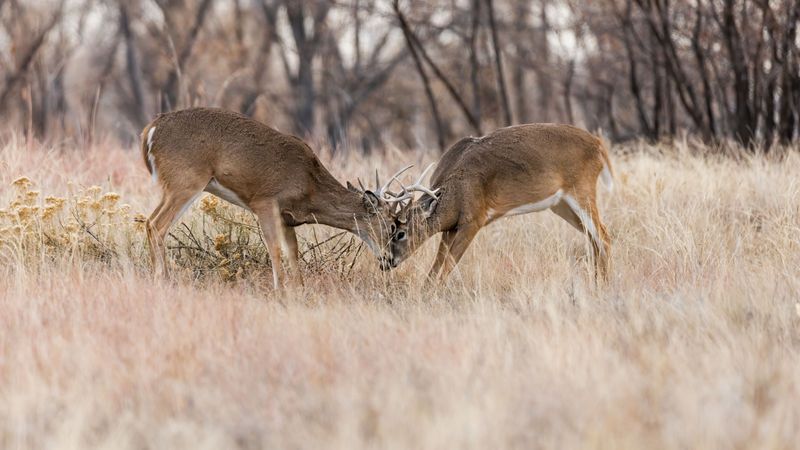
November in Pennsylvania is a wild time for deer. Bucks seem to lose their usual caution and wander almost anywhere. That is because late fall is the peak of the rut, the deer breeding season.
During the rut, bucks travel far and wide looking for does. They may cover several miles in a single day.
Their normal paths and hiding spots do not matter as much anymore. Yards, parks, and backyards all become part of the route.
You might notice signs of this in your own yard. Look for small trees with bark rubbed off near the bottom.
Bucks rub their antlers on trunks to leave their scent. You may also find scrapes, which are patches of bare dirt pawed open under low branches.
Young trees can get badly hurt by rubbing. Wrapping trunks with tree guards or plastic tubes during fall protects them. Short fences around saplings work well too.
The rut also brings a serious safety concern. More deer on the move means more deer crossing roads. Pennsylvania often ranks near the top of the country for deer-related car crashes, especially in October and November.
Drivers should slow down at dawn and dusk, when deer are most active. If you see one deer cross, expect more to follow.
Use high beams on dark roads when no other cars are coming. Never swerve hard to miss a deer, since that can cause a worse crash.
Understanding the rut helps you prepare. Deer are not just visiting for food this time of year. They are on a mission, and your yard may simply be on the way.
6. Hunting Season Pushes Them Toward Homes
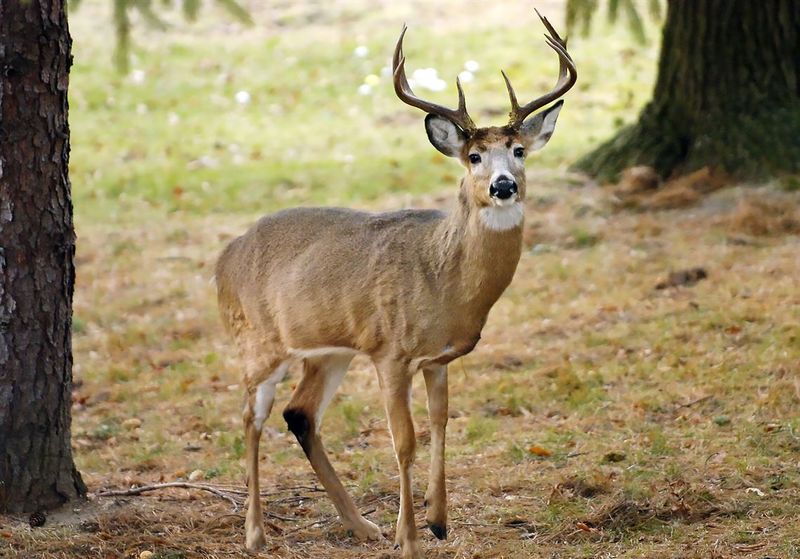
Deer are smarter than many people give them credit for. When hunting season opens in Pennsylvania, they quickly figure out which areas feel risky. Then they head toward places where they feel safe, and that often means your neighborhood.
Pennsylvania has rules called safety zones. Hunters cannot shoot within 150 yards of an occupied home or building without permission from the owner.
That is about one and a half football fields. The rule protects people, but it also creates quiet pockets of land near houses.
Deer seem to sense this. During archery and rifle seasons, they spend more time in backyards, small wooded lots, and the edges of housing developments. Some even bed down in yards during the day, which surprises many homeowners.
So what does this mean for you? Expect more deer activity from October through December. If you already deal with deer damage, this is the season to be extra careful with your plants and shrubs.
Tall fencing is one of the most reliable fixes. A fence about 8 feet high keeps most deer out. Motion-activated sprinklers or lights can also startle them and make your yard feel less relaxing.
Keep in mind that deer in neighborhoods can attract ticks too. Tuck pants into socks while doing yard work, and check yourself and your pets afterward.
Some neighborhoods work together with local officials on deer management plans. If deer numbers feel out of control where you live, ask your township about options.
Working as a community often brings better results than one yard alone. With a little planning, you can share space with deer and still keep your landscape looking good.