This Pennsylvania Native Helps Keep Ticks Away From Vegetable Beds
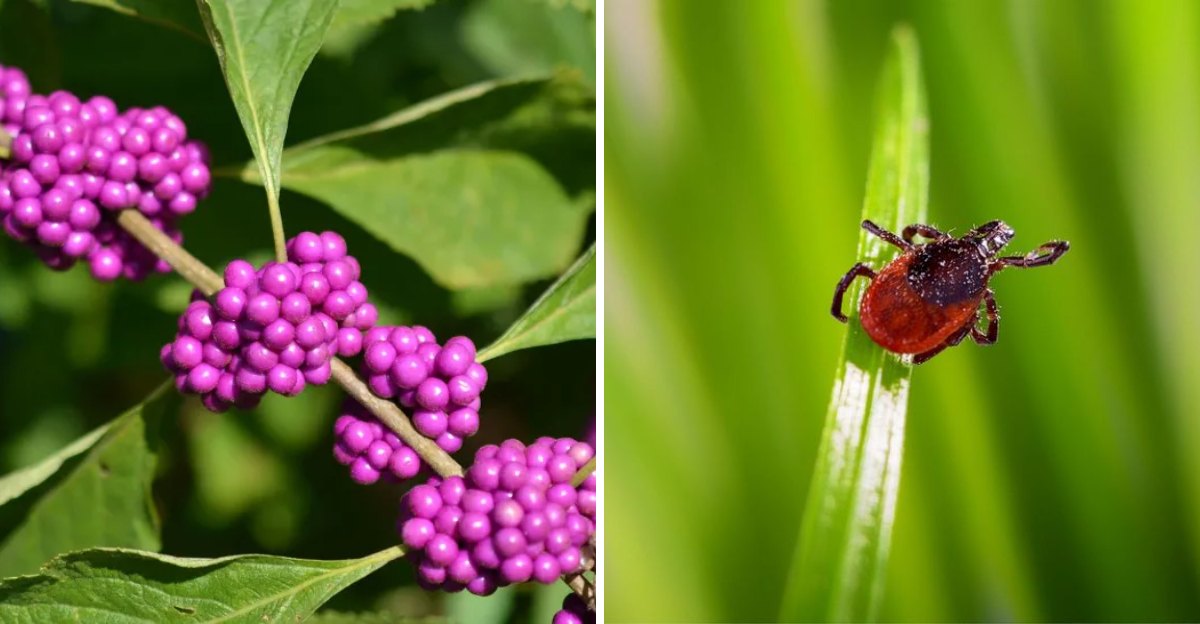
Vegetable beds are where Pennsylvania gardeners spend more hands-on time than anywhere else in the yard, which makes them one of the more concerning places to have consistent tick activity.
The standard advice about tick protection focuses on clothing and repellents, which makes sense for time spent in wooded areas or tall grass, but a productive vegetable garden calls for a different approach.
There is a Pennsylvania native plant that has been getting quiet attention from gardeners who have noticed a meaningful reduction in tick encounters around their beds after adding it to the surrounding planting areas.
It produces compounds that interfere with tick navigation, making the nearby ground less hospitable for them to move through, and it does this passively through the entire tick-active season.
It is also genuinely useful in a kitchen garden context on its own terms, which means it earns its space in more than one way and fits naturally into the kind of planting layout most vegetable gardeners already work with.
Meet American Beautyberry
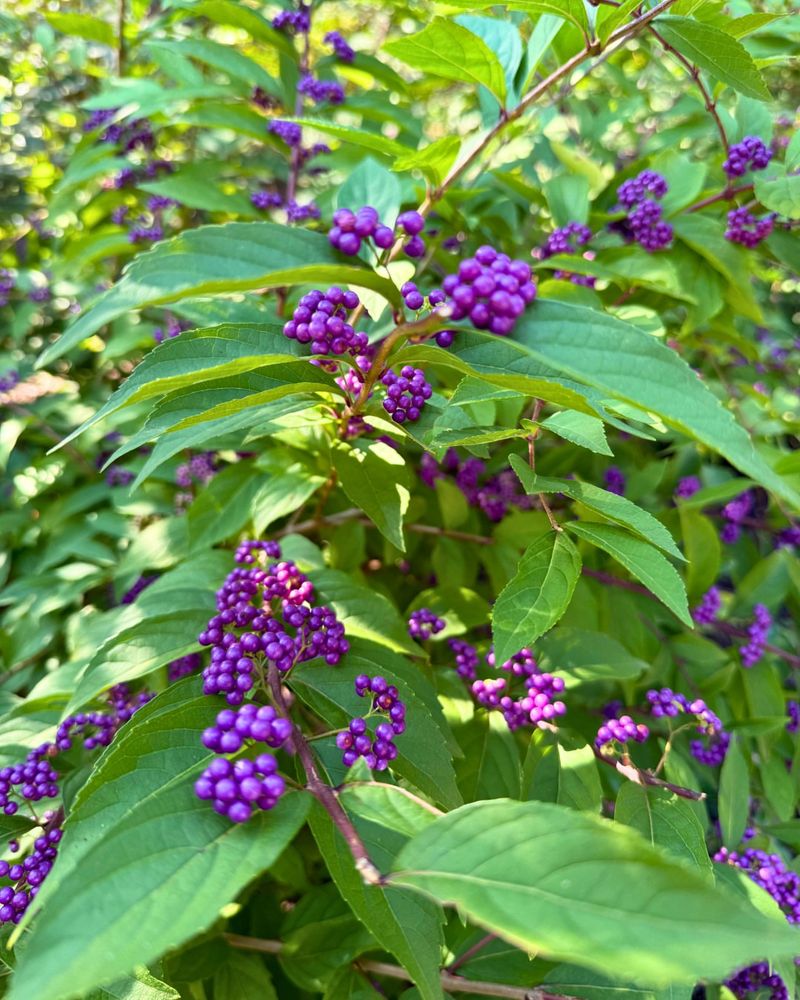
Picture a shrub so eye-catching that neighbors stop to ask what it is every single fall. American Beautyberry (Callicarpa americana) is exactly that plant.
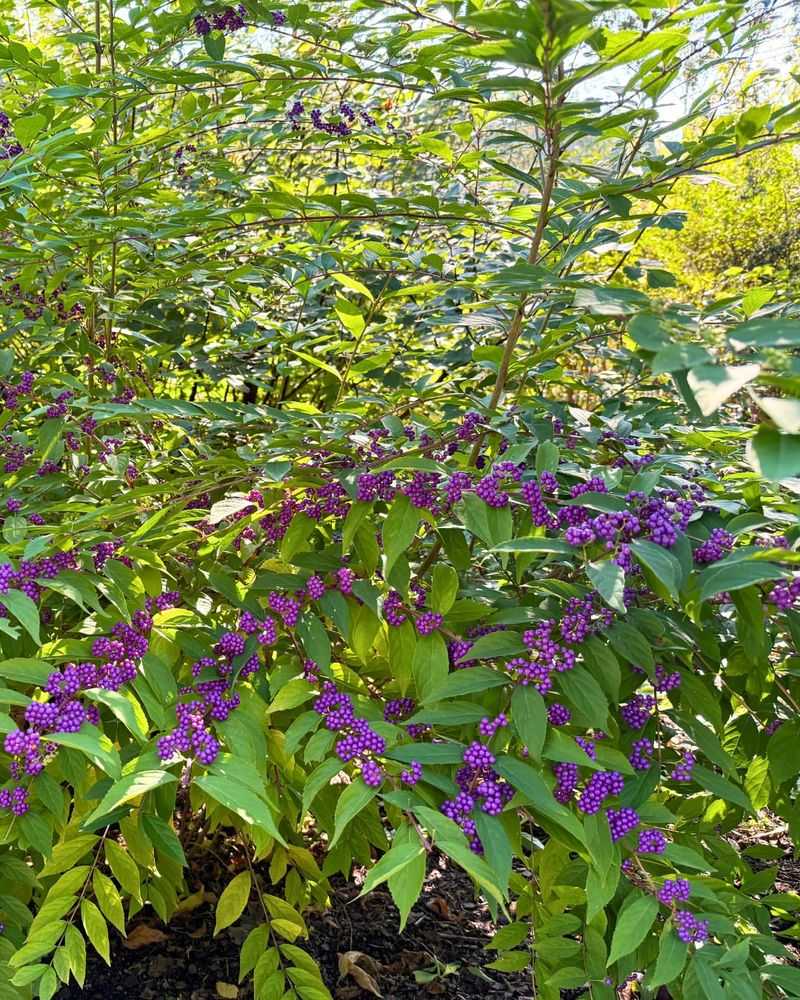
Native to the eastern United States and perfectly suited to Pennsylvania’s climate, this shrub produces stunning clusters of metallic purple berries that line its branches like tiny jewels.
Beyond its good looks, American Beautyberry has a secret weapon. Research from the U.S.
Department of Agriculture found that compounds in the plant’s leaves, specifically callicarpenal and intermedeol, are effective at repelling ticks and mosquitoes. That makes it far more than a pretty face in the garden.
American Beautyberry typically grows between three and eight feet tall and wide, forming a graceful, arching shape. It fits naturally into Pennsylvania landscapes, thriving in conditions that match the state’s mixed forests and woodland edges.
Gardeners who want a plant that works hard while looking beautiful will find this shrub to be a fantastic choice.
The berries appear in late summer and last well into fall, giving birds a reliable food source and giving your garden a dramatic pop of color. Even after the berries drop, the plant’s structure adds interest to winter gardens.
Whether you plant it as a specimen shrub or use it as a border plant around your vegetable beds, American Beautyberry earns its spot in any Pennsylvania yard. It is truly one of those rare plants that offers beauty, wildlife value, and practical garden benefits all at once.
How It Repels Ticks
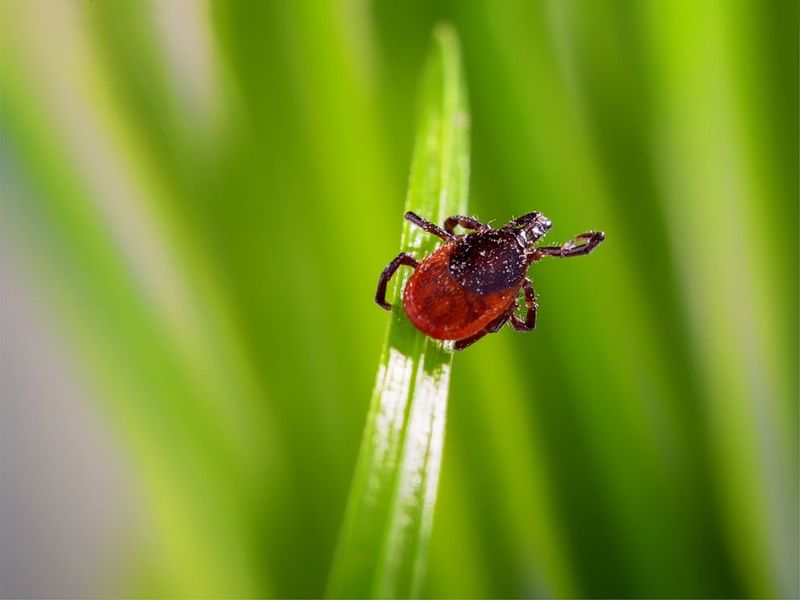
You might wonder how a pretty shrub can actually keep ticks away. The answer is in the leaves.
When American Beautyberry leaves are crushed or bruised, they release aromatic chemical compounds that ticks find deeply unpleasant. Scientists have identified two key compounds responsible: callicarpenal and intermedeol.
Both have shown strong tick-repelling properties in laboratory and field studies.
Native Americans were actually the first to discover this. Some tribes reportedly rubbed crushed Beautyberry leaves on their skin and on horses to ward off biting insects.
Your Pennsylvania Garden Changes Every Week. Your Plan Should Too.
Gardening in Pennsylvania changes quickly throughout the season. Every Friday you’ll receive a simple weekly plan showing exactly what to plant, prune, fertilize, harvest, and protect so you never miss the right timing.
That traditional knowledge eventually caught the attention of modern researchers, who confirmed the plant’s effectiveness through scientific testing.
For gardeners, the practical application is straightforward. Planting American Beautyberry shrubs along the edges of vegetable beds creates a living, aromatic barrier.
As the wind moves through the leaves, those natural compounds drift outward, creating an environment ticks prefer to avoid. The shrubs do not need to be touched or crushed to have some effect, though the repellent properties are strongest when leaves are disturbed.
Ticks typically wait on low vegetation near the ground, ready to latch onto passing hosts. Placing Beautyberry plants along garden borders puts a natural deterrent right where ticks tend to lurk.
Over time, this can meaningfully reduce tick activity around the areas where you spend the most time gardening.
Combined with other smart tick-prevention habits, like mowing regularly and wearing protective clothing, American Beautyberry becomes a valuable part of a well-rounded approach to keeping your garden safe and enjoyable all season long.
Ideal Growing Conditions
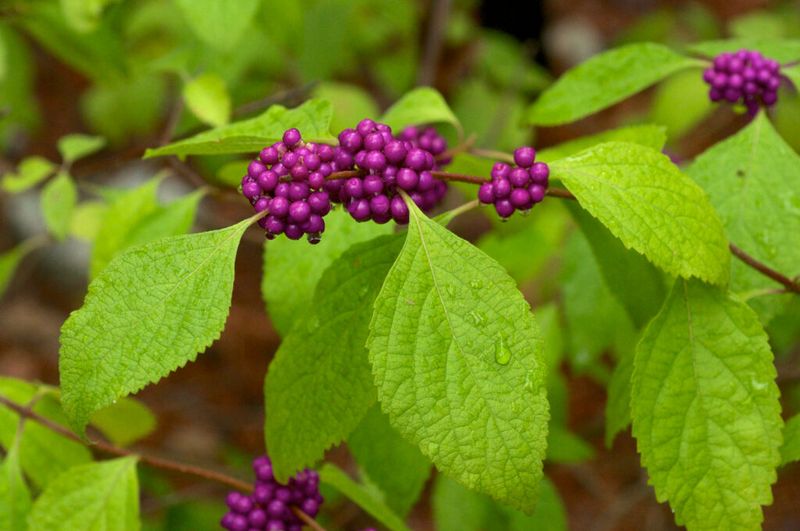
One reason Pennsylvania gardeners love American Beautyberry is how adaptable it is. This shrub is not picky, and it does not demand a lot of special treatment to thrive.
It grows well in partial shade to full sun, which makes it flexible enough to fit into many different spots around a yard. If you have a partly shaded area near your vegetable beds, Beautyberry will feel right at home there.
Soil-wise, this plant is remarkably forgiving. It handles sandy soils, clay-heavy soils, and everything in between.
Pennsylvania’s varied soil types, from the loamy soils of the central counties to the heavier clays found in suburban areas, are all workable for American Beautyberry. Good drainage is helpful, but the plant can tolerate occasional wet conditions without too much trouble.
American Beautyberry is also cold-hardy enough to survive Pennsylvania winters. It is rated for USDA Hardiness Zones 5 through 10, which covers the entire state comfortably.
In colder winters, the plant may lose some above-ground growth, but it reliably bounces back from the roots come spring.
Because it is native to the region, American Beautyberry has already adapted to local pests, diseases, and weather patterns. You will not need to fight to keep it alive the way you might with exotic ornamentals.
Once established, it is genuinely low-maintenance. It does not need fertilizing, it rarely suffers from serious pest problems, and it grows at a steady, manageable pace. For busy gardeners who want results without constant fuss, this plant is an ideal match.
Planting Tips
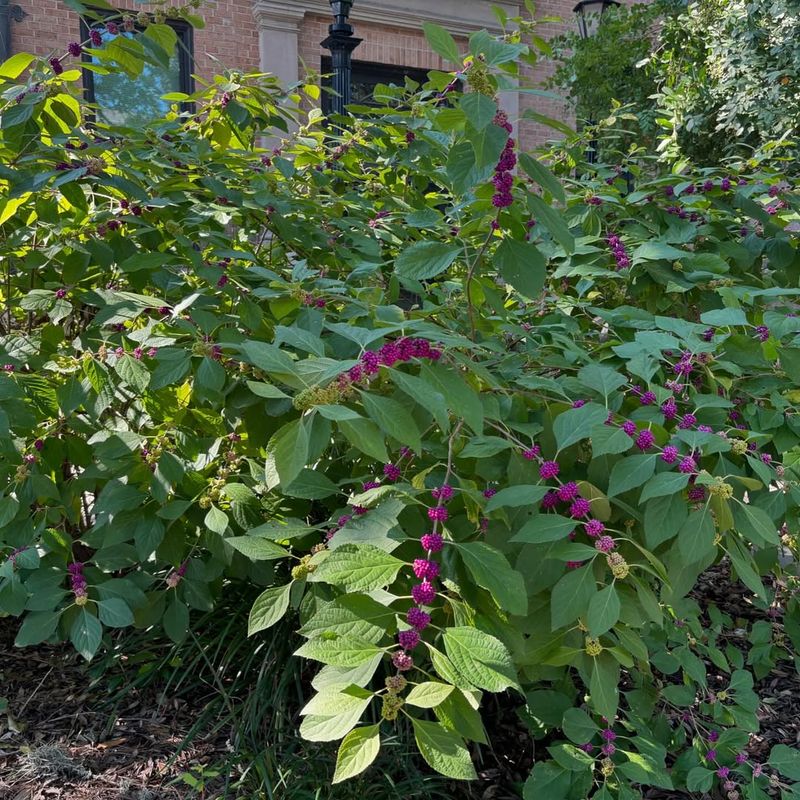
Getting American Beautyberry off to a strong start is all about timing and placement. Spring and fall are the best seasons to plant this shrub.
Cooler temperatures and more consistent rainfall during those months help young plants establish their root systems before facing the stress of summer heat or winter cold. Avoid planting in the middle of summer if you can, since heat puts extra pressure on newly transplanted shrubs.
When it comes to spacing, give each plant room to spread. American Beautyberry can reach six to eight feet wide at maturity, so spacing shrubs about four to six feet apart allows them to fill in properly without crowding each other.
Planted along the perimeter of vegetable beds, a row of Beautyberry shrubs forms a dense, leafy border that creates an effective natural barrier against ticks.
Pairing American Beautyberry with other native plants makes the planting even more beneficial. Native ferns, wild ginger, or coneflowers planted nearby add biodiversity, attract more pollinators, and make the garden look lush and intentional.
A layered planting approach, with taller shrubs like Beautyberry at the back and shorter natives in front, creates both visual depth and a richer habitat for beneficial insects and birds.
Dig your planting hole twice as wide as the root ball but only as deep. Set the plant so the top of the root ball sits level with the surrounding soil.
Backfill with the native soil you removed, water deeply right after planting, and add a two-inch layer of mulch around the base. That simple process sets your Beautyberry up for long-term success.
Additional Benefits For Your Garden
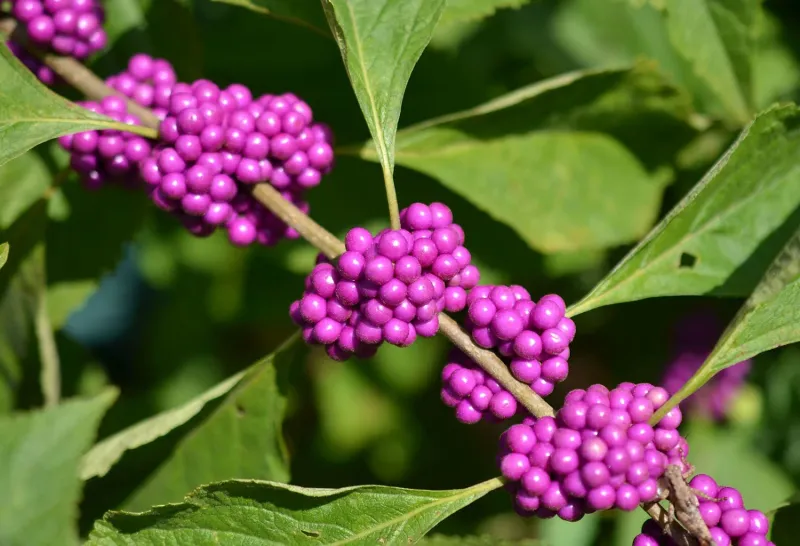
Here is something that surprises a lot of first-time Beautyberry growers: the benefits go way beyond tick control. This shrub is a genuine powerhouse for backyard ecosystems.
The small, pale pink flowers that appear in summer attract bees, butterflies, and other pollinators, which is great news if you are growing vegetables that need pollination to produce fruit.
Come fall, those flowers turn into the plant’s famous purple berries, and birds go absolutely wild for them. More than 40 species of birds have been recorded eating American Beautyberry fruits, including mockingbirds, robins, catbirds, and brown thrashers.
Having these birds around your garden is a bonus because many of them also eat harmful insects, giving you an extra layer of natural pest control.
The visual impact of American Beautyberry in fall and early winter is hard to match. While most plants are winding down, Beautyberry is putting on its best show, with electric purple berries standing out brilliantly against bare branches and fading foliage.
It brings life and color to a garden at a time when most other plants have gone quiet. From a bigger-picture standpoint, adding native plants like American Beautyberry helps reduce your reliance on chemical pesticides and synthetic fertilizers.
A garden that supports birds, pollinators, and beneficial insects naturally manages many common pest problems on its own.
Over time, a yard filled with native plants becomes more balanced and resilient, requiring less intervention from you. That means less time spraying and more time simply enjoying the garden you worked hard to create.
Maintenance And Care
Good news for anyone who dreads high-maintenance plants: American Beautyberry is about as easygoing as garden shrubs get. Once it is settled into your yard, it asks for very little in return.
The most important maintenance task is a light pruning each year, ideally in late winter or very early spring before new growth starts. At that point, remove any dry or damaged wood and shape the plant as needed to keep it tidy.
Some gardeners cut American Beautyberry back hard every few years, trimming it down to about a foot from the ground. This encourages vigorous new growth and often results in an even more impressive berry display the following season.
Do not be afraid to prune it boldly; this plant rebounds quickly and with enthusiasm. Watering needs are minimal once the plant is established. During the first growing season, water deeply once or twice a week, especially during dry stretches.
After that first year, American Beautyberry is moderately drought-tolerant and usually gets by fine on natural rainfall in Pennsylvania’s climate. During unusually long dry spells, a deep watering every couple of weeks helps keep the plant healthy and productive.
Mulching around the base of the shrub is a simple step that pays off in multiple ways. A two-inch layer of organic mulch, like shredded bark or wood chips, holds soil moisture, keeps roots cool during summer, and reduces weed competition.
Keep the mulch a few inches away from the main stem to prevent rot. With these simple habits in place, your American Beautyberry will reward you with beautiful growth and reliable tick-repelling benefits year after year.