Cutting Peony Foliage To The Ground This Fall Helps Missouri Beds Start Clean Next Spring
The mold that browns flower buds in May often spends the whole winter hiding on last year’s leaves. I learned that the hard way after leaving a messy bed alone for one long Missouri winter.
Next spring’s pink shoots are already formed now, tucked just an inch or two under the soil. You can often spot them in October as small red knobs near the base of fading stems.
These same plants can bloom in one spot for fifty years or more with very little fuss. I believe a few minutes of fall cleanup is a small price for a flower that lasts that long.
You need only sharp pruners, a bag, and one chilly afternoon after the first hard frost in Missouri. Who knew a few clean snips in November could decide how many buds open in May?
Those Brown Spotted Leaves Carry Next Year’s Trouble

Herbaceous peonies look tired by October, and their spotted leaves are more than a cosmetic problem for Missouri gardeners. Botrytis blight, a common fungal disease of peonies, survives winter on infected stems and leaves left in the bed.
The Missouri Botanical Garden notes that this fungus forms tiny dark resting bodies that wait in old plant tissue. When cool, wet weather returns in spring, those structures release spores that splash onto fresh red shoots.
Infected shoots may wilt at the base, and young flower buds often turn brown and fail to open. Gray fuzzy mold on spent tissue is a classic sign that botrytis has settled into your planting.
Peony leaf blotch, sometimes called measles, also overwinters on fallen foliage and causes purple or reddish brown spots. Powdery mildew can coat leaves in late summer, though it usually does less harm than botrytis to the plant.
Cutting every stem to the ground this fall removes most of the material where these fungi spend the cold months. Extension services across the Midwest list fall sanitation as one of the simplest ways to reduce peony diseases.
Fungicides can help in spring, but they work far better when the bed starts with less spore load. A clean bed means you rely less on sprays and more on simple timing and good garden habits.
Fall cleanup rarely clears every spore, since wind and rain can carry some in from nearby plants. Still, removing old foliage gives your peonies a strong head start before their shoots break through the soil next spring.
Let The First Hard Frost Tell You It Is Time
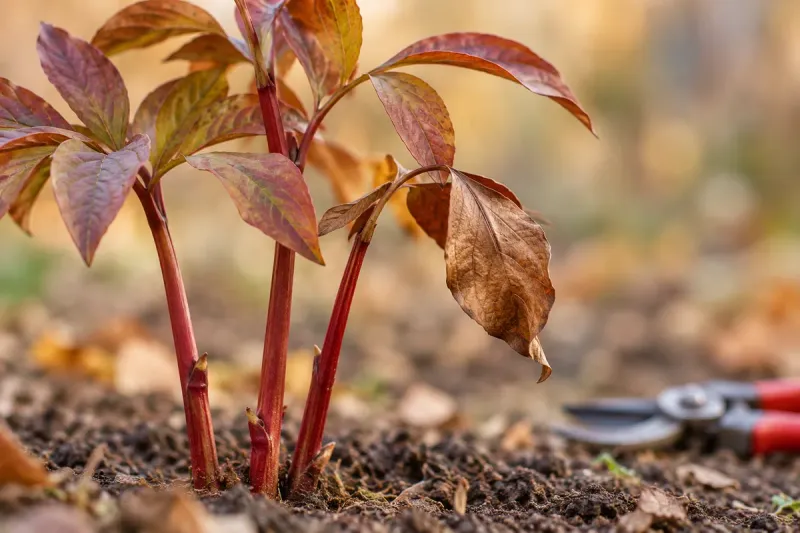
Patience pays off with peonies, because the leaves keep feeding the roots until cold weather finally shuts them down. Green foliage in September is still making sugars that the plant stores in its thick roots for next spring.
University extension services usually suggest waiting until a hard frost has blackened or flattened the foliage before cutting. A hard frost generally means temperatures drop to about 28 degrees Fahrenheit for several hours overnight.
In much of Missouri, the first freeze often arrives between mid October and early November, depending on your location. Northern counties tend to see frost earlier, while the Bootheel and southern Ozarks often get a little more time.
Your Missouri Garden Changes Every Week. Your Plan Should Too.
Gardening in Missouri changes quickly throughout the season. Every Friday you’ll receive a simple weekly plan showing exactly what to plant, prune, fertilize, harvest, and protect so you never miss the right timing.
Once the leaves turn limp, brown, or flop over, the plant has finished storing energy for the season. You can cut them any dry afternoon after that point, even well into late November or early December.
Diseased foliage is the main exception, and many gardeners remove badly spotted leaves earlier to limit spore spread. Healthy leaves can stay until frost, but heavily blighted stems are better off leaving the garden as soon as possible.
Try to work on a dry day, since wet foliage clumps together and spreads fungal spores onto your tools. Wiping pruner blades with a household disinfectant between beds also helps keep disease from moving between plants.
Waiting too long rarely harms the plant, though soggy leaves become harder to gather once winter rains set in. A simple note on your calendar after the first frost forecast can keep this chore from slipping past Thanksgiving.
Your Pruners Belong Close To The Soil Line
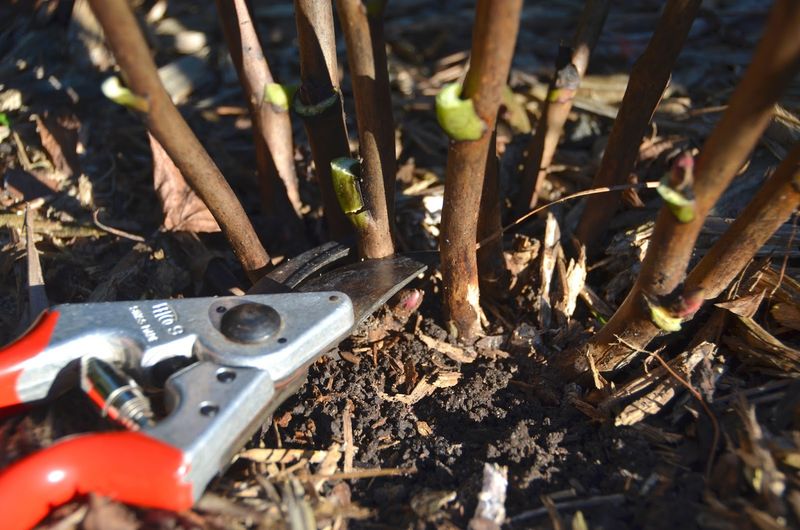
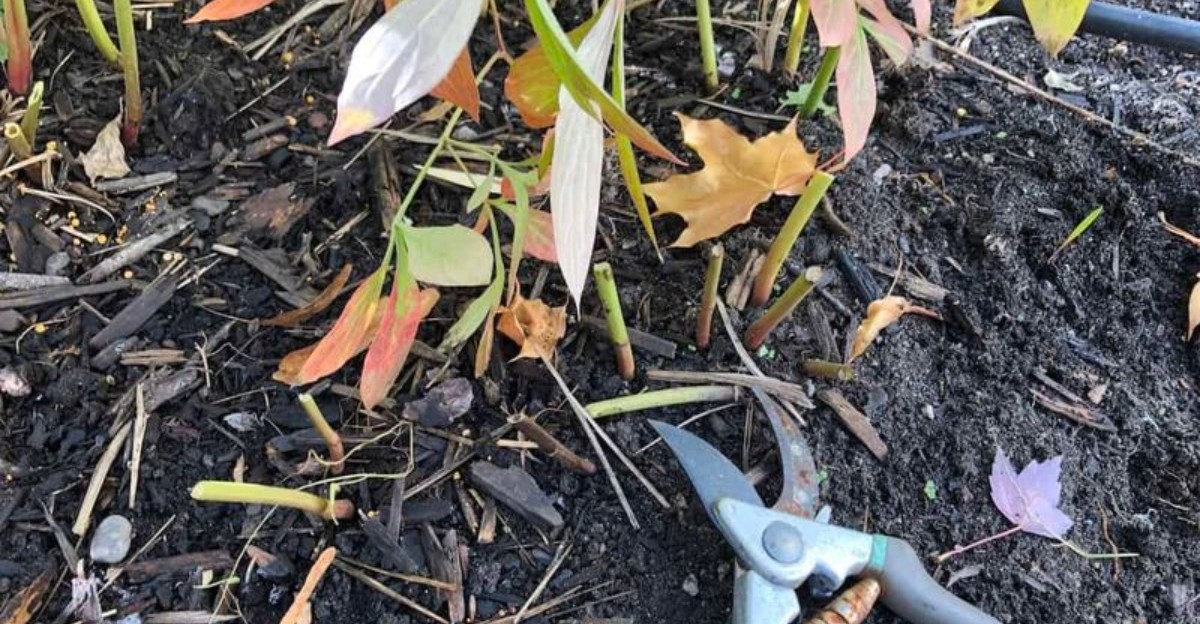
Short stubs are the goal here, since tall leftover stems simply give fungal spores another place to spend winter. Most extension guides recommend cutting herbaceous peony stems to about one inch or less above the soil surface.
Some gardeners leave stubs of two or three inches so they can find the plant before spring shoots appear. That trick works, but shorter stubs leave less infected tissue behind, which matters most in beds with past blight.
The crown sits just below ground, and its pink or red buds, often called eyes, form during late summer. Those eyes hold next year’s stems, so careless digging or scraping near the base can reduce your spring bloom count.
Use sharp bypass pruners and cut each stem cleanly rather than pulling or twisting it away from the crown. Tugging on stems can tear tissue and loosen the shallow buds that sit only an inch or two deep.
Gently rake away fallen leaves around the base with your fingers or a small hand rake after cutting. Old petals and leaf bits trapped near the crown can carry botrytis just as easily as the larger stems.
A plant marker or short bamboo stake pushed beside the crown helps you remember its location until spring. That small step protects the hidden buds from a stray shovel when you plant bulbs or add new perennials.
Ten minutes per clump is usually enough, even for a mature peony with dozens of thick stems. You will likely notice how much tidier the bed looks right away, long before the first spring shoots arrive.
Keep Those Clippings Out Of Your Compost Bin

Tossing peony leaves onto the compost heap feels thrifty, yet it can bring blight right back to your garden. Most home compost piles rarely stay hot enough to reliably break down fungal resting structures like botrytis sclerotia.
Extension specialists commonly suggest temperatures of 140 degrees Fahrenheit or higher held for several days to reduce plant pathogens. Small backyard bins usually sit cooler than that, especially in October when outdoor temperatures start dropping fast.
Bag the cut stems and leaves, then place them in your yard waste collection or regular trash pickup. Many Missouri cities offer curbside yard waste service, and larger municipal sites often reach higher composting temperatures.
Burning yard debris is restricted in many Missouri towns, so check local rules before considering that option at all. Bagging is simpler and safer, and it keeps smoke away from neighbors who may have breathing concerns.
Healthy foliage with no spots or mold can go into a well managed compost pile with fewer worries. Still, peony leaves often hide early infections, so many gardeners choose to bag everything just to stay on the safe side.
Shake off loose soil before bagging so you keep valuable topsoil in the bed where it belongs. Tie bags tightly, since loose leaves blowing across the yard can scatter spores into other flower beds.
Clean your wheelbarrow, gloves, and tools after hauling infected material to the curb or collection site. That extra step takes only a few minutes and keeps fungal spores from hitching a ride into next spring’s gardening chores.
Tree Peonies Want Their Woody Stems Left Alone
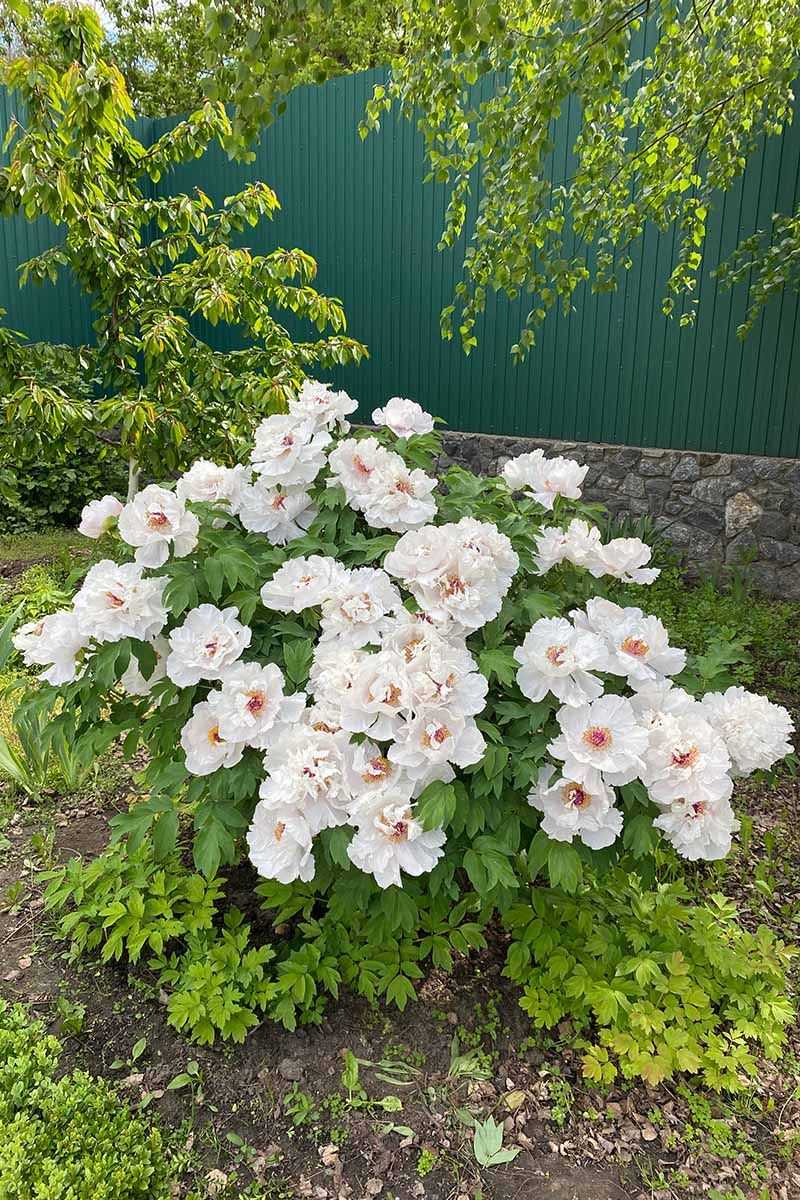
Not every peony in your yard should get the same haircut this fall, and tree peonies are the big exception. Tree peonies grow woody stems that stay above ground all winter, much like a small shrub or rose bush.
Next spring’s flower buds already sit on those woody branches, so cutting them to the ground removes the blooms. The Missouri Botanical Garden advises pruning tree peonies only to remove broken, weak, or clearly diseased wood.
Pull off any spotted leaves that cling to the branches, then rake up fallen foliage from beneath the shrub. That simple cleanup lowers the amount of botrytis and leaf blotch that can carry over into spring.
Intersectional peonies, also called Itoh hybrids, are a cross between tree peonies and herbaceous garden peonies. Many growers cut Itoh stems back to a few inches, leaving any short woody bases that carry visible buds.
Check your plant tags or old receipts if you are unsure which type of peony is growing in your bed. Herbaceous types have soft green stems that collapse after frost, while tree peonies keep firm gray brown branches.
Tree peonies grow well in many parts of Missouri, especially where they get morning sun and some afternoon shade. Shelter from strong winter winds also helps protect their exposed buds during sudden cold snaps in late winter.
Fun fact, tree peonies have been grown in China for more than a thousand years and were prized by emperors. Treating their woody stems gently this fall helps keep that long tradition blooming in your own backyard.
Tuck A Thin Blanket Over Those Shallow Buds
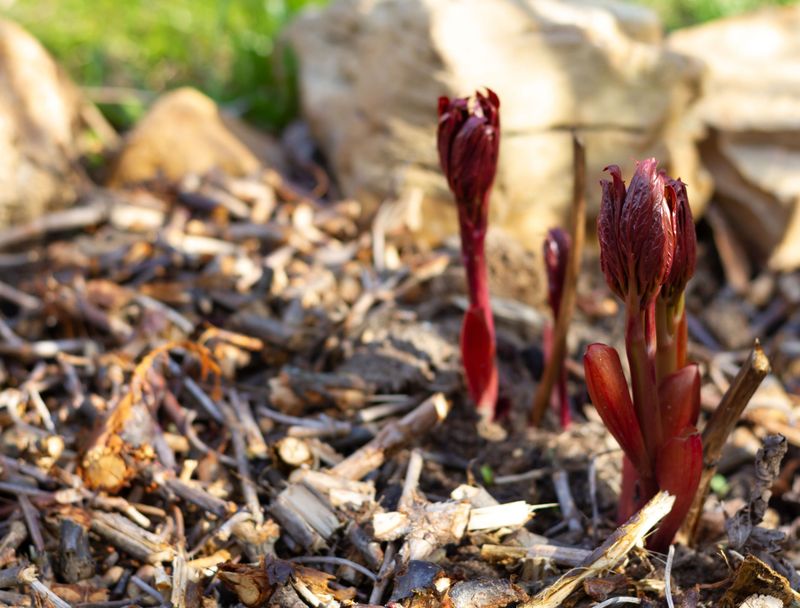
Heavy mulch sounds cozy, but peonies prefer a light touch because their buds sit so close to the surface. Peony eyes should rest no deeper than about two inches below the soil, according to many extension guides.
Established peonies in Missouri are hardy and usually do not need winter mulch to survive the cold months. Newly planted divisions, however, benefit from a light layer during their first winter to reduce frost heaving in clay soils.
Frost heaving happens when soil freezes and thaws repeatedly, pushing shallow roots upward and exposing them to dry winter air. Missouri winters often swing between freezing nights and mild afternoons, which makes heaving a real concern for young plants.
Wait until the ground has frozen before adding mulch, usually in late November or December across much of the state. Spread about two inches of loose material such as pine needles or shredded bark over the crown.
Avoid whole leaves, which mat down into a wet layer that holds moisture and may encourage fungal problems. Pulling mulch a few inches back from the crown in early spring lets the soil warm and shoots emerge freely.
Too much mulch can keep buds too warm and too deep, which sometimes leads to fewer flowers in May. A thin, airy covering protects the roots while letting the crown breathe through the wet winter months ahead.
Combining a clean cut, careful disposal, and light mulch gives your peony bed a fresh start next year. You might be surprised how many more healthy shoots appear once the old foliage and its fungal baggage are gone.