Why Stink Bugs Are Getting Into Your House Right Now (And How To Keep Them Out)
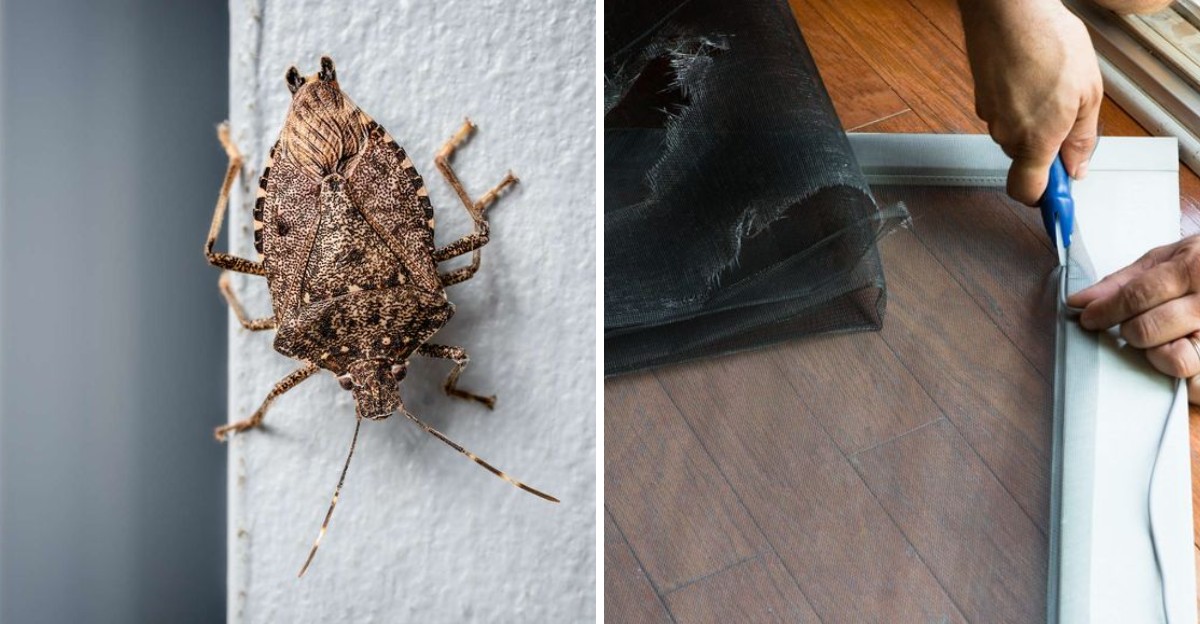
A brown shield just landed on your ceiling, and it plans to stay. You tap it, and your living room smells like cilantro mixed with gym socks.
Meet the brown marmorated stink bug, a hitchhiker from Asia. Decades ago, it likely arrived inside shipping crates.
Since then, it has marched into your garage, your pantry, and your attic. Cooler nights send it hunting for a warm crack in your siding.
Your window frames, door gaps, and vents all work as welcome mats. Slim gaps, as thick as coins, let it slip in.
Inside, it releases a signal that invites friends to join the party. Soon you share your walls with a growing crowd. Smart sealing, careful removal, and a vacuum hose can steadily reduce your indoor visitors.
Sunny Walls Draw Stink Bugs In

Ever notice a cluster of bugs basking on the south side of your house? That sunny wall is a resting spot for them on a cool October afternoon.
Stink bugs love warmth, and sun-exposed siding gives them a place to heat up. They gather there to warm their bodies before searching for a way inside.
The west side gets busy too, especially in the late afternoon sun. Homes near fields, orchards, or wooded edges tend to see the biggest crowds.
Farmers dislike these pests because they feed on apples, peaches, corn, and soybeans. As days shorten and harvest ends, the bugs often move toward nearby buildings.
Your house happens to be the tallest, warmest thing around for many of them. From a bug’s point of view, it is a glowing hotel with free parking.
Here is a quick test you can try on a sunny afternoon this week. Walk around your home and count how many bugs sit on each wall.
The busiest side points you toward where to focus your sealing work first. Window frames and door trim on that wall deserve extra attention.
Bright porch lights at night can pull in even more curious visitors from the yard. Switching to yellow bug lights may make your doorway less tempting.
You cannot move your house out of the sun, of course. You can, however, make that warm wall much harder for them to slip through.
Tiny Cracks Work Like Open Front Doors
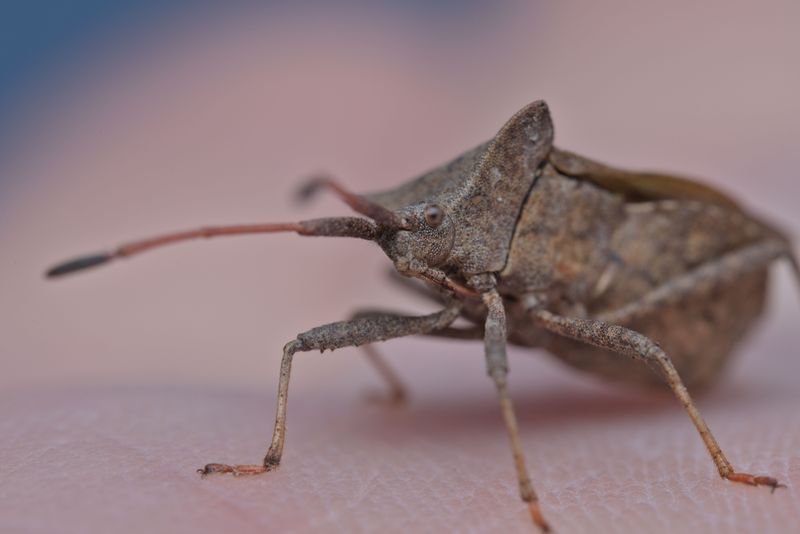
A stink bug is only about as thick as a nickel stacked on a dime. That flat, shield-shaped body slides into gaps you would hardly notice.
Common entry points include gaps around window frames, door sweeps, and siding seams. Spots where pipes, cables, or dryer vents enter the house are favorites too.
Chimneys, attic vents, and loose soffits also offer easy access from the roof. Torn window screens give bugs an easy and welcome way into your home.
Older homes often have more of these little openings than newer ones. Wood shrinks and caulk cracks over time, creating fresh paths each year.
Try this trick on a breezy day to find hidden leaks. Hold a lit incense stick near window and door edges, away from drapes, watching smoke.
If the smoke wiggles or gets pulled sideways, air is moving through a gap. Where air can travel, a determined bug can usually follow right behind.
Do not forget the inside spots, like gaps around ceiling lights and baseboards. Bugs already in your walls can crawl out through these hidden openings.
Grab a notepad and jot down every crack or gap you find. A simple list makes the fixing part much faster and less overwhelming.
Kids can help too, turning the hunt into a bit of a house detective game. Give them a flashlight and let them check low corners and window sills. Every gap you find now is one less doorway later. Your future self will thank you in January.
Chilly October Nights Send Them Searching For Shelter
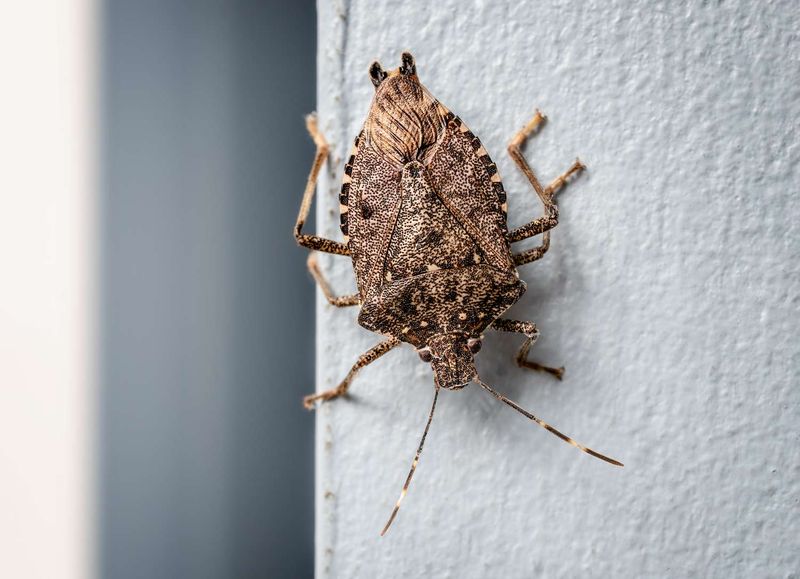
Brown marmorated stink bugs are cold-blooded, so they cannot make their own body heat. When autumn days shorten and nights cool, they soon start hunting for a safe hideout.
In the wild, they would squeeze under loose tree bark or into rocky cracks. Your house, sadly, looks like a much fancier version of that same tree.
Scientists call this winter rest diapause, a dormant state that works like hibernation in mammals. Their bodies slow down, and they stop eating and breeding until spring returns.
The timing is no accident, either. Shorter days tell their bodies that cold weather is coming soon, even before the first frost arrives.
That is why you may notice them in late September and all through October. Warm afternoons followed by chilly evenings often trigger this sudden seasonal move into homes.
Once inside, they look for quiet spots like attics, wall gaps, and closets. They do not chew wood, lay eggs indoors, or bite people, which is a relief.
Still, a few hundred sleepy bugs in your attic can turn into a real nuisance. On warm winter days, they wake up and wander into your living room.
If you spot one sunning itself on the porch rail, more are likely nearby. They tend to gather in loose groups when the weather turns.
Knowing their schedule gives you a head start on keeping them outside. Think of early fall as your window for bug-proofing the whole house.
One Bug’s Scent Can Draw Others Over
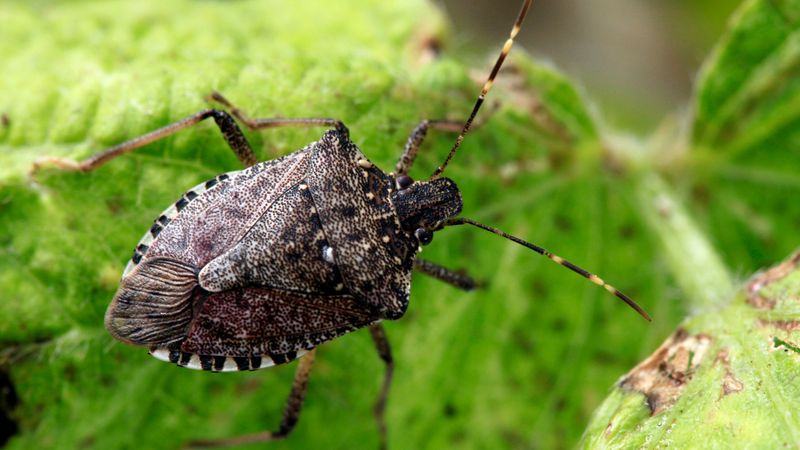
Stink bugs do not just smell bad when you bother them. They also release a different scent, called an aggregation pheromone, that works like a group text.
The message basically says, come over here, this spot is safe and warm. Bugs nearby can pick up the signal and follow it toward your house.
That may explain why you find dozens in one window corner and few elsewhere. Once a few settle in, they quietly invite all their friends.
Their famous stinky spray is a separate thing used mainly for defense. Some birds and lizards learn to avoid their unpleasant taste.
Squish one inside, and you release that odor right onto your carpet or curtains. The smell can linger for hours on carpet and soft fabric alike.
Some people say the scent reminds them of cilantro, while others compare it to skunk. Either way, few want it lingering in the living room.
Researchers actually use copies of the gathering scent to lure bugs into farm traps. Store-bought traps use that idea, so place them far from home.
Knowing this helps you act quickly when you spot the first few visitors. Removing early arrivals gently can stop a small group from becoming a crowd.
Check sunny windows and attic corners every few days during October. A quick look now beats a surprise crowd in February.
Small actions early in the season really do add up. Think of it as canceling the party before the guests arrive.
Seal The Gaps You Find Before The Next Cold Snap

A tube of caulk is one of the most cost-effective bug fighters you can buy. It is inexpensive and blocks one of the main routes into your home.
Use silicone or silicone-latex caulk around window frames, door trim, and siding joints. These types stay flexible and hold up well through freezing temperatures.
For bigger gaps around pipes and cables, low-expansion foam works better than caulk. Fill the space slowly, since the foam grows much larger than it looks.
Check your door sweeps by looking for daylight under closed exterior doors. If you see a glow, replace the sweep or add a new rubber strip.
Weatherstripping around doors and windows also helps keep heating bills lower. You get fewer bugs and a cozier house, which feels like a real bargain.
October is a great month for this job because the weather is still mild. Caulk sets best when temperatures stay above about 40 degrees.
Work on calm, dry days, and clean old caulk off before adding new beads. A plastic scraper and a damp rag make the prep work quick.
Do not forget the roofline, where soffits and fascia boards sometimes pull apart. Use a sturdy ladder and ask an adult helper to spot you.
Pay extra attention to the sunny walls where bugs gathered earlier. Those spots carry the heaviest traffic and need the tightest seal.
One weekend of sealing helps, though bugs already inside may still emerge. Your home becomes much harder for uninvited bugs to enter.
Fix Torn Screens And Drafty Vents
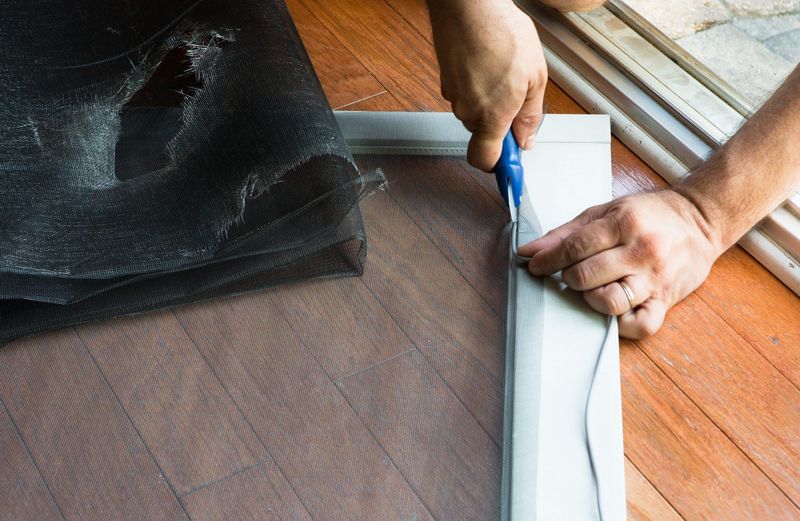
Picture a screen door with a rip the size of a quarter. To a stink bug, that hole looks like a grand front entrance.
Walk around your house and check every window screen for tears, holes, or loose edges. Small rips can be patched with screen repair tape or kits from hardware stores.
Larger tears usually mean it is time to replace the whole screen panel. The job is often inexpensive and fairly straightforward for homeowners.
Next, head outside and look at your attic, dryer, and bathroom vents. Many have openings wide enough for bugs to stroll right through.
Covering attic vents with correctly sized mesh blocks bugs while allowing airflow. Your attic still breathes, but the uninvited guests stay outside.
Dryer vents should have a flap that closes tightly when the machine is off. If the flap sticks open, clean the lint or swap in a new cover.
Window air conditioners are another often-missed trouble spot for many families. Remove them for the season or seal around them with foam strips.
Chimneys deserve a look too, since an uncapped flue is basically a wide-open chute. A chimney cap with mesh sides keeps out bugs, birds, and even squirrels.
Got a ceiling fan vent or kitchen exhaust hood? Make sure their outside flaps close fully and are not bent or cracked.
Each repair might seem small on its own, like a single brick. Put them together, and you have built a strong barrier against seasonal pests.
Trap Indoor Visitors With A Simple Light
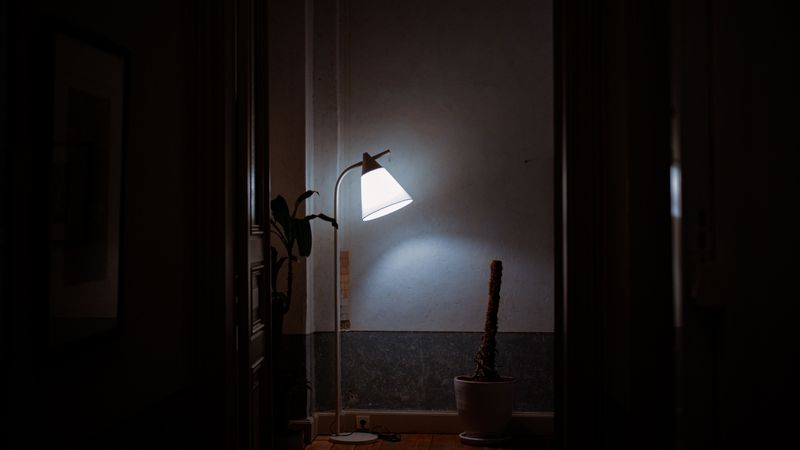
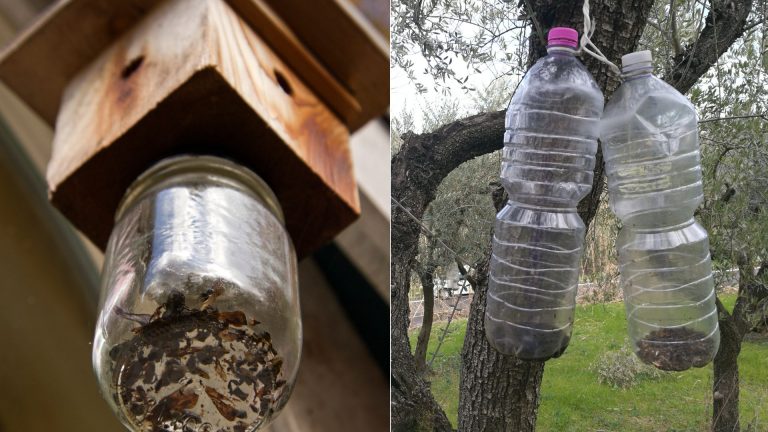
Even a well-sealed home may let a few stray bugs slip inside. Luckily, you can catch them with a trap made from things in your kitchen.
Grab a disposable aluminum baking pan and fill it with soapy water. Place a battery-powered flashlight or LED light so it shines right into the pan.
Set the trap in a dark room at night and turn off other lights. Stink bugs are drawn to the glow and tumble into the water.
The dish soap breaks the water’s surface tension, so the bugs cannot climb out. By morning, you may find a surprising number floating in the pan.
Rooms like attics, spare bedrooms, and sunrooms often work best for this setup. These areas tend to be quiet and close to where bugs hide.
Store-bought light traps also exist, and some include a sticky pad plus a pheromone lure. They cost more but are tidy and easy to empty.
Keep any trap away from pets and small children for safety. Use a light with a stable base so nothing tips into the water.
Empty your homemade trap every morning and refresh the soapy water. Flush the bugs or seal them in a bag for the outside trash.
Traps work best as a backup plan rather than your main defense. They catch the stragglers while your sealing work stops the bigger crowd.
Some families find this simple trick satisfying to check each morning. Count your catch and watch the numbers shrink as winter goes on.
Vacuum Them Up Instead Of Squishing Them
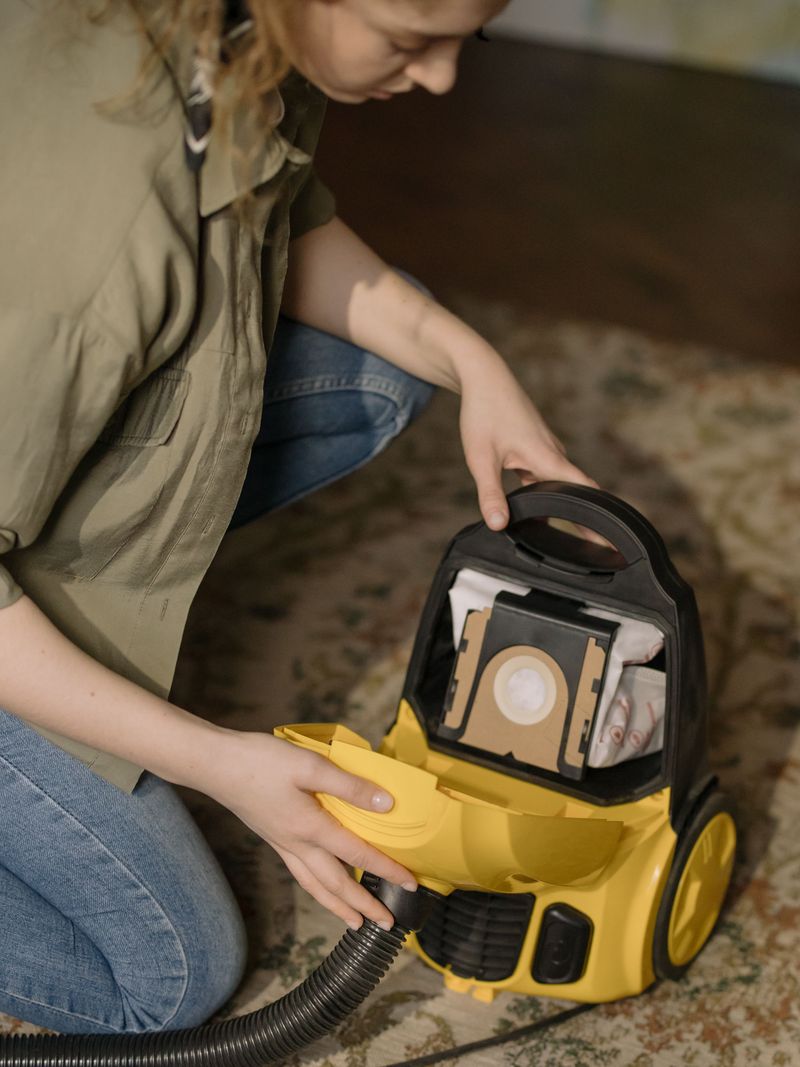
Your first instinct might be to grab a tissue and squash that bug. Please resist, unless you enjoy a room that smells like stale herbs.
Crushing a stink bug releases its strong odor and can stain walls or fabric. A vacuum offers a much cleaner and less smelly way to remove them.
Many homeowners keep a small handheld vacuum just for bug duty in the fall. A shop vac works well too, especially for bigger groups near windows.
Here is a smart tip to keep your main vacuum fresh. Slip a knee-high stocking into the hose and secure it with a rubber band.
The stocking catches the bugs before they reach the bag or canister. Afterward, tie it off and drop it in a bucket of soapy water.
Bagless vacuums can hold that odor for a while after bugs go inside. Emptying the canister outdoors right away helps keep your house smelling normal.
Do not toss live bugs out the door, since they may crawl right back. Flushing them or sealing them in a bag is a better choice.
Some people use a simple jar of soapy water and gently tap bugs into it. The method takes patience but works great for one or two visitors.
Whatever you choose, stay calm and keep the bugs from feeling threatened. A startled stink bug is the one most likely to let loose its smell.
Quick, gentle removal keeps your home cozy all season. Your nose will be grateful by the time spring rolls around.