Why Texas Gardeners Are Using Clear Plastic To Bake Their Lawns This Summer
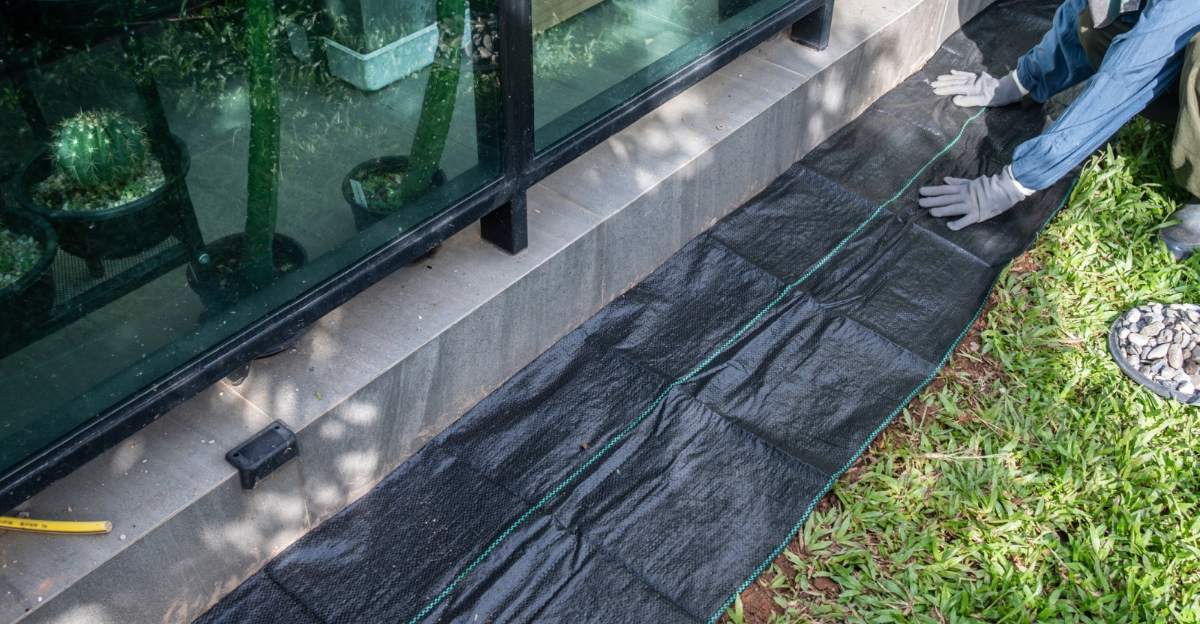
Your lawn is struggling, and plastic sheeting might turn things around. Texas gardeners are clearing weeds without touching a single herbicide.
Sunlight trapped under clear film turns soil into a furnace. Temperatures climb past levels most weed seeds simply cannot tolerate.
Fungal spores gradually lose their grip. Harmful nematodes slowly fade away. Stubborn roots eventually give out. Nothing about this process asks you to lift a shovel.
You simply lay plastic, seal the edges, and walk away. Weeks pass while the sun does work no chemical matches. Local summers make this trick remarkably effective in Texas backyards.
Results arrive without runoff, residue, or lingering questions about safety. Every degree pushes real change further into the soil below.
Momentum builds daily, and your yard keeps moving toward reset. Skeptics question whether heat alone can reshape a garden bed.
Science backs every claim, and the process keeps advancing regardless. What happens next beneath that plastic will change how you garden forever.
1. Solarization Clears Weed Seeds Using Trapped Heat
Picture a greenhouse cranked up to its absolute limit. That is what happens under clear plastic when the Texas sun gets serious about summer.
Soil solarization works by trapping solar energy just beneath the surface. Temperatures under the plastic can climb well above 130 degrees Fahrenheit during peak summer conditions.
At that level, weed seeds simply cannot hold on. Most common weed seeds, including crabgrass and pigweed, are generally reported to break down between 110 and 130 degrees.
Solarization pushes well past that threshold without a single drop of herbicide. Gardeners who have tried this method often report reduced weed regrowth in treated areas for months afterward.
The plastic acts like a lens, focusing and holding heat that would otherwise escape into the air.
Even stubborn perennial weed roots, which normally bounce back after hand-pulling, get cooked at that depth. The heat penetrates two to four inches into the soil on a good sunny day.
Timing matters a lot with this approach. Peak effectiveness comes during the hottest six to eight weeks of summer, which in most parts of the state means June through August.
Leaving the plastic in place for at least four weeks gives the heat enough time to reach deep-rooted weed seeds.
Moist soil actually conducts heat better than dry soil, so watering the bed before laying plastic is a smart move. The steam trapped underneath boosts the temperature even further.
Clear plastic wins here because black plastic absorbs heat but does not let sunlight pass through to warm the soil below as effectively.
2. Managing Nematodes Becomes Easier Under Intense Sun-Driven Heat
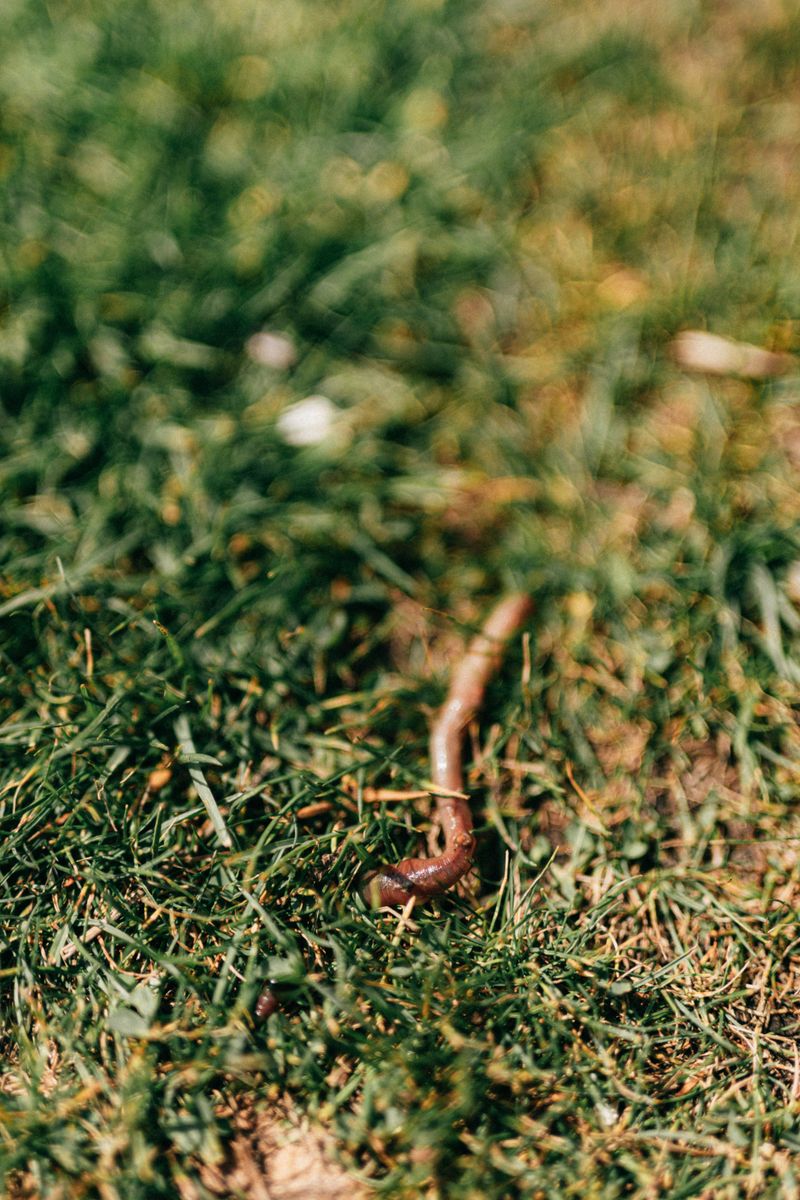
Root-knot nematodes are microscopic pests that have damaged many Texas vegetable gardens over the years. You cannot see them, but your wilting tomatoes definitely feel them.
These tiny worm-like organisms burrow into plant roots and form knots that block water and nutrients. Once they move in, they are notoriously hard to remove without chemical fumigants. Solarization offers a cleaner path forward.
Your Texas Garden Changes Every Week. Your Plan Should Too.
Gardening in Texas changes quickly throughout the season. Every Friday you’ll receive a simple weekly plan showing exactly what to plant, prune, fertilize, harvest, and protect so you never miss the right timing.
Some agricultural extension research suggests solarized soil can see significant reductions in nematode populations, though exact figures vary by study.
The sustained heat disrupts their life cycle at every stage, from eggs to adults. That kind of reduction gives new plantings a serious head start.
What makes this especially appealing is the treatment area. Unlike chemical soil drenches that target a narrow zone, heat from solarization spreads evenly through the top several inches of soil.
Nematodes living throughout that layer get exposed to lethal temperatures over the treatment period.
Gardeners dealing with recurring tomato or pepper failures often trace the problem back to nematode pressure.
A single solarization season can break that frustrating cycle. Some gardeners report noticeably healthier harvests following a summer treatment.
The process pairs well with resistant plant varieties planted afterward. Using both strategies together creates a double layer of protection.
Solarization handles the existing population, while resistant roots keep new generations from establishing a foothold in your freshly treated beds.
3. Clear Plastic Holds More Heat Than Black Tarps
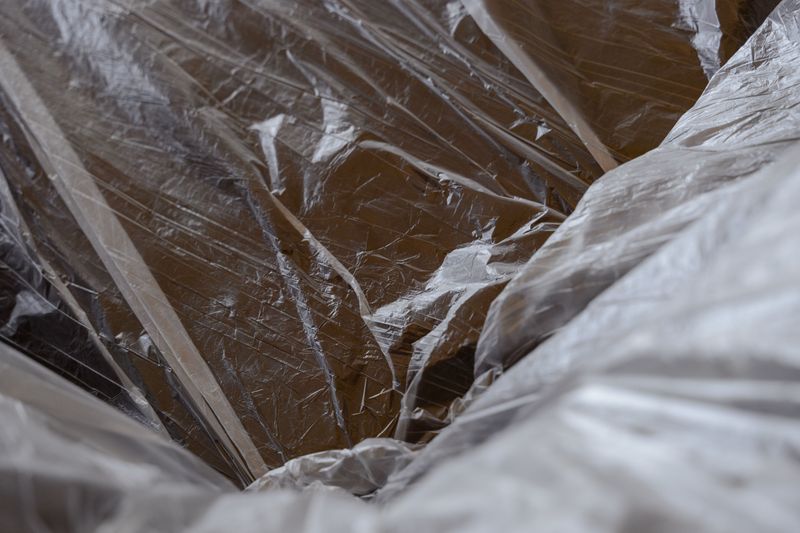
Most people assume black absorbs more heat, and in some situations, that is true. But in the world of soil solarization, clear plastic is the undisputed champion.
Black plastic absorbs sunlight at the surface and gets very hot on top. The problem is that it blocks sunlight from reaching the soil beneath it.
Clear plastic lets sunlight pass straight through, warming the soil directly while still trapping the heat that rises back up.
Think of it like a car windshield on a summer afternoon. The glass lets sunlight in but holds the warmth inside.
Black plastic is more like a sunshade on the dashboard, blocking the light before it can do much work below.
Agricultural research generally shows soil under clear plastic reaches notably higher temperatures than soil under black plastic, though the exact gap varies by conditions.
That gap is enormous when you are trying to hit lethal thresholds for pests and seeds. Every extra degree counts.
Clear plastic also creates a greenhouse effect by trapping moisture vapor. That warm, humid environment under the sheet accelerates biological breakdown of organic matter.
The soil comes out of treatment looser, darker, and more active with beneficial microbes. One practical note: clear plastic does allow some weed germination right at the very surface if light reaches the top inch.
Keeping the plastic flat and tight against the soil prevents that issue. Weighted edges and overlapping seams make the setup far more effective for the full treatment period.
4. Reducing Fungal Spores Helps Prevent Future Plant Disease
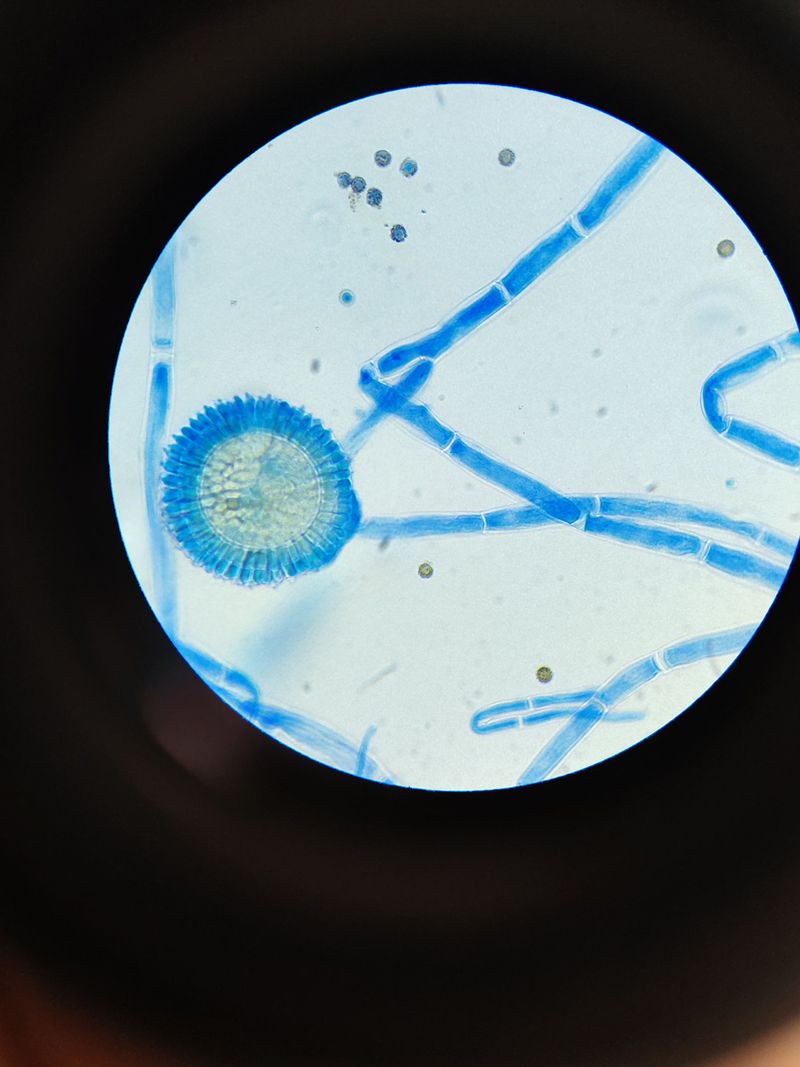
Fungal diseases can spread quickly in the garden and linger in soil long after infection. They show up uninvited, spread fast, and leave a mess behind even after they are gone.
Common soil-borne fungi, like Fusarium and Verticillium, overwinter in the top layers of garden soil. They wait patiently for the right temperature and moisture conditions to affect new plantings.
Solarization disrupts that waiting game completely. Heat above 120 degrees Fahrenheit is often enough to affect most fungal spores within a few hours of exposure.
Sustained solarization temperatures stay well above that mark for days at a time. The result is a dramatic reduction in the fungal load that new plants would otherwise face.
Gardeners who have dealt with recurring tomato wilt or pepper root rot often find those problems disappear after one season of heat treatment.
The cleared soil gives transplants a clean environment to establish strong root systems. Healthy roots mean plants can fight off new infections far more effectively on their own.
One bonus that surprises many gardeners is the improvement in soil texture. As fungi and organic debris break down under heat, the soil structure actually improves.
Water moves through it more evenly, which further reduces the wet conditions that many fungal diseases prefer.
Pairing solarization with proper crop rotation the following season locks in those gains. Rotating plant families prevents any surviving spores from finding the same host plants again.
Together, these two strategies build a genuinely resilient growing environment for seasons to come.
5. Preparing Beds This Way Skips Chemical Herbicides
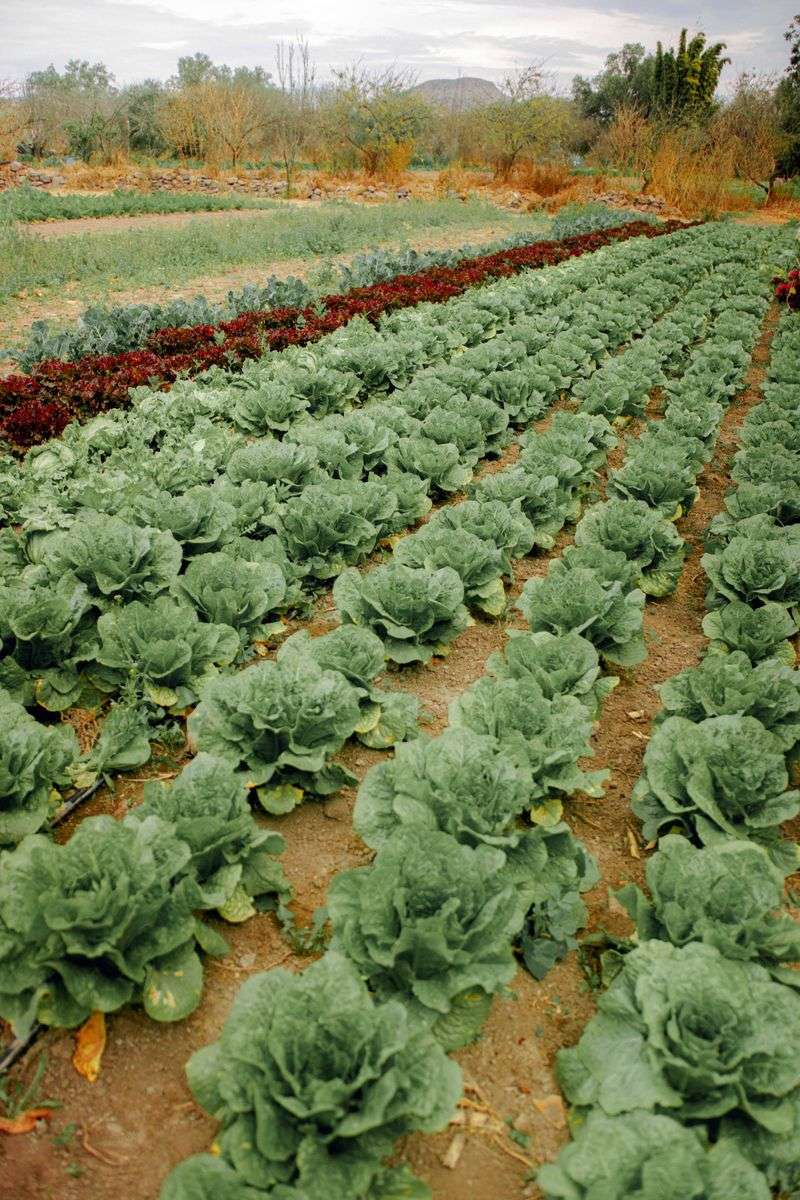
Chemical herbicides carry specific usage precautions. Many of them linger in soil long enough to affect the very plants you want to grow next season.
Solarization sidesteps that problem entirely by using nothing but sunlight and plastic. There are no residues to worry about, no waiting periods before planting, and no labels to decode.
The only inputs are water, clear plastic sheeting, and a willingness to wait through a few weeks of summer heat.
For families with kids or pets who use the yard regularly, this matters a lot. Chemical-free soil treatment means the garden space stays safe throughout the process.
You can walk right up to the plastic-covered beds without any protective gear or precautions.
Beyond personal safety, there is an environmental angle worth considering. Herbicide runoff from residential gardens contributes to soil and water contamination in ways that build up over time.
Choosing a heat-based method keeps those chemicals out of the local ecosystem entirely. Many Texas gardeners report continuing to use this method after their first solarization season.
The results match or exceed what chemical treatments deliver, without any of the drawbacks.
That combination of effectiveness and simplicity is hard to beat when planning a summer garden reset. The cost comparison also favors solarization strongly.
A roll of clear plastic costs a fraction of commercial herbicide products. Repeat treatments in future years cost even less because you often reuse the same plastic sheeting more than once with proper storage.
6. Breaking Down Old Grass Speeds Up New Lawn Installation
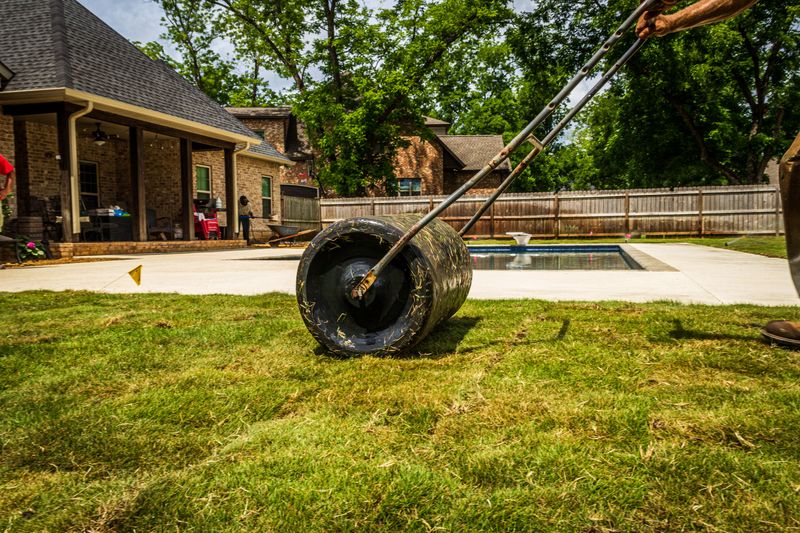
Ripping out an old lawn by hand is backbreaking work that most people try once and never repeat. Solarization offers a smarter way to clear the slate before laying new sod or seeding.
When clear plastic covers an established grass area for four to six weeks in summer, the turf underneath breaks down completely.
Roots, rhizomes, and all the vegetative material break down into the soil. What remains is a soft, loosened layer that is far easier to work with than hard-packed sod.
This approach is especially useful for homeowners dealing with invasive grasses like Bermuda. Bermuda spreads aggressively through underground runners, making it nearly impossible to remove by tilling alone.
The sustained heat reaches those runners and stops them cold before new grass goes in. After removing the plastic, the decomposed material acts almost like a light top dressing.
It adds organic content back to the soil and improves the seedbed quality. New grass seed or sod gets better soil contact and faster establishment as a result.
Timing the treatment so it finishes two to three weeks before planting gives the soil a chance to cool and any beneficial organisms to recolonize.
Rushing straight from hot plastic to new seed can reduce germination rates. A short rest period makes the whole process more successful.
Lawn renovation projects that used to require renting sod cutters and hauling away debris become much simpler. The old lawn essentially disappears into the soil. That saves both labor and disposal costs in a satisfying and practical way.
7. Saving Money Beats Hiring Soil Treatment Services
Professional soil fumigation services can cost several hundred dollars or more per treatment, depending on lot size and provider, adding up before you’ve purchased a single plant.
A standard roll of four-millimeter clear plastic sheeting covers a large garden bed and typically costs between ten and twenty dollars, though prices vary by region and retailer. That is the primary expense for the entire process.
Water and sunshine handle the rest for free. For homeowners managing multiple garden beds or a full lawn renovation, the savings multiply fast. Treating five raised beds professionally could cost more than a new patio set.
Treating those same beds with plastic costs less than a bag of potting mix. Beyond the upfront cost, there are no follow-up service appointments or seasonal contracts to maintain.
Once you understand the process, repeating it each summer becomes a simple and low-effort routine.
Many gardeners build it into their annual calendar alongside spring planting and fall cleanup.
The plastic itself often lasts more than one season if handled with care. Folding it properly after removal and storing it out of UV exposure keeps it usable for two or three summers.
That stretches the value even further over time. Soil treatment services also require scheduling, access, and sometimes waiting weeks for availability during peak season.
Solarization starts the moment you lay the plastic and stake the edges. The control and flexibility that comes with doing it yourself is an underrated part of the total value.
8. Limiting Pest Larvae Protects New Seedlings Later
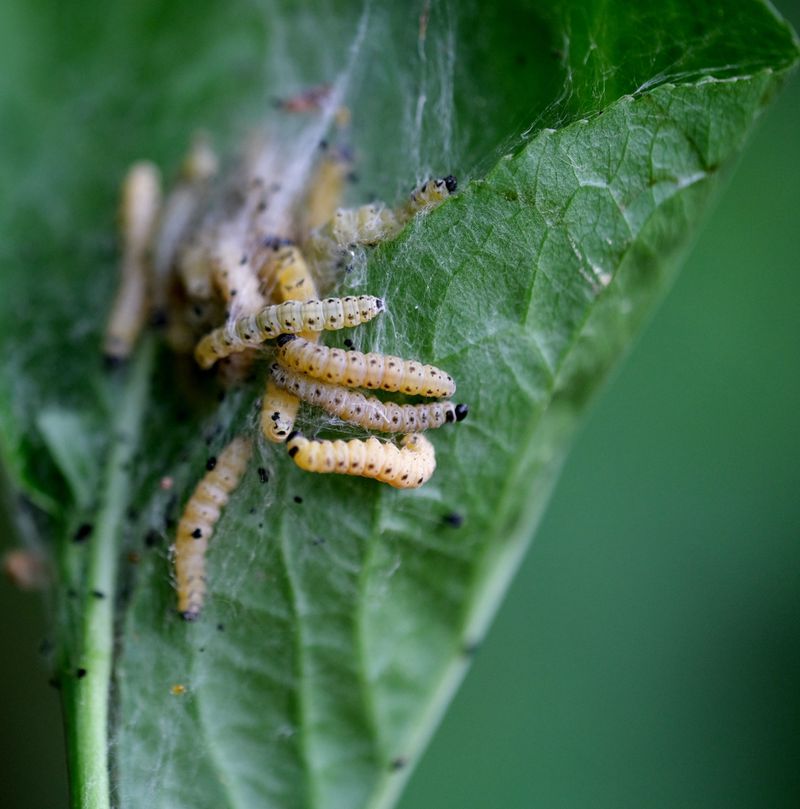
Grubs are a common underground threat to new garden plantings. They hatch underground, chew through roots, and can damage young seedlings before gardeners notice the cause.
Soil solarization targets larvae at their most vulnerable stage. Many common pest larvae, including cutworms and June beetle grubs, are generally unable to survive sustained temperatures above 115 degrees.
The heat reaches them in the top three to four inches where they typically live and feed. Treating beds in summer, before fall or spring planting, creates a protective window.
The larval population gets reduced dramatically during the heat treatment. New seedlings planted afterward face far less underground pressure during their fragile early weeks.
This benefit pairs especially well with transplants rather than direct-seeded crops. Transplants already have a small root system when they go in, giving them a slight edge.
But even that advantage disappears quickly if larvae are actively feeding below the surface. Gardeners who have lost young tomato or pepper starts to underground pests often describe the frustration as one of the most discouraging parts of gardening.
Finding a reliable, non-chemical solution to that problem changes the whole experience. Solarization gives those seedlings a genuinely fair chance at survival.
The broader takeaway from clear plastic lawn and garden treatment is clear. Whether you are fighting weeds, fungi, nematodes, or larvae, this single method addresses multiple problems at once.
That kind of all-in-one soil reset is why so many gardeners across the state are reaching for clear plastic every summer.