Why This Seasonal Temperature Swing Is Bad For Tennessee Garden Plants
Your tomato plants feel a subtle temperature shift you rarely notice. Mornings arrive cool enough to fog your glasses instantly. Afternoons flip that switch quickly, sharply, and without warning.
Temperature swings stretch across a surprisingly wide range daily. Tennessee soil holds onto that whiplash longer than expected. Roots sense the shift long before leaves reveal anything.
Blooms fall when pressure builds up too quickly. Dry soil makes each swing tougher on tender young stems. Gardeners across Tennessee watch this pattern grow stronger each week.
Bottomland heat and ridge chill create very different growing pressures. That gap between warm and cool tests cell walls constantly. Leaves curl slightly, a quiet signal you can catch early.
Fruit splits when moisture swings hit at the wrong moment. Stems struggle under pressure they rarely handle smoothly. Small habits change how your plants handle this stretch. A quick shift in care changes what happens next.
1. Warm Days And Chilly Nights Confuse Plant Growth Signals
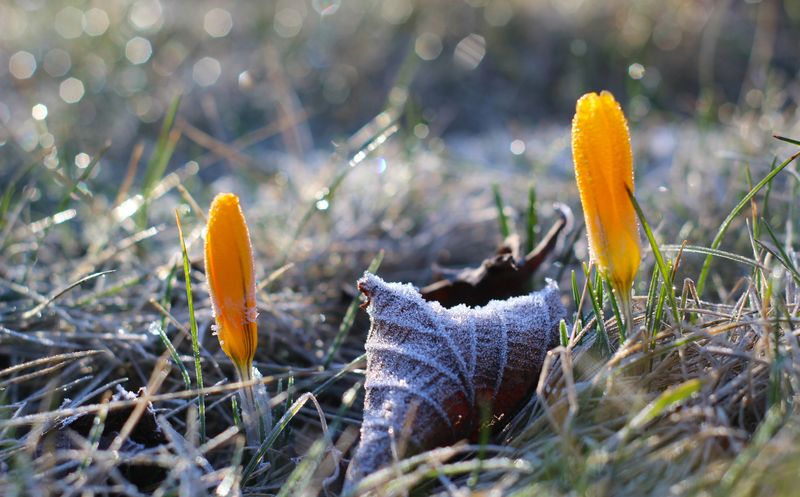
Plants keep track of temperature the way we keep track of a clock. When afternoons hit 88 degrees and nights drop to the upper 50s, that internal clock gets scrambled.
Warmth tells a tomato or pepper to keep pushing new growth and set fresh flowers. Cool nights send the opposite message, telling the same plant to slow down and start storing energy for rest.
Caught between the two, plants often do both jobs badly. You may see soft new shoots appear while older leaves yellow and drop, or blossoms form and then fall off without setting fruit.
Tennessee gardeners notice this most in early September, when the calendar still says summer but the air says otherwise. Squash may put out a burst of male flowers with few females, and beans can bloom heavily while producing thin pods.
Helping your plants means picking a lane. If you want a final harvest, keep watering steady and feed lightly with a balanced fertilizer so growth stays even rather than jumpy.
If a plant is clearly winding down, stop pushing it. Skip the nitrogen, harvest what is ripe, and let the plant coast toward its natural finish.
Row cover cloth draped over beds on the coolest nights narrows that daily gap by several degrees. Even a bedsheet pulled off by mid-morning gives young transplants a calmer, more predictable rhythm to grow by.
2. Roots Struggle When Soil Cools Slower Than Air
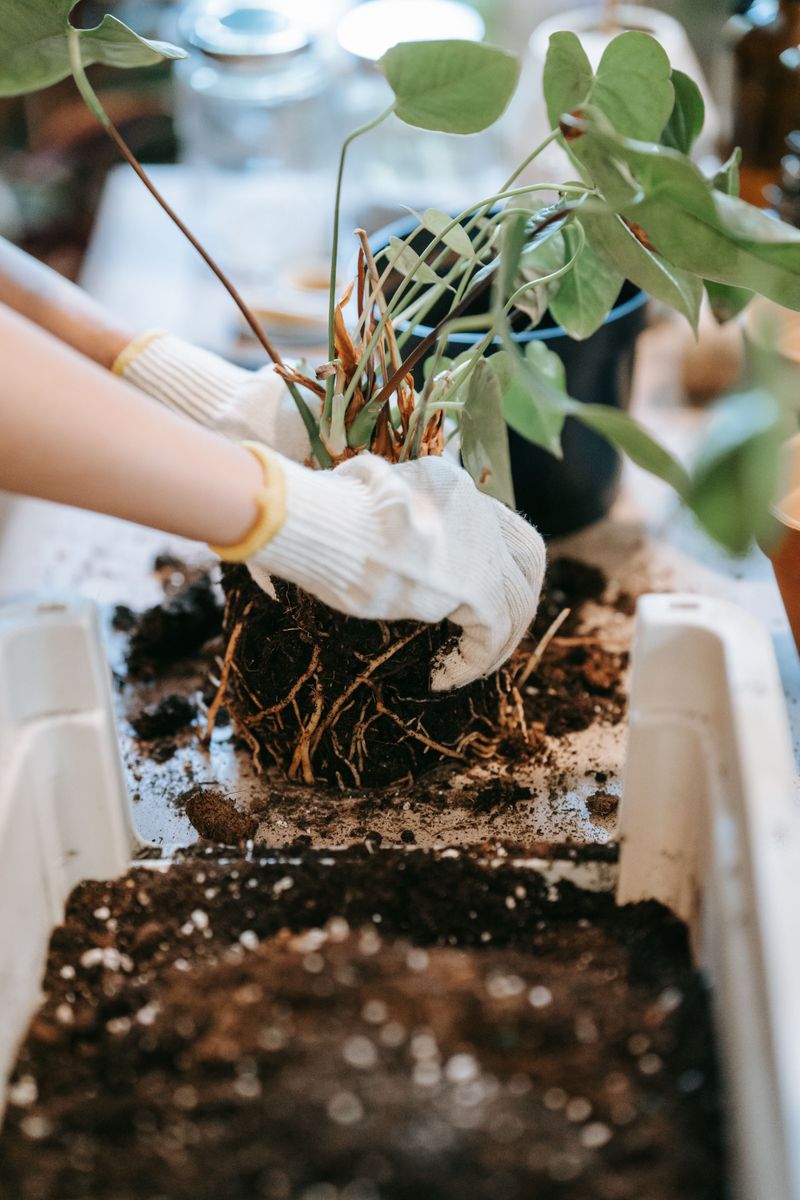
Here is something odd about dirt: it holds onto yesterday’s weather. Air can swing 30 degrees in a single afternoon, but soil six inches down changes slowly, sometimes lagging by days.
That delay creates a mismatch. Leaves may be chilled and sluggish at dawn while roots are still sitting in soil that stayed warm overnight, especially in raised beds and dark containers.
Warm roots keep drinking and pushing water upward. Cool leaves are not ready to use it, so pressure builds and you get soft, floppy stems or edges that look water-soaked.
Flip it around later in the fall and the problem reverses. Sunny afternoons make leaves thirsty while cold soil slows root uptake, leaving plants wilted even though the ground feels damp.
Your Tennessee Garden Changes Every Week. Your Plan Should Too.
Gardening in Tennessee changes quickly throughout the season. Every Friday you’ll receive a simple weekly plan showing exactly what to plant, prune, fertilize, harvest, and protect so you never miss the right timing.
A cheap soil thermometer solves a lot of guesswork. Check it in the morning at four inches deep, and you will start to understand what your plants are actually experiencing.
Mulch is the real fix. Two or three inches of shredded leaves, straw, or pine fines acts like a blanket, keeping soil temperatures from bouncing around so wildly.
Container gardeners have it hardest, since pots gain and lose heat fast. Grouping pots together, sliding them against a south-facing wall, or tucking them into a wagon you can move helps steady things out.
Watering in the morning rather than evening also keeps root-zone temperatures more consistent through the night.
3. Fruit Set Falls Off When Pollen Gets Stressed
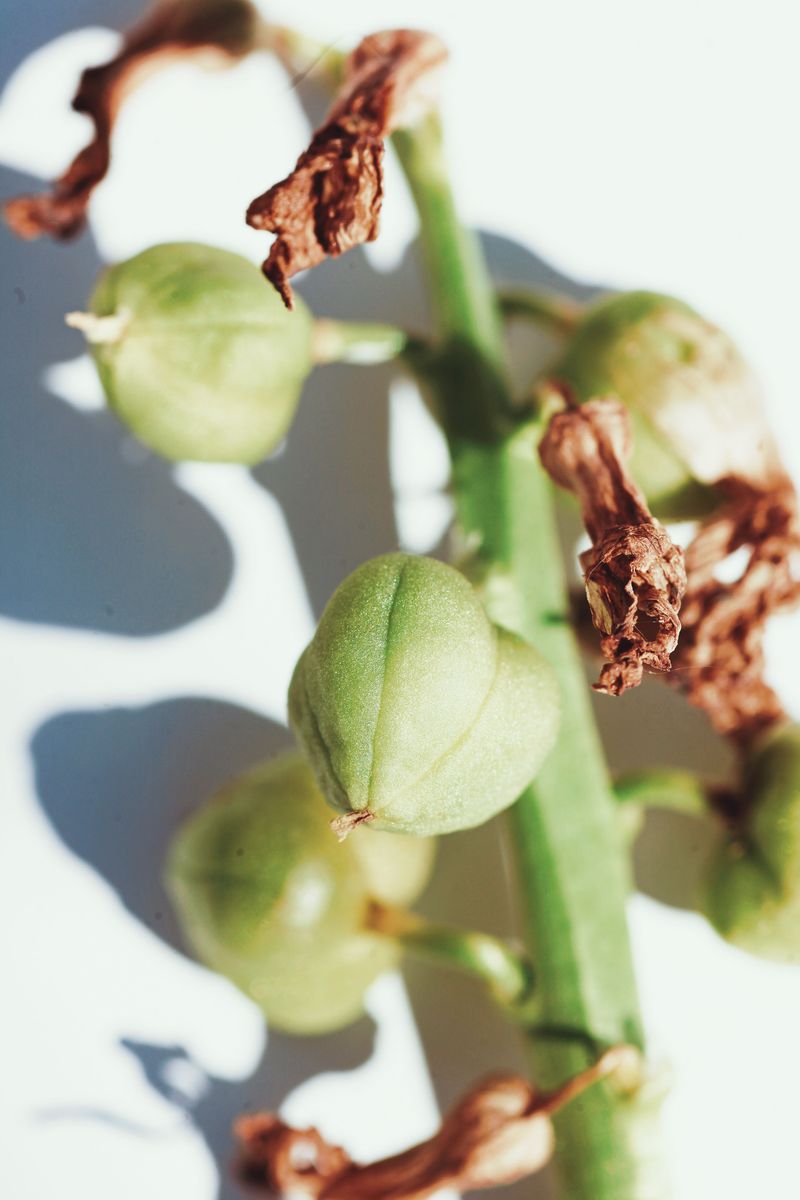
Tomato production often slows in late summer for a specific reason. The answer is usually hiding inside the flower.
Tomato and pepper pollen works within a fairly narrow comfort zone. Daytime highs above the mid-80s combined with nights below 55 make pollen clump or lose its ability to reach the ovary.
The bloom opens, looks perfectly healthy, then drops off at the stem joint a few days later. Gardeners call it blossom drop, and September’s yo-yo weather is a classic trigger.
Beans, squash, and cucumbers face a related problem. Cool mornings keep bees home until mid-morning, and by then some flowers have already closed for good.
You can nudge things along with a little help. Tapping tomato stems gently around midday, when the air has warmed, shakes pollen loose and improves your odds noticeably.
For squash and cucumbers, hand pollination with a small paintbrush takes about ten seconds per flower. Move pollen from a male bloom to the center of a female bloom and check back in two days.
Planting late-season flowers like zinnias, marigolds, and borage nearby keeps pollinators hanging around your yard. More insect traffic means fewer wasted blooms.
Also, be realistic about timing. Fruit that sets after mid-September in most of Tennessee may not have enough warm days left to ripen fully on the vine.
4. Sudden Cold Snaps Catch Tender Plants Off Guard
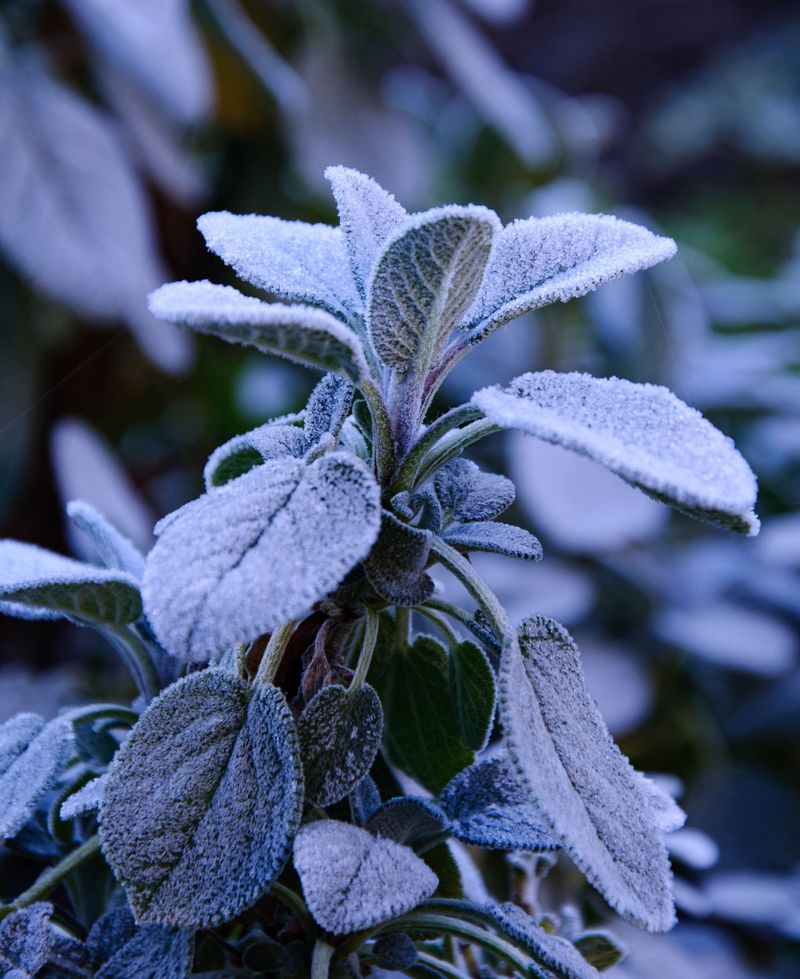
Tennessee has a reputation for surprise weather, and autumn is where it shows off. A single Canadian air mass sliding down the Appalachians can drop overnight lows 20 degrees in a day.
Plants need time to toughen up, a process called hardening off. Gradual cooling builds sugars and thickens cell walls, but a fast plunge skips that preparation entirely.
Basil is the classic victim, showing blackened, wilted leaves after one night near 40 degrees. Sweet potato vines, peppers, and impatiens react almost as quickly.
Elevation matters more than people expect. Gardens around Crossville, Jamestown, or the Tri-Cities can see first frost weeks before Nashville or Jackson, so local records beat statewide averages.
Keeping a weather app with a frost alert turned on is the simplest defense. When a cold night is forecast, water the soil in the afternoon because moist ground holds heat better than dry ground.
Cover tender plants before sunset, not after dark, so you trap the day’s warmth underneath. Use frost cloth, old blankets, or upturned buckets, and lift them by mid-morning so heat does not build.
Harvest basil and other cold-shy herbs ahead of time. Pesto freezes beautifully in ice cube trays and tastes like August in February.
Cool-season crops like kale, collards, spinach, and turnips actually improve after a chill, so shift your bed space toward them now.
5. Moisture Swings Trigger Cracked Fruit And Split Stems
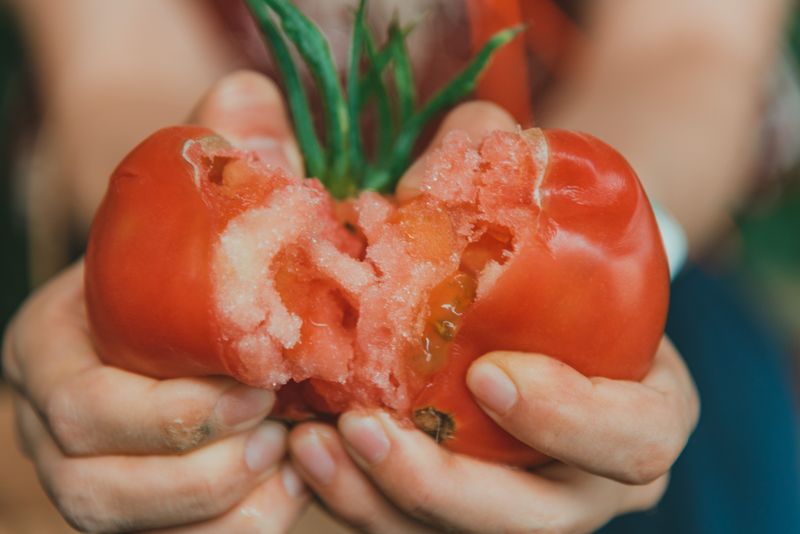
Cracked tomatoes are a visible sign of uneven watering. Those rings and splits tell you the plant drank unevenly.
Cool nights slow water loss from leaves while roots keep absorbing, especially after a September thunderstorm. The fruit swells faster than its skin can stretch, and the surface gives way.
Cabbage heads split down the middle for the same reason. Root crops like carrots and radishes develop lengthwise cracks when a dry stretch is followed by heavy rain.
Those openings create entry points for pests and rot. Fruit flies, sap beetles, and soft rot organisms move into a split within a day or two, which turns a cosmetic issue into a reduced usable harvest.
Consistency beats volume when it comes to watering. Roughly one inch per week delivered in two sessions works better than a single soaking flood.
Drip lines or soaker hoses on a timer take the guesswork out. Set them for early morning and check the soil with your finger before adding more.
Mulch again earns its keep here, buffering the soil against rain and drought alike. Pull it a couple inches back from stems so air can circulate.
Picking fruit slightly early is a smart move when heavy rain is coming. Tomatoes with a blush of color finish ripening just fine on a kitchen counter, avoiding cracks entirely. For cabbage, a gentle twist that breaks a few roots slows water intake and buys you time.
6. Damp Cool Nights Roll Out A Welcome Mat For Fungus

Fungi thrive when nights are cool and mornings are wet. September in Tennessee delivers exactly that combination.
Warm afternoons pull moisture into the air, and when temperatures fall after sunset, that moisture condenses on leaves. Dew that sits for six or more hours is all many fungal spores need to take hold.
Powdery mildew shows up as white dust on squash and zinnia leaves. Downy mildew, septoria leaf spot, and early blight all pick up speed during this stretch.
Roses get black spot, phlox get coated, and cucumbers can go from lush to crispy in about ten days. Humidity in the Mississippi and Tennessee River valleys makes it worse.
Airflow is your best tool. Thin crowded plants, remove lower leaves touching the soil, and give new fall transplants generous spacing.
Water at the base of plants in the morning so foliage dries before nightfall. Overhead sprinklers at dusk are practically an invitation for spores.
Clean up fallen leaves rather than leaving them to overwinter in the bed. Spotted foliage belongs in the trash, not the compost pile.
Preventive sprays of horticultural oil, potassium bicarbonate, or a copper product help if applied before symptoms spread widely.
Read labels for temperature limits, since oils can harm leaves on hot afternoons. Choosing resistant varieties next spring saves the most trouble of all.
7. Perennials And Shrubs Get Fooled Into Late Growth
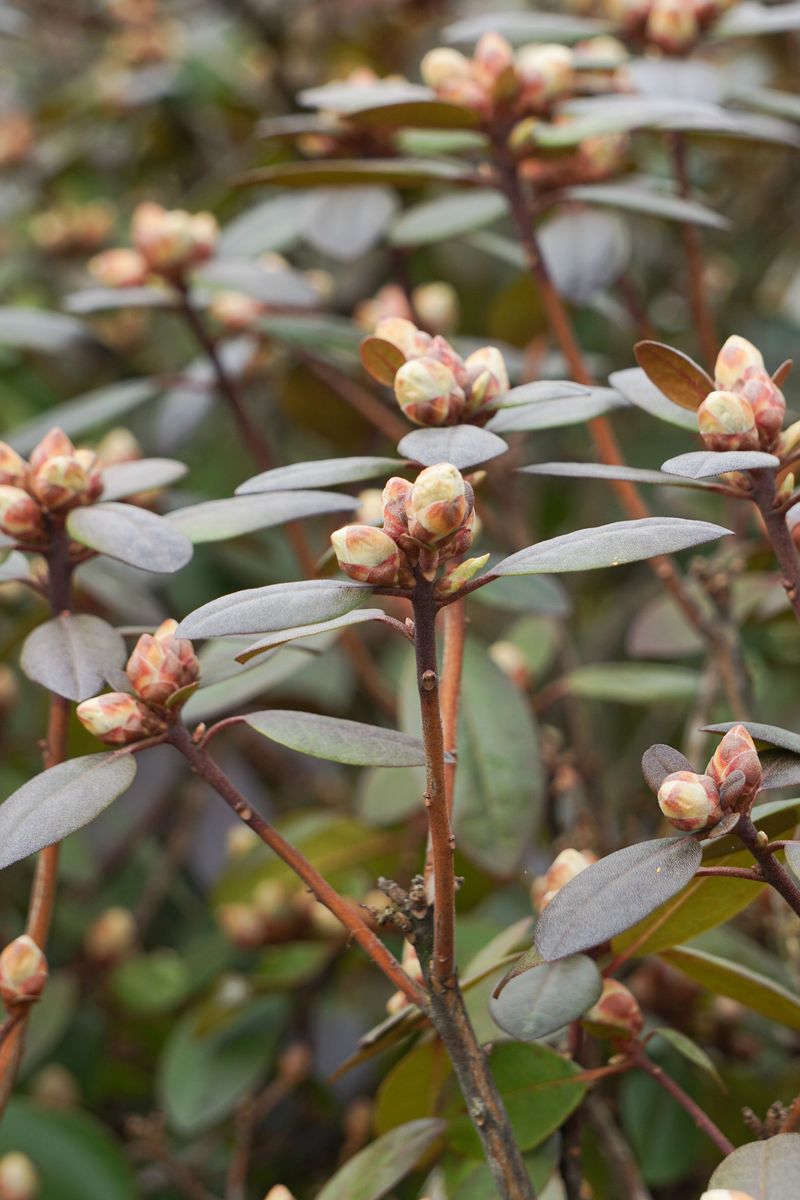
Shrubs have long memories and short attention spans. A warm spell after a cool one can convince a hydrangea that spring has arrived early.
Out come tender new shoots, sometimes a stray bloom or two. Those shoots are soft, full of water, and unprepared for the actual cold that follows in October and November.
Damage often shows up months later as branch tips that fail to leaf out. Gardeners blame winter, but the real cause was that confusing autumn warm-up.
Azaleas, camellias, forsythia, and fruit trees are all susceptible. Late-season fertilizer makes it worse by shouting grow when the plant should be settling down.
Skip nitrogen feeding on woody plants from about mid-August onward. Let them slow naturally and move their energy into roots instead of shoot tips.
Hold off on heavy pruning too. Cutting now stimulates fresh growth at exactly the wrong moment, so save shaping for late winter.
Water deeply during dry September weeks, since drought-stressed shrubs handle cold poorly. A slow soak once a week beats daily sprinkles.
Apply mulch once the ground has cooled, which varies by region and elevation. Mulching too early traps summer warmth and keeps roots active longer than they should be.
Newly planted trees benefit from a loose trunk wrap once real cold settles in, protecting bark from splitting during sunny-day, freezing-night cycles.
8. Fall Seedlings Bolt Or Stall When Weather Cannot Decide
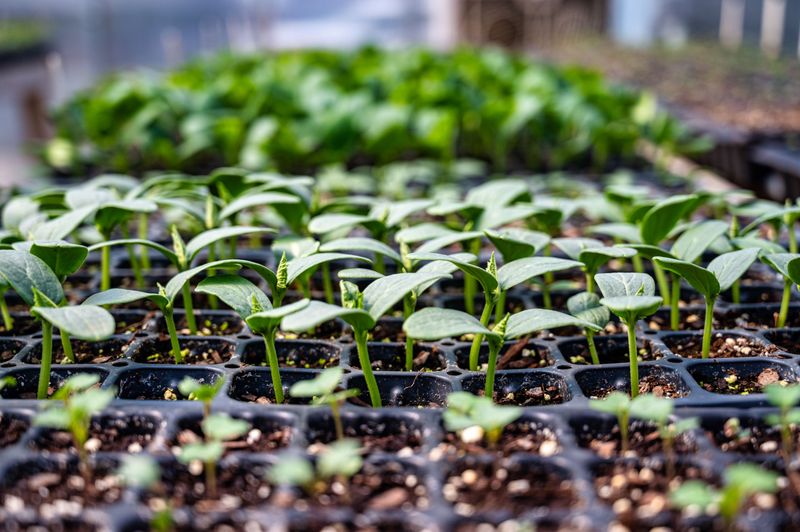
Planting fall greens in Tennessee requires careful timing, and temperature swings are the reason. Lettuce, spinach, and cilantro all read the thermometer before deciding what to do.
String together a few 90-degree afternoons and young plants panic. They send up a flower stalk, a behavior called bolting, and leaves turn bitter within days.
Then a cold run arrives and growth stops flat. Broccoli and cauliflower transplants stall in growth, sometimes forming tiny buttoned heads the size of a quarter that never enlarge.
Timing helps enormously. Sow seeds when soil temperatures sit between 60 and 75 degrees, and use the first-frost date for your county rather than a general Tennessee figure. Shade cloth can typically lower afternoon temperatures by several degrees.
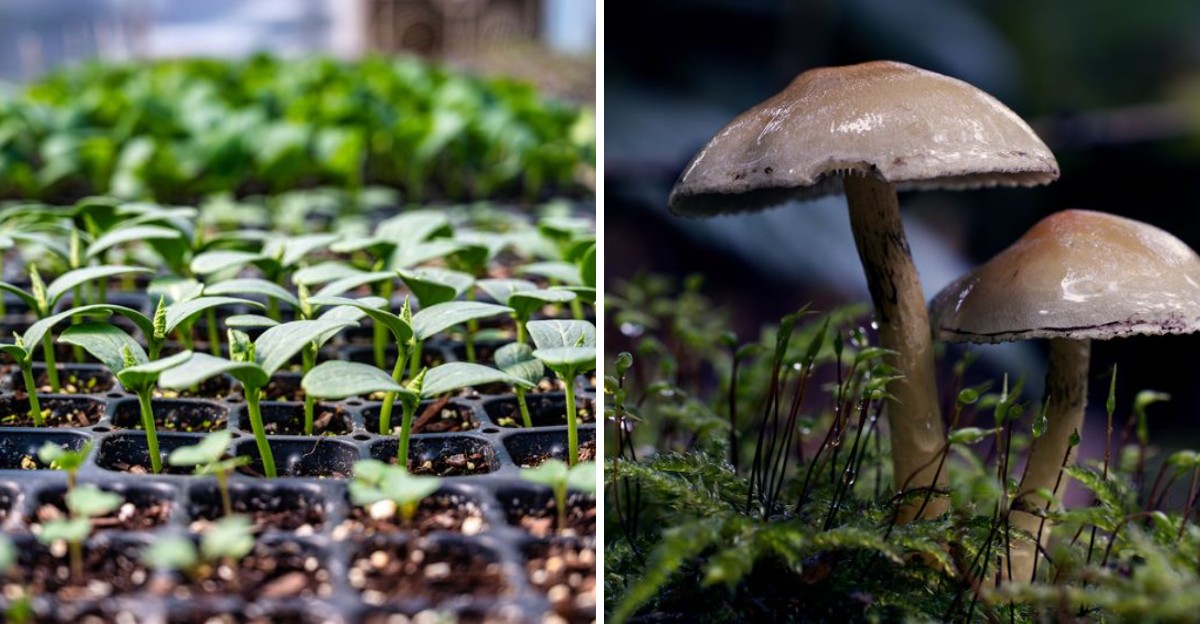
Starting seeds indoors under lights gives you sturdy transplants ready to go out when a cool stretch arrives. It sidesteps the worst of the germination roulette.
Watering lightly but often keeps the top inch of soil cool while seeds sprout. A thin layer of straw over newly sown rows works wonders.
Choose varieties bred for heat tolerance and slow bolting, and plant in small batches ten days apart. If one sowing struggles, another is already coming along behind it.