The Tennessee Native With Show-Stopping Berries Whose Leaves Actually Help Keep Ticks Away
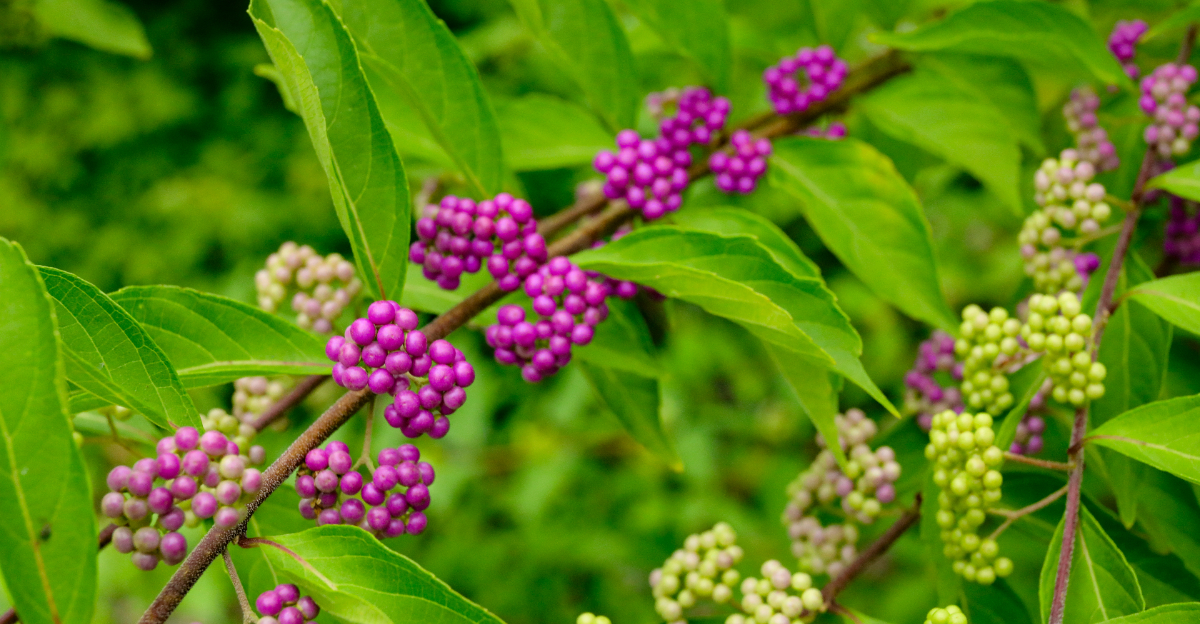
Tennessee backyards are full of shrubs that look good and do nothing else. This one is different. It grows wild across the state, turning heads every fall with clusters of purple berries that seem almost too vivid to be real.
Most gardeners know it by sight. Far fewer know what the leaves are actually capable of.
Researchers have found that a compound in its leaves repels ticks naturally. Not in a folk remedy kind of way. In a USDA-studied, published-results kind of way.
The same plant that birds flock to and pollinators love has been quietly holding a second job this whole time.
If ticks are a concern in your yard and they should be in Tennessee you may already have the answer growing at the edge of your property.
The Backyard Shrub You Probably Already Know, But Not For This Reason
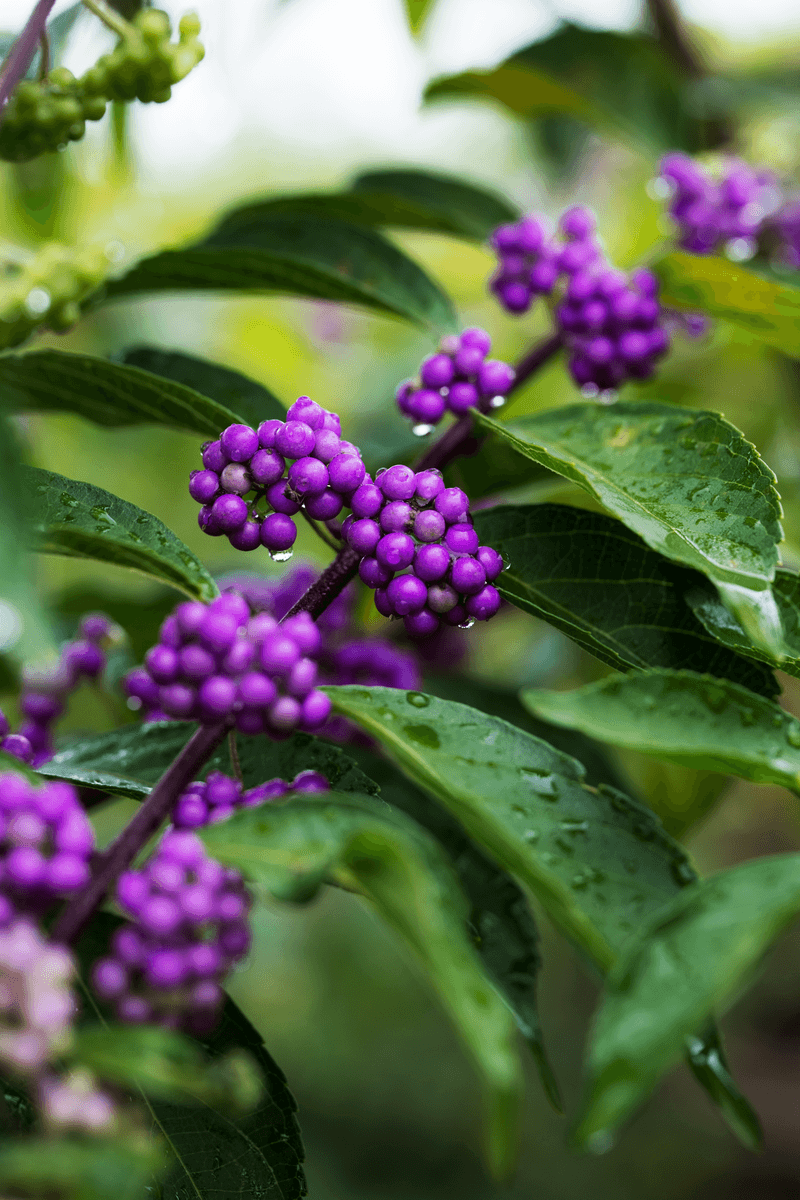
Most people have seen it and never known its name. American Beautyberry blends into the tree line so naturally that hikers pass it hundreds of times before someone finally stops and asks what it is.
The moment those purple berry clusters appear in late summer, the shrub transforms completely. Stems that looked plain all spring suddenly glow with tight, jewel-toned bunches of violet fruit that almost look fake.
Gardeners who discover it for the first time often feel cheated, wondering why nobody told them sooner. It grows across much of the Southeast, thriving in partial shade and asking almost nothing in return.
The leaves are broad, slightly fuzzy, and emit a faint herbal scent when you brush against them. That smell is not random. Scientists at the USDA actually studied it and found compounds in the leaves that repel ticks and mosquitoes effectively.
Callicarpa americana, its botanical name, has been used by Indigenous communities for generations. They knew the leaves had practical value long before any laboratory confirmed it.
Planting this shrub gives you two things at once: a yard that looks like something from a garden magazine and a natural buffer against biting insects. That combination is rare and worth paying attention to.
American Beautyberry Is Already Growing Wild Across Tennessee
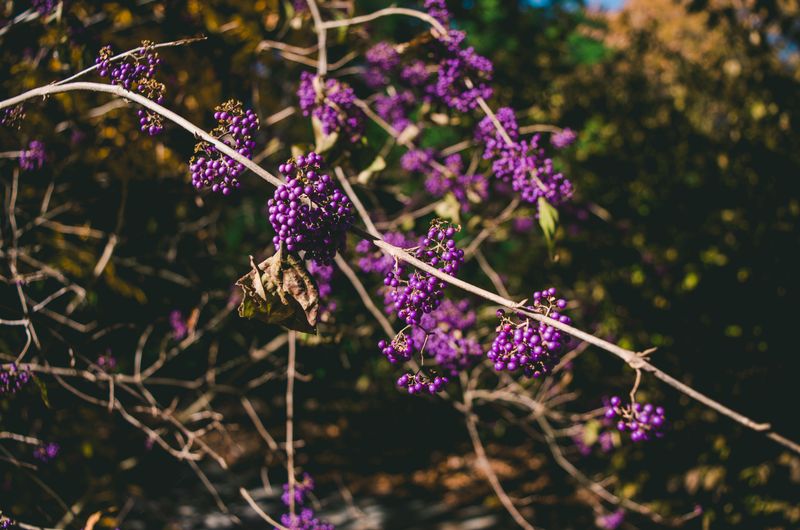
Pull over on almost any rural Tennessee road in August and you will spot it. Beautyberry grows wild in forest edges, creek banks, and along fence lines throughout the state.
It thrives in the kind of spots most plants struggle with, like the shady edge between your lawn and the tree line. That adaptability makes it one of the most naturally successful native shrubs in the region.
Tennessee sits in the heart of Beautyberry country. The plant ranges from Virginia down to Florida and west to Texas, but the warm, humid climate here suits it especially well.
Wild plants tend to grow tall and arching, sometimes reaching eight feet at maturity. Their branches bow outward under the weight of those heavy berry clusters, creating a natural fountain shape.
Foragers have long known where to find them. The berries are mildly edible and have been made into jellies and preserves by Appalachian cooks for centuries, though the flavor is subtle and earthy.
Your Tennessee Garden Changes Every Week. Your Plan Should Too.
Gardening in Tennessee changes quickly throughout the season. Every Friday you’ll receive a simple weekly plan showing exactly what to plant, prune, fertilize, harvest, and protect so you never miss the right timing.
Spotting one in the wild is exciting, but growing your own is even better. You can position it where you want that tick-repelling leaf action closest to your outdoor living spaces.
Many Tennessee nurseries now carry native cultivars bred for even more compact growth and heavier berry production. The wild version and the cultivated one both work equally well as natural pest deterrents.
The Science Behind Its Natural Tick-Repelling Properties
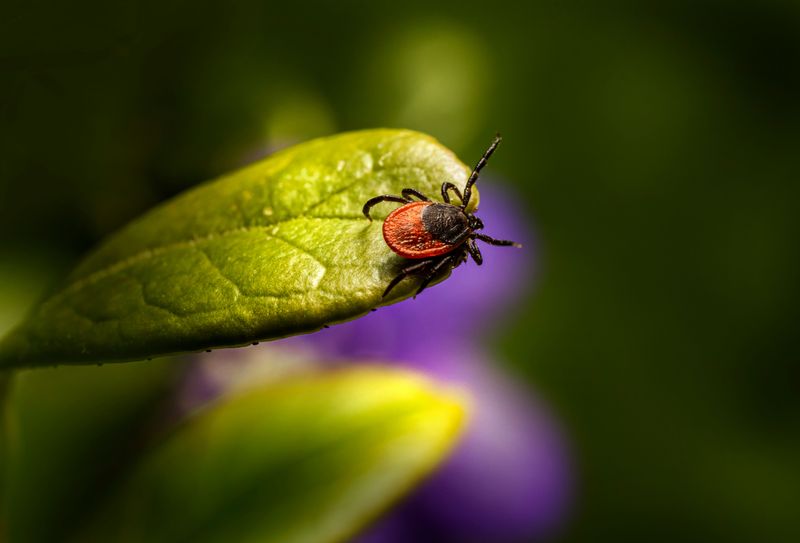
Back in 2006, USDA researchers published findings that changed how people looked at this humble shrub. They identified natural compounds in Beautyberry leaves called callicarpenal and intermedeol.
Both compounds showed strong repellent activity against ticks and mosquitoes in laboratory tests. That kind of result from a backyard shrub is not something researchers expected to find.
Indigenous peoples across the South had been using crushed Beautyberry leaves for exactly this purpose for centuries. Farmers and hunters rubbed the leaves on their skin and tucked branches under horse harnesses to keep insects away.
The USDA study essentially confirmed what folk knowledge had carried forward through generations. Science caught up to something that communities already trusted and practiced in daily life.
You do not need a bottle of anything to use it. Simply crush a few fresh leaves between your palms and rub the juice onto exposed skin before heading outside.
The scent is mild and herbal, nothing like chemical repellents. Most people find it pleasant, which makes it far easier to use consistently than sprays that smell harsh or feel sticky.
Researchers are still studying the exact mechanism, but the results from laboratory testing have been promising. For a plant that already earns its place in the garden through beauty alone, this bonus feels almost unfair to other shrubs.
The Best Spots In Your Yard To Plant It
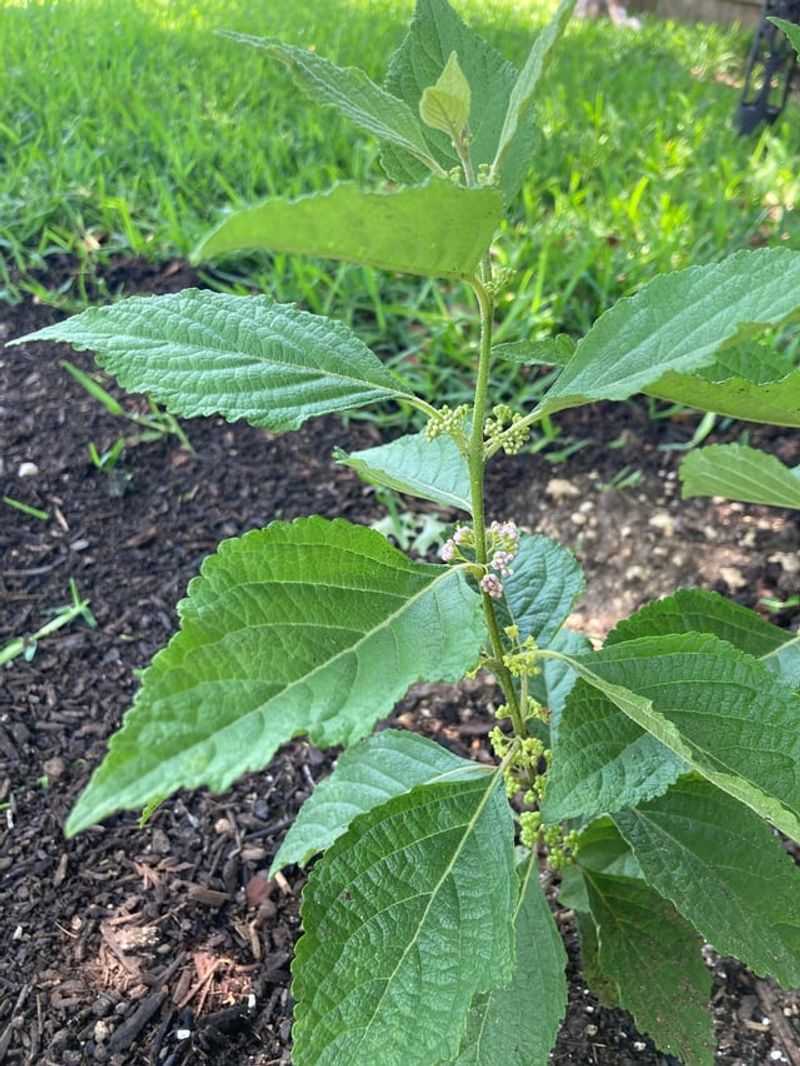
Placement matters more than most people realize with this plant. Putting it in the right spot maximizes both its visual impact and its practical tick-repelling benefit near your outdoor spaces.
Partial shade is the sweet spot. A location that gets morning sun and afternoon shade produces lush growth and the most vibrant berry color, especially in hot Tennessee summers.
Plant it along the edge of a patio or deck where people spend time outdoors. The closer the foliage is to where you sit, the more you benefit from its natural insect-deterring properties.
A border planting between your lawn and a wooded area works beautifully. That transition zone is exactly where ticks tend to lurk, making Beautyberry a smart and strategic choice for that location.
Group three plants together for a fuller, more dramatic display. Single specimens are lovely, but a small grouping creates a berry-covered hedge that looks intentional and lush by late summer.
Avoid low-lying spots that collect standing water after rain. Beautyberry handles dry spells with grace but does not appreciate soggy roots over long periods.
Pair it with native ferns, oakleaf hydrangea, or wild ginger for a layered understory planting that looks completely at home in a Tennessee landscape. The contrast of textures makes the purple berries pop against soft green companions.
Why Tennessee Wildlife Loves It Too
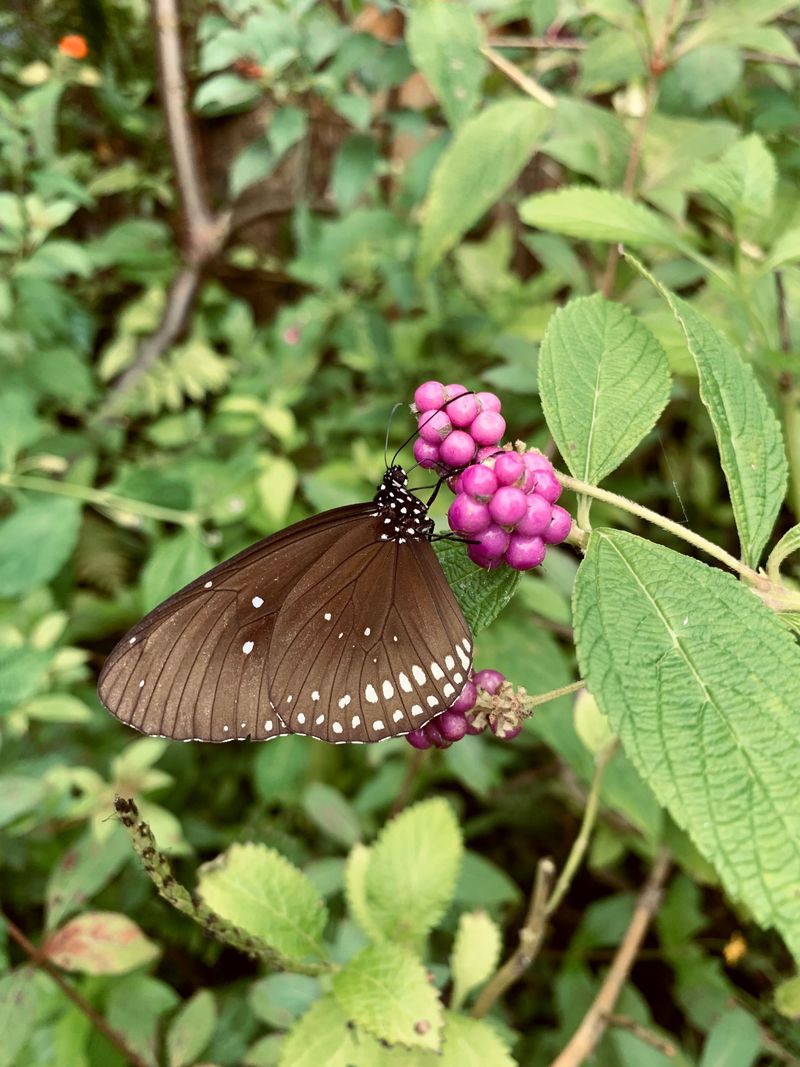
Plant one Beautyberry and your yard becomes a wildlife magnet almost immediately. Birds discover the berries fast, and once word spreads through the flock, the shrub becomes a busy feeding station every fall.
Dozens of bird species eat Beautyberry fruit, including mockingbirds, robins, brown thrashers, and cedar waxwings. Watching them work through a loaded shrub is one of fall’s best backyard entertainments.
White-tailed deer browse the foliage without causing serious damage. Raccoons and foxes also eat fallen berries, so planting near a wooded edge creates a natural wildlife corridor that benefits the whole ecosystem.
Pollinators show up in summer when the small pink flowers bloom before the berries form. Bees and butterflies work the blossoms quietly, making this shrub a multi-season resource for native insects.
The plant supports the food web at every stage of its growth cycle. From spring flowers to fall berries to winter stems, something is always finding value in what it offers.
Gardeners who care about creating habitat will appreciate how low-maintenance this contribution is. It evolved for this exact landscape and has been doing the job ever since.
Adding Beautyberry to your yard means joining a larger story of native planting and ecological restoration. Every shrub you put in the ground gives local wildlife one more reason to call your yard home.
How To Use The Leaves As A Natural Tick Repellent This Season
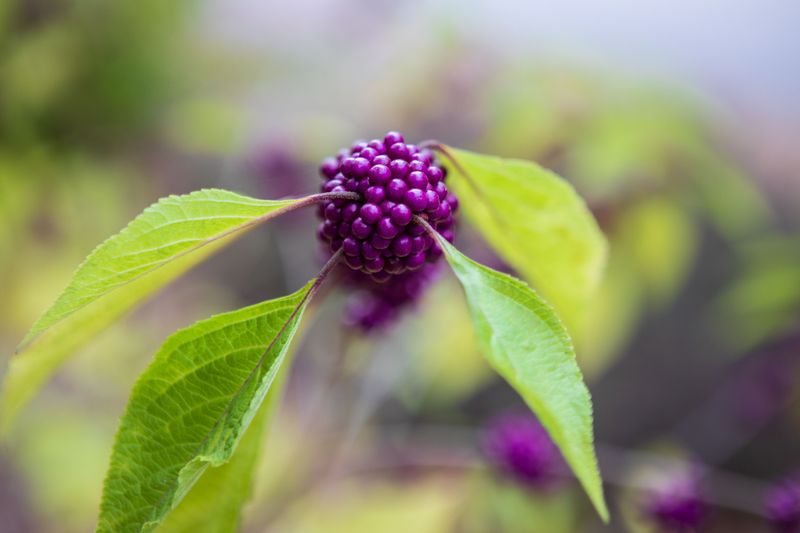
Using Beautyberry as a tick repellent requires nothing more than the plant itself and your own two hands. The only thing it asks is a spot in your yard.
Head outside before a hike or yard work session and snap off a small handful of fresh leaves. Crush them firmly between your palms until the juice coats your skin with a light green tint.
Rub the juice on your ankles, wrists, and the back of your neck where ticks most commonly attach. These are the entry points that chemical sprays often miss when people apply them too quickly.
Reapply as needed, especially if you are spending extended time outdoors. Keep a branch within reach near your garden tools for easy grab-and-go access.
A small skin patch test is a good idea before applying to larger areas, especially for those with sensitive skin. Most people have no reaction at all, but sensitive skin deserves a cautious introduction.
Some people dry the leaves and crumble them into sachets for closets or mudrooms. The dried form retains some repellent quality and adds a pleasant herbal scent to indoor spaces.
The Tennessee native with show-stopping berries whose leaves actually help keep ticks away is not a trend or a gardening gimmick. It is a plant with deep roots in this region’s history, and it belongs in your yard starting this season.