The Most Underrated Herb North Carolina Gardeners Are Planting This Fall For Instant Color
Something strange happens to North Carolina flower beds around the middle of October. The mums start to fade, the tomato vines come out, and the whole yard looks a little tired.
Most gardeners grab another tray of pansies and call the season finished. Meanwhile, a quieter group is shopping the herb aisle instead, and their front porches look nothing like the neighbors.
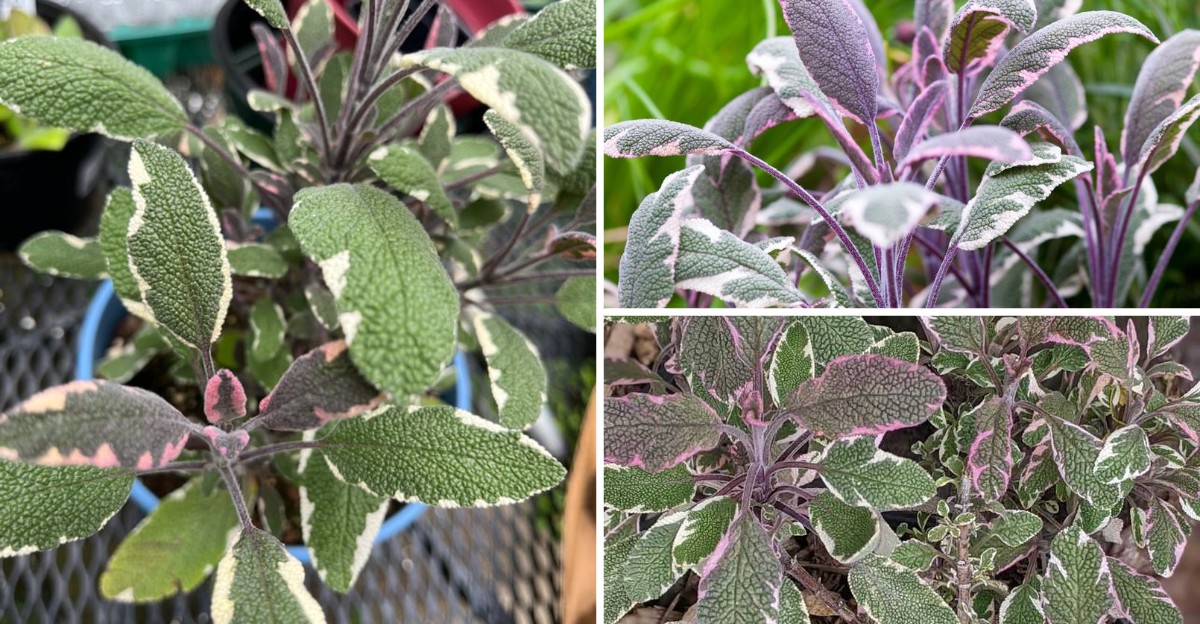
The plant they are after is soft to the touch and smells wonderful when you brush past it in the dark. Better yet, it carries cream, silver, and raspberry pink right on the leaves, so no flowers are required.
Nurseries often mark it down this time of year because shoppers file it under cooking, not decorating. Their oversight is your bargain, and once it settles into a pot by the door, you may find yourself planting three more.
The Herb Hiding In Plain Sight
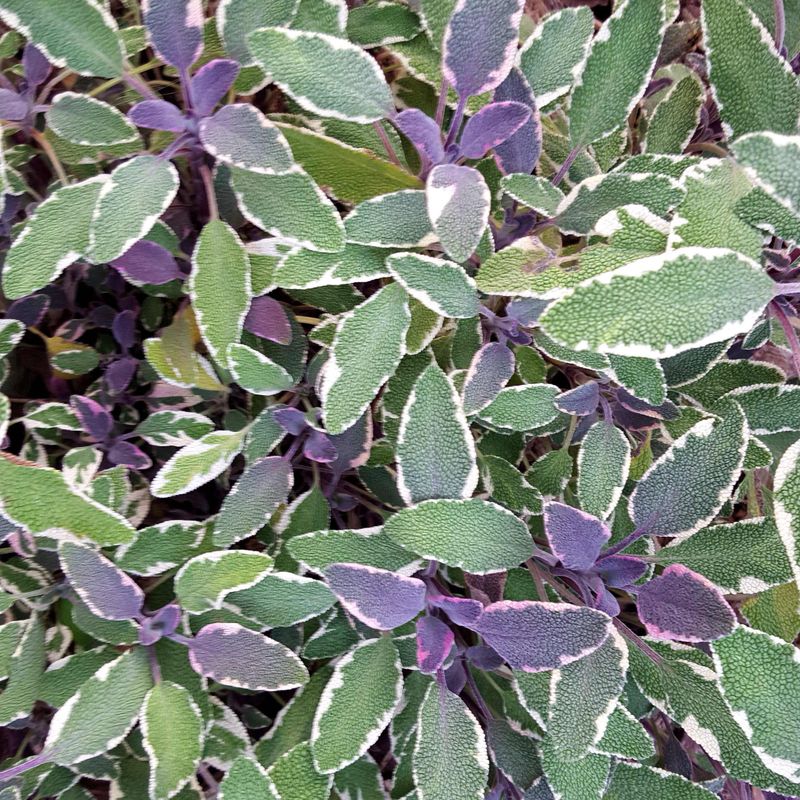
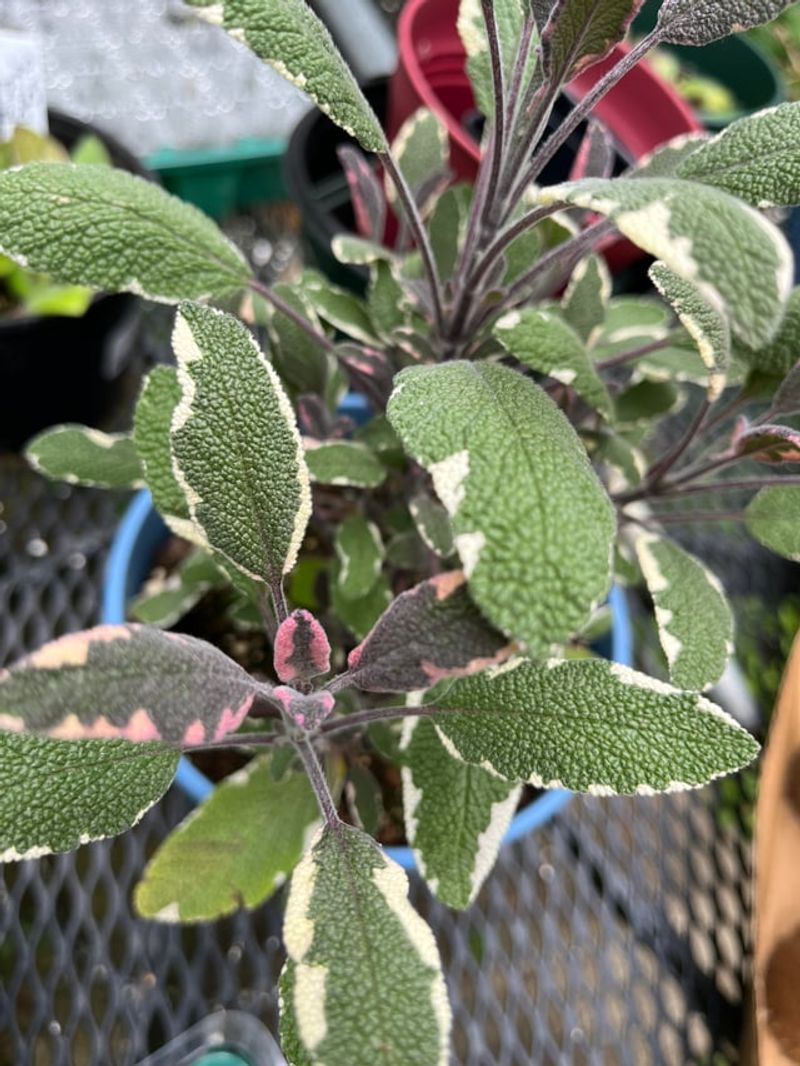
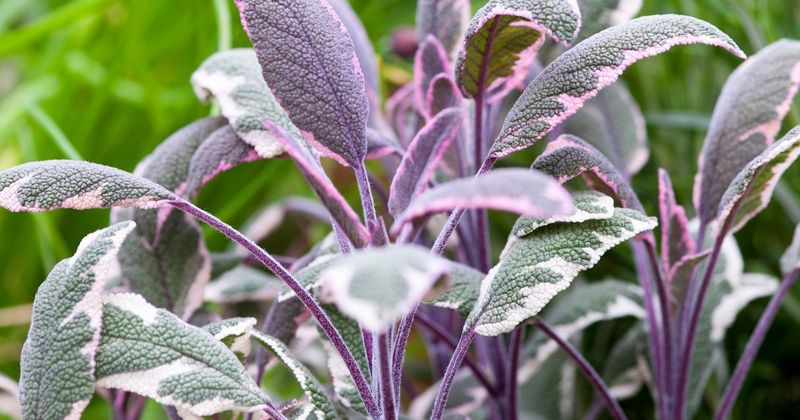
Picture a sage leaf splashed with cream, dusted in gray-green, and blushed raspberry pink along the edges. That is Salvia officinalis Tricolor, a culinary sage wearing a party outfit.
Most shoppers walk right past it. The tag says herb, so it gets filed next to the basil instead of the flower beds where it truly shines.
Mature plants reach roughly 18 inches tall and about as wide. The mounded shape works as low edging, a container filler, or a soft break between bolder plants.
Flavor stays true to common garden sage, only a bit milder. Stuffing, brown butter sauce, and roasted squash all welcome a few chopped leaves.
Sage has grown in kitchen gardens since Roman times, valued as much for tea as for the pot. The colored forms came much later, bred by growers who spotted odd shoots on ordinary plants.
New growth carries the strongest pink tones. Older leaves fade toward silver, so one plant shows several shades at once.
Deer usually leave it alone. The fuzzy, aromatic foliage is not their idea of a snack, which matters in Piedmont neighborhoods backing up to woods.
Rabbits tend to skip it too. Pollinators, on the other hand, mob the purple flower spikes come late spring.
Hardiness runs through zone 6, which covers most of the state comfortably. Coastal and Piedmont gardeners can count on leaves holding right through winter.
Here is an ornamental you can actually eat. Few plants pull double duty that gracefully.
The Secret Season For Planting Tricolor Sage
Something shifts in North Carolina gardens once the September heat finally breaks. Soil stays warm while the air cools, and roots take that as an invitation to spread.
Tricolor sage settles in fast during those weeks. Planted between mid-September and late October, it builds a root system well before the first hard frost arrives.
Spring planting has a problem here. Young sage barely gets comfortable before June humidity rolls in, and soggy heat is rough on Mediterranean herbs.
Fall skips that stress entirely. Cooler nights slow leaf growth, so the plant pours its energy underground where it counts most.
There is a color bonus too. Chilly weather deepens the pink and purple tones in the leaves, turning a modest herb into something that glows.
Your North Carolina Garden Changes Every Week. Your Plan Should Too.
Gardening in North Carolina changes quickly throughout the season. Every Friday you’ll receive a simple weekly plan showing exactly what to plant, prune, fertilize, harvest, and protect so you never miss the right timing.
Garden centers help you out this time of year. Nurseries mark down herbs in September, so you can often grab gallon pots for the price of a coffee.
Timing your purchase matters more than size. A stocky, compact plant with firm stems usually outperforms a tall, leggy one.
Give yourself about six weeks before your area’s first frost date. Charlotte gardeners have until mid-November, while Boone folks should wrap up by early October.
Water the new planting well for the first two weeks. After that, natural fall rain usually handles the rest.
By Thanksgiving you should have real color in a bed that used to look worn out. That is a fair trade for one afternoon of digging.
Carolina Clay Can Make Or Break Your Sage
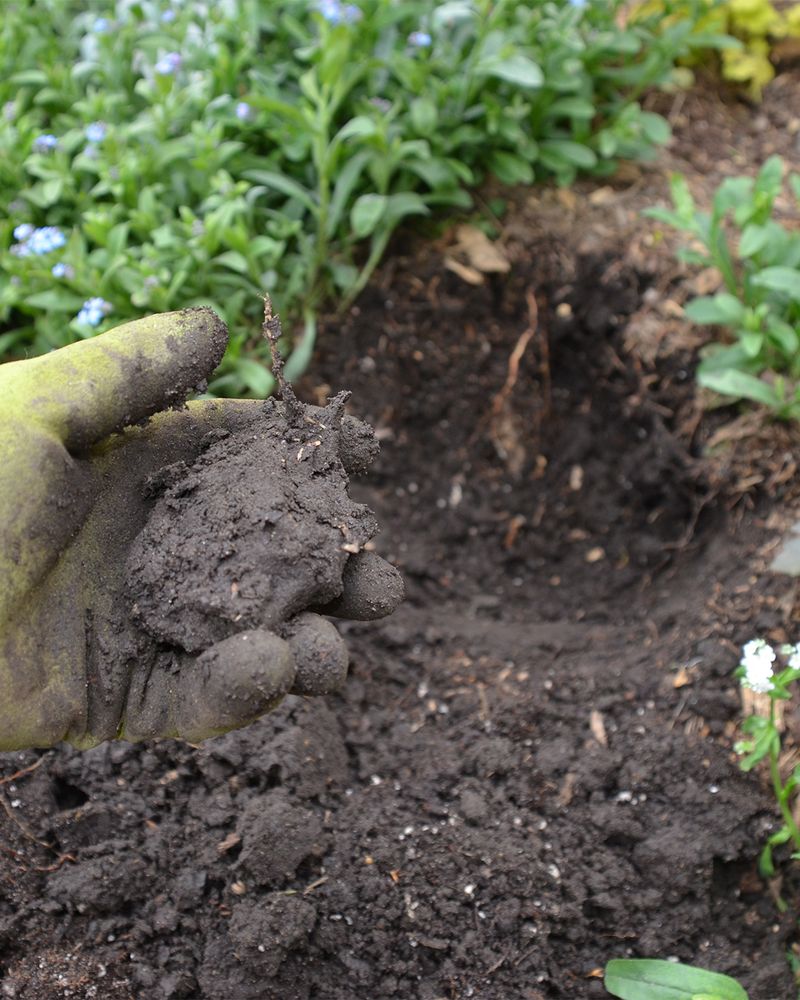
Red clay is the villain in more herb stories than any insect. Sage roots sitting in wet, heavy ground through a Carolina winter rarely reach spring in good shape.
Drainage beats fertility for this plant. Rich, damp soil actually produces floppy growth and washed-out leaf color.
Raised beds solve the problem quickly. Even a six-inch mound of native soil mixed with pine bark fines and coarse sand lifts roots above standing water.
Containers work beautifully as well. A 12-inch terra cotta pot filled with cactus mix keeps moisture moving and shows off the foliage at eye level.
Skip the peat-heavy potting soils. They hold water like a sponge, which is the opposite of what these roots want.
Test your spot with a simple hole. Fill a foot-deep hole with water, and if it has not drained within a few hours, amend the area or move on.
Sun matters just as much as soil. Six hours is the minimum, and the pink tones grow bolder with eight.
Fertilizer should stay light. A thin scatter of compost in spring is plenty, since heavy nitrogen dulls both the color and the flavor.
Mulch with gravel or pine fines instead of shredded hardwood. Coarse material keeps damp material away from the crown and stems.
Get the soil right in October and the plant mostly handles itself. Ignore drainage and little else will fix the result.
The Watering Habit That Quietly Fades Your Color
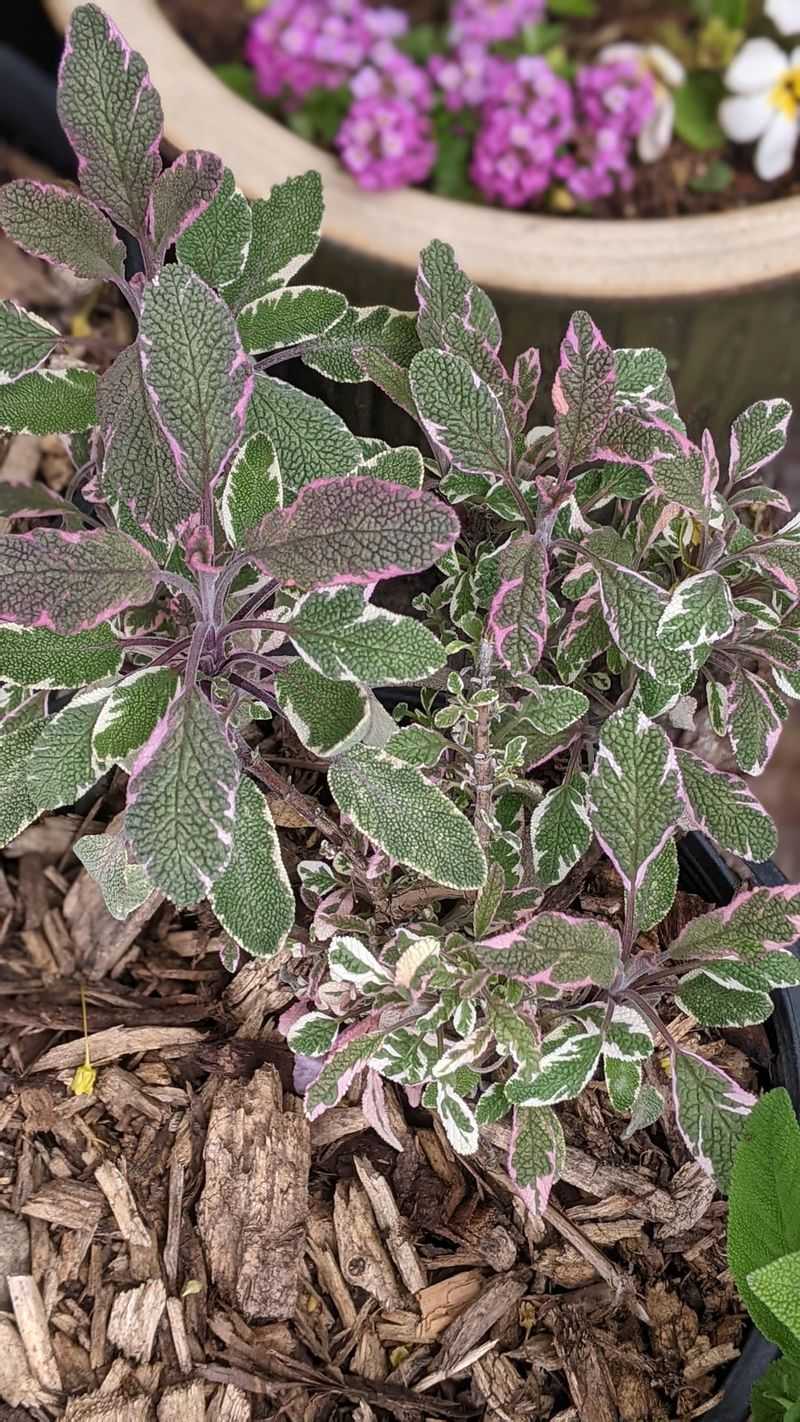
Here is where kind gardeners cause the most trouble. Sage looks a little limp on a warm afternoon, the hose comes out, and the cycle repeats.
Afternoon droop is often perfectly normal. Leaves perk back up after sundown without a drop of extra water.
Overwatering announces itself in the foliage. Pink edges wash out to plain gray-green, stems stretch, and lower leaves turn yellow.
Check with your finger rather than a calendar. Push it two inches into the soil and water only when that depth feels dry.
Fall rain in North Carolina often covers the need entirely. Newly planted sage may want supplemental water once a week during dry stretches, and nothing beyond that.
Winter watering is rarely needed at all. Dormant plants drink very little, and soggy January soil is the biggest risk to potted specimens.
Sprinkler systems deserve a second look. Overhead spray sits on fuzzy leaves overnight and invites powdery mildew.
Water at the base in the morning when you do water. Drip lines and simple watering cans both work fine.
Container plants play by slightly different rules. Pots dry out faster, so check them twice a week even in cool weather.
Treat this herb like a guest from a dry Mediterranean hillside. A touch of thirst keeps colors sharp and stems sturdy.
Ease off the fussing and the plant rewards you. Restraint is the rare gardening skill that costs nothing.
Pairing Tricolor Sage With Other Plants
Fall containers tend to look identical on every porch in the neighborhood. Orange mum, orange mum, and one more orange mum.
Tricolor sage breaks that pattern instantly. Cream and raspberry foliage cools down hot autumn shades and makes them look intentional.
Try it with deep purple pansies and a trailing creeping jenny. The pink leaf edges echo the flowers without shouting.
Ornamental kale is another natural match. Ruffled purple heads and the sage’s soft mound play off each other all winter long.
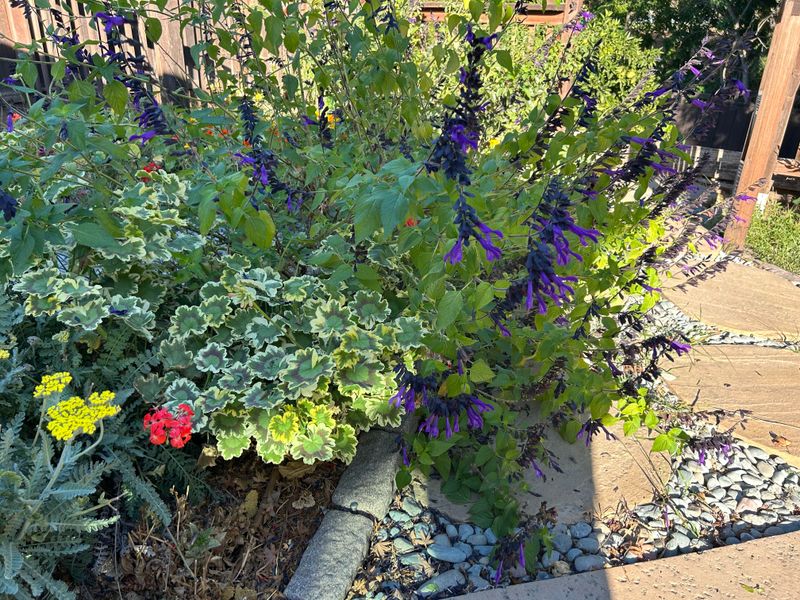
In the ground, run a row along a walkway edge. Low mounds stay tidy while taller asters and goldenrod handle height behind them.
Pale gravel or gray pavers make the pink stand out. Dark mulch can swallow the lighter leaves, so watch your background.
Rosemary, thyme, and lavender share the same dry soil preferences. Grouping them means one watering routine for the whole bed.
Avoid pairing it with impatiens or ferns. Those thirsty neighbors force a watering schedule sage cannot tolerate.
Front doors make a great showcase. A pair of matching pots flanking the entry gives you months of quiet color.
When holiday decorating rolls around, snip a few stems for the table. Fresh sage tucked into a napkin ring beats anything plastic.
Good design does not need to be complicated. One unexpected leaf color can carry an entire arrangement.
Winter Care From The Mountains To The Coastal Plain
North Carolina packs several climates into one state. What works in Wilmington needs a small adjustment in Asheville.
Coastal gardeners have the easiest job by far. Mild winters let the plant hold most of its leaves, and drainage is the only real worry in sandy soil.
Piedmont beds need a light hand with mulch. A one-inch collar of pine fines pulled back from the stems protects roots without trapping dampness.
Mountain gardeners face cold winds and ice. Planting on a south-facing slope near a stone wall gives valuable reflected warmth.
Hold your pruning shears until spring. Cutting stems in November leaves fresh wounds exposed to freezing nights.
Container plants in zone 6 deserve shelter. Tuck pots against a house wall or into an unheated garage during hard freezes.
Snow usually isn’t a threat here. A blanket of it actually insulates the crown, though heavy ice can split older woody stems.
Expect some leaf shabbiness by February. Tattered edges are normal, and fresh growth pushes out in March.
Wait for new buds before trimming anything. Green appears low on the stems first, telling you exactly which wood is still healthy.
Plants generally give three to five strong years. Take cuttings in early summer if you want free replacements waiting.
A little regional tweaking goes a long way. This herb asks for shelter and dry feet, not constant attention.