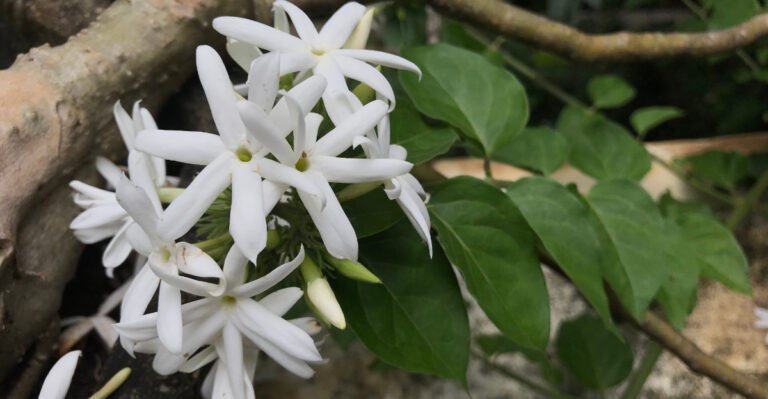
Why This Warm Spell Is Tricking Georgia Plants Into Risky New Growth
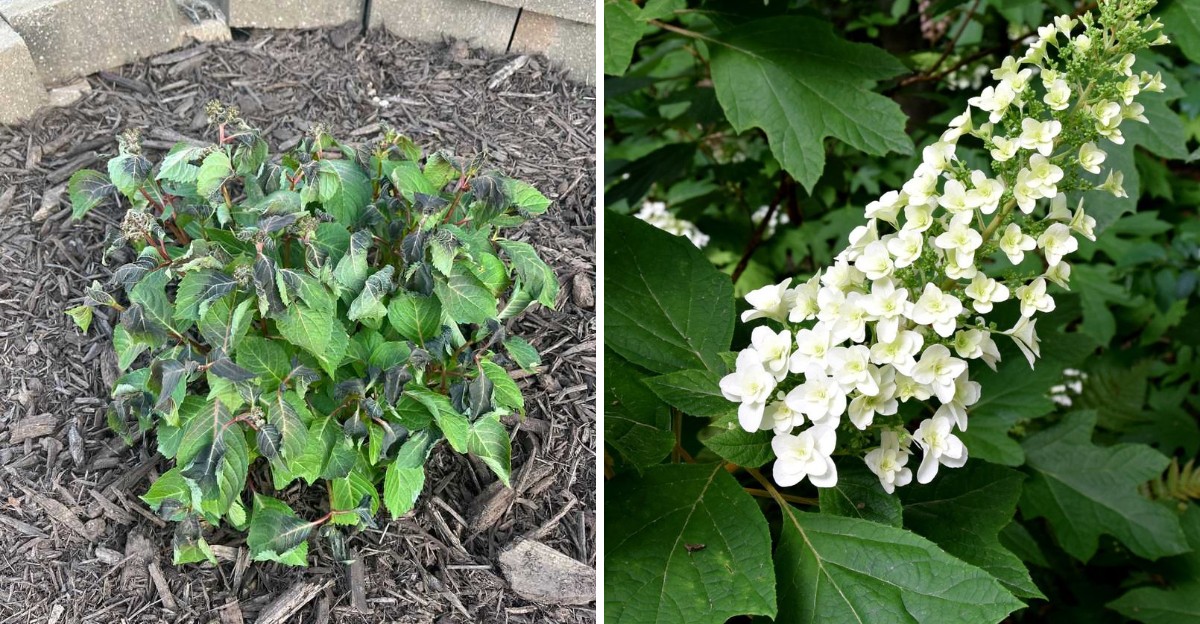
Peach trees can need hundreds of cold hours before they bloom properly, yet a few balmy afternoons can still coax buds to swell early. That surprised me the first time I learned it.
Plants keep score of winter in a way most of us never notice.
Lately, Georgia gardens have been feeling more like April than winter. Shrubs are pushing pale green tips, and some fruit buds look plump and eager.
I love a sunny day as much as anyone, but those soft shoots make me a little nervous.
You have probably spotted a few of these early risers in your own yard. They look cheerful and full of promise.
The trouble is that winter in the South rarely leaves quietly, and cold nights often return without much warning.
Those early buds and tender shoots may be responding to more than just a few warm afternoons. Understanding what’s happening inside your plants can help you decide whether the next cold snap is a real threat or just another seasonal surprise.
1. Those Swelling Peach Buds Are Reading the Wrong Signals
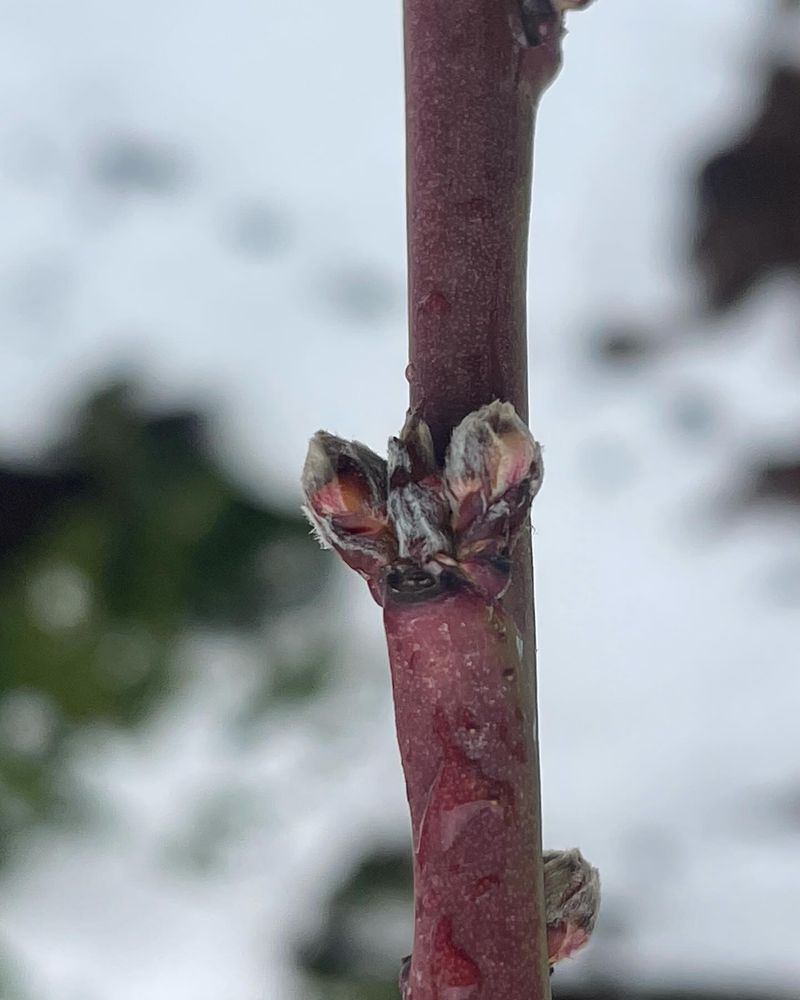
Plants do not own calendars, so they lean on clues. Day length and temperature are the two big ones, and a long stretch of warm weather sends a loud, misleading message.
In late fall and winter, many trees and shrubs enter a deep rest called endodormancy. During this time they quietly collect chill hours, which UGA Extension often describes as time spent between roughly 32 and 45 degrees.
Once enough chill piles up, the plant shifts into a lighter rest and waits for steady warmth.
Here is where a warm spell causes mischief. If a plant has already met most of its chilling needs, a run of 70-degree days can feel like the green light for spring.
Buds swell, leaves unfold, and flowers start to open weeks ahead of schedule.
Not every plant reacts the same way. Some species rely more on day length and stay put, while others respond quickly to heat.
That is why your forsythia might be blooming while the oak next to it stays bare.
Knowing this helps you watch your yard with sharper eyes. The plants that wake early are the ones most worth checking when the forecast turns cold again.
2. Tender Azalea Shoots Can Get Burned by One Hard Freeze
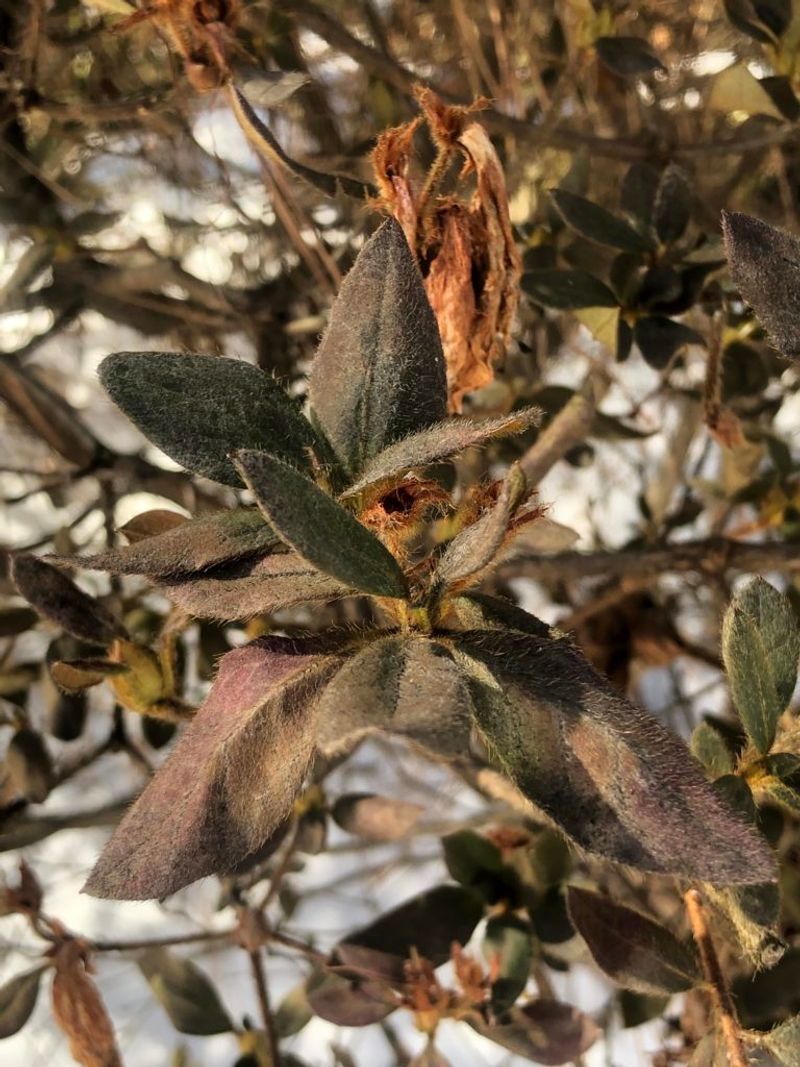
Soft new growth is mostly water held inside thin cell walls. When temperatures drop below freezing, ice can form and rupture those cells, leaving shoots limp, brown, or blackened by the next afternoon.
Older, hardened stems handle cold far better. They have tougher tissue and have adjusted slowly to falling temperatures over weeks.
Fresh shoots pushed out during a warm spell have not had that chance, so they are the first to suffer.
Flower buds are especially touchy. A bud that is still tight can often handle the low 20s, but once it swells and shows color, damage can start just below freezing.
Open blossoms on fruit trees may be hurt around 28 degrees, according to many extension guides.
The good news for most shrubs is that the roots and main branches usually survive. You might lose a round of flowers or some leaves, which feels disappointing, yet the plant often regrows later in spring.
Fruit growers feel the sting more. Lost blossoms can mean a smaller harvest for the whole year.
That is why peach and blueberry farmers watch these swings so closely every winter.
3. A Frost Cloth Over Your Shrubs Buys Precious Degrees
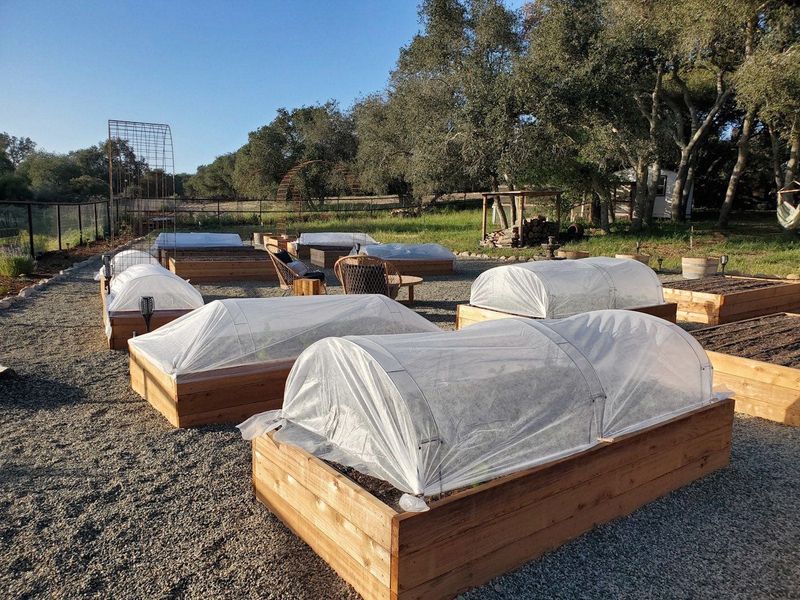
My favorite cold-night trick is also the simplest one. Cover tender plants before sunset, and you trap the warmth the soil has stored all day.
Lightweight frost cloth works well, though old bed sheets, blankets, and burlap also do the job. Drape the cover all the way to the ground and weigh down the edges with bricks or rocks.
A cover that only wraps the top of a plant lets most of that ground heat slip away.
Stakes or a simple frame help keep fabric from pressing on leaves. Contact points can get colder, so a little air space is useful.
Skip plain plastic touching the foliage, since it offers little insulation and can harm leaves where it rests.
Pull covers off the next morning once temperatures climb above freezing. Plants need sunlight, and heat can build up quickly under fabric on a bright day.
Potted plants are even easier. Move them into a garage, a porch, or against a sunny wall for the night.
Grouping containers together also helps them share a bit of warmth.
4. Watering Before a Cold Snap Helps Roots More Than You Expect
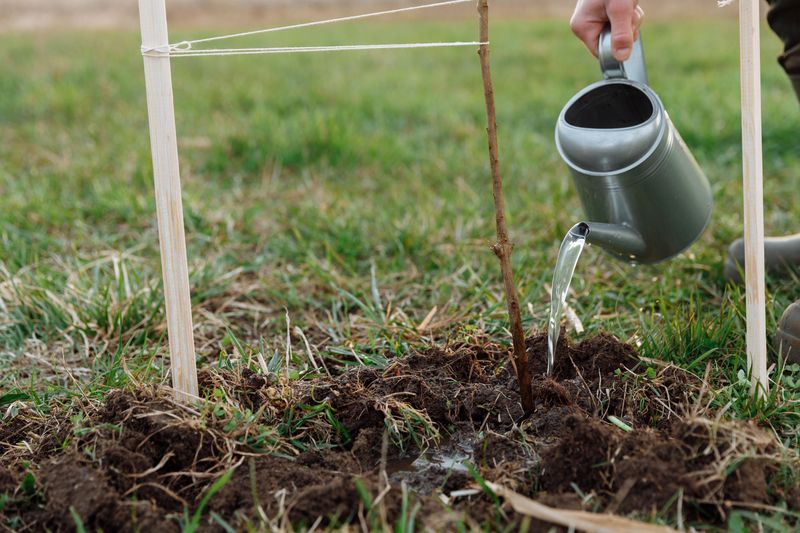
Watering in winter sounds a little odd, but it can make a real difference. Moist soil holds and releases heat better than dry soil, which helps keep the root zone a bit warmer on a cold night.
Plants that go into a freeze already thirsty also tend to struggle more. Dry winter winds pull moisture from leaves, especially on evergreens like camellias and hollies.
A drink a day or two ahead of the cold gives them a better reserve.
Timing matters here. Water during the warm part of the day so the surface is not soaked and icy by nightfall.
Focus on the root area instead of spraying the leaves.
Mulch finishes the job nicely. A 2 to 3 inch layer of pine straw, shredded bark, or wood chips acts like a jacket for the soil.
Pull it back an inch or so from trunks to avoid rot and pest issues.
One quick tip I learned the hard way is to check your containers too. Pots dry out faster than garden beds, and a dry root ball chills quickly when the temperature tumbles.
5. Hold Off on the Pruning Shears and Nitrogen Fertilizer
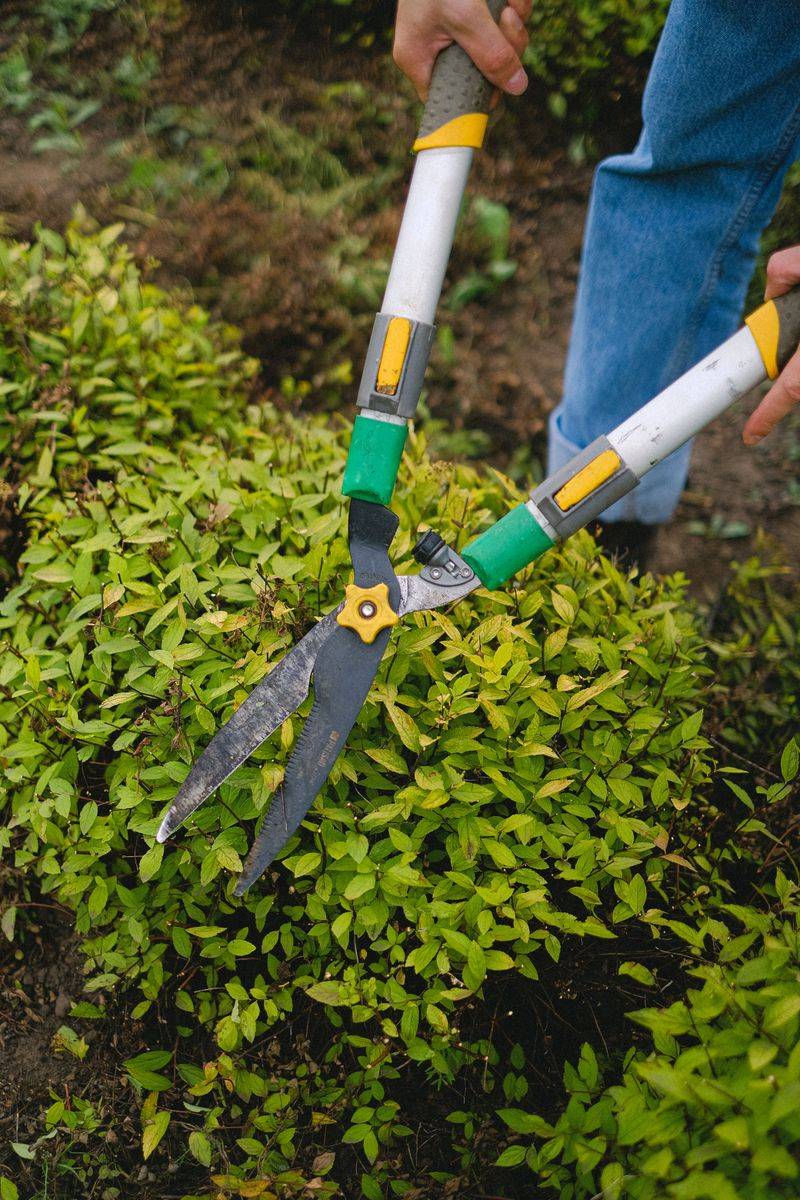
A warm Saturday makes the itch to tidy up hard to ignore. I get it, because the garden looks ready for action.
Still, a couple of chores can backfire during a winter warm spell.
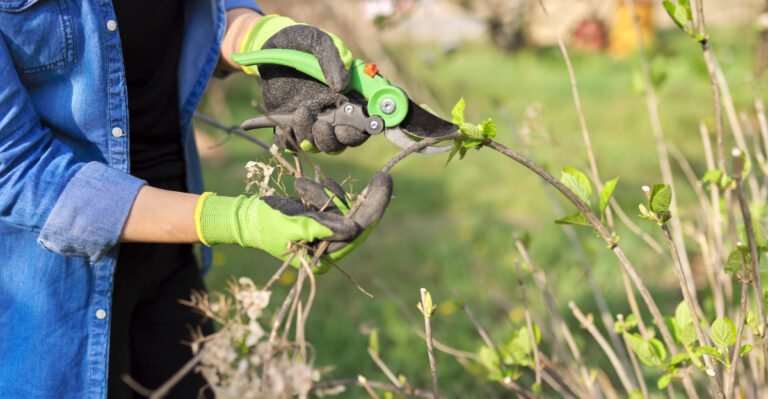
Pruning often signals a plant to push new shoots near the cuts. Those shoots arrive just in time for the next freeze.
Many extension specialists suggest waiting until late winter, closer to the end of your local frost risk, for most heavy pruning.
Spring bloomers like azaleas, forsythia, and many hydrangeas deserve extra patience. Their flower buds are already set, so cutting now can remove next spring’s flowers.
Prune those shortly after they finish blooming instead.
Nitrogen fertilizer causes a similar problem. It fuels leafy growth, and soft leafy growth is the last thing you want in January.
Save feeding for spring, when plants are actively growing and the soil has warmed.
Cleaning up obviously broken or damaged branches is fine anytime. Beyond that, enjoy the sunshine with a cup of coffee and some seed catalogs.
Your shrubs will thank you for the restraint.
6. Frost-Nipped Hydrangea Leaves Look Worse Than They Are
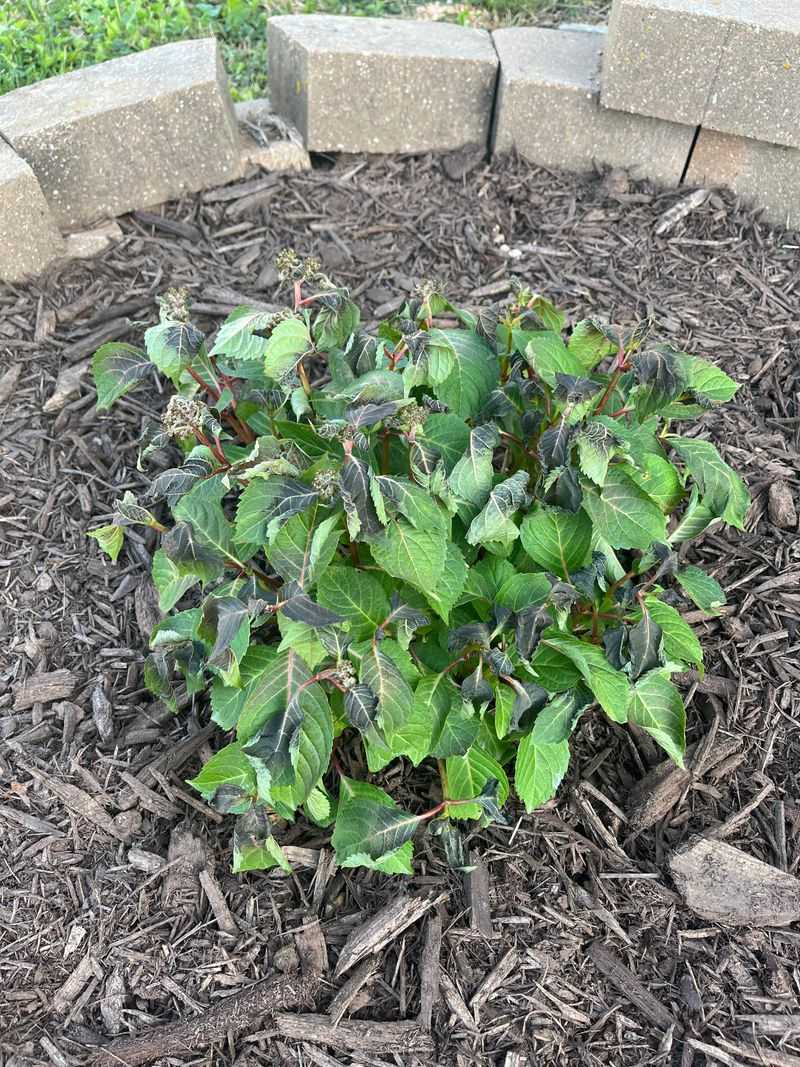
The morning after a freeze can be a gloomy sight. Leaves hang limp, tips turn brown, and you wonder if the plant is a lost cause.
Resist the urge to grab the shears right away. Damaged leaves still offer a little shelter to buds below them, and another cold night could be on the way.
Most experts recommend waiting until the danger of frost has passed before trimming anything.
Once the weather settles, use the scratch test. Gently scrape a stem with your thumbnail, and green tissue underneath means that part is still alive and healthy.
Brown, dry tissue can be cut back to the nearest healthy bud.
Bigleaf hydrangeas are a classic example. They bloom on old wood, so a freeze that hits swelling buds can reduce the summer flower display.
Reblooming types often still produce some flowers on new growth.
Patience pays off with most landscape shrubs. Many will push a second set of leaves within a few weeks.
A light hand and a little waiting usually beat a big rescue effort.
7. North and South Georgia Gardens Face Different Cold Risks
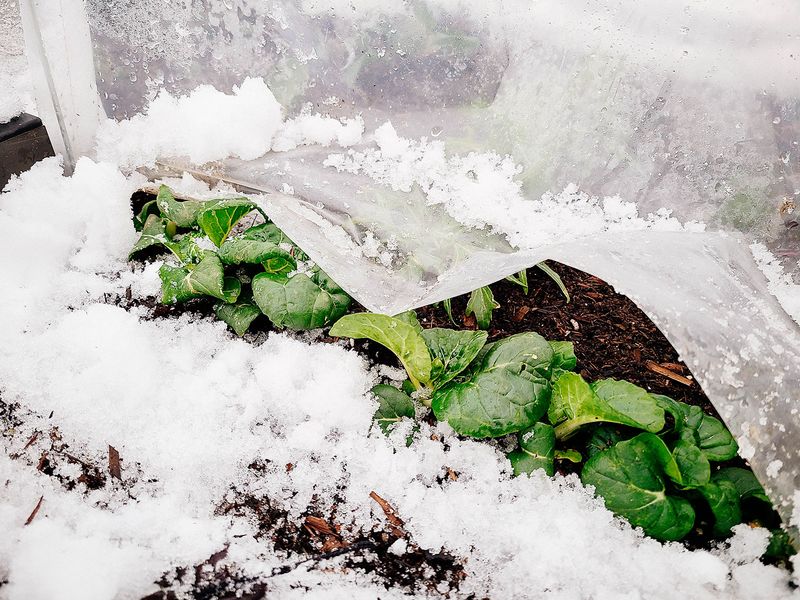
Geography plays a huge role in how worried you should be. Georgia stretches from cool mountain valleys to the warm coastal plain, and the frost risk shifts a lot along the way.
The state spans roughly USDA zones 6b in the northern mountains to 9a along parts of the coast. Average last frost dates can land in late April up north, while some southern spots see their last frost by early March.
A warm spell in February means something very different in Blairsville than in Valdosta.
Low spots in your own yard matter too. Cold air sinks and settles in dips and valleys, so plants at the bottom of a slope often freeze first.
A shrub tucked near a brick wall or on higher ground may escape damage.
Farmers know this well. Middle Georgia peach orchards often sit on rolling hills for better air drainage, and growers sometimes run large fans on frosty nights.
Learn your own microclimates by walking the yard after a cold night. Note where frost lingers longest.
That map becomes a handy guide for future planting.
8. Native Shrubs and Weather Apps Make Next Winter Easier
Warm spells will keep showing up, so a little planning goes a long way. The goal is a garden that shrugs off winter swings instead of panicking with every forecast.
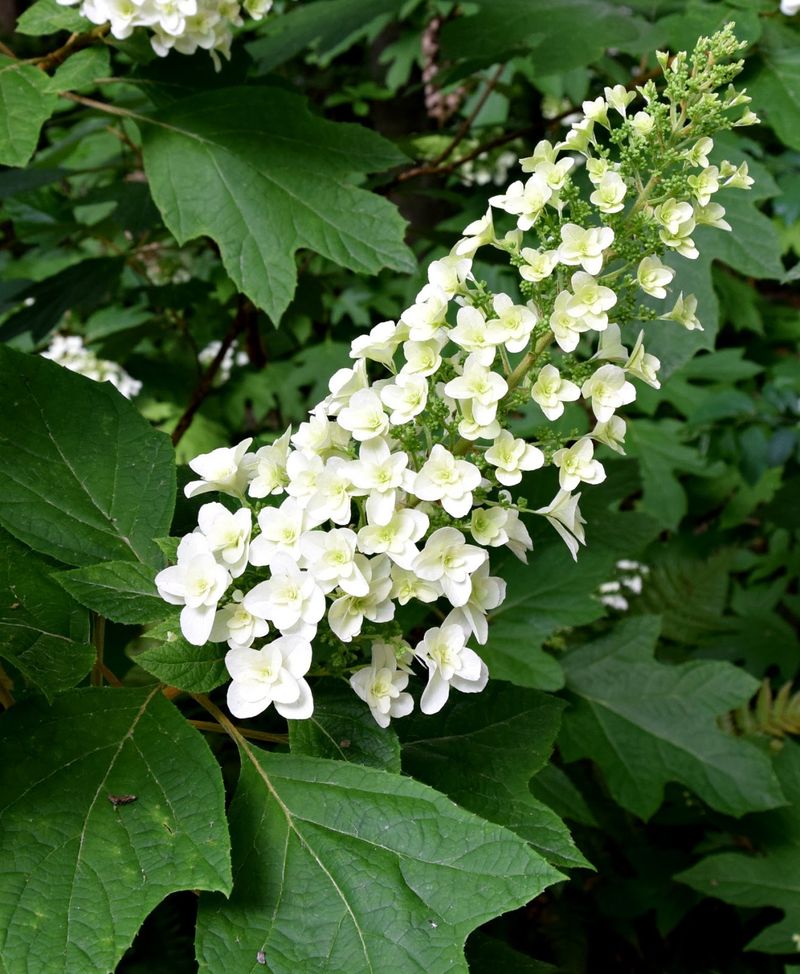
Native plants are a smart start. Oakleaf hydrangea, Virginia sweetspire, native azaleas, and American beautyberry have adjusted to Southern weather over a very long time.
They are not immune to cold damage, but they often handle these ups and downs with less fuss.
For fruit trees, check chill hour ratings before buying. A peach variety suited to south Georgia may bloom too early up north, and the reverse can leave trees flowering poorly.
Your county Extension office can recommend varieties matched to your area.
Keep frost cloth, clips, and a few bricks stored together in one bin. When a freeze warning pops up, you can cover plants in minutes instead of hunting for sheets in the dark.
Finally, set up weather alerts on your phone. A few hours of warning is often all you need.
With the right plants and a ready kit, those confusing warm days become much less stressful.