8 Advanced Fall Bed-Prep Techniques Virginia Market Gardeners Use at Home
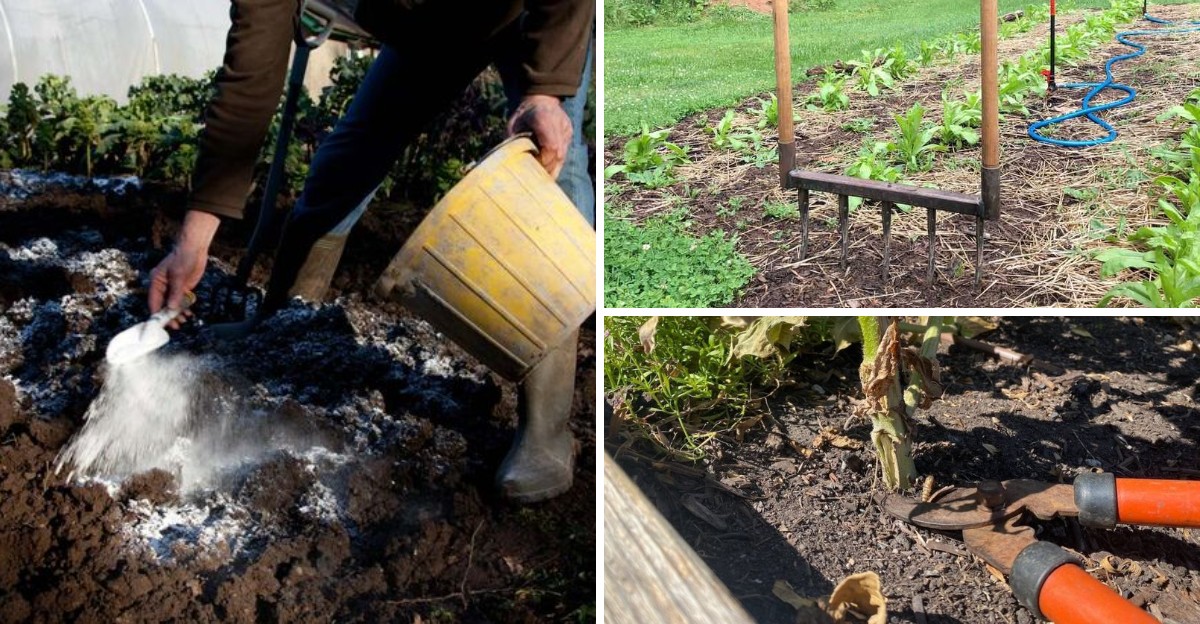
A bag of garden lime spread in fall can take several months to nudge soil pH where vegetables want it. That slow chemistry explains why so many growers treat autumn as the true starting line for next season.
Across Virginia, small market farms squeeze big harvests from narrow beds, and their secret work happens after summer crops fade. Most of their tricks cost little money, and nearly all of them scale down to a backyard plot.
Looking back, I should have copied them years ago instead of yanking spent vines and walking away until April. My bare beds turned into crusty, weedy patches every winter, and my spring lettuce paid the price.
Funny thing is, the pros in Virginia rarely rush this job, yet they finish with softer soil than mine. So what exactly are they doing out there while the rest of us rake leaves into the street?
1. Mail A Soil Sample Before The Ground Freezes
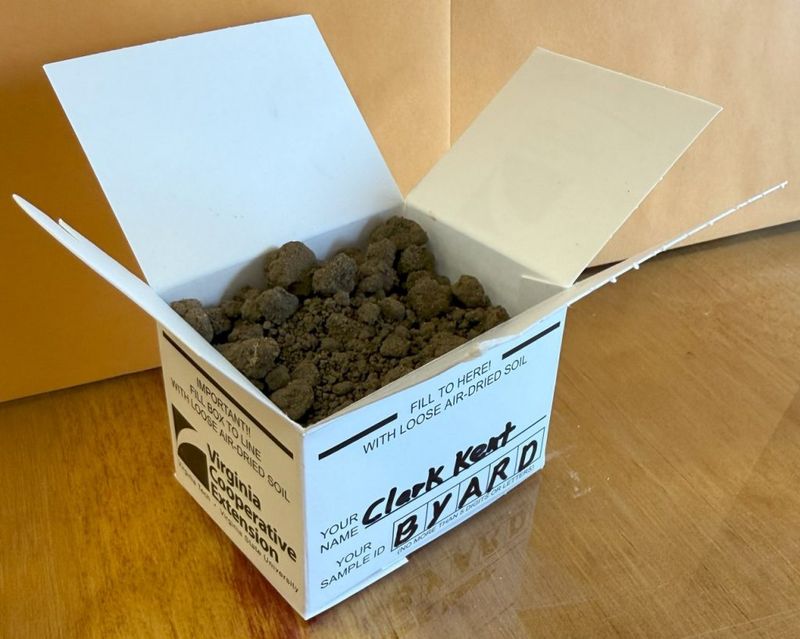
Scooping dirt into a little paper box feels silly, yet that box tells you more than any garden center. I still remember opening my first report and realizing I had been dumping fertilizer my soil did not need.
Your county extension office hands out sample boxes and forms, and the samples go to the Virginia Tech lab. Fall works well because labs are less crowded, and you get results back with months to spare.
To gather a good sample, dig down about six inches in ten or more spots across one bed. Mix those slices in a clean plastic bucket, then fill the box with the blended soil.
Skip any spots where you recently piled compost or spread fertilizer, since those patches can skew the numbers. Wet, muddy soil is tough to mix, so wait for a day when it crumbles in your hand.
The routine report shows pH plus levels of phosphorus and potassium, along with several other plant nutrients. It also lists lime and fertilizer suggestions tailored to the crop code you write on the form.
Extension experts suggest testing every three years or so, which makes the habit easy to keep up. Market growers often test more frequently because they push their beds hard with several crops each year.
For what it is worth, I label each bed on a garden map before the samples leave my kitchen. That simple record lets you compare results over time and spot slow changes in your soil.
2. Spread Garden Lime On Acidic Beds This Fall
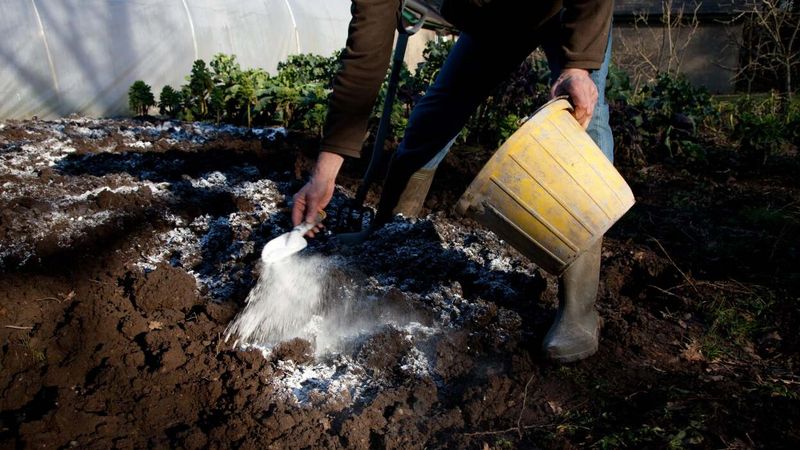
Much of the soil east of the Blue Ridge leans acidic, thanks to heavy rainfall and old clay. Let’s just say my first pale, stunted spinach bed taught me to respect a low pH reading.
Most vegetables grow best when soil pH sits somewhere between about 6.0 and 6.8, which is slightly acidic. Below that range, plants struggle to take up nutrients, even when those nutrients are present in the soil.
Garden lime works slowly, often needing several months of moisture before it fully shifts the pH upward. Spreading it in fall gives winter rain time to carry it into the root zone before planting.
Your soil test will list how many pounds to apply, so resist the urge to guess. Too much lime can push pH too high, and correcting that mistake takes far longer than fixing acidity.
Dolomitic lime adds magnesium along with calcium, which helps when your report shows low magnesium levels. Calcitic lime is the better pick when magnesium is already plentiful, so let those test numbers guide you.
Pelletized lime spreads cleanly from a handheld spreader and creates much less dust than the powdered kind. Rake it lightly into the top inch, then cover the bed with mulch or a cover crop.
Blueberry patches are the big exception, since those shrubs prefer acidic soil and dislike added lime. Keep the spreader well away from them, and save your lime for the hungry vegetable beds nearby instead.
3. Sow Crimson Clover And Cereal Rye In Empty Beds
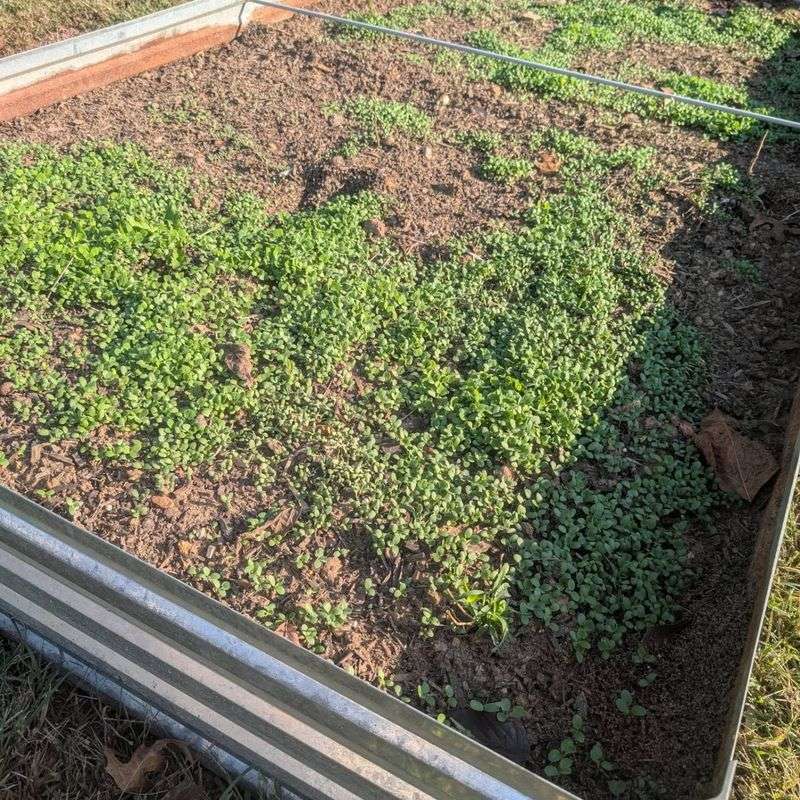
Crimson clover turns a sleepy winter bed into a sheet of bright scarlet blooms by late spring. Bees adore those red flower spikes, and honestly, so do I every time I walk past them.
Market growers sow cover crops to shield bare soil from winter rain and to add organic matter. Roots hold the ground in place, while the leafy tops feed soil life when they break down later.
Clover is a legume, so it partners with soil bacteria that capture nitrogen from the surrounding air. Cereal rye adds bulky roots and tolerates bitter cold, which makes it a favorite for later sowing.
Extension guides for the region suggest sowing crimson clover from late summer into early fall for strong growth. Rye is more forgiving and can still sprout when planted into late fall in warmer parts of the state.
Scatter the seed over loosened soil, then rake it in lightly so it touches moist ground. A quick watering helps if rain is scarce, and birds will steal less seed once it is covered.
In spring, cut the cover crop low before it sets seed, or rye may become a stubborn weed. Leave the clippings as mulch and wait a couple of weeks before planting seeds into that bed.
Take it from someone who skipped this step, bare beds lose topsoil faster than you might expect. A small packet of seed costs less than a bag of compost and works quietly all winter.
4. Leave Roots In The Ground And Skip The Tiller
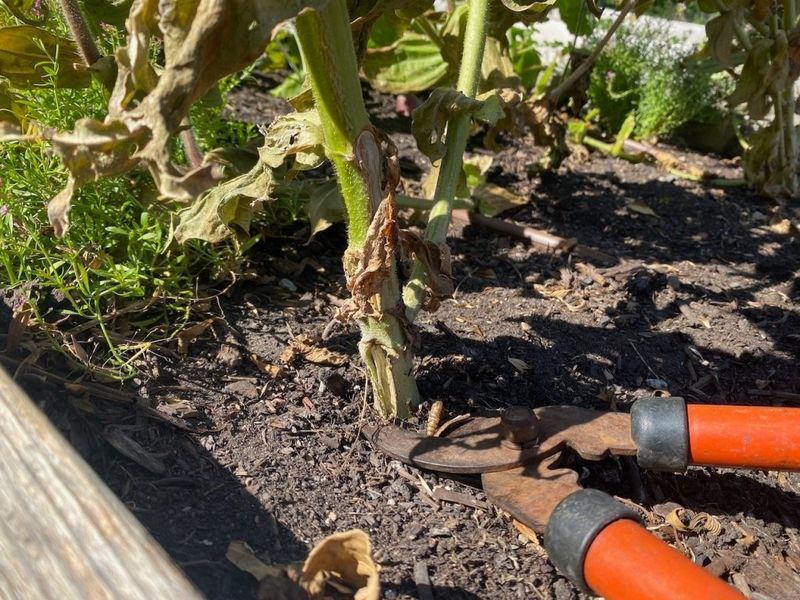
Snipping a spent pepper plant at the soil line feels strange the first time you try it. Funny enough, those leftover roots slowly rot in place and leave tiny tunnels for water and fresh air.
Many small market farms have moved toward no-till or low-till beds over the past couple of decades. They found that less digging keeps soil crumbly and protects the fungal threads that help roots find nutrients.
Tilling breaks apart soil clumps, which can speed up the loss of organic matter over time. It also drags buried weed seeds to the surface, where light wakes them up for a fresh crop.
Instead of pulling whole plants, cut stems at ground level and toss the tops onto the compost pile. Diseased tomato vines are the exception, so bag those or remove them from the garden area.
Once the stalks are cleared, cover the surface with compost or mulch rather than turning it under. Earthworms will pull that material downward for you, mixing the layers better than any shovel could manage.
If you ask me, the biggest surprise is how much easier spring weeding becomes after a season or two. Fewer weed seeds get disturbed, so the beds stay cleaner without extra hoeing on hot days.
Patience matters here, because heavy red clay may take a few years to loosen without regular digging. Keep adding organic matter each fall, and the soil structure usually improves a little more every season.
5. Loosen Compacted Beds With A Steel Broadfork
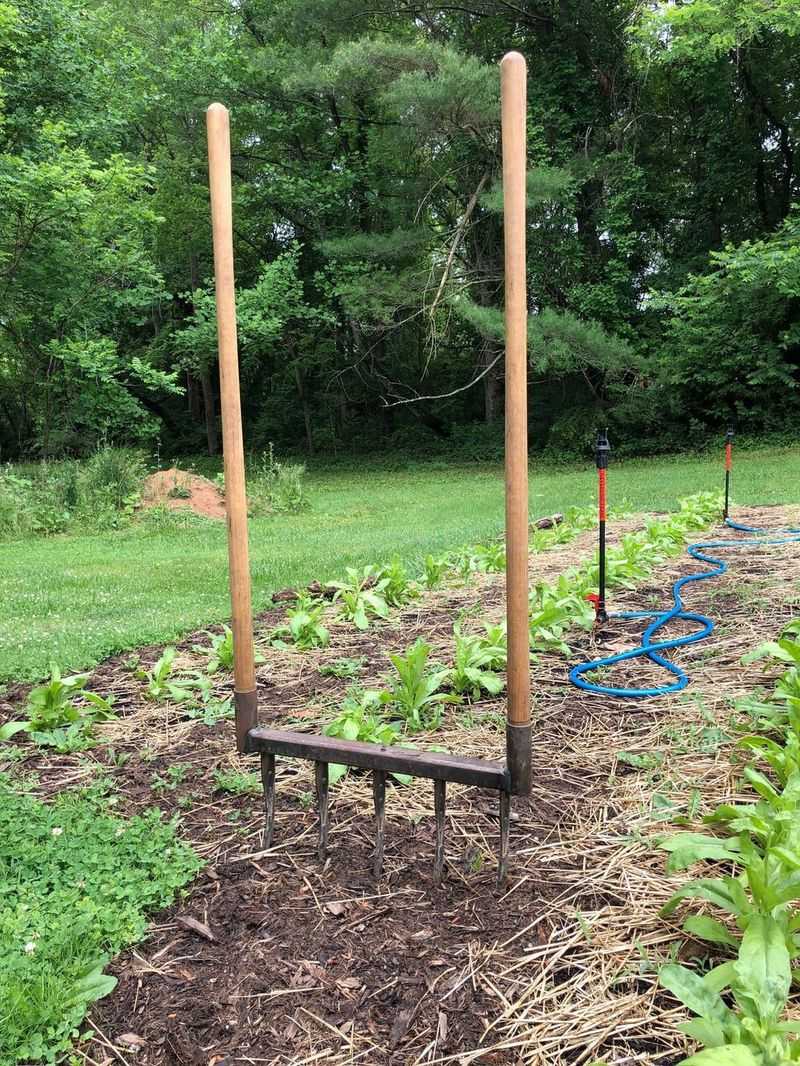
A broadfork looks like a giant metal comb with two handles, and using it feels almost like dancing. You step onto the crossbar and lean back, and the soil cracks open with a satisfying crunch.
Market gardeners love this tool because it loosens soil deeply without flipping the layers upside down like a tiller. Topsoil stays on top, so the busy community of tiny microbes near the surface keeps working undisturbed.
Fall is a smart time to broadfork, especially in beds that were walked on heavily all summer. The cracks you create let winter rain soak in instead of puddling and running off the surface.
Work only when the soil is moist but not soggy, since wet clay smears and compacts further. Squeeze a handful first, and if it forms a sticky ribbon, give the bed a few more days.
Start at one end of the bed and pull back gently on the handles after each push. Step backward about six to eight inches, and repeat until the whole bed feels springy underfoot again.
Spread compost right afterward, because the fresh openings help organic matter work its way down quickly. Do not pry so hard that you bend the tines, since rocky ground can twist cheaper, thinner models.
In my own yard, I noticed carrots grew straighter after just one fall session with the broadfork. Most beds only need this treatment once a year, and some need it far less often.
6. Blanket Beds With A Thick Layer Of Finished Compost
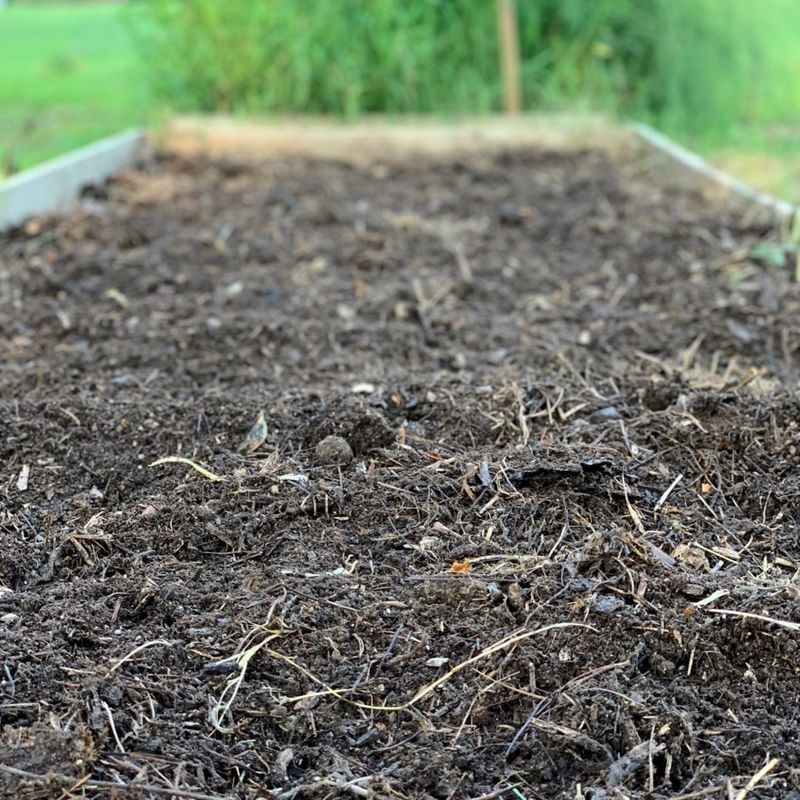
Finished compost smells like a forest floor after rain, and that earthy scent means the microbes did their job. Sour or ammonia smells mean it needs more time, so give it a sniff before spreading.
Heavy summer harvests pull a whole lot of nutrients from the soil, and fall is payback time. Many market growers top their beds with one to two inches of compost after clearing the last crop.
Spread it right on the surface and skip the digging, since worms and rain will carry it downward. Over winter, the compost softens, and by spring the top layer looks dark and wonderfully crumbly.
Compost adds slow-release nutrients, but its biggest gift is better soil structure that holds water like a sponge. Sandy soils near the coast benefit greatly, because they often drain too fast during dry summer spells.
Watch your phosphorus levels, though, since manure-based composts can pile up phosphorus when used heavily for years. Your soil test will flag high phosphorus, and plant-based compost makes a smart swap in that case.
Buying compost by the cubic yard often costs less than bags, and many county facilities sell it locally. One cubic yard covers roughly 160 square feet at a two-inch depth, so measure before ordering.
Don’t make my old mistake of spreading half-finished compost full of weed seeds across every bed. Those sprouts popped up all spring, and I spent long weeks pulling them while muttering under my breath.
7. Shred Fallen Oak And Maple Leaves Into Mulch
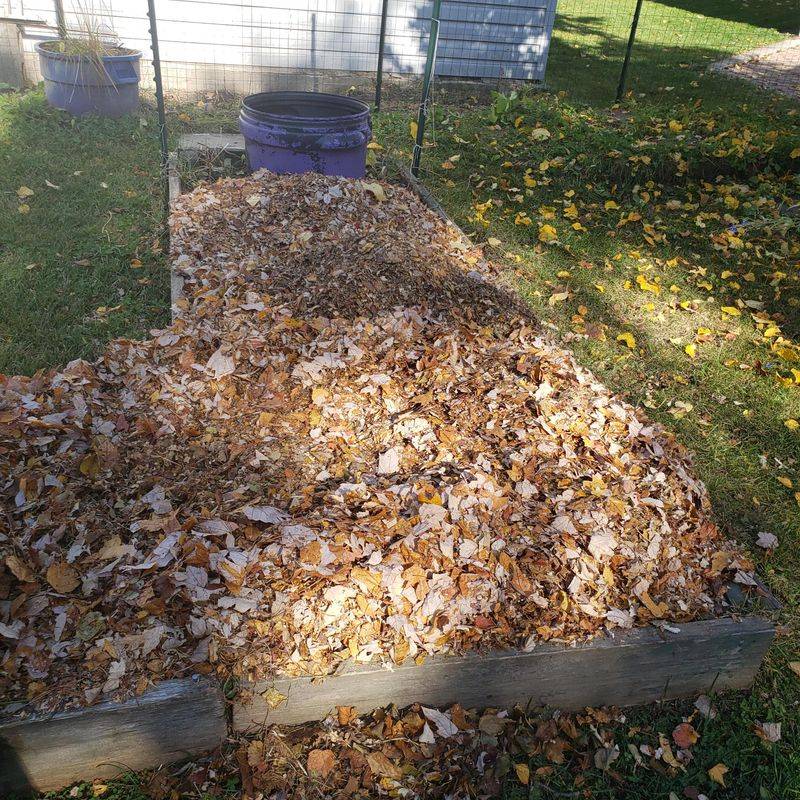
Every autumn, my street fills with plastic bags of leaves, and I feel like a kid spotting free candy. Those crunchy piles hold carbon and minerals that trees pulled up from deep underground over the summer.
Whole leaves tend to mat down into soggy sheets that shed water, so shredding them makes a big difference. A mulching mower works fine, and you can run over a pile two or three times.
Spread the shredded leaves two to four inches deep over beds that will sit empty until spring. The layer buffers soil temperature swings and helps keep winter weeds like chickweed and henbit in check.
Earthworms treat this layer like a buffet, dragging bits of leaf into their burrows on mild nights. By planting time, much of it has softened into a dark layer that feels spongy under your boots.
Leaves from oaks break down more slowly than maple leaves, which actually makes them sturdy mulch. Despite their reputation, oak leaves rarely change garden soil pH in any meaningful way once they decompose.
Skip leaves from black walnut trees around tomatoes, since walnut produces juglone, a compound that harms sensitive plants. Composting those leaves for several months first helps break down the juglone before you use them.
What surprised me most was how quickly the neighbors began dropping their bagged leaves at my curb. Just check that the bags hold only leaves, without lawn clippings treated with chemical weed control products.
8. Map Next Year’s Tomato And Brassica Rotation
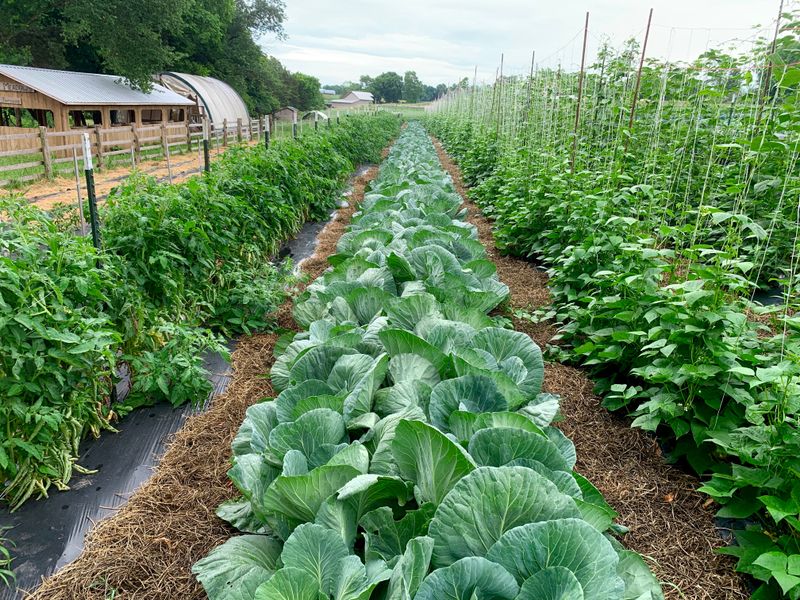
Tomatoes, peppers, potatoes, and eggplant all belong to one plant family, which surprised me more than it should have. Planting them in the same bed year after year lets shared pests and diseases settle in comfortably.
Market growers sketch rotation plans in fall, while last season’s problems are still fresh in their memory. A simple notebook works, though some folks prefer a colorful spreadsheet or a laminated garden map.
Early blight and Septoria leaf spot can overwinter on tomato debris, then splash onto new plants next summer. Keeping tomatoes out of that bed for two or three years reduces the overall risk considerably.
Group crops by family, so broccoli and its cabbage cousins travel together as one brassica team. Squash and cucumbers form another group, and beans with peas make a third handy unit to rotate.
Heavy feeders like corn and tomatoes can follow a clover cover crop, since legumes leave behind extra nitrogen. Light feeders such as carrots and onions fit nicely into beds that grew hungry crops the year before.
Small yards make rotation tricky, so even swapping two raised beds each year beats planting in one spot. Containers with fresh potting mix offer another escape route when a bed has a stubborn disease history.
My garden taught me that a ten-minute planning session in fall saves hours of frustration come July. Grab a warm cup of tea with your notes, and let those quiet beds tell you their story.