These Effortless Beauties Will Make Your Pennsylvania Garden Magnificent
What if your Pennsylvania garden could look absolutely stunning without demanding constant attention, expensive products, or hours of maintenance every weekend? For a lot of gardeners, that sounds too good to be true.
But the secret isn’t working harder. It’s choosing the right flowers from the start. Some flowers are just effortlessly beautiful.
They settle in, they bloom generously, and they keep delivering season after season without needing to be coddled, fussed over, or replaced every spring.
In a Pennsylvania climate that can swing between late frosts, summer humidity, and dry spells, these are the flowers that make the whole thing feel worthwhile.
The ones that reward you with color and life even when you haven’t had time to give them much attention.
Whether you’re a seasoned Pennsylvania gardener looking to simplify or someone just getting started and wanting real results without the overwhelm, these flowers deliver on both fronts.
1. Black-Eyed Susan
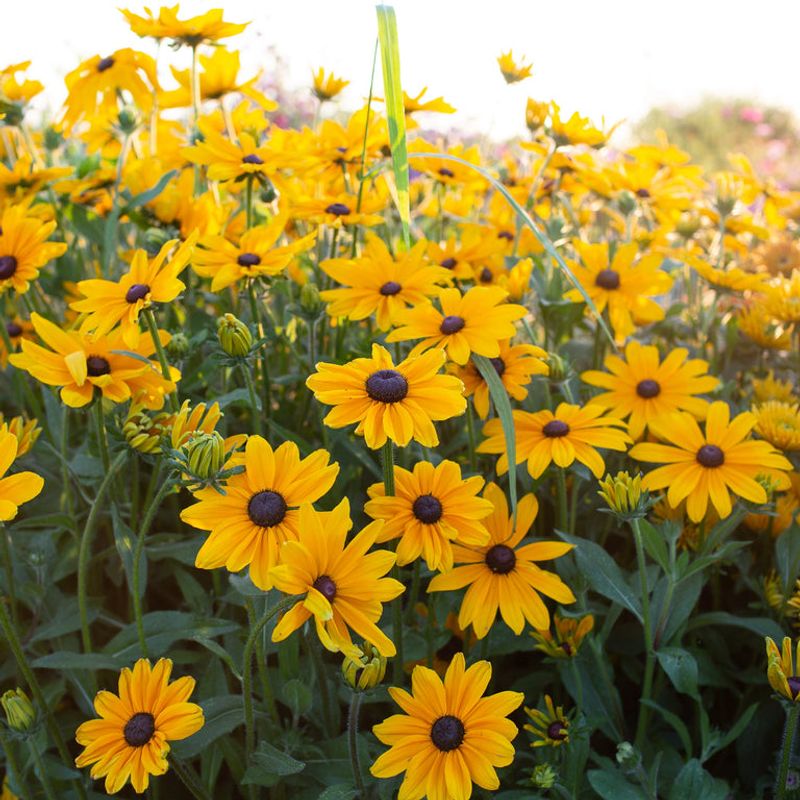
Few flowers say “summer” quite like the Black-Eyed Susan. With its golden-yellow petals and dark, button-like center, this cheerful wildflower has been brightening American gardens for centuries.
It is one of the easiest flowers you can grow in Pennsylvania, and once it settles in, it comes back year after year without much fuss.
Black-Eyed Susans love full sun and do just fine in average or even poor soil. They are drought-tolerant once established, which means you will not need to water them constantly.
Plant them in a sunny border, along a fence, or mixed into a naturalistic garden bed for a relaxed, cottage-style look that feels warm and inviting.
These plants bloom from late June all the way through September, giving you months of color. They grow about two to three feet tall, making them a great mid-border choice.
The flowers also make excellent cut flowers, so you can bring that golden brightness indoors whenever you want.
Pollinators absolutely love Black-Eyed Susans. Bees, butterflies, and even goldfinches will visit your garden regularly once these flowers are in bloom.
Planting them in groups of three or five creates a bold, eye-catching display that looks intentional and lush.
If you want to expand your patch, just let a few seed heads dry on the plant at the end of the season. The seeds will drop and sprout new plants the following spring.
It is one of the most rewarding and low-effort flowers you can add to any Pennsylvania garden.
2. Purple Coneflower
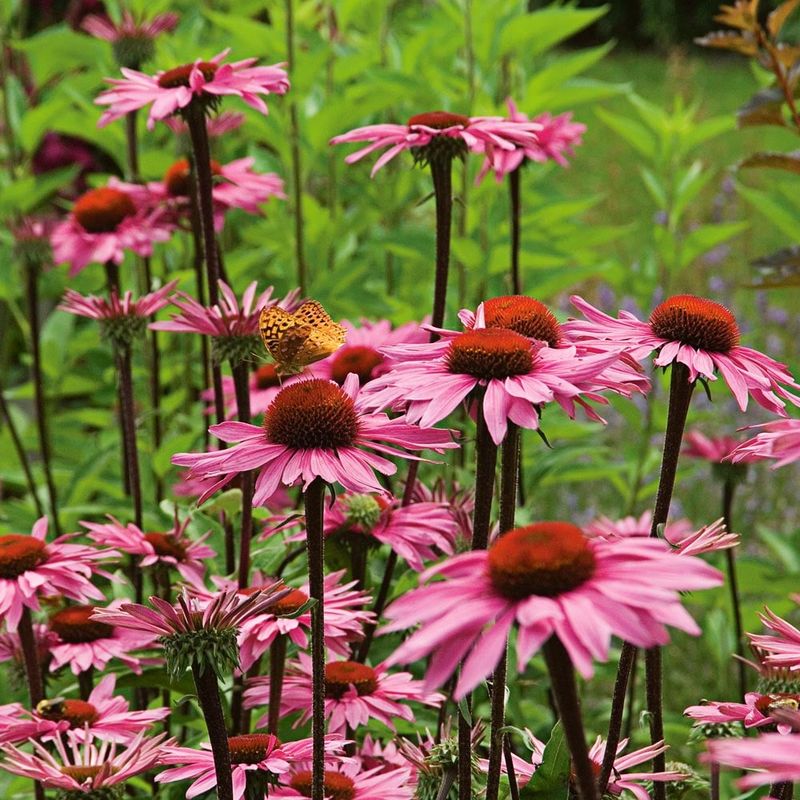
Purple Coneflower, also known as Echinacea, is one of those plants that just makes a garden feel alive. The raised, spiky center surrounded by swept-back purple petals gives it a bold, sculptural look that stands out from across the yard.
Native to North America, this plant has been used for centuries, and it is still one of the most popular perennials in Pennsylvania gardens today.
Growing two to four feet tall, Purple Coneflower adds real height and structure to a mixed border. It blooms from midsummer through early fall, giving you weeks of color right when many other plants start to fade.
Your Pennsylvania Garden Changes Every Week. Your Plan Should Too.
Gardening in Pennsylvania changes quickly throughout the season. Every Friday you’ll receive a simple weekly plan showing exactly what to plant, prune, fertilize, harvest, and protect so you never miss the right timing.
The flowers come in shades of purple, pink, and even white, so you have options depending on your garden’s color scheme.
One of the best things about Purple Coneflower is how much wildlife it attracts. Bees and butterflies flock to it all season long.
When the blooms fade and the seed heads form, birds like finches move in to snack on the seeds. Leaving the seed heads standing through winter adds texture to the garden and keeps feeding wildlife even in the cold months.
Care is genuinely simple. Plant it in full sun to light shade and give it well-drained soil. Once established, it handles dry spells with ease and rarely needs fertilizer. It also spreads slowly over time, filling in bare spots without taking over.
For a garden that feels lively, colorful, and full of natural energy from summer into fall, Purple Coneflower is a plant you simply cannot skip.
3. Bee Balm
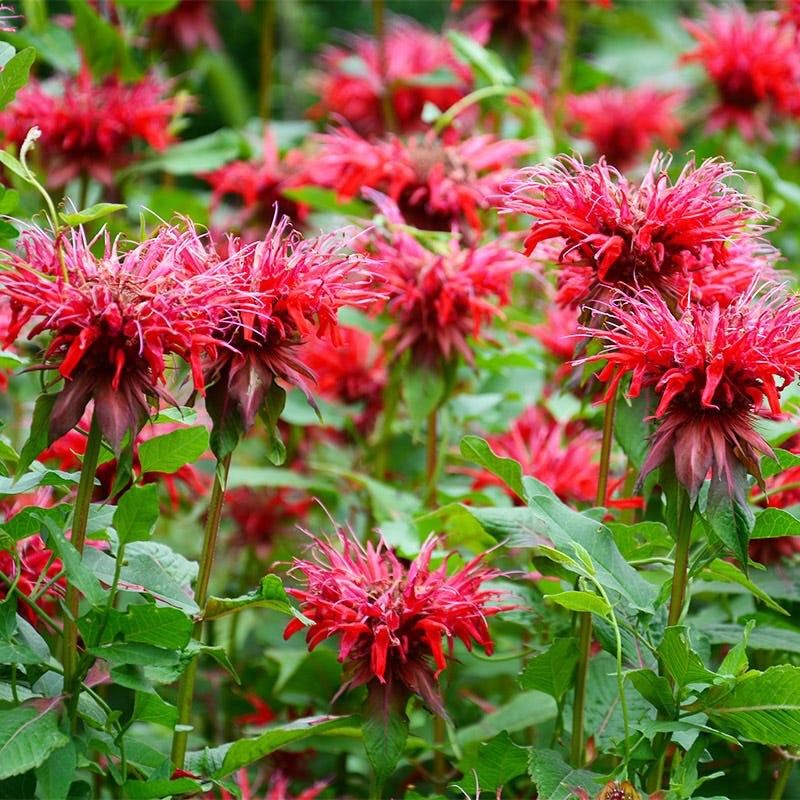
Walk past a patch of Bee Balm on a warm summer afternoon and you will immediately understand why gardeners love it.
The shaggy, firework-like blooms in shades of red, pink, purple, and lavender look almost exotic, yet this plant is completely at home in Pennsylvania’s climate. It is bold, fragrant, and buzzing with activity from the moment it opens.
Bee Balm belongs to the mint family, and you can actually smell it when you brush against the leaves. That minty, slightly spicy fragrance is part of what makes this plant so special.
Hummingbirds are drawn to the tubular red flowers, while bees and butterflies crowd around the pink and purple varieties. If you want a garden that feels alive with movement and sound, Bee Balm delivers every single time.
This perennial grows two to four feet tall and does best in full sun to partial shade. It prefers moist, rich soil but adapts well to average garden conditions.
One thing to keep in mind is that Bee Balm can spread fairly quickly through underground runners. Planting it where it has room to roam, or dividing it every few years, keeps it looking its best.
Powdery mildew can appear on the leaves in humid summers, but choosing mildew-resistant varieties like ‘Jacob Cline’ or ‘Raspberry Wine’ helps a lot. These newer cultivars hold up better in Pennsylvania’s muggy July and August weather.
Bee Balm blooms in midsummer and pairs beautifully with Purple Coneflower and Black-Eyed Susan for a wildflower-inspired border that practically takes care of itself all season long.
4. Butterfly Weed
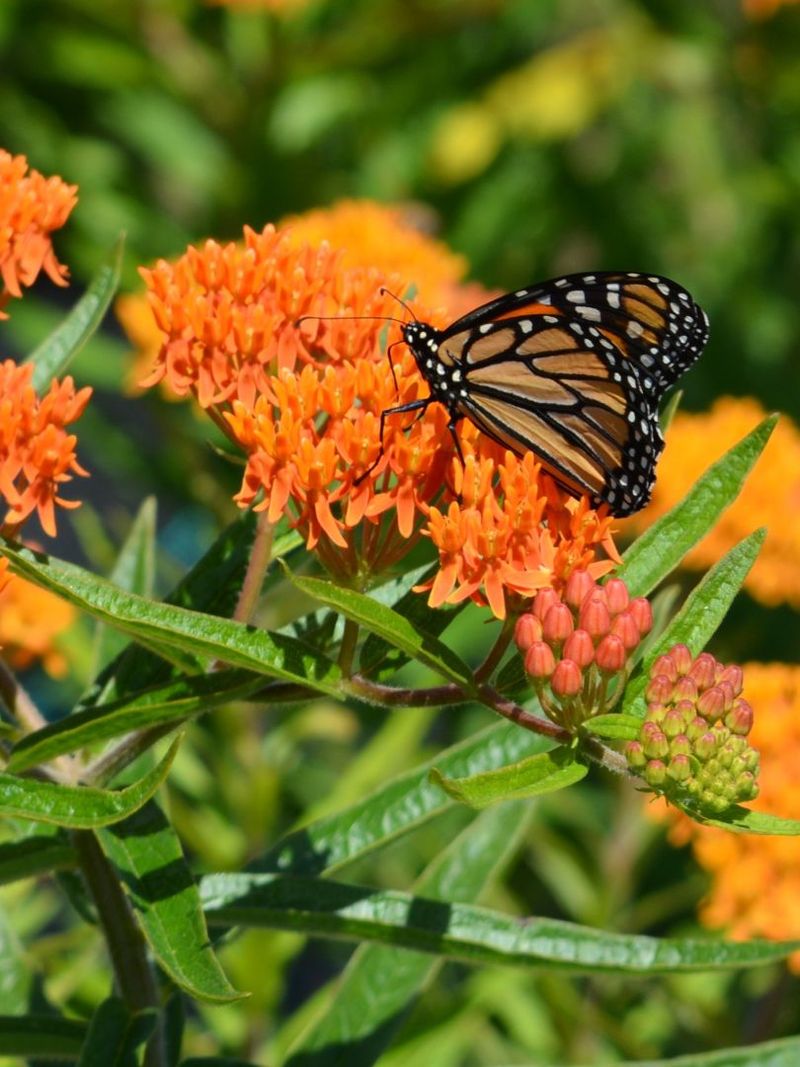
If you have ever seen a monarch butterfly up close, you already know how magical it feels. Butterfly Weed is one of the best plants you can grow to invite those iconic orange-and-black wings into your Pennsylvania garden.
This native milkweed species produces clusters of vivid orange flowers that practically glow in the summer sun, making it one of the most eye-catching plants in any yard.
Unlike some milkweeds, Butterfly Weed stays compact and tidy, growing about one to two feet tall. It thrives in full sun and well-drained soil, which makes it perfect for slopes, rocky spots, or any area that tends to stay dry.
Once established, it is remarkably tough and can handle summer heat and drought without missing a beat. In fact, it actually prefers not to be watered too often.
Monarch butterflies depend on milkweed plants to lay their eggs, and Butterfly Weed is one of their favorites. Other pollinators love it too.
You will see swallowtails, fritillaries, and all kinds of bees visiting the flowers throughout the summer. Growing this plant is not just beautiful, it is genuinely helpful for wildlife that needs support.
One heads-up: Butterfly Weed is slow to emerge in spring, so mark its location so you do not accidentally dig it up. It also develops a deep taproot, which means it does not transplant well once established. Choose its permanent spot carefully before planting.
The blooms last from June through August, and the seed pods that follow are architecturally interesting in their own right, adding late-season charm to the garden.
5. Garden Phlox
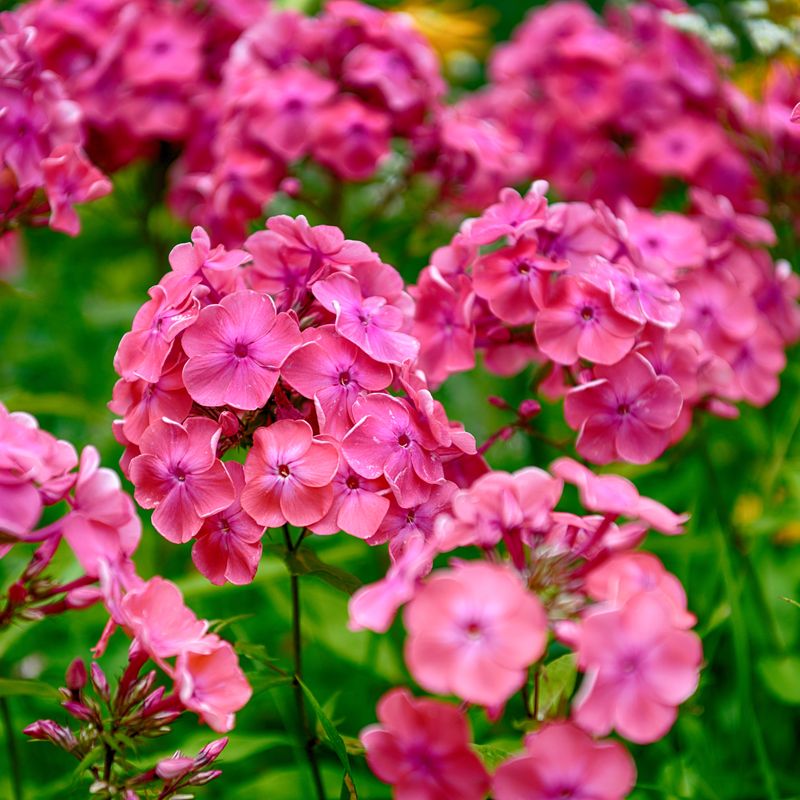
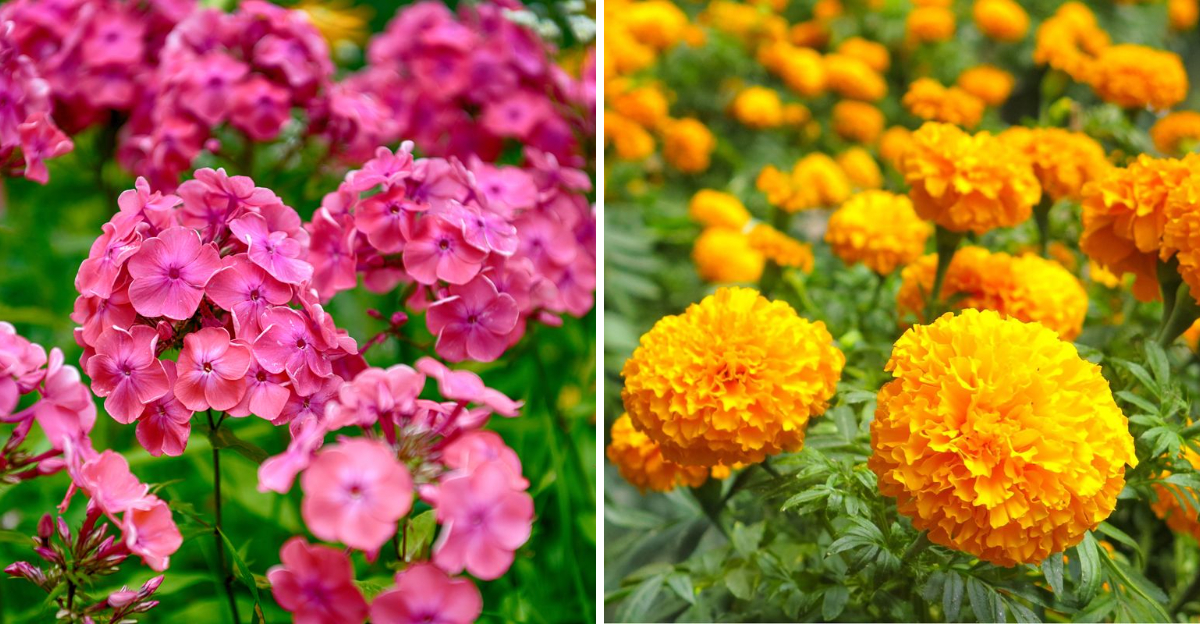
There is something genuinely nostalgic about Garden Phlox. The big, domed clusters of fragrant flowers in shades of pink, white, lavender, and purple bring to mind old-fashioned cottage gardens and warm summer evenings.
If you want your Pennsylvania garden to have that soft, romantic, lush-looking quality, Garden Phlox is the plant that gets you there.
This tall perennial grows three to four feet high and blooms in mid to late summer, right when many spring flowers have finished. The flowers are wonderfully fragrant, especially in the evening, and they attract butterflies, hummingbirds, and moths.
Planting them near a porch or patio means you get to enjoy that sweet scent every time you step outside.
Garden Phlox does best in full sun with rich, moist, well-drained soil. It appreciates consistent moisture, so a layer of mulch around the base helps keep the roots cool and the soil from drying out too fast.
Good air circulation around the plants reduces the chance of powdery mildew, which can be an issue in humid Pennsylvania summers. Spacing plants about two feet apart and avoiding overhead watering goes a long way toward keeping the foliage healthy.
Named varieties like ‘David’ (white) and ‘Laura’ (purple with a white eye) are known for strong mildew resistance and reliable performance in Pennsylvania’s climate. Dividing the clumps every three years keeps the plants vigorous and blooming their best.
For a mixed border that looks like something out of a gardening magazine, combine Garden Phlox with Bee Balm and Purple Coneflower. The combination of heights, textures, and colors is absolutely stunning from July through September.
6. Blazing Star
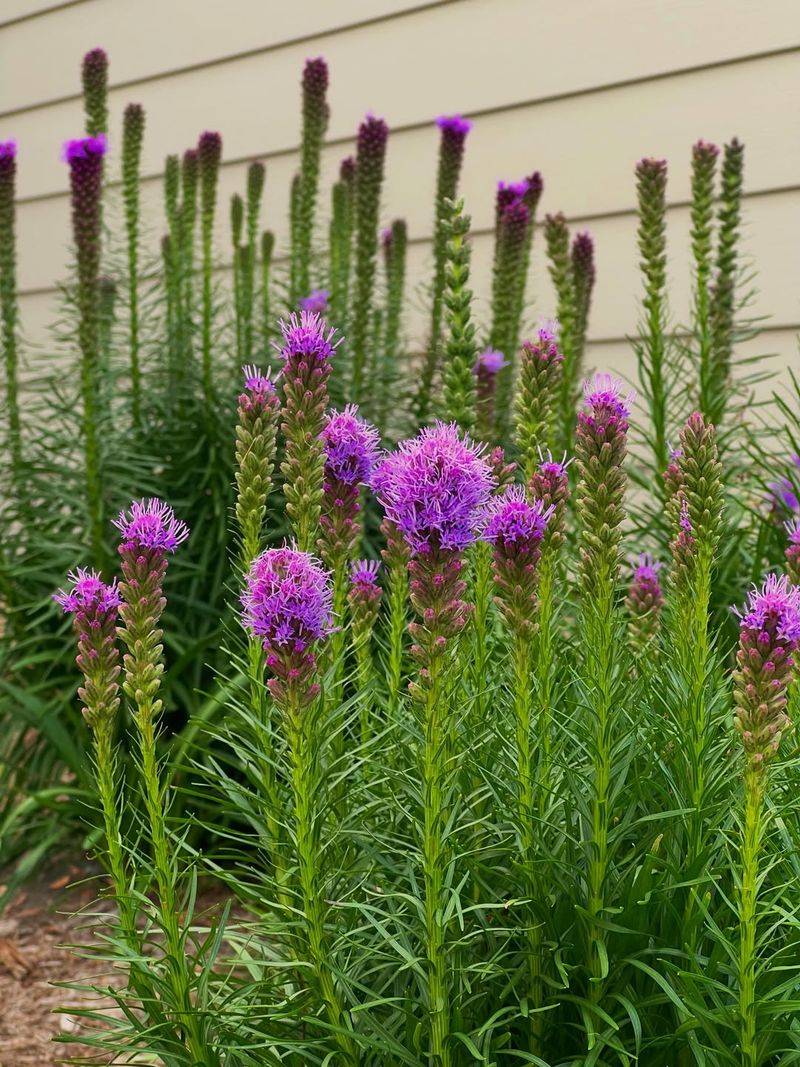
Blazing Star is the kind of plant that makes people stop and ask, what is that? The tall, upright spikes covered in fuzzy purple flowers have a dramatic, architectural quality that is completely different from most other garden perennials.
Also called Liatris or Gayfeather, this native prairie plant is perfectly suited to Pennsylvania’s climate and absolutely thrives with minimal attention.
What makes Blazing Star especially interesting is the way it blooms from the top of the spike downward, which is the opposite of most flowering plants. This unusual trait gives it a long bloom period and keeps it looking fresh for weeks.
Flowers appear in late summer, usually from July through September, which fills a gap when many other perennials are winding down.
Growing two to four feet tall, Blazing Star adds real vertical interest to sunny borders. It looks striking planted in groups and pairs beautifully with golden flowers like Black-Eyed Susan and Butterfly Weed.
The color contrast between purple and orange or yellow is bold and visually exciting without feeling overdone.
Pollinators go absolutely wild for Blazing Star. Bumblebees, honeybees, and monarch butterflies all visit it regularly.
When the blooms fade, the seed heads attract goldfinches and other songbirds, so the plant keeps earning its place in the garden well into autumn.
Care could not be simpler. Plant it in full sun with well-drained soil and water it occasionally until it is established.
After that, it is almost entirely self-sufficient. It even handles clay soil better than many other perennials, which is great news for Pennsylvania gardeners dealing with heavy ground.
7. Zinnias
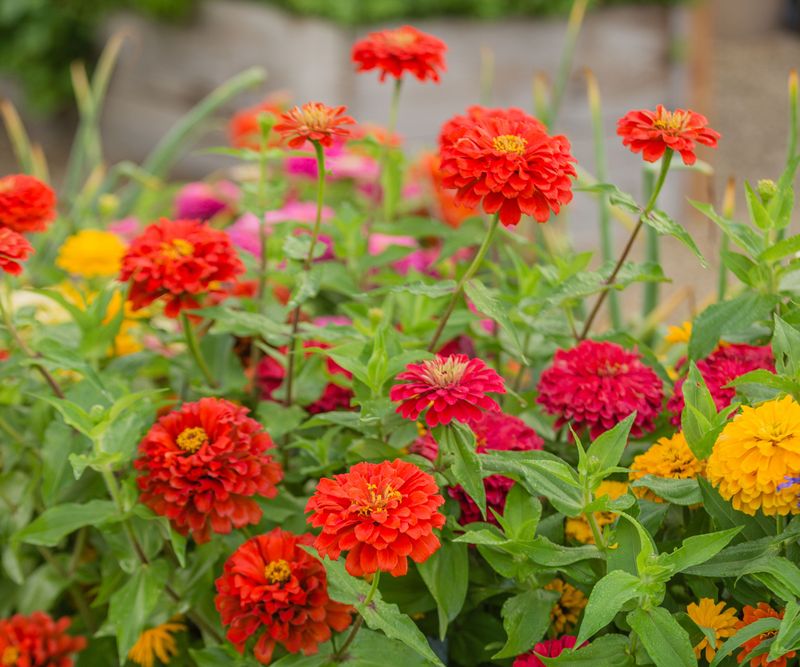
Want color fast? Zinnias are your answer. These cheerful annuals go from seed to full bloom in about eight weeks, making them one of the quickest ways to fill a garden with vibrant color.
Plant them in late May or early June in Pennsylvania and you will have a dazzling display running all the way through the first frost of fall.
Zinnias come in nearly every color imaginable, from deep red and hot pink to soft peach, bright orange, and creamy white. They range in height from compact six-inch varieties perfect for containers to tall three-foot types ideal for cutting gardens.
Whatever your space or style, there is a zinnia that fits. They grow best in full sun and actually prefer warm temperatures, so Pennsylvania summers suit them beautifully.
One of the most satisfying things about zinnias is how easy they are to grow directly from seed. Just scratch the soil surface, sprinkle the seeds, cover lightly, and water.
They sprout fast and grow quickly with very little help from you. Deadheading spent blooms, which means snipping off the faded flowers, encourages the plant to keep producing new ones all season long.
Butterflies absolutely adore zinnias. On a sunny afternoon, a patch of zinnias in full bloom can look like a butterfly landing strip.
They are also excellent cut flowers that last well in a vase, making them a favorite for anyone who loves bringing garden beauty indoors.
Zinnias are also great gap-fillers. Tuck them between slower-growing perennials or use them to brighten up containers on a sunny deck or patio for instant seasonal cheer.
8. Marigolds
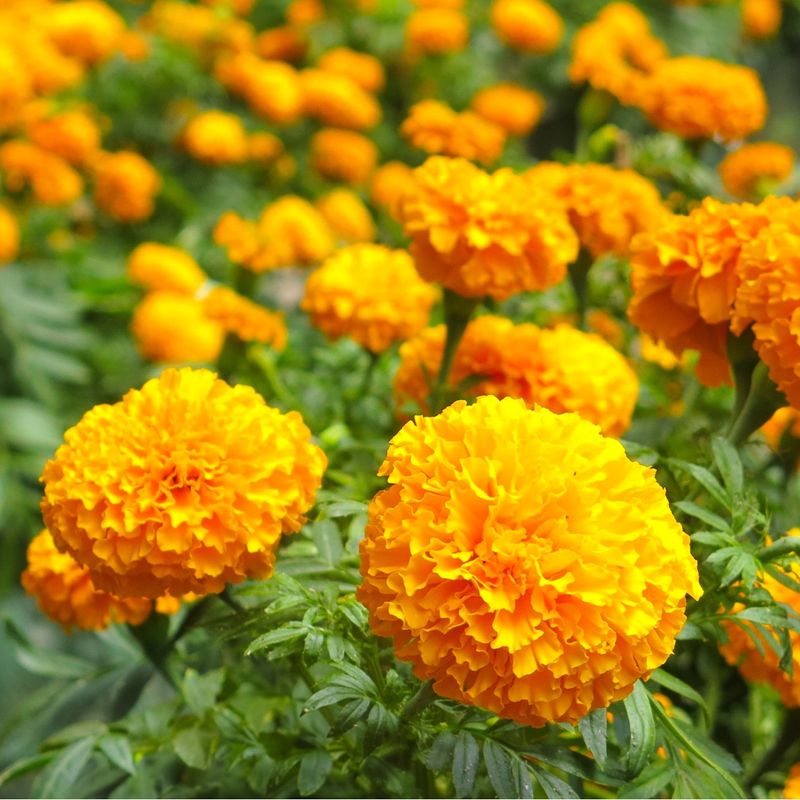
Marigolds might just be the hardest-working flower in the garden. Sturdy, cheerful, and almost impossible to mess up, these golden annuals have been a staple of American gardens for generations.
Their warm shades of yellow, orange, and deep gold bring a sunny, festive energy to any space, from formal flower beds to containers on a front porch step.
In Pennsylvania, marigolds thrive from late spring all the way until the first hard frost of autumn. They love full sun and handle heat well, which makes them dependable performers even during hot August stretches.
They do not need rich soil or heavy fertilizing. In fact, too much fertilizer can cause them to produce more leaves than flowers. A little neglect actually suits them fine.
One of the most practical reasons to grow marigolds is their reputation for deterring certain garden pests. Many gardeners plant them as a border around vegetable beds to help keep aphids, whiteflies, and even some root-feeding nematodes at bay.
Whether or not the science fully backs this up, marigolds near tomatoes and peppers is a time-honored tradition that has worked for countless home gardeners.
Marigolds are also outstanding edging plants. Their tidy, mounded shape and consistent bloom habit make them perfect for creating clean, defined borders along pathways, driveways, or the front of flower beds.
They look polished and intentional without requiring much effort at all. For beginners and experienced gardeners alike, marigolds are a no-fail choice.
Start them from seed indoors six to eight weeks before the last frost, or simply buy transplants from a local nursery and pop them in the ground for nearly instant color.