Massachusetts Homeowners Are Planting This Native Tree For Low Maintenance Privacy
Privacy shouldn’t feel like something you have to fight for. Massachusetts homeowners are increasingly planting this tree for privacy. Neighbors’ sheds and fences disappear once you plant this mystery tree.
Demand for this species has grown noticeably at local nurseries. Growth rates will surprise you more than any competing evergreen. Soil across Massachusetts practically begs you to plant it.
Winters barely slow you down once it takes root. Branches thicken fast, giving you real cover within seasons.
Property lines blur for you without a single fence post. Wildlife returns to you, adding movement where stillness once sat.
Yards near you, from Worcester to Cape Cod, are changing shape. The full picture still hasn’t reached you. Curiosity is pulling you toward this unnamed giant right now.
Every new season brings you faster results than the last. This tree could change the look of your yard within a few seasons.
Why Homeowners Want Privacy Without Upkeep
Nobody wants to spend every weekend trimming, spraying, or replanting a privacy hedge. Homeowners today are tired of high-maintenance solutions that cost a fortune and still look scraggly by fall.
The shift toward low maintenance landscaping is real and growing fast. More homeowners are prioritizing easy maintenance when choosing new plants.
Fences rot, crack, and need painting every few years. Shrubs get patchy, attract pests, and demand constant pruning just to look decent.
A living privacy screen made from a well-chosen native tree solves all of that. It grows tall, stays green year-round, and handles cold winters without complaint.
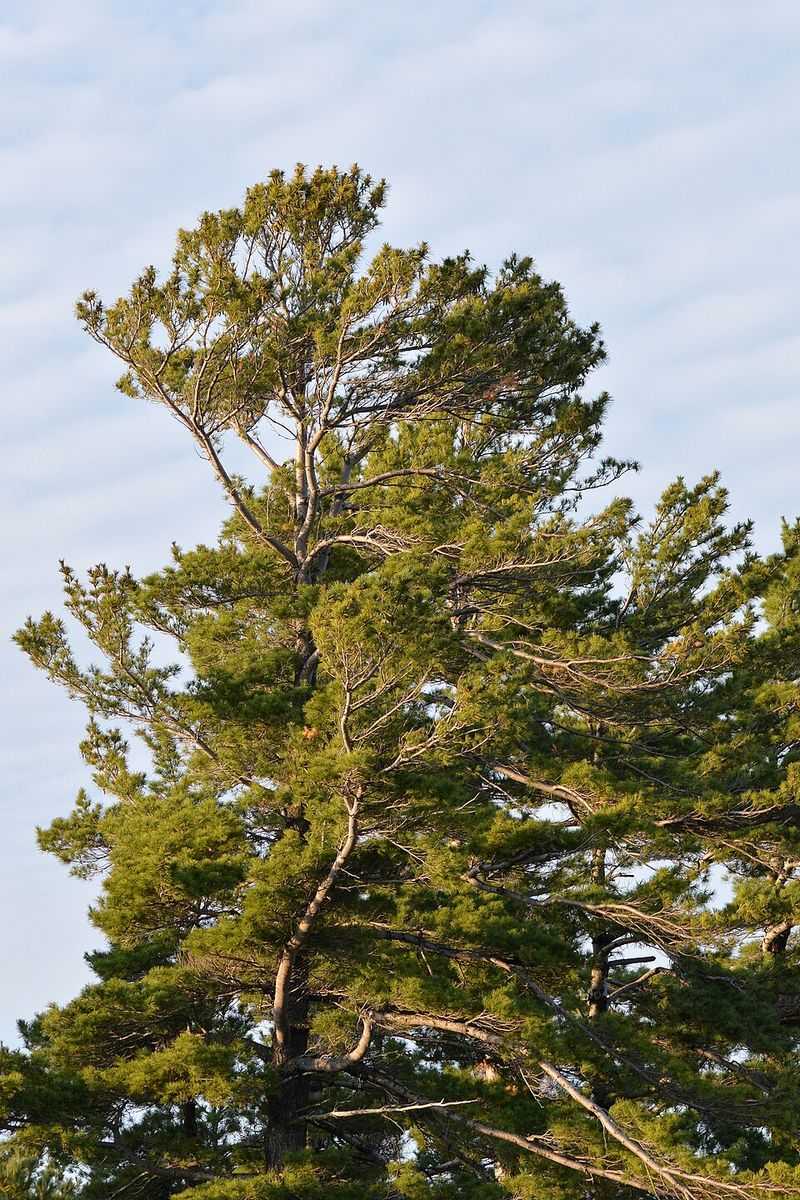
Eastern White Pine fits that description perfectly. It shoots up fast, fills in beautifully, and once established, it practically takes care of itself.
Homeowners across New England are catching on to this secret. Planting a native tree for privacy is not just smart landscaping, it is a long-term investment in your peace of mind. Once established, it requires little ongoing maintenance for years to come.
A Native Tree Built For Low Maintenance
Eastern White Pine has been growing across the Northeast for thousands of years. It has adapted to this region for centuries and needs minimal care today.
This tree is native to the entire northeastern United States, which means it evolved alongside local weather patterns. It knows how to handle a harsh January ice storm and a muggy August afternoon.
Once it gets its roots established, usually within the first two years, it becomes remarkably self-sufficient. You will not be hauling out the hose every other day to keep it alive.
Soil flexibility is another big win with this species. Eastern White Pine tolerates sandy, loamy, and even slightly acidic soils, all of which are common across the region.
It does prefer well-drained ground, so avoid planting it in spots that pool water after rain. A little attention during site selection saves a lot of headaches later on.
Pest and disease pressure is relatively low compared to many ornamental trees. With proper spacing and good airflow, most issues simply never show up.
Your Massachusetts Garden Changes Every Week. Your Plan Should Too.
Gardening in Massachusetts changes quickly throughout the season. Every Friday you’ll receive a simple weekly plan showing exactly what to plant, prune, fertilize, harvest, and protect so you never miss the right timing.
This native tree for low maintenance privacy is not a trend, it is a tried-and-true solution. Generations of New Englanders have relied on it, and for very good reason.
Choosing a tree that belongs here means working with nature instead of against it. That is a philosophy that saves time, money, and serious frustration.
What Sets This Tree Apart From The Rest
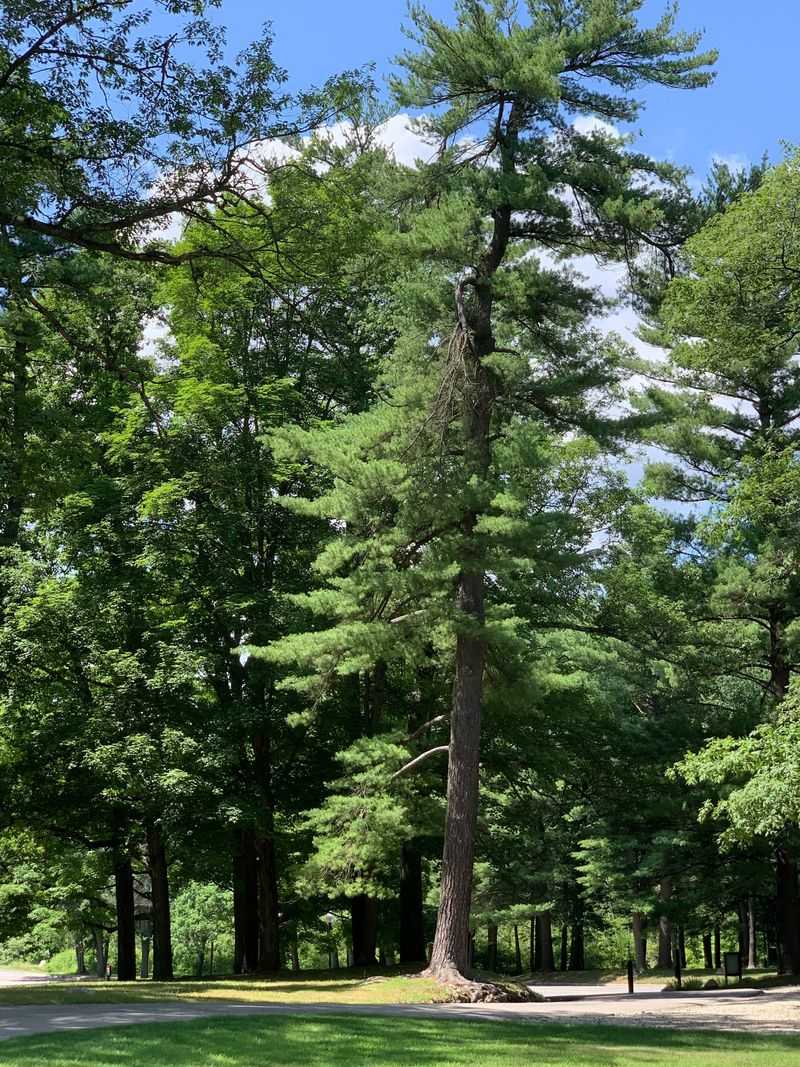
Plenty of trees promise privacy, but few actually deliver at the speed and scale of Eastern White Pine. This species can grow up to two to three feet per year under ideal conditions, though average growth is typically slower.
That growth rate puts a meaningful screen in place within just a few seasons. Compare that to slower-growing alternatives that take a decade to reach fence height.
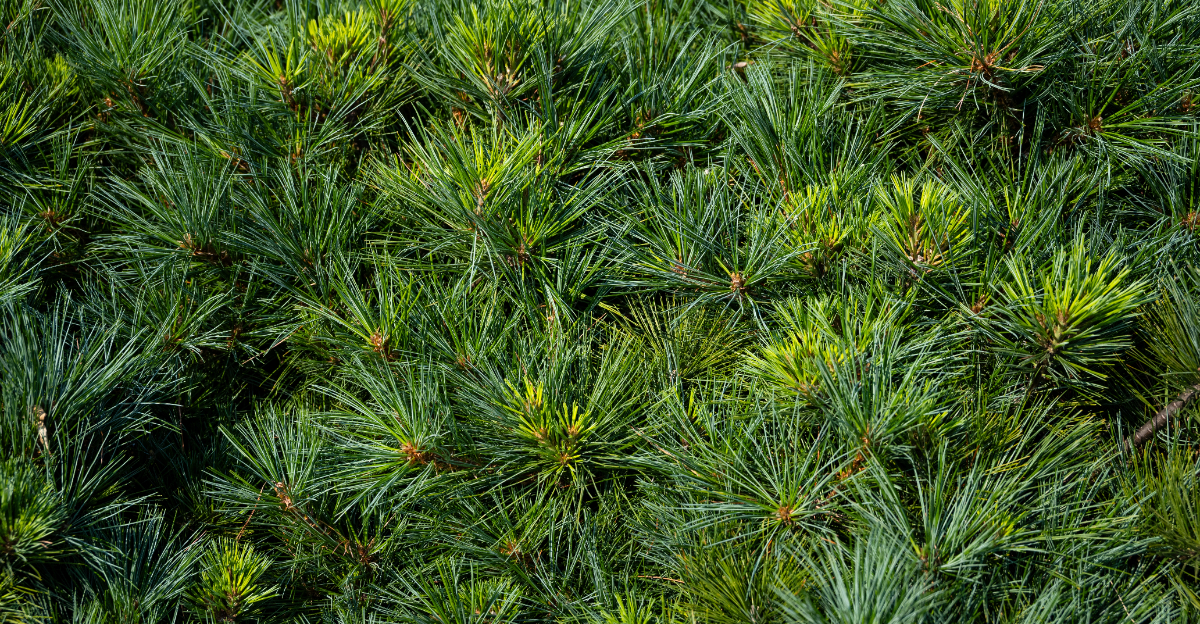
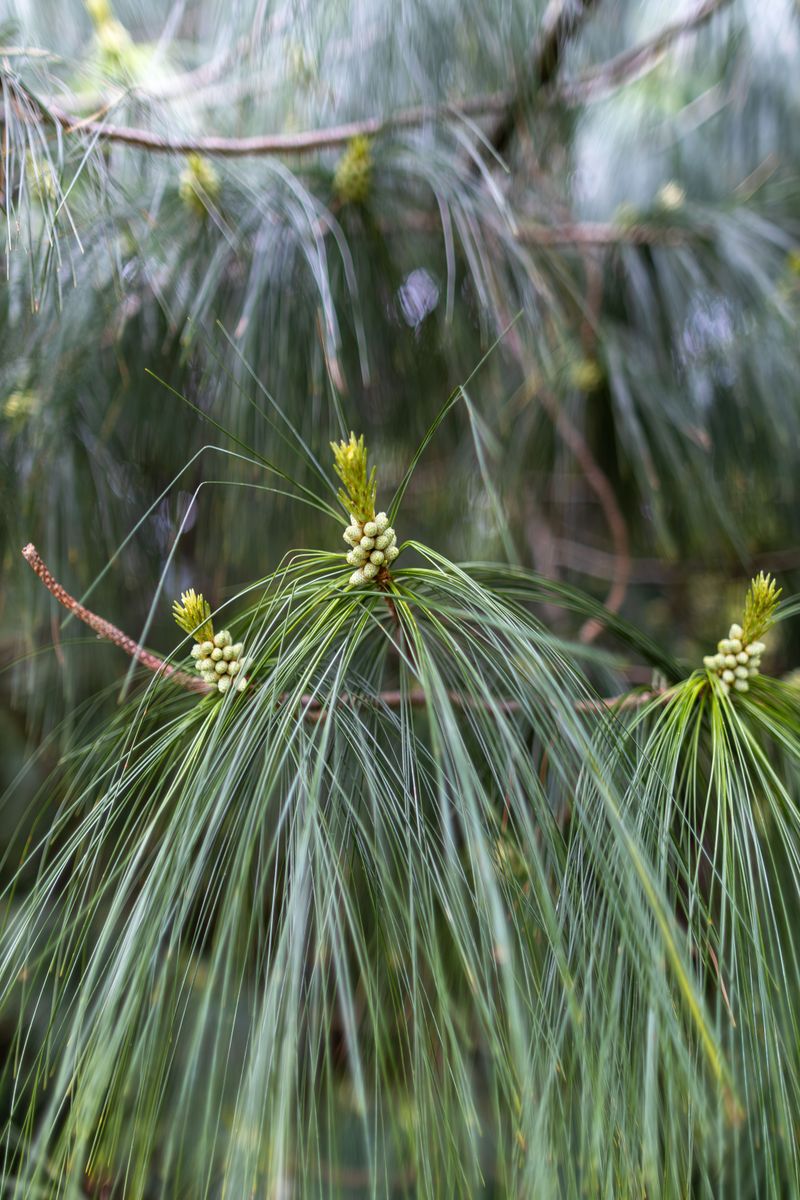
The needles are long, soft, and a distinctive blue-green color that looks elegant in any yard. Five needles per bundle is the signature trait that makes identification easy even for beginners.
Unlike deciduous trees, Eastern White Pine keeps its needles through winter. Your privacy does not disappear the moment October arrives, which is a huge practical advantage.
The tree also has a naturally pyramidal shape when young, which means it fills in evenly without needing aggressive pruning. It looks tidy on its own terms.
Wildlife loves this tree too. Birds nest in its branches, squirrels harvest its cones, and deer find shelter beneath its canopy during cold snaps.
Planting it means you are not just improving your Massachusetts yard, you are supporting the local ecosystem. Many homeowners find this more rewarding than installing a vinyl fence.
Eastern White Pine stands out because it combines speed, beauty, year-round coverage, and ecological value. Few other privacy options in this region deliver all four at once.
Planting It Around Your Property
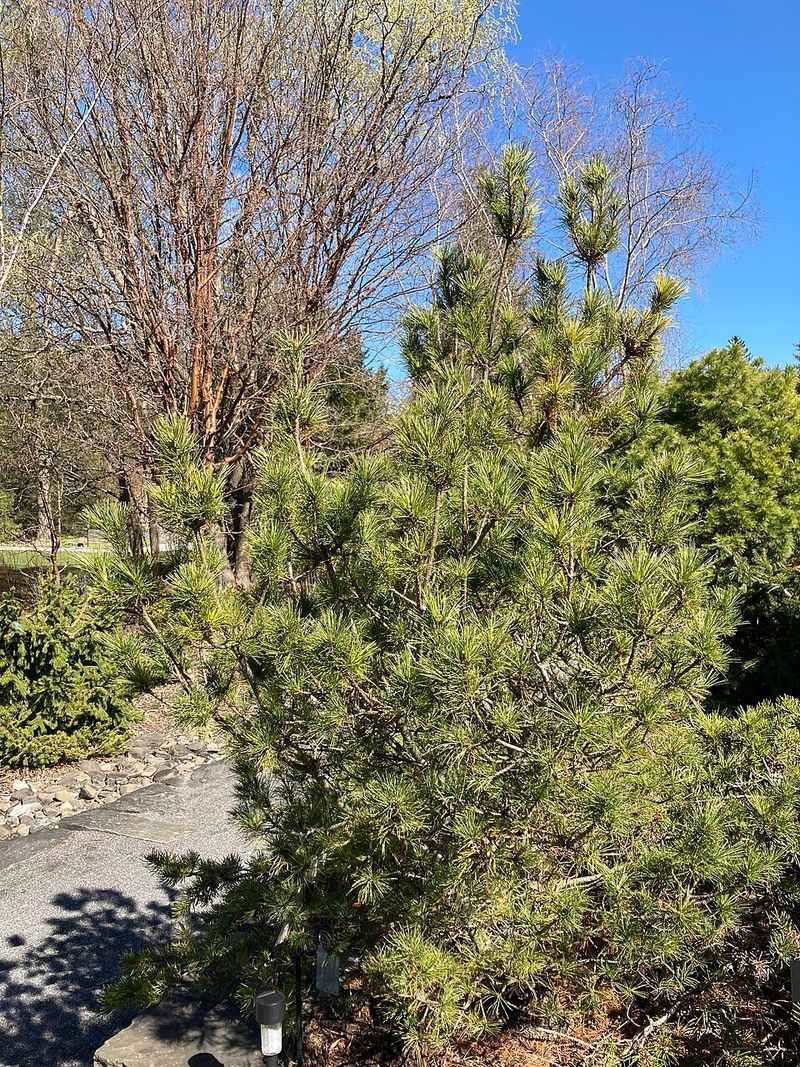
Getting the planting right is where everything begins. Choose a spot that gets full sun to partial shade, and make sure the ground drains well after a heavy rain.
Spacing matters a lot when planting for privacy. For a dense screen, place trees about eight to twelve feet apart, center to center.
Closer spacing creates a thick wall faster, but it can also cause crowding issues as the trees mature. Give each one enough room to breathe and spread its lower branches.
Fall is actually a great time to plant Eastern White Pine in the Northeast. Cooler temperatures reduce transplant stress, and the tree can focus energy on root development before winter sets in.
Spring planting works well too, as long as you keep up with watering during the first dry summer. That first growing season is the most critical for getting roots established.
Dig your hole two to three times as wide as the root ball, but no deeper than the ball itself. Planting too deep is one of the most common and costly mistakes new tree owners make.
Backfill with native soil rather than amended mixes, since this tree is adapted to local conditions. Mulch around the base to retain moisture and suppress weeds during establishment.
Once in the ground, give it a deep watering and step back. Eastern White Pine will start doing its thing almost immediately, and watching it grow is genuinely satisfying.
Caring For It Once Established
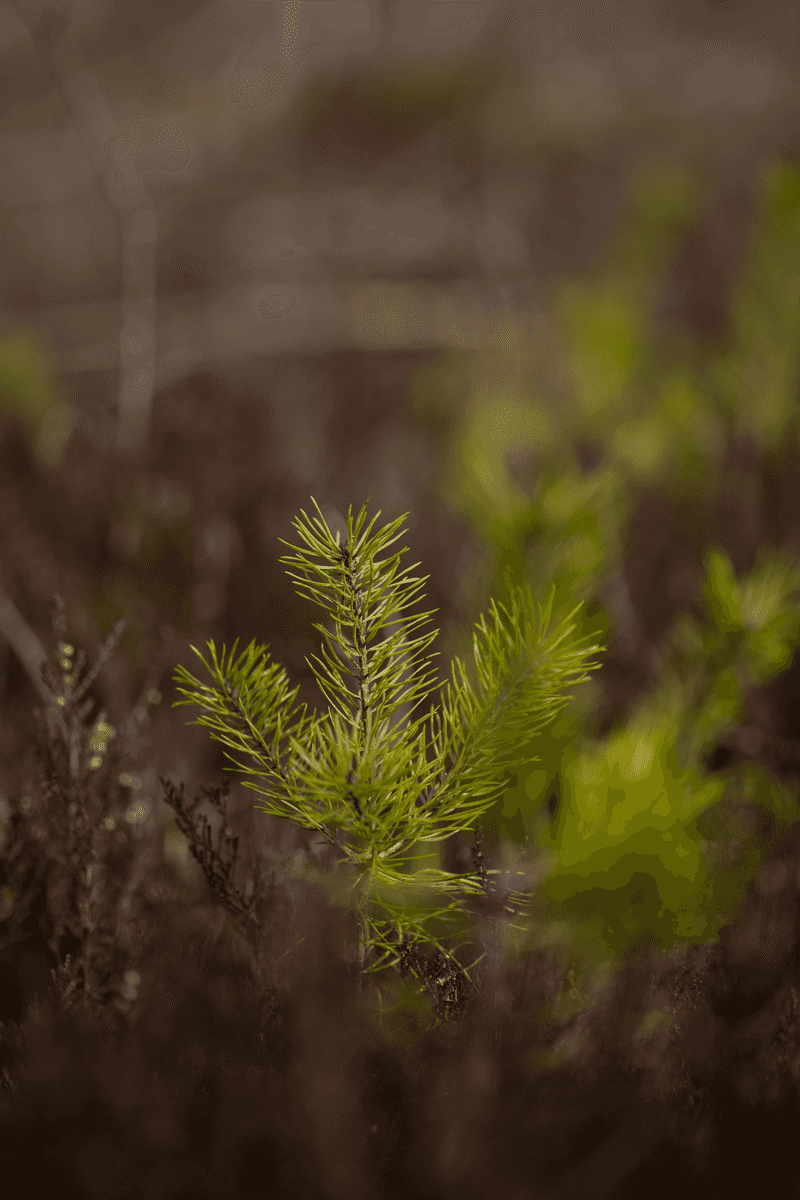
Eastern White Pine requires little care once established. Once past that first couple of years, it needs almost nothing from you.
Watering becomes a non-issue after establishment, except during extreme drought. Even then, a deep soak every couple of weeks is usually enough to keep it thriving.
Fertilizing is generally unnecessary if the tree is planted in decent native soil. Over-fertilizing actually causes problems, pushing excessive growth that weakens branch structure over time.
Pruning should be minimal and intentional. Remove any lifeless or crossing branches in late winter, and shape the lower canopy only if needed for clearance.
Never top this tree. Topping harms its natural form, creates entry points for disease, and can result in weak regrowth.
Watch for white pine weevil in spring, which attacks the central leader on young trees. Catching it early and removing affected growth keeps the tree on track without chemicals.
Blister rust is another condition to know about, though it mainly affects trees planted near currant or gooseberry shrubs. Simply avoid planting those species nearby, and the risk drops sharply.
Beyond those occasional check-ins, Eastern White Pine is content to grow on its own. Caring for this native tree for low maintenance privacy is more about watching than working, which is exactly the point.
Other Native Trees Worth Considering
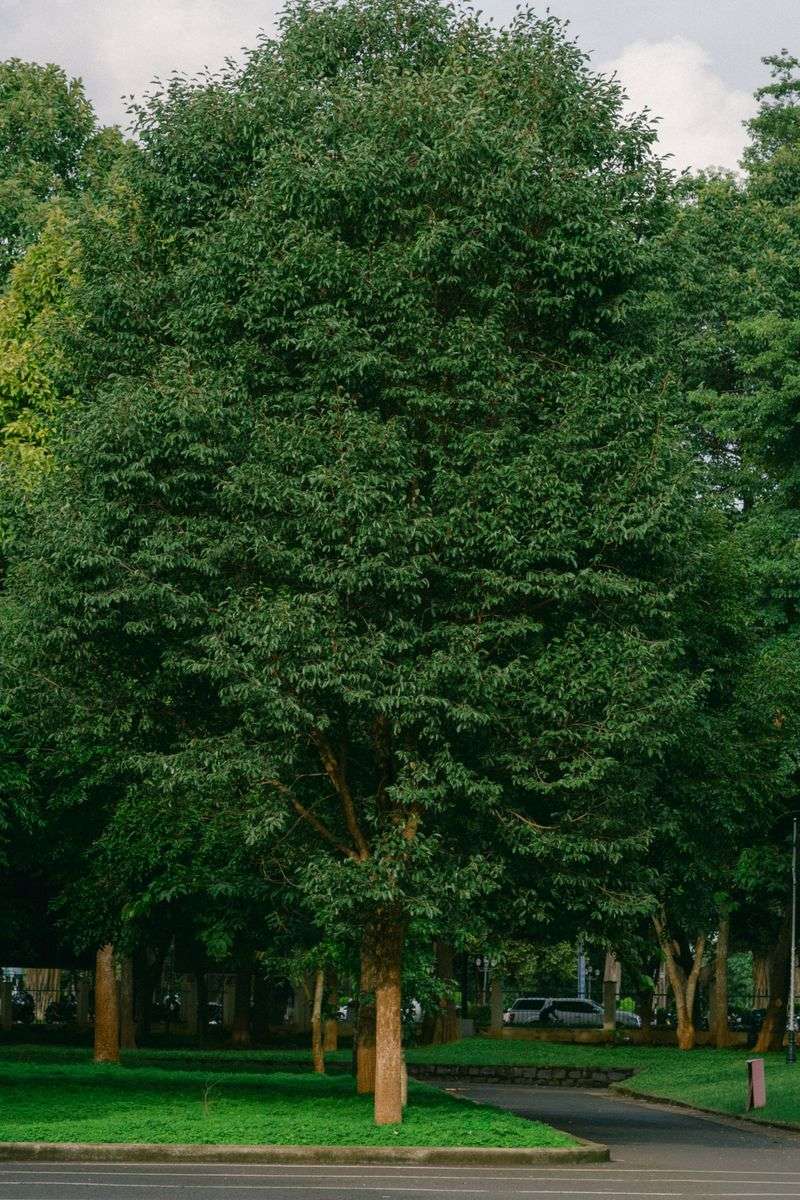
Eastern White Pine is a standout, but it is not the only native option worth knowing about. A few other species pair beautifully with it for a layered, multi-season privacy screen.
American Arborvitae is a popular choice that stays narrow and columnar. It works especially well in tight spaces where a wide-spreading pine might eventually feel overwhelming.
Eastern Red Cedar is another tough native that thrives in poor soils and dry conditions. It provides dense year-round coverage and produces small, berry-like blue cones that birds absolutely flock to.
Northern White Cedar offers a softer texture and a pleasant aromatic quality when brushed against. It tolerates wet soil better than most conifers, making it ideal for low-lying areas of the yard.
Balsam Fir brings a classic holiday-tree shape and a fresh forest scent that is hard to replicate. It prefers cooler, shadier spots and pairs naturally with Eastern White Pine along a northern property edge.
Black Spruce is slow-growing but incredibly cold-hardy, making it a reliable anchor for a long-term privacy planting. Its dark color creates a striking visual contrast against lighter-colored pines.
Mixing two or three native species creates a more resilient screen than a single-species row. If one tree has a bad year, the others fill the gap without leaving your Massachusetts yard exposed.
Think of it as building a team, not just planting a tree. Diversity in your privacy planting pays off in beauty, wildlife habitat, and long-term strength.
How Eastern White Pine Supports Local Wildlife
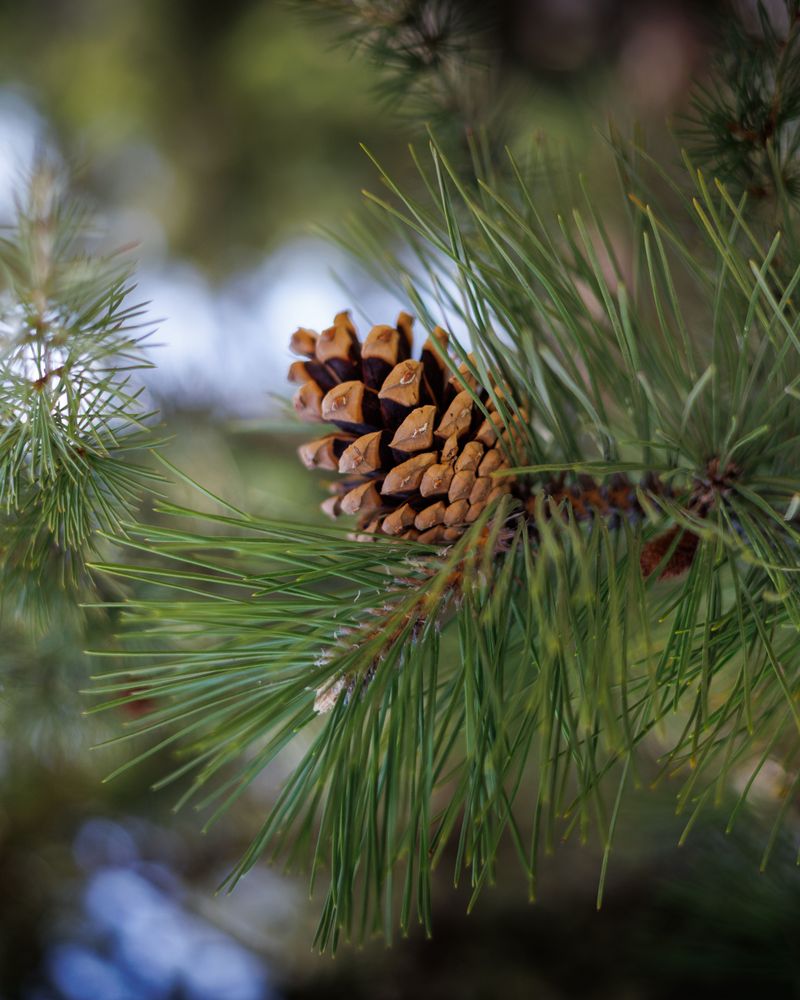
Planting a native tree is not just a landscaping decision, it is an ecological one. Eastern White Pine supports a surprising number of local species throughout every season.
Numerous species of birds and mammals rely on this tree for food or shelter. That represents a meaningful ecological contribution for a tree also used as a fence alternative.
Chickadees, nuthatches, and crossbills all feed on the seeds tucked inside the pine cones. Watching them work through a cone on a winter morning is one of the quiet joys of having this tree nearby.
Hawks and owls use the upper canopy as a hunting perch and nesting platform. Having a mature Eastern White Pine in your Massachusetts yard is practically an invitation for a great horned owl to move in.
Beneath the tree, the dropped needles create a soft, acidic layer of mulch. Certain wildflowers, mosses, and ground beetles thrive in that environment, adding even more biodiversity to your Massachusetts yard.
Squirrels and chipmunks cache the seeds underground, which sometimes sprouts into new trees naturally. You may find little volunteers popping up in unexpected corners of your property over the years.
Supporting wildlife does not require a nature preserve or a big budget. One well-placed native tree does an enormous amount of good for the creatures that share your neighborhood.
Eastern White Pine gives back far more than privacy. It gives back a living, breathing piece of the natural world right outside your window.