Why Toyon Is Called California Holly And When Its Berries Ripen
A wild shrub in Southern California once got so popular for holiday wreaths that lawmakers had to step in and protect it. Folks were stripping whole hillsides of its red-berried branches every December.
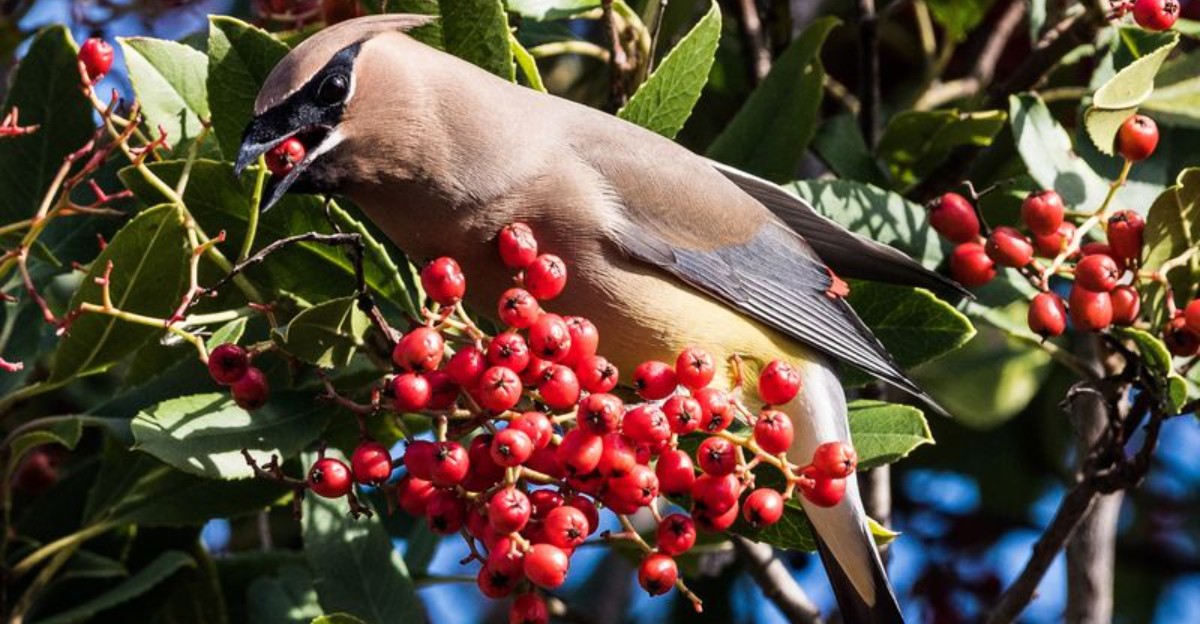
Truth is, I walked past this shrub for years without a second glance. Then one winter I saw a flock of cedar waxwings strip a single bush bare in under an hour. That got my attention fast.
You’d think a plant with that much history would be famous everywhere. Yet many gardeners in California still mistake it for an ordinary hedge, at least until the berries color up.
It has glossy leaves, a holiday nickname, and a tie to a famous neighborhood legend. So why does it share a name with a European plant it is barely related to, and when does the red show actually start?
Those Red Berry Clusters Fooled Early Settlers For A Reason
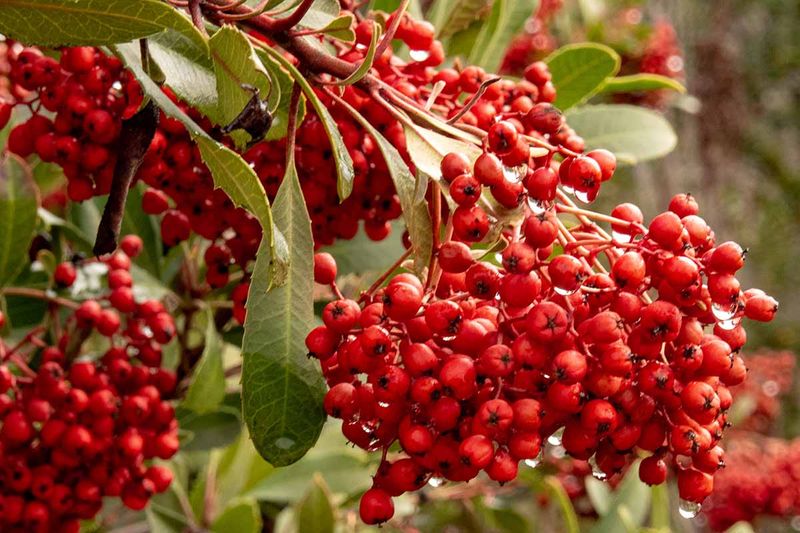
Spend one December morning on a California hillside and you will see what early settlers saw. Bright red berry clusters glow against dark, glossy leaves. To newcomers raised on European traditions, it looked a lot like home.
That resemblance is the heart of the nickname. Toyon, known to botanists as Heteromeles arbutifolia, has thick, leathery evergreen leaves with toothed edges. Pair those with scarlet fruit in winter, and the comparison to English holly practically writes itself.
Here is the funny part. Toyon is not a true holly at all. Real hollies belong to the genus Ilex, while toyon is in the rose family, making it a cousin of apples, hawthorns, and pyracantha.
Look closely and you can spot the difference. Holly leaves usually have sharp, spiny points, while toyon leaves have finer, softer teeth along the margins. The berries are tiny pomes, like mini apples, rather than holly drupes.
So the name is about looks, not family ties. It is a bit like calling someone a twin because they wear the same sweater. Still, the label stuck, and it gave this native shrub a permanent spot in holiday lore across the West.
Toyon Berries Turn Red Between November And January
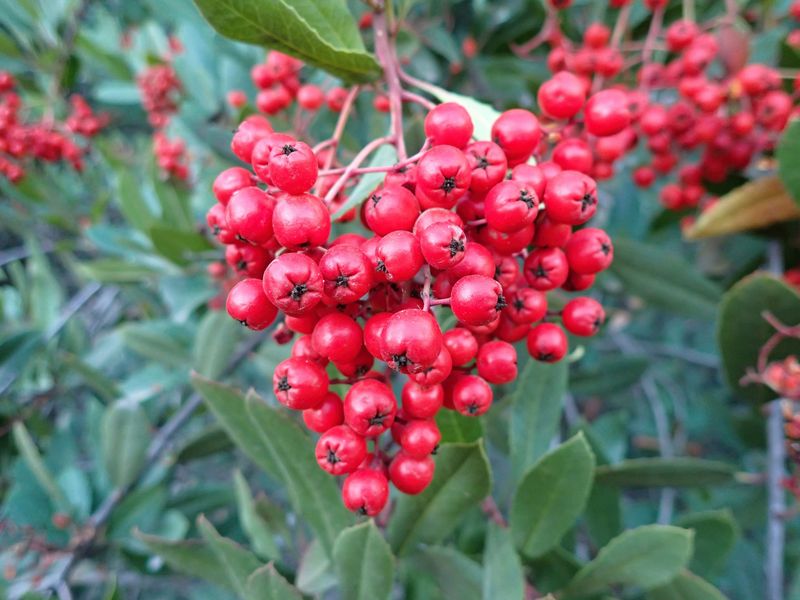
Patience pays off with this shrub. The small berries, roughly a quarter inch across, start forming in late summer after the flowers fade. At first they are hard and green, easy to overlook among the leaves.
As fall moves along, the color shifts. You may catch an orange stage in October, and then the clusters deepen into bright red. Most years, the berries look their best from November through January.
Timing varies a bit by location. Coastal plants and inland plants can ripen at slightly different paces, and a hot, dry year may affect fruit size. Some shrubs hold color into February if the birds leave any behind.
I like to check my local toyon every couple of weeks starting in October. It becomes a fun little countdown to the holidays. Kids enjoy guessing which cluster will turn red first, too.
One tip for gardeners is to avoid heavy pruning in spring or early summer. That is when the flower buds form, and cutting them off means fewer berries later. Leave those branches alone, and your winter show will thank you with plenty of color.
Holiday Wreath Fans Pushed Christmas Berry Toward Legal Protection
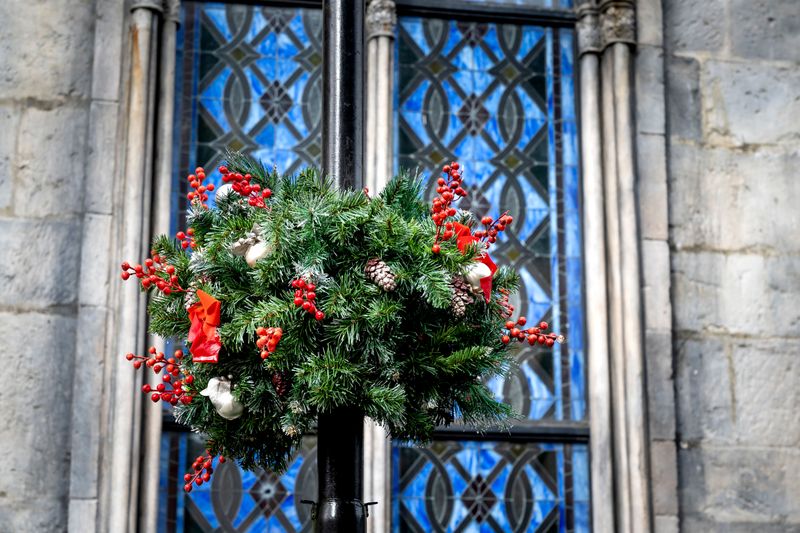
Back in the early 1900s, Los Angeles residents went wild for this shrub during the holidays. People cut armloads of berry branches for wreaths, mantels, and table centerpieces. Many called it Christmas berry, a name you still hear today.
The demand grew so strong that wild stands began to suffer. In the 1920s, California passed a law aimed at limiting the collection of toyon and other native plants on public and private lands without permission. It was an early win for native plant conservation.
That history shows just how loved this shrub was. It is not every day that a plant inspires lawmakers to act.
Today, the smart move is simple. Grow your own toyon if you want branches for decorating, and skip clipping wild plants in parks or open spaces. Rules vary by land manager, so check before you cut anything outside your yard.
A home-grown shrub gives you plenty of material once it matures. Snip a few branches in December, mix them with pine or cedar sprigs, and you have a wreath with real local roots. Leave most clusters on the plant so birds still get their share.
Hungry Robins And Cedar Waxwings Love A Loaded Toyon
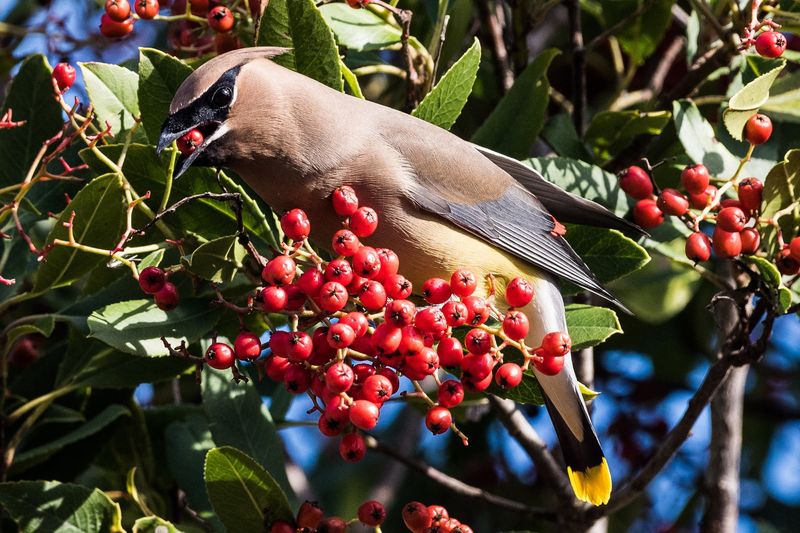
Want a front-row seat to a bird party? Plant a toyon and wait for winter. Once the berries soften, flocks of hungry visitors start showing up.
American robins, cedar waxwings, northern mockingbirds, and western bluebirds all feast on the fruit. Waxwings are especially fun to watch, since they travel in tight groups and can clean off a shrub in a short time. Mammals like coyotes and foxes eat the berries too.
Birds tend to wait until the fruit has mellowed on the branch. That delay helps spread the meal across the colder months when other food is scarce. As animals eat and move along, they carry seeds to new spots.
The flowers matter just as much. In early summer, toyon covers itself in flat clusters of tiny white blooms. Native bees, honeybees, and butterflies swarm them for nectar and pollen.
So one shrub supports wildlife in two seasons. If you want more bird action, place your toyon where you can see it from a window. A nearby birdbath adds even more appeal, and you may spot species you rarely see in your yard otherwise.
The Hollywood Hills Toyon Story Might Be More Legend Than Fact
Don’t laugh, but I believed this one for years. The tale says the toyon covering the hills near Los Angeles gave Hollywood its name. It sounds perfect, since the shrub was widely called California holly.
Historians mostly disagree. The common account credits Harvey and Daeida Wilcox, who founded the area in the 1880s. Daeida reportedly borrowed the name from an estate she heard about during travels back east.
Other versions float around too, and no single story is settled beyond doubt. What we can say is that the toyon theory lacks solid records behind it. It is best treated as a fun local legend.
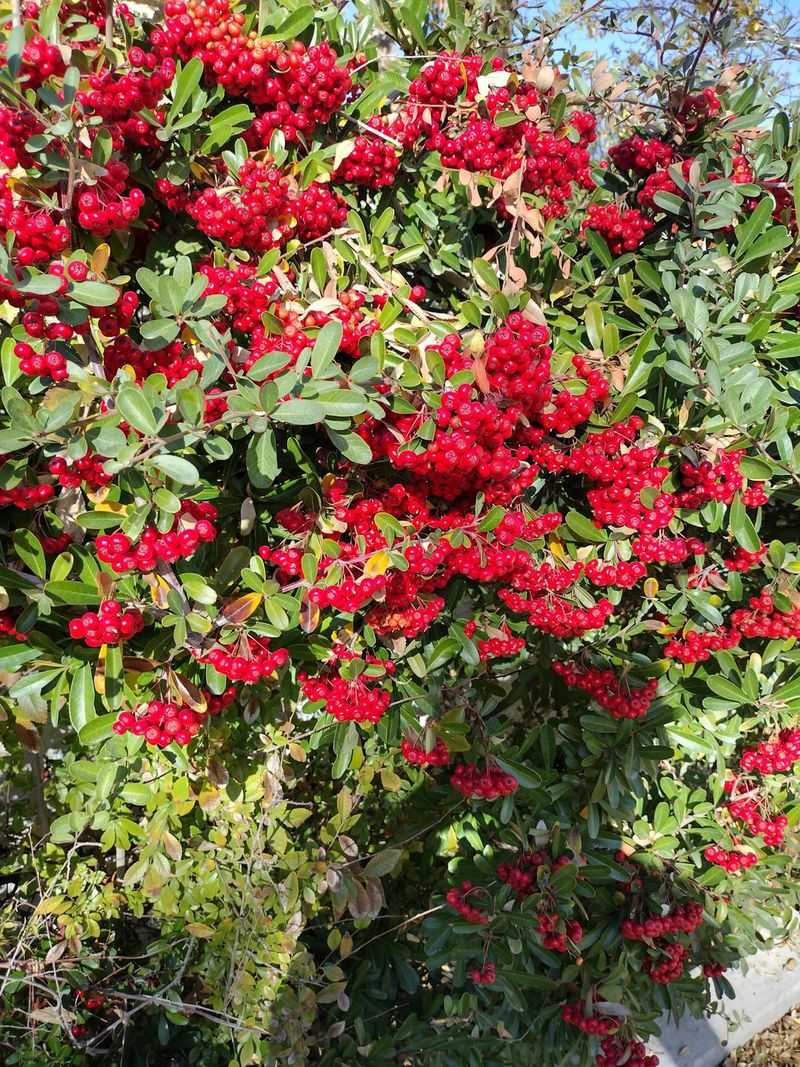
Even so, the shrub really did grow abundantly in those hills. You can still find it in Griffith Park and other wild areas around the city. Late fall is a great time for a hike to spot the red berries in person.
In 2012, Los Angeles named toyon its official native plant. So while the Hollywood link may be shaky, the city clearly claims this shrub as its own. That is a pretty good consolation prize.
A Water-Wise Toyon Hedge Fits Most California Yards
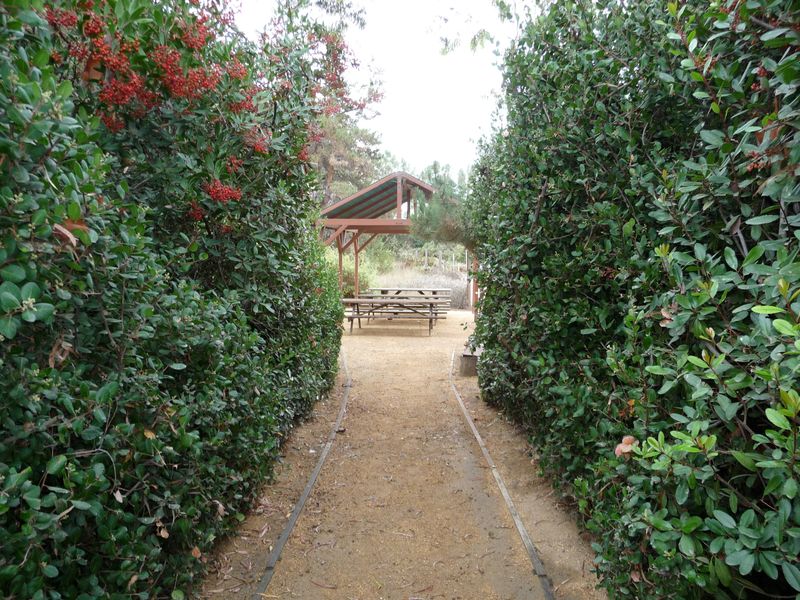
Few natives are as easygoing as toyon. It handles full sun or part shade, clay or sandy soil, as long as water drains well. Once settled, it gets by on very little summer irrigation.
Expect a shrub of about 6 to 15 feet tall and nearly as wide. With time, it can be shaped into a small multi-trunk tree. That size makes it great for privacy screens, hedges, and slope planting.
The best planting window in California is fall, ideally October through December. Cool weather and winter rain help roots spread before summer heat returns. Water deeply every week or two during the first year or two when rain is light.
After that, a deep soak once a month in summer is often plenty, especially inland. Coastal gardens may need even less. Too much summer water in heavy soil can invite root problems, so err on the dry side.
Toyon is reasonably deer resistant once mature, though young plants may get nibbled. Use a simple wire cage the first year. Add a layer of wood chip mulch, keep it away from the trunk, and let this tough native take it from there.
Raw Toyon Berries Are Not A Snack For Kids Or Pets
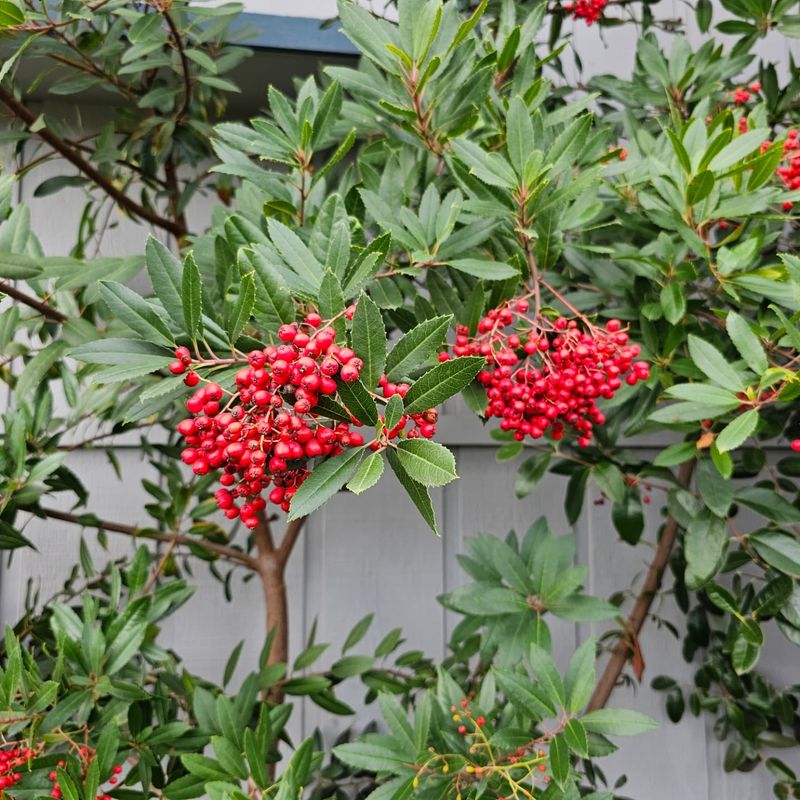
Fair warning for anyone tempted to taste those shiny berries straight off the branch. Toyon seeds and unripe fruit contain cyanogenic glycosides, compounds that can release cyanide when chewed. The leaves carry them too.
Ripe pulp has lower levels, but raw berries are still bitter and not worth the risk. Keep an eye on toddlers and curious dogs around the shrub. If anyone eats a large amount, call Poison Control at 1-800-222-1222 or your veterinarian.
Native peoples, including the Chumash, Tongva, and Ohlone, used toyon as food for generations. They usually cooked the berries by roasting or boiling them first. Heat reduces the bitter compounds and makes the fruit more palatable.
Some cooks today make jelly or flour from toyon. If you are curious, follow trusted foraging guides and stick to well-cooked ripe fruit. Remove seeds when practical.
For most gardeners, the berries are best enjoyed with your eyes. Let the birds handle the eating, since their bodies process the fruit in ways ours do not. Teach kids that this plant is for looking, not tasting, and everyone stays happy.
Light Toyon Pruning In Late Winter Keeps Next Year’s Berries Coming
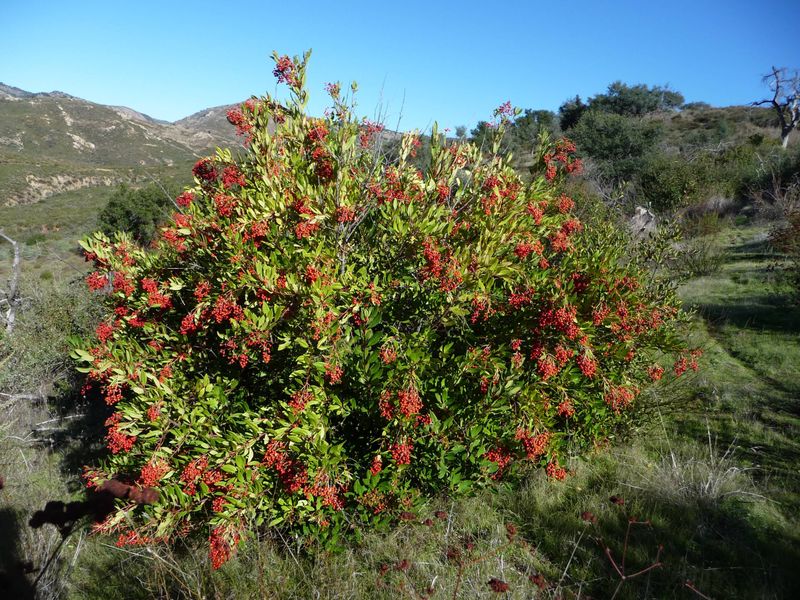
Every gardener wants a shrub that looks better each year with little fuss. Toyon fits that wish nicely. A little timing and restraint go a long way.
The best time for shaping is late winter, after you have enjoyed the berries and the birds have eaten most of them. Trimming then avoids cutting off the flower buds that form in spring. Remove crossing branches, weak growth, and anything that blocks a path.
Skip heavy shearing into tight boxes. Toyon looks and fruits best with a natural, open shape. If an old shrub is overgrown, cut back a third of the oldest stems each year instead of all at once.
Watch for fireblight, a bacterial disease common in the rose family. Blackened tips that look scorched are the clue. Prune those out well below the damage and wipe your pruners with rubbing alcohol between cuts.
Skip fertilizer in most cases, since rich feeding can push soft growth. If you live near wildland areas, keep the plant well watered and clear of dry debris under the canopy. Do that, and your toyon should reward you with red berries every holiday season for decades.