Why Virginia Collards And Carrots Taste Sweeter After The First Frost
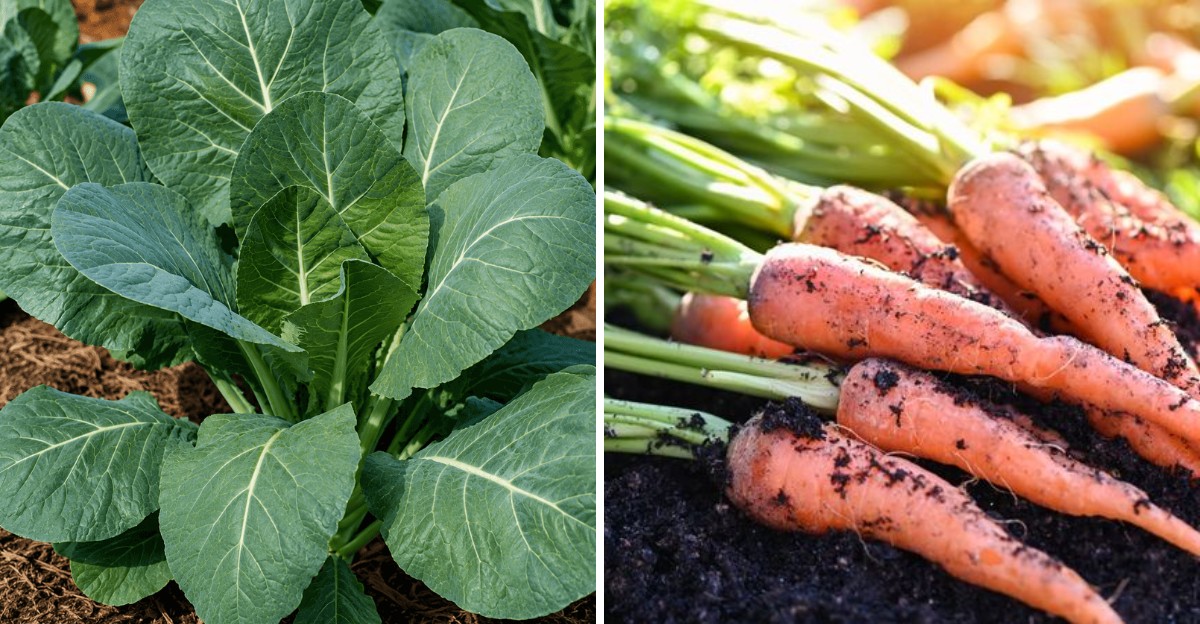
Freezing air can actually trigger a sugar rush inside certain vegetables growing in your backyard beds this fall. Cells quietly turn stored starch into sugar, and that sugar works like a homemade antifreeze for the plant.
Older Virginia gardeners swore by waiting for frost before picking greens, and science now backs their stubborn advice. Researchers call the process cold acclimation, and it can noticeably change flavor within a few chilly nights.
I skipped that waiting period once and ended up with a pot of greens that tasted sharp and grassy. After I tested a second batch picked after frost, my family asked for seconds without any extra seasoning.
You might notice the same magic in a crunchy orange root pulled from cold Virginia soil this season. So what exactly happens underground and inside those leathery leaves when the thermometer finally dips below freezing?
1. Collard Leaves Turn Starch Into Natural Antifreeze Sugar
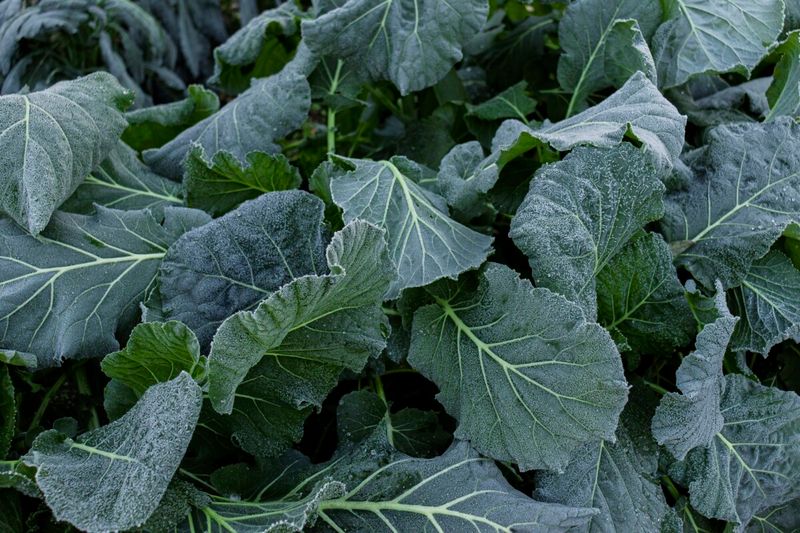
Every collard leaf is basically a tiny pantry stuffed with starch that the plant quietly saved up during warm days. Once nights turn cold, enzymes start breaking that stored starch into simpler sugars such as glucose and sucrose.
Those dissolved sugars lower the freezing point of the watery sap inside each cell, much like salt on winter roads. Ice crystals have a harder time forming, so the leaves stay flexible and healthy through frosty mornings.
Your taste buds get the bonus, because those same sugars soften the sharp, cabbagey bite fresh collards often carry. I find the difference especially clear when I cook a pot of greens with just onion and a little stock.
Scientists call this whole survival strategy cold acclimation, and many hardy plants in the cabbage family rely on it heavily. Kale and Brussels sprouts show the same sweet shift, so your other fall crops can benefit from chilly nights too.
For the best flavor, wait until your plants have felt at least one or two frosty nights before harvesting. A few patient days really can turn a decent side dish into the true star of your supper table.
2. Carrot Roots Stockpile Sugar When The Soil Turns Chilly
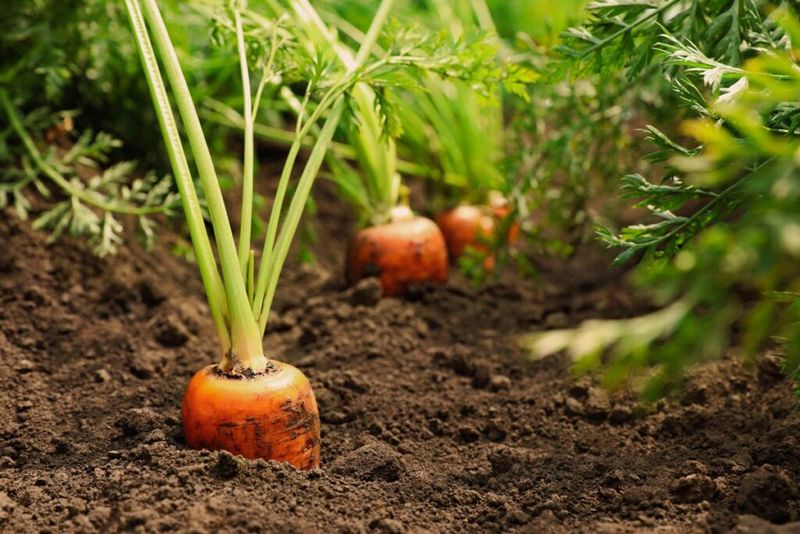
Pull a carrot in early September and then another in late November, and you will taste two different vegetables. The later root often crunches with a candy-like sweetness that makes snacking straight from the garden very hard to resist.
Carrots store energy in their thick taproots, and cold weather prompts them to build up more sugar. Like collards, they use that sugar as protection, lowering the freezing point of the water inside their cells.
Soil also acts as a cozy blanket, buffering roots from sudden temperature swings that might harm the leafy tops. Because of that insulation, carrots can sweeten steadily underground while the feathery leaves above take the brunt of cold.
I like to taste-test one root after each cold snap, which turns harvest time into a fun little backyard experiment. You can mark the dates on a calendar and see exactly when your crop hits its sweetest stage.
Keep the soil evenly moist through fall, since drought-stressed carrots can turn woody and noticeably bland on the plate. Steady water and a light layer of straw mulch help roots stay crisp while the sugars quietly build up.
3. Bitter Carrot Flavors Fade As Temperatures Drop
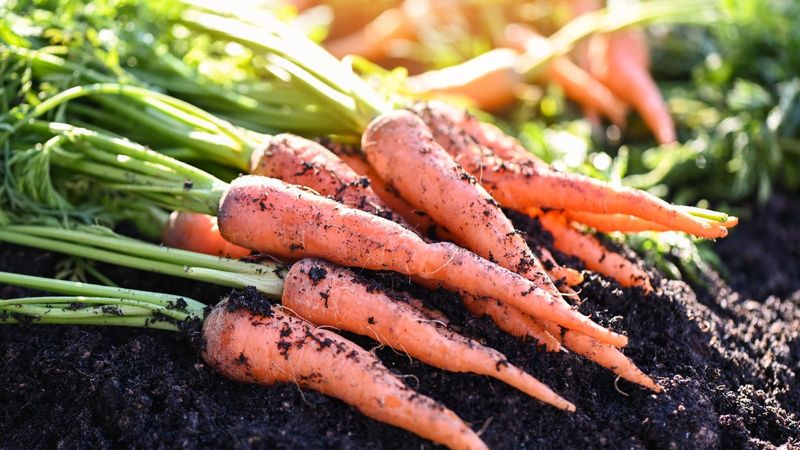
Ever bitten into a homegrown carrot that tasted a little like soap or pine needles instead of candy? Those odd flavors come from natural compounds called terpenes, which give carrots their earthy and sometimes harsh edge.
Research on cold acclimation shows that chilly weather can reduce some of these bitter terpenes in carrot roots. With fewer harsh notes competing on your tongue, the natural sugars shine through much more clearly and pleasantly.
Sweetness depends on balance, not just sugar levels, so this drop in bitterness matters as much as the sugar boost. I think it explains why a frosted carrot tastes clean and bright instead of simply sugary or flat.
Hot summer weather and water stress tend to push terpenes higher, which is why July carrots can taste harsh. Fall crops dodge that problem because they mature during cool, gentle days and crisp, refreshing nights.
If your carrots taste bitter now, give them a few more weeks in the ground before judging the whole crop. You may find that a couple of cold mornings change your opinion of that stubborn row quite a bit.
4. Light Frost Sweetens While A Hard Freeze Harms Collard Leaves
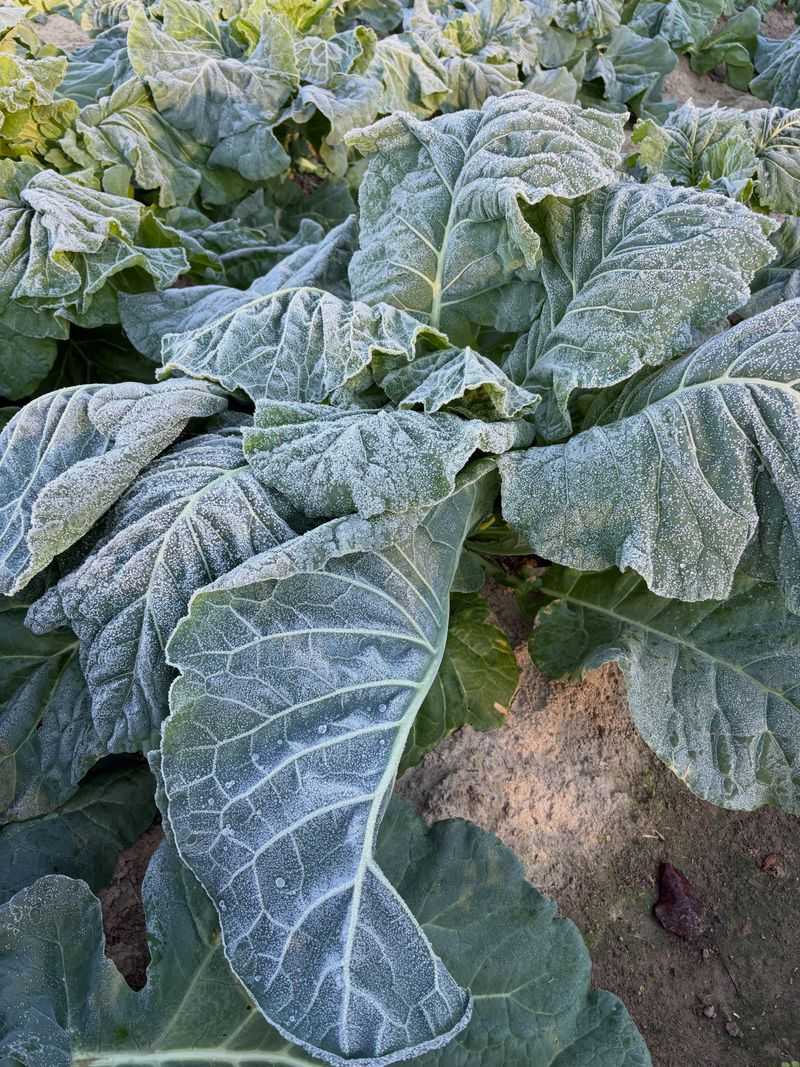
Frost works like a seasoning only when it arrives gently, and a harsh freeze tells a very different story. Light frost around 28 to 32 degrees Fahrenheit nudges plants toward sweetness without harming their tender tissues.
Collards are tough customers, handling temperatures down to roughly 15 degrees and even growing through light snow. Still, repeated deep freezes can damage the leaves, leaving them limp and papery instead of crisp and tender.
Carrots handle light frost well, but frozen soil makes digging tough and can crack exposed orange shoulders. Mounding loose soil or straw over the tops helps protect those shoulders from the harshest winter weather.
I keep a roll of frost cloth handy for nights when forecasts dip down into the low teens. Draping it over simple hoops takes only minutes, and your greens will thank you with softer, sweeter leaves.
Watch your local forecast closely as fall deepens, because timing makes the difference between sweet and scorched leaves. A little planning lets you enjoy the sugary benefits of cold while avoiding the kind of damage that ruins dinner.
5. Virginia Frost Dates Set The Timing For Sweet Harvests
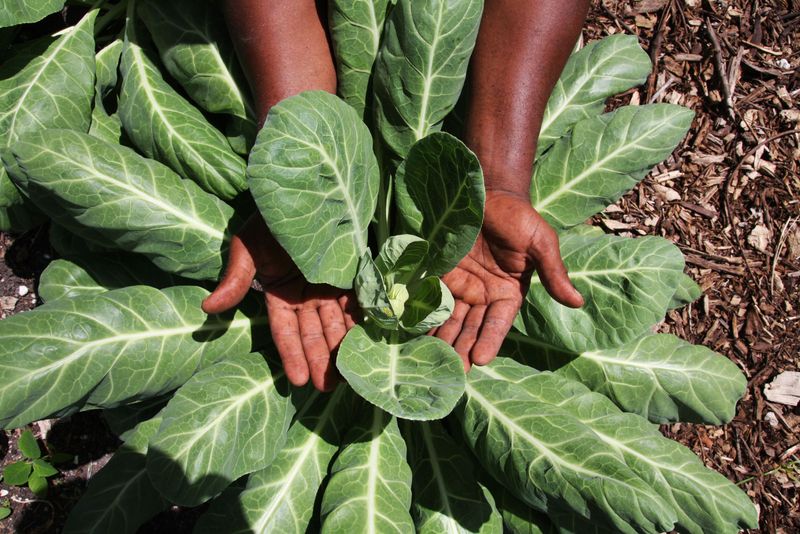
Frost arrives on a different schedule depending on whether you garden in the mountains or near the coast. In Virginia, most areas usually see their first frost sometime between the middle and end of October.
Western mountain counties can get their first frosty mornings as early as the first half of October. Meanwhile, parts of the southeast may wait until November, with Norfolk averaging a first frost around mid-November.
Roanoke, for example, typically sees its first frost around October 22, roughly a month before Norfolk does. That gap means a gardener in the Blue Ridge enjoys sweet greens weeks before a friend near the beach.
The state spans USDA hardiness zones 5b through 8b, which creates a wide range of growing conditions for vegetables. I recommend looking up your county’s average frost date through your local Cooperative Extension office each season.
Once you know your date, you can plan when to expect that first sweet harvest and when to cover plants. Writing it on your garden calendar keeps you one step ahead of the cold instead of rushing around at night.
6. Vates Collards Were Bred For Cold Virginia Winters
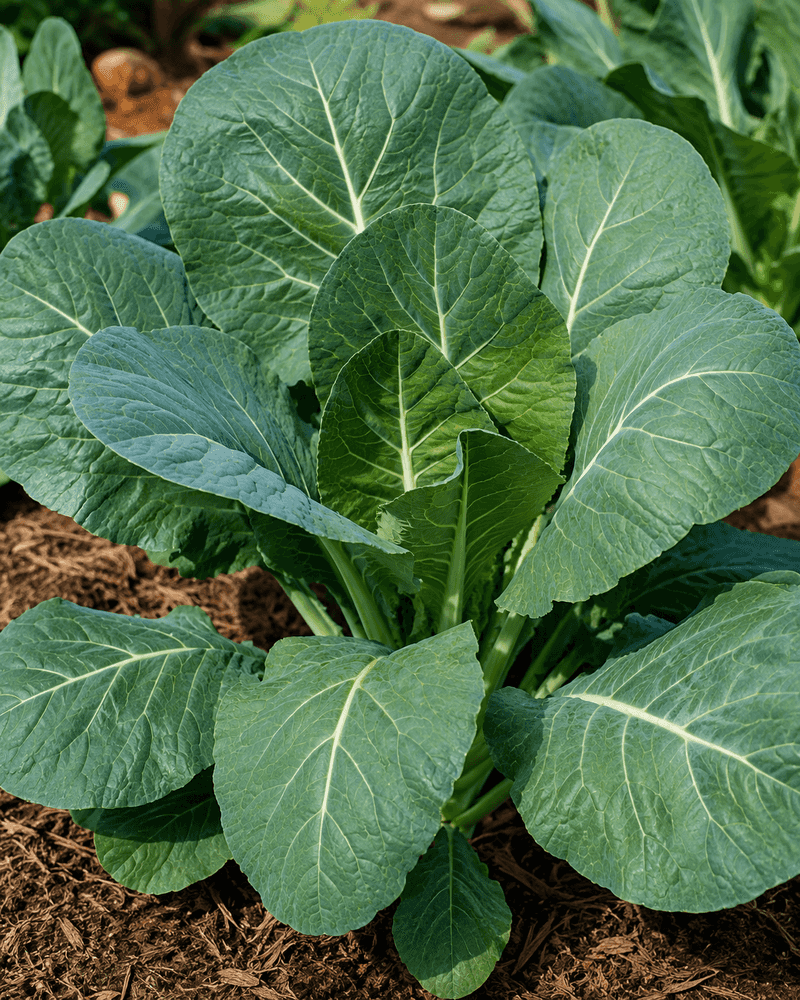
Some collards carry hometown pride, and ‘Vates’ was developed right here in Virginia back during the 1950s. Its name honors the Virginia Truck Experiment Station, the research farm where breeders shaped this hardy heirloom.
Gardeners love ‘Vates’ for its cold tolerance, which lets it keep producing as fall slides slowly into winter. Its smooth, slightly crinkled leaves turn especially sweet after frost, making them perfect for slow-simmered greens.
The plants also resist bolting, so they are less likely to rush into flowers when spring warmth returns. That trait stretches your harvest season and gives you more meals from the very same row of plants.
I grow ‘Vates’ because it feels like planting a piece of local history right alongside my fall lettuce. You can find seeds easily from most garden centers and seed catalogs that serve the Mid-Atlantic region.
For best results, give the plants full sun and fertile, well-drained soil with a pH near 6.5. Space them about eighteen inches apart so the broad leaves have plenty of room to spread and catch sunlight.
7. Champion Collards Handle Winter With Extra Grit
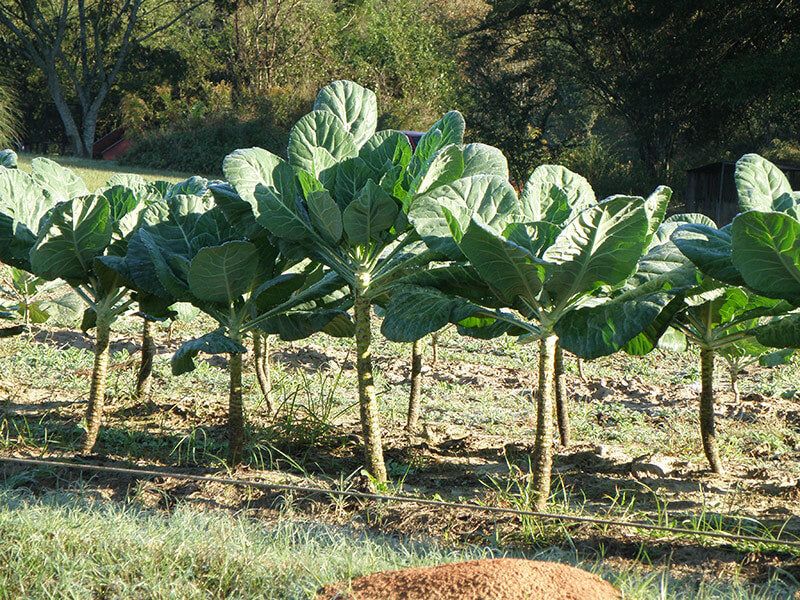
Take a beloved heirloom, toughen it up for winter, and you get ‘Champion’, a modern collard with serious stamina. Breeders in the state built it from ‘Vates’ stock, so it shares the same sweet, mellow flavor after frost.
Its leaves are rounder and darker blue-green than its parent, giving your garden bed a rich, wintry look. More importantly, ‘Champion’ offers improved winter hardiness and slower bolting, which means longer harvests for you.
I appreciate how the plants hold their shape when cold winds whip through the garden in December. Even after a rough week of weather, the inner leaves usually look fresh and ready for the kitchen.
Water matters a lot for leafy crops, so aim for about one to one and a half inches weekly. A thick layer of mulch keeps moisture steady and protects the roots from big temperature swings overnight.
In the warmer southeastern part of Virginia, a patch of ‘Champion’ can often provide greens throughout the winter. Gardeners farther west may need row covers, but the sweet payoff makes that extra effort feel worthwhile.
8. Nantes And Danvers Carrots Reward Patient Fall Gardeners
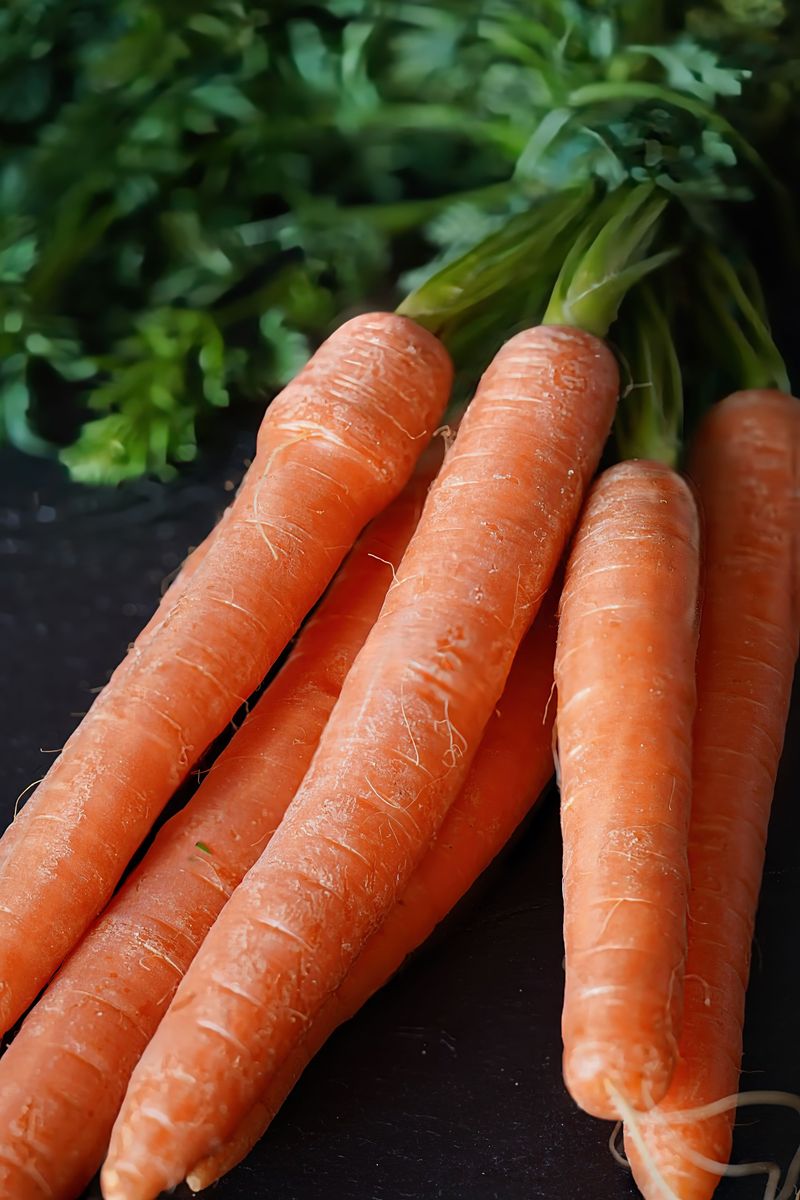
Not every carrot variety handles cold equally, and a few classics really shine in cool fall gardens. ‘Nantes’ types are famous for their sweet, crisp flavor and their good tolerance for chilly weather.
‘Danvers 126’ is a sturdy, open-pollinated choice that is known for strong yields and dependable flavor too. Its tapered roots handle heavier soils better than long, skinny types, which helps in clay-rich backyards.
Long ‘Imperator’ carrots and ‘Gold King’ are also suggested for local gardens with deep, loose soil. I tend to favor shorter types, since they forgive rocky patches and shallow beds much more easily.
Carrots need full sun and loose, well-drained ground with a pH between about 6.0 and 6.8. Skip nitrogen-heavy fertilizers, because they encourage bushy tops at the expense of the roots you actually want.
Thinning seedlings feels painful, but crowded carrots often grow twisted and small instead of straight and sweet. Leave about two inches between plants, and toss the tender thinnings into a salad as a tasty bonus.
9. Late Summer Seed Sowing Lets Collards And Carrots Mature Before Frost
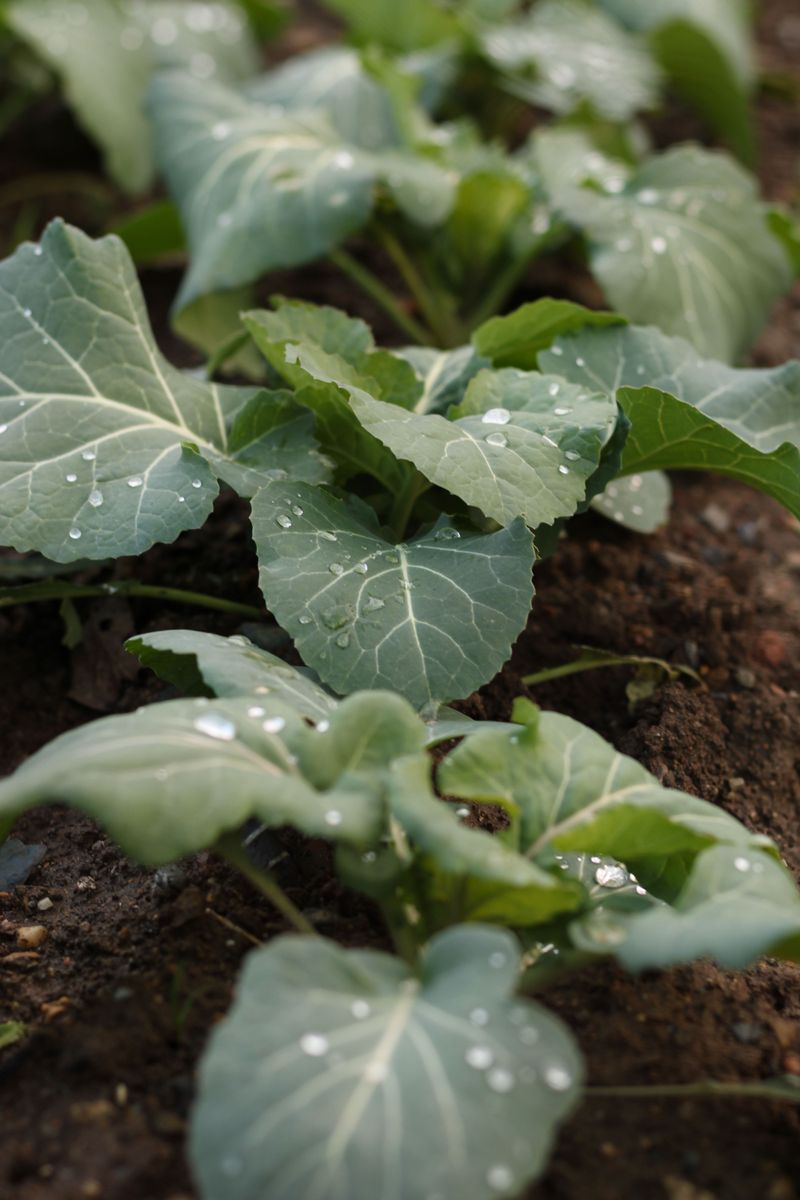
Sweet fall flavor actually begins in the heat of summer, when you tuck seeds into warm garden soil. Collards need roughly six to ten weeks before the expected first frost to grow into sturdy, mature plants.
Carrots move more slowly, so plan on sowing them about ten to twelve weeks before your frost date. Their seeds can take up to three weeks to sprout, which tests the patience of many eager gardeners.
Keeping the seedbed moist is the biggest challenge, since a dry crust stops tiny sprouts from breaking through. I lay a board or burlap over the row and check underneath daily until the first green threads appear.
Mature plants handle cold better than babies, and they have more stored starch to convert into sugar later. A tiny seedling hit by frost has little to offer, while a full-grown plant becomes a sweet treasure.
Transplants make collards easier, since you can set out young plants in late summer instead of starting from seed. Just water them deeply during hot spells so they settle in well before cooler weather arrives.
10. Smart Harvesting Keeps Collards And Carrots Sweet All Winter
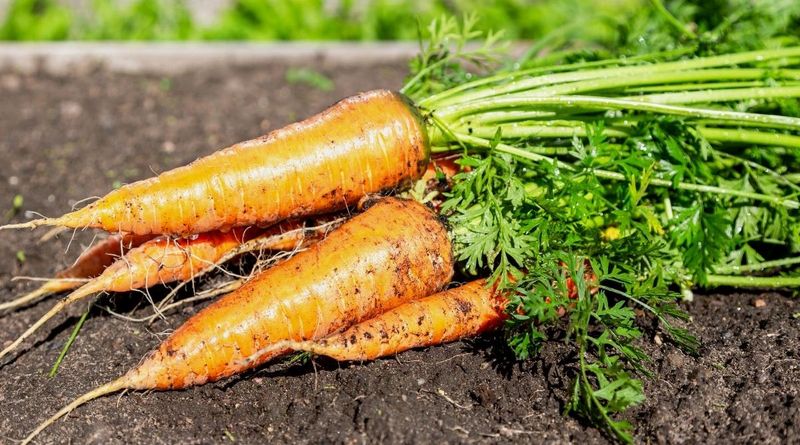
Carrots are happy to wait for you, and many Virginia gardeners leave them in the ground until early winter. The soil works like a natural refrigerator, keeping roots crisp while they keep building sweetness.
Cover the row with a thick layer of straw or shredded leaves before the ground starts freezing hard. That mulch makes digging easier on chilly afternoons and helps keep the roots from cracking open.
Collards reward a different approach, because picking lower leaves encourages the plant to keep producing new growth. Choose leaves about ten to twelve inches long and leave the central bud alone so harvests continue.
I harvest greens in mid-morning after the frost melts, since frozen leaves bruise easily when handled roughly. Rinse them in cool water and store them in the refrigerator, where they stay fresh for several days.
Carrots have deep roots in local history too, since colonists reportedly brought them to Virginia around 1609. Pulling a sweet one from cold soil connects you with centuries of gardeners who enjoyed the same simple reward.