Michigan Native Shrubs That Feed Birds All Winter
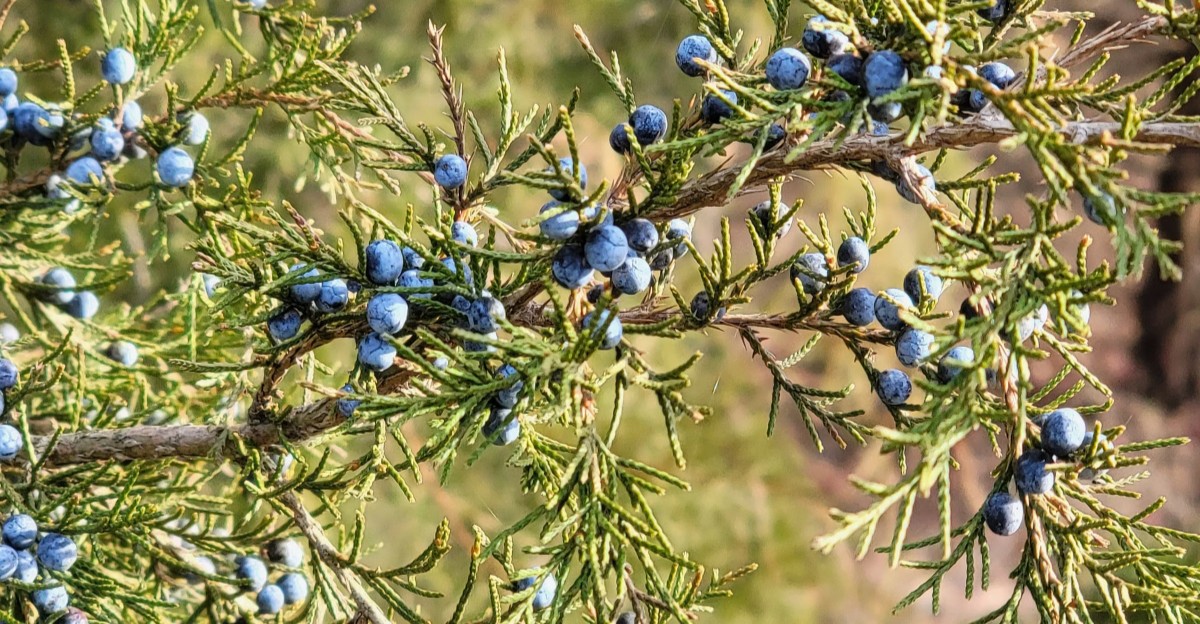
Certain bright red berries in our woods actually become tastier to birds after freezing and thawing several times each winter. Robins and waxwings will ignore that fruit in autumn, then strip whole branches bare once January arrives in Michigan.
Native shrubs hold onto their fruit for months, creating a slow-release pantry when insects vanish and snow covers seeds. Some species fill dozens of bird bellies, while others offer thick evergreen shelter from bitter lake-effect winds.
I love how a single berry-heavy shrub outside my kitchen window turns a gray morning into a feathered show. You might notice bluebirds and even wild turkeys dropping by once the right native plants settle into your yard.
Michigan gardeners have a wonderful lineup of hardy choices, and several of them barely need any care at all.
1. Winterberry
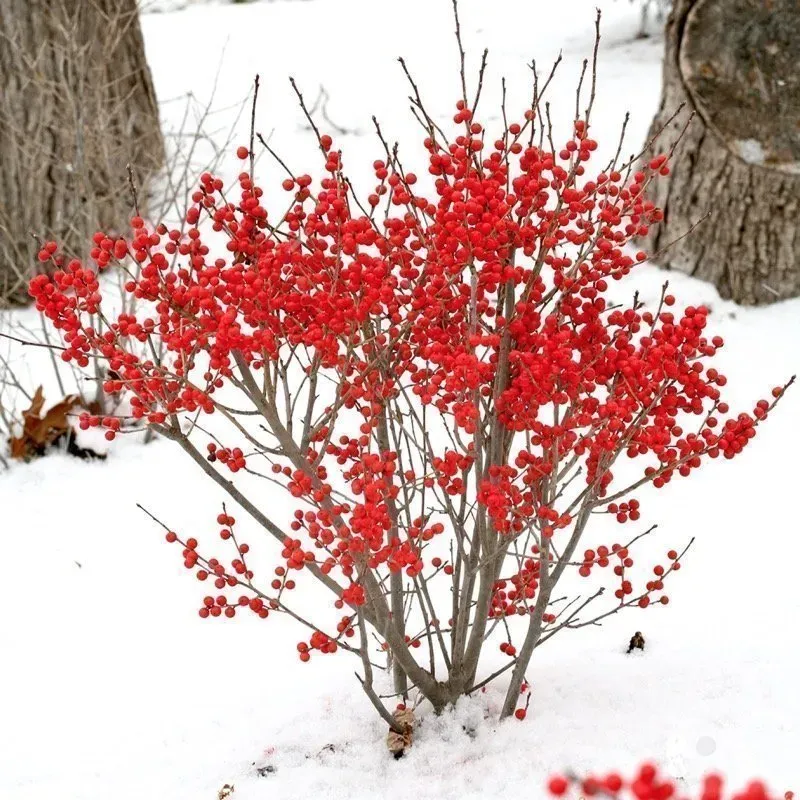
Bare gray twigs studded with glossy scarlet berries look almost fake against fresh snow, yet winterberry is a true native holly. Unlike its evergreen cousins, Ilex verticillata drops its leaves in fall and leaves the bright fruit standing alone.
More than forty species of birds are known to eat these berries, including hungry robins and flocks of cedar waxwings. I have to admit I enjoy watching the berries vanish slowly, since birds often wait until freezing nights soften them.
Winterberry plants are either male or female, so only the females produce that famous fruit display. You need at least one male plant within about forty to fifty feet for good pollination by busy bees.
Nurseries often sell matching pairs, and one male can pollinate several females when their bloom times line up. Check the tag carefully, because early and late blooming varieties need partners that flower together.
This shrub loves wet spots and acidic soil, which makes it a natural fit for rain gardens and soggy edges. Full sun gives you the heaviest crop, although partial shade still produces a respectable show.
Expect a plant somewhere between three and twelve feet tall, slowly spreading into a loose, rounded clump over time. Small white flowers appear in early summer and quietly feed native bees before the berries begin forming.
Keep the berries out of reach of small children and pets, since holly fruit can upset human stomachs. Birds handle them just fine, and they will thank you all winter long with flashes of color.
2. Staghorn Sumac
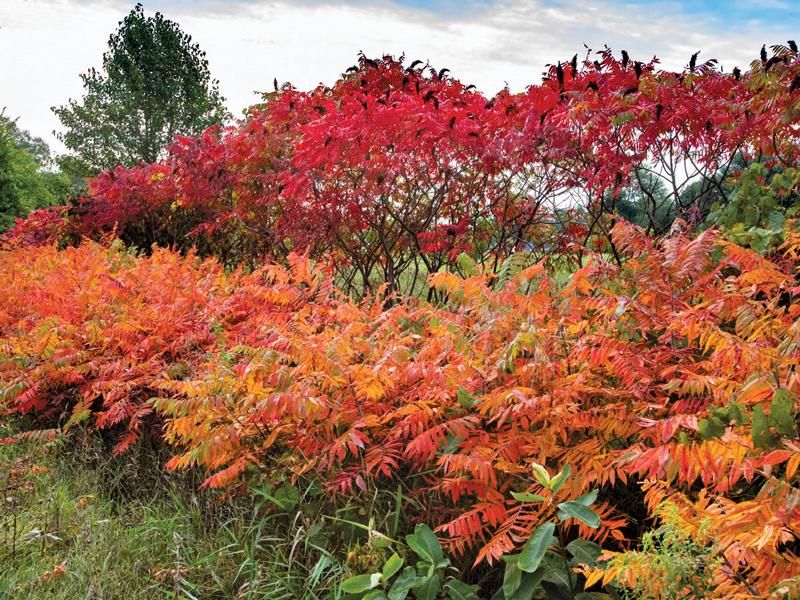
Fuzzy red cones poke up from bare branches like candle flames, and they stay lit straight through the coldest months. Staghorn sumac earns its name from velvety young stems that feel surprisingly similar to a deer antler in velvet.
Birds rarely rush to eat these clusters in fall, which is exactly what makes them so valuable later. Wildlife experts often call sumac a backup food, because it waits patiently while tastier fruits disappear first.
By late winter, you might notice robins and eastern bluebirds working over the seed heads during a sudden thaw. Woodpeckers and chickadees also pick at the clusters, especially when snow buries most other options nearby.
Only female plants make the red spikes, so a sumac patch needs both sexes to produce reliable fruit. Many wild colonies already include both, which is why roadside stands often look so loaded each year.
Personally, I treat this native as a plant for big spaces, because it spreads eagerly by underground suckers. Give it a sunny slope or a naturalized corner where wandering stems will not crowd your flower beds.
Dry sandy soil suits it beautifully, and the plant shrugs off summer heat once its roots settle in well. Mowing around the edge of a patch keeps the colony in bounds without much effort from you each year.
Fall foliage turns brilliant orange and scarlet, giving you a second reason to love this hardy wildlife favorite. Do not confuse it with poison sumac, which has white berries and grows in wet, swampy ground.
3. American Highbush Cranberry
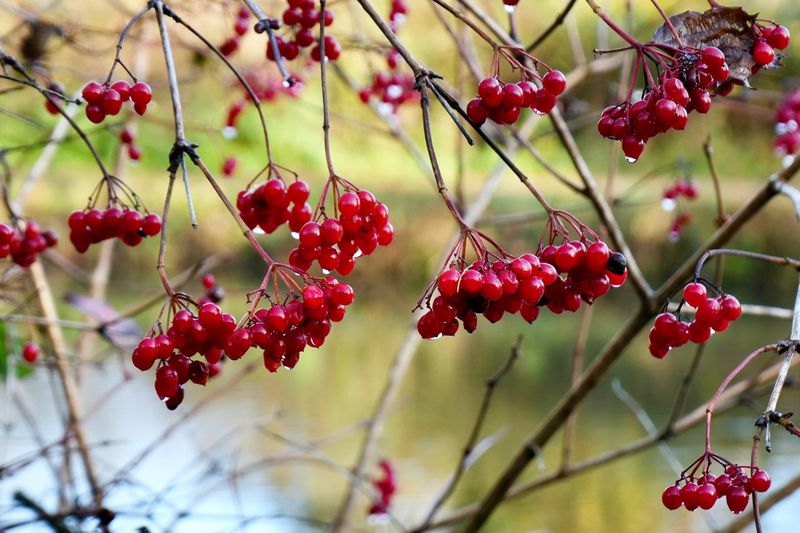
Glossy red berries hang in drooping clusters like tiny ornaments, and many of them stay put well into winter. American highbush cranberry is not a true cranberry at all, but a native viburnum with tart, sour fruit.
Birds often skip these berries in autumn, waiting until repeated freezing softens them and mellows the sharp flavor. That delay turns the shrub into a late winter snack bar when other fruiting plants have been picked clean.
Cedar waxwings and robins are frequent visitors, and ruffed grouse also feed on the fruit in wooded areas. I love how a quiet shrub suddenly fills with chattering waxwings on a sunny February afternoon.
Plants usually reach eight to twelve feet tall, making them a fine choice for hedges or backdrop plantings. White lacecap flowers appear in late spring, with showy outer blooms surrounding smaller fertile flowers in the middle.
Maple-shaped leaves turn shades of red and purple in fall, adding color before the berries take center stage. This shrub handles full sun or partial shade and grows well in moist or average garden soil.
Shopping carefully matters here, because the European cranberrybush looks nearly identical and has become invasive in many areas. Ask your nursery for Viburnum trilobum or Viburnum opulus var. americanum, and check labels before buying.
People can cook the berries into jelly, though the raw fruit tastes sharp and has an earthy smell. Most gardeners happily leave the harvest to the birds, which seems like a fair trade for winter entertainment.
4. Black Chokeberry
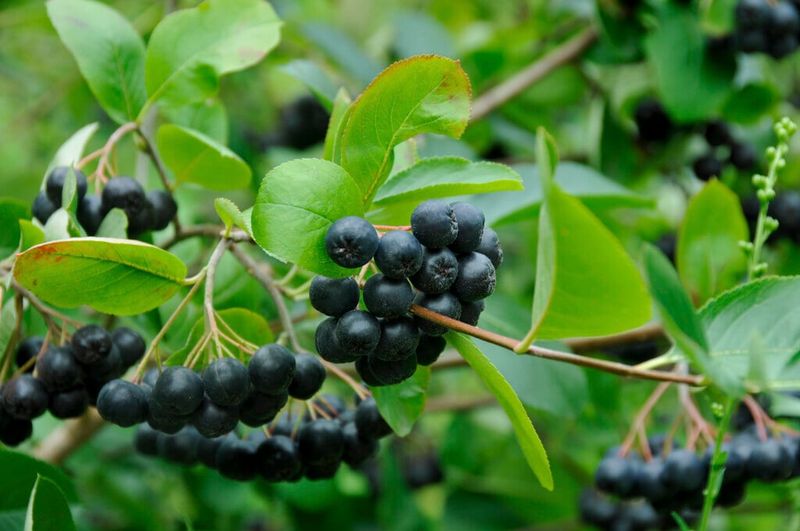
Despite a name that sounds like a warning label, black chokeberry is a tidy native shrub with surprisingly handsome manners. The glossy purple-black berries are so astringent that even birds tend to save them for later in the season.
That bitterness is actually a winter advantage, since the fruit often clings to branches long after softer berries disappear. Hungry robins and waxwings return to the bushes once deep snow and frozen ground limit their other choices.
Expect a plant around three to six feet tall, spreading slowly by suckers into a modest, informal colony. Clusters of small white flowers open in spring, and native bees happily buzz through them on mild days.
Few shrubs are as easygoing about soil, since chokeberry tolerates wet clay as well as dry sandy ground. Full sun produces the best fruit and fall color, although the plant still performs in partial shade.
Speaking of color, the autumn leaves turn fiery red and orange, glowing beside the dark berries for weeks. I can’t imagine a better option for a low hedge near a window where you can watch visitors.
Pruning is simple, because you only need to remove a few of the oldest stems every couple of years. Pulling unwanted suckers keeps the shrub in place, or you can let it fill a wider space naturally.
People eat the fruit too, mostly in jams and juice blends, since the raw berries make your mouth pucker hard. Leave plenty behind on the branches, and the birds will find them when they need them most.
5. Nannyberry
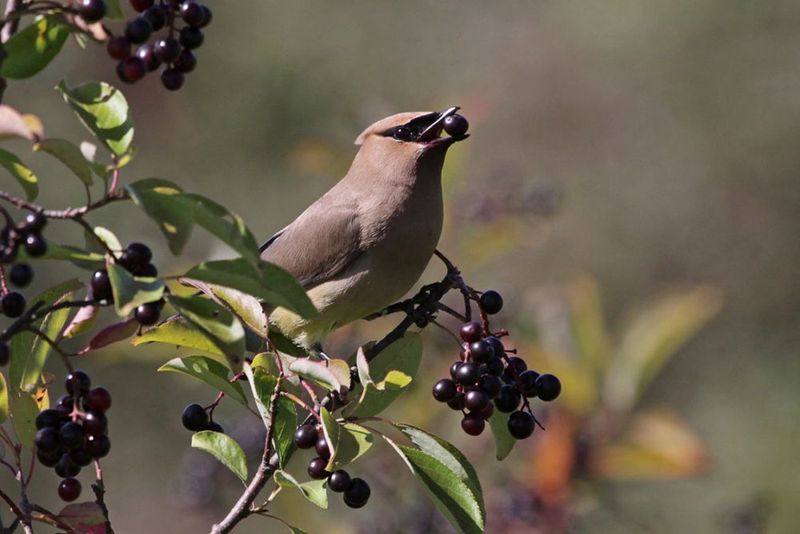
Nannyberry fruit starts out pale green, blushes pink, and finally ripens to a dusty blue-black that wrinkles like raisins. That wrinkled stage is when the berries taste sweetest, and they often hang on branches into early winter.
Robins and cedar waxwings regularly feast on the clusters, along with bluebirds that stay around during milder winters. You might notice the fruit disappearing in waves, since birds visit whenever cold snaps make other food harder to find.
This native viburnum grows larger than most shrubs, often reaching twelve to eighteen feet with an upright, arching shape. Some gardeners prune it into a small multi-stemmed tree, which works nicely near a patio or property line.
Creamy white flower clusters appear in late spring, attracting native bees and butterflies looking for an early meal. The glossy leaves turn reddish purple in autumn, giving the shrub a rich, polished look before winter arrives.
Nannyberry is wonderfully adaptable, handling moist or average soil along with full sun or partial shade. It also tolerates occasional flooding, making it useful along streams or in soggy back corners of a yard.
Plants spread by root suckers over time, so give them space or trim unwanted shoots each spring. For heavy fruit production, plant two or more nannyberries together, since cross-pollination between different plants improves berry set.
I believe this shrub deserves far more attention, because the ripe fruit is even pleasant for people to taste. Many describe the flavor as prune-like, though I suggest sampling only a handful and leaving the rest for birds.
6. Eastern Red Cedar
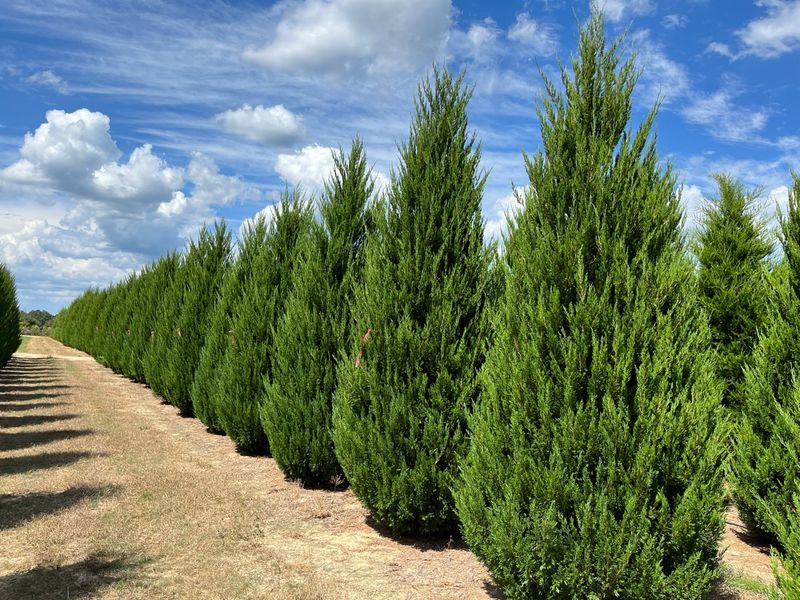
Those frosty blue berries on eastern red cedar are actually tiny fleshy cones, not berries at all. Cedar waxwings were named partly for their fondness for this juniper, and flocks still descend on loaded branches each winter.
Bluebirds and robins also eat the cones, and wild turkeys pick up fallen ones under larger plants. Like several shrubs on this list, only female plants produce the fruit, so plant a few for better odds.
What makes this evergreen special is the combination of food and dense shelter in a single plant. Thick prickly foliage blocks icy wind and hides small birds from hawks, giving them a safe place to roost overnight.
Eastern red cedar grows wild mostly in the southern half of Michigan’s Lower Peninsula, especially on dry sandy ground. In gardens it usually keeps a narrow, upright form, though older plants can eventually grow into tall trees.
Full sun is a must, and established plants handle drought and poor soil better than most evergreens you could choose. Avoid soggy spots, because constantly wet ground can lead to root trouble and thin, weak growth over time.
Apple growers should know this juniper hosts cedar-apple rust, a fungus that spends part of its life cycle here. Planting cedars well away from apples and crabapples helps reduce spotted leaves and damaged fruit on those trees.
I like how a single cedar near a feeder turns into a busy waiting room on snowy mornings. Birds dart from the branches to grab seeds, then duck back inside where the wind cannot reach them.
7. Common Juniper
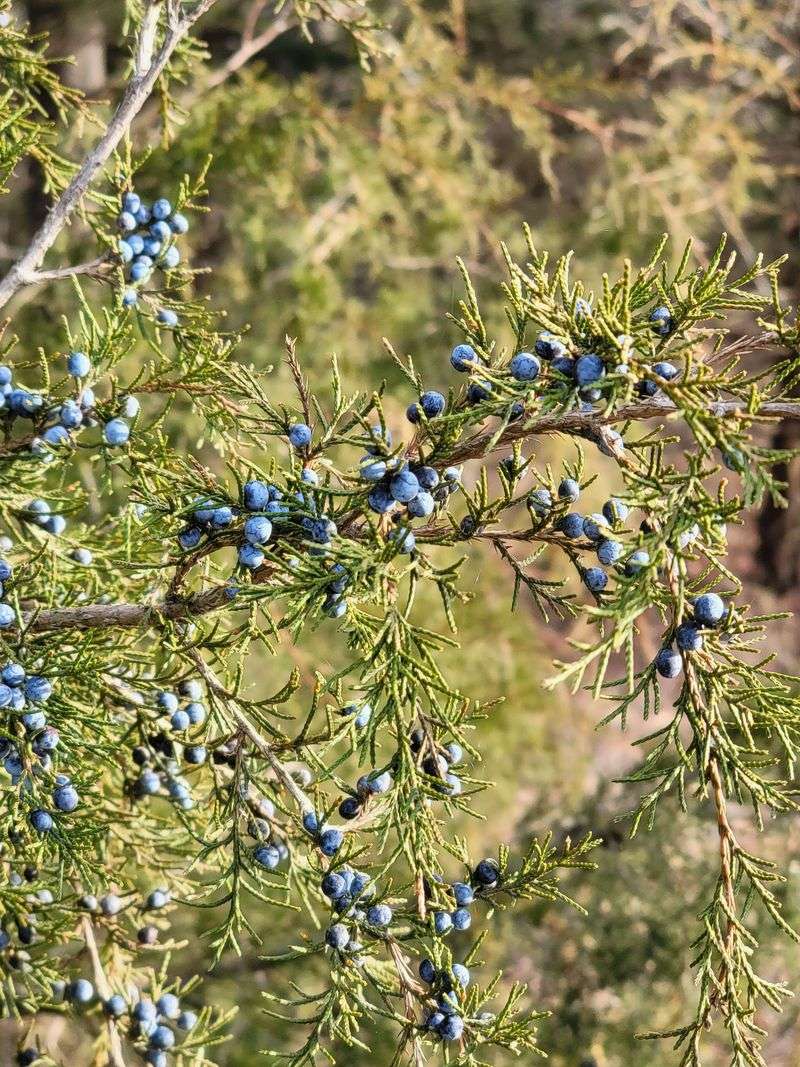
Berries that take up to three years to ripen sound like a gardener’s patience test, but birds benefit greatly. Common juniper carries green and blue fruit at the same time, so something edible usually hangs on the branches.
Those waxy blue cones feed thrushes and waxwings, along with grouse that forage close to the ground in northern woods. Low spreading branches also create cozy hiding spots where juncos and sparrows can tuck themselves away from wind.
This rugged native grows on Great Lakes dunes and sandy openings across much of Michigan, especially in northern regions. Most garden plants stay low and wide, often reaching two to four feet tall and spreading much farther.
Sunny, well-drained sites suit it best, and sandy or gravelly soil keeps the roots happy through wet springs. Heavy clay and standing water cause trouble, so skip low areas where snowmelt collects each year.
As with other junipers, plants are mostly male or female, and only females produce the blue berry-like cones. Buying from a native plant nursery gives you a better chance of getting local stock suited to your conditions.
Personally, I love using this shrub on slopes, since the spreading branches help hold loose soil in place. It needs very little pruning, and cutting into old bare wood rarely leads to new growth, so trim lightly.
Deer often leave it alone, which is a nice bonus in neighborhoods where hungry herds browse everything else. Crush a sprig between your fingers, and you will smell a sharp, piney scent that brightens a frozen afternoon.
8. Red-Osier Dogwood
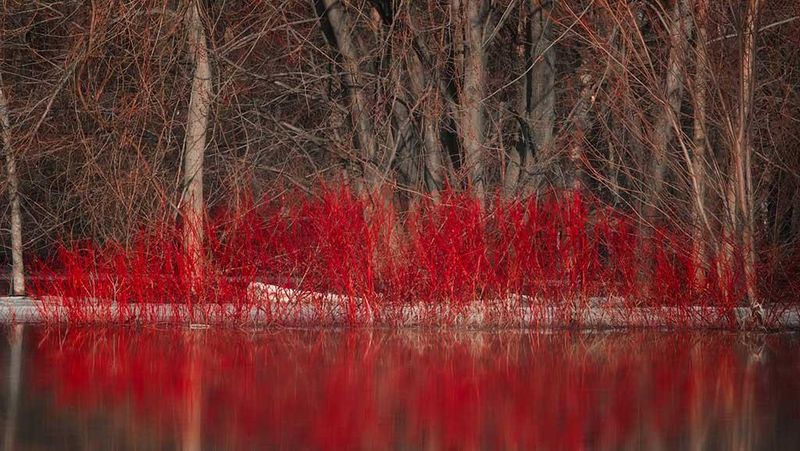
Flaming red stems glow against winter snow like someone outlined the yard with a bright crayon. Red-osier dogwood earns its spot here for shelter and color, while its white fruit feeds birds earlier in the season.
I have to admit the berries rarely last into deep winter, because migrating birds gobble them during late summer and fall. Fat-rich white fruit fuels flickers and thrushes before their long trips, which helps them stay strong on the journey.
Once the leaves drop, the dense thicket of stems becomes a sheltered hangout for cardinals and sparrows on cold days. Pair it with persistent fruiting shrubs, and you create a winter buffet with a built-in dining room nearby.
This adaptable native usually grows six to twelve feet tall and wide, so give it some elbow room. It spreads by rooting stems, forming colonies that work wonderfully for stabilizing stream banks and soggy ground.
Moist soil is ideal, and the shrub tolerates heavy clay along with full sun or partial shade. Brighter light produces stronger stem color, so choose an open spot where you can enjoy it from indoors.
Young stems carry the most vivid red, while older ones fade to a dull grayish brown over time. Each late winter or early spring, remove about a third of the oldest canes at ground level to encourage fresh growth.
In spring, flat clusters of creamy flowers attract pollinators, and the leaves feed many native caterpillars later on. Those caterpillars become protein-packed baby food for nesting songbirds, so this dogwood keeps giving long after the snow melts.