Why Yellowjackets Are Moving Into Michigan Walls And Attics This October
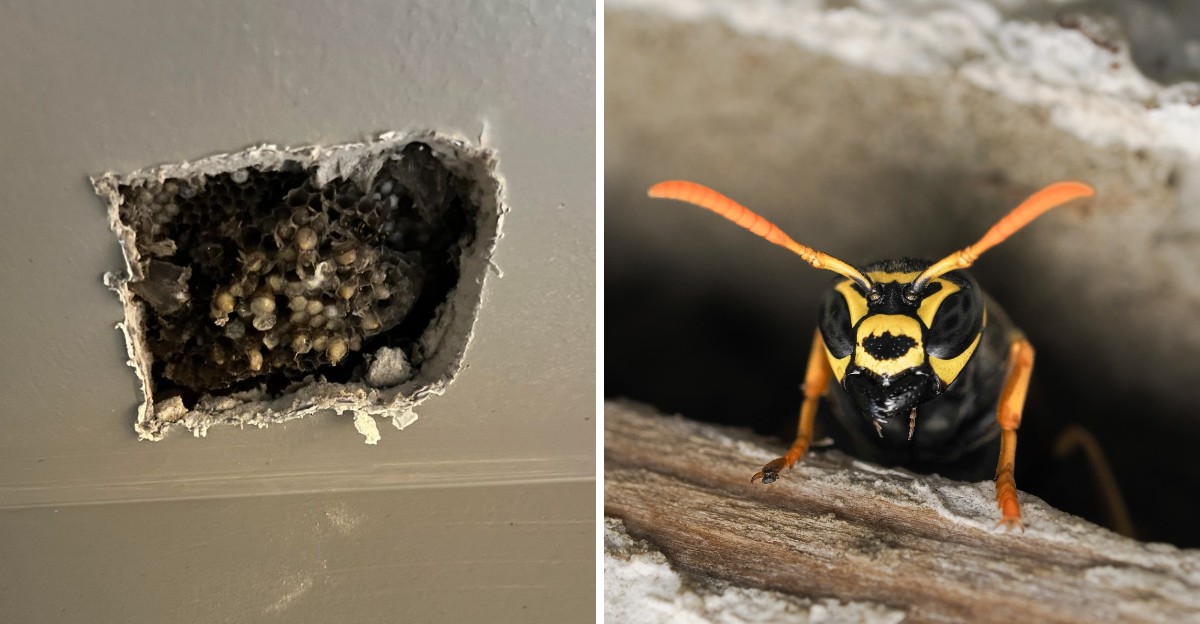
Yellowjackets have not left yet, and some are looking for warmth. Frost slowly ends the colony outdoors, but nests built inside walls and attics stay warmer and can stay active longer.
Workers inside a wall void follow gaps toward heat and light, which sometimes leads them into living space.
New queens, meanwhile, search for sheltered cracks to spend winter. Attics and wall cavities fit that description perfectly. Many homeowners notice buzzing near a light fixture or an outlet and have no idea where it comes from.
Hitting the wrong spot in a wall can anger the whole colony. Knowing what is happening, and when to call a professional, keeps a small problem from turning into a painful one.
1. New Queens Are Looking For Winter Shelter
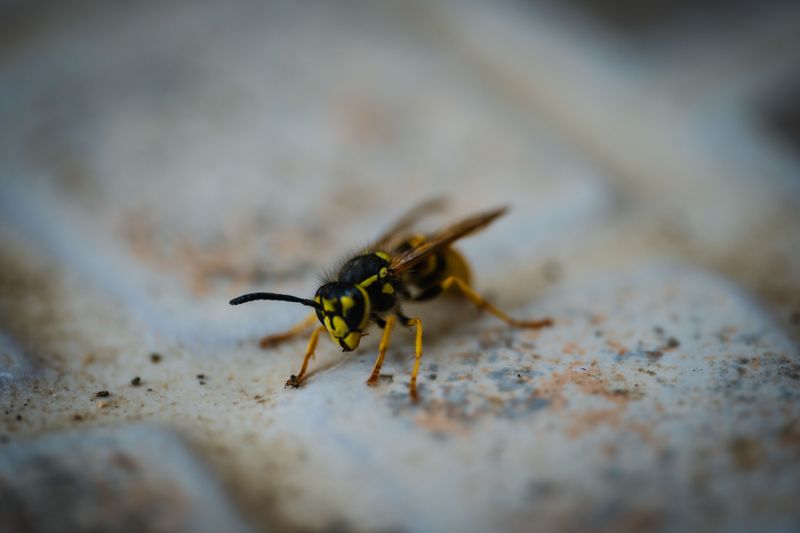
Every yellowjacket colony in Michigan has a short lifespan, lasting just one season from spring to fall.
When cold weather arrives, the workers and the old queen fade away, and the nest is never used again. Only one group makes it through to spring: the brand new queens.
Late summer is when these young queens hatch and mate. Once that happens, they leave the nest and go house hunting for a safe, quiet spot to spend the winter. In the wild, they tuck themselves under loose bark, inside rotting logs, or deep in leaf piles.
Your house looks like a five star hotel to them. Wall voids, attics, soffits, and the narrow spaces behind siding stay protected from wind, snow, and wild temperature swings.
A queen can slip inside, settle down, and stay dormant for months until spring warms things up.
So what should you expect to see? On sunny fall afternoons, queens often crawl slowly along eaves, window frames, and attic vents, looking for a crack to squeeze into. They are usually larger than workers and move in a sleepy, sluggish way.
Now and then, a queen pops up indoors during a mild spell, especially near windows. If that happens, stay calm. A drowsy queen is rarely aggressive, and you can trap her under a cup, slide a piece of paper underneath, and carry her outside.
Michigan winters are the main reason this hunt feels so urgent. Long stretches of freezing weather and heavy snow push queens to find sheltered spots in and around homes rather than out in the open.
Keep an eye on your eaves this month, and you may spot these quiet house hunters at work.
2. Summer Nests In Walls Are At Their Peak Size
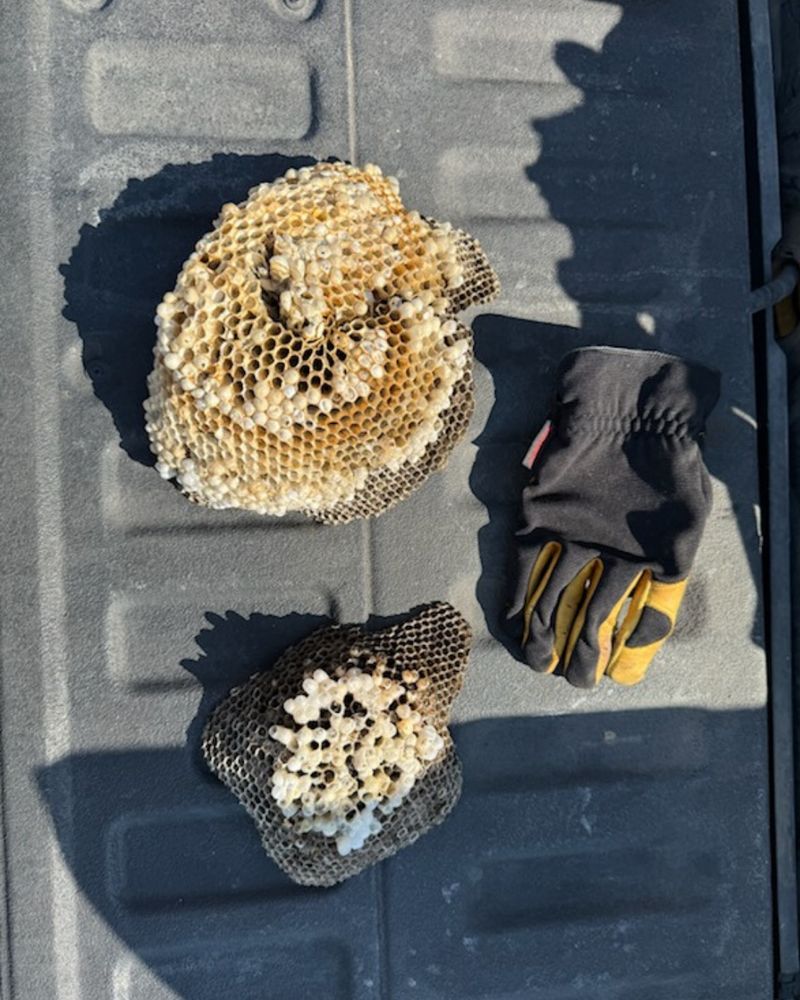
Back in May, that nest in your wall probably held just one queen and a handful of eggs. You likely never noticed it at all. By October, the same nest can be home to thousands of hungry workers.
Growth happens fast because the queen lays eggs nonstop all summer long. Each new batch of workers expands the paper nest, adding layer after layer inside the hidden space. Early in the season, only a few insects come and go, so the activity is easy to miss.
Your Michigan Garden Changes Every Week. Your Plan Should Too.
Gardening in Michigan changes quickly throughout the season. Every Friday you’ll receive a simple weekly plan showing exactly what to plant, prune, fertilize, harvest, and protect so you never miss the right timing.
Fall changes everything. With so many workers on the move, the traffic at a nest entrance becomes impossible to ignore. Siding gaps, soffit cracks, and vent openings suddenly look like tiny airports.
Want to know if you have a hidden nest? Stand back at a safe distance and watch your house on a warm afternoon. A steady line of yellowjackets flying in and out of one small gap is the biggest clue.
Your ears can help too. Many homeowners hear a soft buzzing, crackling, or scratching sound inside a wall or ceiling, especially at night when the house is quiet.
You might also notice yellowjackets gathering around the same spot on the outside of your home day after day. In Michigan, the German yellowjacket is a common culprit.
Unlike some other kinds that nest in the ground, this species loves wall voids, attics, and other enclosed spaces inside buildings.
That habit is why so many Michigan families discover a nest only when fall arrives and the colony is at its biggest. Spotting the signs early gives you time to call for help before things get worse.
3. Warm Weather Keeps Them Active Longer
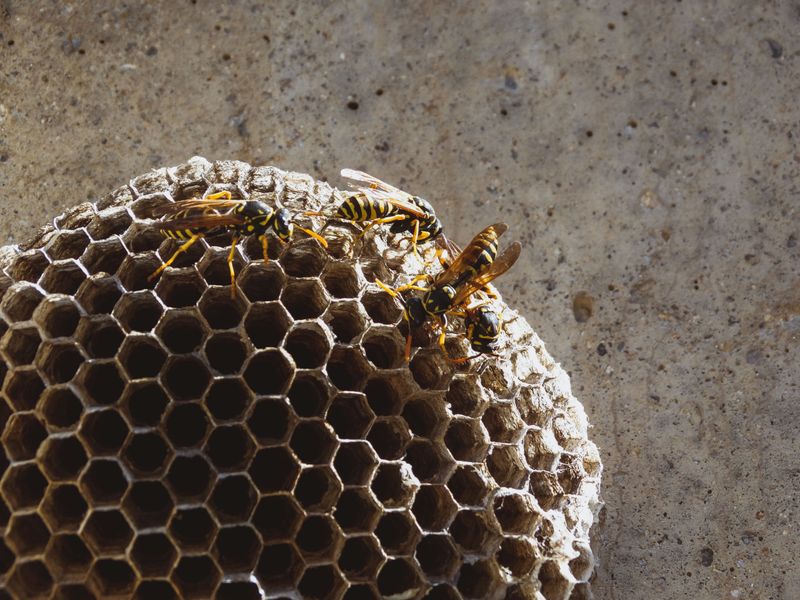
Sunshine in October feels like a gift after a cool September. You open the windows, fire up the grill, and enjoy one more porch evening. Yellowjackets love those bonus warm days just as much as you do. Temperature controls almost everything these insects do.
When the weather stays mild, workers keep flying out to gather food, and young queens keep cruising around looking for shelter. Cold snaps slow them down, but a few chilly nights alone usually are not enough to stop them.
Real change comes with hard freezes. Once temperatures drop well below freezing several times, colonies decline quickly and the nests empty out. Until then, every warm stretch hands them extra time to stay busy around your home.
Expect more buzzing during warm afternoons. Yellowjackets often hang around eaves, deck railings, picnic tables, and trash cans when the sun is out.
Early mornings and cool evenings tend to be calmer, so plan outdoor chores like raking or cleaning gutters for those quieter hours.
After a string of hard freezes, you should notice activity drop sharply. Workers disappear, and the remaining queens tuck away for their long winter rest. That sudden quiet is a good sign the season is wrapping up.
Michigan saw a perfect example of this pattern in mid October 2026. Record warmth swept across the state, and insects stayed active well into the second half of the month.
Many homeowners were surprised to see yellowjackets buzzing around their houses so late in the year.
When the forecast shows a warm spell, stay alert, keep food covered, and give any busy entry holes plenty of space.
4. Small Gaps Give Them Easy Access
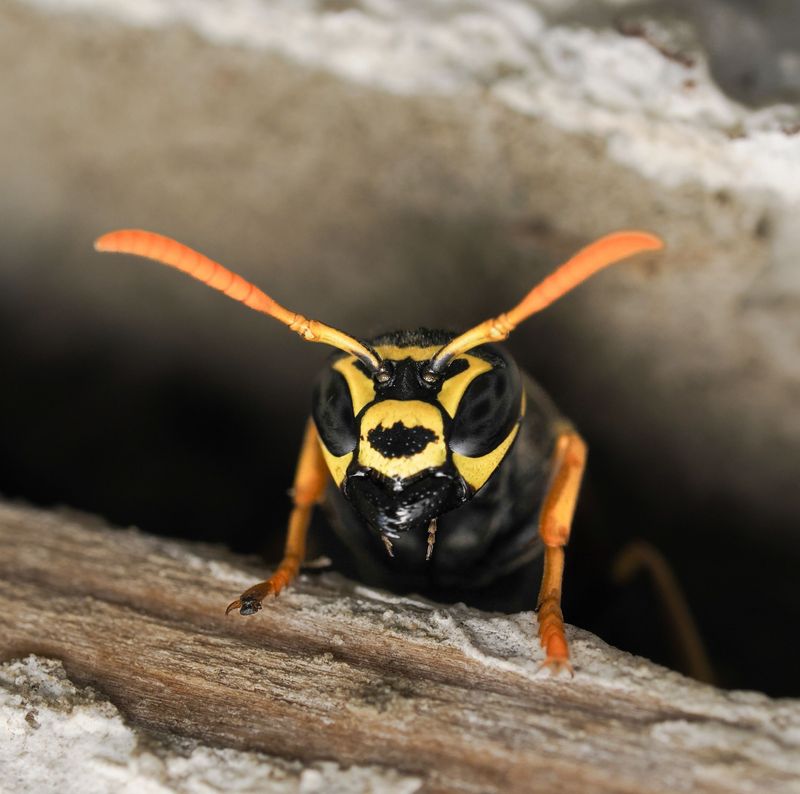
A gap no wider than a pencil is all a yellowjacket needs. These insects are experts at finding tiny openings that most people never notice. Once inside, they can reach the hidden spaces between walls or deep in the attic.
Common entry points are easy to overlook. Cracked or loose siding, gaps around soffits and fascia boards, and attic or dryer vents without screens all make great doorways. Holes where pipes, wires, and cable lines enter the house are favorites too.
Grab a flashlight and take a slow walk around your home. Look closely at corners, rooflines, and places where two materials meet, like where siding touches trim. Make a list of every crack, hole, or loose board you find.
Repairs come next. Fix damaged soffits and siding, and add sturdy screens to attic vents and other openings that need to stay open for airflow. Fine mesh keeps insects out while still letting your house breathe.
Timing matters a lot here. If yellowjackets are actively flying in and out of a gap, wait to seal it until their season has ended after several hard freezes. Closing it too soon can cause big trouble, which you will read about later in this list.
Older homes across Michigan are especially at risk. Decades of harsh winters, summer heat, and shifting foundations create plenty of small gaps around windows, rooflines, and old wiring.
Many classic farmhouses and older city homes have lovely character, but they also offer lots of sneaky doorways.
A careful inspection each fall and a sealing plan for late fall or early spring can keep your house much less inviting next year.
5. Workers Can Chew Through Into Living Spaces
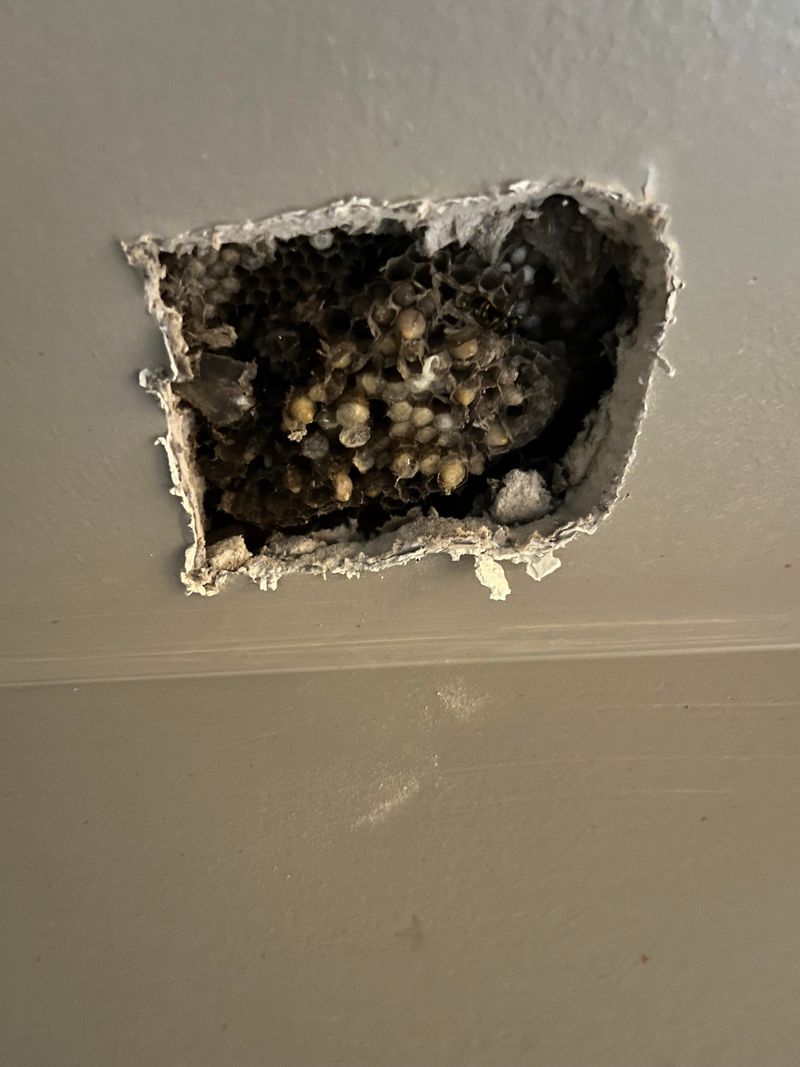
Imagine sitting on your couch and hearing a faint crunching sound coming from the ceiling. It sounds like someone tearing paper very slowly. For some Michigan families, that noise means yellowjackets are working their way inside.
Wood fiber is the main ingredient in their papery nests, so these insects are natural chewers.
When a nest inside a wall or ceiling grows large, workers may scrape away at soft materials like drywall. If their outdoor entrance gets blocked, they chew even harder to find a new way out.
Light plays a big role too. Once workers break through into a room, they are often drawn toward lamps, windows, and other bright spots. That is why surprise indoor visitors tend to gather near glass and lights.
Several warning signs can tip you off. A damp, stained, or soft spot on a wall or ceiling may mean insects are chewing on the other side. Scratching sounds and yellowjackets showing up indoors near the same area are other big red flags.
Act quickly if you notice any of these clues. Keep people and pets out of the room, close the door, and contact a pest control professional right away.
Please do not poke the soft spot or try to patch it yourself, since that can send angry insects pouring into your home.
Wall void nests in Michigan can become surprisingly large by late summer and fall. A big colony packed inside a small space puts pressure on everything around it.
Staying alert to strange sounds and soft spots helps you catch the problem early, before a few stray yellowjackets turn into a houseful.
6. Food Shortages Bring Them Closer To People
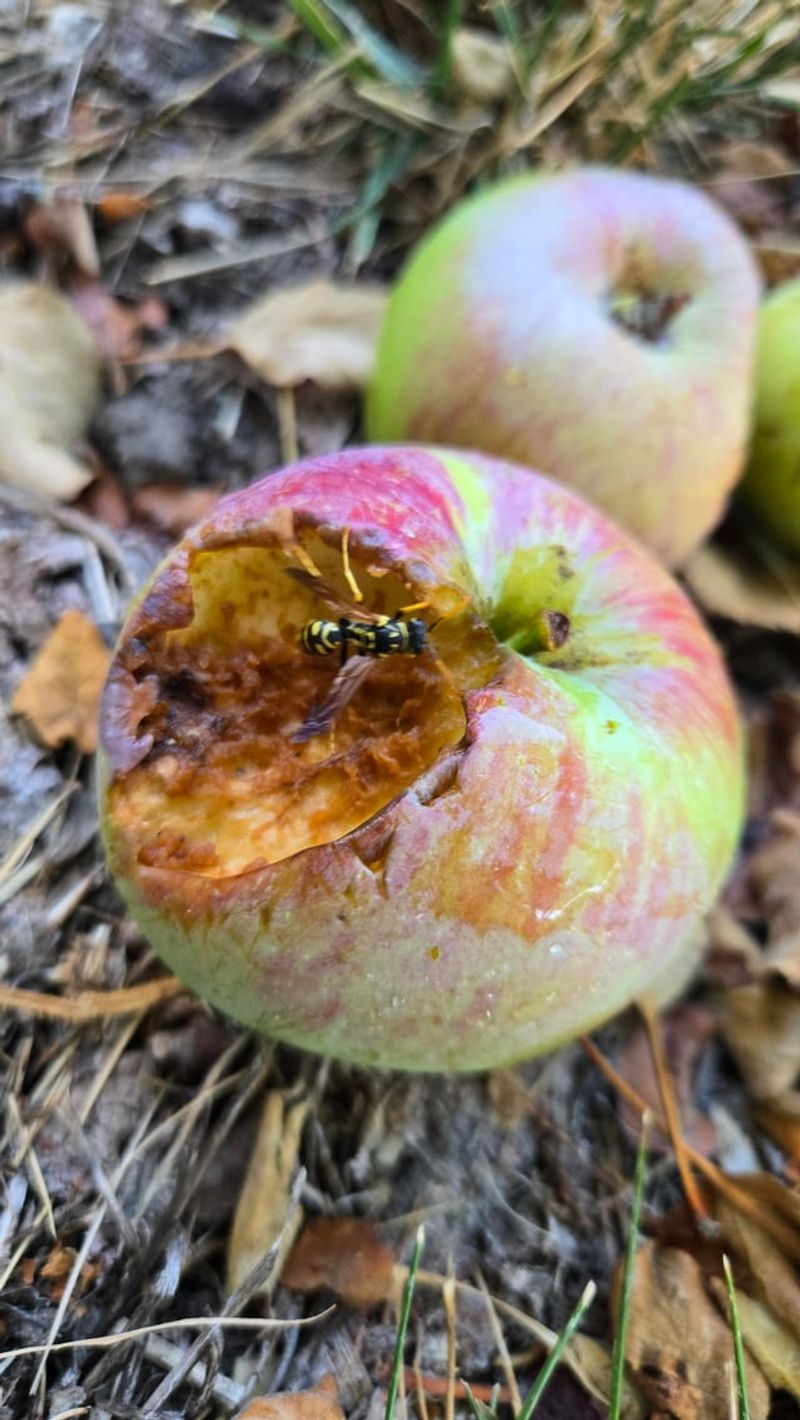
Sticky fingers, a cup of fresh cider, and a buzzing guest who will not leave you alone. Sound familiar? Fall picnics in Michigan often come with uninvited yellowjacket company.
Earlier in summer, workers spend much of their time hunting insects like caterpillars and flies to feed the growing young in the nest. In return, the young give off a sweet liquid the workers enjoy.
By late summer and fall, those insects become scarce, and the colony has fewer young to care for.
Sugar becomes the new target. Workers start searching hard for sweet treats such as fallen fruit, soda, juice, and leftovers in the trash. That hunt pulls them right up to your deck, patio, and garbage cans.
Good habits can make a huge difference. Keep garbage cans closed with tight lids, and rinse cans and bottles before tossing them in the recycling bin. Pick up fallen apples, pears, and plums from your yard every few days.
Outdoor meals need a little extra care too. Cover drinks, use cups with lids, and check before taking a sip from an open can. Keep food covered on decks and patios, and clean up spills and crumbs right after eating.
Michigan ranks among the top apple growing states in the country, and fall is prime cider season. Orchards, farm markets, and backyard trees fill the air with a sweet smell that yellowjackets can find from far away.
If you have apple trees at home, a quick daily cleanup under the branches can keep your yard far less tempting and your autumn gatherings much more relaxing.
7. Don’t Seal An Active Nest Entrance
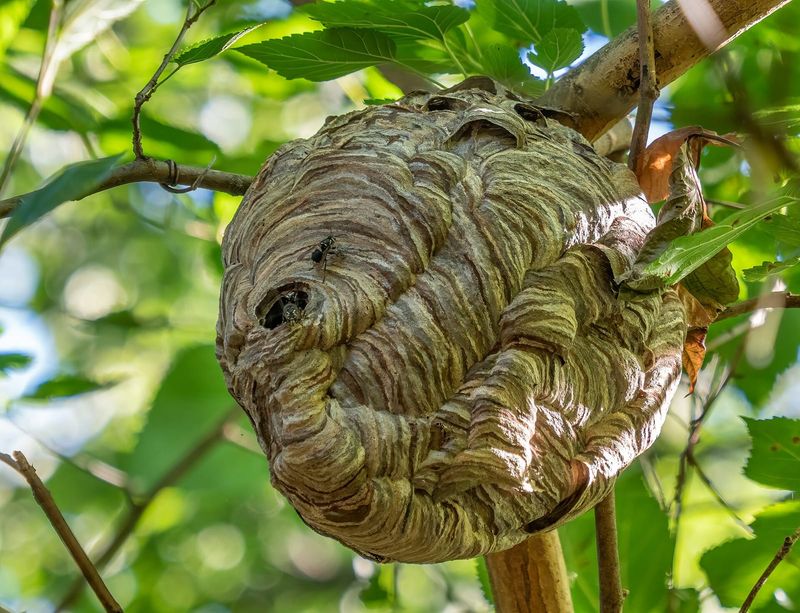
Grabbing a can of caulk and plugging that buzzing hole might feel like a smart move. Honestly, it is one of the riskiest things you can do. Many homeowners learn this lesson the hard way.
Blocking an active entrance does not trap yellowjackets for good. Instead, it forces thousands of workers to chew a brand new exit, and that path sometimes leads straight into your bedroom, kitchen, or living room.
Disturbing a large nest can also trigger a swarm and many painful stings. Leave active openings alone, and keep kids and pets away from the area.
For nests hidden inside walls or attics, call a licensed pest control professional. Experts have the right gear, products, and training to treat the nest safely.
Patience pays off once the season winds down. After several hard freezes, the colony comes to an end and the old nest will not be used again.
That is the perfect time to seal gaps, repair siding, and screen vents. Stings deserve serious attention. Most cause pain, redness, and swelling that fade with ice and time.
Signs of a severe allergic reaction, such as trouble breathing, swelling of the face or throat, dizziness, or hives spreading across the body, need emergency medical care right away, so call 911 without waiting.
Michigan homeowners have a real advantage here. Cold winters reliably bring hard freezes, giving you a clear window to close up entry points before spring.
Sealing those spots after the colony ends helps stop new queens from moving into the very same places next year. A little waiting now means a calmer, quieter home when warm weather returns.