The 3 Soil Ingredients That Make or Break a Michigan Raised Bed Garden
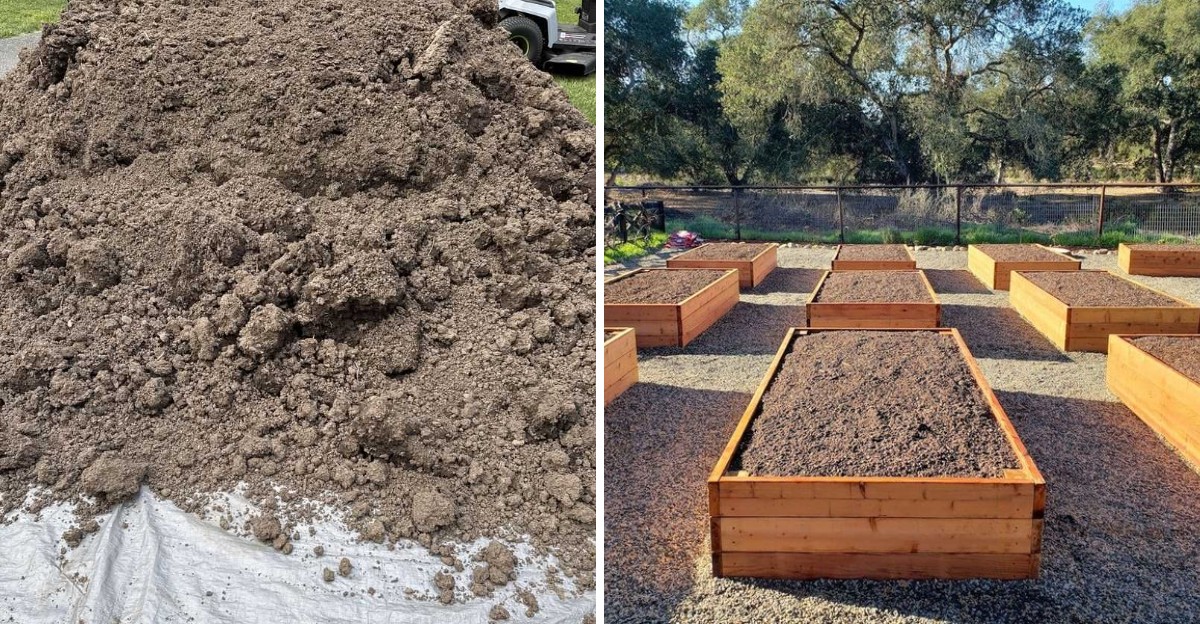
A brand new raised bed can sink several inches in its first year. The box stays put, but the soil inside quietly shrinks as organic matter breaks down.
I learned this the hard way when my carrots ended up sitting in a sunken hollow by August. Turns out the fill you choose matters more than the lumber, the plants, or even the sunny spot you picked.
Here in Michigan, raised beds warm up faster in spring and drain better after those soggy April rains. That head start only pays off when the mix underneath is built right from day one.
The real question is what belongs in that box. Bagged blends promise miracles, bulk piles look tempting, and the price tags vary wildly. Would you believe the best recipe needs only three simple ingredients, plus a little know-how about mixing them?
1. Plain Garden Dirt Won’t Give Your Raised Bed What It Needs
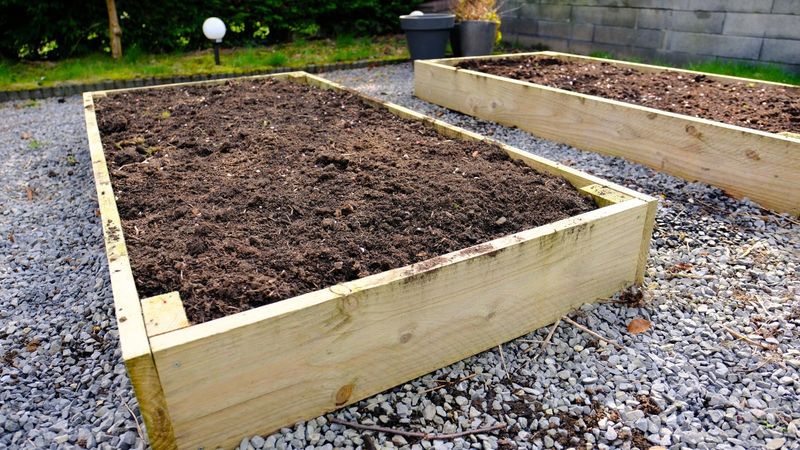
Scooping soil from your yard into a new raised bed sounds thrifty and smart. Sadly, plain garden dirt often packs down hard inside a box, especially the heavy clay found across much of southern Michigan.
Raised beds behave differently from in-ground plots. They drain faster, warm sooner in spring, and dry out quicker on hot July afternoons. Soil inside them needs to stay loose enough for roots to spread, yet rich enough to hold water and food.
That balance comes from three key ingredients working as a team. Compost supplies nutrients and organic matter. Quality topsoil adds mineral structure and weight.
An aeration material, like perlite or vermiculite, keeps tiny air pockets open so roots can breathe.
Each one covers a weakness in the others. Compost alone shrinks and can hold too much moisture. Topsoil alone tends to compact. Aeration materials on their own carry almost no nutrients at all.
Michigan State University Extension encourages a raised bed mix that is high in organic matter but still has real soil in it. Think of it like baking bread, where flour, water, and yeast each have a clear job. Skip one, and the results usually fall flat.
2. Rich Dark Compost Feeds Every Root In The Bed
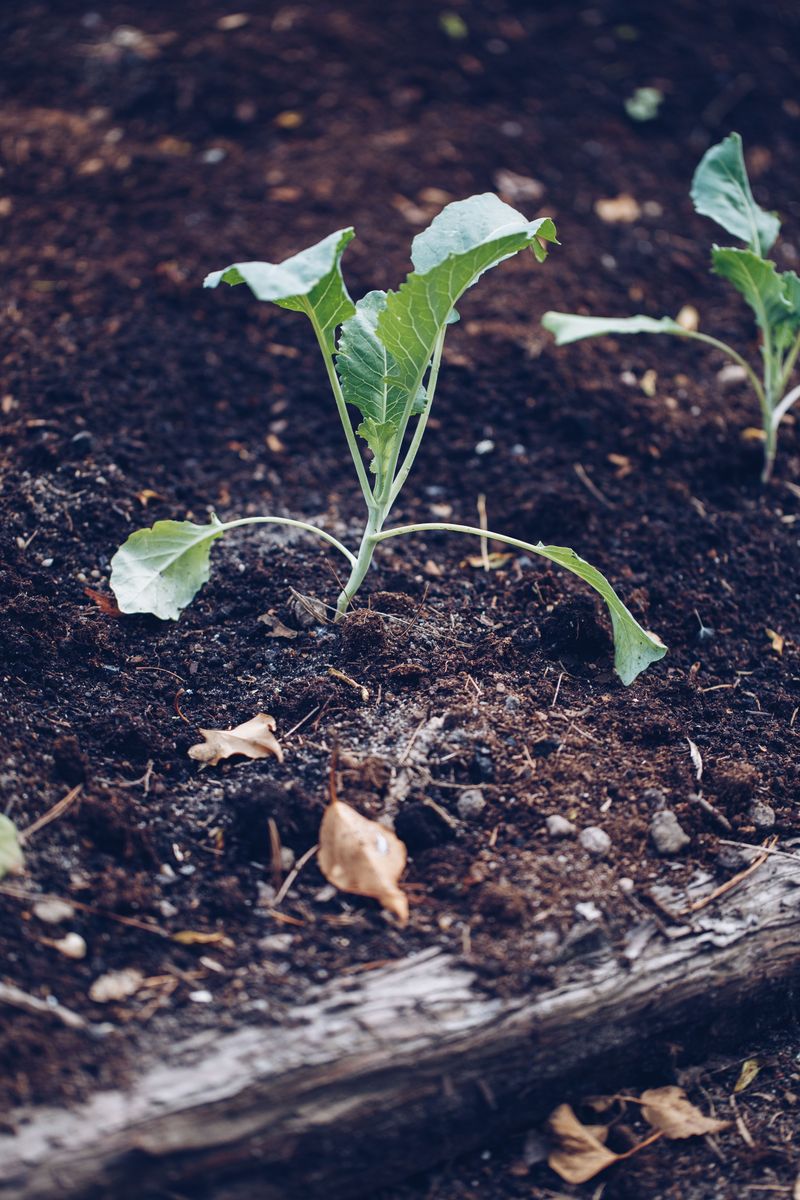
Grab a handful of finished compost and you will notice it right away. It smells earthy and sweet, like a forest floor after rain, and it crumbles easily between your fingers.
That dark material is broken-down organic matter, and it does a lot of heavy lifting in a raised bed.
It feeds plants slowly, helps soil hold moisture, and gives earthworms and helpful microbes a place to live. Those tiny soil creatures keep turning organic matter into food your vegetables can use.
Quality matters a lot here. Look for compost that is fully finished, with no sour smell and no big chunks of wood or food scraps. Many Michigan cities and counties sell leaf compost at low prices, so check with your local yard waste program before buying bags.
One caution deserves attention. Some manure-based composts can carry herbicide residues from treated hay or pasture. MSU Extension has warned gardeners about these persistent herbicides, which can twist and curl tomato and bean leaves.
Ask your supplier where the compost came from. A quick conversation can save a whole season of puzzling plant problems and wasted effort.
3. Good Topsoil Keeps Your Raised Bed From Sinking
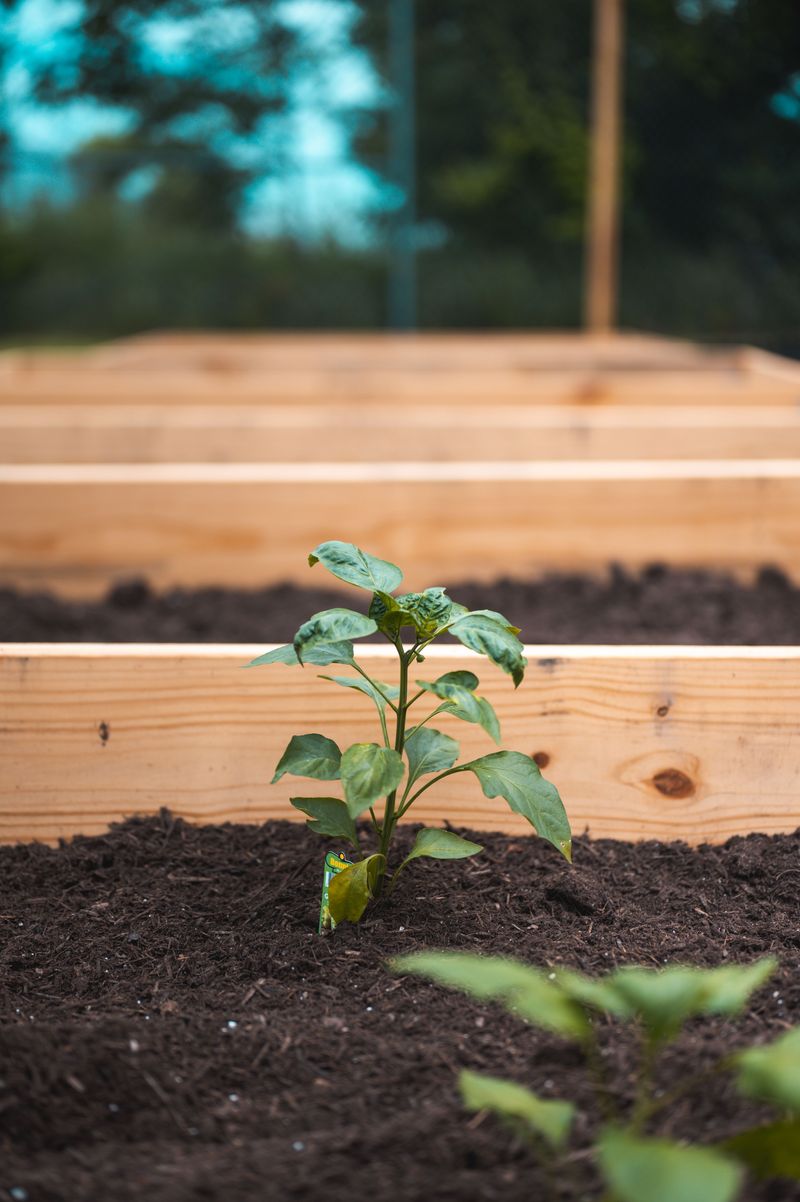
Remember that sunken bed from my carrot disaster? Too little real soil was the culprit.
Topsoil is the mineral backbone of your mix. It contains sand, silt, and clay particles that do not rot away like compost does. That steady structure keeps the bed from settling dramatically and gives roots something firm to grip.
Tall plants appreciate this anchor most of all. Tomatoes, peppers, and pole beans can lean or tip over in fluffy, all-organic mixes once they get heavy with fruit. Mineral soil also holds nutrients well, releasing them steadily over the season.
Shopping for topsoil takes a careful eye, since quality varies a lot. Choose screened topsoil that looks dark and crumbly, without rocks, roots, or big clods. Avoid loads that feel sticky like modeling clay or gritty like beach sand.
Ask the landscape yard whether the soil has been tested or blended with compost. Some suppliers sell a ready-made garden blend that saves you a step. Peek at the pile in person if you can, and squeeze a damp handful.
Good topsoil should hold together briefly, then break apart when you poke it.
4. Perlite And Vermiculite Give Roots Room To Breathe
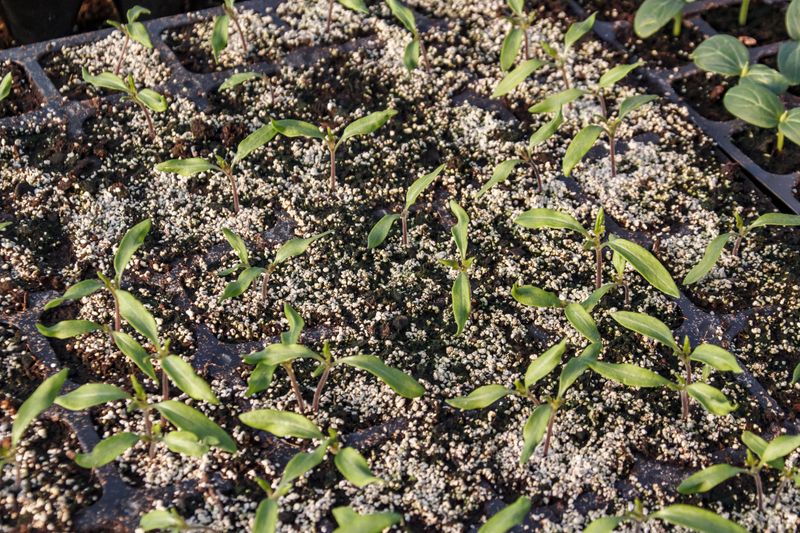
Those little white specks in potting soil are not foam beads. They are perlite, a volcanic glass heated until it pops like popcorn.
Perlite is the drainage hero. It creates air pockets that let extra water run through and keep oxygen reaching roots. If your bed sits in a low, soggy part of the yard, perlite can help prevent waterlogged soil and root rot.
Vermiculite plays a different role. This shiny, golden mineral expands into tiny accordion-like flakes that soak up water and nutrients like a sponge. It suits beds that dry out fast in full sun, or plants that love steady moisture, like lettuce and spinach.
Plenty of gardeners use a little of both for balance. Together they keep soil light, airy, and less likely to crust over after a hard summer storm.
A few handling tips help a lot. Both materials can be dusty, so dampen them before mixing and consider wearing a simple dust mask.
Buy larger bags rather than tiny ones, since small packages get pricey fast. Coarse grades usually work better in raised beds than fine ones.
5. Mixing Compost And Topsoil Half And Half Works For Most Beds
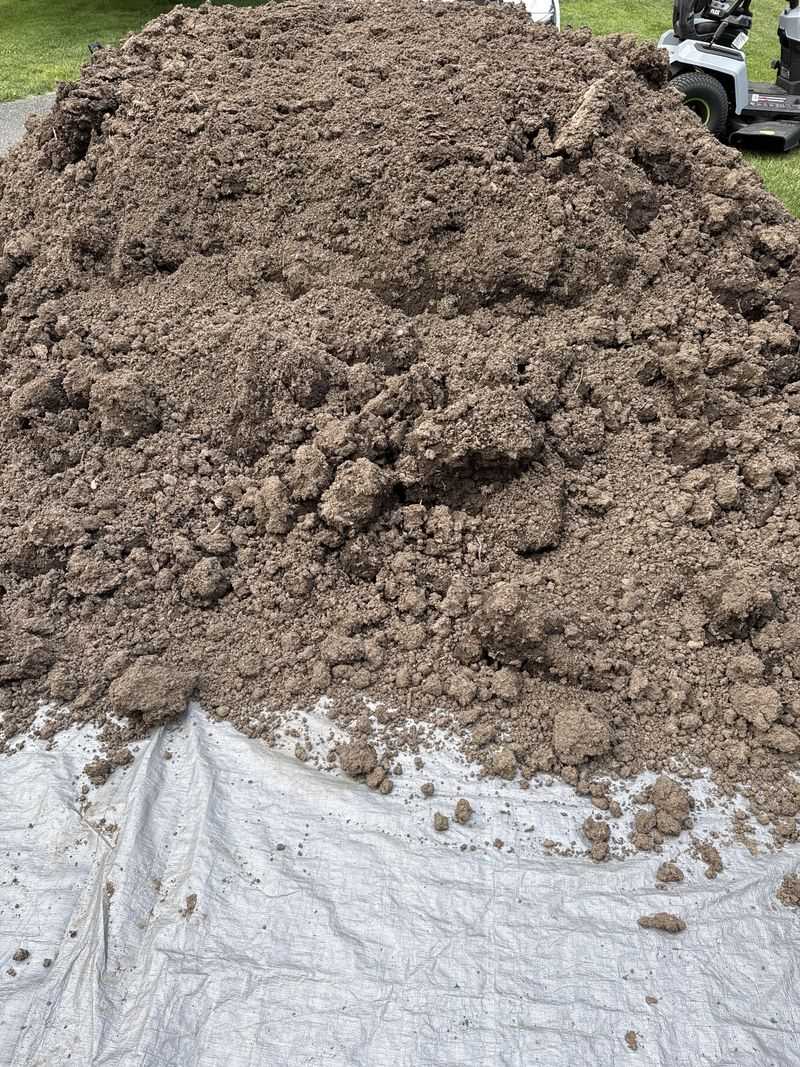
Recipes do not need to be fancy to work. For most vegetable beds, a simple 50/50 blend of compost and topsoil is a reliable starting point.
This mix gives plants plenty of organic matter for nutrients and moisture, plus enough mineral soil to hold everything steady.
Heavy feeders like squash and tomatoes may enjoy a slightly richer blend, around 60 percent compost and 40 percent topsoil. Just expect a little more settling with that version.
Aeration materials fit in on top of that base. Many gardeners add perlite or vermiculite at roughly 10 to 20 percent of the total volume. Stay toward the lower end if your topsoil is already loamy and loose.
Mixing on a big tarp makes the job much easier. Dump each ingredient in layers, then roll and fold the tarp corners to blend everything together. A shovel or garden fork helps break up clumps.
Fill the bed slightly above the rim, since the mix will settle after watering. Give it a good soak and let it rest a few days before planting. That pause lets the soil firm up naturally and shows you where low spots need topping off.
6. A Michigan Spring Soil Test Can Save Your Tomatoes
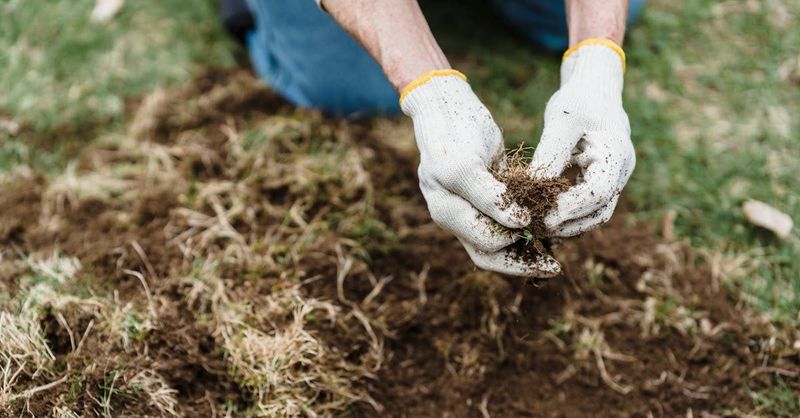
Guessing about fertilizer is a bit like seasoning soup without tasting it. A soil test removes the mystery.
MSU Extension offers home soil test kits that measure pH and key nutrients like phosphorus and potassium.
The results come with recommendations matched to what you plan to grow. Many gardeners are surprised to learn they already have plenty of phosphorus, especially in beds loaded with compost and manure.
Collecting a sample is easy. Use a clean trowel to take small scoops from several spots in the bed, about six inches deep. Mix them in a clean bucket, let the soil dry, and send in the amount the kit requests.
Spring is a popular time to test, but fall works well too, since labs are less busy and you can make changes before winter. Most vegetables grow best when soil pH sits around 6.0 to 7.0.
Testing every two to three years is usually enough for home beds. Keep your results in a notebook or phone folder so you can track changes over time.
You may find you need far less fertilizer than you thought, which saves money and protects nearby lakes and streams.
7. Fresh Compost Each Season Keeps Raised Beds Topped Up
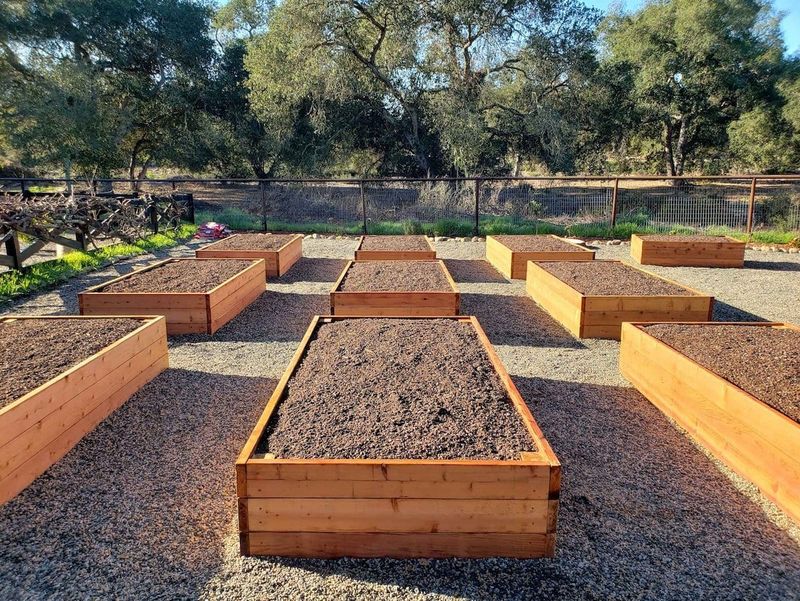
Raised beds are a little hungry by nature. Compost breaks down year after year, and the soil level slowly drops as microbes do their work.
An easy fix is adding one to two inches of fresh compost each spring or fall. Spread it right over the surface and lightly work it into the top few inches. There is little need to dig deeply, since heavy tilling can disturb soil structure and the worms living inside.
Fall top-dressing fits Michigan’s rhythm nicely. Compost spread after harvest has the whole winter to settle in, and freeze-thaw cycles help mix it naturally. By planting time, the bed feels soft and ready.
Mulch earns a spot in this routine too. Shredded leaves or clean straw help hold moisture during hot summer stretches and keep weeds down. Your Michigan maple and oak leaves make excellent free mulch once shredded with a mower.
Watch for signs your bed needs extra attention. Soil that pulls away from the sides, crusts after rain, or drains too fast is usually asking for more organic matter. A yearly refresh keeps things healthy without starting over.
8. Earthworms In Your Raised Bed Mean The Soil Is Working
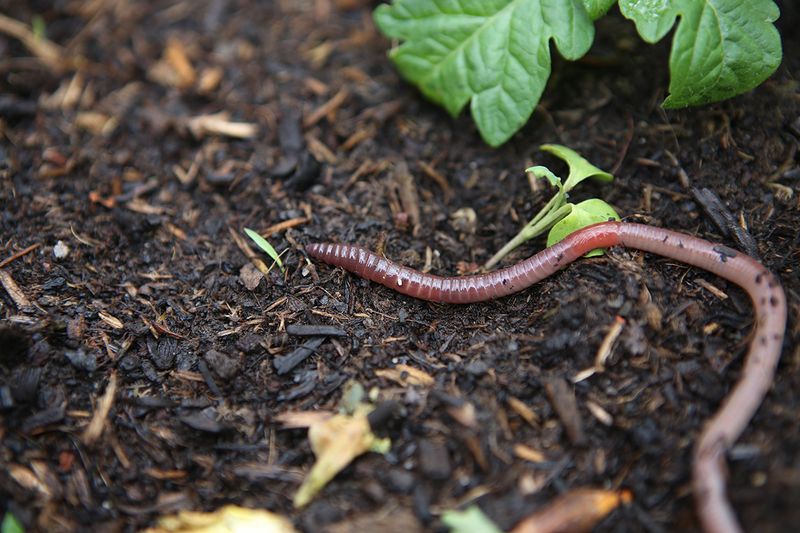
Spotting a fat earthworm while planting peppers is one of the happiest little moments in the garden. It means your soil is alive.
Compost, topsoil, and aeration materials build the body of a raised bed. The tiny living community inside gives it energy. Bacteria, fungi, and worms break down organic matter, releasing nutrients that plant roots can soak up over time.
Supporting that underground crew is pretty simple. Keep soil covered with mulch or plants, add compost regularly, and go easy on harsh chemical sprays. Avoid walking on the bed, since packed soil squeezes out the air these creatures need.
Cover crops can help over winter as well. Cereal rye or oats planted in late summer or early fall protect bare soil and add organic matter. Oats usually stop growing in a Michigan winter, which makes spring cleanup easier.
Here is a practical takeaway for this season. Start with a balanced mix of compost, topsoil, and perlite or vermiculite. Test it, feed it each year, and protect the life inside.
Do that, and your raised bed can keep producing healthy vegetables for many seasons ahead.