Why Bahia Grass Starts Looking Rough At The End Of A Florida Summer
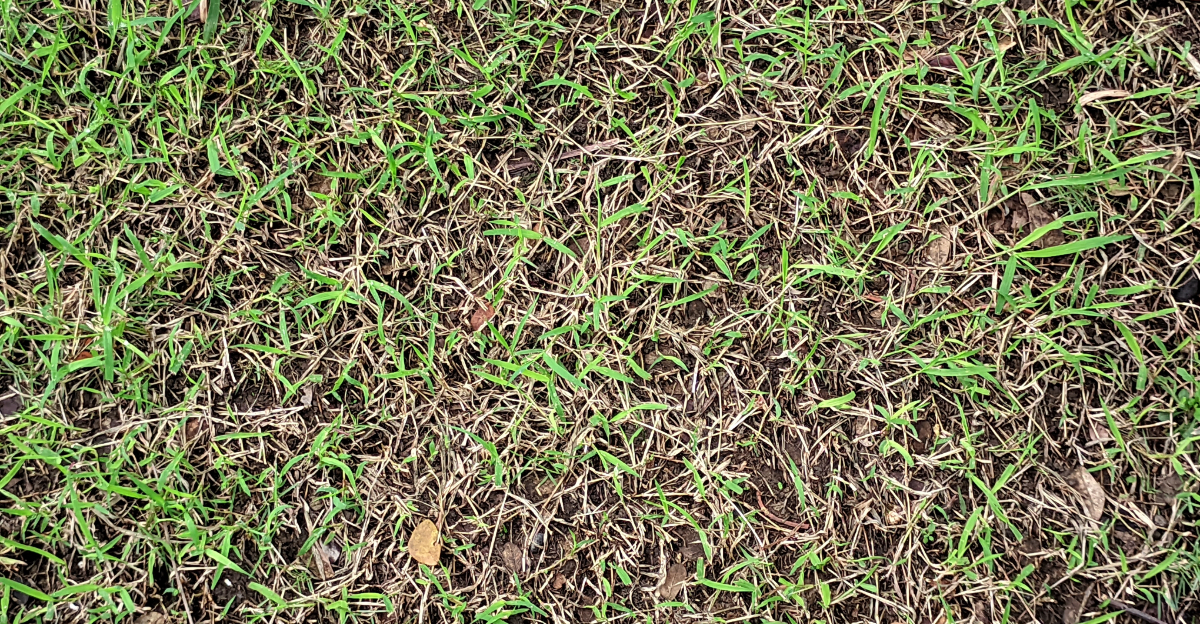
By late August, a Bahia lawn can suddenly lose the easy, rugged look that carried it through most of summer. The color fades in spots, seed heads pop up everywhere, and the turf can seem thinner or more tired almost overnight.
That shift can frustrate you because Bahia grass has a reputation for toughness, especially in Florida heat. The grass did not forget how to handle summer.
It is reacting to a season that has pushed it hard for months. Rain patterns change, soil conditions catch up, mower habits start to show, and the lawn begins to reveal stress that stayed hidden earlier.
Some roughness is part of the normal late-summer rhythm. Other signs point to a problem that deserves attention before fall settles in.
The challenge is telling normal seasonal wear from the kind of decline that calls for a closer look at what your lawn has been through.
1. Those Tall Seedheads Can Make The Whole Lawn Look Messy
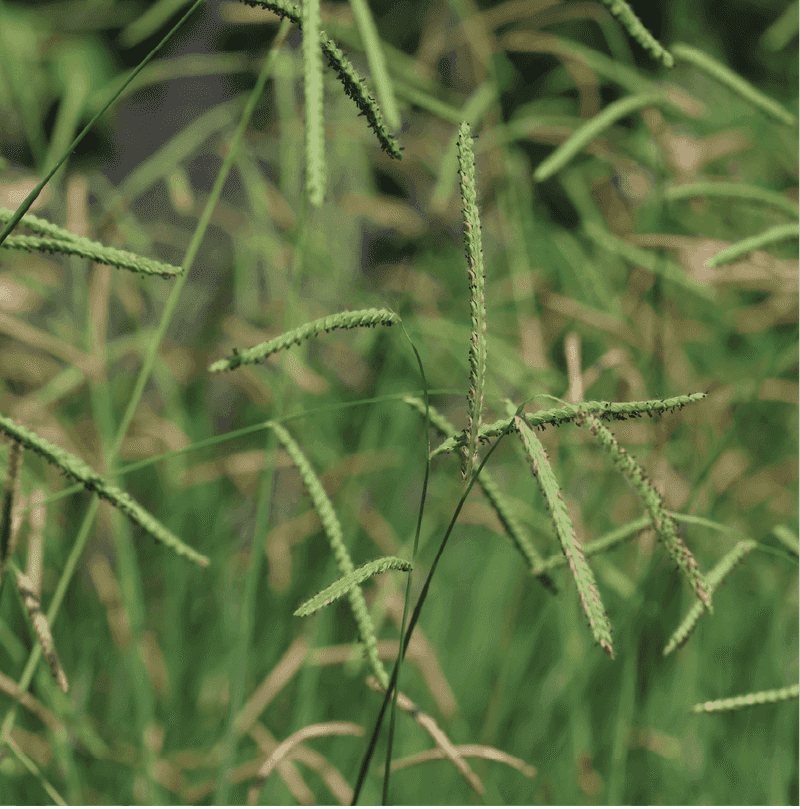
Tall seedheads shooting up just days after mowing can make even a healthy bahiagrass lawn look completely neglected. Bahiagrass produces these seedheads aggressively during the warm growing season, and Florida summers give it plenty of warmth to work with.
The seedheads grow much faster than the leaf blades, so the lawn can look uneven and scraggly almost immediately after a fresh cut.
The seedhead itself has a distinctive forked or Y-shaped structure that sits on a long, wiry stem. Those stems are tough and springy, and they stand well above the rest of the turf.
Even a freshly mowed yard can look overgrown again within a few days once those stems push back up.
According to UF/IFAS, seedhead production is a normal characteristic of bahiagrass, not a sign that the turf is in trouble. Many homeowners end up mowing more often in mid to late summer simply because the seedheads grow so fast.
Trimming them back before they fully develop can reduce that messy appearance between regular mowing sessions.
Seedheads do not signal disease, pest damage, or poor lawn health. They are simply part of how bahiagrass reproduces.
Accept that seedheads are a normal part of bahiagrass growth and adjust your mowing schedule accordingly. This helps keep expectations realistic during the roughest-looking weeks of the season.
2. A Dull Mower Blade Makes Bahia Look Even Rougher
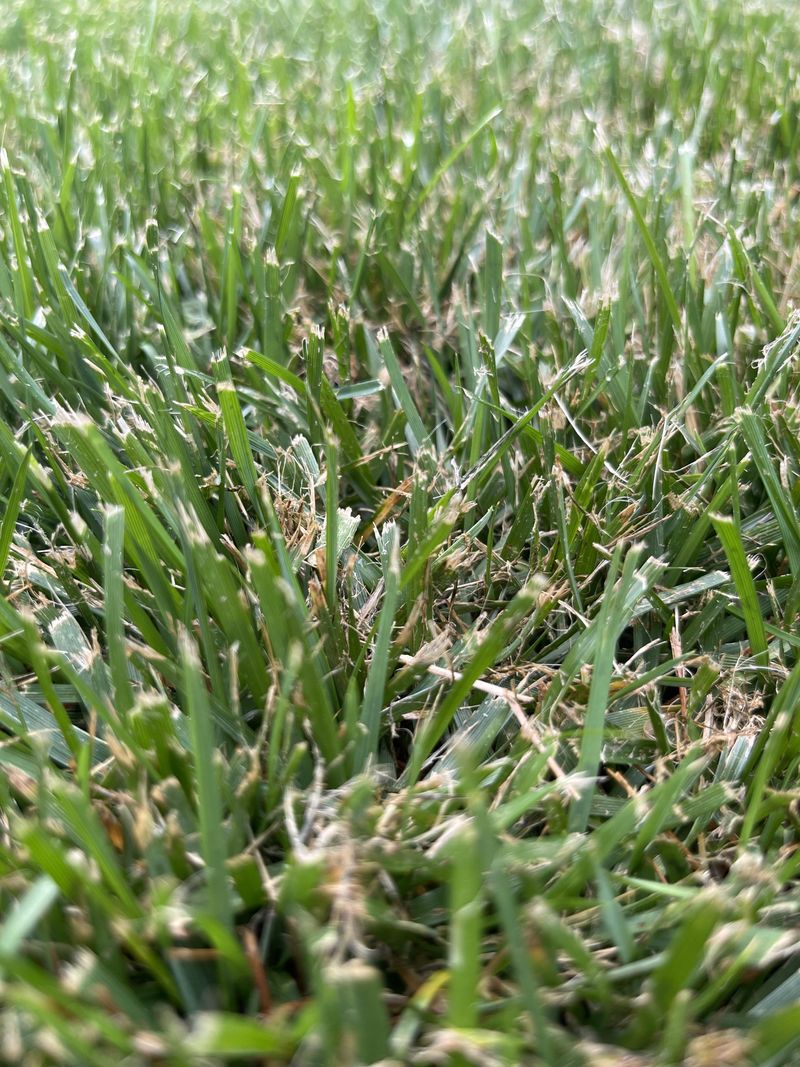
Frayed, whitish grass tips after mowing are a giveaway that something is off with the cut. Bahiagrass has particularly tough leaf blades and even tougher seedhead stems.
A dull mower blade does not slice through those stems cleanly. Instead, it tears and shreds the tissue, leaving jagged edges that quickly turn brown and give the turf a beaten-up look.
That shredded appearance can make a Florida lawn seem far worse than it actually is. From a distance, the brownish tips blend together and create the impression of widespread stress or damage.
Up close, though, you can see the fraying clearly on individual blades. Running your hand across the turf after mowing will reveal whether the cuts are clean or rough.
Your Florida Garden Changes Every Week. Your Plan Should Too.
Gardening in Florida changes quickly throughout the season. Every Friday you’ll receive a simple weekly plan showing exactly what to plant, prune, fertilize, harvest, and protect so you never miss the right timing.
Sharpening a mower blade is one of the simplest fixes in lawn care, and the difference it makes on bahiagrass is noticeable. UF/IFAS recommends keeping mower blades sharp to promote clean cuts and reduce stress on the turf.
Most blades benefit from sharpening several times during the growing season, especially when mowing through tough seedhead stems regularly.
Not every brown leaf tip traces back to blade sharpness. Drought, disease, and other stressors can also cause tip browning.
But if the discoloration appears right after mowing and the tips look torn rather than dry, a blade sharpening is the logical first step before looking for other causes.
3. Cutting Bahia Too Short Leaves The Turf Looking Thin
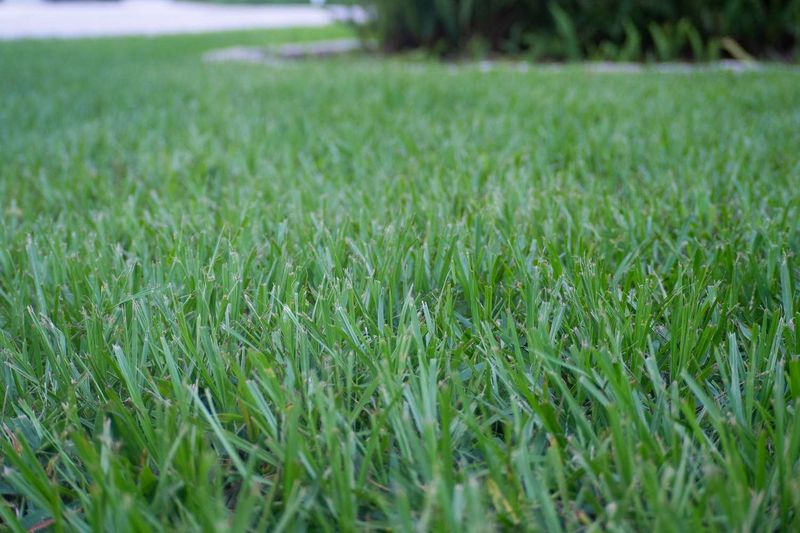
Bahiagrass grows in an upright, relatively open pattern compared to denser turfgrasses. That growth habit means the turf depends on maintaining adequate leaf surface to stay full and healthy-looking.
Mow it too short and the lawn quickly starts to look sparse, stressed, and patchy.
UF/IFAS recommends mowing bahiagrass at a height of 3 to 4 inches for most home lawns. Cutting below that range removes too much of the leaf blade at once, which weakens the plant and reduces its ability to capture sunlight.
The one-third rule applies here: never remove more than one-third of the blade height in a single mowing session.
Scalping happens when someone drops the mower deck too low, often trying to delay the next mowing or to cut down seedheads faster. The result is a lawn that looks thin and almost bare in places.
Exposed soil between plants becomes more visible, and the overall texture looks rough and uneven rather than full.
Repeated low mowing over several weeks compounds the problem. Shallow cuts stress the root system and reduce the turf’s ability to recover from heat and limited moisture.
Raise the mower deck back to the recommended range and give the lawn a few weeks to recover. That will usually restore a fuller appearance without any other intervention.
4. Dry Spells Can Turn Tough Bahia Brown Fast
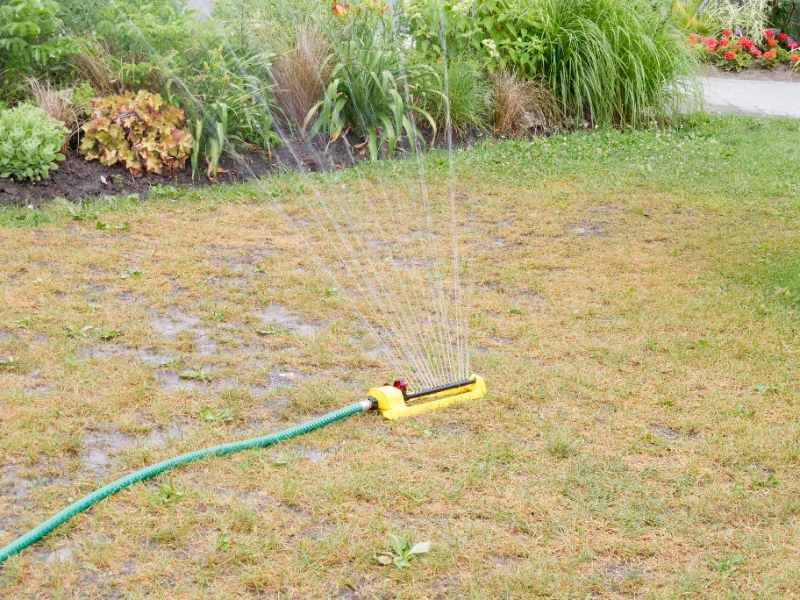
Bahiagrass has one of the most extensive root systems of any warm-season turfgrass. Those deep roots let it pull moisture from well below the surface, which is why it holds up during dry periods when other grasses give up quickly.
That toughness, though, does not make it immune to drought.
When soil moisture drops low enough and stays low for long enough, bahiagrass responds by going dormant. The turf turns brown, growth slows dramatically, and the lawn can look like it has suffered serious damage.
Most of the time, that browning is a temporary survival response rather than permanent harm.
Before assuming a brown lawn has a pest problem or disease, check the soil. Dig down a few inches and feel whether the soil is dry and hard or still slightly moist.
Look at recent rainfall totals for your area. If the lawn has not received meaningful rain or supplemental water in two weeks or more, drought dormancy is the most likely explanation.
UF/IFAS notes that bahiagrass can recover from drought dormancy once adequate moisture returns. Patience is often the right response.
If irrigation is available, applying water according to local watering restrictions can help the turf green back up faster. Avoid heavy fertilizer applications on drought-stressed turf, as that can add more stress rather than helping recovery.
5. Its Naturally Open Growth Can Make Weeds Stand Out More
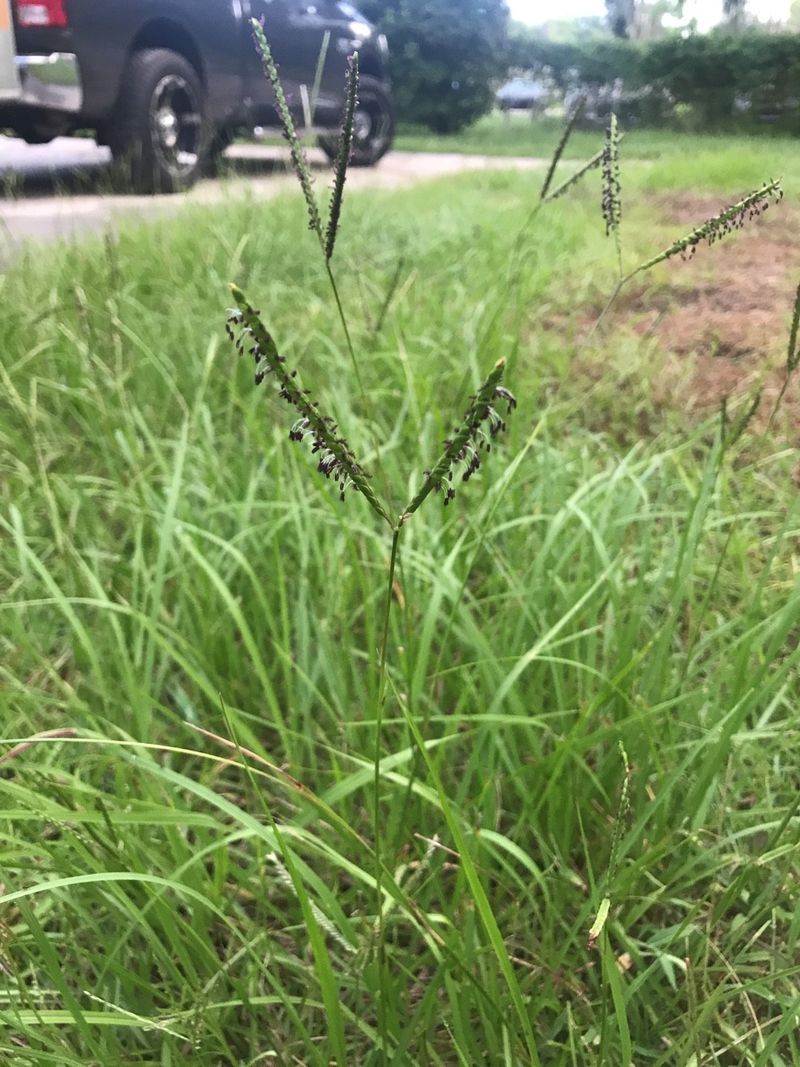
Gaps between grass plants are much more noticeable in a bahiagrass lawn than in a dense St. Augustinegrass or zoysiagrass lawn. Bahiagrass naturally forms a more open canopy, which means light reaches the soil more easily.
That open structure is simply part of how this grass grows, not a sign that something has gone wrong.
Weeds take advantage of those gaps. By late summer, crabgrass, dollarweed, and other broadleaf weeds can fill the open spaces.
This can make the lawn look much more uneven and patchy than denser turf would. The weeds also tend to grow at different heights and textures, adding to the rough overall appearance.
Cultivar choice can make a difference. Argentine bahiagrass, one of the most widely planted types in Florida, tends to form a denser sod than some common bahiagrass types according to UF/IFAS.
A denser canopy naturally leaves fewer gaps for weeds to establish.
Maintaining proper mowing height, avoiding over-irrigation, and keeping the turf as healthy as possible are the best defenses against weed pressure. A thick, well-managed lawn crowds out more weeds on its own.
Herbicide may be appropriate in some situations. However, correcting the conditions that allow weeds to thrive usually produces better long-term results than chemical treatment alone.
6. Late Summer Mole Crickets Can Make Rough Turf Worse
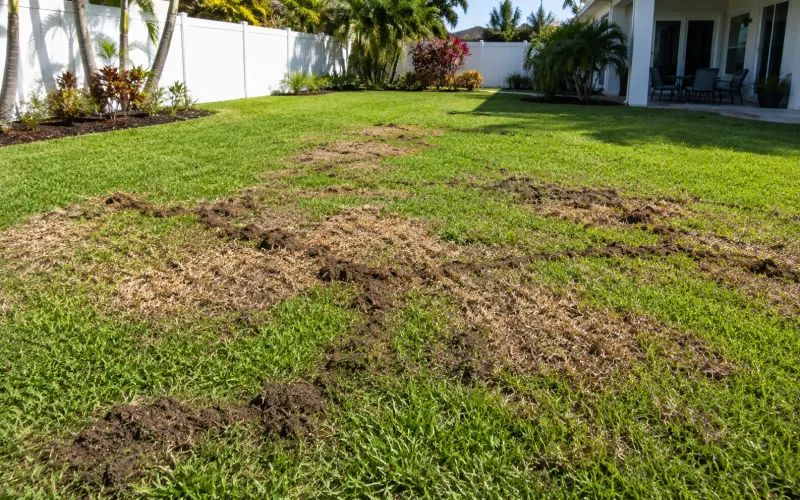
Loose, spongy soil near the surface of a bahiagrass lawn is worth investigating. Mole crickets tunnel just below the soil surface as they feed on grass roots and organic matter.
UF/IFAS identifies mole crickets as one of the most damaging insect pests of bahiagrass in the Southeast.
Their tunneling loosens the soil and separates grass roots from contact with the ground. Small raised ridges or mounds of disturbed soil are common signs of active tunneling.
The turf above those tunnels can thin out, dry out faster, and look patchy and uneven. By late summer, populations that established earlier in the season have grown large enough to cause visible damage.
Brown grass alone does not confirm mole crickets. Drought, poor mowing, and disease can all produce similar browning.
To check for mole crickets, UF/IFAS recommends a soapy water flush: mix about 1.5 ounces of liquid dish soap in 2 gallons of water and pour it over a 2-square-foot area. Mole crickets present in the soil will surface within a few minutes.
Confirm the pest before choosing any treatment. Neonicotinoid baits and other products are available, but applying them without confirming an active infestation wastes money and adds unnecessary chemicals to the yard.
UF/IFAS extension resources provide current, research-based guidance on timing and product selection for mole cricket management in Florida lawns.
7. Hot Damp Weather Can Add A Disease Problem
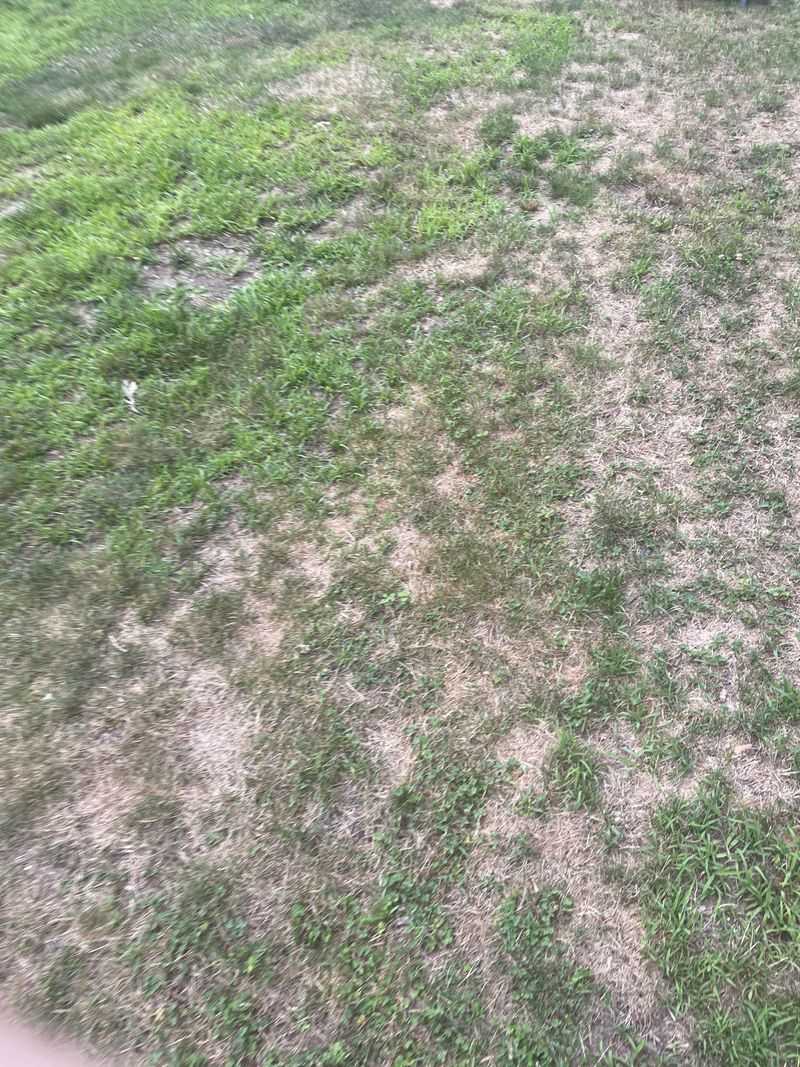
Humid stretches in late summer create conditions where fungal diseases can occasionally take hold in bahiagrass. Compared to many other warm-season turfgrasses, bahiagrass is relatively resistant to serious disease problems.
That said, certain conditions can still trigger issues worth knowing about.
Dollar spot is one disease that can appear in bahiagrass under the right conditions. According to UF/IFAS, dollar spot produces small, roughly circular patches of tan or straw-colored turf, typically a few inches across.
Individual grass blades within those patches often show tan lesions with reddish-brown borders. That pattern is more specific than the general browning caused by drought or mole cricket damage.
Extended periods of leaf wetness, warm nights, and low soil moisture can all contribute to dollar spot development. Lawns that are low on nitrogen may also be more susceptible.
Proper fertilization following UF/IFAS recommendations for bahiagrass can help reduce vulnerability.
Disease is not the default explanation for a rough-looking lawn. Most late-summer roughness in bahiagrass comes from normal growth traits, seedhead production, mowing practices, or drought.
Look for the specific lesion patterns and patch shapes that distinguish disease from ordinary stress. Fungicide applications are rarely needed for bahiagrass and should only be considered after a confident identification.
UF/IFAS plant diagnostic resources can help confirm whether disease is actually present.
8. Rough Looking Bahia Is Not Always Unhealthy Bahia
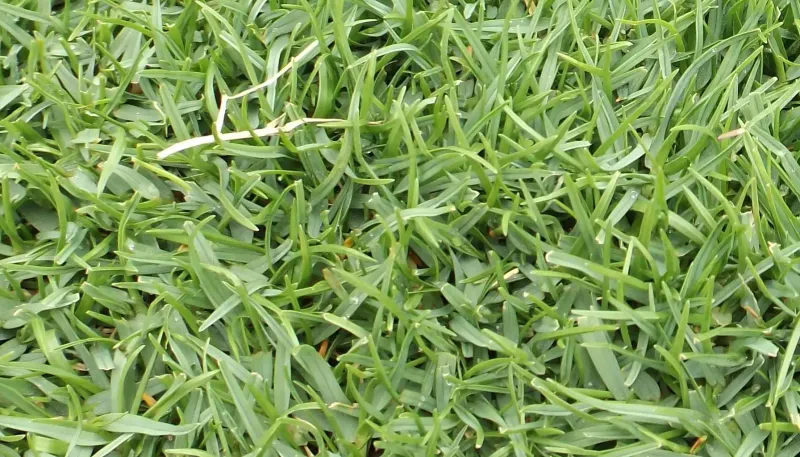
Florida homeowners who compare their bahiagrass to a neighbor’s dense St. Augustinegrass or zoysiagrass lawn often assume something is wrong. The comparison is understandable, but it is not a fair one.
Bahiagrass has its own growth habit, texture, and seasonal behavior that set it apart from those other species.
Seedheads, coarse blades, wider gaps between plants, and temporary browning during dry spells are all normal for bahiagrass. These traits do not automatically signal poor lawn health.
Those traits can stack up by late summer and create a lawn that looks genuinely rough even when the turf itself is perfectly sound.
Cultivar differences, such as the denser sod that Argentine bahiagrass can produce, add another layer of variation within the species.
Real warning signs look different from ordinary roughness. Active tunneling, raised soil ridges, and expanding deceased-looking patches that do not recover after rain can signal a problem.
So can blade lesions that match a specific disease pattern. Those signs are distinct from seedheads, open growth, or drought dormancy.
Late summer can make bahiagrass look especially untidy, but the pattern behind that roughness tells you whether the lawn needs help or is simply behaving like bahiagrass.
Check one factor at a time, start with the simplest explanations, and consult UF/IFAS resources before reaching for treatments.
Most of the time, a rough-looking bahiagrass lawn just needs a sharp blade and a little patience.