Why You Should Let Ohio Cilantro Bolt And Reseed Itself This Month
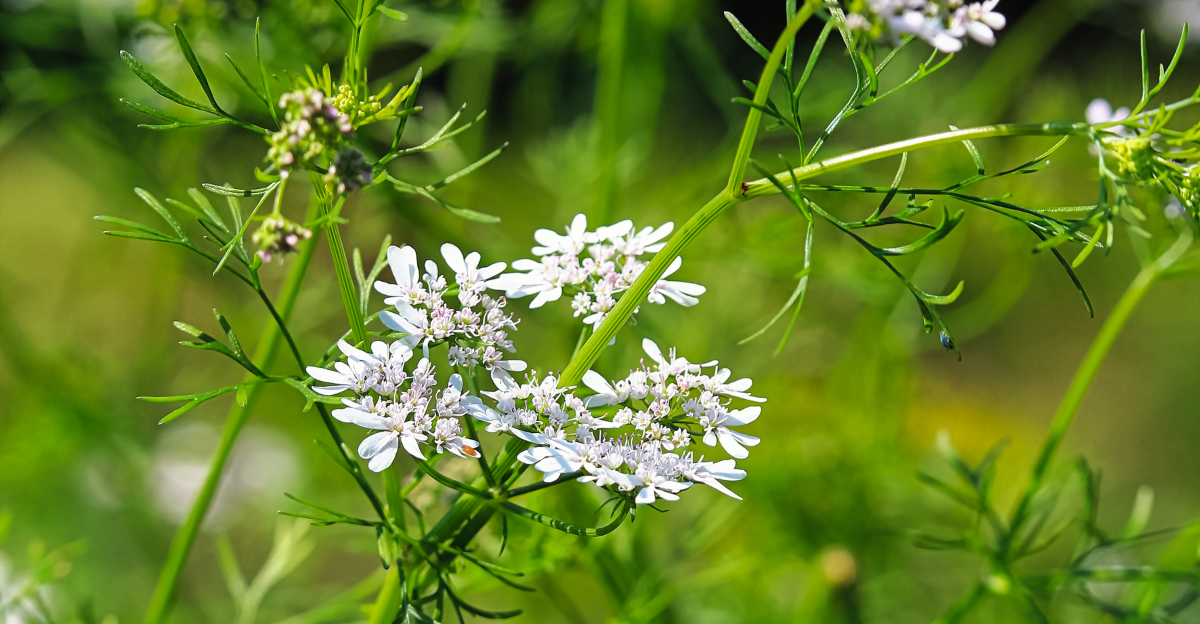
Cilantro bolting feels like failure. The stems shoot up, the leaves thin out, the flavor shifts, and every instinct says pull it before it gets worse.
That instinct costs Ohio herb gardens something worth keeping every single time it gets followed. A cilantro plant allowed to bolt and reseed itself this month becomes next season’s cilantro without a single trip to the nursery or a dollar spent on seeds.
It also becomes coriander, the seed stage that brings an entirely different flavor profile and a wave of pollinators that the leafy stage never attracted.
Ohio summers push cilantro toward bolt on a schedule that feels frustrating and works in the gardener’s favor once the logic behind it becomes clear.
The plant is not failing. It is finishing one phase and starting another that most herb gardens never let it reach.
Let it go. The payoff is worth the patience.
1. August Heat Is Already Pushing Cilantro Toward Flowers
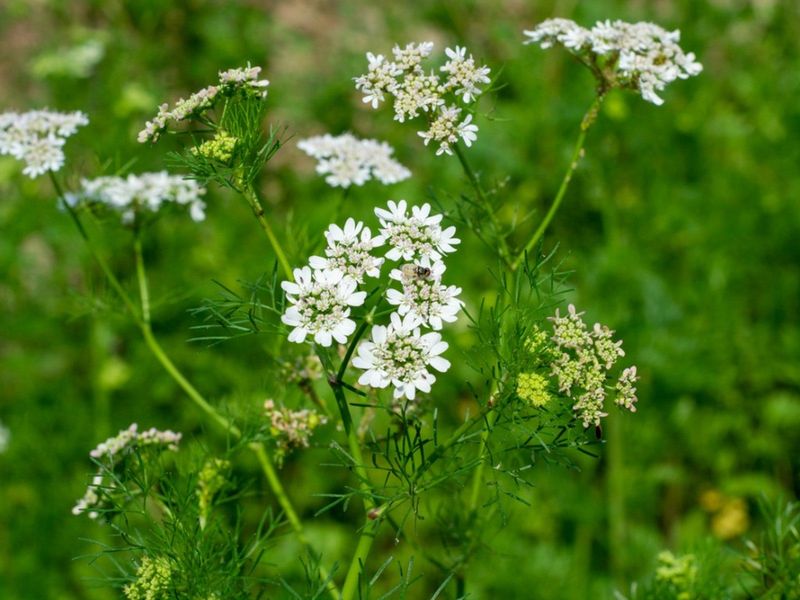
A sudden vertical surge in an Ohio herb bed is one of the more recognizable signs that a cilantro plant has shifted from leafy growth to reproductive mode.
The central stalk climbs well above the lower foliage, and the leaves along that upper stem look noticeably different.
They become finer and more feathery compared to the broader, rounder leaves the plant produced earlier in the season.
Cilantro is a cool-season annual, known botanically as Coriandrum sativum. Warm temperatures and lengthening or shortening day signals combine with plant maturity to push it toward flowering.
Heat alone does not explain every case. A mature plant that has simply run its course will move toward seed production regardless of whether one particular afternoon was unusually warm.
Gardeners sometimes trim flower stalks hoping to restore leaf production. Once reproductive growth is well underway, though, that strategy rarely produces a long return of tender foliage.
The plant is completing its natural life cycle, not responding to a correctable problem. Pulling every plant at this stage means losing whatever the flowering phase can still offer.
Leaving one or two selected plants to continue is a reasonable middle path. This works especially well for gardeners interested in coriander seed or possible volunteer seedlings later in the season.
2. Those White Blooms Are More Useful Than They Look
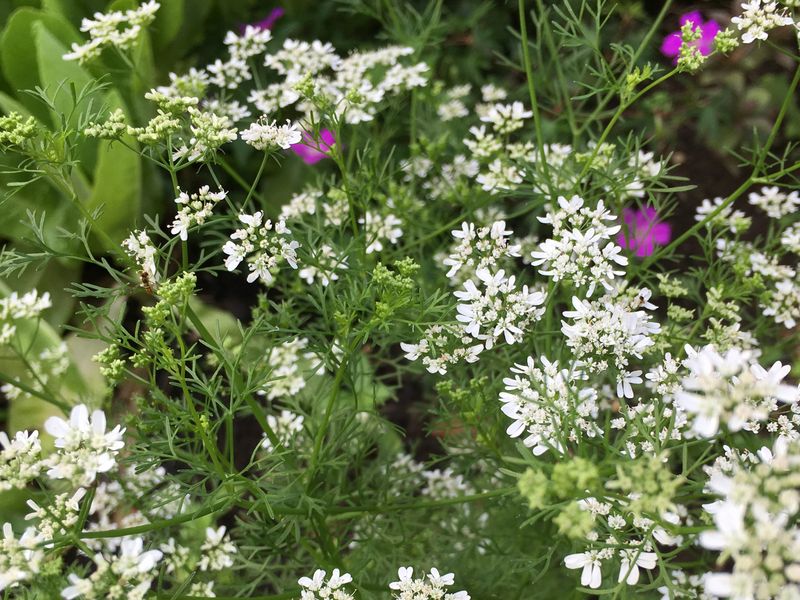
Small pale umbels opening above a patch of fine-leaved stems do not look like much at first glance. Each cluster is made up of tiny individual flowers, typically white or faintly tinged with pink, arranged in a flat-topped formation called an umbel.
That open, accessible structure turns out to matter quite a bit to certain insects.
University extension programs in Ohio and peer-reviewed entomology research have documented visits to umbellifer flowers by beneficial insects. That includes flowers of Coriandrum sativum.
Hover flies, small native bees, and parasitoid wasps are among the groups that may use these blooms. Parasitoid wasps are harmless to people and are worth encouraging in vegetable gardens because their larvae develop inside pest insects.
Your Ohio Garden Changes Every Week. Your Plan Should Too.
Gardening in Ohio changes quickly throughout the season. Every Friday you’ll receive a simple weekly plan showing exactly what to plant, prune, fertilize, harvest, and protect so you never miss the right timing.
The flowers work well for smaller insects partly because the nectar and pollen sit in a relatively exposed position. Many tubular or complex flowers exclude smaller visitors, but the flat umbel design offers easier access.
That does not make cilantro blooms the most important pollinator resource in any garden, and flowering plants do not guarantee pest suppression. What it does mean is that a plant sending up flower clusters is not automatically wasted space.
It is playing a small but genuine supporting role in the garden’s broader insect community during a stretch of the summer when other resources may be tapering off.
3. The Seed Heads Give You A Second Harvest
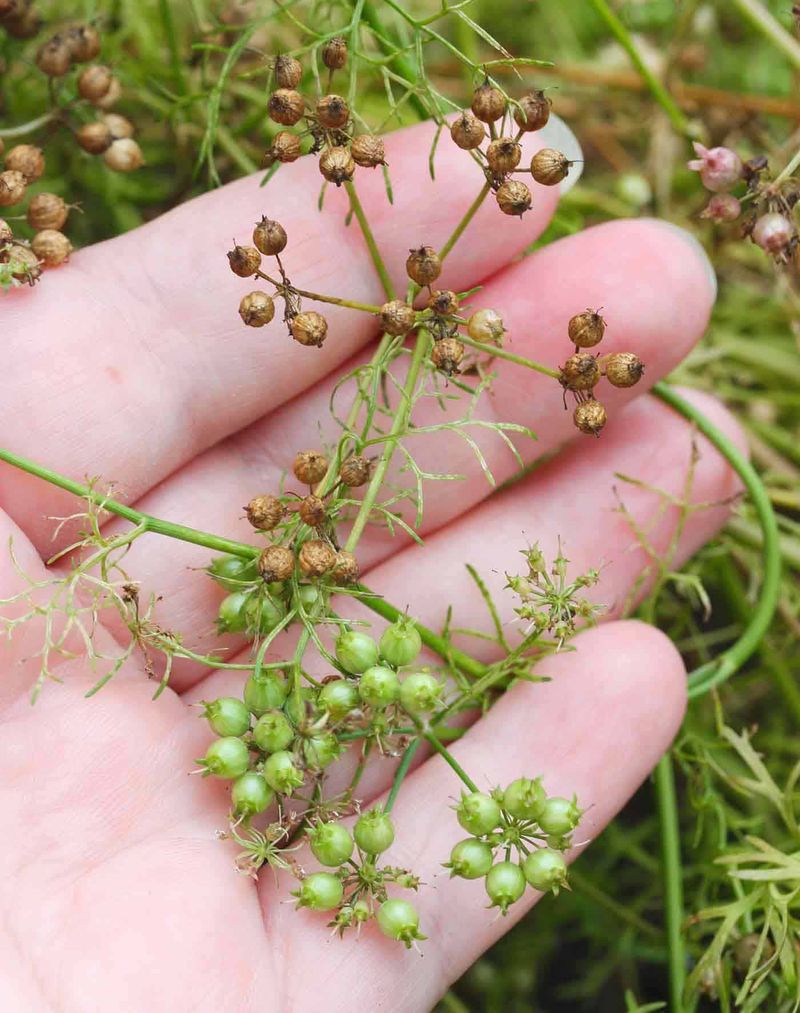
Once the flowers close, small round structures begin forming along the stems. These are what most American cooks call coriander seeds, though technically each one is a dried fruit containing a seed inside.
For practical Ohio garden purposes, the common term works fine, and the harvest process is straightforward once you know what to look for.
Maturity shows itself visually rather than on a calendar. Green seeds gradually shift toward a tan or light brown color as they dry down.
The stems holding the seed heads also begin to dry and lose their green color. Waiting until that color change is well along gives you more fully developed seed.
That matters whether you plan to use it as a spice or save it for future planting.
Harvesting too early, while everything is still green, means the seed has not finished maturing. For culinary coriander, dried mature seed carries the characteristic warm, slightly citrusy aroma the spice is known for.
For planting purposes, immature seed is less likely to germinate reliably. A simple approach is to cut the seed heads when most of the cluster has turned tan, then hang or lay them in a dry, airy spot to finish drying.
Not every plant produces the same quantity of seed, so leaving more than one plant to mature gives you a more useful yield from this second stage of the crop.
4. Coriander Is The Bonus Crop Most Gardeners Forget
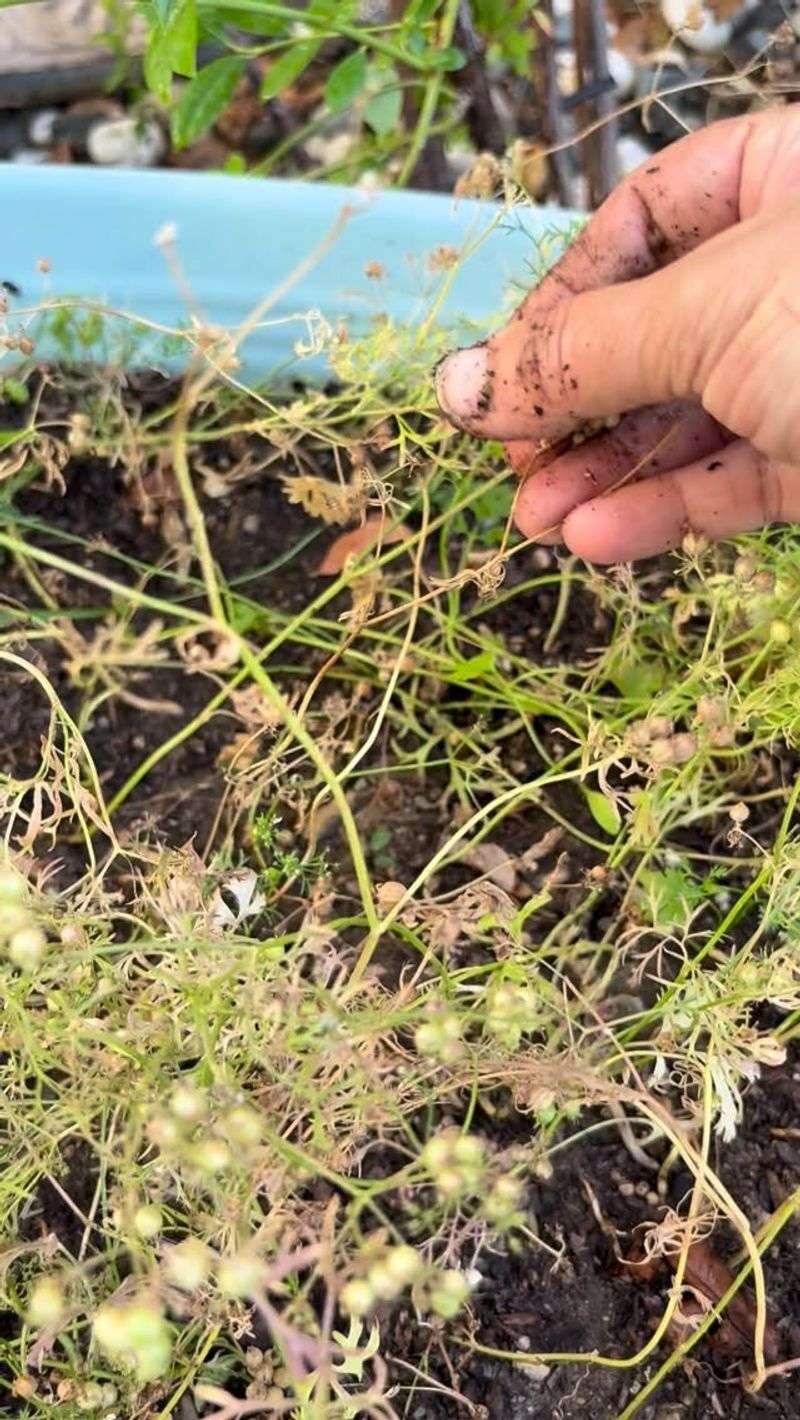
Many herb gardeners grow cilantro strictly for the leaves and never consider what those same plants can produce later. Pulling everything at the first flower stalk means the seed stage never arrives, and an entirely separate harvest is lost before it begins.
Letting selected plants run their full course changes that calculation.
In common American culinary use, cilantro refers to the fresh leaves and stems, while coriander refers to the dried seed used as a spice. Both come from the same plant, Coriandrum sativum.
The seed tastes noticeably different from the fresh leaf, with a warmer, earthier quality. It works well in spice blends, roasted vegetables, and many savory dishes.
Flavor perception varies from person to person, so calling it universally loved would be an overstatement. Still, coriander is a widely used spice with genuine culinary range.
Gardeners who allow a few plants to mature fully can split what they collect. Some seed goes into the spice jar for cooking.
Some can be set aside for next season’s planting, provided it was allowed to mature fully before harvest and is stored in a cool, dry place. Seed saved for planting should come from fully mature, dry heads rather than green ones.
That simple split turns one bolting plant into two useful resources without requiring any extra garden space or special equipment.
5. Fallen Seed Can Bring Cilantro Back In Cooler Weather
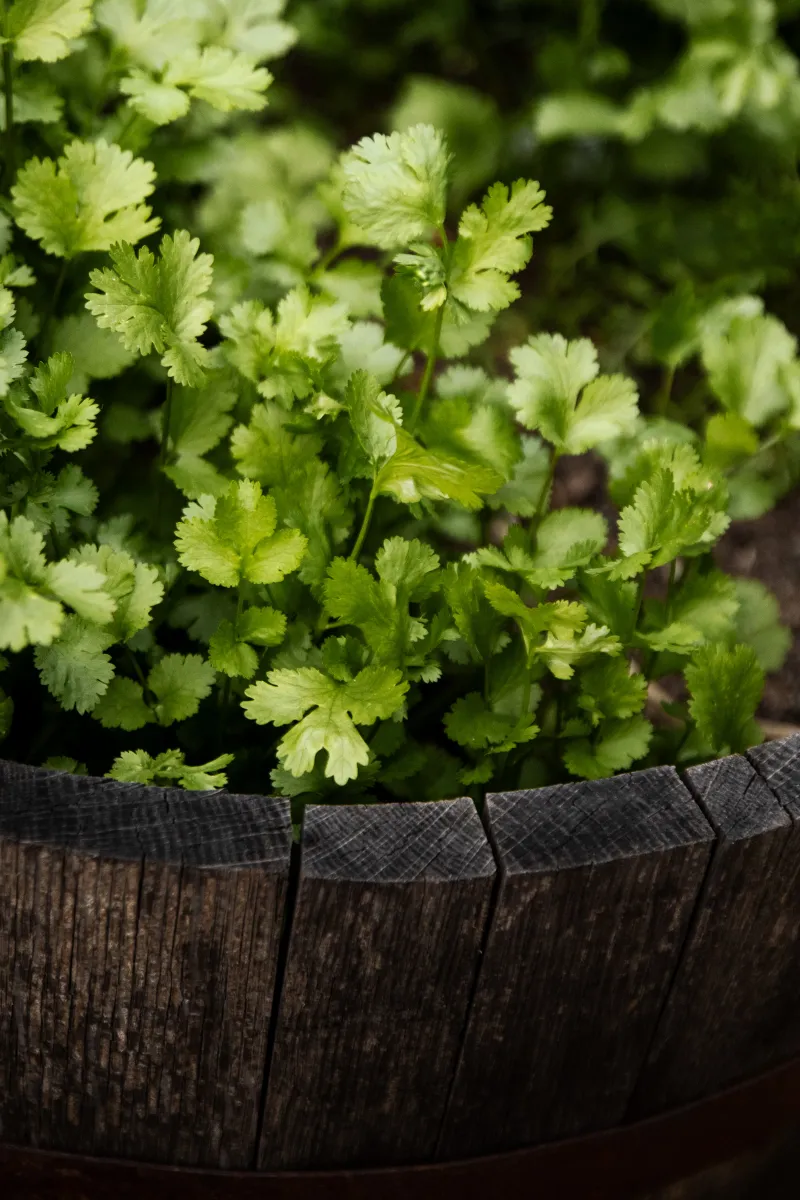
Mature seed that drops from a finished plant does not always vanish into the soil permanently. Under the right conditions, some of it may germinate and produce a new generation of plants.
These volunteer seedlings are not regrowth from the same root system. Each one is an entirely new plant sprouting from a dropped seed.
Whether germination actually happens depends on several overlapping factors. Seed needs reasonable contact with the soil surface, adequate moisture, and temperatures that suit cilantro’s cool-season preferences.
A thick layer of mulch may reduce the chances of seed reaching the soil. Significant soil disturbance after seed falls can also affect outcomes.
Some seed may germinate when late-summer or early-fall conditions become more favorable. Other seeds may persist longer or not germinate at all.
Cooler conditions generally suit cilantro better than midsummer heat, which is part of why volunteers, when they do appear, often show up as temperatures ease. No specific date can be promised, and no particular patch is guaranteed to produce seedlings.
Cilantro’s tendency to self-seed does not make it invasive. Volunteer plants are easy to manage like any other garden seedling, and unwanted ones can be removed or transplanted when small.
Intentional sowing remains the more reliable path to a fall crop, but allowing seed to fall is a low-effort way to give natural germination a chance.
6. Cutting Every Flower Stops The Reseeding Cycle
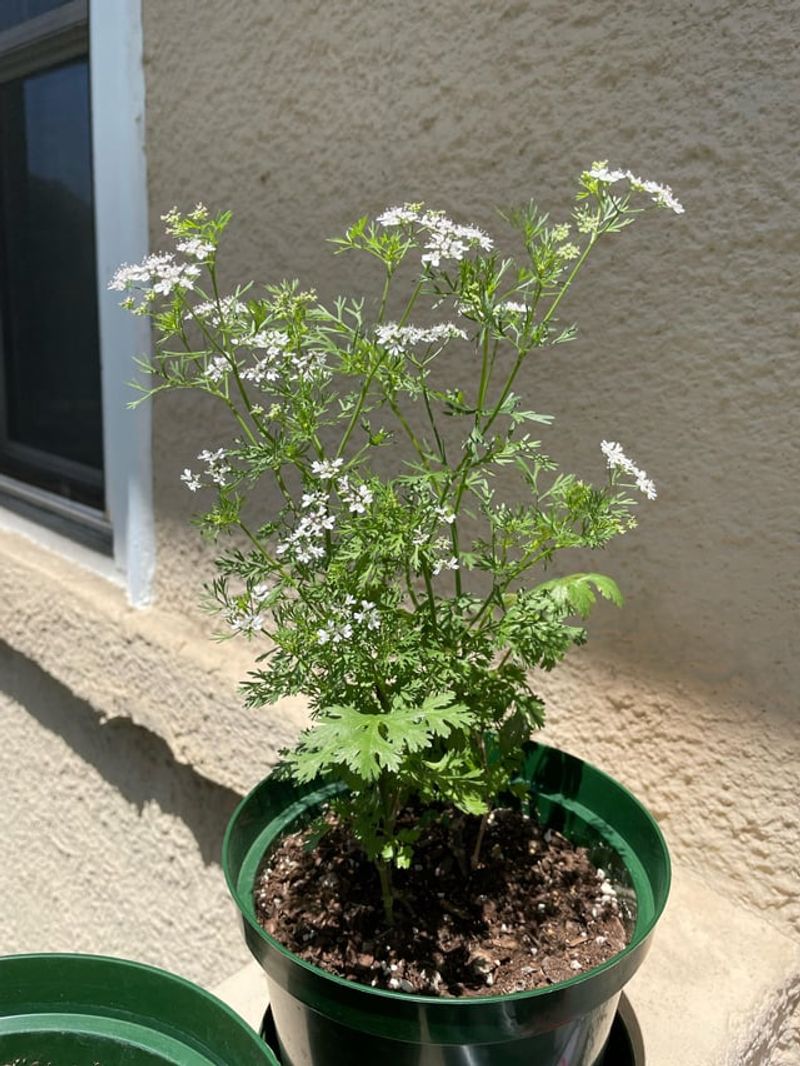
Removing flower stalks from every cilantro plant in the Ohio garden is a legitimate choice, but it comes with a clear tradeoff. No flowers means no seed development, which means no coriander harvest and no possibility of volunteer seedlings.
That outcome is perfectly reasonable if fresh leaves from young plants are the only priority.
Once a plant has advanced well into reproductive growth, cutting the flower stalk may not restore tender leaf production. The plant has already shifted its energy toward flowering and seed.
The plant’s energy and internal signals are already oriented toward seed. Trimming may slow the process slightly, but it rarely sends a mature plant back to its earlier leafy state for long.
Expecting weeks of fresh leaves from a plant that has clearly shifted to flowering is generally not a realistic outcome.
A more workable approach is to make deliberate choices about which plants to cut and which to leave. Young plants that have not yet bolted are the better candidates for continued leaf harvest.
Older plants that have already sent up flower stalks can be selected intentionally for seed production. Leaving two or three mature plants standing while harvesting leaves from a fresh sowing nearby gives the garden both outcomes at once.
That kind of selective management avoids the all-or-nothing situation where every plant is either pulled early or left entirely unattended.
7. Sow Another Row While The Old Plants Finish
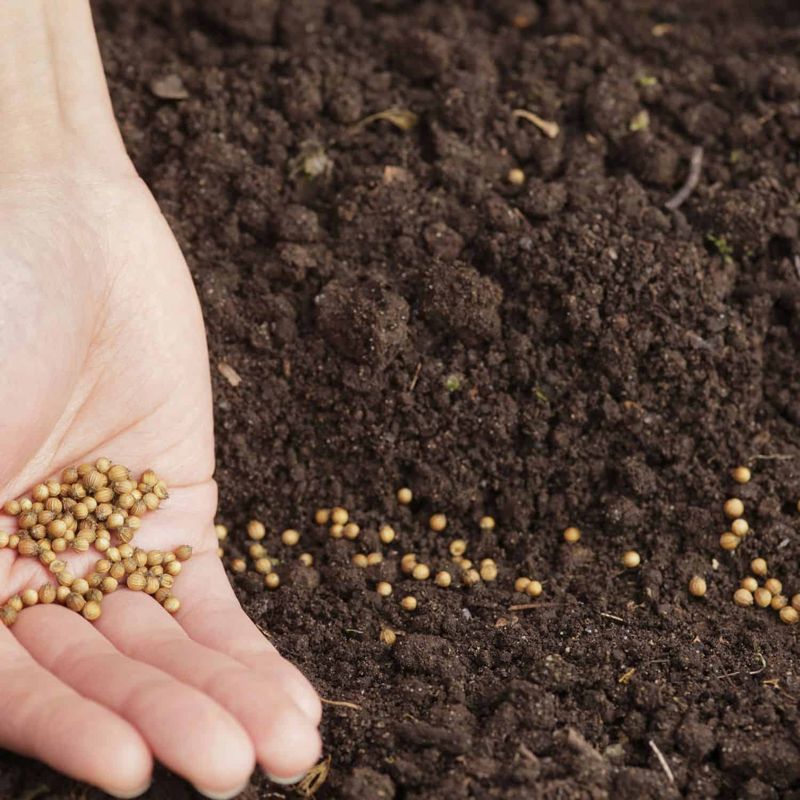
Volunteer seedlings are a welcome surprise when they appear, but counting on them as the primary fall crop is not a dependable strategy.
Sowing a fresh row now, while selected older plants finish flowering and setting seed, puts the gardener in a much stronger position for a cool-season leaf harvest.
Late summer can be a reasonable time for another cilantro sowing across much of Ohio. However, the available window before cold weather varies considerably by location.
Northern gardens and southern gardens in the state experience meaningfully different conditions, and weather shifts from year to year. No single date works universally, and no guaranteed harvest can be promised before frost.
Checking local extension resources for regional guidance gives a more accurate picture than any broad rule.
Cilantro moves through its leafy stage relatively quickly, which is part of what makes succession sowing worthwhile. Direct sowing is generally preferred because the plant develops a taproot and can be sensitive to root disturbance during transplanting.
Pressing seed shallowly into a prepared bed and keeping the soil moist until germination is the standard approach. Warm late-summer soil can make establishment a bit more challenging, so consistent moisture during the germination period helps.
Run a fresh sowing alongside a few older plants that are still flowering. This gives the garden two tracks at once: one producing leaves and another finishing the season with seed.
8. One Bolted Plant May Be Worth Leaving Behind
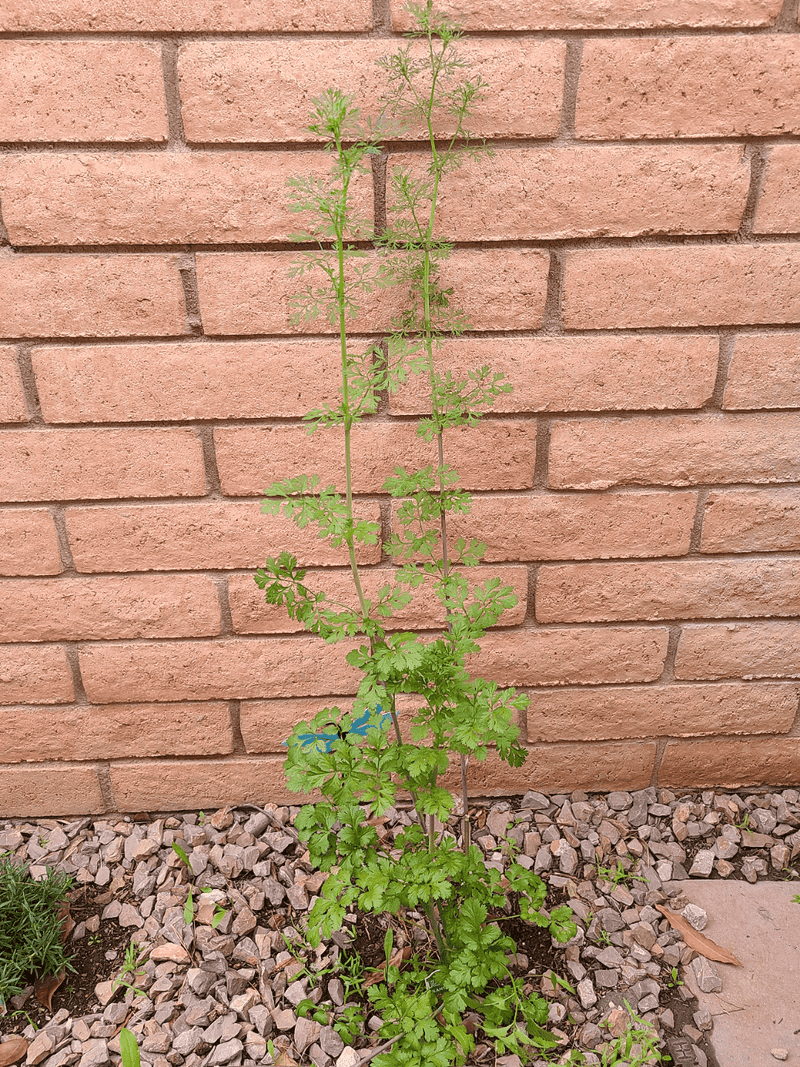
Not every Ohio gardener has unlimited space, and that is a fair reason to pull a mature plant without ceremony. When space is genuinely tight, keeping a flowering stem around just to see what happens may not be practical.
For gardeners who do have room, though, leaving even one or two mature plants to finish their cycle can provide several small but real returns.
Possible benefits include a modest supply of coriander seed and a short period of flowers for visiting insects. Some dropped seed may also germinate when conditions shift.
None of those outcomes is guaranteed. The plant also occupies space, produces fewer desirable leaves than a younger plant would, and may drop seed in spots where seedlings are not wanted.
Unwanted volunteers are not a serious problem. They can be pulled or moved when small, just like any other seedling.
Gardeners who want seed but not random volunteers can harvest the seed heads before they fully shatter and drop. Cutting the heads when most seeds have turned tan and drying them indoors gives better control over where that seed ends up.
The practical takeaway for an August garden is straightforward. Keep younger plants for leaf harvests, and let a few selected older ones run their course when flowers or seed are useful.
That measured approach gets more from a single planting without asking the garden to do anything it was not already going to do on its own.