Is Winterizer Fertilizer Actually Worth It For Ohio Lawns?
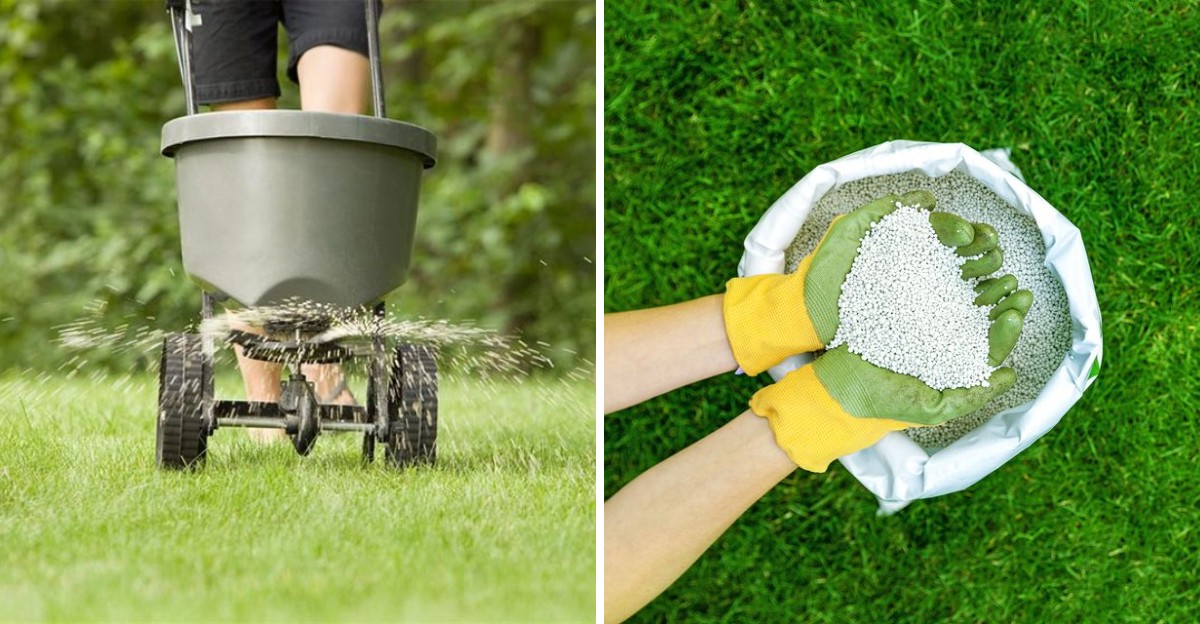
That bag with “winterizer” splashed across the front sits at the end of every aisle in October, priced like a bargain and sold like a must-have.
Lawn companies push it hard. Neighbors swear by it.
Some Ohio gardeners call it the cheapest insurance a yard can buy, while others toss it in the trunk with a shrug and wonder where the money went.
The label tells a good story. The soil tells a different one, and the two don’t always match.
Timing plays a part, and so does what your grass already holds in reserve.
Hold off on the checkout line for now. The answer could save you forty bucks or a whole lot of regret.
1. Late-Fall Feeding Is The Most Important Of The Year
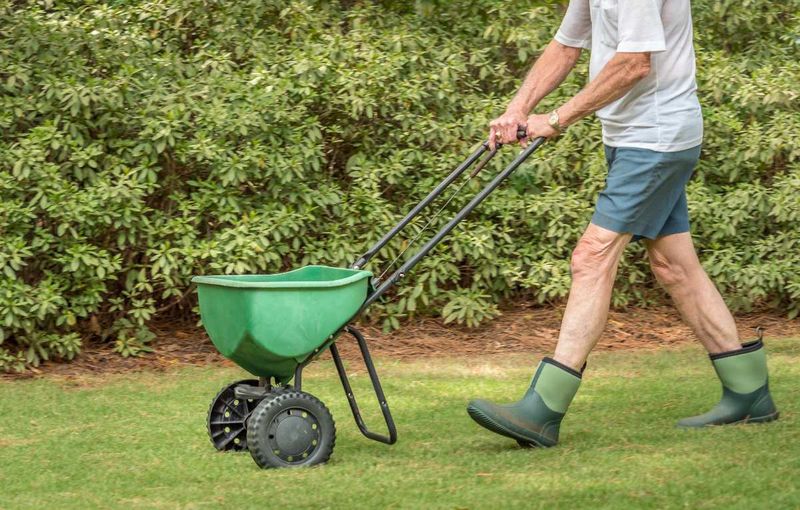
Picture your grass as a squirrel packing acorns before the snow flies. Underneath the soil, roots keep busy in late fall, tucking away food for the cold months ahead.
Lawn experts across Ohio agree that this feeding matters more than any other one you do all year. Cool-season grasses like Kentucky bluegrass, tall fescue, and perennial ryegrass are built for this season.
The blades slow down, but the roots keep growing and storing energy.
A fall feeding refills that storage tank after a long, hot summer. Summer heat, foot traffic, and dry spells drain a lawn more than most people realize.
Giving it nutrients now helps it bounce back.
A deep, healthy root system acts like a sturdy foundation for a house. It helps grass handle freezing nights, heavy snow, and those wild Ohio thaws that come and go in February.
Lawns with strong roots also recover faster when spring arrives.
So if you only fertilize once a year, many pros say this is the time to do it. A spring feeding often pushes fast top growth that just means more mowing.
Late fall, on the other hand, builds strength where you cannot see it.
Think of it as an investment in next year rather than a quick fix for today.
2. Timing Matters More Than The Label
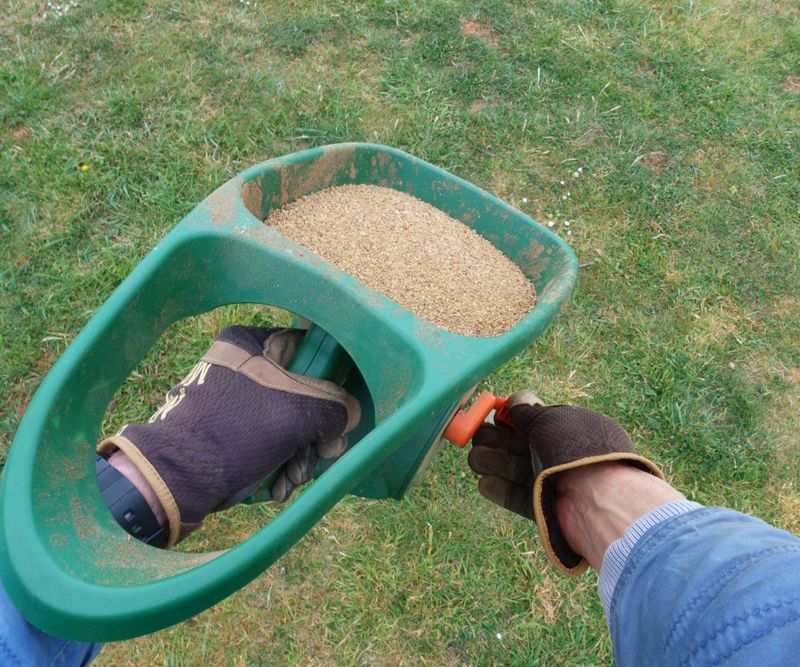
Here is a little secret the fancy packaging will not shout about. The word winterizer on the bag matters far less than the day you spread it.
Plenty of folks buy their bag in September and toss it down right away. Unfortunately, that timing can backfire on you.
When grass is still growing strongly, it uses the food to push out new blades instead of saving it for winter.
That early feeding means extra mowing and less stored energy in the roots. You paid for a winter boost, but the lawn spent it like a kid with birthday money.
Not quite the result you wanted.
Ohio weather makes this trickier than it sounds. One year, October feels like July.
The next year, you might see flurries before Halloween. Because of these swings, watching your lawn works better than following a fixed date.
Many experienced homeowners treat the bag like a tool rather than magic. Any quality lawn fertilizer with a good amount of nitrogen can do the job if you time it well.
Your Ohio Garden Changes Every Week. Your Plan Should Too.
Gardening in Ohio changes quickly throughout the season. Every Friday you’ll receive a simple weekly plan showing exactly what to plant, prune, fertilize, harvest, and protect so you never miss the right timing.
The special label simply makes shopping easier.
So before you grab the spreader, slow down and look outside. Your grass and the forecast will tell you more than the marketing ever will.
Patience here really pays off in the spring.
3. Wait Until The Grass Stops Needing Mowing
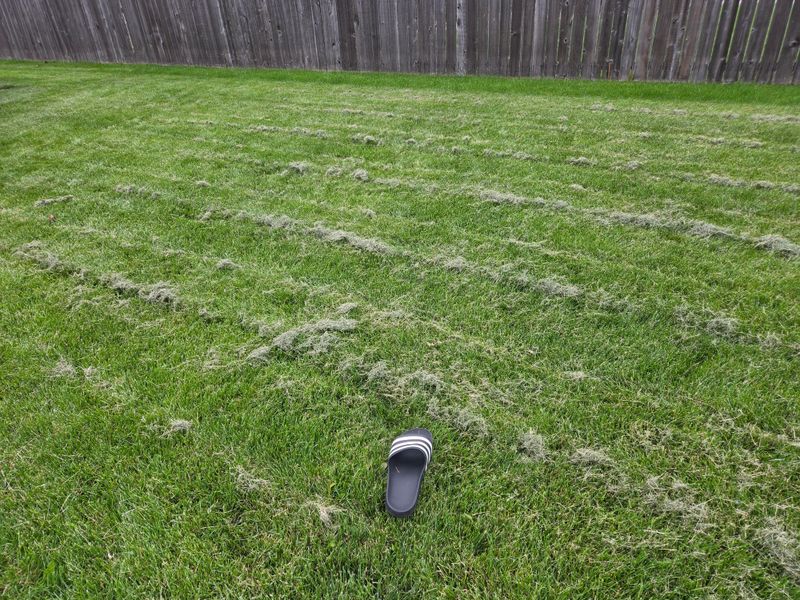
Your lawn mower might be the best timing tool you own. When it starts gathering dust because the grass is not getting taller, you are close to the right moment.
Cool-season grasses usually stop top growth when daytime highs stay below about 50 degrees. That shift does not happen overnight, so keep an eye on the yard for a week or two.
If the grass still looks shaggy after a few days, it is still growing.
Keep mowing as long as you see new height. Cutting at about two and a half to three inches through fall helps prevent matted grass and snow mold later.
Once the blades seem frozen in place, you can retire the mower for the season.
A simple trick helps here. Mow your lawn, then check it again five days later.
If it looks almost the same, growth has slowed enough for a winterizer.
At this stage, the roots are still awake and hungry. The plant sends nutrients down for storage rather than up into leaves.
That is exactly what you want from a late-season feeding.
Fun fact: grass roots can keep growing when soil temperatures sit in the low 40s. So even when the yard looks still, plenty of activity continues below your feet.
4. That Usually Means November Or Early December
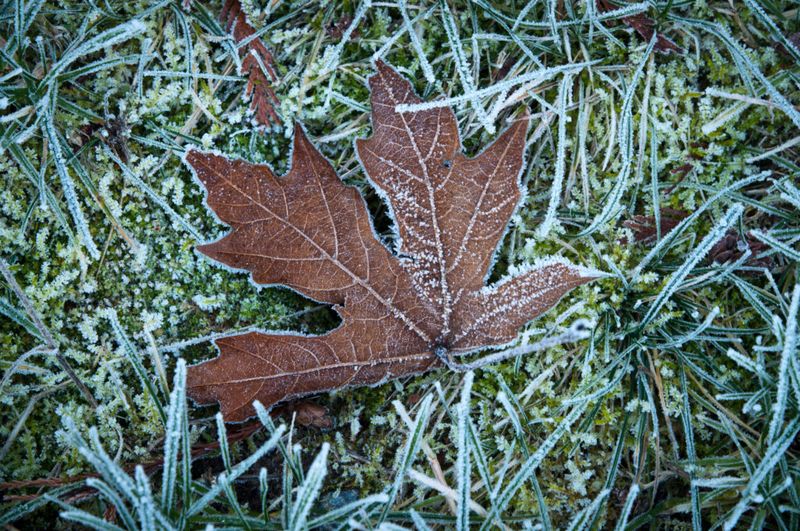
Mark your calendar, Buckeyes. For most of the state, the sweet spot for winterizer lands somewhere between late November and early December.
Of course, Ohio is a long state with plenty of variety. Folks near Cincinnati often see warmer falls and later frost, so southern Ohio can usually push into early December.
Northern region may need to move a bit sooner, often in early to mid-November, because cold can arrive fast.
Central Ohio, around Columbus, tends to land in the middle. A good habit is to watch both the grass and the ten-day forecast.
When mowing has stopped and the ground is still soft, you are in business.
Many people feel strange spreading fertilizer while wearing a winter coat. It seems backward, almost like planting seeds in a snowstorm.
Yet this timing lines up perfectly with how cool-season grass behaves.
Try to pick a dry, calm day for the job. Wind can blow granules onto driveways and sidewalks, where they wash into storm drains.
Sweep any stray pellets back onto the lawn when you finish.
If Thanksgiving weekend leaves you with a spare afternoon, it could be the perfect chance. A quick lap with the spreader between football games is a pretty easy win for your yard.
5. Apply Before The Ground Freezes
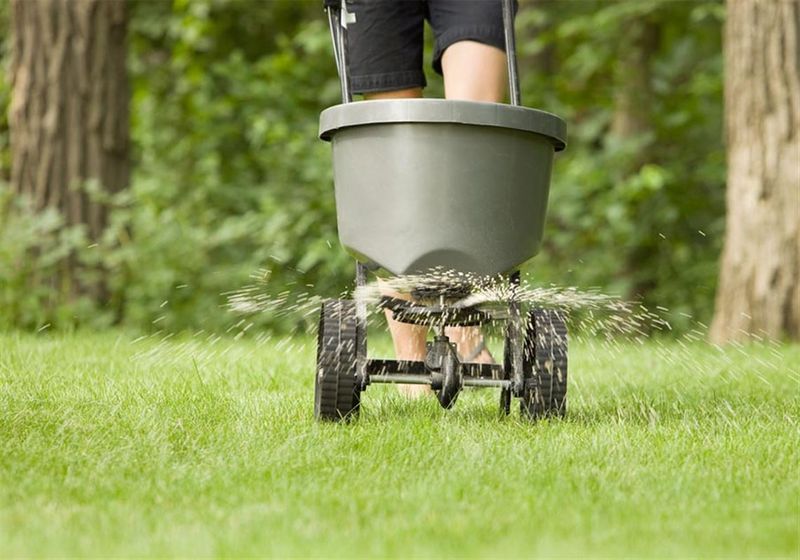
Spreading fertilizer on frozen dirt is a bit like mailing a letter to an empty house. Nobody is home to receive it.
The whole point of a winterizer is to let roots soak up nutrients and store them. Roots can only do that while the soil is unfrozen and moist.
Once the ground locks up solid, that uptake slows to a crawl.
Fertilizer sitting on icy ground has nowhere useful to go. When snow melts or rain falls, those nutrients can wash away into streets, ditches, and streams.
That wastes your money and can feed algae in our lakes.
In fact, parts of the state, like the Western Lake Erie Basin, have rules limiting fertilizer on frozen or snow-covered ground. Even outside those areas, experts across the state call it a poor practice.
Lake Erie has struggled with algae blooms, so every bit of care helps.
To stay on track, check the soil with a screwdriver or garden trowel. If it slides in easily, roots can still feed.
If it feels like pushing into a brick, you have missed the window.
Watering lightly after application, or timing it before a gentle rain, helps move nutrients into the soil. Just avoid spreading before a heavy downpour.
6. Expect Stronger Roots And An Earlier Spring Green-Up
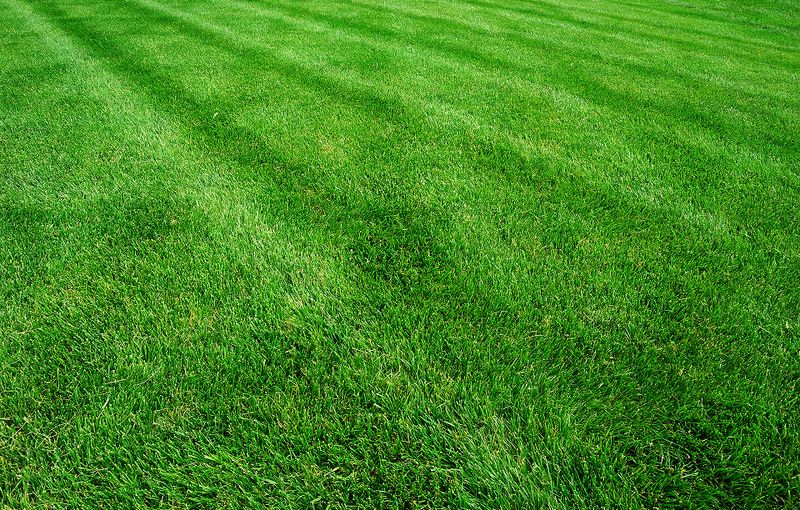
Imagine stepping outside on a chilly March morning and noticing your lawn is already turning green. Meanwhile, the yard next door still looks like a faded doormat.
That head start is one of the biggest rewards of a well-timed winterizer. The food your grass stored all winter sits in the roots, ready to go.
When soil warms up, the plant taps that reserve and wakes up quickly.
Many lawn pros report green-up that comes two to three weeks earlier than untreated lawns. The color also tends to spread evenly rather than in patchy spots.
For anyone who loves a tidy yard, that is a pretty sweet bonus.
Stronger roots bring other perks too. Deep roots help grass handle winter stress, heavy snow, and freeze-thaw cycles.
They also help the lawn crowd out weeds when spring arrives.
Healthier turf usually needs less fixing later. You might spend less on spring treatments or patching thin spots.
Over a few seasons, those savings can add up.
Keep your expectations realistic, though. A winterizer is not a miracle potion for a lawn with poor soil, heavy shade, or compaction.
It works best as part of a solid routine that includes proper mowing, watering, and aeration when needed.
7. Nitrogen Is The Nutrient That Matters Most
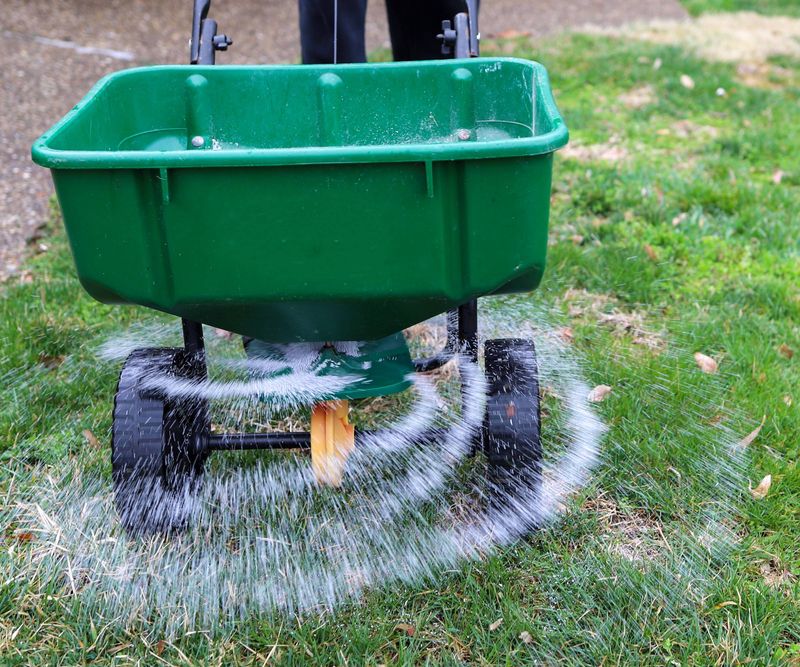
Every fertilizer bag shows three numbers, like 24-0-12. That first number stands for nitrogen, and for a late-fall feeding, it is the real star.
Research shows grass keeps using nitrogen to build roots in fall, even after the blades stop growing. The nutrient helps the plant keep making food through photosynthesis on mild days.
That food gets packed away in the roots for later.
So when you shop, look for a product with a solid nitrogen number. Most winterizers are designed this way already.
A quick-release form can work well this late, since the grass can use it before deep cold sets in.
Follow the bag rate rather than guessing. Many Ohio guides suggest about one pound of actual nitrogen per 1,000 square feet for a late-season feeding.
More is not better here, because extra simply washes away.
Here is a handy tip for figuring it out. Divide one by the nitrogen percentage as a decimal.
For a 24 percent product, that equals roughly four pounds of fertilizer per 1,000 square feet.
Did you know? Nitrogen is the gas that makes up about 78 percent of the air we breathe.
Grass just cannot grab it from the air, so we have to give it a hand.
8. Get A Soil Test Before Paying For Extra Potassium
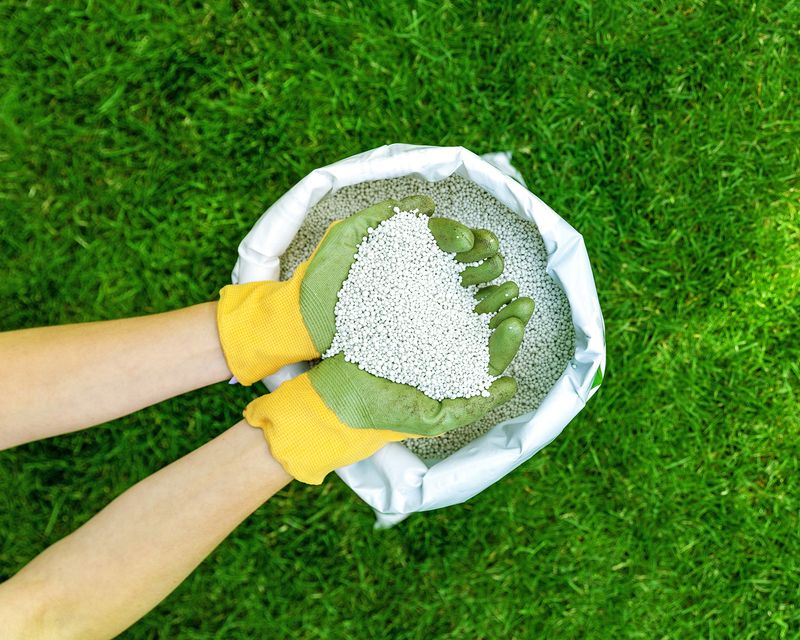
Spending money on nutrients your soil already has is like buying milk when your fridge is full. A soil test helps you skip that mistake.
Most winterizers include potassium, the third number on the bag. Potassium helps strengthen cell walls in grass.
It also improves disease resistance and helps the lawn handle cold and drought stress.
Here is the catch, though. Potassium really shines only when your soil is low on it.
Plenty of the state soils already hold a decent supply, so extra may do very little.
A soil test costs less than many bags of fertilizer. It shows your levels of potassium, phosphorus, and pH.
With those results, you can choose a product that actually fits your yard.
Ohio State University Extension offers guidance on soil testing and can point you toward trusted labs. To collect a sample, take small scoops from several spots around the lawn.
Dig down about three to four inches, mix them in a clean bucket, and send in a cup or so.
Fall is a great time to test, since results arrive before your next big feeding. Once you know your numbers, you can buy smarter for years.
That is a pretty good return on a few dollars and a little digging.
9. Skip Fertilizing Through Winter
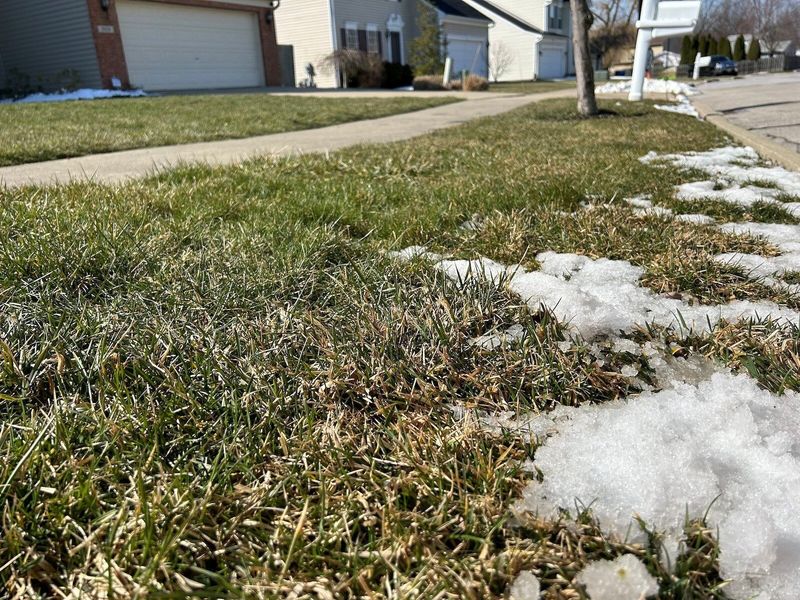
Good news for anyone who dislikes yard work in snow boots. Once your late-fall feeding is down, your fertilizer job is finished until spring.
A winterizer is meant to be a single application before dormancy, not a monthly snack. After the ground freezes, roots stop taking in nutrients in any useful way.
More fertilizer at that point just sits on top, waiting to wash off.
Runoff from winter feeding can end up in creeks, rivers, and eventually Lake Erie. That adds to algae problems and wastes your hard-earned cash.
Holding off is better for your wallet and your neighborhood.
So what should you do instead during the cold months? Try to keep foot traffic off frosty or frozen grass, since it can crush blades and leave brown footprints.
Avoid piling heavy snow from the driveway onto one area of the lawn.
Choose de-icers labeled safer for plants near walkways if you can. Rock salt can leave crusty, yellow patches along edges by spring.
A little caution goes a long way.
Winter is also a great time to clean and store your spreader and sharpen mower blades. When spring finally arrives, you will be ready.
Your lawn rests, you rest, and everyone wakes up in good shape.