Why Your Irises Aren’t Blooming In Texas (And How To Fix It)
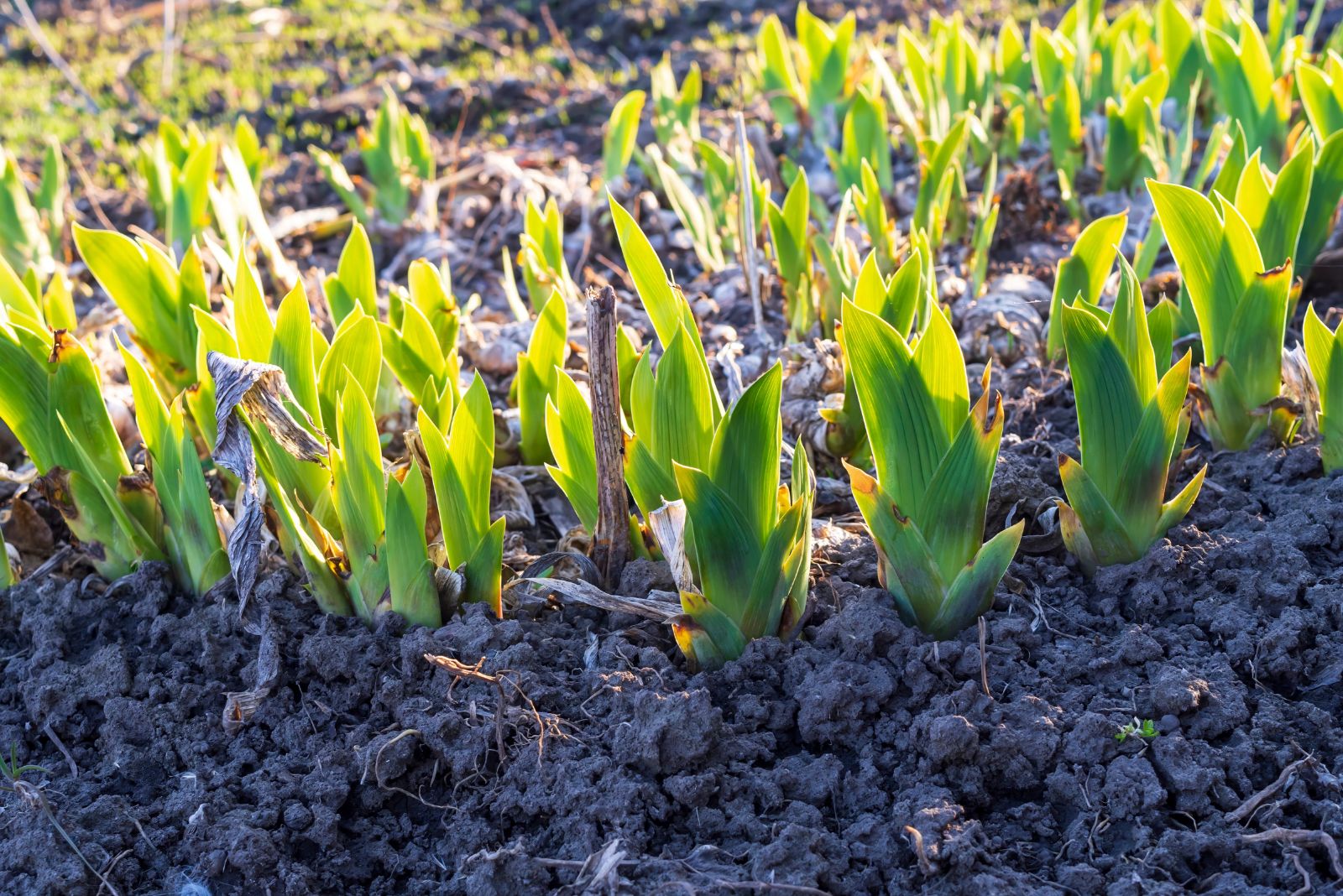
Irises are one of those plants that seem like they should just work. You put them in the ground, you’ve seen them bloom beautifully in other gardens, and the expectation is that yours will do the same thing without a whole lot of intervention.
When they don’t bloom, or when they bloom once and then never again, the frustration is real and the reasons aren’t always obvious. Texas adds its own specific layer of complications to iris growing that gardeners in other states don’t have to think about as carefully.
Soil conditions, planting depth, heat exposure, and timing all interact in ways that can shut down blooming entirely even when a plant looks perfectly healthy above ground.
A non-blooming iris in Texas is almost always fixable, but the fix depends entirely on identifying the actual cause rather than guessing and hoping something changes.
The good news is that once you know what’s going wrong, getting your irises back on a reliable blooming schedule is very much within reach.
1. Iris Not Getting Enough Sun
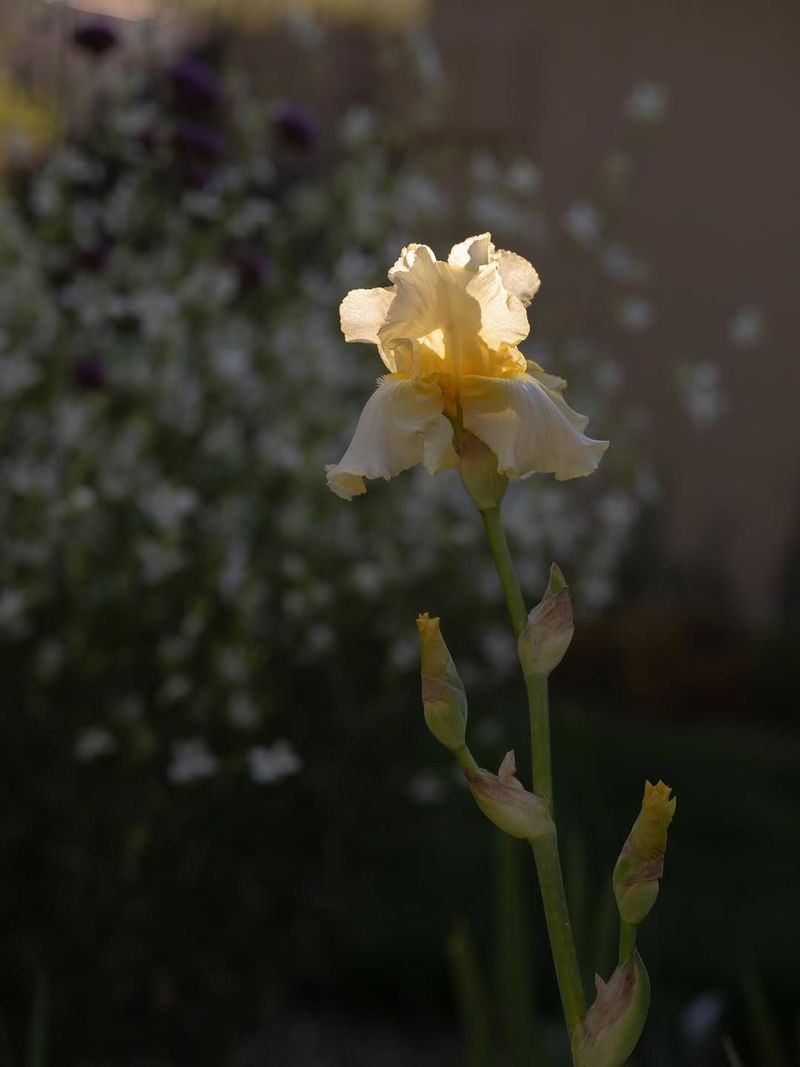
Sunlight is everything when it comes to getting irises to bloom. Many Texas gardeners are surprised to learn that irises are true sun-lovers.
They need at least 6 to 8 hours of direct sunlight every single day to produce flowers. Without enough sun, your plants may look green and healthy, but you will never see a single bloom.
In Texas, this can be tricky. As neighborhoods grow and trees get bigger, spots that were once sunny can slowly become shaded.
You might have planted your irises in full sun a few years ago, but now a nearby oak or pecan tree has grown just enough to block that morning light. Even a couple of hours of lost sunlight can make a big difference.
Walk around your yard at different times of day and really pay attention to where the sun hits. Check in the morning, midday, and afternoon.
If your iris bed is sitting in shade for more than half the day, that is likely your main problem.
The fix is simple but requires a little effort. Dig up your irises and move them to a sunnier spot in your yard.
Fall is a great time to do this in Texas because the cooler temperatures help the plants settle in before the next growing season. Choose a location with full, open sun and good air circulation.
Once your irises are in the right spot, you should start seeing blooms return within one or two growing seasons. Sun is not optional for irises. It is absolutely essential.
2. Planted Too Deep
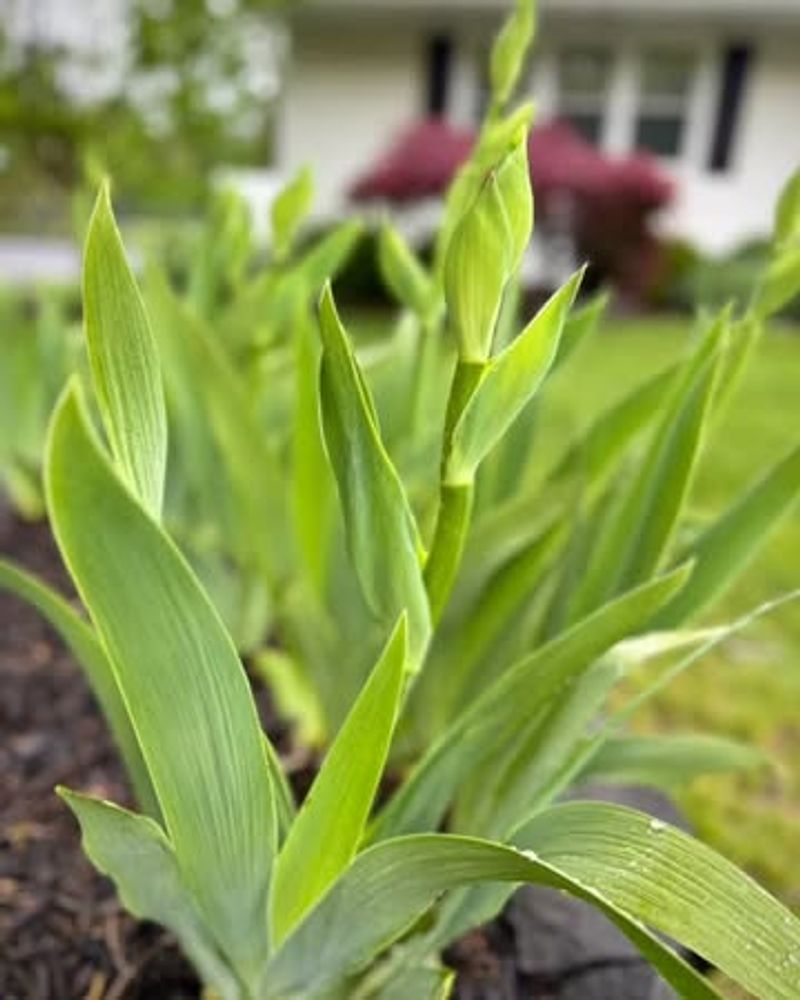
Here is something that catches a lot of Texas gardeners off guard: irises actually like to bake a little in the sun. Their rhizomes, which are the thick, root-like structures that sit at the base of the plant, need to be partially exposed to sunlight and warm air.
When you bury them too deep, they struggle to bloom and can even start to rot in the ground. It sounds a little strange, right? Most plants need their roots covered.
Your Texas Garden Changes Every Week. Your Plan Should Too.
Gardening in Texas changes quickly throughout the season. Every Friday you’ll receive a simple weekly plan showing exactly what to plant, prune, fertilize, harvest, and protect so you never miss the right timing.
But irises are different. The top of the rhizome should sit right at or just slightly above the soil surface.
You should almost be able to see it peeking out. In Texas, where summers are blazing hot, this is especially important because that warmth actually helps trigger blooming.
A lot of people plant them too deep because it feels more natural or because they worry the rhizome will dry out. But covering the top with more than an inch of soil is one of the most common reasons irises refuse to bloom in Texas gardens.
To fix this, carefully dig up your irises and check the planting depth. Brush away any soil covering the top of the rhizome and replant so that the flat top surface is visible. You do not need to replant the whole garden. Just gently expose those rhizome tops.
Add a thin layer of mulch around the sides if you want, but keep the top clear. Once the rhizomes get that direct sun exposure they crave, you should notice a real improvement in blooming the following spring season.
3. Overcrowded Clumps
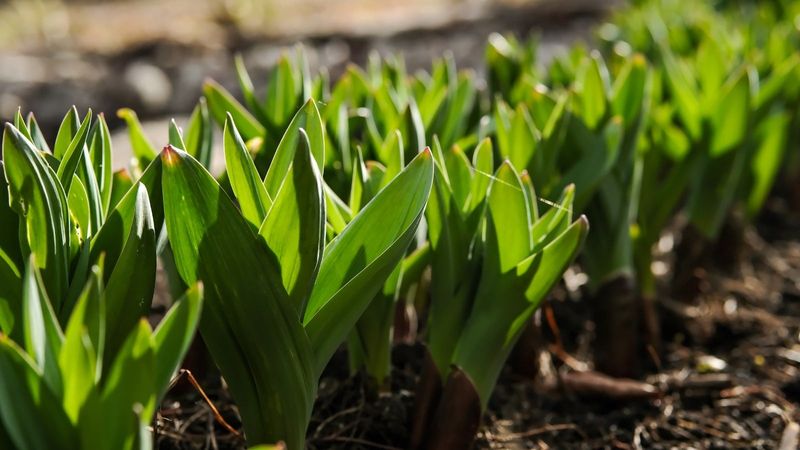
Irises are fast growers, and over time they multiply like crazy. What starts as a small, tidy clump can turn into a crowded, tangled mess within just a few years.
When irises get too crowded, they have to compete with each other for water, nutrients, and sunlight. The result? Lots of leaves and almost no flowers.
This is one of the most common problems Texas gardeners run into, especially with bearded irises. You will notice the center of the clump starts to look dry or sparse while new growth pushes outward.
The rhizomes in the middle get shaded out and stop producing blooms entirely. The plant is technically alive and growing, but it has no energy left to flower.
Most experienced Texas iris growers recommend dividing your clumps every 2 to 3 years, especially right after the blooming season ends. Late summer or early fall is the ideal time to divide in Texas, giving the plants time to establish before the cold season arrives.
Dividing irises is easier than it sounds. Dig up the entire clump and use a clean, sharp shovel or knife to separate the healthy outer rhizomes from the old, woody center.
Toss out the tired middle sections and replant the fresh outer pieces with good spacing, about 12 to 18 inches apart. Make sure each division has healthy roots and at least one fan of leaves.
Water them in well and give them a little time to settle. Giving your irises that extra breathing room is often all it takes to bring the blooms roaring back the very next spring.
4. Too Much Nitrogen Fertilizer
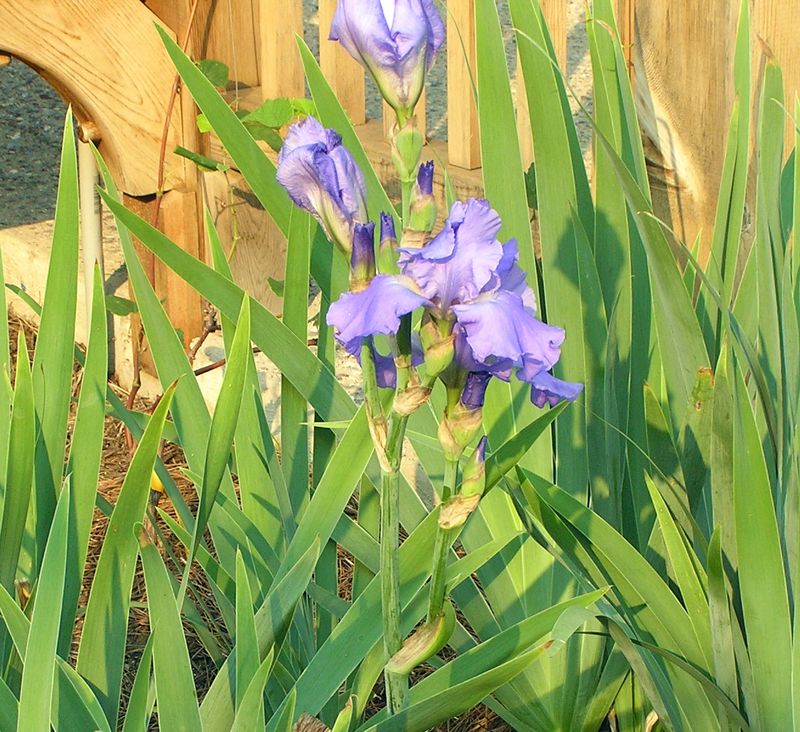
Fertilizer seems like a straightforward solution when your plants are not performing well. More food equals more flowers, right?
Not exactly. When it comes to irises, too much of the wrong fertilizer can actually be the reason your plants are refusing to bloom. Nitrogen in particular is the sneaky culprit here.
Nitrogen is the nutrient that promotes big, lush, green leaf growth. When you apply a high-nitrogen fertilizer, your irises respond by pushing out more and more leaves.
The plant puts all its energy into growing foliage instead of producing flowers. You end up with a gorgeous, full, leafy plant that never blooms. It can be really frustrating when you have been trying so hard to help.
This happens a lot in Texas when gardeners use a general lawn fertilizer on their flower beds without realizing it. Lawn fertilizers are typically very high in nitrogen because grass needs it to stay green.
But that same formula is terrible for flowering plants like irises. The fix is to switch to a low-nitrogen, bloom-boosting fertilizer. Look for something with a ratio like 5-10-10, where the second and third numbers are higher than the first.
Those higher numbers represent phosphorus and potassium, which encourage root development and flower production. Apply it in late winter or very early spring before your irises start actively growing.
You do not need to fertilize heavily. A light application once a year is usually plenty for Texas irises growing in decent soil. Less really is more when feeding these beautiful plants.
5. Poor Drainage (Common In Texas Clay Soil)
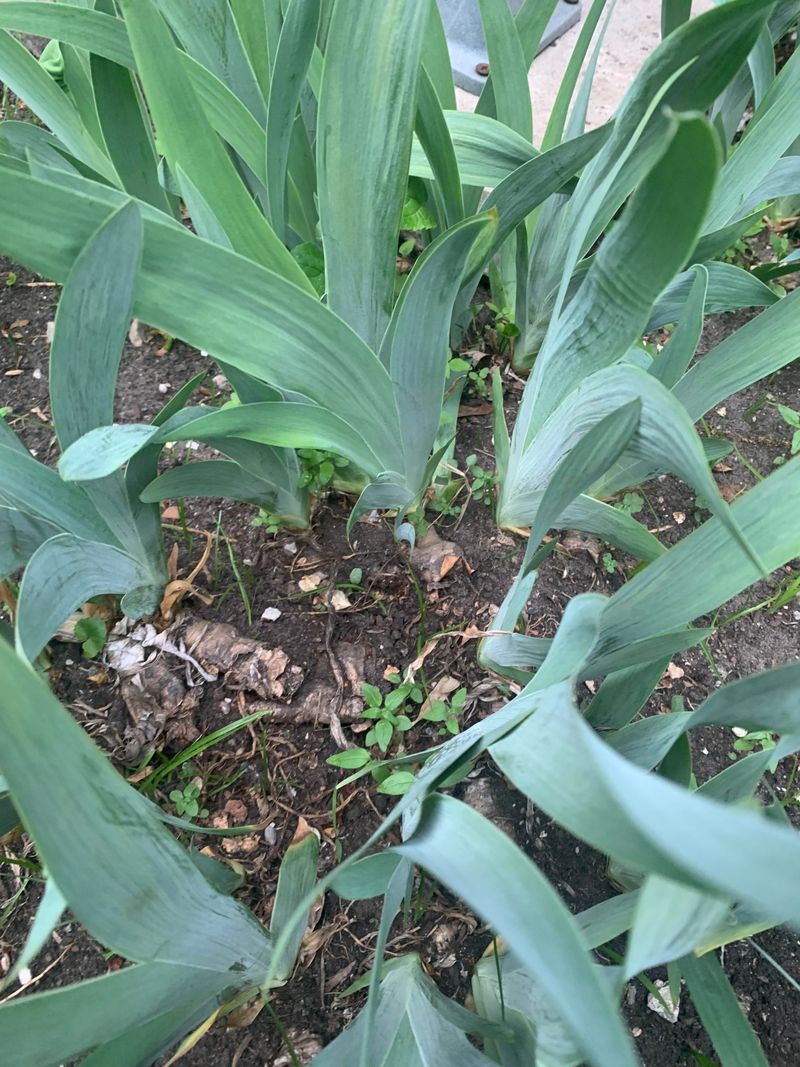
Texas clay soil is notorious among gardeners, and for good reason. It holds water like a sponge and drains incredibly slowly.
While some plants love that moisture retention, irises absolutely do not. Wet, soggy roots are a recipe for rot, stress, and zero blooms.
If your yard has heavy clay soil, this could be the number one reason your irises are struggling.
When the roots stay wet for too long, they begin to rot from the inside out. A rotting rhizome cannot support healthy growth, and it definitely cannot produce flowers.
You might notice the leaves turning yellow or brown at the base, or the plant feeling mushy when you press on it near the soil. These are classic signs that drainage is the problem.
Texas gardeners in areas like Houston, Dallas, and the Hill Country often deal with this issue, especially during the rainy season. Even a few days of standing water around the roots can set your irises back significantly for the whole growing season.
Improving drainage does not have to be complicated. One of the best solutions is to build a simple raised bed just 6 to 8 inches above the surrounding soil level.
Fill it with a mix of native soil, compost, and coarse sand to improve drainage naturally. You can also amend your existing bed by working in several inches of compost and grit before replanting.
Another option is to relocate your irises to a naturally sloped area of your yard where water runs off easily. Getting the drainage right is one of the most important things you can do for iris success in Texas.
6. Too Much Shade From Nearby Plants
Your yard changes more than you might realize from year to year. Trees grow taller, shrubs spread wider, and before you know it, a garden bed that used to get full sun is now sitting in deep shade for most of the day.
This is one of the most overlooked reasons irises stop blooming in Texas, and it sneaks up on you slowly over several growing seasons.
Texas is home to fast-growing trees like live oaks, cedar elms, and crape myrtles that can add several feet of height and spread each year. Neighboring shrubs and ornamental grasses can also creep outward and steal sunlight from lower-growing plants.
Irises planted near these kinds of plants are especially vulnerable because they sit low to the ground and get shaded out quickly.
You might not even notice it happening until one spring you realize your irises have not bloomed in two or three years. By that point, the shade has been building up gradually, and your plants have been quietly struggling the whole time.
There are two main ways to tackle this problem. First, take a good look at the plants surrounding your iris bed and trim back any branches or shrubs that are blocking sunlight.
Even opening up the canopy a little can make a meaningful difference. Second, if the shade source is too large or permanent to trim back easily, consider relocating your irises to a sunnier part of the yard.
Fall is the perfect time to move them in Texas. With the right amount of sunlight restored, your irises should reward you with a beautiful flush of blooms the very next spring season.