Why You Should Stop Fertilizing Your North Carolina Crape Myrtle In September
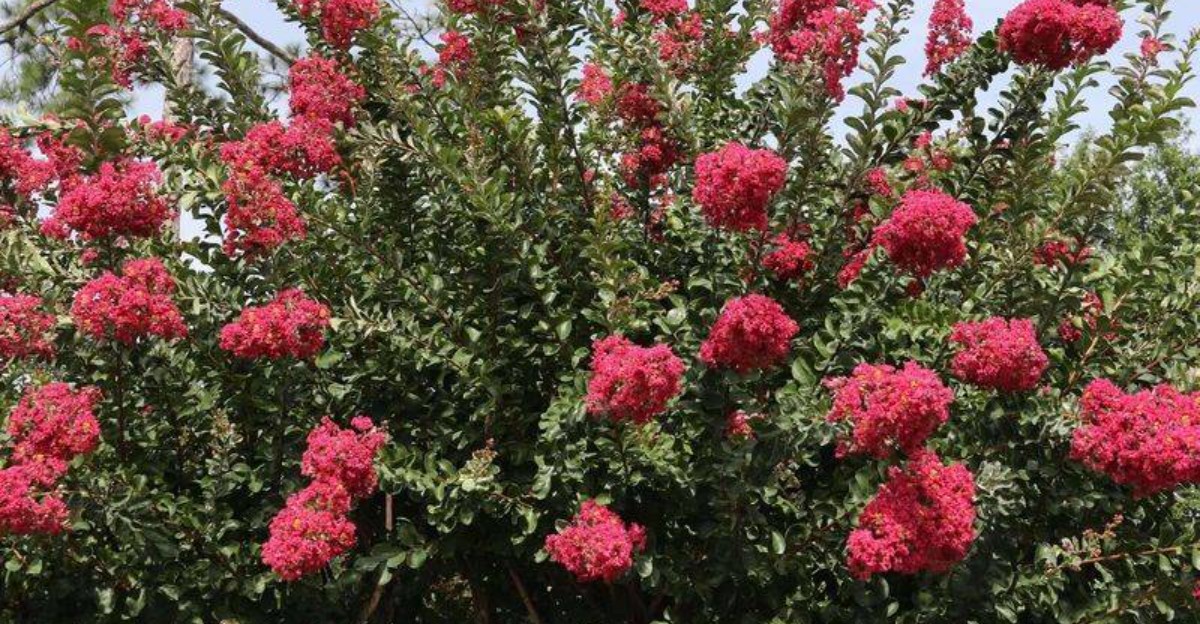
September is a turning point for crape myrtles in North Carolina, and it’s also the point where fertilizing can start doing more harm than good.
Heavy or unnecessary fertilization late in the season can encourage tender new growth that may be vulnerable to cold.
That soft, late growth is far more vulnerable to cold damage than the rest of the plant, and dieback in these areas can affect the crape myrtle’s shape and health going into next year.
Instead of helping the plant prepare for winter, fertilizing now can actually work against that natural slowdown.
For North Carolina gardeners aiming for a healthy, resilient crape myrtle come spring, holding off on fertilizer this time of year matters more than it might seem. Here’s why stopping now sets the plant up for a stronger recovery ahead.
1. The Main Goal Is No Longer To Push New Growth
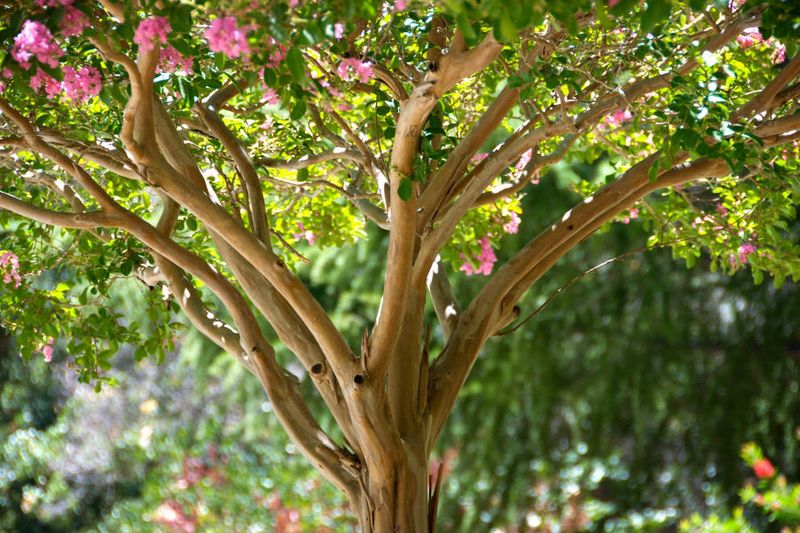
By the time September rolls around, the growing season in North Carolina is winding down. Your crape myrtle has already done most of its stretching and blooming for the year, so pushing it to sprout fresh shoots now works against its natural rhythm.
New growth needs time to toughen up before cooler weather arrives. Tender shoots that pop out late in the season stay soft and green, and they simply cannot harden off fast enough to handle the first frosty nights.
That leaves those fresh tips exposed to cold damage. Fertilizer, especially anything high in nitrogen, tells the plant to keep growing when it should be slowing down.
Think of it like staying up all night before a big trip. Your crape myrtle needs rest, not a burst of energy that keeps it working overtime. Letting it ease into fall naturally is the healthier choice.
Skipping unnecessary late-season feeding allows the tree to follow its normal transition toward dormancy. The plant enters winter prepared, with its resources tucked safely away in the roots.
So rather than trying to squeeze out one more flush of leaves, allow the tree to follow its seasonal clock. Your patience now pays off with a tougher, more resilient crape myrtle when the warm months return.
2. Healthy Crape Myrtles May Not Need More Fertilizer
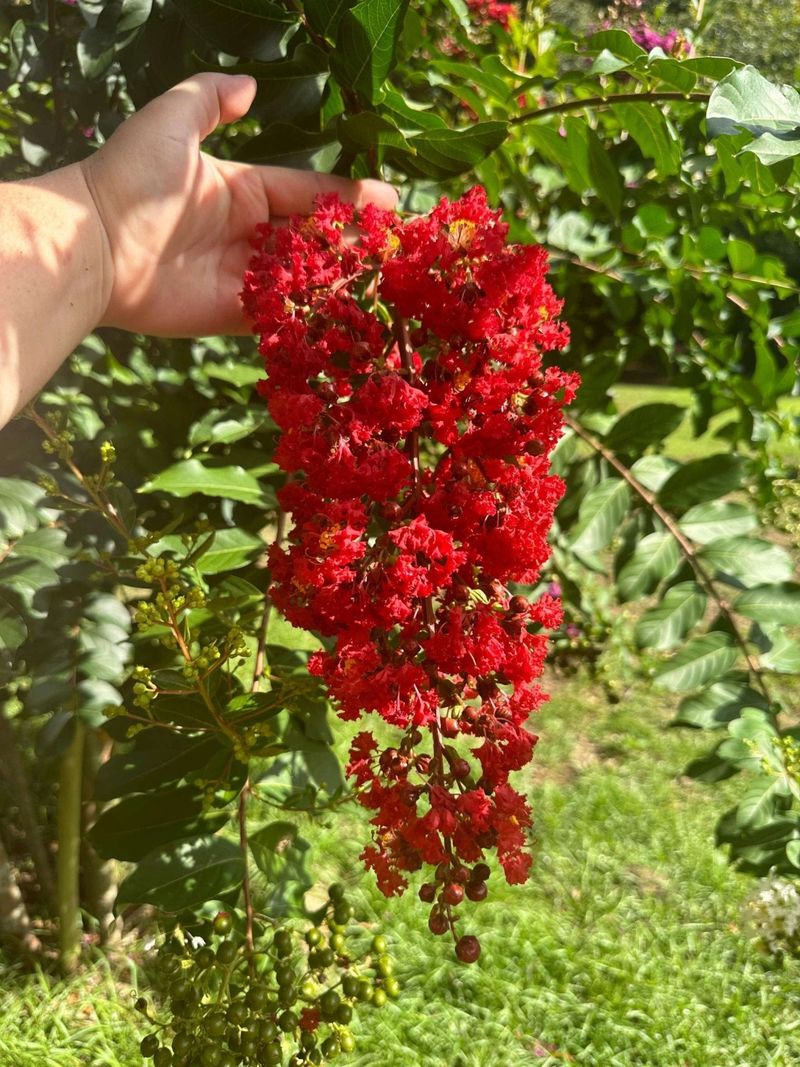
A crape myrtle that already looks great is telling you something important.
Rich green leaves, steady growth, and plenty of summer flowers are good signs that the tree is growing well, although they do not replace a soil test when nutrient problems are suspected.
Feeding a tree that is thriving does not make it healthier. In many cases, extra fertilizer just piles on nutrients the plant cannot use, and those leftovers can wash away or build up in the soil where they do no good at all.
NC State Extension suggests figuring out a real need before applying anything. That means looking closely at your plant and asking whether something is actually wrong, rather than feeding out of habit or worry.
Established crape myrtles have deep, spreading roots that pull moisture and minerals from a wide area. These mature plants are usually good at finding what they need on their own, which is one reason they are so popular in southern yards.
Your North Carolina Garden Changes Every Week. Your Plan Should Too.
Gardening in North Carolina changes quickly throughout the season. Every Friday you’ll receive a simple weekly plan showing exactly what to plant, prune, fertilize, harvest, and protect so you never miss the right timing.
Adding fertilizer when it is not needed can waste money and may contribute to unnecessary nutrient buildup in the soil. Why spend on products your tree will not use?
A good habit is to watch your crape myrtle across the seasons and note how it behaves. If it flowers well and holds nice color, you can relax and let it be.
Trust what a healthy plant shows you. When your crape myrtle is already flourishing, the kindest thing you can do is leave the fertilizer on the shelf and simply enjoy the show it puts on.
3. Too Much Nitrogen Can Create Excessive Growth
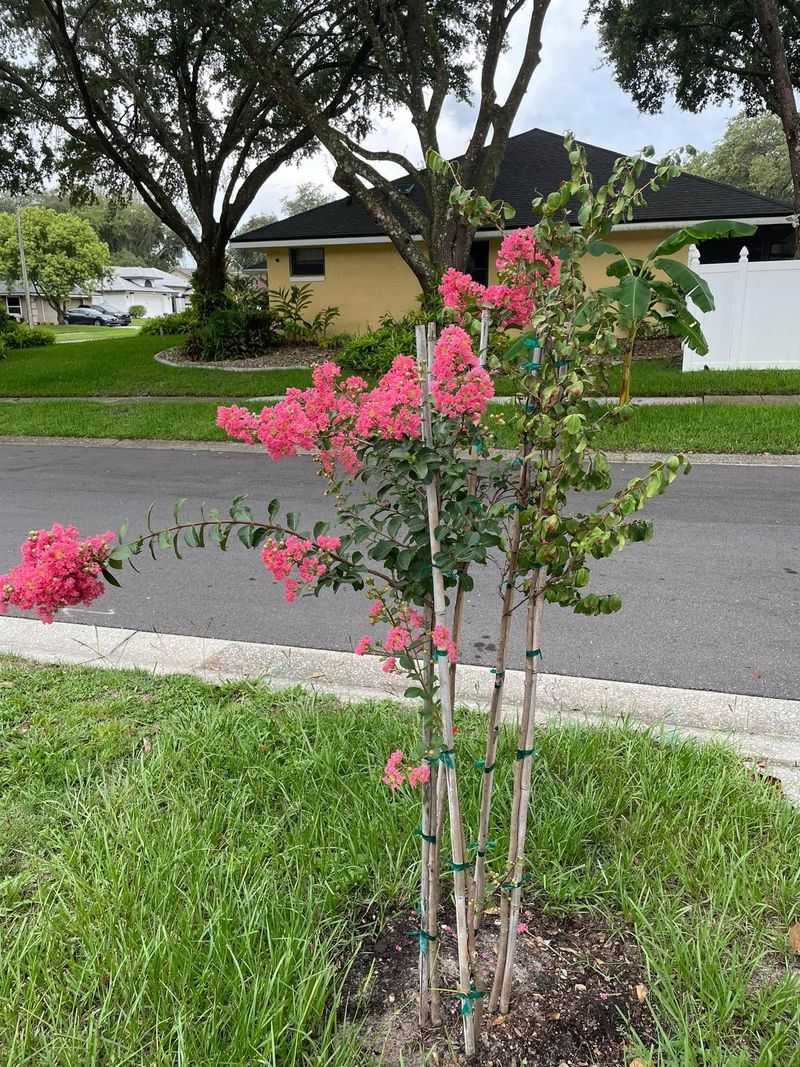
Nitrogen is the nutrient that drives leafy, green growth, and a little goes a long way. Pour on too much, and your crape myrtle can shoot up in a wild, floppy way that looks lush but hides real trouble.
All that fast growth comes at a price. Excess nitrogen can encourage overly vigorous, soft growth, and in some cases it can reduce flowering by pushing the plant toward vegetative growth.
Soft, vigorous new growth can also be attractive to aphids, which commonly feed on tender shoots and leaves.
For a woody ornamental like this, bigger is not always better. A crape myrtle that grows slowly and steadily builds sturdy wood, holds its shape, and stands up to wind and weather far more gracefully.
Excess nitrogen can also throw off the balance in the soil, making other nutrients harder for the plant to take in. That means an overfed tree can end up looking unhealthy even while swimming in fertilizer.
The takeaway is simple. More food does not equal a better plant, and often it creates the opposite of what you hoped for.
Aim for measured, thoughtful care instead of heavy feeding. A crape myrtle with modest, well timed nutrition tends to reward you with strong branches, tidy form, and those bright summer blooms everyone loves.
4. Fertilizer Does Not Fix Every Crape Myrtle Problem
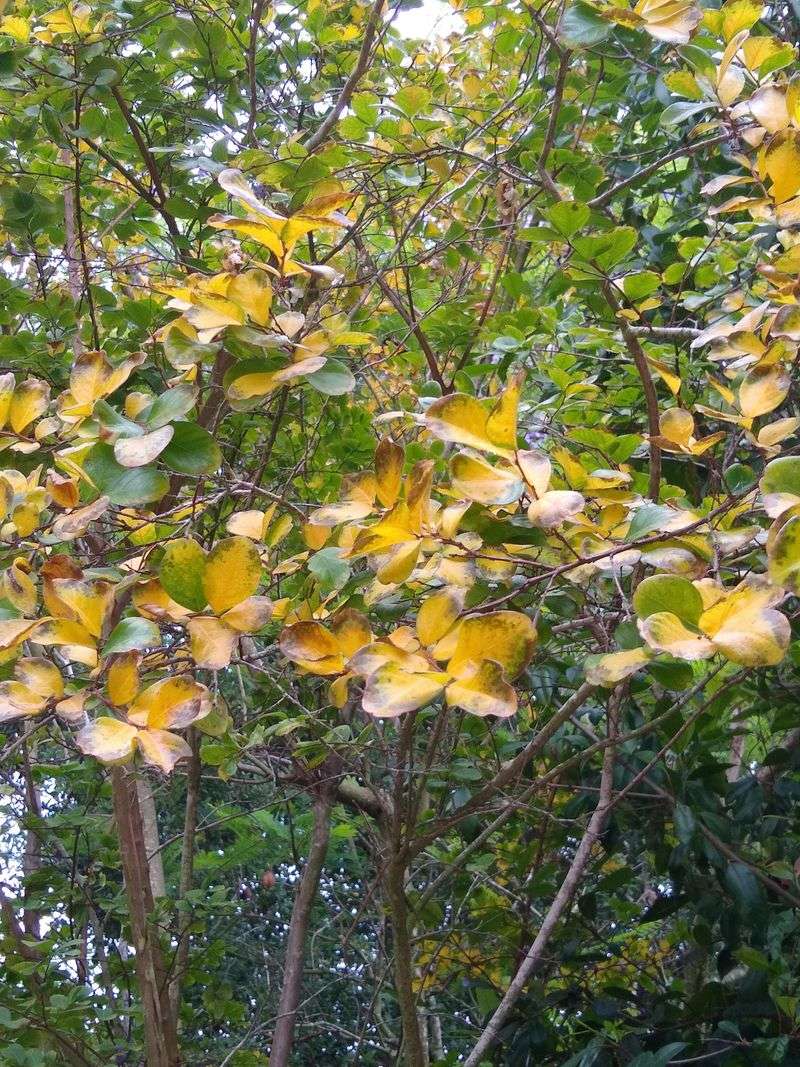
When leaves turn yellow or blooms look thin, reaching for fertilizer feels like the obvious answer. The trouble is that many crape myrtle problems have nothing to do with hunger for nutrients.
Yellow leaves can come from soggy roots, packed soil, or a plant sitting too long without water. Poor growth might trace back to a spot that is too shady, or roots crowded by nearby structures and other plants.
Pests and disease also cause a lot of the trouble people blame on nutrition. Powdery mildew coats leaves in a dusty white film, and sooty mold can darken foliage after aphids leave behind their sticky residue.
Dumping fertilizer on any of these issues will not help, and sometimes it makes things worse by stressing an already struggling plant. It is a bit like taking vitamins when what you really have is a broken bone.
The smarter move is to play detective first. Check the soil moisture, look under the leaves for insects, inspect for spots or mildew, and notice how much sun the plant actually gets during the day.
Once you spot the real cause, you can match your care to the actual problem. Maybe the fix is better drainage, a pest treatment, or simply moving mulch away from the trunk.
Fertilizer solves exactly one thing, and that is a genuine shortage of nutrients. For everything else, careful observation and the right response will do far more for your crape myrtle than another round of feeding ever could.
5. Drought Stressed Plants Should Not Be Fertilized
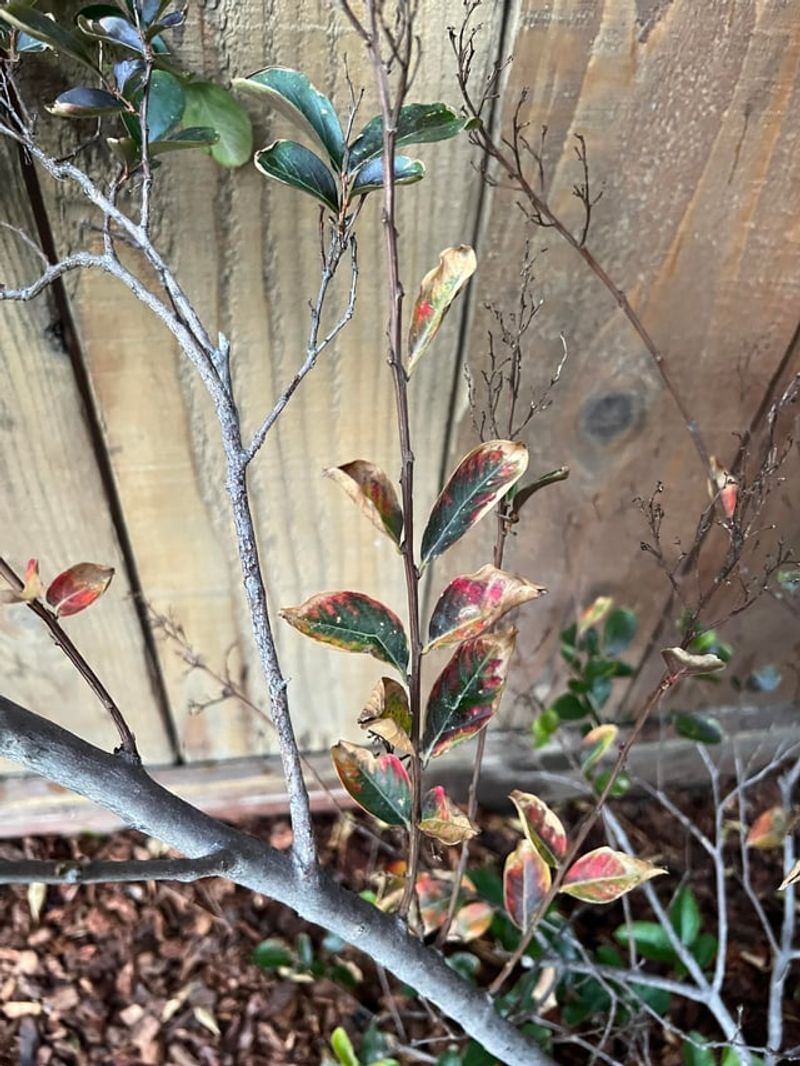
North Carolina summers can turn hot and dry fast, and by September some yards have gone weeks with little rain. A crape myrtle that is short on water is already under pressure, and fertilizer only adds to the load.
Here is why that happens. Soluble fertilizers contain salts, and applying them to already-dry soil can increase the concentration of salts around the roots and make water uptake more difficult.
When soil is already dry, concentrated fertilizer salts can add further stress to the roots and make it harder for the plant to take up water.
The result can be scorched leaf edges, wilting, and a tree that looks worse instead of better. Applying fertilizer to a drought-stressed plant can increase the risk of root injury, so restoring adequate moisture should come first.
Water always comes first. Before you even think about nutrients, give your crape myrtle a deep, slow drink that soaks down to the roots rather than just wetting the surface.
A layer of mulch around the base helps hold that moisture in and keeps the soil from baking in the sun. This simple step makes a big difference during long dry stretches.
Once the plant has recovered and the soil holds steady moisture again, you can decide whether feeding is even needed. Often a well watered crape myrtle perks right up on its own.
So during a September dry spell, keep the fertilizer put away and focus on hydration. Your crape myrtle needs a good drink far more than it needs a meal when the ground is parched.
6. Soil Testing Is Better Than Guessing
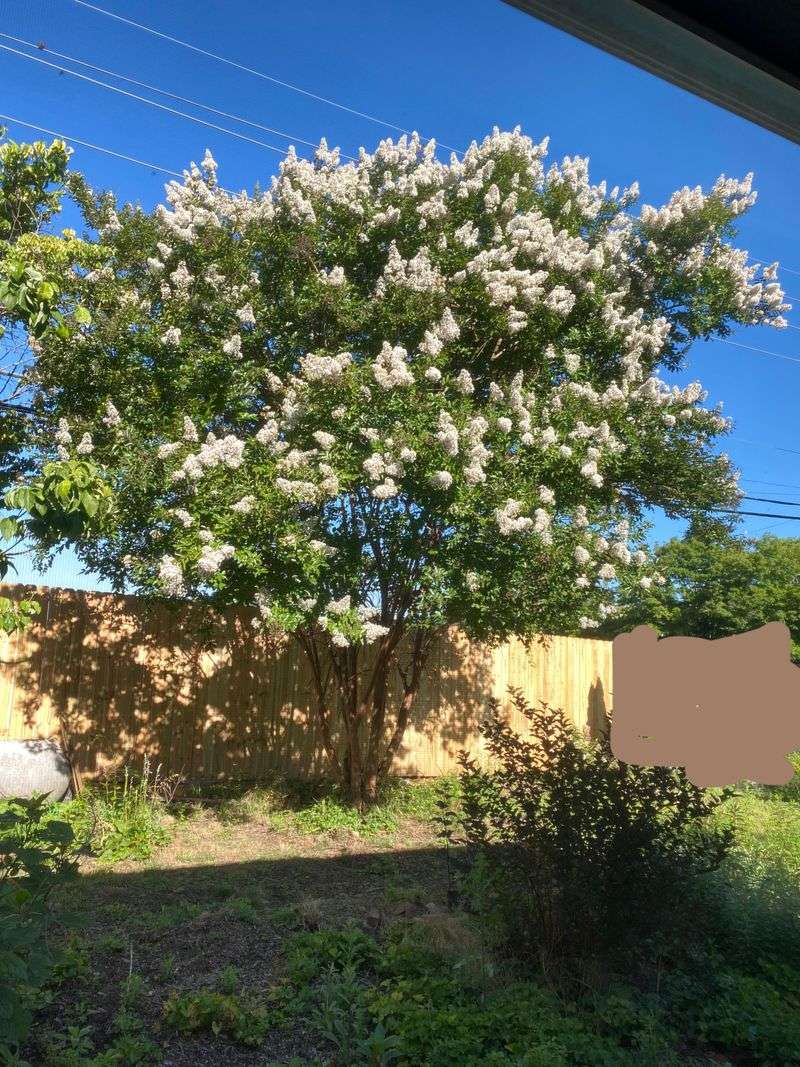
Guessing what your soil needs is a bit like adding salt to food you have not tasted yet. You might get it right, but you might also make a mess of something that was already fine.
A soil test takes the guesswork out completely. It tells you exactly which nutrients your soil holds, whether the pH is in a good range, and what, if anything, your crape myrtle is actually missing.
In North Carolina, the state offers soil testing through the Department of Agriculture, and it is free during much of the year. You collect a small sample, send it in, and get back a clear report with real numbers.
Without a test, it is easy to add nitrogen, phosphorus, or potassium the plant never needed. Too much phosphorus, for example, can build up and cause problems, and extra nutrients can run off into nearby streams.
The report also spells out simple recommendations, so you are not left trying to figure things out alone. You learn precisely how much to apply, or that you can skip feeding altogether.
This small step saves money too. Instead of buying products your soil does not need, you spend only on what will truly help.
Testing every few years keeps you in tune with how your soil changes over time. For any gardener who wants healthy plants without waste, a soil test is one of the smartest and easiest habits to build, and September is a fine time to gather that sample.
7. September Care Should Focus On The Plant’s Actual Needs
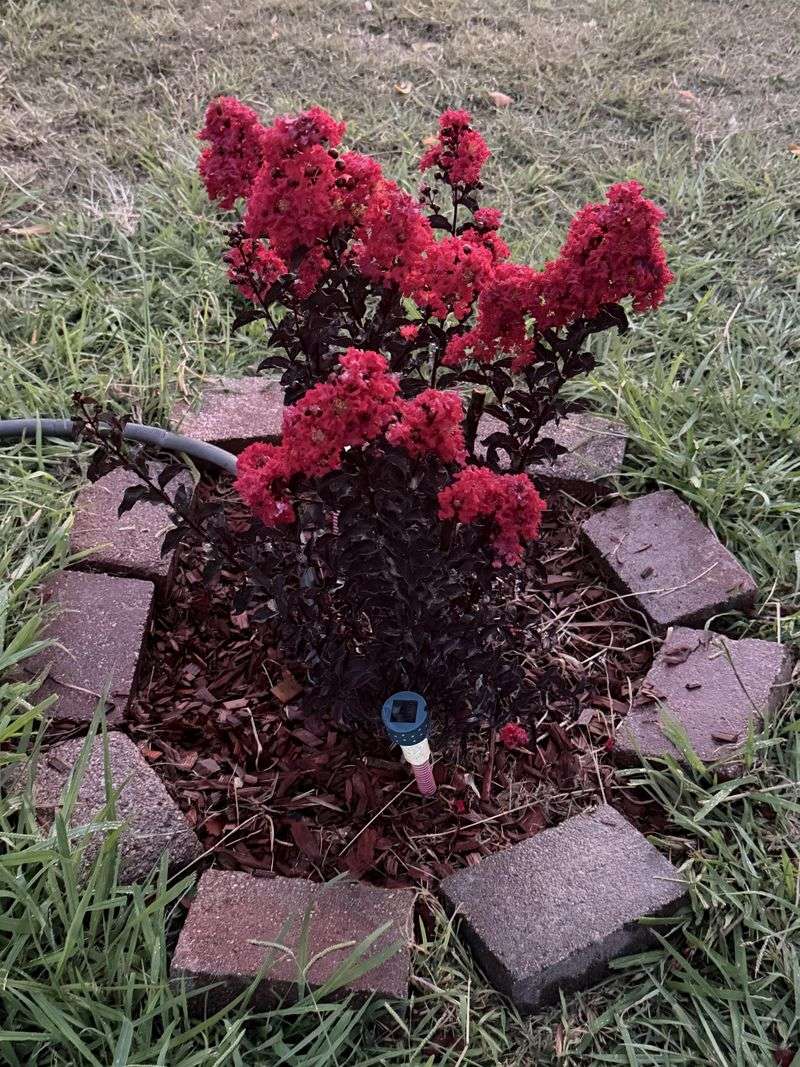
Fall care for a crape myrtle looks a lot less like feeding and a lot more like paying attention. The best thing you can do in September is meet the plant where it actually is.
Watering tops the list during dry weather. During dry weather, give the tree a thorough watering when needed, allowing the soil to dry somewhat between waterings rather than following a rigid schedule.
Keep an eye out for pests and disease while you are at it. A quick look at the leaves can catch aphids, mildew, or sooty mold early, when they are far easier to handle.
Mulch plays a quiet but important role too. A two to three inch layer around the base holds moisture and steadies the soil temperature, though it should never pile up against the trunk itself.
Avoid major pruning in September, since it can encourage new growth that may be more vulnerable to early cold. Minor corrective pruning of damaged or hazardous branches can still be done when necessary.
Notice the pattern here. None of these tasks involve fertilizer, yet together they do far more for a healthy tree than another feeding ever would.
Good gardening is really about matching your effort to what the plant needs at each moment. In early fall, that means water, watchfulness, and mulch, not a fresh round of nutrients.
Tend to these basics, and your crape myrtle will glide into winter in great shape, ready to burst back to life when spring returns.
8. Save Major Pruning For Late Winter
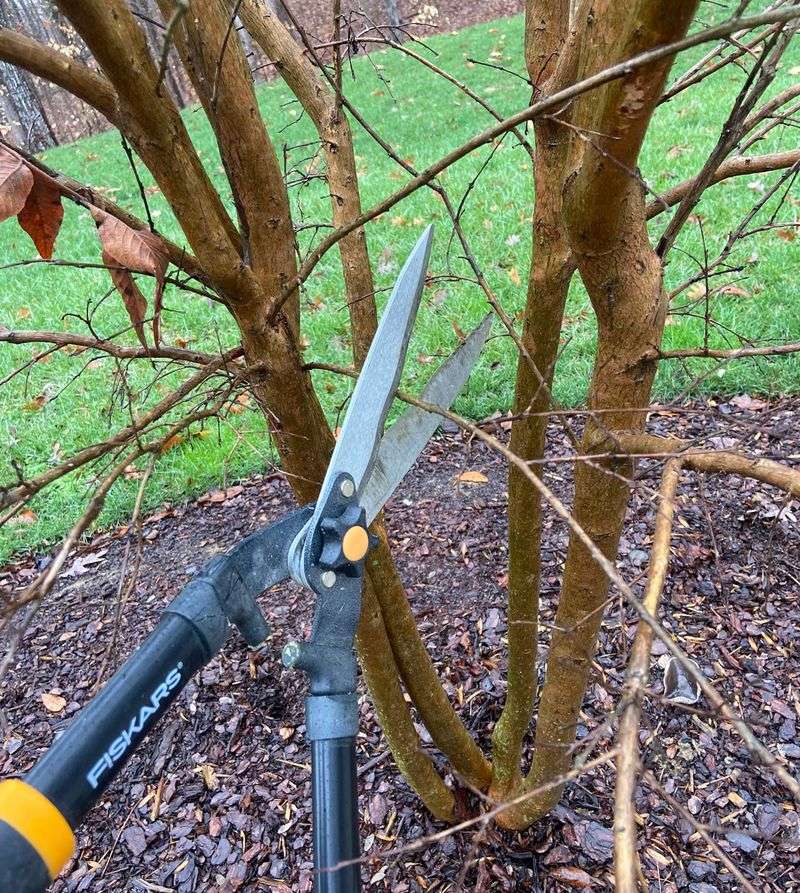
There is a right season for shaping a crape myrtle, and September is not it. NC State Extension recommends doing major crape myrtle pruning in late winter or early spring, before new growth begins.
Pruning can stimulate new shoots, which is one reason major pruning is better saved for late winter or early spring rather than September.
Late winter timing works because the plant is resting. You can clearly see the branch structure without leaves in the way, which makes it easy to decide what to remove and where to make clean cuts.
Pruning while the tree is dormant also means those fresh shoots wait to emerge until spring warmth arrives. That way the new growth has the whole growing season to mature and strengthen.
Please steer clear of the harsh chopping some folks call crape murder, where trees get cut down to thick stubs. That heavy topping harms the natural shape and often leads to weak, spindly regrowth.
Instead, aim for light, thoughtful trimming that removes crossing branches, suckers at the base, and any damaged wood. This keeps the graceful, vase like form these trees are known for.
If you spot a broken or hazardous branch in September, it is fine to remove just that one for safety. Save the real shaping work for the dormant months.
Waiting until late winter for major pruning gives the tree a good opportunity to produce healthy new growth and summer blooms.