Do These Things To Your North Carolina Sweet Potato Vines In June Before They Take Over The Bed
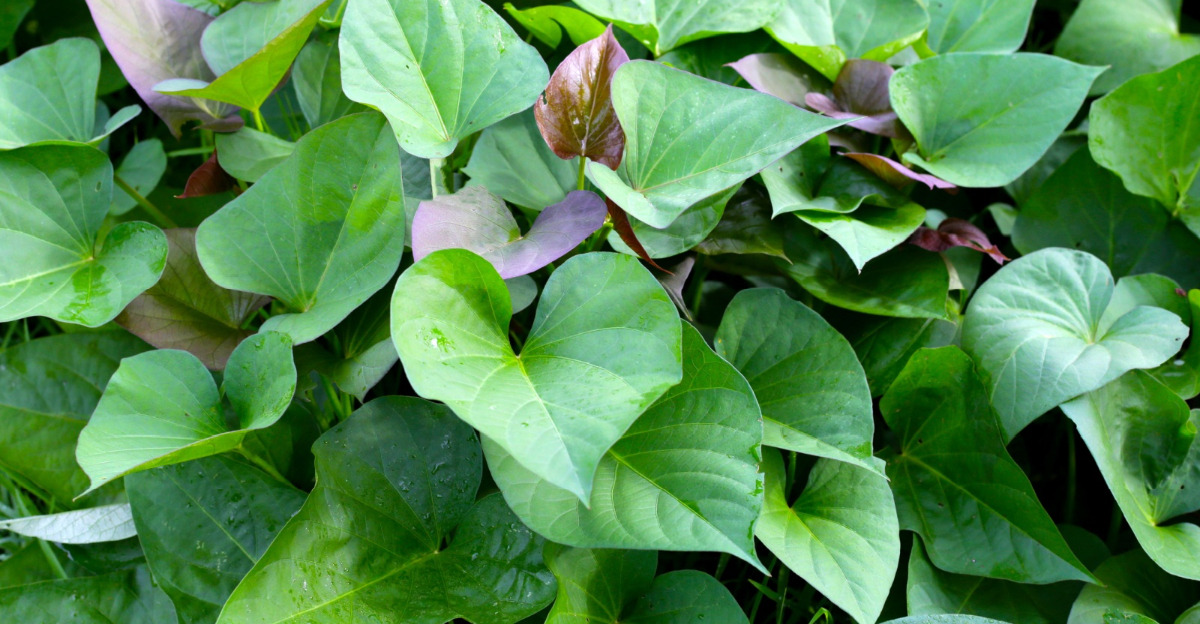
June has a way of catching North Carolina gardeners completely off guard, and sweet potatoes are one of the biggest culprits.
One week those slips look small, tidy, and totally manageable.
The next week you walk outside and long green vines are sprawling across the bed, creeping into the pathway, shading out whatever had the misfortune of being planted nearby, and generally acting like they own the entire garden.
North Carolina summers are basically a sweet potato vine’s dream come true. Warm soil, strong sun, and just enough rain to push growth into absolute overdrive.
The good news is that getting ahead of all that enthusiasm in June, before the canopy closes and the vines start doing whatever they want, makes the rest of the season dramatically easier and a lot less chaotic to manage.
1. Give Vines Room Before They Spread
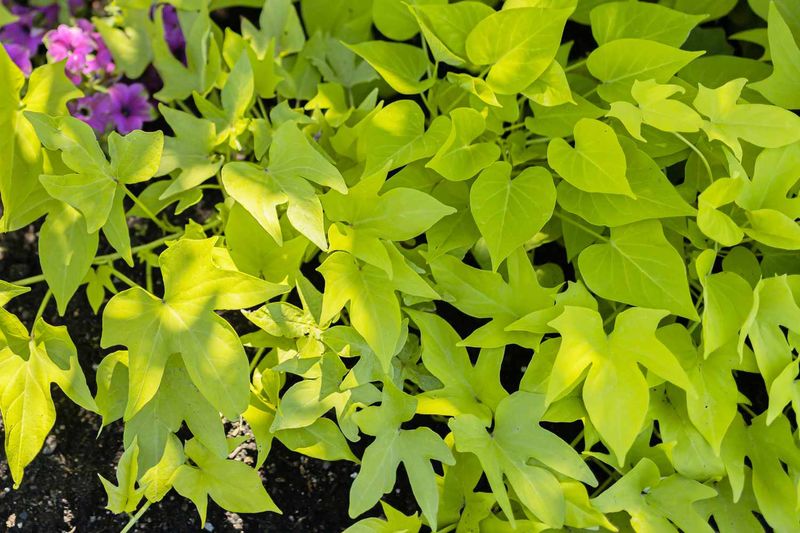
Warm June soil in North Carolina wakes sweet potato vines up quickly, and plants that looked small just a few weeks ago can surprise you with how fast they reach outward. Giving vines enough room from the start helps prevent a tangled mess later in the season.
Most sweet potato slips benefit from spacing around 12 to 18 inches apart, though some sprawling varieties may need even more room to move without crowding each other.
In raised beds, it can be tempting to plant close together to maximize space. However, crowded vines tend to overlap heavily, which can make it harder to check soil moisture, manage weeds, or spot early pest activity.
A little extra space between plants goes a long way.
North Carolina gardeners working with smaller backyard plots sometimes train vines to grow in one direction to keep them from wandering into neighboring crops or walkways.
June is the right time to look at your spacing and make small adjustments before vines lock into their summer growth pattern.
Results can vary depending on the variety you planted, your soil, and how much rain your area has received so far this season.
2. Guide Vines Back Into The Bed
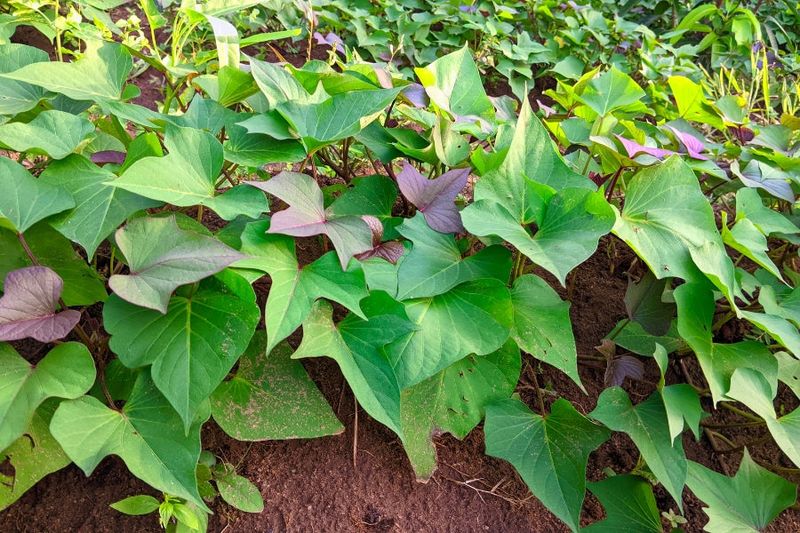
Paths disappearing under a mat of sweet potato leaves is a familiar June sight for many North Carolina home gardeners. Vines can travel several feet from the main plant in a short time, especially when the soil is warm and rainfall has been steady.
Gently redirecting those wandering stems back toward the bed is one of the most practical things you can do in June before the sprawl becomes difficult to manage.
Use your hands or a soft garden stake to guide vines without snapping or stressing the stems. Avoid bending vines sharply at tight angles, since that can slow the flow of water and nutrients through the plant.
A loose loop of garden twine or a simple stake can help hold redirected vines in place for a few days until they settle.
Redirecting vines also gives you a clearer view of the base of each plant, which makes watering, weeding, and pest scouting much easier.
North Carolina gardeners in the Piedmont and coastal regions especially find this helpful because vines tend to grow faster in those warmer, more humid areas.
Your North Carolina Garden Changes Every Week. Your Plan Should Too.
Gardening in North Carolina changes quickly throughout the season. Every Friday you’ll receive a simple weekly plan showing exactly what to plant, prune, fertilize, harvest, and protect so you never miss the right timing.
Keep in mind that results vary by variety and local growing conditions throughout the season.
3. Control Weeds Before The Canopy Closes
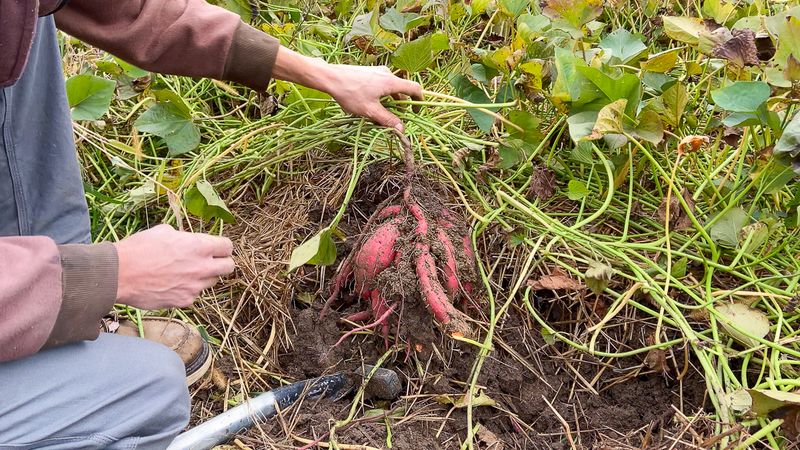
Weeds between young sweet potato plants in June are a short-lived problem if you catch them early. Once the vines grow large enough to form a thick leaf canopy, they naturally shade out many weeds on their own.
However, before that canopy closes, fast-growing summer weeds can compete with sweet potato plants for water, nutrients, and light, and they can be much harder to remove once vines have spread across the bed.
Hand-pulling weeds while they are small is generally the most practical approach for home gardeners. Working carefully between vines helps avoid disturbing the shallow roots and developing tubers beneath the soil.
A narrow hoe or hand cultivator can help loosen stubborn weeds without going too deep near the base of the plants.
North Carolina summers bring frequent weed pressure, especially after warm rain events that encourage both crops and weeds to grow rapidly.
Staying ahead of weeds in June, even with just a few minutes of attention each week, can reduce the workload significantly as summer progresses.
The window for easy weed control in sweet potato beds is relatively short, so early June is a good time to focus on getting the bed as clean as possible before the vines take over.
4. Mulch Between Young Vines
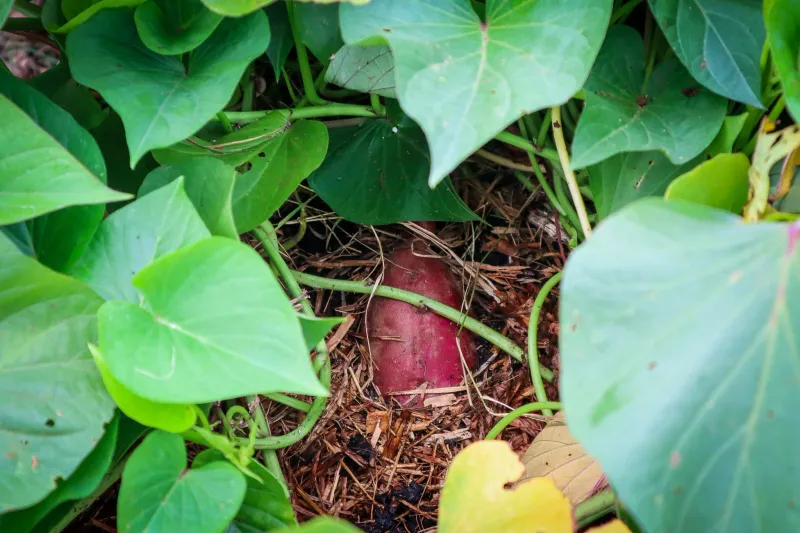
Straw scattered between sweet potato vines in early June does several helpful things at once.
It slows moisture loss from the soil surface, keeps the ground cooler on hot afternoons, and makes it harder for weeds to establish between plants before the vine canopy fills in.
Many North Carolina gardeners find that a 2 to 3 inch layer of straw or shredded leaves works well without smothering the vines themselves.
Mulching is especially useful in areas with sandy or loose soil that tends to dry out quickly between rain events. In parts of North Carolina where summer heat arrives early and stays long, mulch can make a noticeable difference in how steadily the soil holds moisture.
Avoid piling mulch directly against the base of the plant stems, since that can encourage rot in humid conditions.
Organic mulches like straw, pine needles, or shredded leaves break down gradually and add a small amount of organic matter to the soil over time. That slow breakdown can be a mild benefit for soil health in backyard beds.
Results vary depending on your soil type, rainfall patterns, and how thick you apply the mulch. June is a good time to mulch because the plants are still small enough to work around comfortably.
5. Keep Moisture Steady While Plants Establish
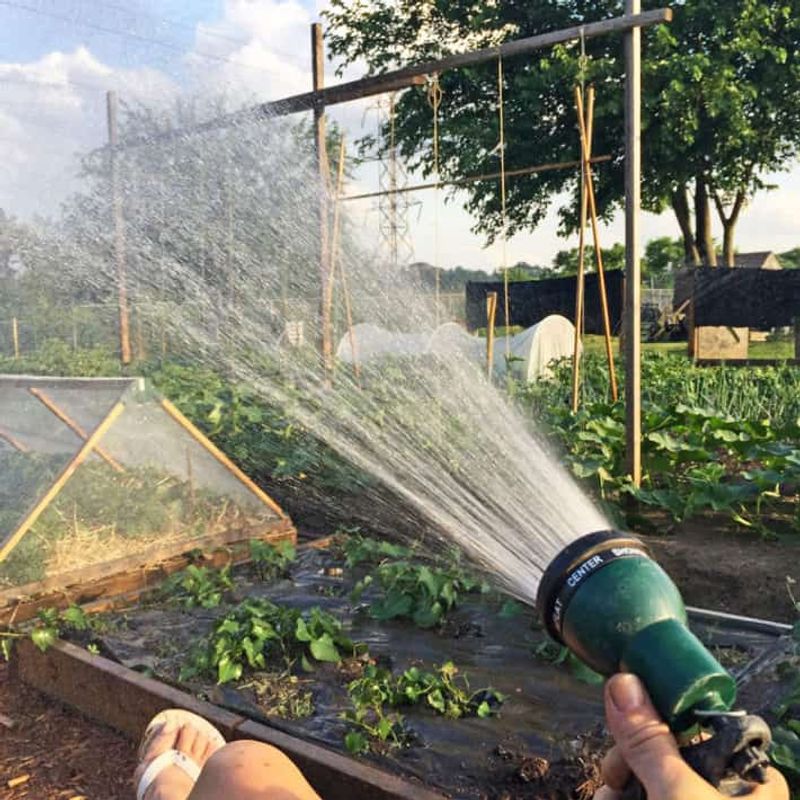
Uneven watering during June can stress sweet potato plants right when they are putting energy into root development and early vine growth.
North Carolina summers can swing between dry spells and heavy rain events, which makes it tricky to keep soil moisture consistent without paying close attention.
Deep, infrequent watering tends to encourage roots to grow downward rather than staying shallow near the surface.
A good general approach for home gardens is to water deeply when the top inch or two of soil feels dry, rather than giving plants a little water every day.
Drip irrigation or soaker hoses work well for sweet potatoes because they deliver water slowly at soil level, which reduces moisture on the leaves and lowers the chance of fungal issues in humid conditions.
Overhead watering late in the day can leave foliage wet overnight, which is worth avoiding when possible.
Raised beds in particular can dry out faster than in-ground plots, especially in North Carolina areas that see stretches of hot, dry weather in June and July.
Checking soil moisture a few inches below the surface gives a more accurate picture than looking at the top layer alone.
Sweet potato plants generally handle short dry spells reasonably well once established, but consistent moisture during the early weeks helps set the stage for healthy tuber development.
6. Avoid Overfeeding With Nitrogen
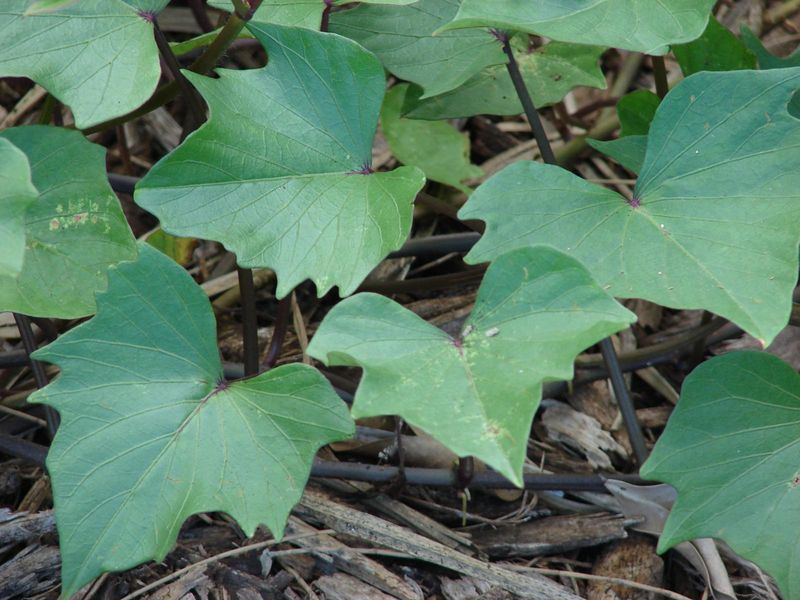
Lush, dark green vines covering the bed might look impressive in June, but too much nitrogen can push sweet potato plants to focus on leaf and stem growth at the expense of tuber development underground.
Sweet potatoes generally prefer soil that is moderately fertile rather than heavily enriched, and over-application of nitrogen-rich fertilizers early in the season can throw off that balance.
If you worked compost into your bed before planting, that may provide enough nutrients to carry the plants through much of the season without additional feeding.
Heavy nitrogen applications are more likely to become a concern in beds that were recently amended with large amounts of fresh manure or high-nitrogen fertilizers.
Soil testing through a local cooperative extension office can give you a clearer picture of what your soil actually needs before adding anything.
North Carolina gardeners sometimes notice that sweet potato vines growing in very rich soil produce abundant foliage but smaller or fewer tubers at harvest.
This is not guaranteed in every garden, since results depend on variety, soil type, rainfall, and other factors.
June is a reasonable time to hold off on heavy fertilizing and let the plants focus on establishing roots and early tuber formation rather than pushing excessive top growth throughout the summer months.
7. Scout For Leaf-Feeding Pests
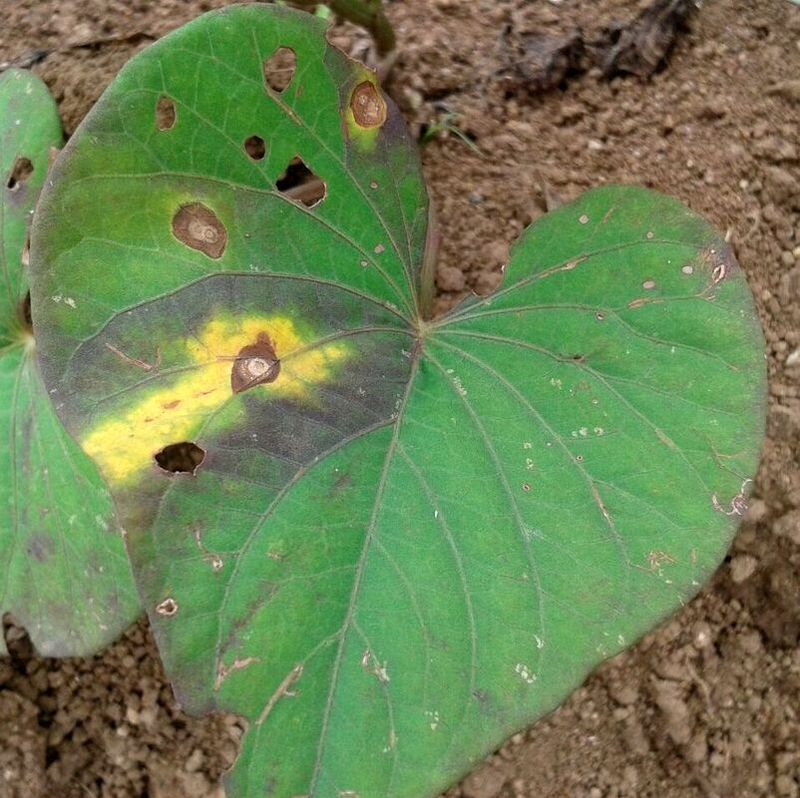
Checking the undersides of sweet potato leaves in June takes only a few minutes, but it can help you catch pest problems before they spread across the whole bed.
Sweet potato leaves attract several leaf-feeding insects during warm months, and spotting early feeding damage gives you more options for managing the situation before populations build up.
Small holes, ragged leaf edges, or discolored patches are worth a closer look.
Sweet potato weevils are a significant concern in some parts of North Carolina, particularly in coastal areas. Whiteflies, caterpillars, and flea beetles are also known to feed on sweet potato foliage in home gardens across the state.
Keeping records of what you see each season can help you recognize patterns and respond more effectively over time.
Many home gardeners in North Carolina find that healthy, well-watered plants with good air circulation tend to handle moderate pest pressure without major setbacks.
Removing heavily damaged leaves and checking nearby plants can help slow the spread of some insects.
If populations seem high, contacting your local cooperative extension office for guidance on management options suited to your specific situation is a practical step.
Results vary based on pest species, garden location, and the variety of sweet potato you are growing this season.
8. Protect Nearby Crops From Smothering Shade
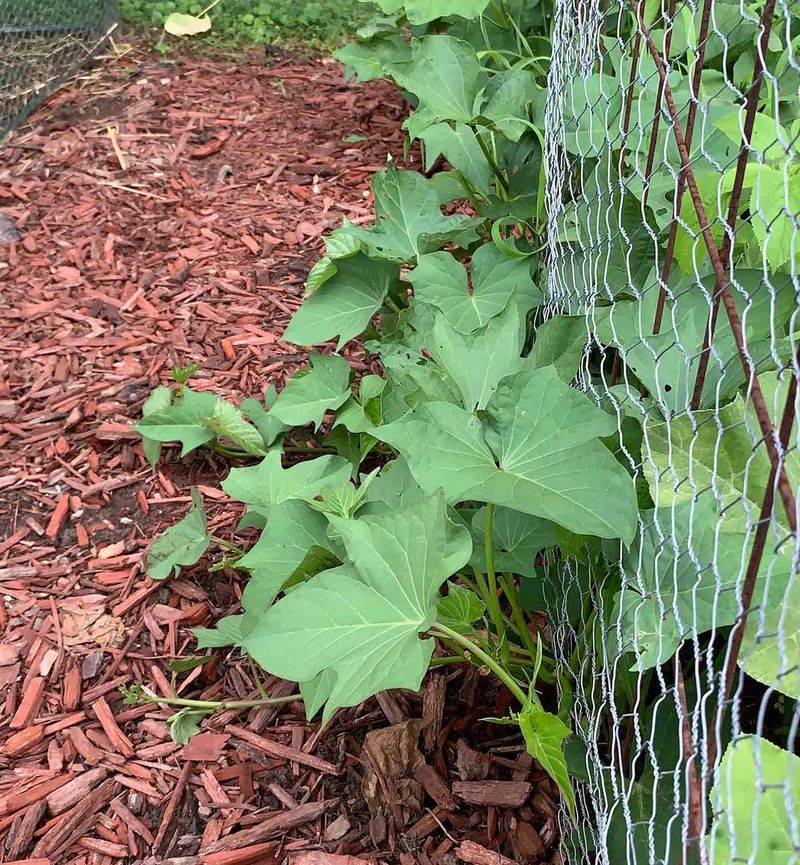
Sprawling sweet potato vines can quietly creep into the space of neighboring vegetables before you realize what has happened.
Peppers, beans, and smaller herbs planted nearby can find themselves partially shaded by a thick mat of sweet potato leaves within just a few weeks of June growth.
Reduced light reaching those plants can slow their production and make them more vulnerable to other stressors during the summer.
Keeping a clear boundary between sweet potato beds and neighboring crops is easier in June than it will be in July, when vines are much longer and harder to redirect without disturbing the plant.
Raised bed dividers, simple wooden edging, or a clear path between planting areas can help maintain separation between different crops in a busy backyard garden.
North Carolina community gardens and small home plots sometimes arrange sweet potatoes at the edges of the garden where vines can trail outward without competing with other vegetables.
Thinking about the final size and spread of sweet potato vines at planting time can reduce the amount of management needed later in the season.
Vine spread varies considerably by variety, so checking the expected mature size of the specific type you planted is a helpful step before the summer growing season gets fully underway.
9. Use Beds Or Ridges Where Drainage Is Poor
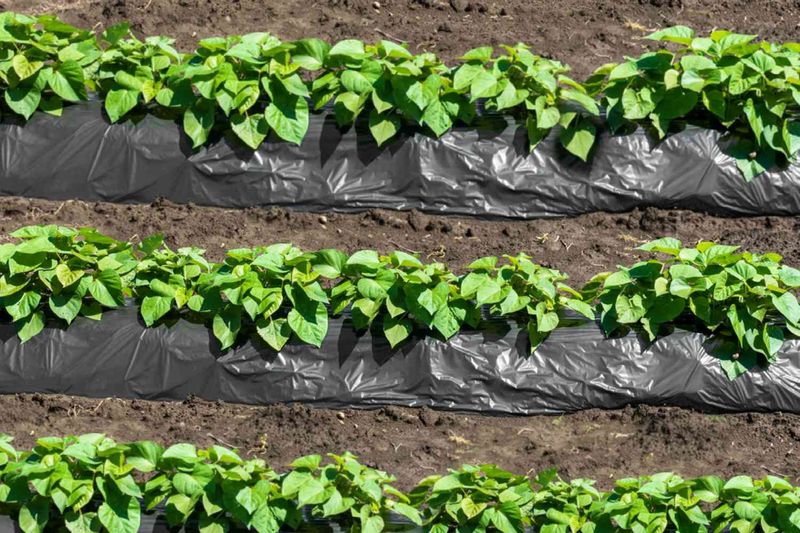
Clay-heavy soil in many parts of North Carolina, especially across the Piedmont, can hold water longer than sweet potato roots prefer. Sitting in waterlogged soil during warm summer months can stress the plants and reduce tuber quality at harvest.
Raised beds and mounded ridges improve drainage by lifting the root zone above areas where water tends to pool after heavy summer rain events.
Building up a simple ridge of loose soil before planting sweet potato slips is a traditional approach that many home gardeners in the South have used for generations. Ridges do not need to be tall to be effective.
Even a modest mound of 6 to 8 inches can make a meaningful difference in how quickly excess water drains away from the developing tubers below the surface.
North Carolina mountain gardens sometimes face different drainage challenges than coastal or Piedmont areas, depending on slope, soil composition, and rainfall patterns.
Regardless of your region, paying attention to how your beds drain after a heavy rain in June can tell you a lot about whether adjustments are worth making.
If water stands in low spots of your garden for more than an hour or two after rain, raised planting areas are worth considering for sweet potatoes and other root crops this season.