The One Thing North Carolina Garden Beds Need In Late July To Prepare For Heavy Rainfall
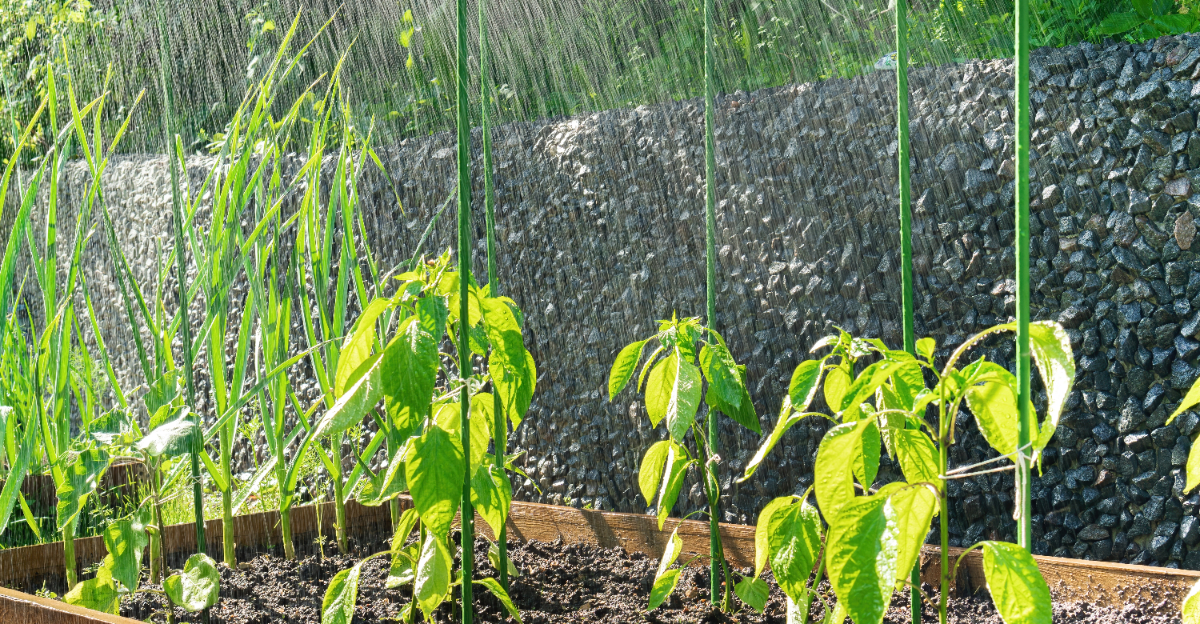
Improving drainage is the single most important step North Carolina gardeners can take in late July to prepare beds for heavy summer rainfall.
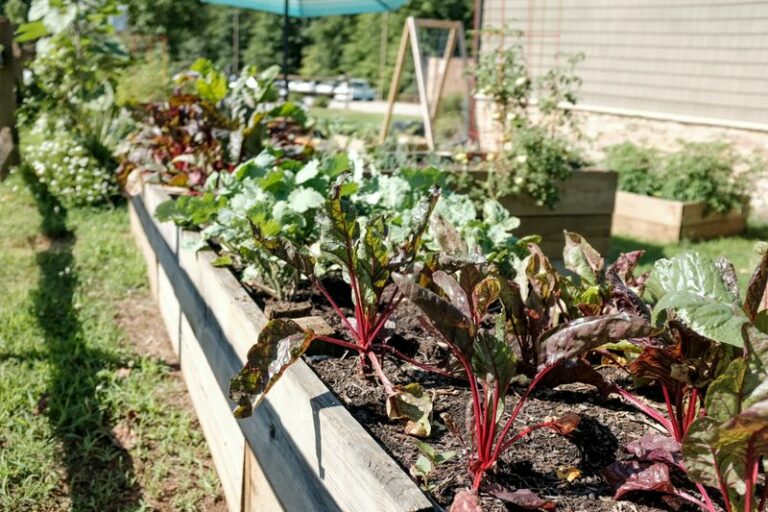
Raised beds or added organic matter help water move through soil more efficiently instead of pooling around sensitive roots.
Compacted soil struggles to absorb sudden downpours, often leading to standing water that suffocates roots within just a day or two. Adding a layer of mulch also helps slow heavy rain from eroding topsoil and washing away valuable nutrients.
Checking that beds have a slight slope away from the house prevents runoff from collecting in low spots. Aerating compacted areas beforehand gives water somewhere to go once storms arrive.
Gardeners who address drainage now often avoid the root rot and fungal issues that follow major rain events. A little preparation goes a long way once the storms roll in.
1. Give Excess Water A Clear Route Out
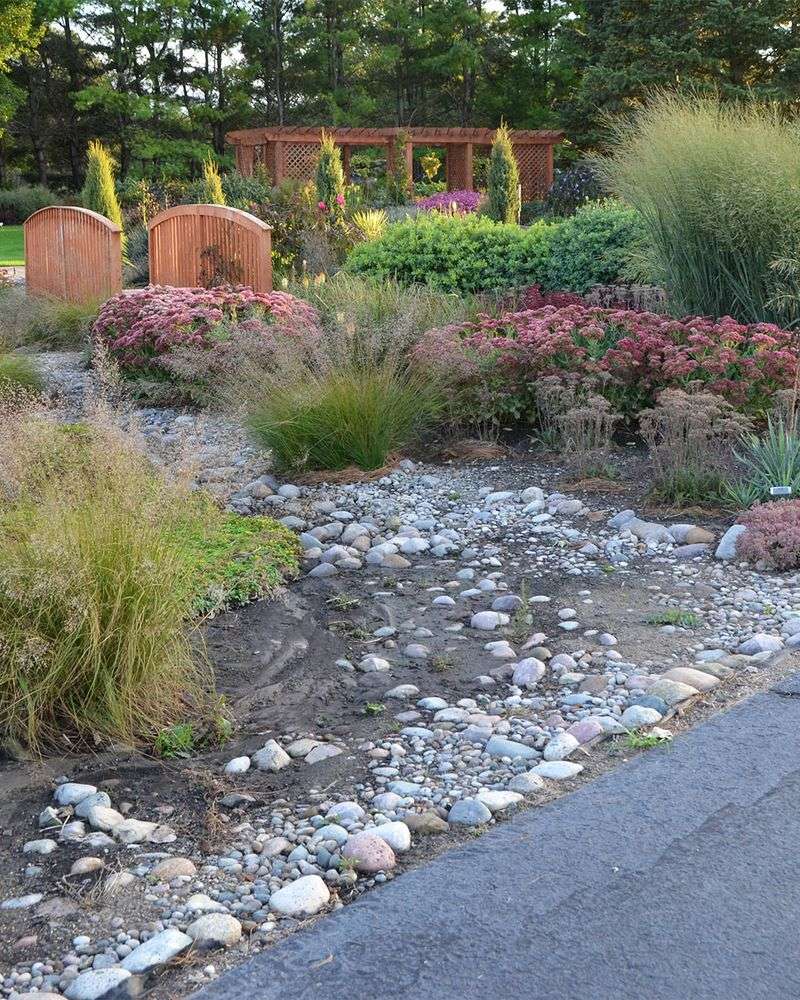
Water always finds the lowest point, and in a North Carolina garden during late July storms, that lowest point is often right where your plants are growing.
Giving excess water a clear route out of your garden beds is the single most important step you can take before heavy rainfall arrives.
Without a proper exit path, water pools around roots, compacts your soil, and can wash everything from mulch to fertilizer right into your lawn or pathway.
Start by watching your garden during a normal rain shower. Look for spots where water collects, where soil washes sideways, and where runoff enters from uphill ground or rooftops.
Those observations are gold. They tell you exactly where you need to act before the next big storm hits.
Once you spot problem areas, create gentle slopes or shallow channels that guide water gradually away from plant crowns and bed centers. The goal is smooth, steady movement, not a fast rush that erodes soil or floods a neighbor’s yard.
Keep in mind that drainage routes should never direct a strong concentrated stream toward a neighboring property, a building foundation, a public street, or a natural waterway. That kind of runoff can cause real problems beyond your own yard.
A gentle slope of just one or two inches over several feet is usually enough to keep water moving in the right direction without causing damage anywhere else.
Taking time to map your drainage now means your plants stay rooted when the heavy summer rains finally arrive.
2. Clear Leaves And Debris From Drainage Openings
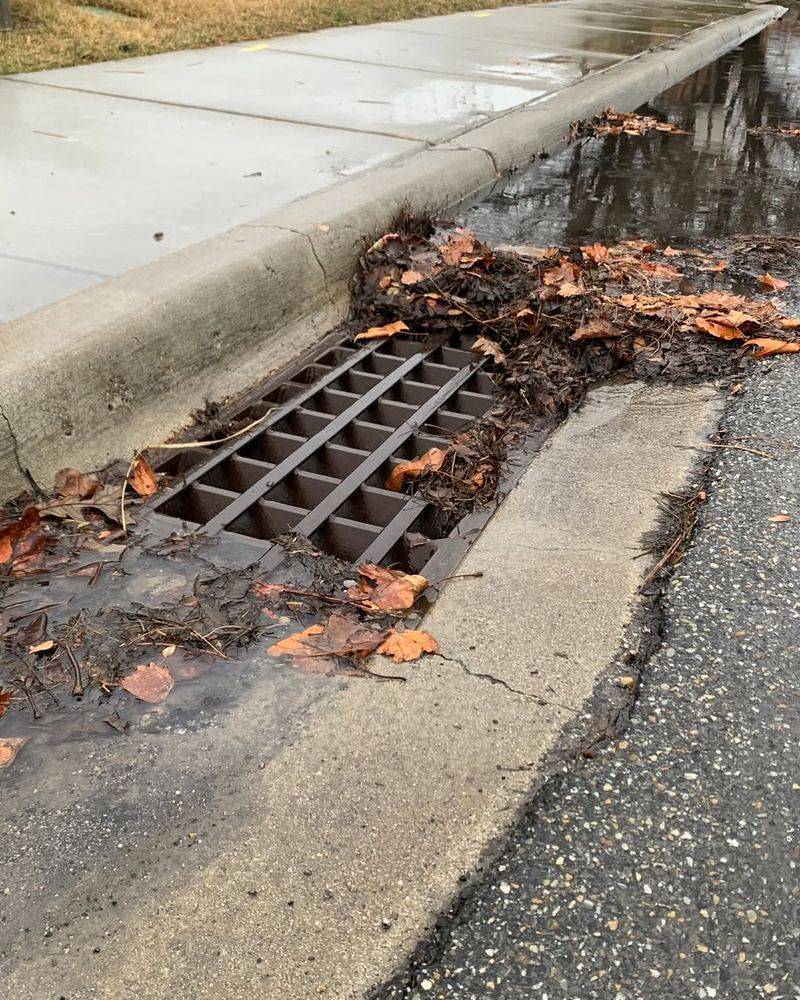
Picture a garden drain completely clogged with soggy leaves, loose mulch, and tangled weeds right before a heavy rainstorm. That is not a situation any North Carolina gardener wants to face in late July.
Blocked drainage openings turn even a well-designed garden bed into a temporary pond, and the damage happens faster than most people expect.
Before serious rainfall arrives, walk every edge of your garden and clear out anything that could block water movement. Check shallow channels, gaps in raised bed frames, and any nearby surface drains that handle overflow from your beds.
Your North Carolina Garden Changes Every Week. Your Plan Should Too.
Gardening in North Carolina changes quickly throughout the season. Every Friday you’ll receive a simple weekly plan showing exactly what to plant, prune, fertilize, harvest, and protect so you never miss the right timing.
A few minutes with a hand tool or garden gloves can make a massive difference when the rain starts falling hard. Downspout outlets deserve special attention.
Roof water carries a lot of volume and force, and if your downspout empties anywhere near vegetables, flowers, or newly planted shrubs, that concentrated flow can strip soil and overwhelm young root systems quickly.
Redirect those outlets or use splash guards to spread the water before it hits your beds.
One thing to skip entirely is digging deep trenches through established plant roots just to prepare for a single storm. That kind of disturbance causes more harm than the rain itself would.
Keep it simple: clear existing openings, redirect obvious problem flows, and make sure your channels are free of debris.
A clean drainage path costs almost no time but pays off enormously when North Carolina’s late July storms deliver inches of rain in just a few hours.
3. Raise Low Sections Before Rain Arrives
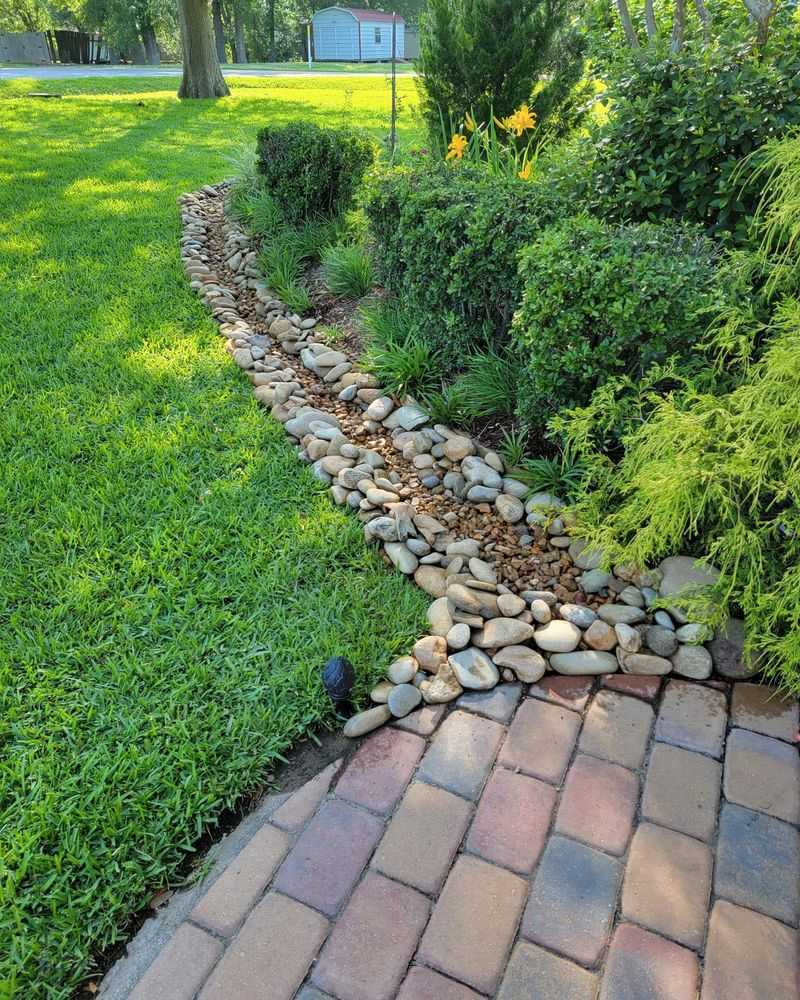
Every garden has that one stubborn low spot where water lingers long after everything else has dried out.
In North Carolina’s late July heat, those shallow depressions might seem harmless, but when a heavy storm rolls through, they become miniature ponds that sit right around plant crowns and roots.
Prolonged standing water starves roots of oxygen and can cause serious problems for even tough, established plants.
If you have unplanted low sections in your beds, now is the perfect time to fill them with suitable soil and gently slope them toward a drainage outlet.
Creating slightly raised rows before crops go in the ground is a smart and simple technique that veteran gardeners use to keep water moving away from vulnerable root zones. It takes minimal effort and makes a big difference when the rain comes down hard.
For established plants, the approach changes. Never pile new soil directly around stems, crowns, or the base of shrubs and small trees.
Burying those areas creates its own set of problems that can linger long after the storm passes. Work around existing plants carefully and focus on improving the surrounding soil grade rather than covering the plant itself.
Raised beds are an excellent long-term answer for gardens with poorly drained native soil. They give you full control over soil texture and grade.
Just remember that raised beds still need open outlets at the bottom or sides, and they still require quality, well-structured soil inside to drain properly when North Carolina summer storms arrive at full force.
4. Protect Bare Soil With A Stable Organic Cover
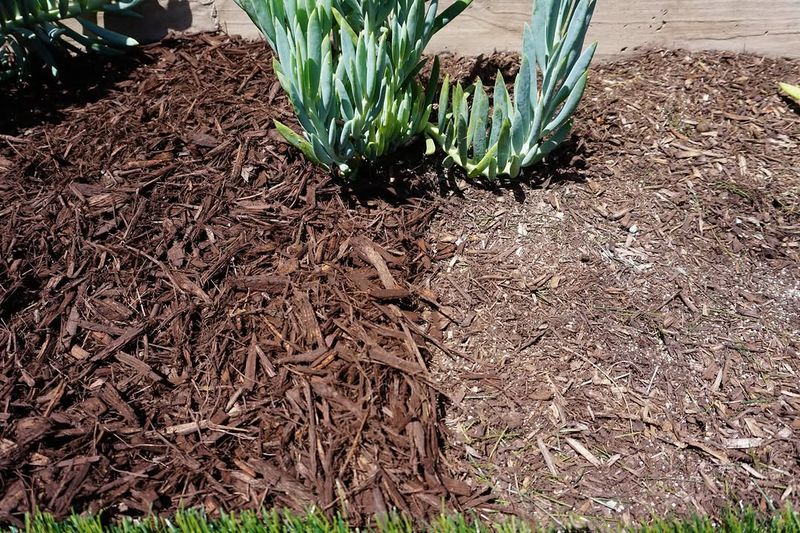
Bare soil and heavy rain are a bad combination. When large raindrops hit exposed ground at full speed, they splash soil particles loose, break down the surface structure, and send a muddy slurry washing toward your plants and pathways.
A modest layer of the right organic mulch acts like a cushion, softening the impact and keeping your soil exactly where it belongs.
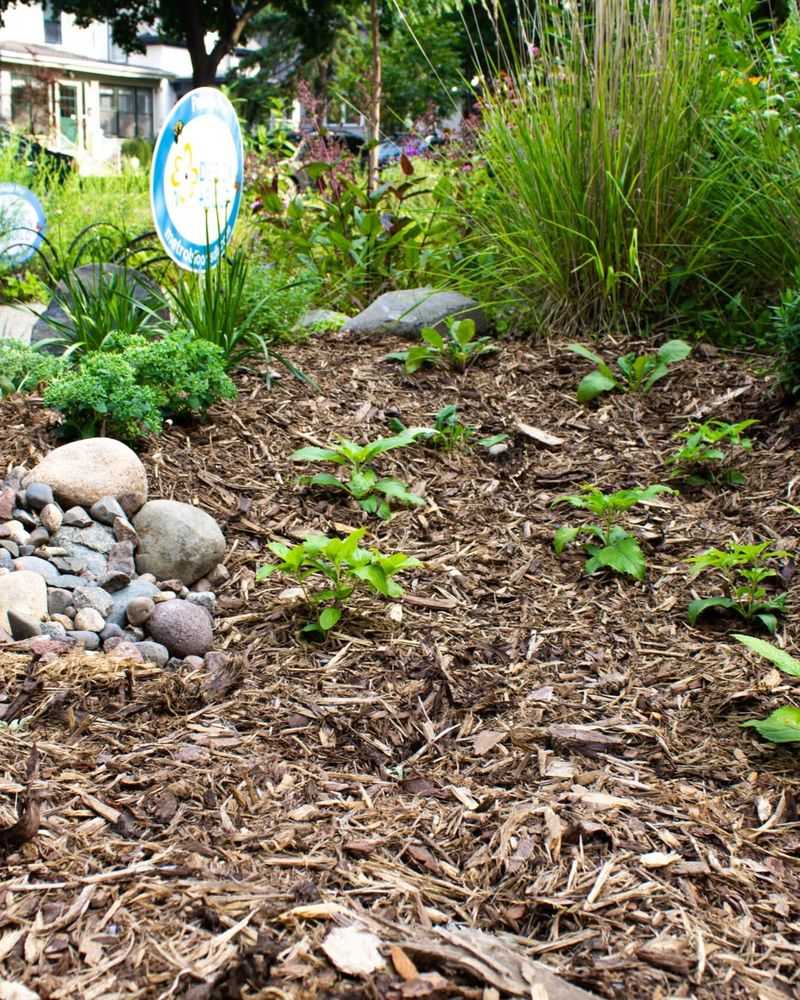
Shredded leaves, pine straw, and clean straw are all solid choices for North Carolina garden beds heading into a rainy stretch. They absorb the force of falling drops, slow surface runoff, and break down gradually to feed your soil over time.
Aim for a layer around two to three inches thick across open soil areas, and you will notice a real difference in how your bed holds up after a big storm.
Placement matters as much as the material itself. Always leave open space around plant stems, crowns, and the base of any trees or shrubs in your bed.
Mulch pressed tightly against plant stems traps moisture and can create problems for the plant over time. Keep it nearby but not touching.
Loose bark chunks and chunky wood chips can float away during intense downpours, especially on any kind of slope. Very thick or compacted mulch layers can also slow water movement into the soil rather than helping it.
Choose a material that stays reasonably stable on your specific slope and soil type.
The right cover, applied thoughtfully, is one of the easiest and most effective ways to protect your North Carolina garden beds before late July storms arrive.
5. Stop Irrigation Before The Soil Becomes Saturated
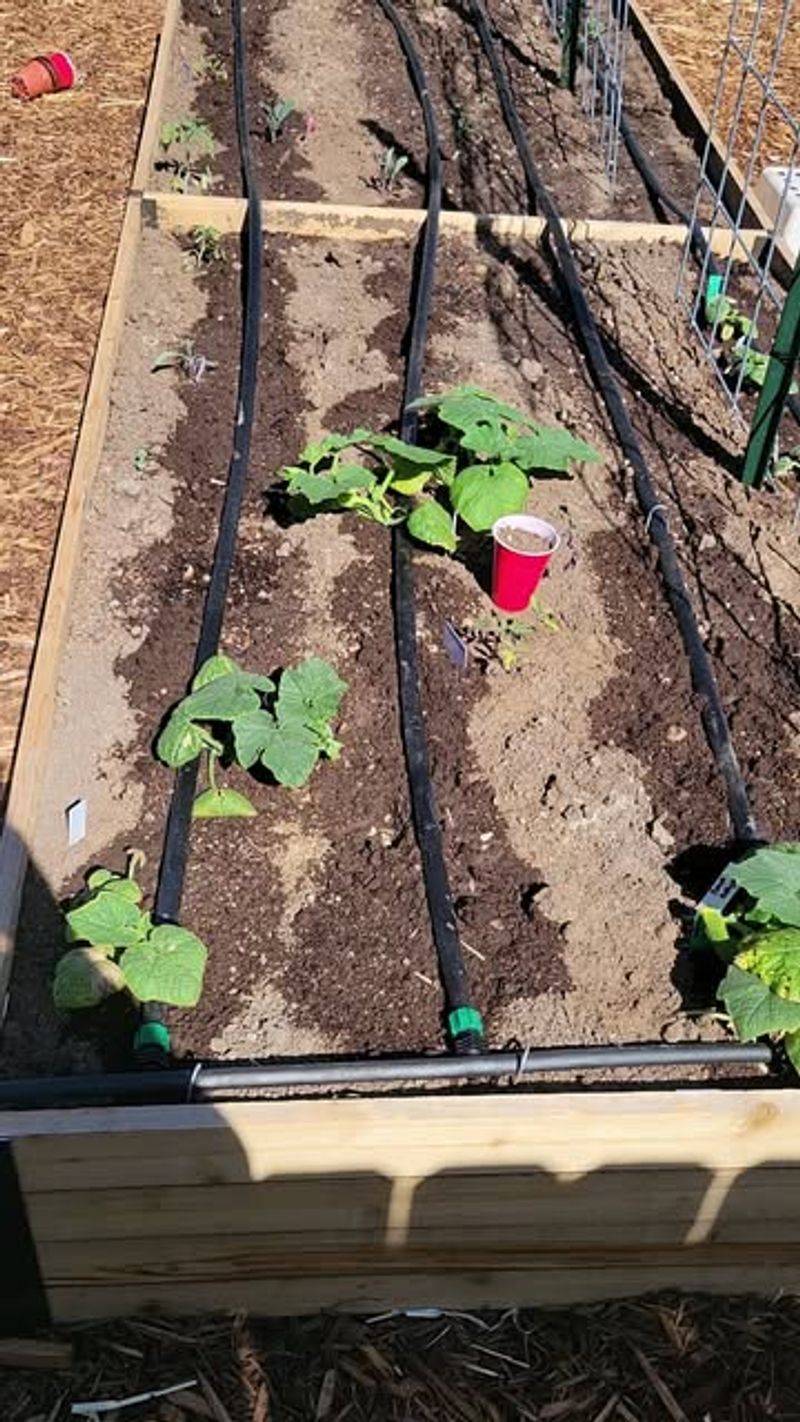
Automatic irrigation systems are incredibly convenient, but they can work against you when heavy rain is on the way.
Running your sprinklers or drip lines on a normal schedule right before a major storm means your soil is already holding as much water as it can by the time the rain starts.
There is simply no room left for more, and roots end up sitting in saturated ground far longer than is healthy for them.
Checking actual soil moisture before you water is a habit worth building, especially in late July when North Carolina weather can shift quickly. Push your finger two inches into the soil near your plants.
If it feels damp, skip the irrigation. If a significant rain event is forecast within the next day or two, skip it anyway and let the storm do the work for you.
Most smart irrigation controllers now include a rain sensor or a weather-based adjustment feature. If yours has that option, make sure it is active and calibrated correctly before storm season peaks.
A simple rain delay of 24 to 48 hours around a forecast event can prevent a lot of unnecessary waterlogging in your beds.
One exception worth remembering: containers tucked under roof overhangs and beds sheltered by large structures may receive little to no rainfall even during a heavy storm. Those spots can stay surprisingly dry while the rest of your garden gets soaked.
Check them separately and water only if the soil genuinely needs it, rather than assuming the rain handled everything evenly across your entire yard.
6. Keep Foot Traffic Off Wet Garden Soil
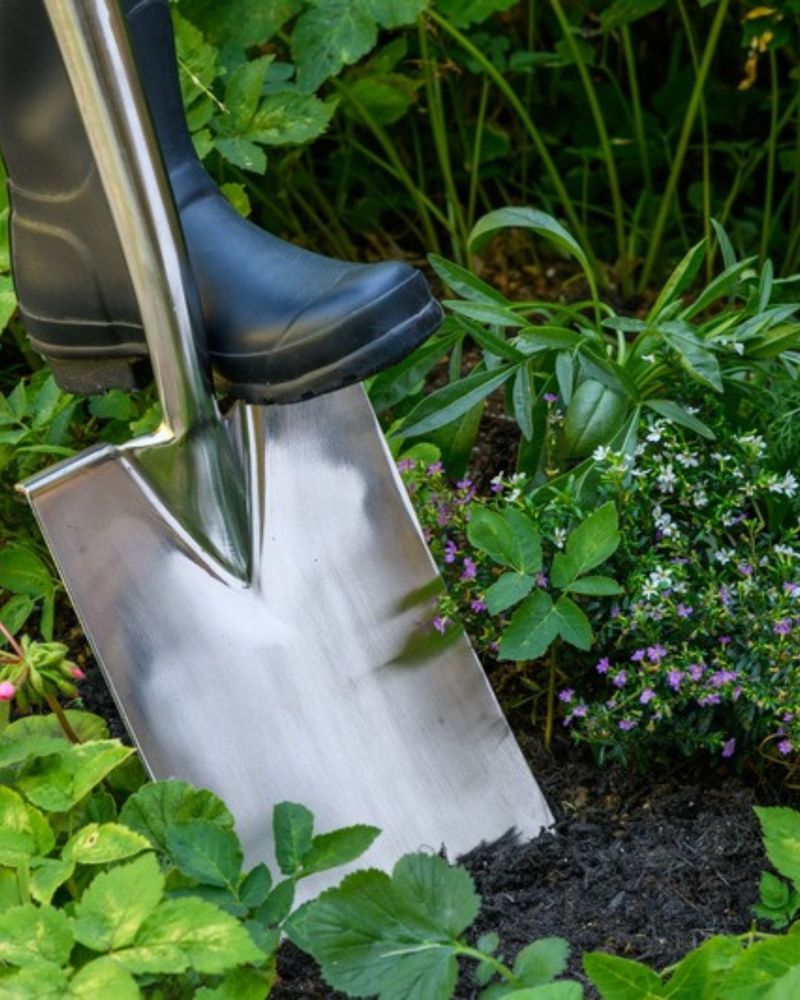
There is a tempting urge to rush into the garden right after a big storm to check on your plants and clean things up. Resisting that urge is actually one of the best things you can do for your North Carolina garden beds.
Walking on wet soil, especially the heavy clay that dominates so many yards across the state, compresses the tiny air pockets that roots and water both depend on.
Soil compaction is a sneaky problem. The surface might look fine within a day or two, but underneath, the structure is damaged.
Those collapsed pore spaces that once carried water downward and oxygen inward are gone, and rebuilding them takes significant time and effort.
What looks like a quick walk through a soggy bed can create drainage problems that stick around for an entire growing season.
Before heavy rain arrives, complete any essential bed preparation so you have no reason to enter wet planting areas afterward. Lay boards or stepping stones along permanent paths outside active root zones if you absolutely need access during or after a storm.
Spreading your weight across a flat board protects the soil beneath far better than a single concentrated footstep.
The best rule of thumb is straightforward: wait until soil passes the squeeze test before you cultivate, weed, or repair any part of the bed. Grab a handful of soil and squeeze it.
If it crumbles apart when you open your hand, it is workable. If it holds together in a sticky ball, it needs more time to dry before you step in and get to work.
7. Secure Mulch Covers And Young Plants
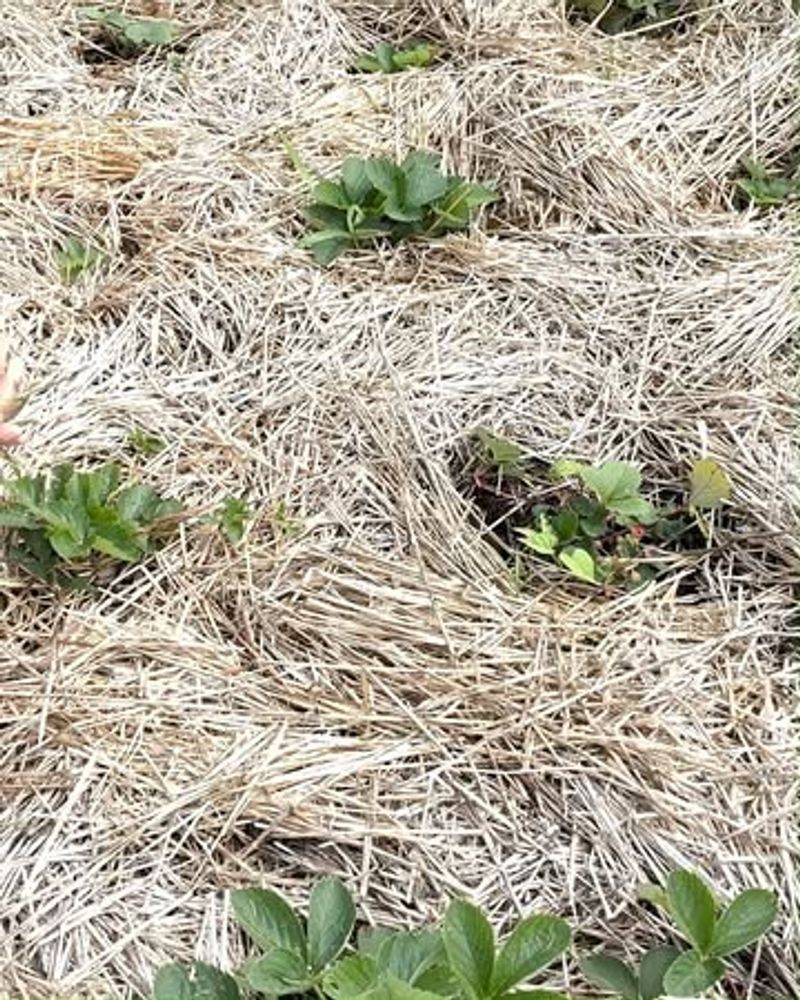
Fast-moving runoff during a heavy North Carolina storm has a surprising ability to rearrange everything in your garden that is not firmly in place.
Row covers, plant labels, drip irrigation lines, and lightweight mulch can all shift, bunch up, or wash into drainage channels within minutes of a serious downpour.
Young seedlings are especially vulnerable because their root systems have not yet anchored deeply enough to hold firm against moving water and wind.
Before rain arrives, walk your beds and secure anything loose. Weigh down the edges of row covers with soil, rocks, or garden staples.
Check that irrigation lines are pinned down and not crossing over drainage paths where they could block water movement. Tuck plant labels into the soil firmly so they do not become small floating debris during a heavy shower.
Young transplants benefit from a gentle stake or support during storm season. Even a small bamboo stick tied loosely to a new seedling can keep it upright when rain and wind hit at the same time.
Check that fabric covers are not pressing foliage down against the soil surface, because wet leaves held against saturated ground can develop problems quickly in North Carolina’s humid summer conditions.
Plastic sheeting over beds deserves special caution. Unless it was specifically designed for that purpose and has proper ventilation, tightly sealed plastic traps heat and moisture in ways that can stress plants fast.
Always keep drainage exits open and clear so that no loose material, whether mulch, fabric, or labels, can wash into the channels your water needs to escape through during a storm.
8. Treat Floodwater Differently From Ordinary Rain
Not all water that enters your garden during a storm comes from the sky. When water flows in from roads, streams, neighboring properties, or septic areas, it brings along whatever it has picked up along the way.
That is a completely different situation from ordinary heavy rainfall, and treating it the same way can lead to serious mistakes, especially if you grow edibles in those beds.
Floodwater can carry biological contaminants, chemical residues, and other materials that are impossible to identify just by looking at the water. It might look clear and clean, but the source matters far more than the appearance.
A garden bed that was covered by floodwater from an outside source is not automatically safe once the water recedes and the soil dries out.
Do not harvest vegetables, fruits, or herbs from a bed that experienced flooding from an external source until you have checked with current North Carolina Cooperative Extension guidance.
Extension offices across the state provide updated recommendations based on crop type, flood duration, and contamination risk. Their advice is specific, practical, and free to access.
Document what happened as thoroughly as you can. Take photos, note where the water came from, and record how long the bed stayed flooded.
Avoid direct contact with water or produce from the affected area until you have more information. Hold off on replanting or amending the soil until you understand what you are working with.
Rushing back into a flooded bed without that knowledge can create risks that careful drainage planning alone cannot prevent.